Anytime school is about to resume, parents get bothered with the thought of how to start running up and down school stuffs. From shopping to shoes, to bags, to books, and everything in between. It feels like the whole calendar suddenly fills up overnight.
One week you’re enjoying slow mornings and quiet afternoons, and the next you’re juggling uniforms, price tags, and a growing to-do list.
Every parent knows this feeling well. You want your child to start the term happy and ready. But you also don’t want to lose your mind trying to make that happen. The truth is, this season only feels heavy when you try to handle everything at once.
Shopping, packing, planning, and comforting your child can all pile up in your head together. Once you break it into small steps, the whole season becomes much easier. You don’t need to do it all in one weekend. You just need a simple plan that fits your family’s pace.
This guide will walk you through everything you need this season. We’ll talk about backpacks, lunches, homework spaces, mornings, and even the emotional side of starting fresh.
Some of these things sound small, but they shape how your child’s term begins. And if your child struggles with nerves about starting again, you’re not alone in that. How to Prepare Your Child for the First Day of School Without Stress goes deeper into that side of things, so keep it close as you read on.

The Ultimate Back-to-School Guide for Parents
Start With The Right Mindset
Before you touch a shopping list, sit with yourself for a minute. Back-to-school season moves fast once it truly begins.
One day you’re relaxing with your coffee in peace, and the next, uniforms need ironing and bags need packing.
The truth is, most of the stress parents feel doesn’t come from the tasks themselves. It comes from trying to carry all of them in your head at once.
Break everything into small steps instead of tackling it all together. Handle one thing today, another tomorrow, and let the rest wait.
You don’t need to finish shopping, cleaning, and planning in a single weekend.
Spreading tasks across a few weeks feels lighter on your mind and body, and keeps you from feeling short-tempered with your kids.
My friend Cleo used to panic every August like clockwork. She kept buying things twice because she forgot she already had them.
One year, she bought four packs of pencils without even realizing it.
She later told me the stress wasn’t really about the shopping itself, but about not having any system to follow.
Now she keeps one simple list on her phone at all times, and checks it before buying anything new, no matter how tempting the sale looks.
That one small change gave her so much peace during a season that used to drain her.

Watch For Your Child’s Silent Worries
If your child struggles with worry about starting fresh, please don’t brush it aside.
Kids pick up on our stress much faster than we ever realize, even when we think we’re hiding it well.
Stay calm around them, especially during the busiest shopping days. Talk softly when they bring up their worries, and reassure them often without turning it into a lecture.
Little comments like “you’re going to be fine” carry more weight than we expect.
For a full breakdown on this exact topic, How to Help Kids Overcome First-Day-of-School Anxiety will help you handle it with more confidence.

Give Yourself Grace Too
Parents often forget that this season affects them just as much as their kids. You’re tired, your budget is stretched, and your patience runs thin some days.
That’s completely normal, and it doesn’t make you a bad parent at all. Give yourself permission to take breaks between tasks whenever you can.
A calm parent tends to raise a calmer child, especially during a busy season like this.
Don’t be too hard on yourself if a day doesn’t go as planned, because tomorrow gives you another chance.

Shop Smart, Not Everywhere
Shopping is usually where parents lose the most time and money during this season.
Stores get packed with families all buying the same things at once, and prices creep up fast.
It becomes easy to grab things you don’t actually need. The trick is simple, even if it doesn’t feel that way at first.
Shop early, shop with a list, and avoid walking into any store without a plan.
Start with the basics first, before anything else on your list. Uniforms, shoes, socks, books, bags, and stationery should top that list.
Everything extra can wait until later, or be skipped entirely if money feels tight.
Many parents end up buying items they never truly needed, just because a sign said “sale.” That’s exactly how budgets get wasted every single season without anyone noticing.
If you want the full essentials list broken down clearly, without any guesswork, check out Everything Parents Need Before Back-to-School Shopping.
It walks through exactly what to prioritize and what you can safely leave behind.

Common Shopping Traps To Avoid
Also, watch out for the common shopping traps that catch even careful parents off guard.
Buying the wrong sizes is one mistake that happens more often than you’d think.
Skipping name labels is another small thing that causes big problems later. Rushing everything at the very last minute is probably the most common trap of all.
Many parents repeat the same mistakes every single year without even realizing it.
Back-to-School Shopping Mistakes Every Parent Should Avoid breaks down exactly what to watch for, so you don’t repeat the same costly errors this term.

Know What’s Actually Worth Buying
Not everything advertised as a back-to-school must-have is truly necessary for your child.
Some items look exciting on a shelf but get used once and forgotten.
Focus your money on quality over quantity, especially with daily-use items like bags and shoes.
Ask yourself if an item will actually get used weekly, not just once. This one question alone can save you a surprising amount of money.
If you want a clear, tested list of what’s genuinely worth buying, 29 Back-to-School Essentials Every Parent Should Buy lays it all out simply.

Choosing The Right Backpack
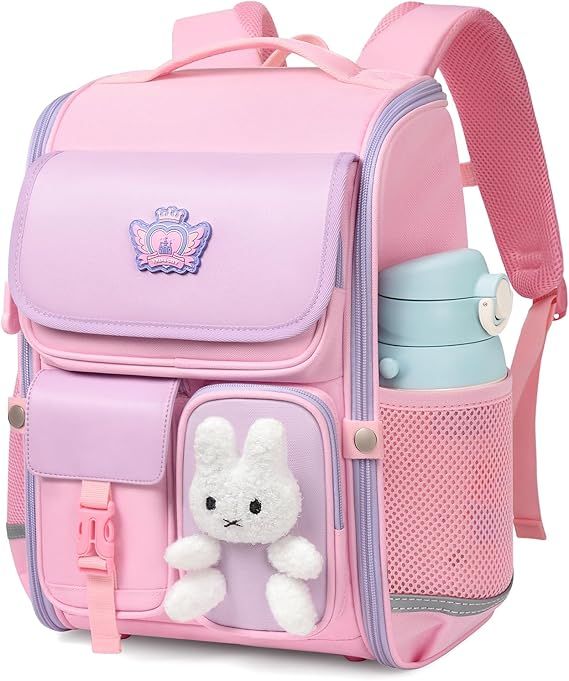
The backpack is one purchase parents often rush through without much thought. But it matters far more than people realize at first glance.
A bag that’s too heavy, too small, or badly designed causes real problems. It can lead to daily back pain and constant frustration for your child.
Before you even look at the price tag, check the size, the strap padding, and the material quality.
Kids also care deeply about how their bag looks, more than most parents expect.
If your child hates the look of their bag, expect daily complaints until the term ends.
Let them have a say in the final pick, within reason, without letting them choose something impractical.
Finding that middle ground saves both money and daily arguments at home.
For help striking that exact balance, How to Choose the Right Backpack for Your Child walks you through everything that matters.
If your child wants something fun and different this year, plenty of backpack styles now combine both function and excitement. 31 Cute Backpack Ideas Every Kid Will Be Excited to Carry has options kids genuinely look forward to carrying.
Fixing The Morning Rush
Mornings can turn into complete chaos fast once school resumes for the term. Alarms get ignored, shoes go missing under beds, and everyone starts shouting at once.
This happens before the day even properly starts for anyone in the house. This is one of the most common complaints parents share with each other every single school season.
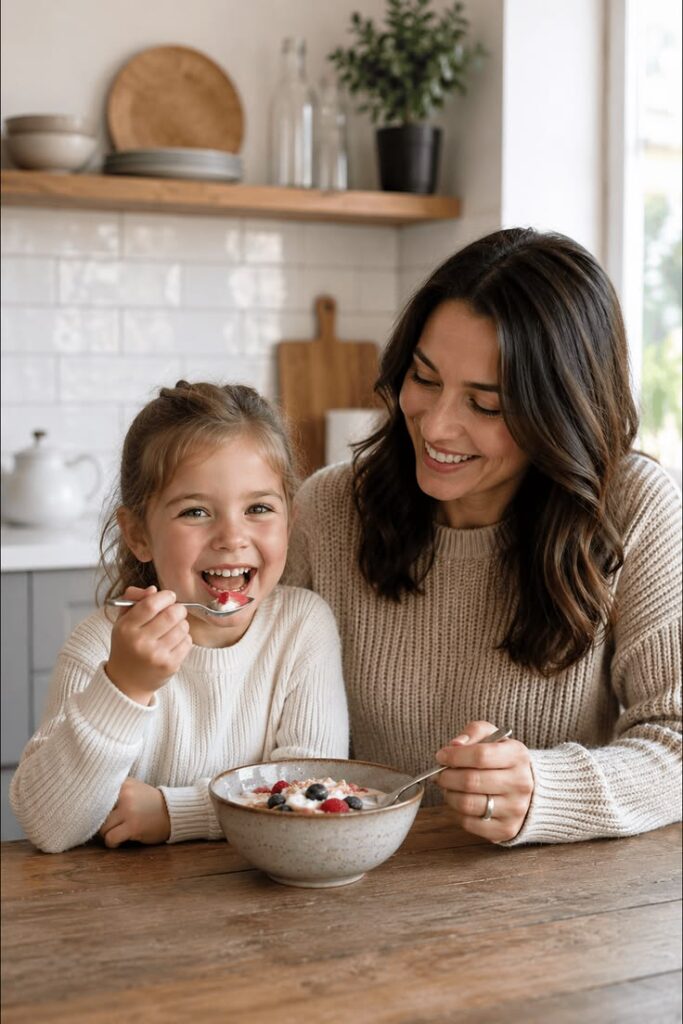
The fix isn’t complicated, but it does take real consistency to work. Set out clothes the night before, without waiting until the morning rush arrives.
Pack school bags before bed too, not while everyone is trying to leave. Wake up slightly earlier than you think you actually need to, and give yourself breathing room.
These small habits, repeated daily, save so much stress later in the week.
My neighbor once told me her mornings used to feel like a small war zone. Shoes missing under the bed, socks nowhere to be found, everyone shouting different things at once.
She fixed it eventually by creating one simple routine her kids now follow daily without being reminded.
Mornings run almost on autopilot in her house these days, and the shouting has mostly disappeared.
If you want a full plan to build something similar, How to Build a School Morning Routine That Actually Works breaks it down clearly.

Keep The Routine Flexible
No routine works perfectly every single day, and that’s completely fine to accept. Some mornings will still go wrong no matter how well you plan ahead.
A shoe might go missing again, or the alarm might simply fail. What matters most is having a general structure to fall back on.
Don’t aim for perfection, aim for progress instead, one morning at a time.
Involve Your Kids In The Routine
A morning routine works best when your kids feel part of building it. Ask them what part of the morning feels hardest for them personally.
Let them help choose their own outfit the night before if possible. Small decisions like this give kids a sense of control over their day.
Over time, this shared effort makes the whole routine stick much better.

Packing Lunches Kids Will Actually Eat
Lunch is another daily battle many parents face without even realizing how much it drains them. You pack something with real care and thought every single morning.
Yet it still comes back home barely touched by the end of the day. That’s frustrating, especially when you’re genuinely trying to keep your child healthy.
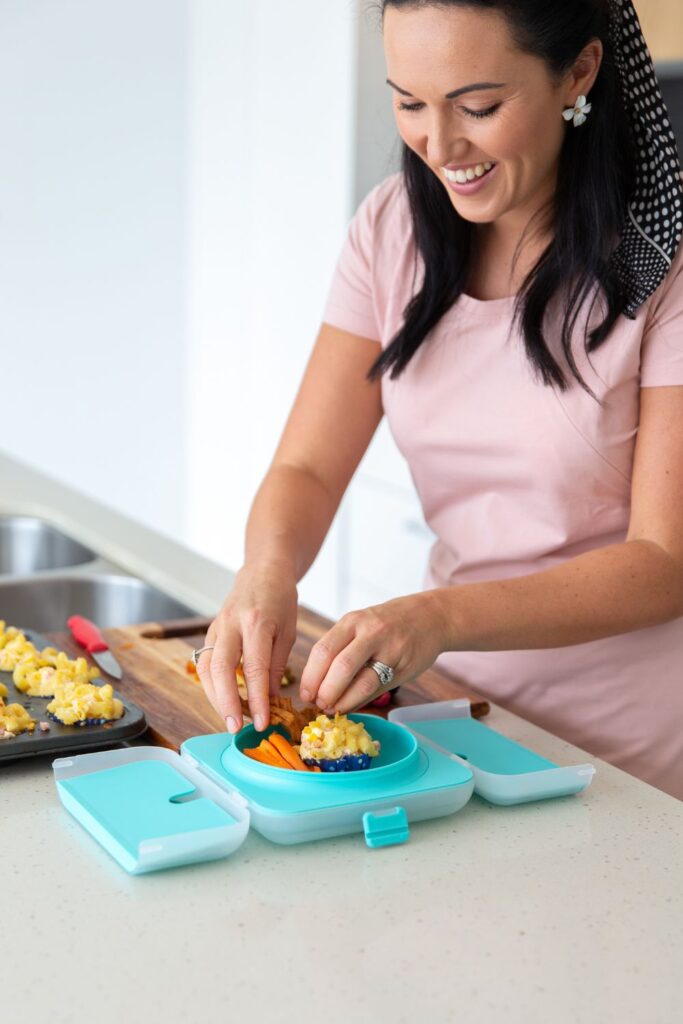
The secret usually comes down to variety and simplicity, more than fancy meal ideas. Kids get bored of the same meal repeated over and over across the week.
Small portions of different foods often work better than one large, heavy meal.
Let them help pick what goes into the lunch box sometimes too, since involvement increases what gets eaten.
For full ideas that actually get finished, How to Pack School Lunches Kids Will Actually Finish has practical suggestions worth trying.
Setting Up A Homework Space That Works
Once school begins properly, homework becomes a daily routine that shapes evenings at home. Where your child sits to do homework matters far more than most parents realize.
A noisy, cluttered corner of the house makes real focus almost impossible, especially for a young mind after a long day.
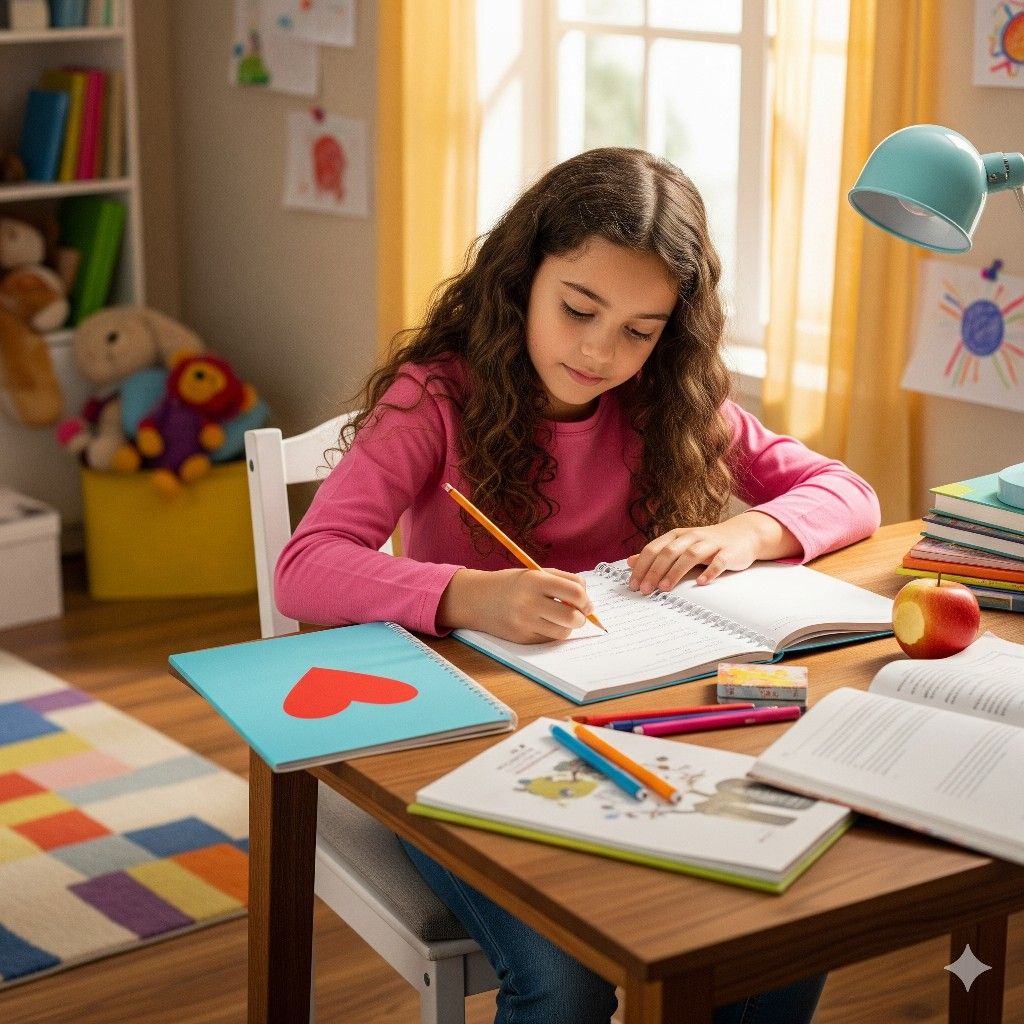
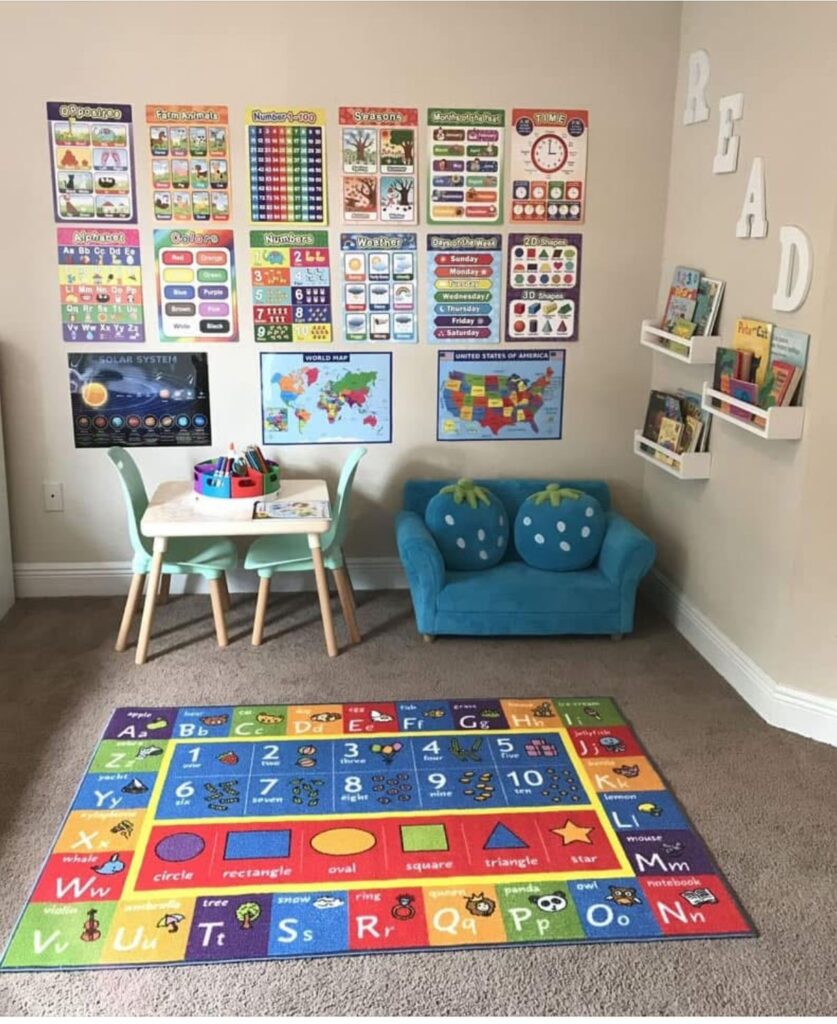
Pick a quiet spot with good lighting and as few distractions as possible. Keep pens, books, and paper within easy reach at all times.
This way, your child isn’t jumping up every few minutes to search for supplies. This one small change alone can cut homework time significantly for many families.
For a full walkthrough on building this properly at home, How to Create a Homework Space That Helps Kids Focus covers every detail.
Make The Space Fun, Not Just Functional
A homework space doesn’t have to feel dull or purely practical either. Adding a splash of color or a favorite poster can make it inviting. Some kids focus better when the space feels a little personal to them.
Let your child pick a small item to decorate their homework corner. This tiny bit of ownership can make sitting down to study feel less like a chore.
Pin this for later: 27 Genius Homework Station Ideas That Help Kids Stay Focused has creative setups worth copying.
Getting Organized As A Family
Between uniforms, papers, bags, and shifting schedules, things get messy fast without a system. Organization isn’t really about being perfect at everything all the time.
It’s about knowing where things belong, so mornings and evenings run smoother. Simple bins, labeled folders, and one shared family calendar can genuinely help.
Once everyone in the house knows where their own things belong, chaos drops fast. The constant searching and last-minute panic mostly disappear once this is in place.
Save this for later: 35 Back-to-School Organization Ideas Every Parent Needs has dozens of setups you can copy directly.

Making The First Day Feel Special
The first day of school deserves to feel like a genuine event, not just another stressful morning. Kids remember these small moments far longer than we as parents usually think.
A little extra effort here goes a long way toward building excitement, and replaces the quiet dread some kids feel.
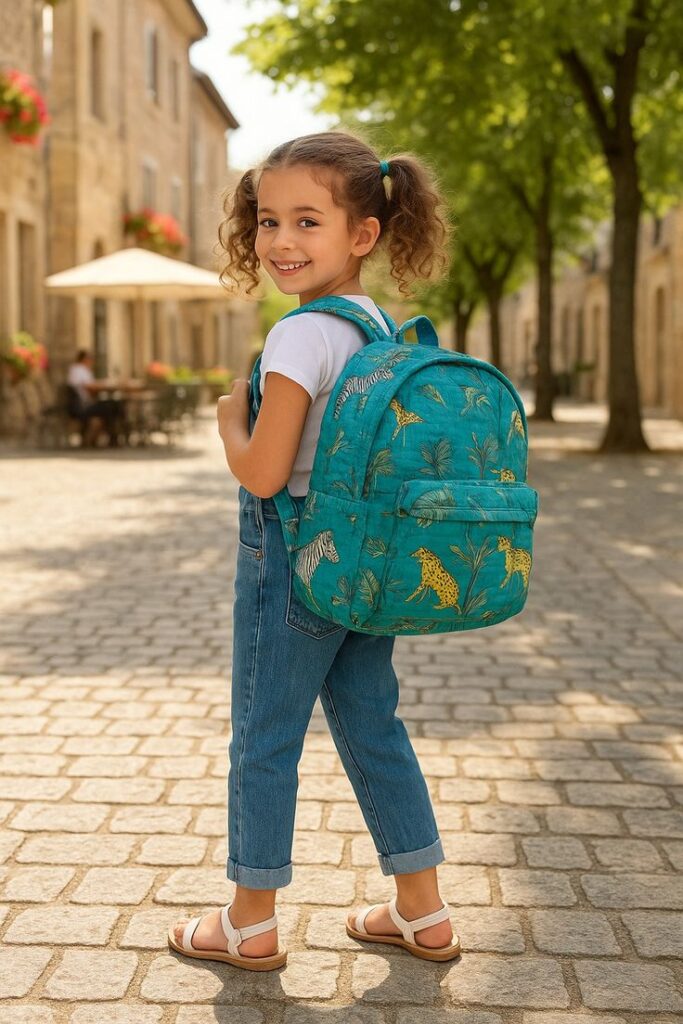
Photos are a big part of this tradition for so many families. A simple photo taken by the front door can become a cherished memory years later, even if it feels rushed in the moment.
You’ll thank yourself later: 31 First Day of School Photo Ideas You’ll Treasure Forever has creative ways to capture that morning.
If you’re a teacher yourself, or helping your child prepare a gift, this matters too. Teachers set the tone for your child’s entire year ahead of them.
A small, genuinely thoughtful gift can start that relationship off warmly. Check this out: 19 Thoughtful Teacher Gift Ideas for Back to School has ideas that feel personal, not generic.
Decorating For The New Term
Some families like to mark the new term with small decorations at home. Others help their child’s classroom feel more welcoming right from day one.
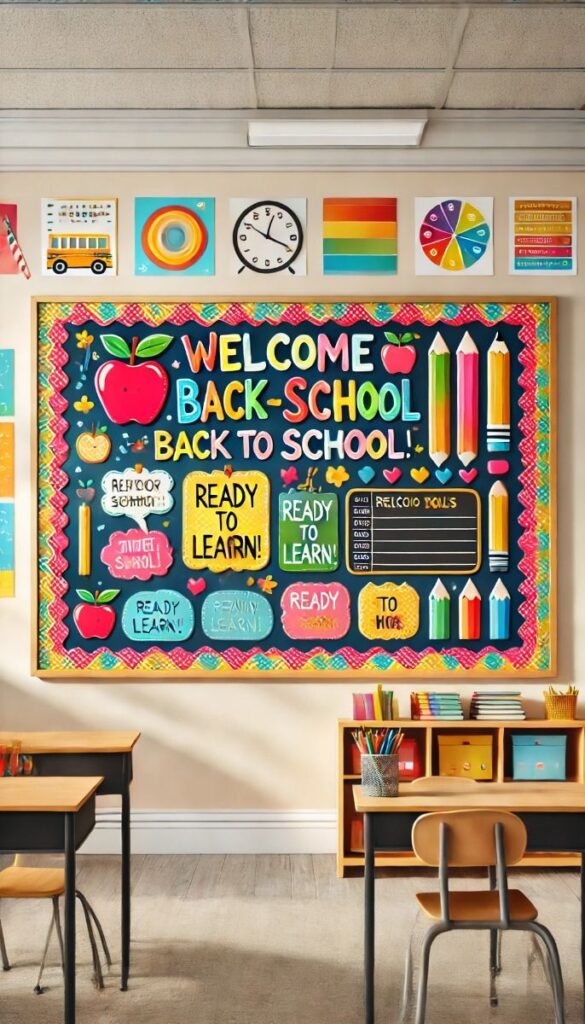
Bulletin boards and door decorations are common in many schools during this period.
If you’re involved in classroom setup, or just want a bit of inspiration, 25 Creative Back-to-School Bulletin Board Ideas offers plenty of fun, easy ideas. 21 Classroom Door Decoration Ideas That Kids Will Love is worth a look too.
Helping Kids Settle Back Into School Life
Beyond the shopping trips and morning setups, the emotional transition matters just as much.
Some kids bounce back into school life easily, almost like no break happened.
Others take much longer to adjust, and that’s completely normal too, no matter what other parents say.
Talk to your child about what they’re genuinely looking forward to this term, not only about what worries them most.
Small, casual conversations often help far more than big, serious lectures ever do. For a deeper look at easing this shift smoothly, How to Make the Transition Back to School Easier for Kids offers gentle guidance.
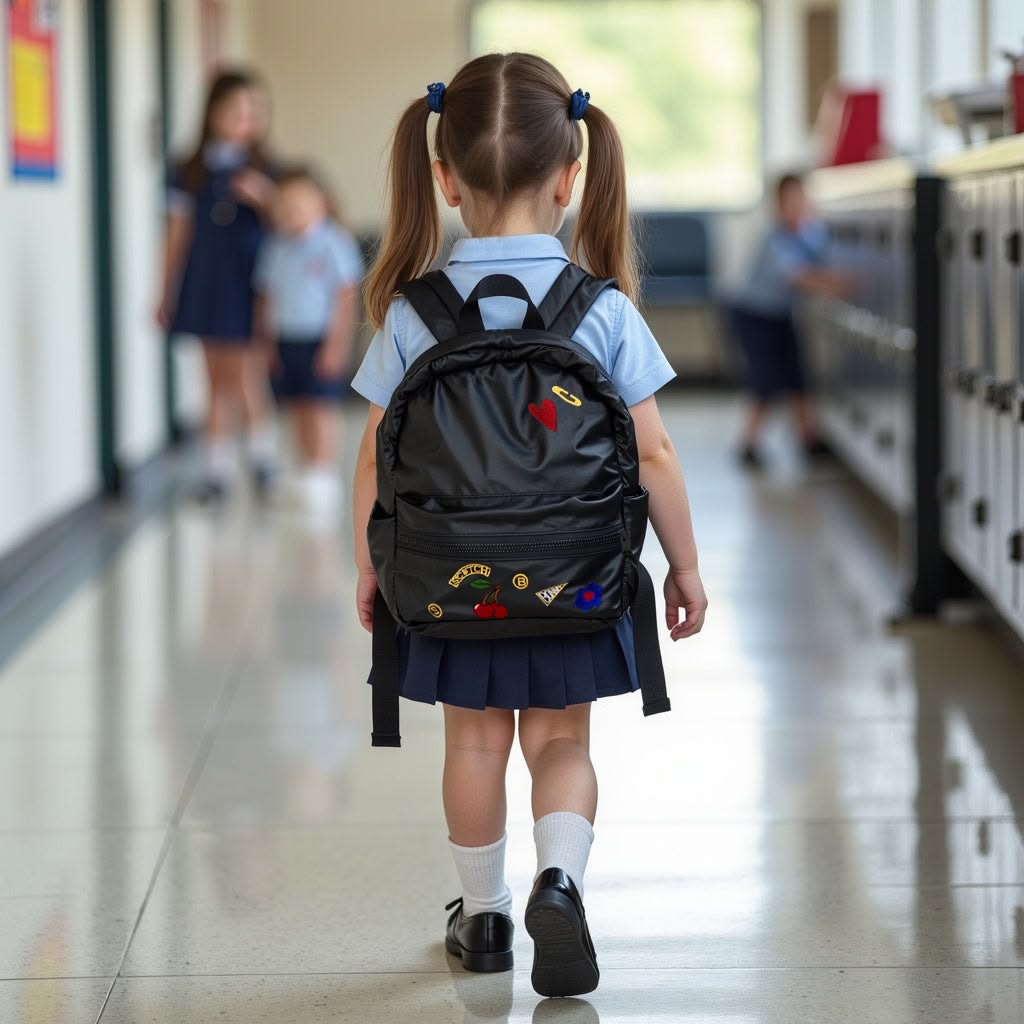
The first week especially tends to set the tone for the rest of the term. Making your child feel genuinely welcomed and included early on matters greatly.
Don’t miss this: 27 First Week of School Activities to Make Kids Feel Welcome has ideas worth trying from day one.
Life After The School Bell Rings
Once the school day finally ends, the daily routine doesn’t just stop at the gate. What kids choose to do after school affects their mood, sleep, and focus the next day.
Many parents default to screens simply because it feels easy and requires zero planning.
But there are genuinely better options out there that kids enjoy just as much, sometimes even more once they try them.
Building this habit early in the term saves a lot of screen-time battles later, once everyone is more tired and less patient. Explore more ideas: 25 Fun After-School Activities That Beat Screen Time has options kids genuinely enjoy.
A Quick Word On Budgeting This Season
One thing that rarely gets talked about enough is the financial pressure this season brings. Between uniforms, shoes, bags, books, and supplies, costs add up faster than expected.
It helps to set a rough budget before you start shopping at all, rather than figuring it out as you go. Compare a few stores before committing to buying everything from just one place.
Don’t be afraid to buy some items secondhand if they’re still in good shape. Many families swap uniforms and books between siblings and friends every single year, and there’s no shame in stretching your budget wisely.

Small Savings That Add Up
Little savings across different items can add up to something meaningful by the end. Buying stationery in bulk with another parent can cut costs for both families.
Waiting a week or two after school resumes can sometimes mean better prices. Some stores drop prices once the initial back-to-school rush has settled down. Patience, where possible, can genuinely work in your favor financially this season.
Bringing It All Together
Back-to-school season doesn’t have to feel like chaos every single year, no matter how overwhelming it has felt before. Once you break things down into small, manageable pieces, everything gets easier.
Shopping, mornings, lunches, homework, and emotions all play their own part, but none of them need to overwhelm you all at once.
Take it one step at a time, without rushing through every task together. Lean on the resources that fit your family’s specific needs this term, and give yourself grace along the way.
You’re not expected to get everything perfect on the very first try. You just need a plan that genuinely works for your own home.
Start here, keep this guide handy through the coming weeks, and build from there as the term slowly unfolds around your family.
Leave a Reply