Hosting a dinner that everyone will enjoy is not that hard to plan, even with kids involved. Most of the stress around Thanksgiving dinner comes from trying to please every age group at once. Adults want tradition and a relaxed table, while kids want comfort, movement, and food they actually recognize. A few small, thoughtful adjustments can bridge that gap without turning the meal into two separate events.
This ties into The Ultimate Family Guide to Thanksgiving with Kids, since a kid-friendly dinner fits the bigger holiday picture. You do not need to abandon tradition, just make a little room for younger, more restless guests. The goal is not a perfect, magazine-ready table, but a meal where every single guest genuinely feels welcome. Even a few small, low-effort changes can shift the whole mood of the dinner table noticeably.
This guide walks you through simple, practical ways to host a Thanksgiving dinner everyone will enjoy. Each idea focuses on comfort, timing, and inclusion, rather than reinventing the meal entirely from scratch. None of these ideas require a complicated menu, a big budget, or a perfectly calm kitchen.

How to Host a Kid-Friendly Thanksgiving Dinner Everyone Will Enjoy
Why Kid-Friendly Doesn’t Mean Less Special
A kid-friendly Thanksgiving dinner can still feel elegant, warm, and genuinely special for every guest. Kid-friendly simply means thinking ahead about comfort, timing, and food that younger guests will actually eat.
This does not mean abandoning tradition, just adding a few thoughtful, realistic adjustments around the edges.
Adults often enjoy these same small adjustments, since a calmer table benefits everyone at the meal. Understanding this helps hosts stop worrying that kid-friendly automatically means less sophisticated or less festive overall.
Small, practical changes often go unnoticed by adults while making a huge difference for younger guests.
Over time, hosts often find that kid-friendly adjustments improve the whole gathering, not just the children’s experience.
Start by imagining the meal through a child’s eyes, noticing where boredom or discomfort might show up. Even one small adjustment can shift the entire tone of the meal for younger guests.
This mindset helps you plan proactively, rather than reacting to problems once they have already started. Try writing down a short list of small adjustments before the day, rather than improvising under pressure.

Offer at Least One Familiar, Simple Dish
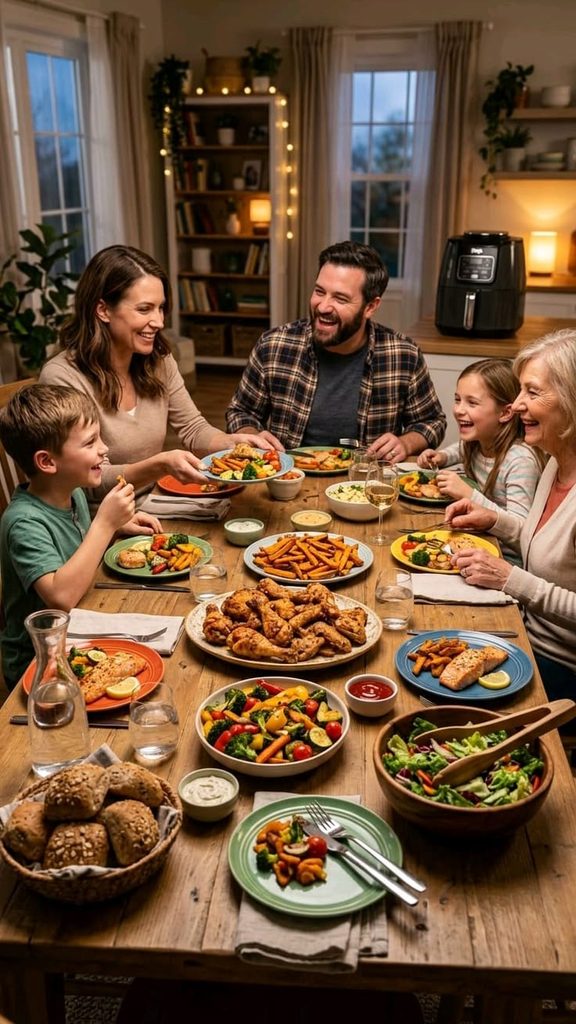
Thanksgiving dishes can feel unfamiliar or intimidating to kids who are picky or cautious eaters. Include at least one simple, familiar food, like plain rolls, mashed potatoes, or a basic pasta dish.
This does not mean skipping tradition, just adding one reliable option alongside everything else served.
Kids feel more relaxed at the table once they know something familiar is genuinely available to them. Keep this familiar dish simple enough that it requires little extra effort during an already busy cooking day.
Over time, this small addition reduces mealtime stress for both picky eaters and the adults feeding them.
Even a basic dinner roll can feel like a small comfort during an unfamiliar, elaborate holiday spread. This approach works well without drawing attention away from the main traditional dishes being served.
This small planning step can prevent a lot of mealtime stress for both kids and parents.
Kids often relax once they see something familiar sitting right there on the table already. Keep this dish in the same spot each year, so kids know exactly where to find it.
Plan the Timing Around Naps and Energy
Thanksgiving dinner often happens later than a young child’s usual mealtime, which can cause real trouble. This connects well with How to Make Thanksgiving More Fun for Young Children, since timing shapes the whole day.
Consider serving an early, simple snack to prevent extreme hunger before the main meal begins.
Try to keep the meal closer to a young child’s normal dinner time whenever reasonably possible. Watch for signs of overtiredness, since a cranky, exhausted child rarely enjoys a long, formal dinner.
Over time, planning around natural rhythms reduces meltdowns and makes the whole meal noticeably smoother.
Even a short nap before the meal can meaningfully improve a young child’s overall mood. This approach benefits the entire table, since one upset child often affects everyone sitting nearby.
A calm, well-fed child often sets a calmer tone for the adults seated close by too.
This small planning step takes effort but pays off significantly once dinner actually gets underway. Kids often surprise parents with how well they handle dinner once timing feels right for them.
Small timing adjustments often matter more than any other single change made to the whole day.

Keep Kids Entertained Before the Meal
The wait before Thanksgiving dinner can feel endless for hungry, restless kids with nothing to do. This ties into How to Keep Kids Entertained While Thanksgiving Dinner Is Cooking, since this exact wait needs a plan.
Set up a small activity area away from the kitchen, stocked with simple, quiet toys.
Rotate activities occasionally, so kids stay interested throughout a potentially long waiting period before dinner. Even a short outdoor break can help burn off extra energy before a long sit-down meal.
Keep a few simple snacks available, so hunger does not boil over into frustration before food arrives.
Over time, hosts often develop a reliable set of go-to activities for this exact stretch of time. Even older kids appreciate having something specific planned during a long, unstructured waiting period beforehand.
This small planning step prevents a lot of boredom-driven whining before the actual meal begins.
Even fifteen focused minutes of a fun activity can noticeably calm a hungry, restless child. Keep a small box of quiet toys set aside specifically for this exact pre-dinner window.

Set Up a Kids’ Table That Feels Special
A kids’ table does not need to feel like a consolation prize separate from the main event. This connects closely with How to Create a Cozy Thanksgiving Table Your Family Will Love in several genuinely practical ways.
Add small, fun touches, like colorful napkins or a simple themed centerpiece, to make it special.
Let kids help decorate their own table, so they feel genuine ownership over the space. Keep the kids’ table close enough to the main table that nobody feels completely separated or excluded.
Over time, a thoughtfully set kids’ table becomes something children genuinely look forward to each year.
Even a simple tablecloth or small place cards can make the space feel intentional and special. This approach gives kids some independence while still keeping them close to the overall family gathering.
This small effort costs very little but meaningfully shapes how kids experience the entire meal.
Kids often remember their own special table fondly, long after the specific decorations have been forgotten. A few returning decorations each year can make the kids’ table feel like its own small tradition.

Keep Portions Small and Realistic
Kids often eat far less than adults expect during a long, multi-course holiday meal. Offer smaller portions initially, allowing kids to ask for more if they are still genuinely hungry.
This approach reduces food waste while also preventing the pressure of an overwhelming, towering plate.
Avoid pressuring kids to finish every single item placed in front of them at the table. Let kids serve themselves when possible, so portion sizes match their own actual appetite and preferences.
Over time, this approach reduces mealtime battles over food that a child was never going to finish.
Even a small, manageable plate can feel far less intimidating to a cautious or nervous eater. This habit also teaches kids to listen to their own hunger cues during a long meal.
This small adjustment can meaningfully reduce stress for both picky eaters and the adults serving them.
Kids often relax and eat more calmly once the pressure around finishing food disappears entirely. This small shift often turns a stressful plate into a calm, pressure-free part of the meal.

Give Kids a Job at the Table
Giving kids a small job makes them feel genuinely involved in the meal, rather than passive bystanders. This ties into 27 Adorable Thanksgiving Table Decoration Ideas for Families for simple jobs tied directly to decorating.
Assign simple tasks, like folding napkins, placing name cards, or arranging small centerpieces around the table.
This small responsibility gives kids a genuine sense of purpose before the meal officially begins. Match the task to the child’s age, so the job feels achievable rather than frustrating or overwhelming.
Over time, kids often take pride in their specific role, looking forward to it again each year.
Even young kids can handle simple jobs, like placing a napkin at each person’s seat. This approach also keeps kids usefully occupied during the final, busy stretch before dinner starts.
This small inclusion can meaningfully shift how connected kids feel to the entire Thanksgiving meal.
Kids often remember their specific table job fondly, long after the actual meal has ended. Rotate jobs each year, so every child gets a turn with a different small responsibility.

Add a Craft Project to the Day
A simple craft project gives kids something creative to do before or after the meal itself. Check out 35 Cute Thanksgiving Crafts for Kids to Make This Fall for easy, low-mess craft ideas.
Keep supplies simple, like paper and crayons, so setup and cleanup both stay quick and easy.
Let kids make something that can double as part of the table decor, like paper place cards. This shared activity doubles as both entertainment and a meaningful contribution to the meal itself.
Over time, this habit can become its own small Thanksgiving tradition that kids anticipate each year.
Even a simple folded paper turkey can add a personal, handmade touch to the table setting. This approach also gives kids a calm activity between the busier moments of the day.
This small addition costs very little but adds real warmth and personality to the overall gathering.
Kids often enjoy showing off their finished craft to visiting relatives throughout the entire day. Keep a small display spot ready, so finished crafts have somewhere proud to sit all day.

Let Kids Help With Simple Dessert Prep
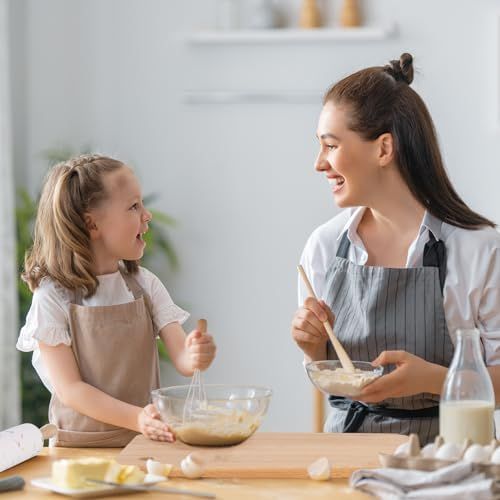
Involving kids in dessert preparation turns a sweet treat into a shared, memorable activity together. Check out 31 Easy Thanksgiving Desserts Kids Can Help Make for simple recipes that welcome little helpers.
Give kids simple tasks, like stirring batter, adding toppings, or decorating the finished dessert nicely.
Even young kids can help with simple, safe tasks under some gentle, patient adult supervision. Kids feel proud serving a dessert that they personally helped create for the whole family.
Over time, this habit builds kitchen confidence alongside genuine excitement for the meal’s sweet finale.
Even a slightly messy kitchen is a fair trade for the memories built during this shared time. This approach also frees up a bit of a parent’s time during an already busy cooking day.
Kids often remember helping with dessert long after they forget the actual recipe used that day.
Take a quick photo of the process, since these small moments make treasured keepsakes later.
Plan Fun Activities Around the Meal
The hours surrounding Thanksgiving dinner offer a natural chance for simple, shared family activities together. Check out 25 Fun Thanksgiving Activities That Keep Kids Entertained for ideas that fill these exact hours.
Plan one simple activity before the meal and another for right after everyone has finished eating.
This structure gives the day a sense of flow, rather than long stretches of aimless waiting. Even a short outdoor game before dinner can help kids settle down more easily once the meal starts.
Keep a backup activity ready in case the weather or everyone’s mood suddenly shifts unexpectedly.
Over time, these planned activities often become small traditions that kids look forward to each year. Even a short family walk after the meal can help everyone relax and digest together.
This approach keeps the entire day feeling intentional, rather than built entirely around one single meal.
Kids often remember these surrounding activities just as fondly as they remember dinner itself later. Rotate activities each year, so the surrounding hours feel fresh rather than exactly the same.

Start a Small Gratitude Ritual Before Eating
A brief gratitude ritual before the meal sets a warm, meaningful tone for the entire dinner. This connects well with How to Teach Kids the Meaning of Thanksgiving in a Fun Way, since gratitude deepens meaning.
Ask each person at the table to share one thing they feel thankful for this year.
Keep this ritual brief and simple, so it stays sustainable even with young, restless children present. Let kids go first sometimes, since their simple, honest answers often set a warm tone for everyone.
Over time, this small ritual becomes something the whole family associates closely with the holiday meal.
Even a young child’s simple answer can add genuine warmth to the entire table conversation. This approach grounds the meal in meaning, rather than rushing straight into eating the food.
This small addition costs nothing but genuinely shapes the emotional tone of the entire gathering.
Even a shy child’s short answer can add quiet, genuine warmth to the whole table. Kids often remember this small ritual fondly, long after they forget the specific menu served.
Write down a few favorite answers each year, building a simple record worth revisiting later.

Keep the Mood Light and Relaxed
A relaxed, warm mood genuinely matters more than a flawless, perfectly executed holiday dinner overall. Accept that something will likely go slightly wrong, like a spill or a sudden, small meltdown.
Keep your own tone calm, since kids absorb emotional cues directly from the adults nearby.
This approach teaches kids that small mishaps do not need to ruin the entire celebration. Laugh off minor issues whenever genuinely possible, rather than letting them derail the overall mood of dinner.
Over time, a relaxed hosting style makes the meal feel more enjoyable for every single guest present.
Even a slightly delayed dinner can become a funny story told again in future years. This mindset also models resilience for kids, showing them that imperfect moments are a normal part of life.
This relaxed approach benefits hosts just as much as guests, reducing pressure throughout the entire day.
A calmer host often sets the emotional tone for the whole gathering without saying a word. Kids often remember the warmth of the gathering far more than any small, forgotten detail.
Try reminding yourself of this the moment something inevitably shifts away from the original plan.

Plan Entertainment for After Dinner
Dinner does not need to be the final event of the entire Thanksgiving celebration itself. Check out 31 Fun Thanksgiving Games for Kids and Families for ideas that keep the fun going afterward.
Choose simple, low-energy games that work well even when everyone is full and a little sleepy.
Let kids take turns picking the game, so everyone feels some ownership over the evening’s activity. Even a quick, relaxed game like charades can extend the celebratory mood a little longer.
Keep the games short and flexible, since energy levels tend to drop quickly after a big meal.
Over time, a post-dinner activity can become its own small, reliable holiday tradition worth protecting. Even a short twenty-minute game session can add a memorable, fun close to the entire day.
This approach keeps the celebration feeling complete, rather than ending abruptly once the meal finishes.
A clear close to the evening often leaves guests with a warmer, more settled final impression. Kids often remember these after-dinner activities just as fondly as they remember the meal itself.
Keep a simple backup game ready, in case the first choice runs out of steam quickly.

Print Something Quiet for the Table
A few printable activities can keep younger kids calmly occupied during the longer stretches of dinner. Check out 33 Creative Thanksgiving Coloring Pages and Printables for Kids for simple, ready-to-use options.
Keep a small stack nearby, especially useful for younger kids waiting through a longer, multi-course meal.
This quiet activity requires no setup beyond printing a few pages and gathering basic crayons. Even older kids sometimes enjoy a seasonal coloring page or a simple themed word search.
Place these activities at the kids’ table, so they stay within easy reach throughout dinner.
Over time, this simple addition becomes a reliable way to manage restless energy at the table. Even five quiet minutes of coloring can help a tired, overstimulated child settle down nicely.
This low-effort addition works especially well for gatherings with a wide range of children’s ages present.
Keep a mix of simple and slightly harder pages, so every age finds something worth coloring. Kids often enjoy comparing their finished pages with cousins or siblings seated nearby at the table.
Keep a few extra printed pages ready, in case unexpected young guests join the table.
Think About What Kids Will Wear
Thanksgiving outfits should feel festive while still allowing kids to move and sit comfortably all day. Check out 29 Cute Thanksgiving Outfit Ideas for Kids for options that balance both comfort and style.
Choose soft, flexible fabrics that hold up well through a long day of play and eating.
Avoid anything too stiff or restrictive, since kids will likely be active before the meal even starts. Let kids have some input into their outfit, so getting dressed feels like less of a battle.
Over time, comfortable clothing reduces complaints and meltdowns over scratchy or overly tight holiday outfits.
Even a cute outfit quickly becomes frustrating if a child cannot comfortably sit or move in it. This small consideration can meaningfully improve a child’s overall mood throughout the entire gathering too.
This approach also makes holiday photos easier, since comfortable kids tend to smile more naturally.
Kids often remember how they felt in their outfit more than how it actually looked. A quick comfort check before leaving home can prevent a lot of mid-day complaints later.

Add a Quick Hairstyle to the Morning
A simple, festive hairstyle can add a special touch without eating up too much morning time. Check out 25 Adorable Thanksgiving Hairstyles for Little Girls for quick, genuinely easy styling ideas.
Choose a style that holds up through an active day of play, eating, and visiting relatives.
Avoid anything too tight or elaborate, since comfort matters more than a perfectly styled look. Let your child have some input into the style, so getting ready feels fun rather than forced.
Over time, a quick hairstyle can become part of the morning’s enjoyable holiday routine too.
Even a simple braid or a festive clip can add a small, special touch quickly. This small addition helps a child feel festive without adding real stress to a busy morning.
This approach works best when it realistically fits into an already busy Thanksgiving morning schedule.
Kids often enjoy a quick, simple style more than one that requires sitting still too long. Keep a small kit of clips and bows ready, so styling takes only a few minutes.

Start a Tradition Around the Meal
A small tradition tied to the dinner itself gives the meal a deeper, lasting sense of meaning. This ties into How to Start Meaningful Thanksgiving Traditions with Your Family, since the table is a natural starting point.
Maybe it is a specific toast, a shared song, or a recurring seating arrangement each year.
These small rituals give kids something familiar and comforting to anticipate before the meal even starts. Let kids help shape the tradition, so they feel genuine ownership over the shared family ritual.
Over time, this small tradition becomes something kids closely associate with the entire Thanksgiving holiday.
Even a simple, repeated phrase before eating can carry real emotional weight across many years. Keep the tradition flexible enough to evolve naturally as the family grows and changes over time.
This small addition costs nothing but adds lasting meaning to an already special annual gathering.
Kids often carry these small dinner traditions into their own adult holiday celebrations years later. Write the tradition down somewhere safe, so it survives even as the years and guests change.
Bring the Spirit to School Too
Thanksgiving dinner planning can extend naturally into a child’s classroom celebration during the same week. Check out 21 Thanksgiving Classroom Party Ideas Kids Will Love if your child’s school hosts a seasonal event.
Volunteering or contributing a simple dish extends the holiday spirit beyond just the home gathering.
Even a small contribution, like napkins or a simple treat, counts as genuinely meaningful participation. Ask your child about their classroom celebration, connecting it to the dinner happening later at home.
Over time, these classroom moments can become a cherished part of a child’s seasonal memories.
Even a small classroom party can build genuine anticipation for the dinner waiting at home. This approach extends the holiday spirit across the entire week, not just a single day.
This small connection helps kids see Thanksgiving as a season, not just one isolated dinner event.
Over the years, this wider view often deepens how much kids genuinely enjoy the whole holiday. Kids often come home from these classroom celebrations excited to share what they made or learned.
Leave a Reply