Anytime school is about to resume, parents get bothered with the thought of how to start running up and down school stuffs, and somewhere in that rush, the child’s own nerves get forgotten.
Parents focus so much on shopping and packing that the emotional side of starting fresh often gets pushed aside. But for many kids, the first day isn’t just another morning. It’s a big, unfamiliar moment that can feel exciting and scary at the same time.
Some kids wake up buzzing with excitement about new friends and new things to learn. Others wake up with a knot in their stomach they can’t quite explain.
Both reactions are completely normal, and neither one means you’ve done anything wrong as a parent. What matters is how you help them walk into that day feeling ready, not rattled.
This post will walk you through practical ways to prepare your child mentally and emotionally before school resumes. We’ll also touch on the logistics that support a calm start, since a smooth morning routine plays a big part in this too.
If you haven’t already, The Ultimate Back-to-School Guide for Parents covers the wider picture of everything this season demands, and pairs well with everything we’ll talk about here.
Getting this part right early on tends to make the rest of the season feel lighter too. A child who feels emotionally ready walks into shopping trips, uniform fittings, and morning drills with far less resistance.
So while this post focuses mainly on the mental and emotional side, don’t be surprised if it makes every other task easier as well.

How to Prepare Your Child for the First Day of School Without Stress
Start The Conversation Early
Don’t wait until the night before school resumes to bring up the topic. Start talking about it gently, at least one or two weeks ahead of time.
Ask your child how they feel about going back, without making it sound like an interrogation. Some kids open up right away, while others need a few gentle nudges over several days.
Keep the tone light and curious rather than serious and heavy. You want your child to feel safe sharing their real feelings with you.
If they say they’re scared, resist the urge to immediately say “don’t be scared.” Instead, ask what exactly feels scary to them, and listen without rushing to fix it.
My sister went through this last year with her son, who dreaded going back after a long break. He wouldn’t say much at first, just short answers whenever she brought it up.
She kept the conversations short and casual instead of forcing long talks. Slowly, he started opening up about missing his old classroom and worrying about a new teacher.
Once she understood the real reason behind his mood, she could actually help him through it properly.
She told me later that the breakthrough came during a car ride, not a sit-down chat. He mentioned his worry almost casually, while looking out the window instead of at her.
That small detail taught her something useful about how kids often open up sideways, not face to face.
Sometimes the best conversations happen while doing something else entirely, like driving or cooking together.

Ask Specific Questions, Not Vague Ones
Instead of asking “are you nervous about school,” try asking smaller, specific questions. Ask what part of the day feels most exciting to them right now.
Ask what part feels the most confusing or unclear at the moment. Specific questions often unlock answers that vague ones never quite reach.
This approach also helps you figure out exactly where to focus your support.
You can also ask what they remember most from last term, good or bad. This helps surface old worries that might still be lingering under the surface.
Sometimes a child’s current fear traces back to something small that happened months ago. Naming it clearly often takes away much of its power over them.
Watch Their Behavior, Not Just Their Words
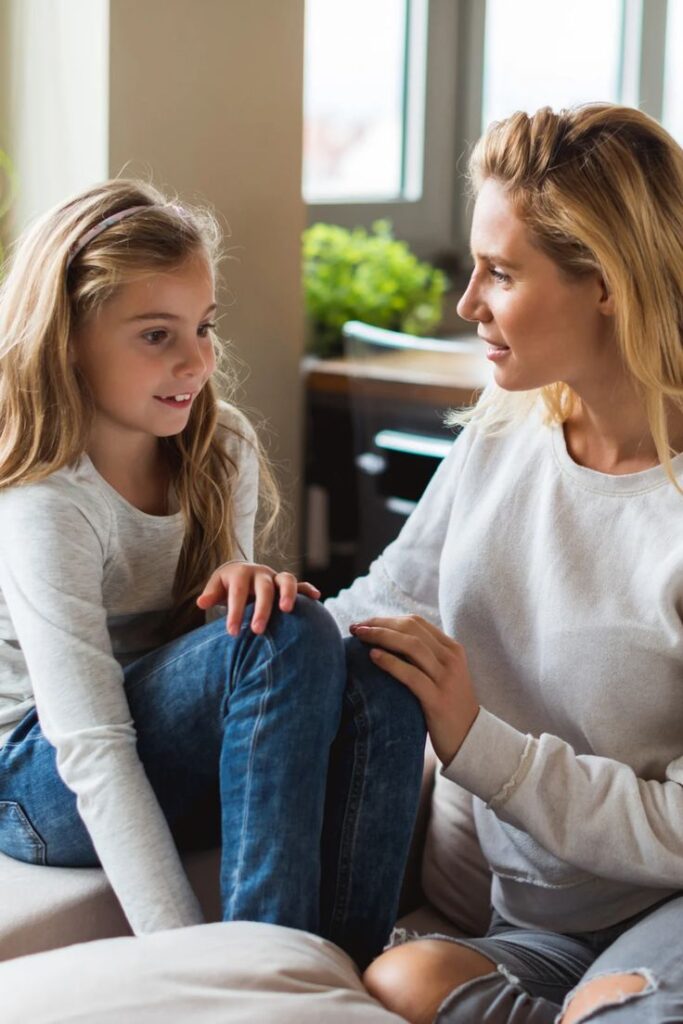
Some kids won’t say much at all, no matter how gently you ask. In these cases, watch their behavior for clues instead of relying only on words.
Trouble sleeping, sudden clinginess, or unusual irritability can all signal quiet worry underneath. You don’t need a perfect explanation to respond with comfort and patience.

Visit The School Before The First Day If Possible
If your child is starting a brand new school, a visit beforehand can ease a lot of worry.
Walking through the gate, seeing the classroom, and meeting a teacher removes a layer of the unknown.
Kids fear what they can’t picture, and a quick visit fills in those blank spaces.
Even if your child is returning to the same school, a short visit still helps sometimes. Walking past the building together on a calm afternoon can reset their mind.
It reminds them that the place is familiar, not something brand new to fear. This is especially useful after a long holiday break that felt like forever.
If a physical visit isn’t possible, try looking at photos of the school together instead. Talk through what a typical day might look like, from arrival to dismissal.
This kind of mental walkthrough works surprisingly well for anxious young minds.
While you’re there, or looking at photos together, point out small, ordinary details on purpose. Show them where the toilets are, where they’ll eat lunch, and where the exit gate sits.
These tiny, practical details often matter more to a child than big reassurances ever do. Kids feel safer when they can picture the physical layout of their day clearly.
Build Excitement Around New Beginnings
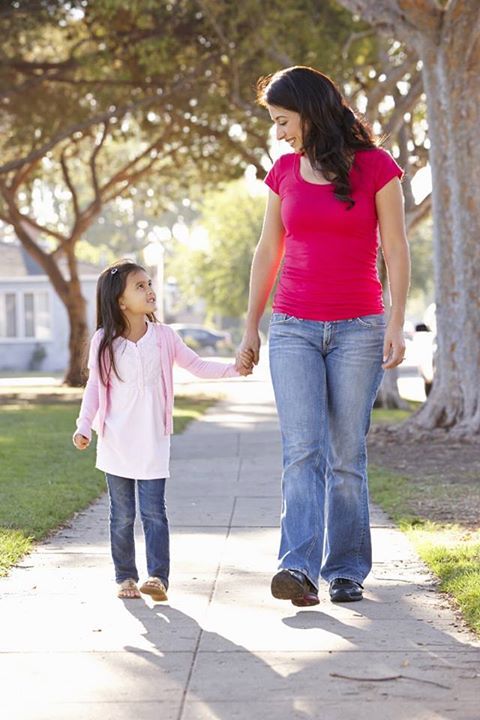
Fear often shrinks when excitement takes up more space in a child’s mind. Talk about the fun parts of starting school again, not just the responsibilities.
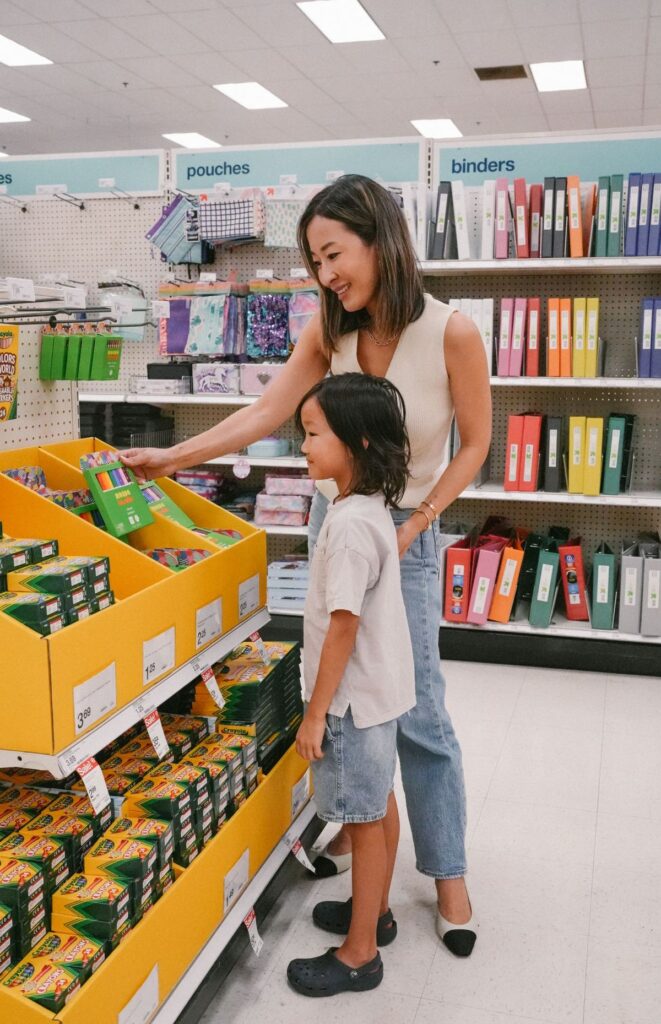
Mention new friends they might make, or a favorite subject returning to the timetable. Let them pick something small to look forward to, like a new pencil case or bag.
Speaking of bags, choosing the right one together can actually become part of this excitement.
How to Choose the Right Backpack for Your Child covers how to pick something practical that your child will also genuinely love carrying.
Letting them be part of that decision gives them a small sense of control over the whole experience.
If your child loves bright colors or fun characters, there are options that make mornings feel a little more special.
Save this for later: 31 Cute Backpack Ideas Every Kid Will Be Excited to Carry has choices that turn a simple bag into something they’re proud to show off.
You can also build a simple countdown together as the first day approaches. Cross off days on a calendar, or use a simple countdown chart at home.
This turns waiting into something playful instead of something dreaded. Kids often feel calmer when they can see time passing in a visual way.
Celebrate The Excitement, Don’t Dismiss The Fear
Try not to swing too far in either direction with your child’s emotions.
Don’t force excitement onto a child who genuinely feels nervous about returning. But also don’t let fear become the only story they tell themselves either.
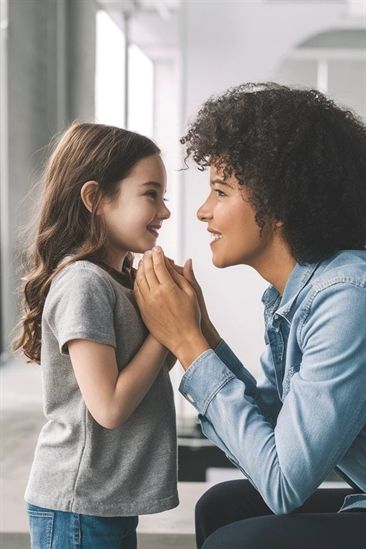
Hold space for both feelings at once, since most kids feel a mix of the two. Validating both sides helps your child trust you with their real emotions.

Let Them Contribute To The Excitement
Give your child small tasks that make them feel involved in getting ready. Let them help pack a few items into their bag, even a day or two early.
Let them choose a fun sticker or label for their lunch box. These small acts of contribution build ownership, and ownership often reduces fear naturally over time.
Create A Calm Morning Plan Together
A stressful morning can undo all the emotional preparation you did the night before. If your child wakes up to shouting and rushing, calm conversations from days earlier fade quickly.
This is why the physical side of preparation matters just as much as the emotional side.
Sit down together and plan out what the first morning will actually look like. Decide what time everyone wakes up, and what order things happen in.
Let your child help choose their outfit the night before, so there’s no last-minute searching.
For a full plan on building mornings that don’t fall apart, How to Build a School Morning Routine That Actually Works breaks this down clearly.
Bookmark this post: How to Help Kids Overcome First-Day-of-School Anxiety if your child’s nerves feel bigger than a simple pep talk can handle.
That post goes deeper into recognizing and easing genuine anxiety, not just mild first-day jitters.
Try to protect the first morning from any extra pressure or errands. Avoid scheduling anything unusual, like a doctor’s visit or early meeting, on that particular day.
The calmer and more predictable that first morning feels, the steadier your child will likely be.

Practice The Routine A Few Days Early
Kids handle change better when they’ve rehearsed it beforehand, even in small ways. A few days before school starts, try running through a mock morning together.
Wake up at the actual time school requires, get dressed, and pack the bag. This isn’t about being strict, it’s about making the real morning feel familiar already.
This kind of rehearsal reduces the shock of the actual transition significantly. By the time the real first day arrives, the body and mind already know the drill.
Kids often feel calmer facing something they’ve technically already practiced once or twice.
You can even practice the school lunch as part of this trial run. Pack a sample lunch and let your child try it out beforehand.
This helps you know in advance what they’ll actually eat, not just what looks good in the box. How to Pack School Lunches Kids Will Actually Finish has ideas that make this part of the process much smoother.
Doing a practice run also gives you a chance to catch problems early. Maybe the shoes feel tight, or the bag straps need adjusting slightly.
Fixing these small issues now saves a frantic scramble on the actual first morning.
Pack Together The Night Before
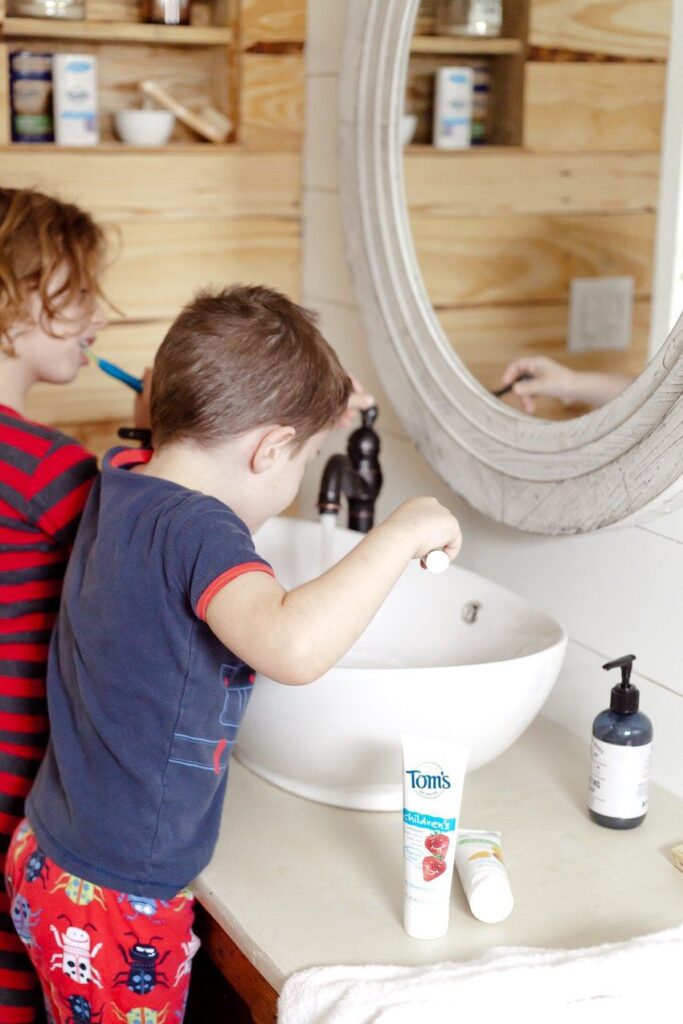
Rushing to pack a bag on the morning of school adds unnecessary stress to an already big day. Instead, make packing part of the calm, exciting buildup the night before.
Let your child help choose what goes into the bag, within reason. This gives them a sense of ownership over their own first day.
Lay out the uniform, shoes, and bag somewhere visible the night before. Seeing everything ready and waiting can be surprisingly comforting for anxious kids.
It turns an abstract, scary event into something concrete and prepared for.
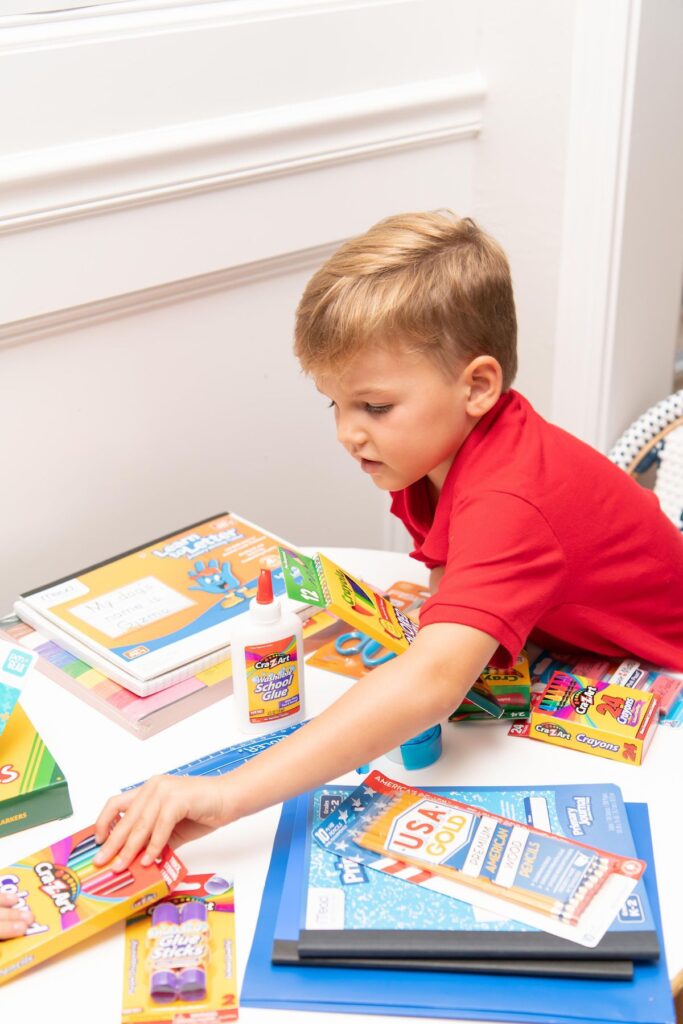
If you haven’t finished your shopping yet, don’t panic about it either. Everything Parents Need Before Back-to-School Shopping covers exactly what you still need, so nothing gets missed at the last minute.
And if you want to avoid repeating common shopping mistakes while you’re at it, Back-to-School Shopping Mistakes Every Parent Should Avoid is worth a quick read too.
If your shopping list still feels incomplete, a broader checklist can help too.
Pin this for later: 29 Back-to-School Essentials Every Parent Should Buy makes sure nothing important slips through the cracks this close to the first day.
Keep The Evening Routine Calm And Predictable
The night before school starts sets the emotional tone for the whole next morning. Avoid cramming in errands or last-minute chaos on this particular evening.
Stick to a familiar bedtime routine, even if you usually skip parts of it. A predictable evening tells your child’s brain that everything is under control.
Consider keeping screens off a little earlier than usual on this specific night. A calmer wind-down helps kids sleep better, which directly affects how they feel in the morning.
A well-rested child handles first-day nerves far better than an exhausted one.

Talk About What Might Go Wrong, Calmly
It might feel strange, but talking through small worries in advance actually helps children cope better. Ask your child what they think might feel hard on the first day.
Maybe it’s not knowing where to sit, or forgetting where the bathroom is located. Once these worries are named out loud, they usually shrink in size.
Walk through simple solutions together for each worry they mention. If they’re scared of sitting alone, talk about how to ask to join a group.
If they’re worried about a new teacher, remind them that teachers expect nervous new students every single year.
This kind of problem-solving builds confidence far better than empty reassurance ever does.
You can even role-play small scenarios together at home, if your child enjoys that kind of play. Pretend to be a new classmate, and let them practice saying hello.
This light, playful rehearsal can make real interactions feel far less intimidating later.

Keep Your Own Emotions In Check
Kids read their parents more closely than we often realize, especially during big transitions.
If you seem anxious about the first day, your child will likely mirror that energy. Even small things, like a tense tone or rushed movements, communicate more than words do.
Try to project calm, even if you’re quietly nervous about how the day will go. Take a breath before responses, and speak slower than you might feel like speaking.
Your steadiness becomes their steadiness, more than any pep talk ever could.
My friend once told me she used to cry every first day, right in front of her daughter. She later realized her daughter started crying too, every single year, right along with her.
Once she made an effort to stay composed at drop-off, her daughter’s tears reduced significantly. Kids often take emotional cues directly from the adult standing closest to them.
She now saves her own emotional release for later, once she’s alone in the car. This small shift didn’t erase her feelings, it just changed when she processed them.
Her daughter never had to carry the weight of her mother’s worry on top of her own.

Set Up A Positive After-School Reunion
The first day doesn’t end when your child walks into school. What happens when they come back out matters just as much for their overall impression.
Plan to be calm, present, and genuinely interested when picking them up. Avoid bombarding them with twenty questions the second they appear.
Let them lead the conversation about their day, rather than interrogating them immediately.
Some kids want to talk right away, while others need quiet time first. Follow their pace instead of forcing details out of them too soon.
Once home, having a simple, enjoyable activity planned can help them decompress from the big day.
Save this for later: 25 Fun After-School Activities That Beat Screen Time has ideas that work well for this exact moment.
A calm, fun transition after school reinforces that the whole day, start to finish, was a safe experience.
Set Up A Homework Corner Before They Even Need It
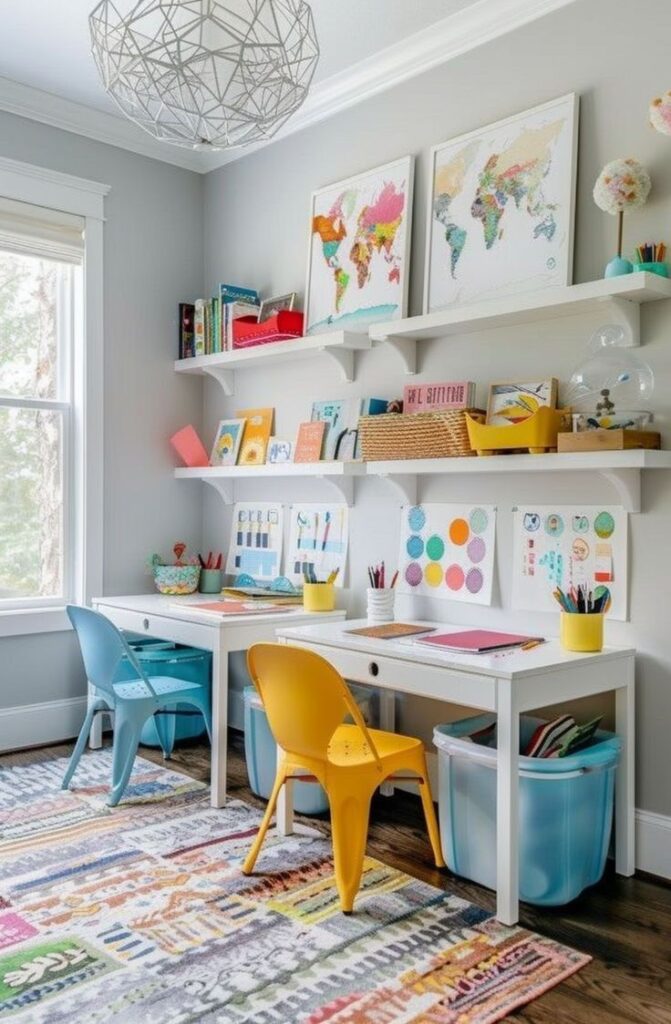
Even on the first day, homework routines start forming faster than parents expect. Having a designated space ready in advance removes one more thing to figure out later.
It also signals to your child that learning continues comfortably at home too, not just at school.
You don’t need anything fancy or expensive to set this up properly. A quiet corner with good lighting and basic supplies is more than enough.
For ideas on making this space work well from day one, How to Create a Homework Space That Helps Kids Focus walks through the essentials.
Pin this for later: 27 Genius Homework Station Ideas That Help Kids Stay Focused if you want to make that corner more engaging once routines settle in properly.
Once schedules, supplies, and homework spots all need a home of their own, keeping the whole house running smoothly matters too.
35 Back-to-School Organization Ideas Every Parent Needs has practical systems that make this part of the season far less chaotic.
Mark The Day As Something Worth Remembering
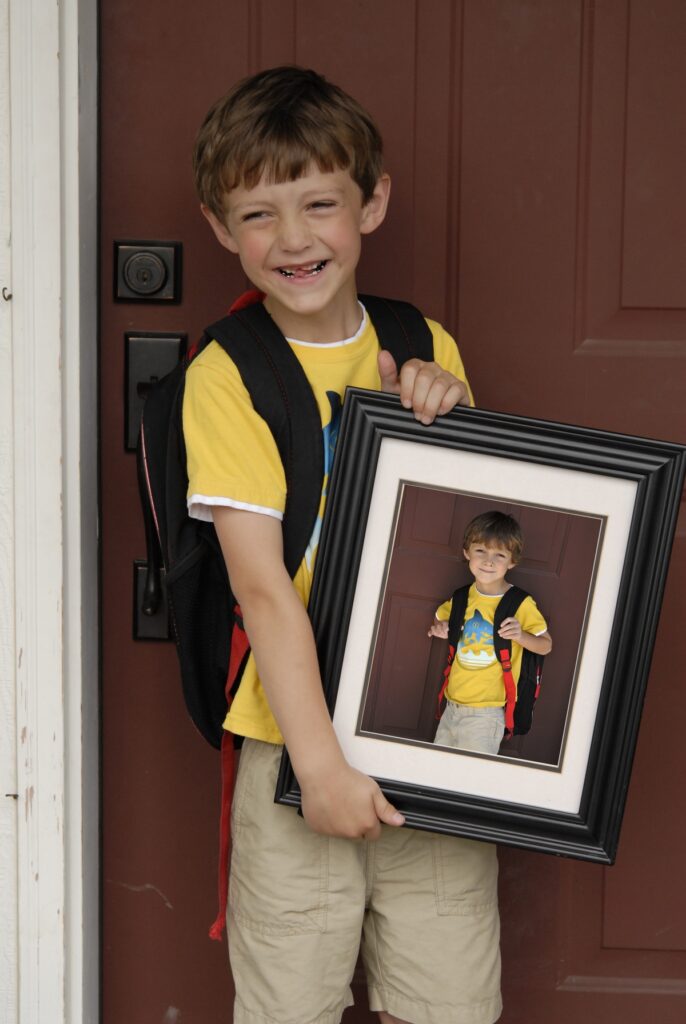
Even with all the nerves and preparation, the first day still deserves a small moment of celebration. A quick photo by the door, a favorite breakfast, or a small note in their bag can mean a lot.
These little touches tell your child that this day matters, in a good way, not just a stressful one.
You’ll thank yourself later: 31 First Day of School Photo Ideas You’ll Treasure Forever has simple ways to capture this moment without adding pressure to an already big morning.
If your child is starting at a school where teacher relationships matter early on, a small gesture can help too.
19 Thoughtful Teacher Gift Ideas for Back to School offers ideas that help build warmth between your child’s world and yours from the very start.
Some families also enjoy marking the day at home with small decorations, even just a handmade banner by the door.
If you’d like inspiration for that kind of touch, 25 Creative Back-to-School Bulletin Board Ideas and 21 Classroom Door Decoration Ideas That Kids Will Love offer plenty of ideas worth borrowing, whether for home or classroom.
Give It Time To Settle
Even with the best preparation, some kids take a few days, or even a couple of weeks, to fully settle in. This is completely normal and doesn’t mean your preparation failed in any way.
Every child adjusts at their own pace, based on their own personality and past experiences.
Keep checking in gently over the first week or two, without hovering too much. Small conversations at bedtime or during meals often reveal more than direct questioning does.
For ideas on making that first week feel welcoming and easier for your child, 27 First Week of School Activities to Make Kids Feel Welcome offers practical suggestions worth trying.
If the transition still feels bumpy after the first week, How to Make the Transition Back to School Easier for Kids goes deeper into helping kids settle when the adjustment takes longer than expected.
Watch For Patterns, Not Just Single Bad Days
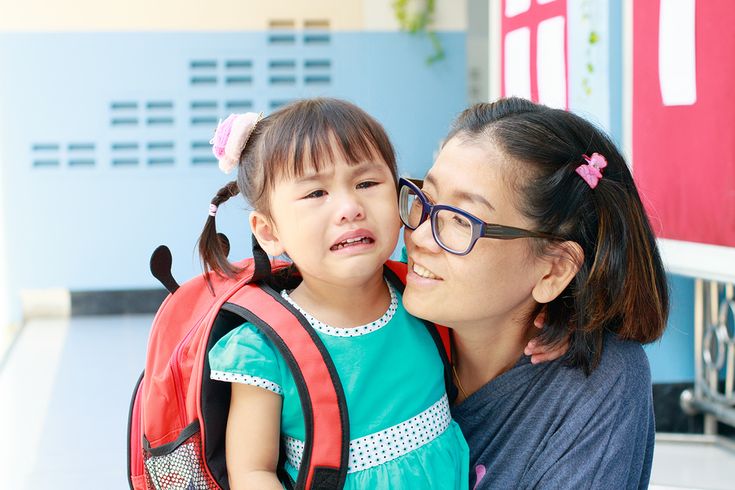
One rough morning doesn’t necessarily mean something is seriously wrong at school. Pay attention to patterns instead, like repeated tears or ongoing reluctance to attend.
A single bad day is normal, but a repeated pattern deserves closer attention and gentle conversation.
Stay in touch with the teacher during this settling period, especially if worries continue. Teachers often notice things at school that parents simply can’t see from home.
Working together with them gives your child a stronger safety net during this adjustment.
Trust The Process, Even When It Feels Slow
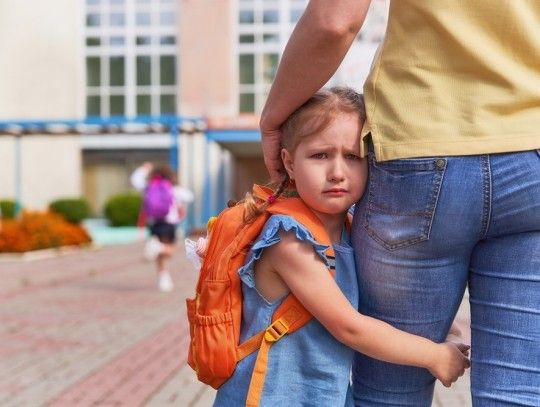
Some parents expect their child to adjust within a single day, and feel discouraged when that doesn’t happen. Adjustment is rarely instant, even for kids who seem confident on the surface.
Give the process time, and resist comparing your child’s pace to anyone else’s.
Every small sign of comfort, like a genuine smile at pickup, counts as real progress.
Celebrate these small wins quietly, without making a huge deal out of them. Over time, these small moments build into a child who feels settled and secure again.

Bringing It All Together
Preparing your child for the first day of school isn’t about eliminating every worry completely. It’s about giving them tools to face those worries with a little more confidence.
Conversations, visits, practice runs, and calm mornings all work together to soften the transition.
Don’t expect perfection from yourself or your child during this process. Some days will go smoother than others, and that’s completely fine.
What matters most is that your child feels supported, heard, and prepared as the new term begins.
Keep this guide handy, revisit it whenever nerves creep back in, and trust that this season, like every other one before it, will pass.
Leave a Reply