Christmas traditions turn an ordinary December into a season your children will talk about for the rest of their lives. Picture the lights, the songs, the smells from the kitchen, and the small rituals that happen once a year. Those repeated moments give children a deep sense of belonging, and they quietly say that this family is special. Years later, grown children rarely recall the price of a gift, but they always remember the family rituals.
You do not need a big budget or a perfect house to build traditions that last. You only need a little thought, a willing family, and the courage to repeat something simple every single year. This guide shows you how to choose, start, and protect traditions that fit your home and your children.
For the full picture of the season, read The Ultimate Christmas Guide for Families with Kids and keep it nearby. Every section below offers simple ideas, clear safety tips, and friendly advice that suits real family life. You can read straight through, or jump to the tradition you want to begin this year.

How to Start Christmas Traditions Your Kids Will Remember Forever
Why Traditions Matter So Much to Children
Traditions give children a steady rhythm in a season that can feel busy, loud, and unpredictable. Knowing what comes next helps young minds feel safe, and safe children enjoy surprises much more deeply.
A tradition is simply something your family does on purpose, in the same way, again and again. Repeating the action builds anticipation, and anticipation is half of the joy children feel at Christmas.
Traditions also teach values, because the things you repeat show children what your family loves most.
Sharing a meal, singing a song, or lighting a candle together says that every person belongs here. Children who feel they belong tend to handle change better, including moves, new siblings, and busy schedules.
Traditions also give you a reason to slow down and truly enjoy your children before they grow. To keep the wonder alive for little ones, read How to Keep the Magic of Christmas Alive for Young Children.
Remember that a tradition does not need an audience, a camera, or anyone’s approval beyond your own family. The warmest traditions are often the plainest ones, such as a bedtime story or a Sunday pancake breakfast.
Keep that idea in mind as you read, and choose only what feels natural for your home.
Start Small and Keep It Simple
The biggest mistake parents make is trying to start ten traditions in a single December. Too many new rituals turn a joyful season into a long checklist that tires everyone out.
Begin with just two or three traditions, and let them settle before you add anything else. Choose activities that cost little, take under an hour, and need almost no special equipment.
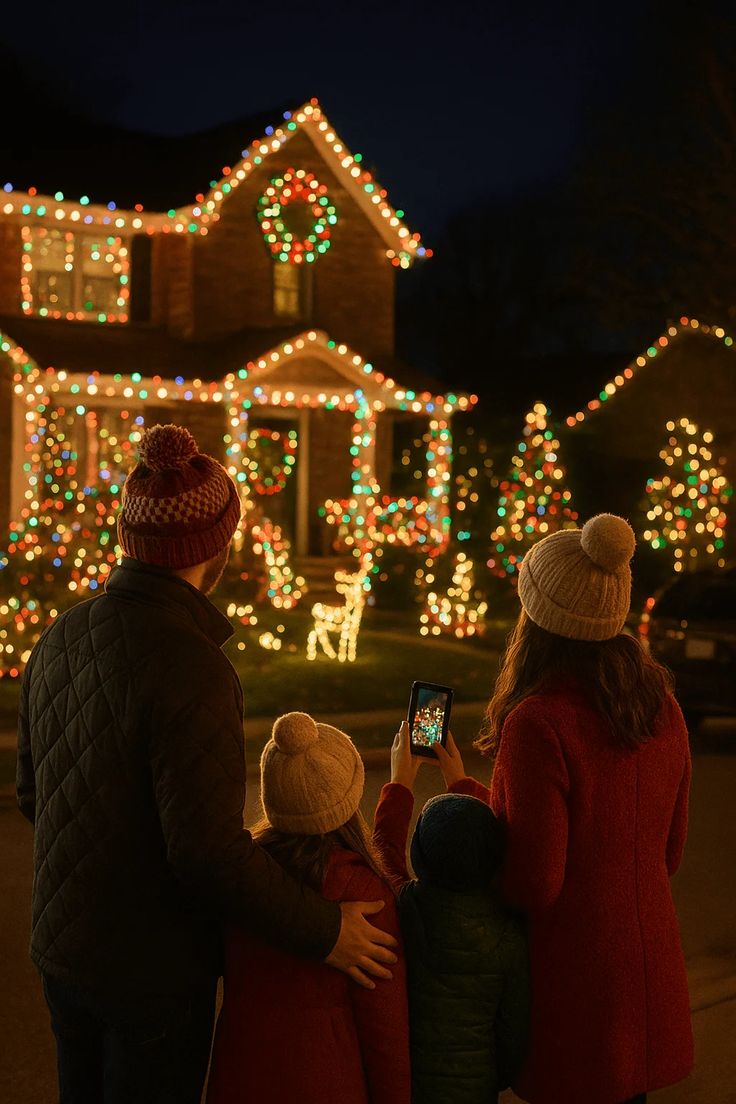
Hot chocolate on the first cold evening, a nightly book, or a walk to see lights all qualify. Small traditions are easier to repeat, and repetition is exactly what turns an activity into a tradition.
Plan ahead so that the tradition fits your real schedule rather than an imaginary perfect one. Write the dates on a calendar early, and protect those evenings the way you protect appointments.
A calm schedule matters, so read How to Plan a Stress-Free Christmas with Kids before you commit to anything. Budget matters too, so pick traditions that will still feel affordable in a tight year.
If a tradition feels like a chore after two years, you can retire it without any guilt. Families change, and the best traditions bend gently with them instead of breaking under pressure.

Let Your Children Help Choose
Children care far more about traditions they helped create, so invite them into the planning early. Ask each child to name their three favorite parts of last Christmas, and write the answers down.
You will quickly spot patterns, and those patterns show you which traditions to keep and repeat. Young children may name small things, like the smell of pine or sitting on your lap.
Those tiny details are gold, because they reveal what makes the season feel special to them.
Give older children real ownership, such as choosing the movie, planning the menu, or leading a game. Ownership makes them proud, and proud children protect traditions fiercely when they grow into teenagers.
Make a simple family vote for new ideas, and let every voice count equally at the table. A long list of fun options is waiting in 41 Christmas Activities That Create Magical Family Memories.
Let the children pick one idea from that list, and try it together this December. Listen without judging, because a silly idea today may become your most beloved ritual tomorrow.
Children who feel heard are far more excited to take part when the big day arrives.

Make Decorating a Yearly Ritual
Decorating the house together is one of the easiest traditions to begin, and children adore it. Pick a set day, such as the first Saturday of December, and mark it clearly on the calendar.
Play the same carols every year, because familiar music turns a chore into a celebration. Let every child hang one special ornament, and add a new one to the collection each year.
Writing the year and the child’s name on the back turns each ornament into a tiny memory.
Many families make ornaments by hand, and that habit fills the tree with memories and character. You will find plenty of project ideas in 35 Magical Christmas Crafts Kids Will Love Making.
Keep glass ornaments, string lights, and small decorations out of reach of toddlers to prevent choking and cuts. Adults should handle ladders, hot glue guns, and electrical lights, and check every cord before plugging in.
End the evening by switching on the lights together, and let the youngest child press the switch. That glowing moment becomes the signal that the season has truly begun in your home.
Repeat the same order each year, and children will remind you of every step before you do.

Bake Cookies Together Every Year
Baking cookies is a classic tradition because it uses taste, smell, touch, and teamwork all at once. Choose one recipe that becomes your family signature, and bake it on the same weekend yearly.
Give each child an apron, wash everyone’s hands, and lay out all the ingredients before you begin. Toddlers can pour measured flour, stir soft dough, and press cookie cutters into rolled shapes.
Older children can roll the dough, decorate with icing, and package finished cookies as small gifts.
Adults must handle the oven, hot trays, and electric mixers, and children should stand back when the door opens. Keep knives and graters with grown-ups, and give younger bakers plastic knives and cookie cutters instead.
Ask about food allergies first, since wheat, eggs, milk, peanuts, and tree nuts are common triggers. Hard sprinkles, whole nuts, and chunky candy pieces can choke toddlers, so skip them or crush them.
Never let children taste raw dough, because raw eggs and flour can carry germs that cause illness. Find plenty of easy recipes in 31 Easy Christmas Cookies Kids Can Help Bake to start your collection.
Save a small plate for a neighbor, and the tradition quietly teaches generosity along with baking.

Make Handmade Gifts a Family Habit
Making gifts by hand teaches children that giving matters more than spending, and relatives treasure the results. Choose one weekend in early December, and call it your annual gift-making day for the whole family.
Let each child pick a recipient first, then talk about what that person truly enjoys. Thinking about another person builds empathy, and children glow with pride when they hand over the present.
Handprint keepsakes, painted mugs, decorated frames, and flavored bath salts all make easy projects for beginners.
Start early, because paint needs time to dry and clay may need baking before wrapping day. Choose washable, non-toxic materials, and keep strong scents and small decorations away from children under three.
Adults should handle hot glue, sharp tools, and oven steps, while children focus on painting and decorating. Edible gifts need clear ingredient labels, so recipients with allergies can stay safe and comfortable.
Step-by-step project ideas are ready for you in How to Make Homemade Christmas Gifts with Your Kid.
Let children sign every tag themselves, because a wobbly signature often becomes the favorite part. Keep a photo of each gift, and your family will love looking back at them.

Choose a Matching Outfit Tradition
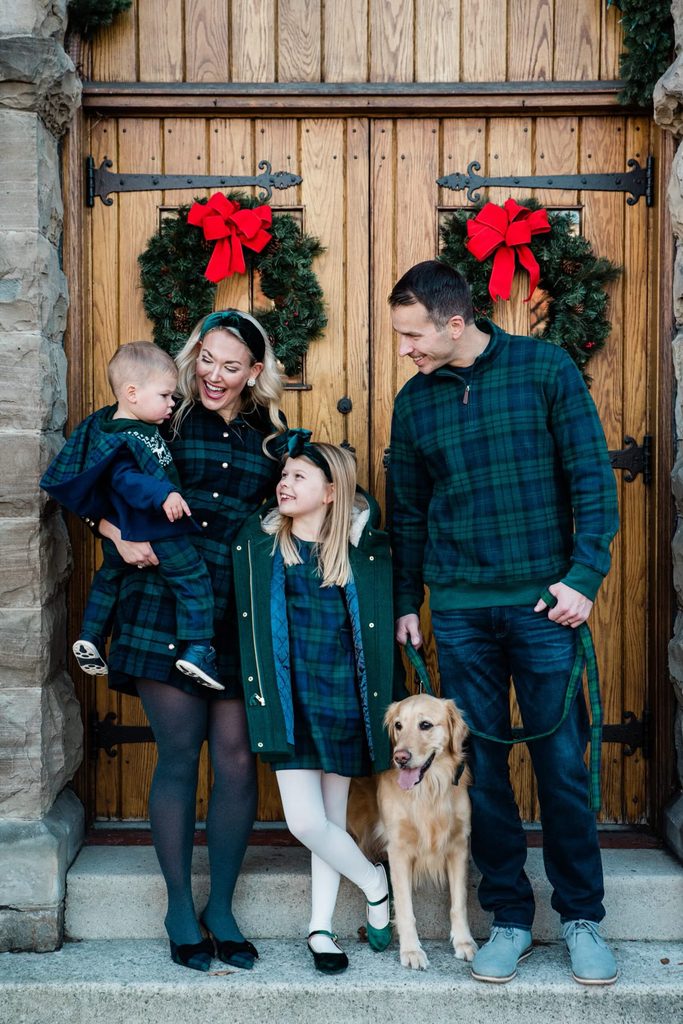
Matching or coordinated outfits turn ordinary photos into treasured keepsakes that families display for decades. Pick a color theme each year, such as red and green, gold and white, or plaid.
Some families choose new pajamas on Christmas Eve, and children quickly start expecting that special gift. Comfort should come first, because an itchy or tight outfit can spoil any long family celebration.
Soft fabrics, stretchy waistbands, and tag-free shirts keep children happy through long dinners and photo sessions.
Let children choose between two outfits, since having a voice makes them excited to wear the clothes. Try everything on a week early, so you can fix buttons, hems, and sizes in time.
Check bows, buttons, and sequins for loose parts that toddlers could swallow or choke on. Avoid long ribbons, drawstrings, and scarves around young necks, since they can tangle or tighten unexpectedly.
Secondhand shops and clothing swaps help you dress everyone well without stretching the family budget.
For style inspiration at every budget, browse 37 Adorable Christmas Outfit Ideas for Kids with your children. Frame the yearly family photo, and soon you will have a wall of growing smiles.
Try a Festive Hairstyle Tradition
A special Christmas hairstyle can become a sweet ritual that little girls look forward to every year. Choose styles that match her hair type, her patience, and the amount of time you have.
Braids, twists, buns, and ponytails with ribbons stay neat through long days of play and visits. Play her favorite music while you work, so sitting still feels easier and more fun.
Be gentle while styling, because tight pulling can hurt her scalp and make future sessions unpleasant.
Practice complicated styles a few days early, so you feel confident and she stays relaxed. Pick accessories that are soft, lightweight, and secure, and avoid anything with tiny stones or loose beads.
Small clips, tiny elastics, and beads are choking hazards for toddlers, so supervise little ones carefully. Heat styling tools stay with adults, and children should keep a safe distance from them.
Test new hair products on a small patch first, because some children react to fragrances or ingredients. Find lovely ideas for every hair length in 45 Cute Christmas Hairstyles for Little Girls.
Boys can join in with a neat comb, a bow tie, or a festive hat. Take a quick photo afterward, and your daughter will enjoy seeing each year’s look in the album.

Welcome the Elf Each December
An elf that appears each morning in a new spot adds playful mystery to every December day. Choose a simple routine, such as moving the elf after your children fall asleep each night.
Keep the ideas small and cheerful, like the elf holding a candy cane or peeking from a bookshelf. Quick, silly setups bring just as much joy as huge scenes that take an hour to build.
Write a list of ideas in advance, so you are never stuck at midnight with tired eyes.
Set a gentle rule that children look but never touch, so the elf stays special and undamaged. Keep the elf away from candles, heaters, and string lights, because its fabric body can catch fire.
Do not place the elf where toddlers can reach it, since small parts may come loose. Avoid using candy or cereal in your setups if any child in the house has food allergies.
Use the elf to encourage kindness, with notes that praise helpful behavior instead of warning about being naughty. Browse 27 Creative Elf on the Shelf Ideas That Kids Will Love for plenty of easy inspiration.
Retire the elf gently on Christmas Eve with a thank-you note, and let children say goodbye.

Host a Yearly Kids’ Christmas Party
A small yearly party with friends or cousins lets children share the excitement of the season. Keep the guest list short, because crowded rooms can overwhelm young children and exhaust the adults hosting.
Plan about two hours, with a welcome activity, a game, a snack, and a simple craft. Musical chairs, pass the parcel, and a candy cane scavenger hunt keep everyone moving and laughing.
Send invitations a few weeks early, and ask parents about allergies and any dietary needs. Offer fruit, plain crackers, and sandwiches beside the sweets, so every child finds something safe to eat.
Cut grapes, hot dogs, and similar foods lengthwise into small pieces for toddlers to reduce choking risks. Skip balloons for young guests, since broken pieces are a serious choking hazard for little ones.
Keep hot drinks, candles, and the oven away from the play area, and assign one adult to watch. Have a quiet room ready for children who need a short break from the noise and excitement.
Everything You Need to Host the Perfect Kids’ Christmas Party walks you through the complete checklist step by step. Send each child home with a small treat bag, and the happy feeling lasts a little longer.

Turn Movie Night Into a Ritual
A weekly family movie night in December is one of the coziest traditions you can create. Pick a movie that suits the youngest child, so nobody feels frightened or left out.
Build a blanket nest on the floor with pillows, soft throws, and a few favorite stuffed toys. Dim the lights, switch on a string of fairy lights, and let the room become a tiny cinema.
Give each family member a small job, like choosing snacks, arranging pillows, or pressing play. Serve popcorn to older children, but give toddlers soft snacks like banana slices, since popcorn is a choking risk.
Check snack labels for allergens, and use cups with lids to prevent spills on cozy blankets. Keep candles and space heaters at a safe distance from blankets and fabric, and avoid overloaded power strips.
Pause the film for short breaks, because young children often need stretching, drinks, and quick bathroom trips. Give the evening a theme each week, such as cocoa night, pajama night, or cookie night.
You will find more cozy ideas and snack pairings in How to Create a Cozy Family Christmas Movie Night. Keep a list of films you have watched, and let children rate each one with stars.

Build a Calm Christmas Eve Ritual
Christmas Eve is full of excitement, so a gentle ritual helps children settle and sleep well. Start with an early dinner, followed by a warm bath, clean pajamas, and a quiet activity.
Read a Christmas book aloud, sing a soft carol, or share three good things from the day. Let children set out a snack for Santa and a treat for the reindeer before bed.
Avoid heavy sugar and bright screens late in the evening, since both make falling asleep harder.
Lay out tomorrow’s outfits and batteries tonight, so the morning starts smoothly without frantic searching. Check the smoke alarms, blow out every candle, and turn off all string lights before bed.
Speak softly and slowly near bedtime, because calm voices help children feel safe and sleepy. Whisper a short blessing or kind wish for each family member, and end the night with hugs.
For a complete evening plan, read How to Create the Perfect Christmas Eve Family Routine. Do the final wrapping after the children sleep, and keep every gift hidden until the right moment.
Repeat this same calm order every year, and bedtime itself becomes part of the magic.
Shape Your Christmas Morning Rituals
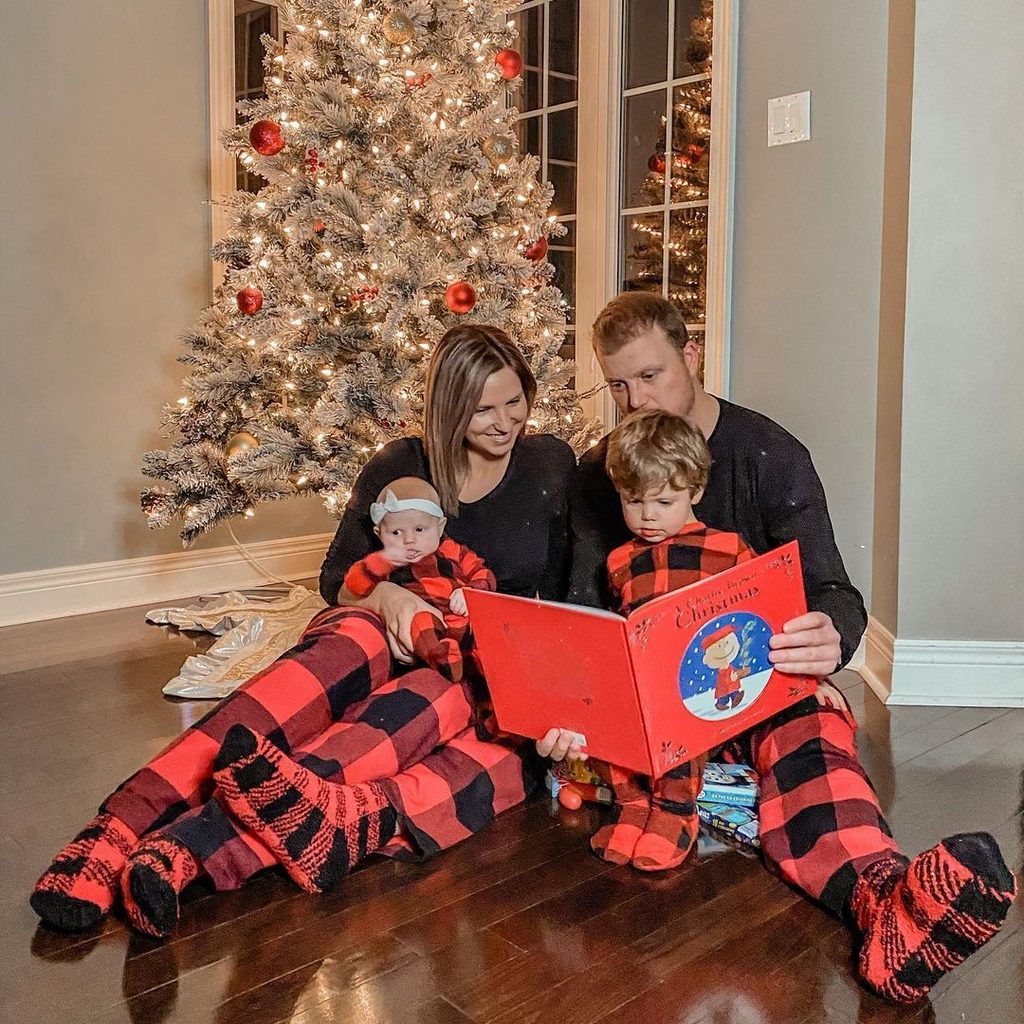
Christmas morning is the moment children wait for all year, so give it a little extra thought. Begin with a slow, cozy start, such as hot cocoa, soft music, and everyone gathering near the tree.
Open gifts one at a time, so each child feels seen and every present gets attention. Decide who goes first each year, and rotate the order so every child gets a turn.
Take a few photos early, then put your phone down so you enjoy the moment with them. Keep a large bag nearby for wrapping paper, because crumpled paper and ribbon can trip small children.
Remove plastic ties, packaging, and small batteries quickly, since toddlers may swallow them or choke on them. Check toy age labels before wrapping, and keep gifts for older siblings away from younger children.
Plan a relaxed breakfast with foods everyone likes, and keep the morning free from rushed schedules. Remind children to say thank you, and encourage them to write short notes to relatives later.
Read How to Make Christmas Morning Magical for Your Children for many more ideas that bring joy. Save one small surprise, like a family game, for later in the day to keep excitement going.

Every Tradition Safe for Little Ones
Safety keeps traditions joyful, and a few simple habits protect your children throughout the whole season. Always supervise children around heat, including ovens, candles, hot drinks, irons, and anything that plugs into a wall.
Keep sharp tools such as scissors, knives, and craft blades locked away or under direct adult control. Toddlers explore with their mouths, so keep anything small enough to fit inside a toilet paper tube away.
Balloons, coins, button batteries, and magnets deserve special care, because swallowing them can become an emergency quickly.
Ask every guest about allergies before sharing food, and read ingredient labels on all packaged treats.
Keep emergency numbers on the fridge, and know where your nearest clinic or hospital is located. Water a real tree daily, and keep it far from heaters, candles, and open flames.
Plastic bags and balloons can suffocate small children, so collect them quickly and dispose of them. Include every child in traditions, and adjust activities so shy, tired, or younger ones can join comfortably.
Respect families who celebrate differently, and teach your children to be kind and curious about other customs. Safe celebrations leave room for laughter, and prepared parents can relax and enjoy every happy moment.

Give Back as a Family Every Year
A giving tradition teaches children that Christmas is about caring for others, not only receiving gifts. Let each child choose one toy or book to donate each year before new presents arrive.
Bake extra cookies for neighbors, or visit an older relative who may feel lonely at the holidays. Children feel proud when they see their small efforts bring real smiles to other people’s faces.
Write cards together for teachers, grandparents, or community helpers, and let younger children add drawings or stickers. Choose donations that are clean, safe, and age appropriate, and check labels on any food you give.
Talk about the reason for giving in simple words that your children can understand easily. Gratitude grows through practice, so ask each child to share one thing they are thankful for daily.
Keep your budget in mind, because kindness does not need to be expensive to matter deeply. Time, attention, and a warm card are gifts that any family can give freely each year.
Let your children see you giving without expecting anything back, because they copy what they watch. Giving together builds a quiet confidence in children that stays with them long after December ends.

Record Traditions and Let Them Grow
A simple family tradition notebook helps everyone remember the little details whenever the next December arrives. Write the date, the activity, and one funny thing each child said or did that day.
Add photos and small keepsakes, like ticket stubs or a drawing, to fill the pages with memories. Read the notebook together each year before you begin, and children will cheer for old favorites.
Over time the notebook becomes a treasure that your grown children may one day pass on. Traditions must also grow, because a ritual that suits a toddler may bore a teenager.
Review your list each autumn, and ask everyone which traditions they still love and which feel tired. Keep the heart of each tradition, but change the details so it fits your children’s current ages.
A teenager might not hang an ornament eagerly, but may happily choose the music or cook the meal. Be flexible when travel, illness, or a tight budget interrupts, and carry a smaller version instead.
A missed year does not break a tradition, because the love behind it matters far more. Welcome new traditions from grandparents, partners, and friends, so your family customs keep growing richer.

Conclusion
Christmas traditions do not need to be grand, expensive, or perfect to become a precious part of childhood. They only need your attention, your consistency, and a willingness to enjoy small moments with your children.
Start with two or three ideas this year, invite your children to help, and repeat them lovingly. Keep safety close, with supervision around heat and sharp tools, careful allergy checks, and watchful eyes for choking hazards.
Write down what you do, adapt as your children grow, and let go of what no longer fits. Years from now, your children will pass these rituals to their own families with a smile.
Take a deep breath, light a candle with care, and enjoy this beautiful season with the people you love. Merry Christmas to you and your little ones, and may your traditions fill your home with joy.
Leave a Reply