Kids love scavenger hunts, especially when they are built at home, because the whole house turns into a secret mission. A sofa becomes a mountain, a laundry basket becomes a cave, and every drawer hides a clue.
A Bluey-inspired hunt takes that excitement and adds characters that children already know, trust, and adore. Bluey and her family play games that parents can copy with nothing more than paper, pens, and a little imagination.
Most parents worry that party games need long planning, but this one needs only an hour and simple supplies. Parties often go wrong in the same places, like unclear rules, bored waiting kids, and clues that are too hard.
This plan avoids all three, and it keeps every child busy from the moment the first guest walks in.
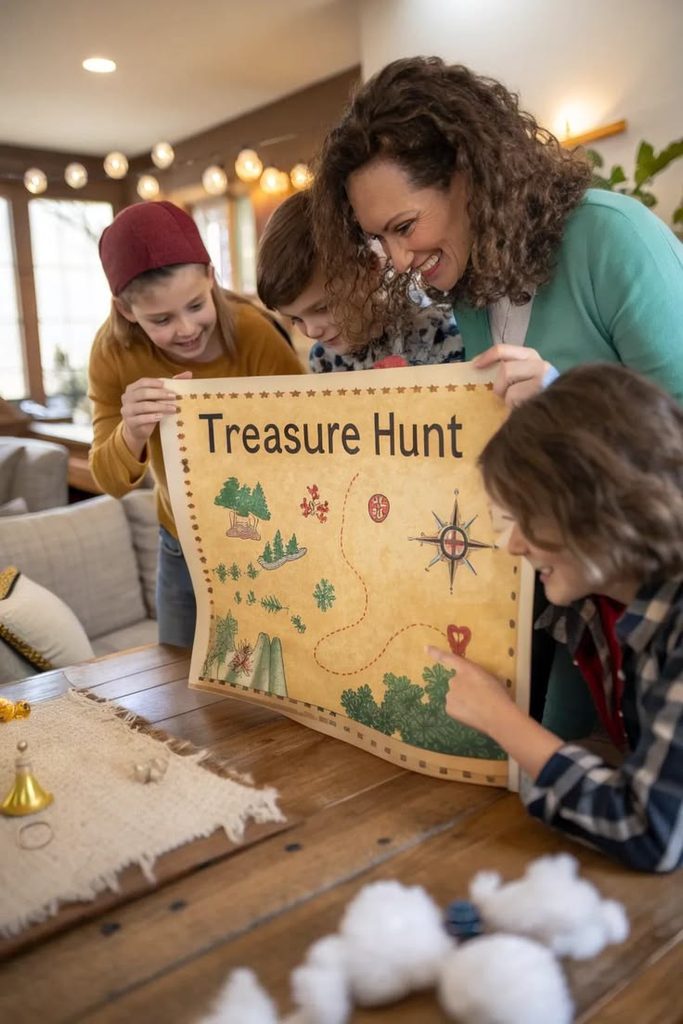
For a matching map, read How to Make a Home Treasure Map for a Children’s Adventure.
In this guide, you will learn how to plan every step, from the first clue to the final prize. Each step below is simple, practical, and written for parents who have never run a hunt before.
By the end, you will have a clear plan, a simple shopping list, and a party that feels effortless.
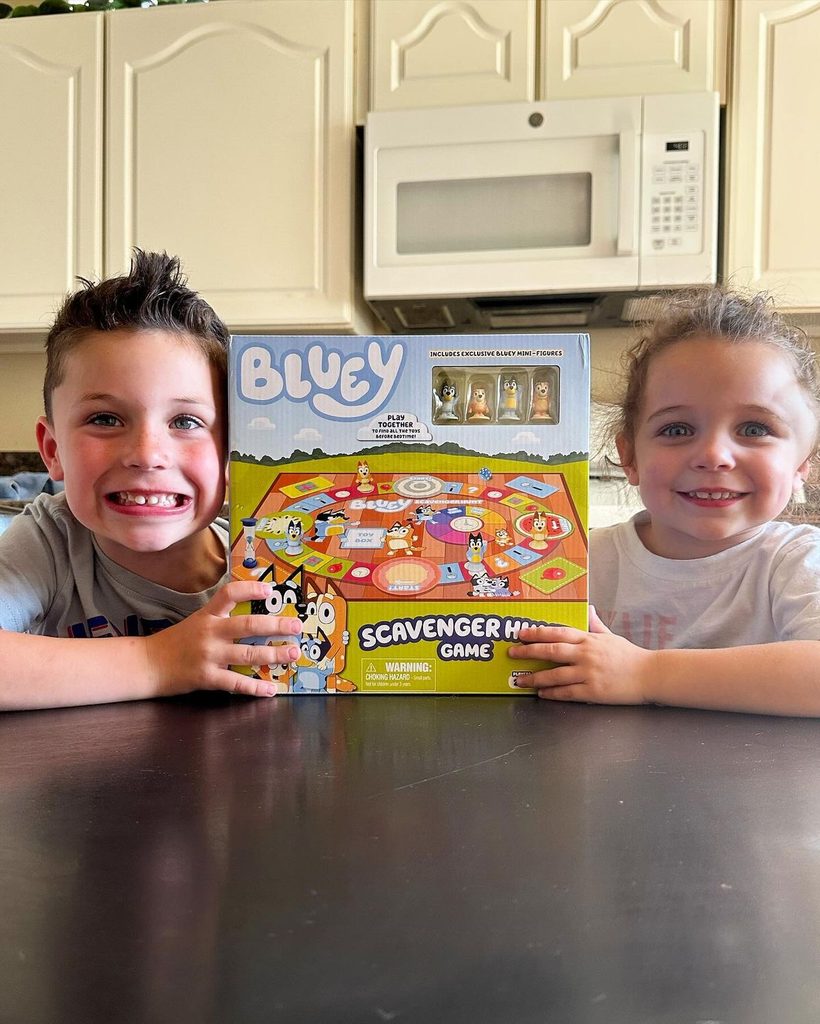
How to Create a Bluey-Inspired Scavenger Hunt at Home
Why Bluey Is the Perfect Theme for a Home Scavenger Hunt
Bluey works so well because the show is built around play that real families can copy at home. Children see Bluey, Bingo, Bandit, and Chilli make up games from nothing, and they want to do the same.
That means your guests already understand the spirit of the party before you say a single word.
For a longer list of ideas, see 17 Screen-Free Activities for Kids Who Are Bored at Home.
The theme also keeps costs low, since you can use blankets, cushions, and toys you already own. Parents like it too, because the gentle humor and warm family feeling suit a room full of small guests.
Bluey also teaches that play is how children learn, so every clue becomes a tiny lesson in teamwork. Parents can relax because the format is familiar, and children quickly settle into their roles without long explanations.
Once the theme is clear, the rest of the planning becomes much easier and far more fun. Think of it as a short play where every child has a role and a goal.
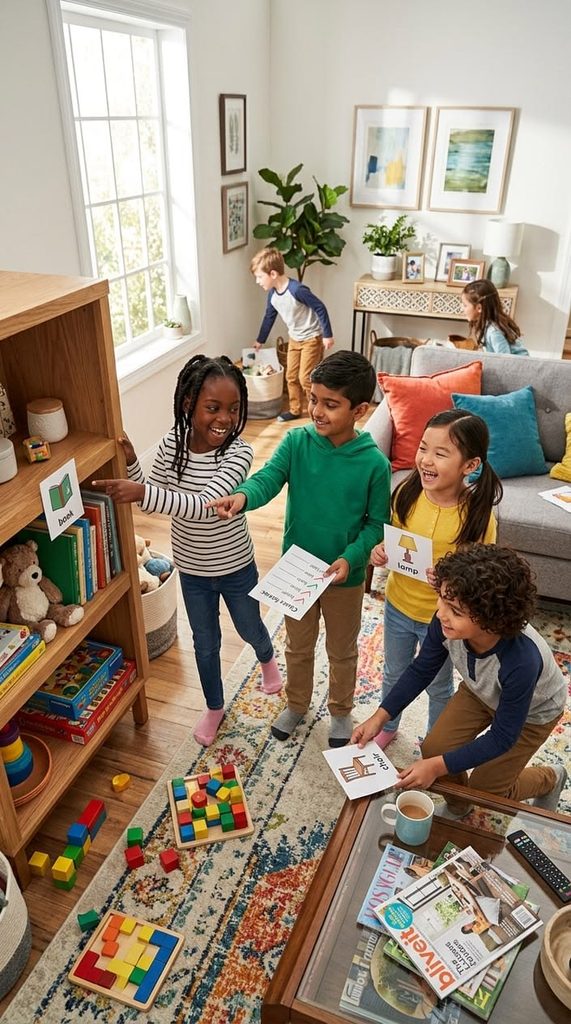
Choose the Right Age Group and Guest List
Before you buy anything, decide how many children will come and how old they are. Children between three and five need simple picture clues and a grown-up helper beside them.
Kids between six and nine can read short riddles and work in pairs without much help. Mixed ages are harder, but you can solve this by pairing an older child with a younger one.
For group size, six to ten children is the sweet spot for a home hunt. Larger groups should split into teams of three, with each team following its own colored clue trail.
Big groups also need energy outlets, so check out 17 Indoor Games for Kids That Help Them Burn Off Energy.
Small guests will always finish at different speeds, so give every team the same number of clues. That keeps the game fair, and it helps you stop small arguments before they ever start.
Count your guests twice, because one missing child can quietly break a team of three. Always ask parents about stay-and-play or drop-off, so you know how many helpers you will have.
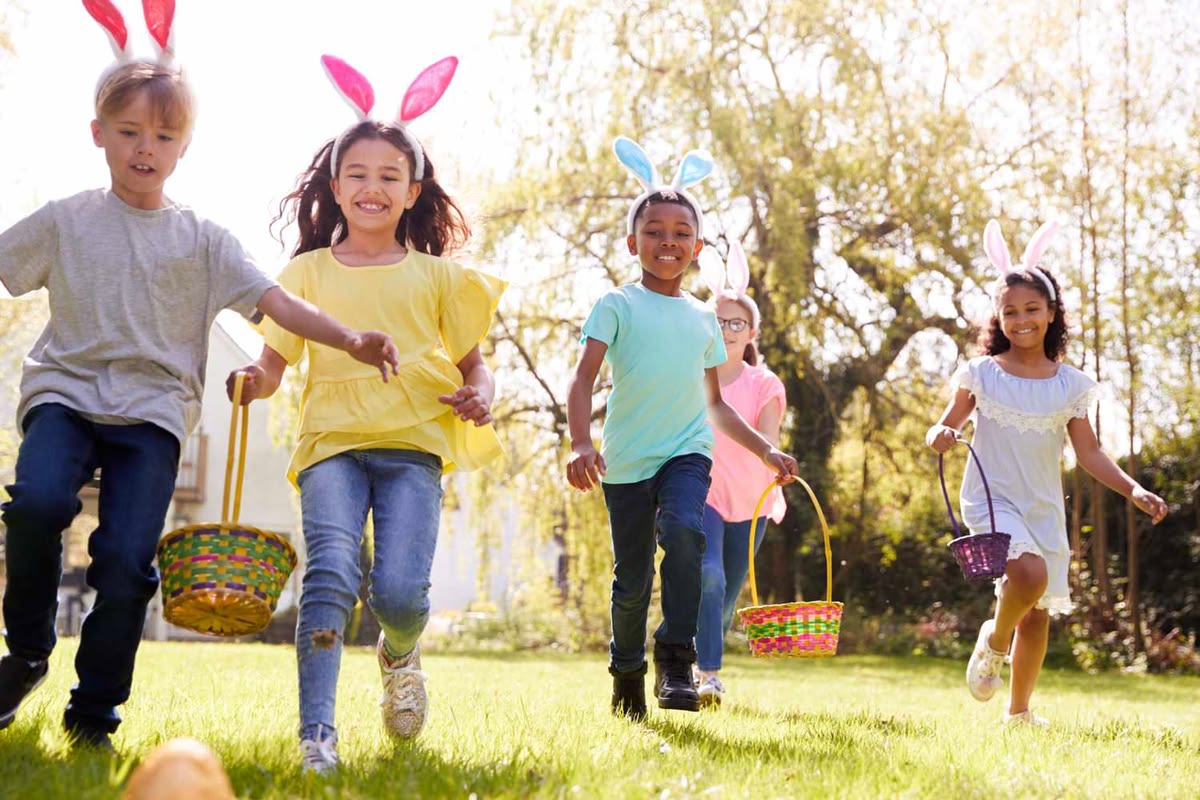
Borrow Simple Games From the Show
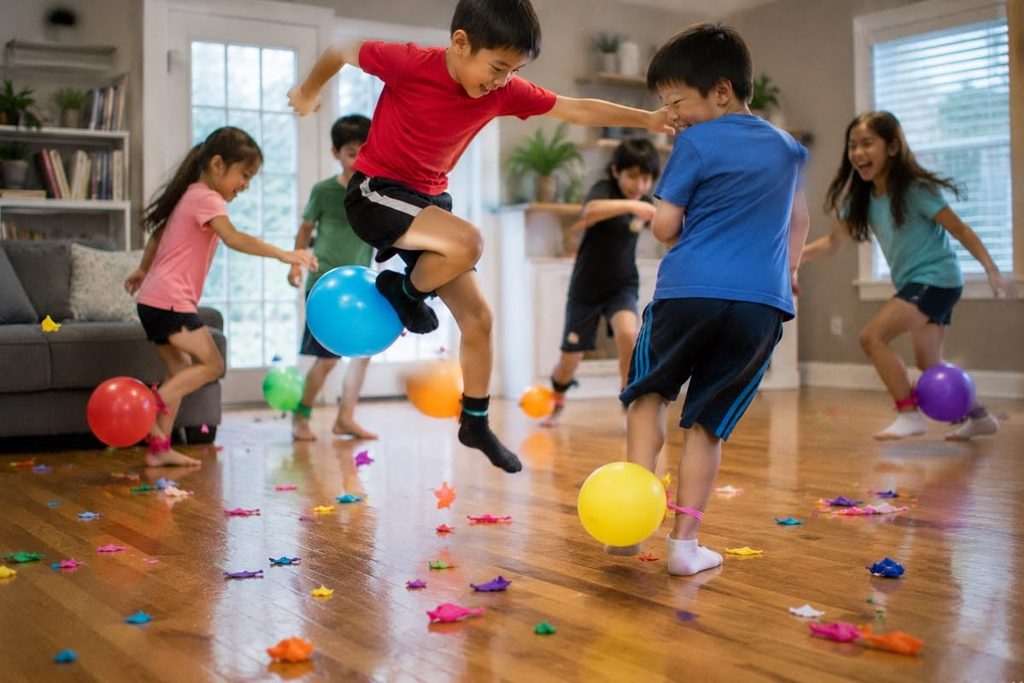
Bluey episodes are full of games that translate easily into clues, tasks, and short party challenges. Keepy Uppy is the easiest one, and it needs only a balloon and a clear patch of floor.
Ask each team to keep the balloon in the air for ten seconds before they earn the next clue. The Magic Xylophone game also works well, because children freeze like statues whenever the music stops.
Use a toy xylophone or a phone app, and read the next clue once everyone is frozen. Hide and Seek is another good choice, since a hunt is really just hide and seek with a purpose.
Children who love capes will enjoy How to Create a Superhero Training Course for Kids as a follow-up.
You can also use Pass the Parcel for the final prize, wrapping layers of paper around a small treat.
Each game takes less than five minutes, so none of them will bore the children or drain your energy. Print a small card for each game, so every helper can explain the rules in the same way.
Pick only three or four games, because too many rules will confuse small guests and slow the party.
Map Your Home and Plan the Clue Trail
Walk through your home and choose eight to ten hiding spots that are safe and easy to reach. Good spots include the couch, the bookshelf, the fridge door, a toy box, and the back garden.
Sketch a simple floor plan on paper and number each spot in the order children will visit it. This map is for you, not the kids, and it stops you from losing track during the party.
Rooms with beds and cushions can inspire How to Create an Indoor Camping Adventure for Children.
Place the first clue where children can find it quickly, because an easy start builds confidence. Keep the trail moving between rooms, so no group sits around waiting for the others.
Test the route yourself by walking it once, because you will spot problems before the children do. Mark each hiding spot with a tiny sticker on your map, so you can reset quickly if needed.
If you have a garden, use it for the last two clues to give children fresh air.
Close any rooms that are off limits, and tell the children about them before the game begins. Move breakable items out of reach, because excited children tend to run much faster than anyone expects.

Write Clues Children Can Actually Solve
Good clues are short, playful, and matched closely to the age of the children who are playing. For young children, use pictures instead of words, such as a drawing of a fridge or a bed.
For older children, write simple riddles about the hiding place, like a cold box that keeps snacks fresh. Add a Bluey twist by writing some clues in the playful voice of Bandit, Chilli, or Bingo.
If your child prefers monsters to dogs, try How to Plan a Pokémon Treasure Hunt for Kids.
Read each clue out loud to a friend, and if they hesitate, rewrite it at once. Hard clues cause frustration, while easy clues keep the energy high and the laughter loud.
Number the clues on the back, so you can check the order before the party begins. Use big letters and thick markers, because small children cannot read thin lines in a rush.
Give every clue a small hint on the back, so helpers can nudge children without giving answers.
Write each clue on colored card and keep them in order inside a labeled envelope.

Make Simple Bluey Props From Things at Home
You do not need expensive costumes or printed decorations to create a warm and playful Bluey feeling. Blue and orange paper make instant dog ears that children can wear on simple headbands.
Give each team a name from the show, like the Heelers, and let them choose their own ears. Small toys can act as clue holders, so tuck each paper clue under a stuffed dog or a plush animal.
A cardboard box can become a treasure chest, a mailbox, or the final prize station.
Digging themes need extra props, so see How to Create a Dinosaur Dig Activity Using Sand and Toy Fossils.
Paint a few old paper plates blue and orange, and hide them around the room as bonus finds. Each bonus find can earn a sticker, which keeps children searching even after they finish a clue.
Cut simple paw prints from colored paper and tape them on the floor to guide the way. Children love following paw prints, and the trail adds a sense of mystery without costing much at all.
Keep props light and safe, and avoid anything with sharp edges or tiny parts for younger guests.

Add Game Challenges Between the Clues
Clues alone can feel slow, so add a small challenge at a few stops along the trail. A challenge gives children a reason to laugh, move, and work together before getting the next clue.
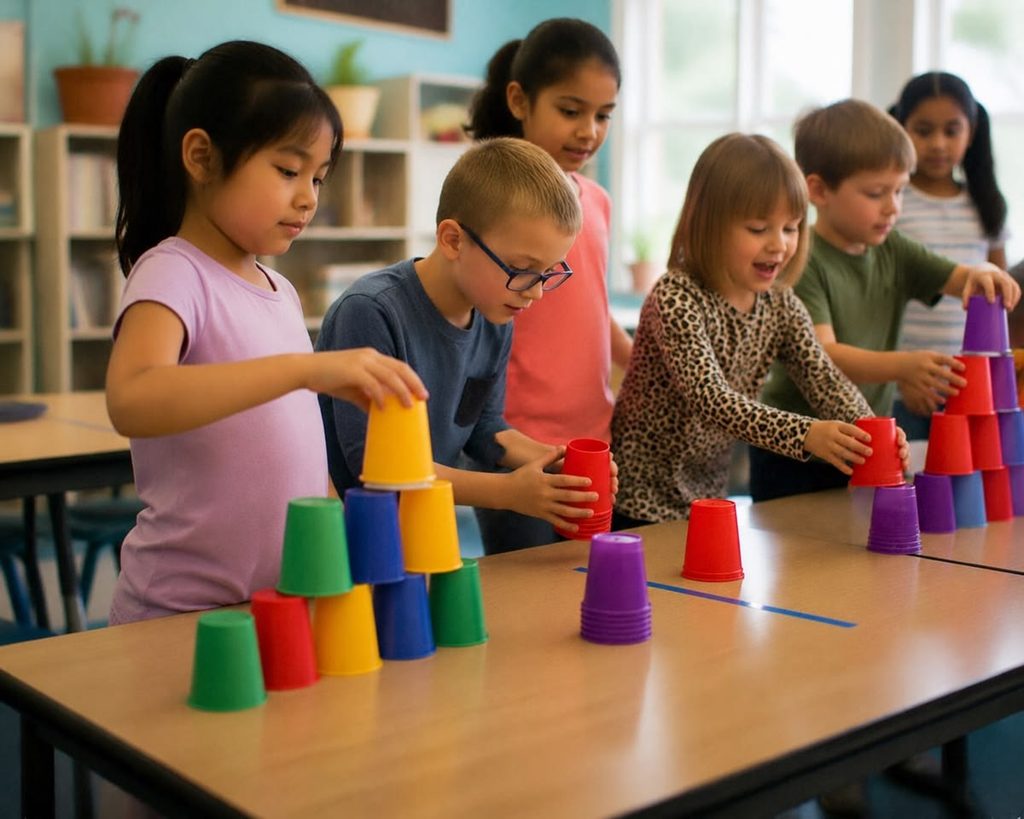
Good examples include hopping across the room, balancing a toy on a spoon, or building a tower of cups. Keepy Uppy can return here too, and so can a quick round of charades with simple animal actions.
For bigger movement challenges, try How to Build a Minecraft-Inspired Obstacle Course in Your Living Room.
Keep each challenge under one minute, because small children lose interest very quickly when they must wait. Make sure every child gets a turn, even if one child finishes the task faster than others.
Mix quiet challenges with active ones, so children can rest their legs between bursts of running. Write each challenge on a small card, and let the team captain read it aloud.
Challenges also give older children a chance to lead, which makes them feel proud and trusted. Praise effort instead of speed, and the whole party will stay friendly, relaxed, and full of laughter.
Keep the Hunt Safe and Calm Indoors
Safety matters most, because excited children can slip, bump, and trip faster than adults expect. Remove loose rugs, wet floors, and any small objects on the ground that could cause a fall.
Set one simple rule, which is that everyone walks indoors and runs only in the garden. Never hide clues in places like the stove, the bathroom cabinet, or anywhere near cleaning products.
Check for food allergies before you plan treats, and ask parents for any needs in advance.
To end the day calmly, finish with How to Organize a Kids’ Movie Night With Games and Activities.
Keep at least two adults nearby, since one can guide clues while the other watches the group. Have water ready for thirsty players, and keep a small first-aid kit within easy reach.
Walk through the house with the children before the game, and point out every room that is closed. Small preparations like these let you enjoy the party instead of worrying about every little bump.
Adapt the Hunt for Different Ages and Abilities
Every group of children includes different speeds, interests, and abilities, so a flexible plan works best. Give younger children picture clues and let them hunt for objects that are large and colorful.
Older children can solve riddles, count steps, or decode a simple letter puzzle for each clue. Children with different needs may prefer a quieter route with fewer rooms and shorter tasks.
Talk with their parents beforehand, and ask what helps their child feel safe and included. Teams that mix ages can share jobs, where the older child reads and the younger child searches.
This setup builds kindness, and it makes the party feel like a team effort rather than a race. Always keep a few extra clues in your pocket, because some children will solve tasks faster.
Flexibility also protects the mood, because a child who feels stuck will quickly lose interest. These small changes help every child feel proud, which is the real goal of any good party.
Let your kids try this out on wet days 31 Rainy Day Activities for Kids That Need Almost No Preparation.
Handle Shy, Competitive, and Overexcited Kids
Every party has a shy child, a competitive child, and a child who runs everywhere at once. Shy children do best when they are paired with a friendly partner and given a simple role.
Let them be the clue reader or the treasure keeper, because those jobs feel important without being loud. Competitive children need a gentle reminder that every team will get the same prize at the end.
Removing the pressure of winning also makes the game more relaxing for parents who watch from the sidelines. Overexcited children can be given a special helper job, such as carrying the clue bag between rooms.
That job gives them purpose, and it turns wild energy into something useful for the whole team. Praise good teamwork out loud, because children repeat the behavior that earns attention from adults.
A calm voice works better than a loud one when thirty small feet are running around. If a child cries or quits, pause the game and offer a quiet moment with a drink.
Stay patient with every personality, since each child is simply learning how to play in a group. Most children return within five minutes, and they usually join the game again with fresh energy.
For a shop stop, see How to Set Up a Pretend Grocery Store for Kids at Home.
Plan Prizes and Party Bags Without Overspending
Prizes do not have to be large, expensive, or full of sugar to make children happy. A small party bag with stickers, a pencil, and a tiny toy works better than a big gift.
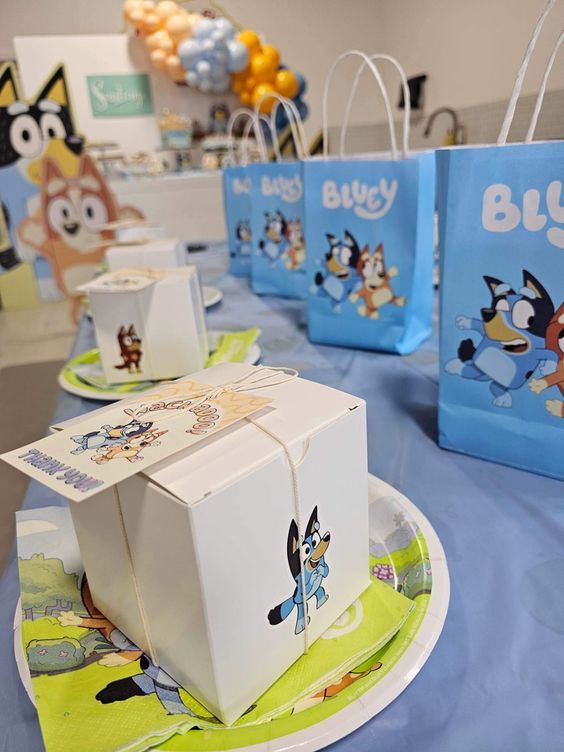
Dog-themed stickers, blue erasers, and small notebooks suit the Bluey theme and cost very little. Fill the final treasure box with identical party bags, so no child feels left out.
Add a paper certificate that names each child a Super Detective, and let them sign it themselves. Children often treasure a certificate more than candy, because it proves what they achieved together as a team.
Wrap each party bag in plain brown paper, and let children decorate it with markers during the party. Buy small items in bulk from a discount store, and set a firm budget before you start shopping.
A hunt for ten children can easily be done for a modest price if you plan ahead. Plain prizes also mean less waste, and parents appreciate bags that do not end up in the bin.
Remember that memories matter more than money, and children rarely care what the prizes cost.
Little ones who love leaves and stones will enjoy How to Plan a Nature Scavenger Hunt for Preschoolers.
Time the Party So Energy Stays High
A good scavenger hunt party lasts about two hours, with the hunt itself taking around forty minutes. Start with a ten-minute welcome, where children put on their dog ears and meet their teams.
Then explain the rules in simple words, and show one practice clue so everyone understands the game. The hunt can run for forty minutes, followed by a short break for snacks and drinks.
After the break, finish with the prize ceremony and a calm closing game before parents arrive. Small children get tired quickly, so avoid long gaps with nothing to do between activities.
Write the schedule on a card and stick it on the fridge, so helpers can follow along. Use a kitchen timer or a phone alarm to keep each stage moving at a steady pace.
Do not be afraid to cut a challenge if the children seem restless or distracted. Always start on time, because waiting guests grow restless and early arrivals will quickly run out of patience.
A short party that ends happily is far better than a long party that ends in tears.
Stories add magic too, so see How to Plan a Winnie-the-Pooh-Inspired Story and Honey Hunt for more.

Choose Simple Snacks That Fit the Theme
Food adds to the fun, and a few themed snacks can make the table feel special. Bluey is Australian, so small sponge squares or mini cupcakes fit the theme nicely at a party table.
Fruit cups, cheese cubes, and plain crackers are easy to prepare and simple for small hands. Serve the food after the hunt, because full stomachs make children slower and sleepier during games.
Cut sandwiches into small shapes, because children eat more when the food looks fun and friendly. Label every plate with a Bluey-style name, like Keepy Uppy Crackers or Bandit’s Cheese Bites.
Fun names cost nothing, and they give children something to giggle about while they eat. Always offer water, and keep juice for the end so sugar does not spoil the afternoon.
Use paper cups and plates, because cleanup after a busy party should be quick and painless. Let each child pick one snack, because choosing gives small guests a happy sense of control.
Keep a separate plate of nut-free snacks, and tell parents what you are serving in advance.
For outdoor spaces, read 33 Backyard Activities for Kids Who Love Exploring before the snacks time.

Prepare a Backup Plan for Rain or Early Finishers
Even the best plan can fail, so prepare a simple backup before the party day arrives. If rain ruins the garden clues, move those tasks inside and use the hallway or a spare room.
Keep a second set of indoor clues sealed in an envelope, just in case the weather turns. Some teams will finish early, and bored children can create trouble faster than you expect.
Prepare a quiet table with coloring sheets, so early finishers can relax while others complete the hunt. A bonus riddle hidden inside the prize box can also keep early finishers happily busy for a while.
Keep a bag of balloons nearby, because a quick game of Keepy Uppy can rescue any slow moment. If you run late, skip one or two clues, and nobody will notice the difference.
Keep your calm, because children quickly copy the mood of the adult who is leading the game. Stay flexible, and treat every surprise as a chance to invent a new game with the children.
A relaxed host makes a relaxed party, and that is worth more than any perfect plan.
Quiet guests who finish early can enjoy How to Make a Kids’ Boredom Basket That Encourages Independent Play.
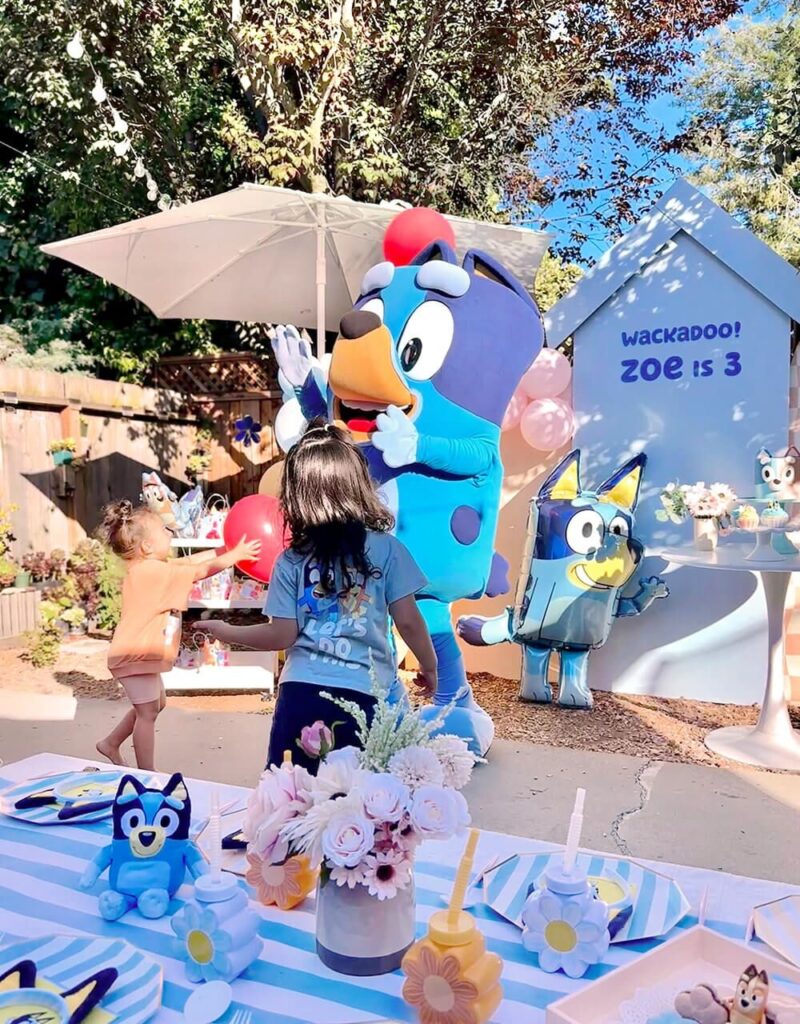
Ask Parents and Helpers to Join In
A home party goes much smoother when other adults know exactly what jobs they should do. Ask one parent to guide each team, and tell them to help without solving the clues.
Give helpers a short note with the rules, the room list, and your phone number. A friendly neighbor or older cousin can also act as a photographer, capturing happy faces during the game.
Photos give you wonderful memories, and children love seeing themselves wearing their dog ears afterward. Share the plan with helpers a day early, so nobody feels confused when the first guest arrives.
Ask a second helper to stay near the prize box, so it never gets opened early. Helpers also keep an eye on the doors, which is important when many children run around.
Thank each helper with a small treat, because good help makes the whole party better. Clear roles also protect your own energy, so you can join the fun instead of rushing around.
When adults share the work, nobody burns out, and the child whose party it is feels loved.
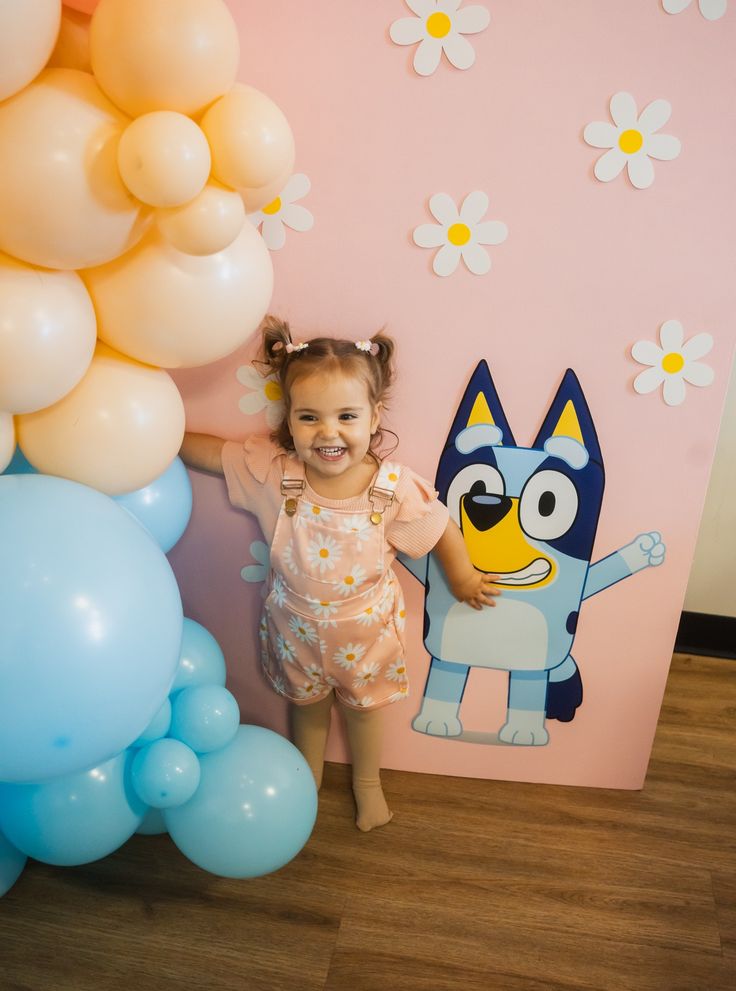
Clean Up Fast and Avoid Common Mistakes
Cleanup is easier when children help, so turn the last task into a short tidy-up game. Ask them to collect all the clues and paper props, and reward each child with a sticker.
Keep a large bag ready near the door, and sort trash from reusable props right away. Save the clue cards, since you can reuse them for another party or a quiet rainy afternoon.
Now let us look at the common mistakes, so you can avoid them on the big day. The first mistake is writing clues that are too hard, which leaves children confused and upset.
The second is hiding clues in places too high, too dark, or too difficult for small children. The third mistake is skipping the rules, and the fourth is forgetting to test each clue first.
Write down what worked, because notes make your next party even easier to plan and enjoy. Check your list one more time before the party, and you will feel calm when guests arrive.
Avoid all four, and your hunt will run smoothly from the very first clue to the final prize.

Final Thoughts on Your Bluey-Inspired Scavenger Hunt
A Bluey-inspired scavenger hunt is simple, affordable, and full of the joy that children carry into every game. You now know how to choose the guests, plan the trail, write clues, and keep everyone safe.
You also know how to handle the shy child, the competitive child, and the child who never stops moving. None of this needs special skills, and none of it needs a large budget or a perfect home.
What it needs is a little planning, a few paper clues, and a parent who is ready to play. Children will not remember how fancy the decorations were, but they will remember how much fun they had.
Start small, enjoy the process, and watch how quickly your children ask to play the game again. So gather your paper, hide your clues, and let the adventure begin in your very own home.
Leave a Reply