First day of school anxiety is real and most children go through it. For some kids it ends after the first day, while for some kids it lasts for some days or a week before they could get used to the environment and everything.
This is completely normal, even though it can feel worrying to watch as a parent. Understanding the difference between mild nerves and deeper anxiety helps you respond the right way.
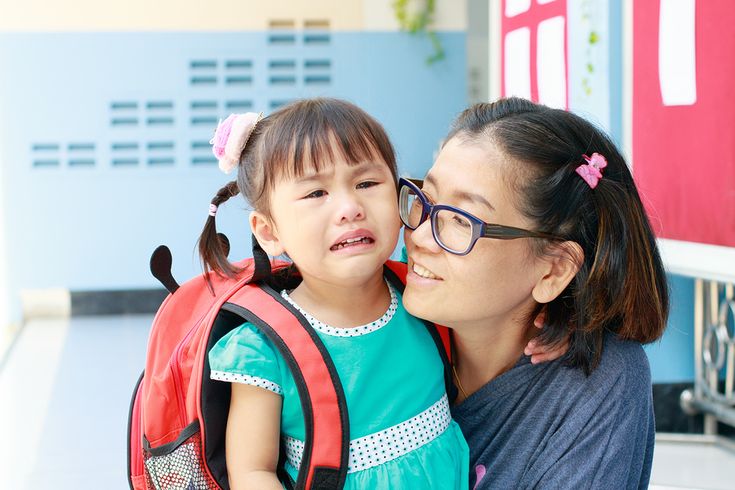
Some kids show it through tears at the school gate. Others go quiet, complain of a stomach ache, or suddenly seem clingy at home. None of these reactions mean something is wrong with your child. They simply mean your child is processing a big change in their own way, at their own pace.
This post will walk you through practical ways to recognize, ease, and support this kind of anxiety properly. We’ll also touch on when it might be more than just first-day nerves, and what to do about it.
If you haven’t read it yet, How to Prepare Your Child for the First Day of School Without Stress covers the groundwork that makes this whole process smoother from the very start. For the wider picture of the whole season, The Ultimate Back-to-School Guide for Parents is worth keeping close too.
How to Help Kids Overcome First-Day-of-School Anxiety
Understand Where The Anxiety Comes From
Anxiety in young kids rarely comes from one single, obvious source. It often builds from a mix of unfamiliar people, new routines, and separation from parents.
Even confident kids can feel unsettled by all these changes happening at once, especially after a long break.
Some children fear the unknown itself, more than any specific thing about school. They don’t know what the classroom looks like, or who they’ll sit beside.
This uncertainty alone can create a knot of worry before the day even begins. Even simple details, like where the toilets are, can feel like a big unknown to a young child.
Other kids carry worries from a previous bad experience, even a small one. Maybe they got lost once, or a teacher raised their voice unexpectedly last term.
These memories can quietly resurface as the new term approaches, even without an obvious sign.
Knowing the root cause, if you can identify it, helps you respond with the right kind of comfort. A general “don’t worry” rarely helps as much as addressing the specific fear directly.
Talk gently until you understand the real thing sitting underneath the worry. Sometimes it takes a few tries before your child names what’s actually bothering them.

Watch For The Signs Before They Escalate
Some kids announce their anxiety clearly, saying they’re scared or don’t want to go. Others show it through behavior instead, without ever naming the feeling out loud.
Trouble sleeping, loss of appetite, or sudden irritability can all be quiet signals worth noticing early.
Physical complaints are common too, especially in younger children who can’t yet name their emotions. A stomach ache or headache right before school time often has more to do with nerves than illness.
This doesn’t mean the discomfort isn’t real to them, it simply has an emotional root behind it.
Pay attention to timing as well, since this often reveals a lot about what’s really going on.
If complaints show up mainly on school mornings and disappear on weekends, anxiety is likely the cause.
Recognizing this pattern early helps you respond with the right kind of support, not confusion or frustration.

Validate Their Feelings Without Feeding The Fear
When a child expresses fear about school, the instinct is often to reassure quickly. But quick reassurance can sometimes make a child feel unheard instead of comforted.
Start by naming what they feel, before jumping straight to fixing it for them.
Try saying something like, “it sounds like today feels a bit scary.” This simple acknowledgment tells your child their feelings are real and worth taking seriously.
Once they feel heard, they’re usually far more open to comfort and reassurance afterward, rather than shutting down.
Avoid dismissive phrases like “there’s nothing to be scared of” or “you’re being silly.” Even well-intended, these comments can shut down further conversation about the actual fear.
Kids need to feel safe expressing worry, not corrected for having it in the first place.
At the same time, be careful not to over-validate the fear either. Constantly agreeing that school is scary can accidentally reinforce the belief instead of easing it.
Aim for calm acknowledgment, followed by gentle reassurance, rather than dramatic sympathy.

Keep Goodbyes Short And Confident
The moment of separation at the school gate is often where anxiety peaks the most. A long, drawn-out goodbye can actually make things harder for an anxious child to manage.
Extended hugging and lingering often signals to the child that leaving truly is a big, dangerous deal.
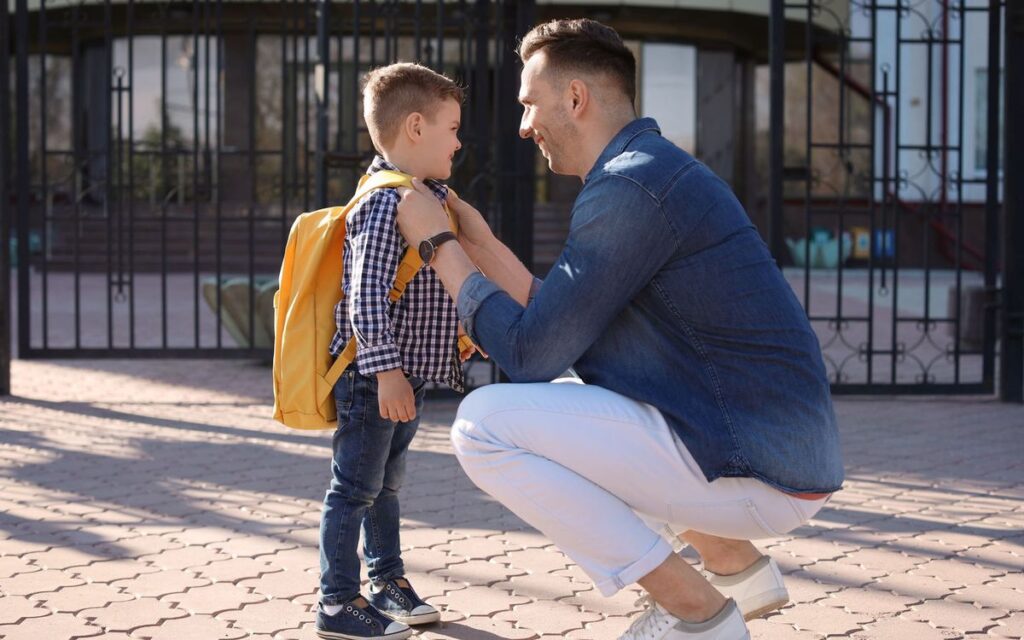
Instead, aim for a short, warm, and confident goodbye every single time you drop them off. A quick hug, a simple phrase like “see you later,” and a genuine smile work well together.
Walking away calmly, even if your child cries a little, usually helps them settle faster than expected.
This can feel difficult for parents too, especially if guilt creeps in during the walk away. Remind yourself that a confident goodbye teaches your child that you trust the situation completely.
Kids often pick up safety cues directly from how calmly a parent leaves the scene.
If mornings already feel rushed and tense before you even reach the gate, that adds extra pressure to this moment.
Keep this handy: How to Build a School Morning Routine That Actually Works walks through building a calmer start, which makes goodbyes far easier to manage.
Create A Simple Goodbye Ritual
Kids often find comfort in small, repeated rituals during moments of separation. This might be a special handshake, a specific phrase, or a tiny wave through the window.
The exact ritual matters less than its consistency across every school morning.
A predictable goodbye ritual gives a child something familiar to hold onto during an unfamiliar moment. Over time, this small routine becomes a comforting signal that everything is normal and safe.
Many parents find this simple trick eases separation anxiety more than long explanations ever could.
You can build this ritual together with your child, letting them choose part of it themselves. A ritual they helped create often feels more meaningful than one simply handed to them.
Even something silly, like a secret handshake, can carry real emotional weight for a young child.

Avoid Sneaking Away Without Saying Goodbye
Some parents try slipping away quietly while the child is distracted, hoping to avoid tears. While this might work once, it often backfires over time and makes things harder later.
Kids can begin to feel like they can never fully trust a moment of distraction again.
Instead, always say goodbye clearly, even if it causes a brief moment of tears at first. Trust builds through consistency, not through avoiding hard moments altogether.
A predictable goodbye, even a tearful one, is healthier than one built on surprise and quiet escape.
Over time, this consistency teaches your child that goodbyes are safe, even when they’re sad. That lesson carries into other areas of trust well beyond just the school gate.

Build A Predictable Drop-Off Routine
Beyond the goodbye itself, the whole drop-off experience benefits from predictability. Arrive around the same time each day, and follow the same path into the school building.
This reduces the number of unknown variables your child has to process each morning.
If possible, let your child know exactly what to expect once they walk through the gate. Mention who might greet them, or what the first activity of the day usually looks like.
Reducing surprises, even small ones, often reduces anxiety significantly for nervous children heading into the day.
Even the bag they carry into that gate can quietly affect their confidence each morning. Trust me, you’ll want to read this: How to Choose the Right Backpack for Your Child
helps you pick one that feels comfortable and familiar, not one more thing to worry about.

Use Comfort Objects Thoughtfully
A small item from home can offer real comfort to an anxious child during the school day. This might be a tiny photo tucked into their bag, or a small toy in their pocket. Check with the teacher first, since some schools have rules about outside items in class.
These small objects work because they carry a physical reminder of safety and familiarity. Holding something from home can ground a child during a moment of overwhelming newness.
Just be sure the item is small enough not to become a distraction during lessons or playtime.
Some kids prefer something they can’t lose easily, like a small drawing tucked inside their bag pocket. Others do better with something worn, like a bracelet or a small keychain attached to their bag.
Let your child help choose the object, since their own preference matters more than yours here.
If your child hasn’t picked out their school bag yet, choosing one they genuinely love can double as a comfort item itself.
See what everyone’s talking about: 31 Cute Backpack Ideas Every Kid Will Be Excited to Carry has options kids get attached to fast.
Practice Calm Breathing Together
Simple breathing exercises can help a child manage anxious feelings in the moment itself. Teach your child to take a slow breath in, then an equally slow breath out.
Practicing this at home, when calm, makes it easier to use later when nerves actually strike.
You can turn this into a simple game, like pretending to blow out candles slowly. Kids often respond better to playful framing than to serious instructions about managing emotions directly.
Practicing regularly, even for a minute at bedtime, builds a tool they can quietly use anytime.
Try practicing this together in the car on the way to school as a shared habit. This turns the drive itself into a small calming ritual, rather than a stretch of silent worry.
Talk To The Teacher Early
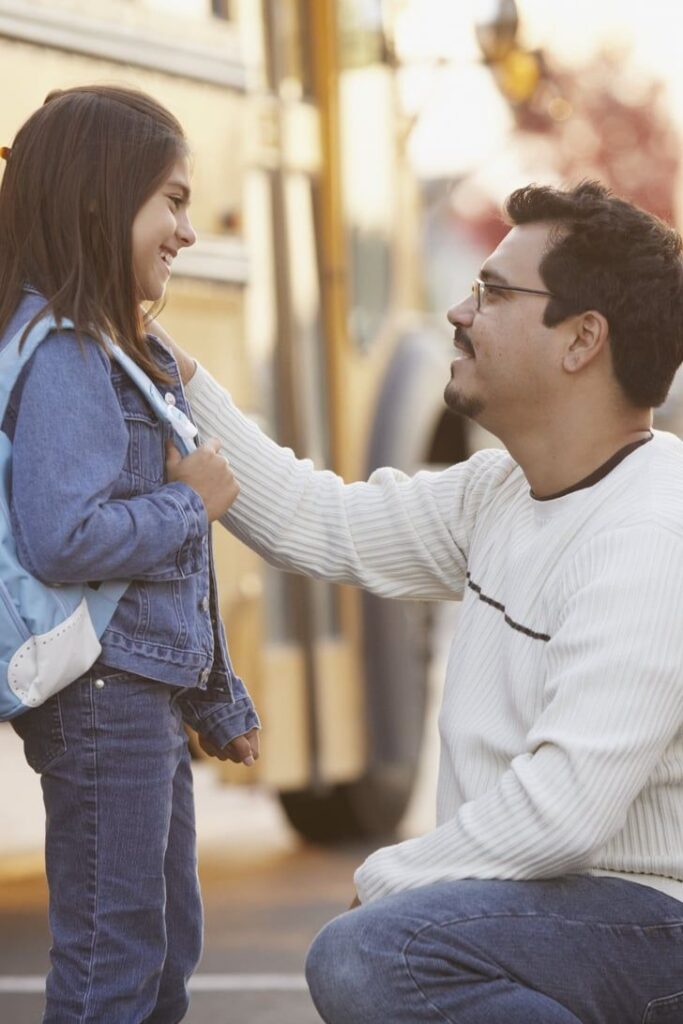
Teachers deal with anxious new students every single year, and most are genuinely equipped to help. Reach out early, even before the term starts if possible, to share any specific worries.
A short message or quick conversation can make a real difference in how your child is supported.
Ask the teacher how drop-off usually goes for nervous kids in their classroom setting. Some teachers have specific strategies, like assigning a buddy or a favorite classroom job.
Knowing this in advance can ease your own worry as a parent too, not just your child’s.
If your child is starting fresh with a new teacher this term, a small thoughtful gesture can help build that relationship early.
Don’t lose this list: 19 Thoughtful Teacher Gift Ideas for Back to School has ideas that create warmth right from the very first week.

Don’t Compare Your Child To Others
It’s tempting to compare your child’s anxiety to a sibling or friend who adjusted instantly. But every child processes change differently, based on their own personality and past experiences.
Comparing them only adds pressure, without actually helping them feel better faster.
Avoid saying things like “your brother never cried on his first day.” This kind of comment can make an anxious child feel like something is wrong with them specifically.
Focus instead on their own progress, however small, compared to their own starting point.
Remember too that a confident-looking child isn’t always free of worry underneath the surface. Some kids simply hide it better, while quietly carrying the same nerves as everyone else.

Keep The Rest Of Life As Stable As Possible
During a period of school anxiety, try to keep other parts of daily life steady and familiar. Avoid introducing big changes, like a new bedtime or unfamiliar food, during this same stretch.
Too many changes at once can overwhelm a child who’s already stretched emotionally thin.
Familiar routines outside of school offer a sense of stability that balances the newness of the classroom.
A predictable evening, calm meals, and consistent bedtime all support easier days overall for your child.
If mealtime has become one more source of daily stress, especially around what goes into their school bag, How to Pack School Lunches Kids Will Actually Finish can help take one more decision off your plate during this adjustment period.

Give It Time, But Watch The Pattern
Most first-day anxiety fades naturally within a few days to two weeks at most. Patience matters here, since forcing quick confidence rarely works and can backfire instead.
Give your child room to adjust gradually, without expecting instant comfort on day one of the term.
That said, pay attention if the anxiety doesn’t ease at all over several weeks straight. Persistent tears, ongoing physical complaints, or a refusal to attend school deserve closer attention from you.
In these cases, consider speaking with the school or a professional for additional support and guidance.

Celebrate Small Wins Along The Way
Progress with anxiety rarely looks like a sudden, dramatic change overnight for most children. It usually shows up in small ways, like a slightly calmer goodbye or one less tear at drop-off.
Notice and quietly celebrate these small improvements as they happen through the week.
A simple comment like “you did great saying bye today” reinforces positive progress without overdoing it. Avoid making a huge production out of every small win, since that can add pressure too.
Gentle, genuine acknowledgment works best over time, without turning it into a bigger event than it needs to be.

Build Excitement Around What Comes After School
Sometimes it helps to give your child something specific to look forward to after the school day ends.
Knowing a fun activity waits for them at home can make the school day feel more bearable overall.
This doesn’t erase the anxiety, but it does add a bright spot to hold onto through the day.
Plan something simple and enjoyable for after school during this adjustment period especially.
This one, readers are loving: 25 Fun After-School Activities That Beat Screen Time has options that make the after-school hours feel like something to anticipate rather than dread.

Watch How You Talk About School At Home
Kids absorb far more from casual conversation than parents often realize at the time. If school gets discussed mainly in stressed or negative tones at home, kids pick up on that energy quickly.
Try to speak about school with a calm, neutral, or even positive tone whenever possible around the house.
This doesn’t mean pretending everything is perfect if it isn’t genuinely fine. It simply means avoiding exaggerated complaints or worry within earshot of an already nervous child in the room.
Your own tone often becomes the quiet backdrop against which your child measures their own feelings about school.
Try sharing small, positive memories from your own school days when the moment feels right.
Hearing that you also once felt nervous, and turned out fine, can quietly reassure a worried child.

Use Books And Stories About School Anxiety
Reading stories about other children facing similar worries can normalize the experience for your child.
Seeing a character work through nervousness and come out fine offers quiet reassurance without any pressure.
Many children’s books tackle this exact topic in a gentle, relatable way worth exploring together.
After reading together, ask simple questions about how the character felt and what helped them through it.
This opens a low-pressure way to talk about your own child’s feelings indirectly, without a direct interrogation.
Sometimes discussing a character’s fear feels safer than discussing their own fear directly, especially for shy kids.

Recognize When It’s More Than Just Nerves
While most first-day anxiety is mild and temporary, some cases run deeper and need extra attention. If your child shows intense distress daily, refuses school entirely, or shows signs of panic, take this seriously.
These signs may point to something beyond typical adjustment worries, and deserve a closer look.
In such cases, involve the school counselor, class teacher, or a child psychologist for proper guidance. There’s no shame in seeking extra support if your child’s anxiety feels bigger than everyday nerves.
Early support often prevents small struggles from growing into bigger, longer-lasting ones over time.
Trust your own observation here more than general advice, including this post itself.
You know your child’s baseline mood, and a real shift from that baseline is worth paying attention to.

Support The Whole Family Through This Period
An anxious child can affect the whole household’s mood and energy during this adjustment period. Siblings might feel confused or ignored while attention focuses on the anxious child at home.
Try to acknowledge everyone’s experience, even briefly, during this stretch of adjustment for the family.
Keep your own stress in check too, since parents often absorb this tension quietly themselves without noticing.
A calm household overall supports a calmer, more secure environment for the anxious child specifically. Small check-ins with yourself matter just as much as check-ins with your child during this time.
If the whole house feels a little disorganized on top of the emotional strain, tidying up shared spaces can help too.
Save this idea: 35 Back-to-School Organization Ideas Every Parent Needs offers simple systems that reduce background chaos at home.

Prepare For The First Week As A Whole
The first day often gets the most attention, but the whole first week matters just as much. Some kids feel fine on day one, then struggle more by day three or four instead of settling.
Stay attentive throughout the entire first week, not only on the opening morning of term.
Making that whole first week feel welcoming can ease lingering anxiety significantly for most children.
Don’t miss this: 27 First Week of School Activities to Make Kids Feel Welcome has ideas that support a smoother emotional landing across those early days back at school.
If the anxiety seems tied more broadly to settling into the new term overall, rather than just the first days, How to Make the Transition Back to School Easier for Kids offers additional guidance worth reading alongside this post.
A Note On Shopping And Getting Ready
Some of your child’s anxiety may quietly link back to feeling unprepared or unequipped for the term ahead.
Having their own supplies, sorted and ready, can offer a small sense of control during an unsettled time.
If your shopping list still feels incomplete, worth a look: Everything Parents Need Before Back-to-School Shopping covers exactly what to prioritize.
While you’re at it, it helps to avoid the common traps that waste both time and money during this busy season.
One of our most-read posts, Back-to-School Shopping Mistakes Every Parent Should Avoid, breaks down what to steer clear of. And if you want a simple, tested list of what’s genuinely worth buying, 29 Back-to-School Essentials Every Parent Should Buy is worth a peek too.

Setting Up Spaces That Support A Calm Mind
A calm home environment supports a calmer child, and that includes the spaces they use daily for schoolwork. A cluttered, chaotic homework corner can quietly add to a child’s overall stress levels.
Continue reading here: How to Create a Homework Space That Helps Kids Focus walks through building a space that feels calm, not overwhelming.
Once that space exists, making it feel a little more personal and fun can help too.
Fan favorite: 27 Genius Homework Station Ideas That Help Kids Stay Focused has setups kids genuinely enjoy sitting down in.
Small Touches That Ease The Transition
Sometimes small, cheerful touches around the house or classroom can lighten the emotional weight of a new term. Families and teachers alike often use simple decorations to mark this fresh start in a fun way.
You might also love this: 25 Creative Back-to-School Bulletin Board Ideas and 21 Classroom Door Decoration Ideas That Kids Will Love offer light, easy ideas worth borrowing.
Marking the first day itself with a simple photo can also become a comforting yearly tradition for anxious kids.
Once they see themselves smiling at the door each year, it becomes proof that they always make it through.
This one surprised me: 31 First Day of School Photo Ideas You’ll Treasure Forever has simple ways to capture that moment.
Trust Your Instincts As A Parent
You know your child better than anyone else observing from the outside. If something about their anxiety feels different from typical first-day nerves, trust that instinct fully.
Seeking extra guidance early is always better than waiting until things feel unmanageable later on.
At the same time, try not to project excess worry onto normal, mild nervousness either. Most kids do settle within a short window, given patience and steady support from home.
Balance your instincts with realistic expectations about how adjustment usually unfolds over the coming weeks.

Bringing It All Together
First-day-of-school anxiety is common, and for most kids, it fades within a short period naturally. Understanding where it comes from, validating their feelings, and building predictable routines all help ease the process.
Small tools, like breathing exercises and comfort objects, give kids something concrete to hold onto through the day.
Stay patient, celebrate small progress, and don’t hesitate to seek extra support if things linger longer than expected.
Every child moves through this at their own pace, and that’s completely fine to accept as a parent. With steady support, most kids find their footing and settle comfortably into the new term ahead.
Leave a Reply