Kids don’t understand that a shiny backpack doesn’t mean it’s the best backpack for school. They see color, character prints, and sparkle, and that’s often all that matters to them at first glance.
Parents, on the other hand, need to think about weight, straps, size, and durability. Finding a bag that satisfies both sides takes a little more thought than a quick grab off the shelf.
This mismatch between what kids want and what actually works causes more household arguments than people expect. A child insists on one bag, while a parent worries about back pain or a broken zipper by October.
The good news is, you don’t have to choose between practical and appealing. With the right approach, you can find something that checks both boxes at once.
This post walks you through exactly what to look for, and how to involve your child without ending up with a bad choice. If you’re just starting your shopping list for the term, Everything Parents Need Before Back-to-School Shopping covers the wider picture beyond just the bag itself.

How to Choose the Right Backpack for Your Child
Why The Backpack Choice Matters More Than It Seems
Many parents treat the backpack as a small, simple purchase near the bottom of the list. But this one item gets used every single day, for hours at a time, throughout the whole term.
A poor choice here creates daily friction that a parent might not even trace back to the bag.
A badly fitted backpack can cause shoulder pain, posture problems, and general daily discomfort for a child.
Kids rarely complain directly about this, since they don’t always connect the ache to the bag itself.
Instead, they might just seem more tired, cranky, or reluctant about carrying their things to school.
Beyond comfort, a backpack that falls apart quickly creates its own frustration for the whole family. Torn zippers, snapped straps, or a bag that can’t hold basic supplies means a mid-term replacement.
This costs more money overall than simply choosing a sturdier option from the very beginning.
You need to see this; The Ultimate Back-to-School Guide for Parents
Start With Size, Not Style
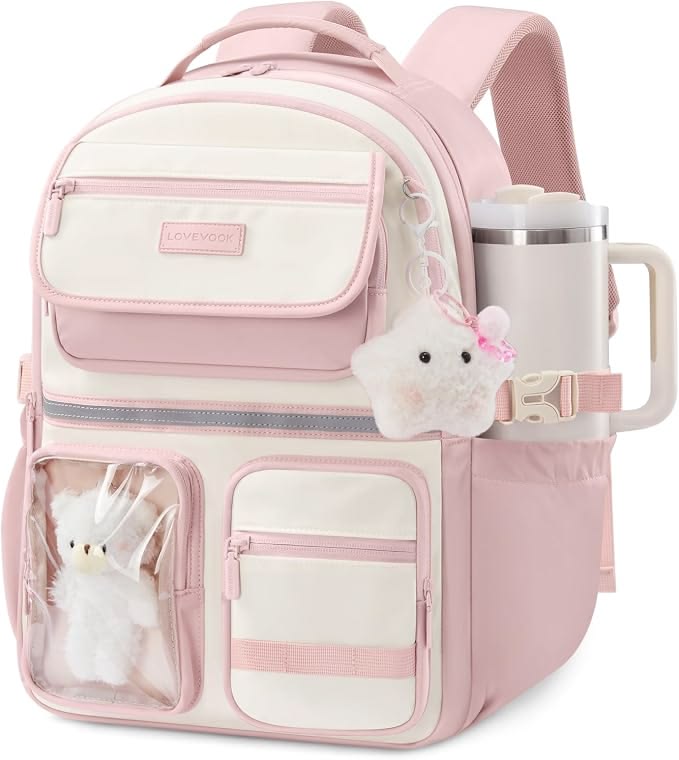
Before you even look at colors or characters, think about size relative to your child’s body. A backpack that’s too large for a small child throws off their balance and posture.
One that’s too small won’t hold everything needed for a full day of lessons and activities.
As a rough guide, the bag shouldn’t extend much beyond your child’s torso length from top to bottom.
It also shouldn’t hang so low that it bumps against the back of their knees while walking.
A properly sized bag sits snugly against the back, roughly between the shoulder blades and the waist.
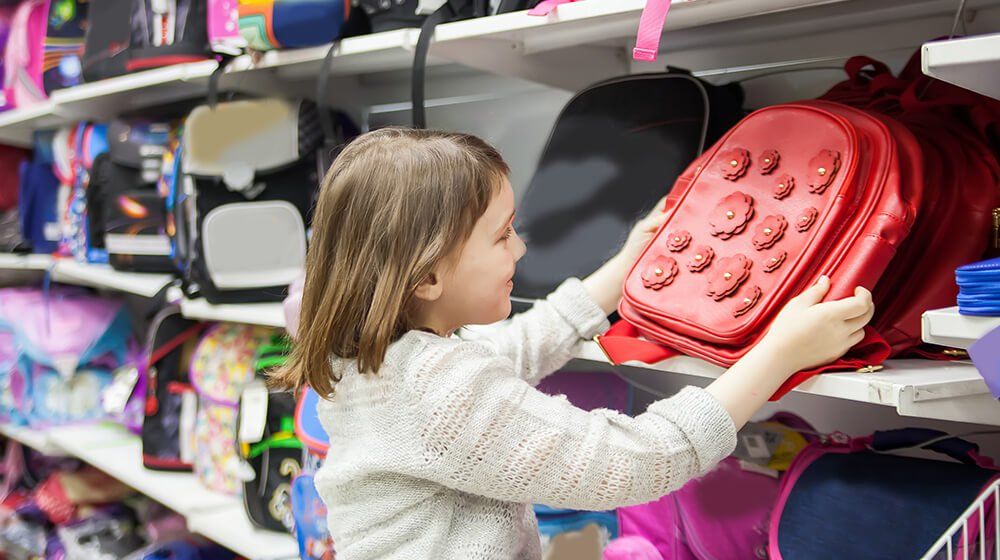
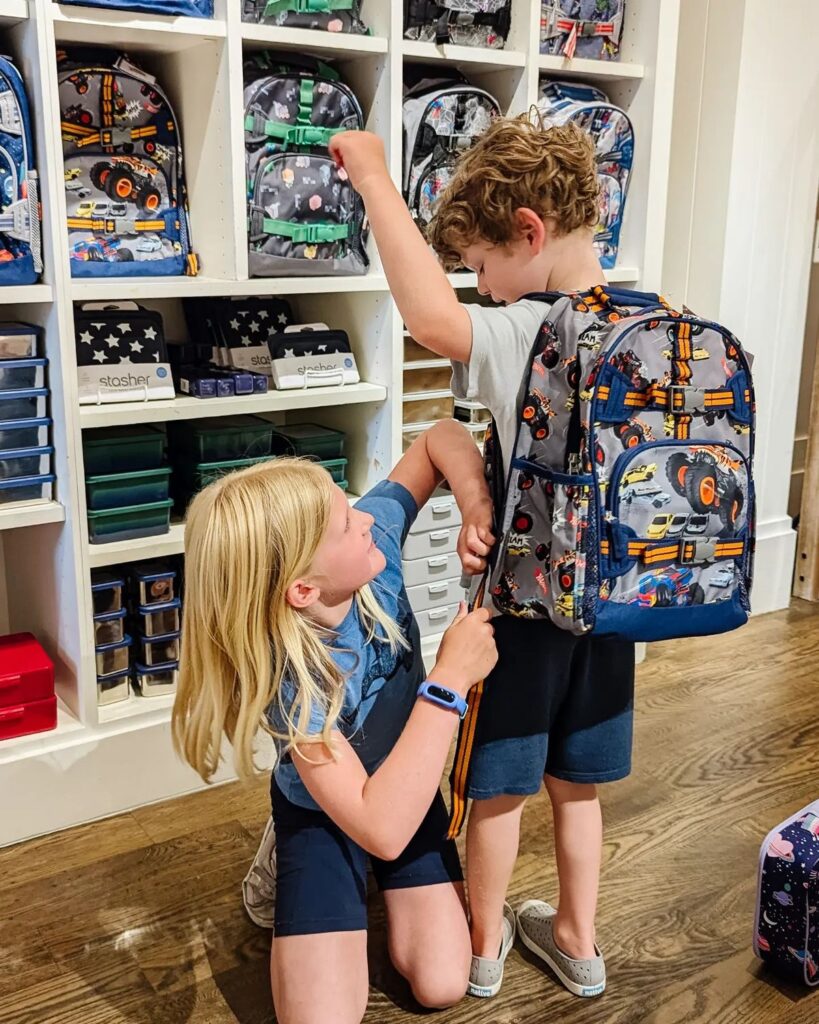
If you’re shopping in person, have your child try the bag on before buying it. Let them wear it for a few minutes, walking around the store to test the feel.
If shopping online, check the exact measurements against your child’s height and build before ordering anything.
Check this out: How to Prepare Your Child for the First Day of School Without Stress.
Consider Growth Room, But Don’t Overdo It
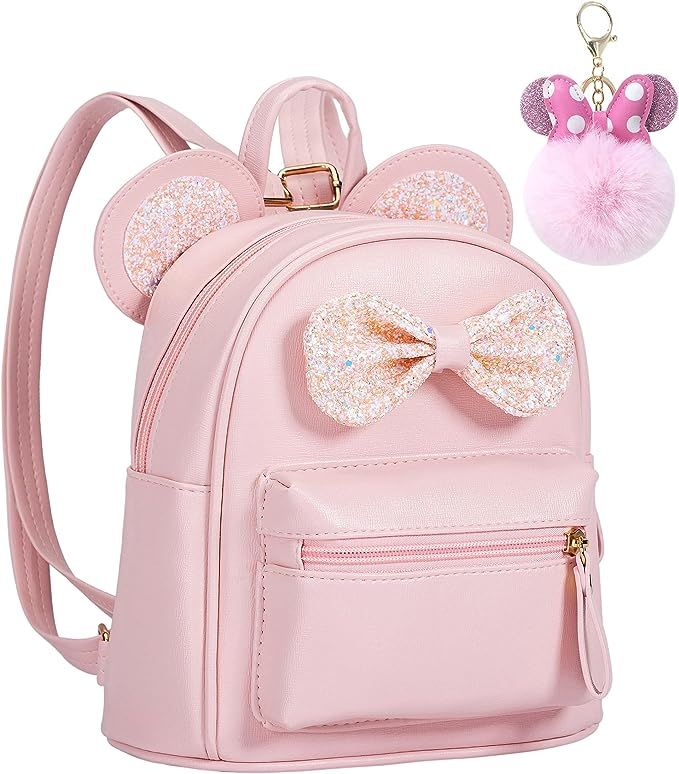
It’s tempting to buy a slightly bigger bag so your child can “grow into it” over time. But too much extra room causes the same balance and posture issues as a bag that’s already too big.
A small allowance for growth is fine, but don’t stretch this too far in either direction.
If your child is at an age where growth spurts happen fast, consider a bag with adjustable straps instead. This lets you fine-tune the fit as needed, without needing a whole new bag every few months.

Check The Straps Carefully
Straps often make or break how comfortable a backpack feels throughout a full school day. Look for wide, padded straps rather than thin, flat ones that dig into small shoulders.
Padding distributes weight more evenly, reducing pressure points that build up over hours of wear.
Adjustable straps are essential, since they let you customize the fit as your child grows or changes. Test the adjustment mechanism yourself before buying, making sure it’s easy to tighten and loosen.
A strap system that’s stiff or hard to adjust becomes a daily annoyance for both you and your child.
Some backpacks also come with a chest strap or waist strap for extra support and stability. These extra straps can make a real difference for kids carrying heavier loads, like books and lunch together.
If your child’s school requires a lot of daily materials, this small feature is worth prioritizing.
You might also enjoy: How to Make the Transition Back to School Easier for Kids
Look At The Material And Build Quality
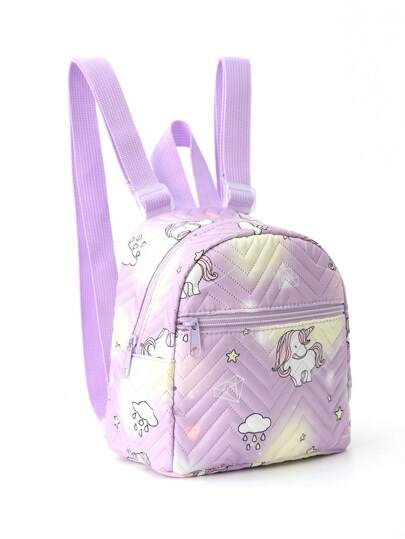
Backpacks go through a lot of wear over the course of a single school term. Kids drop them, drag them, and stuff them full of far more than they should hold.
A durable material matters more than it might seem when you’re standing in the store deciding.
Look for tightly woven, thicker fabric rather than thin material that tears easily under stress. Check the seams and stitching, especially around the straps and the bottom of the bag.
Reinforced stitching in these stress points usually signals a bag built to survive daily rough use.
Zippers deserve a close look too, since they’re often the first thing to fail on a cheap bag. Test the zipper multiple times in the store, making sure it glides smoothly without catching or sticking.
A bag with a broken zipper by mid-term becomes useless no matter how nice it once looked.
Discover more: How to Pack School Lunches Kids Will Actually Finish
Water Resistance Is Worth Considering
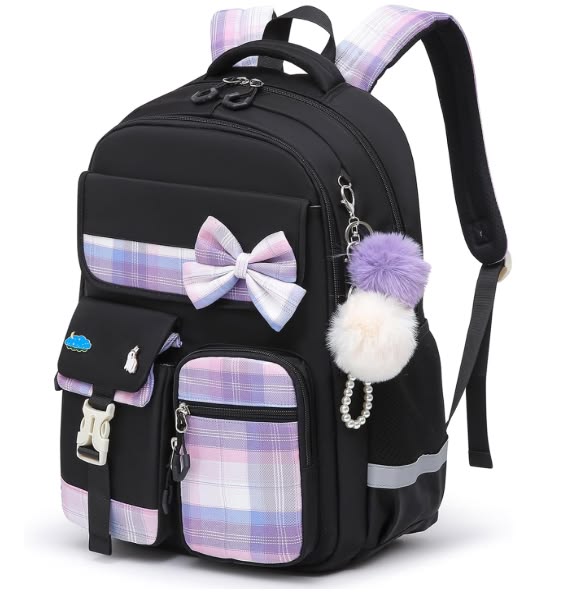
Depending on where you live, water resistance can be a genuinely useful feature to look for. A sudden downpour on the way to school shouldn’t ruin books, homework, or electronics inside the bag.
Many bags now come with at least a light water-resistant coating on the outer fabric.
This feature doesn’t need to be extreme or expensive to be useful throughout the term. Even a basic level of resistance can protect against light rain or accidental spills during the day.
Think About Compartments And Organization
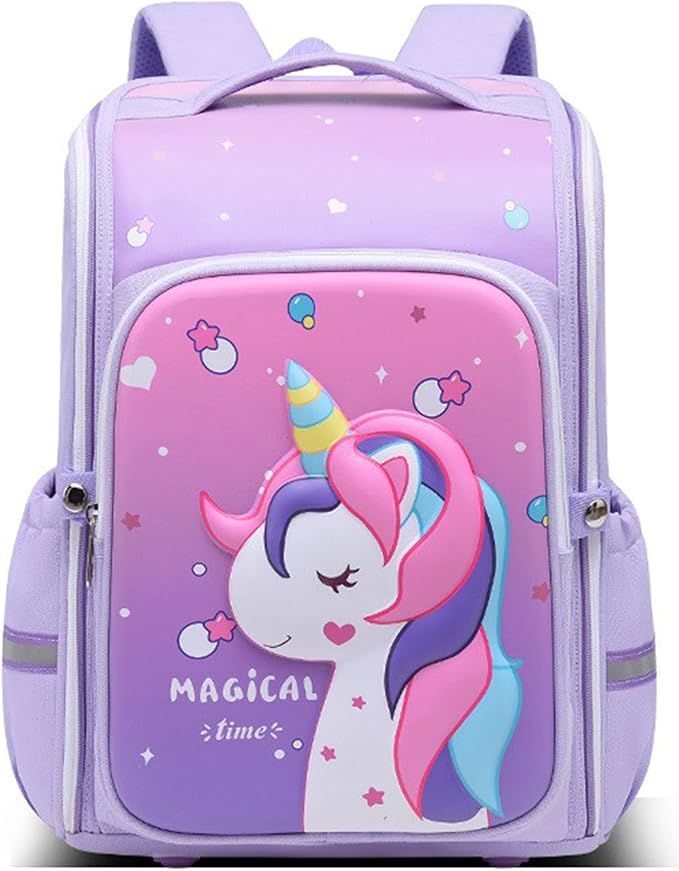
A backpack with too few compartments often turns into one messy, jumbled space inside. Books, pencils, and lunch items all get tossed together, making it hard for a child to find anything quickly.
Multiple compartments help keep things organized, which in turn helps your child stay more independent.
Look for a bag with at least one main compartment, a smaller front pocket, and ideally a side pocket for a water bottle.
This basic structure covers most of what a child needs to carry through a typical school day. Too many tiny compartments, though, can overwhelm a young child who just wants simple, quick access.
If your child struggles with organization in general, a well-structured bag can quietly support better habits overall. Pairing this with a proper system at home makes an even bigger difference.
Bookmark this post: 35 Back-to-School Organization Ideas Every Parent Needs has practical ideas for building that kind of structure at home too.
Involve Your Child In The Decision
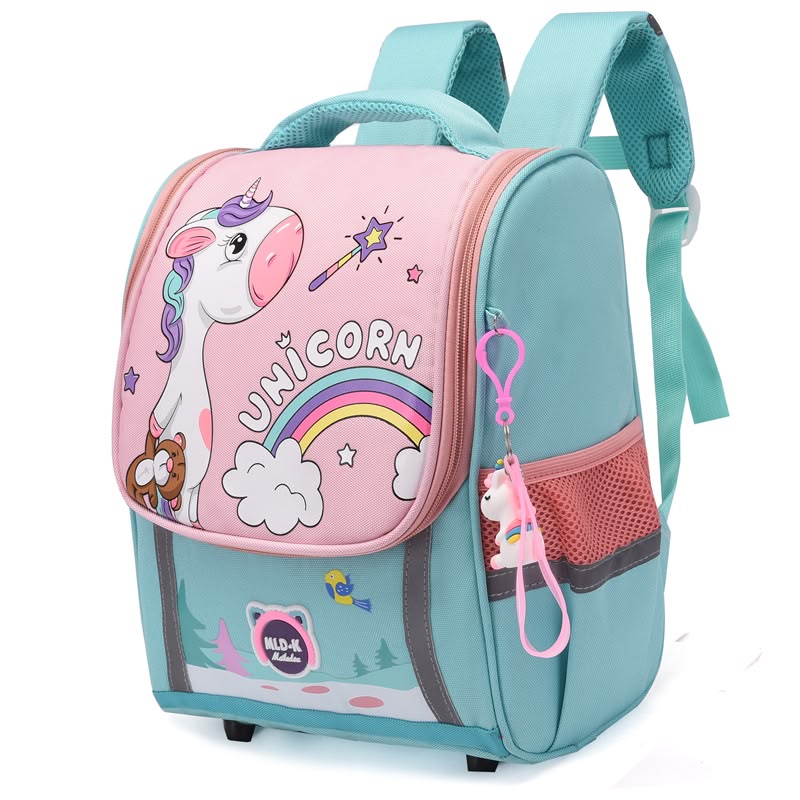
While practicality matters most, ignoring your child’s preference entirely often backfires in its own way. If your child hates the bag you chose, expect daily complaints and reluctance to carry it properly.
Letting them have some say increases the chances they’ll actually enjoy using it.
The key is offering a reasonable range of choices, rather than an open, unlimited selection. Pick two or three bags that meet your practical requirements first, then let your child choose between those.
This way, whatever they pick still checks the boxes you care about as a parent.
My friend went through this exact situation last year with her son, who wanted a bag covered in flashy lights. She found a similar, more subtle option that still had some fun details he liked.
He was happy with his choice, and she was happy it held up properly through the whole term. Compromise, done the right way, kept everyone satisfied in the end.
Let Them Test It At Home Too
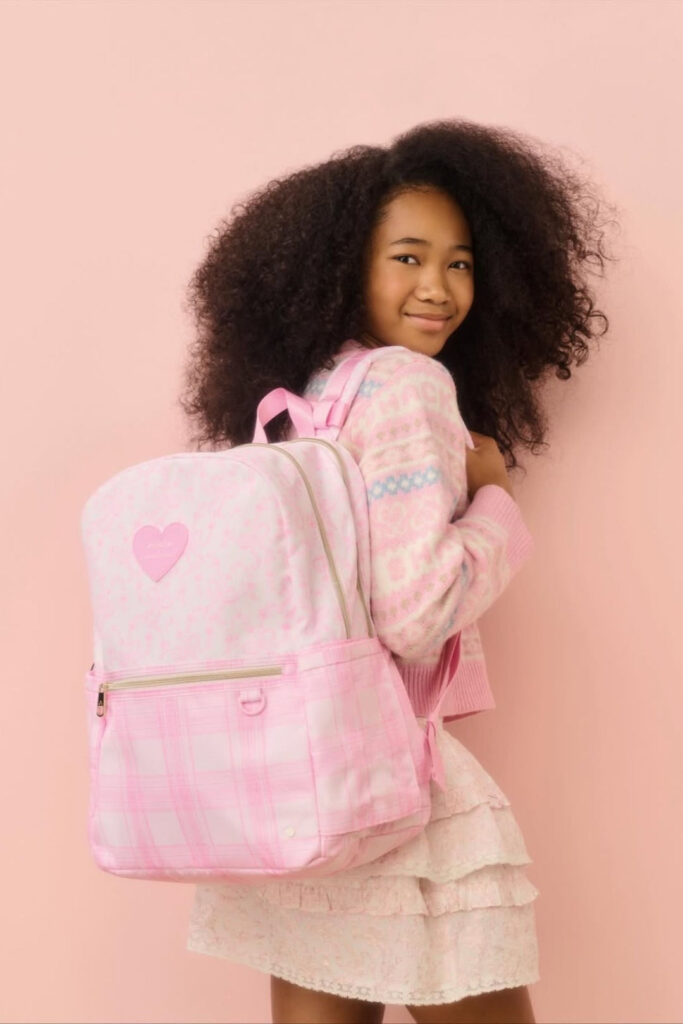
Once you’ve brought a bag home, let your child wear it around the house for a bit before school starts. This gives them a chance to get used to the feel and adjust to carrying it daily.
It also gives you a final chance to check the fit before the first day arrives.
If anything feels off during this home trial, you’ll have time to exchange or adjust it. Waiting until the actual first morning to discover a problem adds unnecessary stress to an already big day.
Don’t Ignore Weight When Empty
Some backpacks are surprisingly heavy even before anything gets packed inside them. Thick padding, sturdy zippers, and multiple compartments can all add up in overall weight.
For younger kids especially, an already-heavy empty bag leaves little room before it becomes too much to carry comfortably.
Weigh the bag if possible before buying, or check the manufacturer’s listed weight online.
As a rough guide, a loaded backpack shouldn’t exceed about ten to fifteen percent of your child’s body weight.
Choosing a lighter empty bag gives you more flexibility once books and supplies get added in.
Consider The School’s Specific Requirements
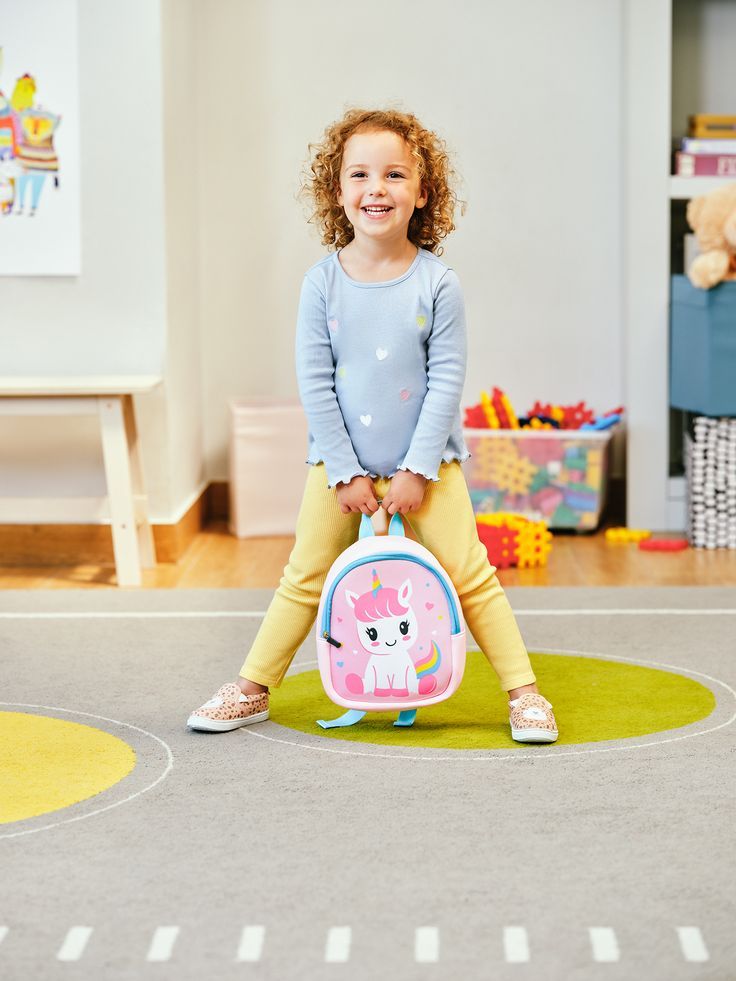
Some schools have specific rules or recommendations about backpacks, especially regarding size or color.
Check with the school directly before making a final purchase, so you don’t end up needing a replacement. Some schools even specify certain compartments or features required for particular grade levels.
If your child’s school requires carrying a laptop or tablet, look specifically for a padded compartment designed for electronics.
This extra layer of protection prevents costly damage from daily bumps and drops during the school day.
Match The Bag To Daily Activities
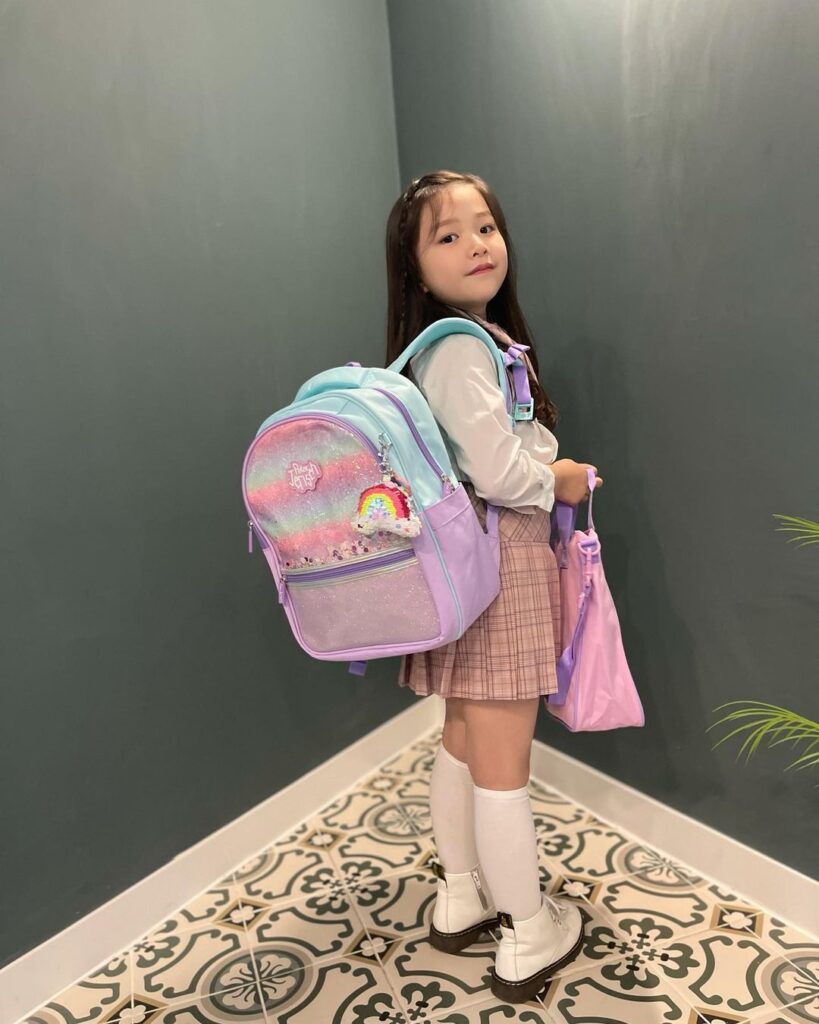
Think beyond just books and lunch when choosing a bag for your child. If they’re involved in after-school activities requiring extra gear, factor this into your size and compartment needs.
A bag that barely fits school items alone might struggle once sports equipment or art supplies get added in too.
If after-school activities are part of your child’s routine, this is worth planning around early.
Read this next: 25 Fun After-School Activities That Beat Screen Time offers ideas that might shape what extra space your child’s bag actually needs.
Balance Style With Function
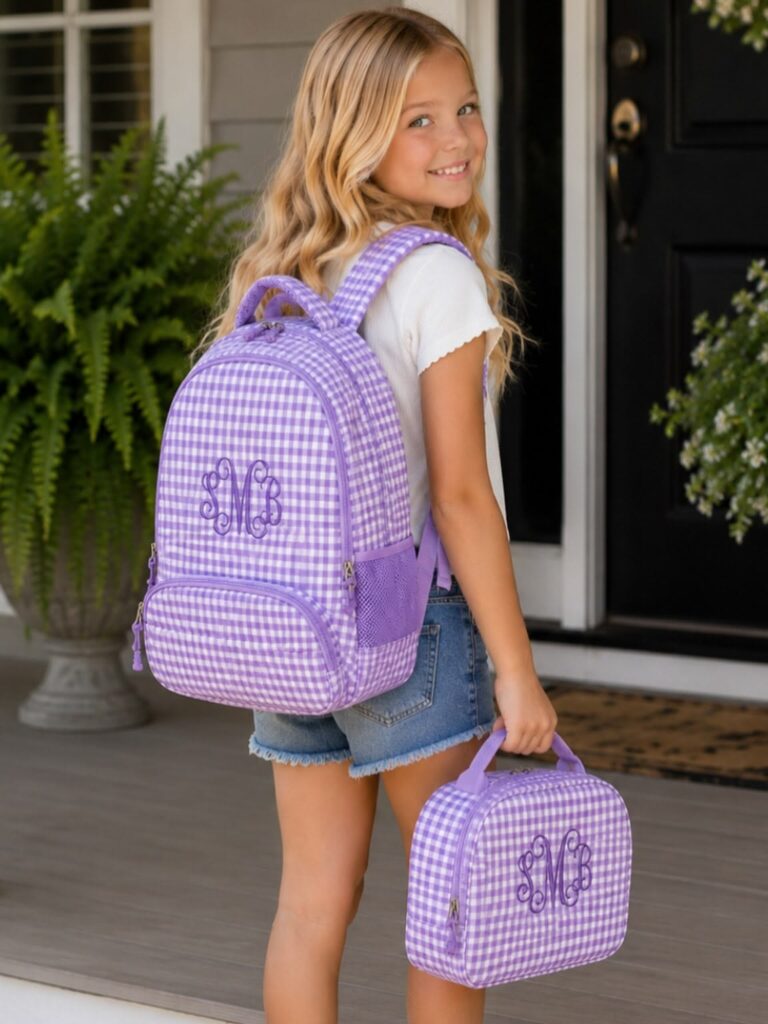
It’s completely fine to want a bag that looks good, alongside one that performs well. The trick is not letting style completely override the practical checklist we’ve covered so far.
Thankfully, most reputable backpack brands now offer both function and appealing designs together.
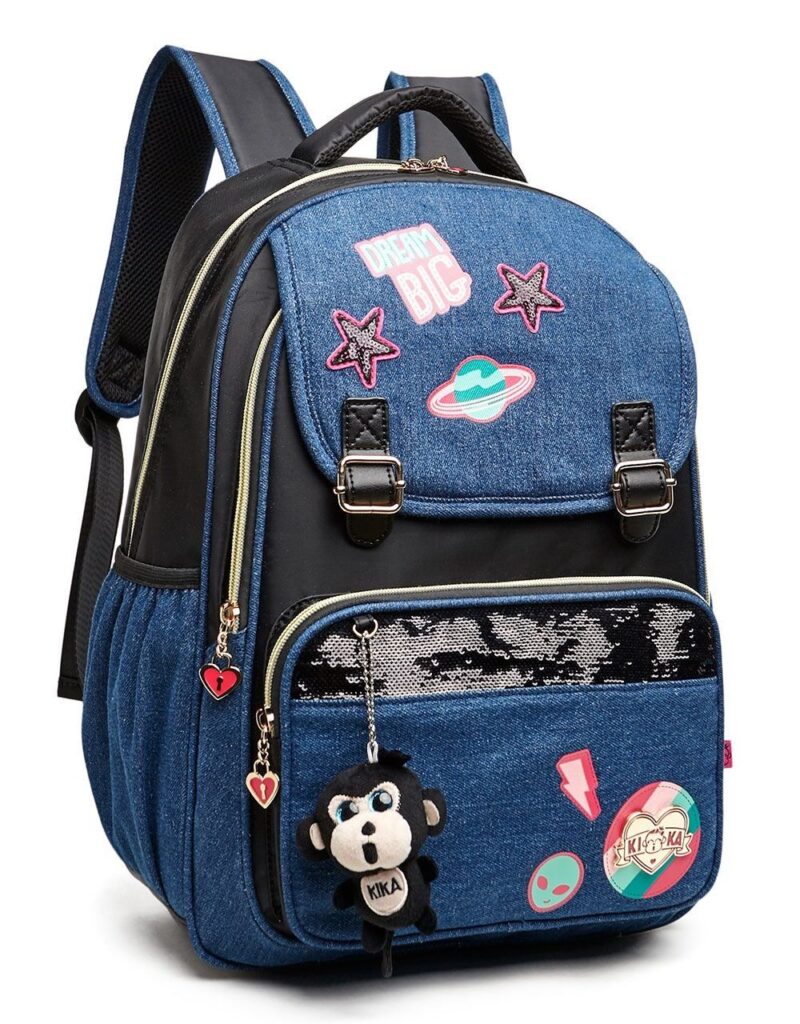
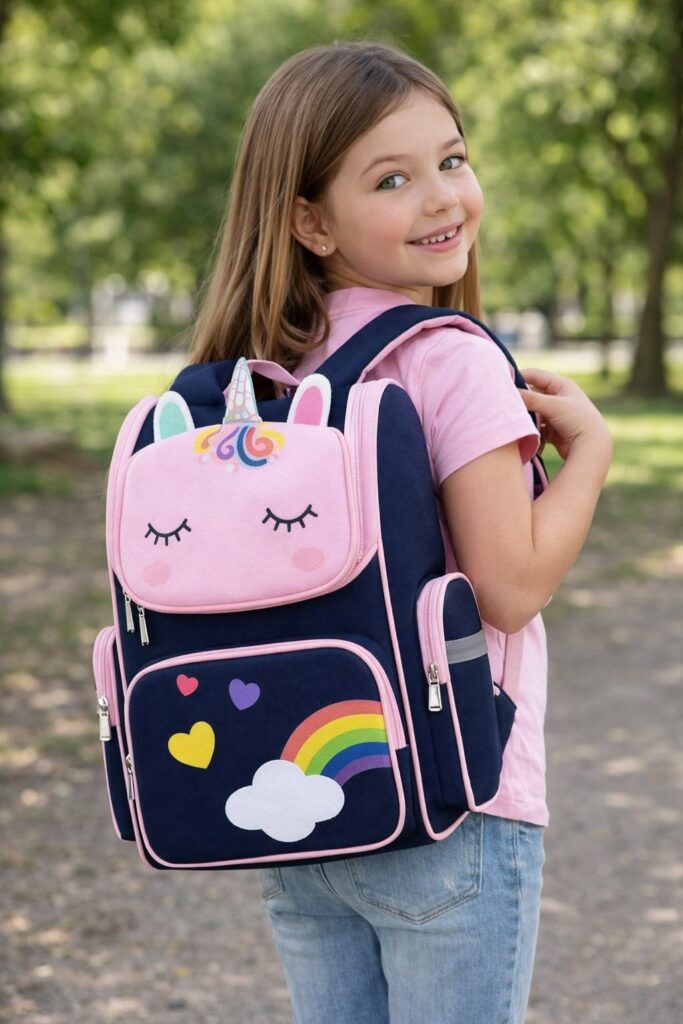
Look for options that combine sturdy construction with colors, patterns, or characters your child genuinely loves. This way, you’re not sacrificing durability just to satisfy a passing trend or fad.
You’ll thank yourself later: 31 Cute Backpack Ideas Every Kid Will Be Excited to Carry has plenty of options that balance both sides well.
Don’t Fall For Backpacks With Too Many Gimmicks
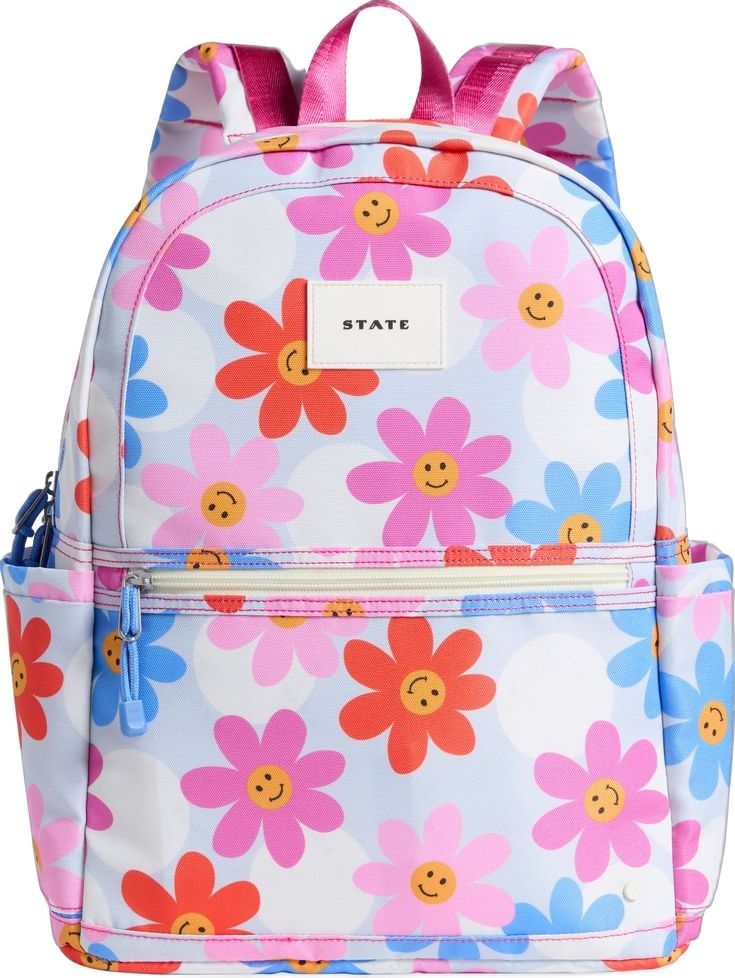
Some backpacks come loaded with flashy extras, like built-in lights, speakers, or elaborate designs.
While these might catch a child’s eye immediately in the store, they often add unnecessary weight and cost. Extra gadgets can also break down faster, leaving your child disappointed partway through the term.
Focus on the core practical features first, and treat extra gimmicks as a nice bonus, not a deciding factor. A simple, sturdy bag usually outlasts a flashy one loaded with features that rarely get used anyway.
Shop Early To Avoid Limited Options
Backpack shopping often happens in a rush right before school resumes, when stores are already picked over. Popular sizes, colors, and styles tend to sell out fast during the busiest shopping weeks.
Shopping early gives you a much better selection to choose from calmly.
This also gives you time to test the bag at home, exchange it if something feels wrong, and avoid last-minute stress.
Steal these ideas: Back-to-School Shopping Mistakes Every Parent Should Avoid covers other common timing mistakes worth avoiding this season.
Think About Long-Term Value, Not Just Price
A cheaper backpack might feel like the smart choice at first glance, especially with a long shopping list ahead. But a low-quality bag that falls apart by November often ends up costing more in the long run.
You’ll likely end up buying a second bag partway through the term anyway.
Instead, think about cost per use across the whole school year, rather than just the upfront price tag.
A slightly more expensive, well-made bag that lasts the full term, or even into the next one, often saves money overall.
Take a peek at reviews online before committing, since real feedback from other parents often reveals durability issues early.
Get The Whole Kit Right, Not Just The Bag
A great backpack works best as part of a complete, well-thought-out school kit. Pencils, books, water bottles, and lunch containers all play their own part in a smooth daily routine.
Once the bag itself is sorted, it’s worth checking off the rest of your list too.
See all the details: 29 Back-to-School Essentials Every Parent Should Buy rounds out everything else worth having ready before the term begins.

Keep The Bag Maintained Through The Term
Even a well-chosen backpack needs a little upkeep to last the whole school year properly. Empty it out regularly, checking for old food wrappers, forgotten papers, or broken pencils hiding at the bottom.
A quick weekly check keeps the bag functional and prevents unpleasant surprises building up inside.
Wipe down the outside occasionally, especially if your child eats or drinks near their bag during the day.
Small maintenance habits like this extend the life of even a moderately priced backpack significantly.
Watch For Signs The Bag Isn’t Working
Sometimes a bag that seemed like a great choice initially turns out to be a poor fit once actual daily use begins.
Watch for signs like your child avoiding the bag, complaining of shoulder pain, or struggling with zippers regularly. These signals mean it’s worth reconsidering, even partway through the term if needed.
Don’t feel locked into a bad choice just because money has already been spent on it. A child’s comfort and daily experience matter more than sticking with a purchase that clearly isn’t working anymore.
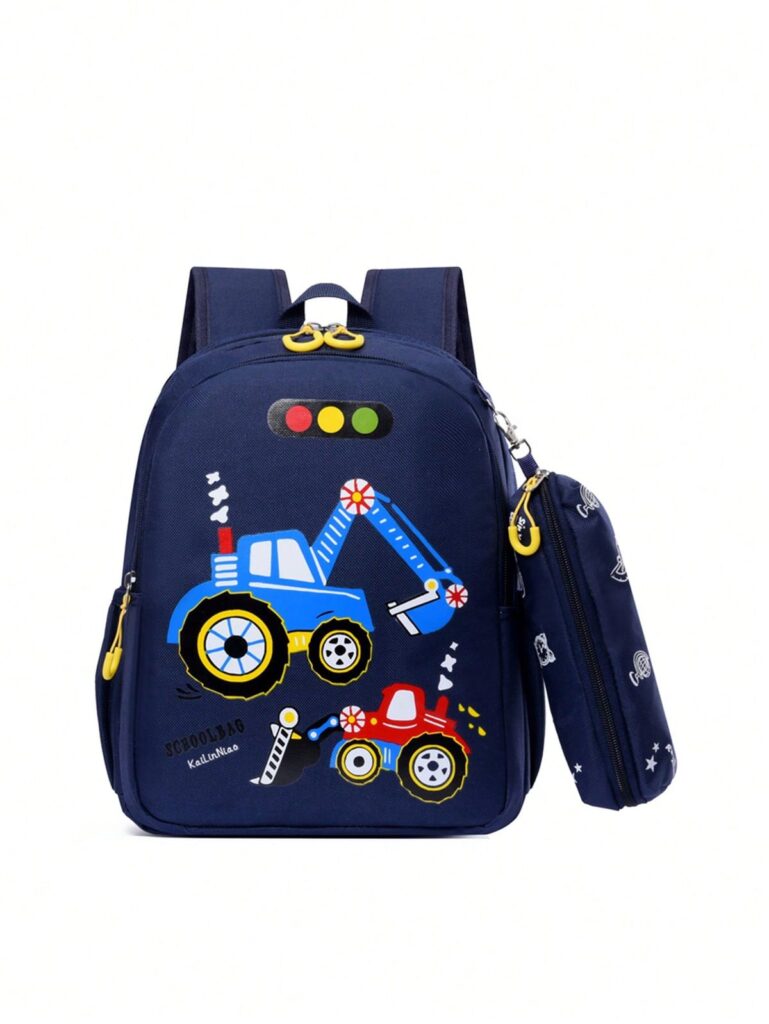
Use The Bag As Part of The First Day Excitement
A new backpack can become part of the excitement building up to the first day of school. Let your child show it off a little, or practice packing it themselves in the days before term starts.
This turns a practical purchase into something that adds a bit of joy to the transition too.
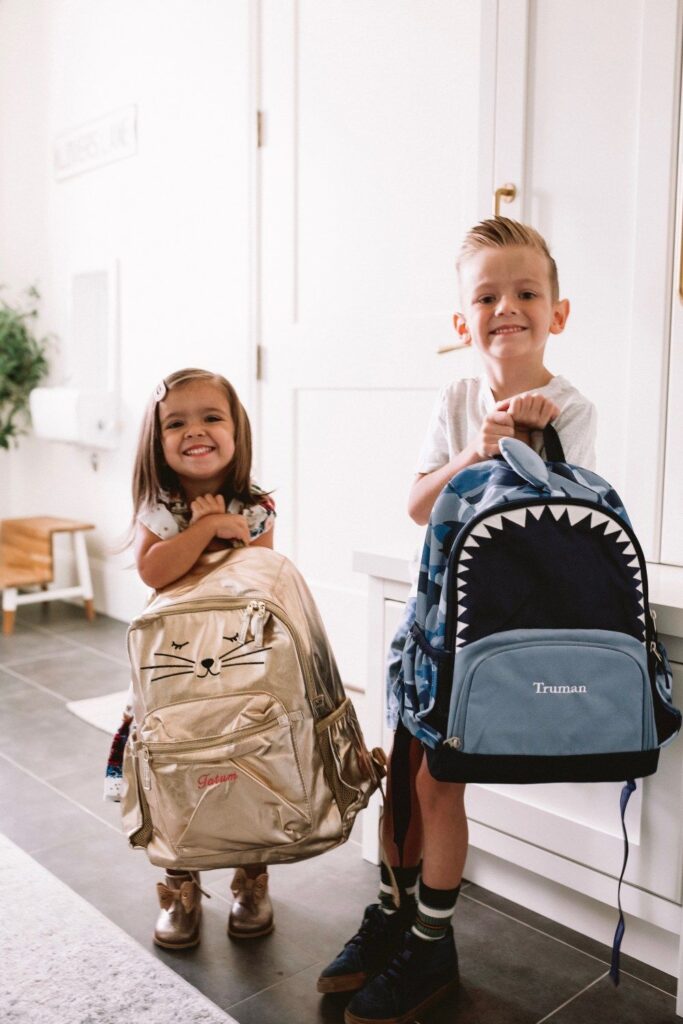
Once the big day arrives, that same excitement can carry into a proud photo moment by the door.
Explore more ideas: 31 First Day of School Photo Ideas You’ll Treasure Forever has simple ways to capture your child heading off with their new bag.
Consider The Whole Morning Routine Around The Bag
Where the backpack lives at home matters just as much as the bag itself. A designated spot near the door keeps mornings running smoothly, without a frantic search right before leaving.
This small detail ties directly into building a wider routine that actually works daily.
If mornings still feel chaotic despite a great bag choice, the issue might sit elsewhere in your routine.
How to Build a School Morning Routine That Actually Works walks through fixing that bigger picture, so the bag isn’t the only thing running smoothly.

Prepare For A Child Who’s Nervous About Standing Out
Some kids worry about their bag looking different from what their classmates carry, especially at a new school.
If your child seems anxious about this, gently reassure them that most kids barely notice what others carry. This kind of social worry often ties into broader first-day nerves too.
If this feels like part of a bigger pattern of nervousness heading into the term, How to Help Kids Overcome First-Day-of-School Anxiety offers deeper guidance on easing that kind of worry properly.
Bringing It All Together
Choosing the right backpack takes a little more thought than grabbing the flashiest option off the shelf. Size, straps, material, and compartments all matter more than color or character prints in the long run.
Involving your child in the decision, within reason, keeps everyone satisfied with the final choice.
Take your time, shop early, and test the bag properly before the term begins in earnest. A well-chosen backpack quietly supports your child’s comfort and confidence throughout the whole school year.
Get this one detail right, and it becomes one less thing to worry about once the term is fully underway.
Leave a Reply