Different body sizes require different dressing methods. What flatters and fits comfortably on one child might feel completely wrong on another, even at the same age. Kids come in every shape and proportion, and clothing should work with that reality, not fight against it.
This isn’t about making a child look a certain way. It’s about choosing cuts, fabrics, and sizing that let her move freely and feel good in what she’s wearing. Confidence starts with comfort, and comfort starts with clothes that actually fit the body underneath them. Parents spend a lot of time on color and print, but fit is the part that actually determines whether an outfit gets worn without complaint.
Fit has come up throughout this series already, including in 35 Cute Outfit Ideas for Little Girls You’ll Want to Recreate. Here, the focus goes deeper into why fit matters and how to actually get it right, piece by piece and body type by body type.
When clothing fits well, children can focus on school, play, and everyday activities instead of adjusting what they are wearing. It also makes getting dressed simpler because fewer pieces need constant fixing or replacing.
The goal is to make clothing feel like a natural part of the day rather than something a child has to manage constantly.
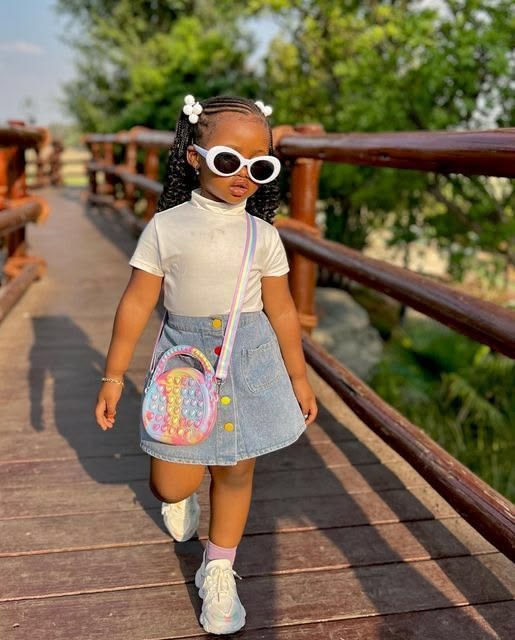
How to Dress Your Child for Their Body Type Without Sacrificing Comfort or Confidence
Understand That Kids’ Proportions Change Constantly
Children’s bodies change shape and proportion far more often than adult bodies do. A cut that fit perfectly last season might sit completely differently just a few months later. This isn’t a flaw in the clothing, it’s just the nature of a growing body.
Checking fit regularly matters more than buying based on age labels alone. Two kids the same age can have very different torso lengths, waist positions, or limb proportions.
Paying attention to these shifts prevents a lot of frustration over ill-fitting clothes. A quick fit check every few months catches problems long before an outfit becomes unwearable.
This habit costs nothing and saves both money and daily arguments over clothes that no longer work.
Paying attention to these changes also helps parents recognize when a favorite style needs a different cut or size. Clothes should be checked for comfort whenever a child has a noticeable growth spurt or changes how they move.
This simple attention keeps everyday outfits practical as their proportions develop.
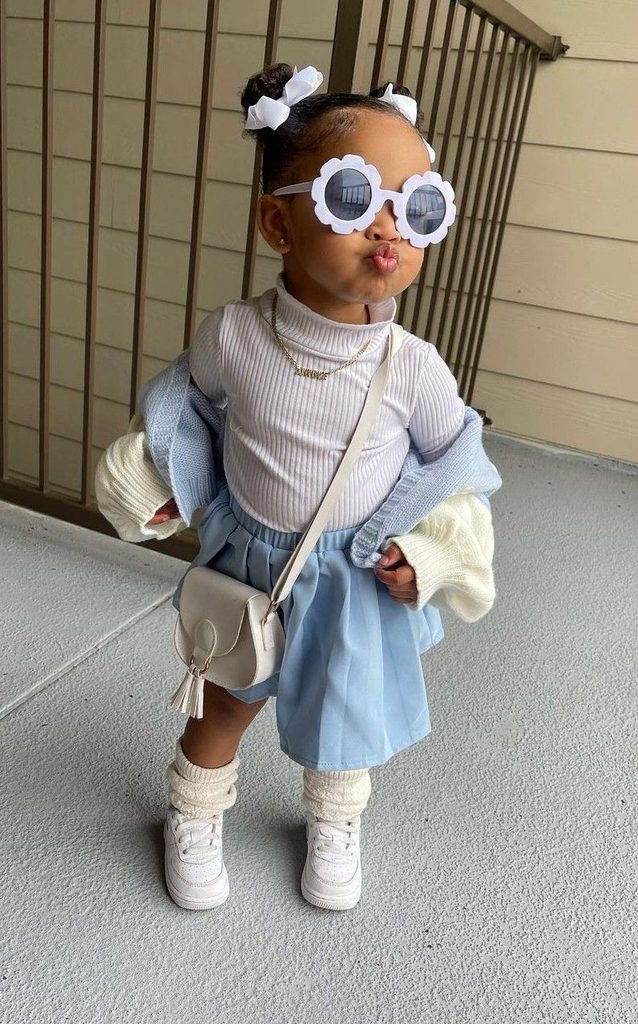
Prioritize Waist Position Over Waist Size
Where a garment sits on the waist matters more than the actual waist measurement itself.
Kids with longer torsos often need a slightly lower rise, while shorter torsos usually do better with a higher one. Getting this wrong causes constant tugging and adjusting throughout the day.
Adjustable waistbands solve a lot of this uncertainty without needing an exact size match. Look for elastic panels, drawstrings, or button adjustments whenever possible.
This flexibility becomes especially useful during growth spurts that happen unevenly across the body. A waistband that can shift with the body buys extra months of wear from a single piece.
That alone makes adjustable designs worth prioritizing over fixed ones whenever there’s a choice.
The right waist position should stay comfortably in place without leaving marks or requiring repeated adjustments.
It can also make sitting, bending, and playing much easier throughout the day.
When the waistband works with the child’s proportions, the rest of the garment usually feels more natural too.

Choose Stretch Fabrics for Active or Broader Builds
Stretch fabrics accommodate a wider range of body shapes without needing a perfectly tailored fit.
This matters especially for kids with broader shoulders, fuller thighs, or a more athletic build overall. Rigid fabrics tend to bind and restrict in ways stretch blends simply don’t.
This same logic runs through the movement-focused ideas in 25 Comfy Yet Stylish Outfit Ideas for Active Kids. A four-way stretch fabric moves with the body instead of against it.
This is one of the simplest, most effective fit adjustments available. Even a small percentage of spandex in an otherwise rigid fabric makes a noticeable difference in comfort.
It’s worth checking the fabric content label before buying, not just the size on the tag.
Stretch also makes it easier for children to move between different activities without feeling restricted.
It can be particularly useful in everyday basics that need to handle repeated washing and frequent wear. Choosing comfortable stretch does not mean giving up structure or style in an outfit.

Avoid Sizing Based on Age Labels Alone
Age-based sizing is only a rough guideline, and it often doesn’t reflect an individual child’s actual proportions.
A tall, slim seven-year-old and a shorter, broader seven-year-old need very different cuts despite sharing an age label. Relying on age alone leads to consistent fit problems.
Measuring a child directly, rather than guessing from age, produces far more reliable results. Height, chest, and waist measurements matter more than the number printed on a tag.
This takes a bit more effort upfront but saves money on returns and ill-fitting purchases later.
Keeping a simple record of measurements updated every few months makes future shopping faster too. It removes the guesswork that age labels create in the first place.
It is also helpful to compare measurements with the brand’s own recommendations before placing an order.
When between sizes, parents can consider which measurement is most important for the particular garment. This approach makes sizing decisions more practical and less dependent on the age printed on the label.
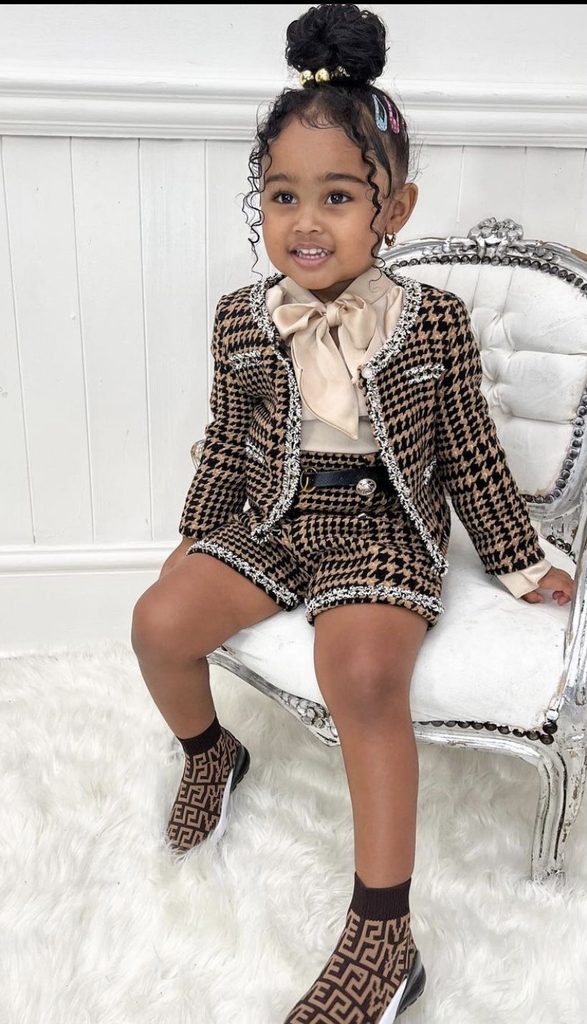
Choose Longer Inseams for Taller or Longer-Legged Kids
Taller kids or those with proportionally longer legs often struggle with pants that ride up or expose too much ankle.
Choosing brands or styles known for longer inseams solves this without needing custom alterations. This matters for comfort as much as appearance.
Adjustable hems, which can be let out as needed, offer additional flexibility here. This works especially well alongside the durable, growth-friendly pieces covered in 31 Budget-Friendly Kids’ Outfit Ideas That Look Expensive.
Getting inseam length right prevents a lot of daily discomfort. Pants that ride up during the day get tugged on constantly, which distracts kids from whatever they’re actually doing. Solving this once at purchase saves that daily friction entirely.
Checking the inseam before buying is especially useful when shopping online, where trying on the garment is not possible.
Longer lengths can also provide room for movement without making the waist or hips unnecessarily loose.
The right inseam keeps the overall proportions comfortable while giving the child enough coverage.

Choose Shorter Inseams and Rises for Smaller Frames
Smaller or shorter kids often deal with the opposite problem, where standard sizing leaves too much extra fabric everywhere.
Bunched fabric at the ankles or a low-hanging crotch seam creates real tripping hazards during active play. Shorter inseams and a higher rise solve this directly.
Petite sizing lines, when available, tend to address this more effectively than adjusting a standard size down. This matters especially for the fast, easy dressing goals covered in 31 Easy Outfit Ideas for Busy School Mornings.
A properly fitted smaller frame moves and plays far more safely. Excess fabric isn’t just a style issue, it’s a genuine safety concern on stairs and playground equipment.
Checking for petite or slim cuts specifically solves this more reliably than hemming alone.
It is better to find a proportionally appropriate cut than to rely on excessive rolling or folding. When the rise and inseam are balanced, the clothing looks neater and feels easier to move in.
This can also reduce the amount of adjusting a child has to do during everyday activities.

Pick Necklines That Suit Broader or Narrower Shoulders
Neckline shape affects how a top sits across the shoulders more than most parents realize. Broader shoulders generally do better with wider or boat necklines that don’t pull or dig in.
Narrower shoulders often look better in scoop or crew necklines that don’t gape awkwardly.
This detail rarely gets discussed, but it makes a real difference in daily comfort. A top that constantly slips off one shoulder or feels tight across the collarbone gets resisted quickly by kids.
Small adjustments like this prevent a lot of unnecessary clothing battles. Trying a few different neckline shapes on the same body type reveals which one actually stays put. That small bit of trial and error saves a lot of daily readjusting later.
The fabric around the neckline should also sit comfortably when the child turns, bends, or reaches. Parents can use simple try-ons to see whether a neckline stays in place without feeling restrictive.
Comfortable shoulder and neck placement makes even a basic top much easier to wear throughout the day.
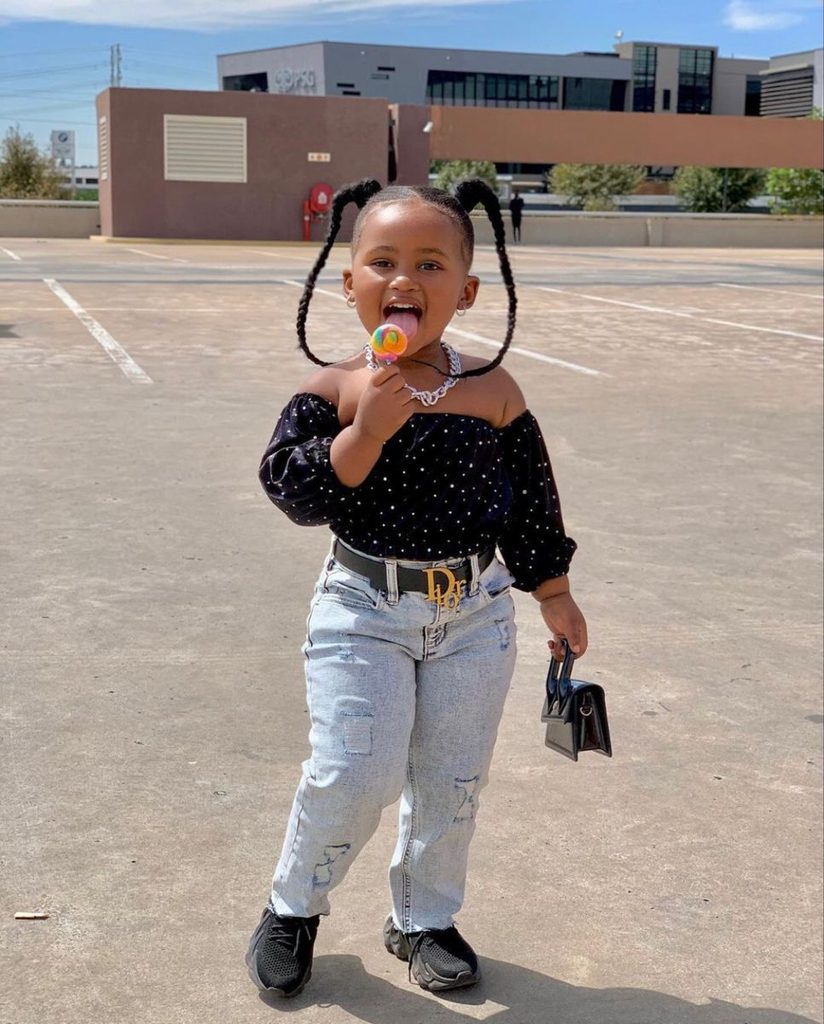
Choose A-Line Silhouettes for Fuller Midsections
A-line skirts and dresses flatter fuller midsections by skimming over the waist rather than clinging to it.
This silhouette has remained popular for exactly this reason across generations of kids’ fashion. It also allows plenty of room for movement during active play.
This ties directly into the timeless silhouettes discussed in 25 Trendy Outfits for Girls That Never Go Out of Style. A-line cuts work well regardless of a child’s specific body shape underneath.
This makes them one of the safest silhouette choices available. Because the shape skims rather than clings, it also tends to last through minor growth without feeling instantly tight.
That durability makes A-line pieces a reliable default when sizing feels uncertain.
The extra room through the lower part of the garment can also make sitting and moving more comfortable. A well-fitted A-line piece should still sit securely at the shoulders or waist without pulling.
This balance gives children freedom to move while keeping the garment comfortable for everyday wear.

Choose Structured Waistbands for Kids Who Need Extra Support
Some kids, particularly those with fuller midsections or sensory sensitivities, do better with a structured waistband rather than a fully elastic one. A wider, more substantial waistband distributes pressure more evenly around the body. This prevents the digging-in feeling that thin elastic sometimes causes.
Overalls and jumpsuits often use this kind of structured support well, similar to the wear-anywhere pieces in 29 Casual Outfit Ideas Kids Can Wear Anywhere.
Testing a few different waistband styles helps identify what actually feels comfortable for an individual child. Comfort here directly affects how willingly a child gets dressed each day.
A waistband that digs in gets noticed and complained about almost immediately by most kids.
Solving that one detail often resolves what looks like a bigger dressing struggle.Width and placement matter just as much as the amount of structure in the waistband.
Parents can check for pressure points after a child has worn the garment for a while rather than judging comfort only during a quick try-on.
A supportive waistband should feel secure without becoming the first thing a child notices about the outfit.
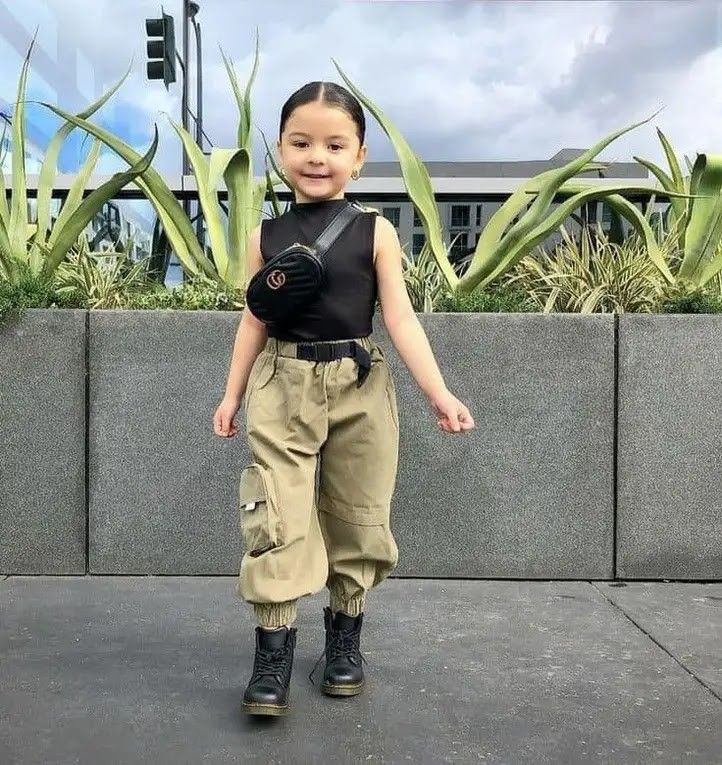
Understand That Sensory Needs Are Part of Body Type Too
Body type isn’t only about size and shape, it also includes how a child’s skin responds to different fabrics and seams.
Some kids are genuinely bothered by tags, seams, or certain textures in ways that have nothing to do with size. This deserves the same attention as fit itself.
Seamless or tagless clothing options solve a lot of this discomfort without requiring a full wardrobe overhaul. Soft, breathable fabrics like cotton jersey tend to cause fewer issues than stiffer synthetic blends.
Addressing sensory comfort alongside fit leads to far less daily resistance around getting dressed.
Flat-lock seams in particular reduce irritation compared to standard overlapped stitching. This is a small manufacturing detail that makes a real difference for sensitive kids.
Comfort can change depending on the activity, temperature, and how long a child is expected to wear an item.
Giving children a few fabric and construction options can help them identify what works best for them.
Once those preferences are known, shopping becomes much easier because parents can avoid features that consistently cause discomfort.

Choose Vertical Lines for Kids Who Prefer a Leaner Look
Vertical stripes, seams, or panel details can create a slightly leaner visual line for kids who prefer that look.
This isn’t about changing how a child actually looks, just offering an option for those who express a preference. Some older kids do start noticing and caring about this.
This ties into the classic stripe ideas covered in 25 Picture-Perfect Everyday Looks for Kids. Vertical lines work subtly and never require drawing attention to the choice itself.
Offering this as an option respects a child’s growing sense of personal style. The key here is following the child’s own request rather than steering them toward it.
Adults imposing this preference unprompted tends to do more harm than the styling choice itself could ever help.
Patterns can be introduced through small details such as piping, buttons, or narrow stripes rather than an entire outfit.
The same idea can be adapted to different colors and styles so the child still has plenty of choice.
What matters most is that the clothing reflects the child’s preference and feels comfortable to wear.
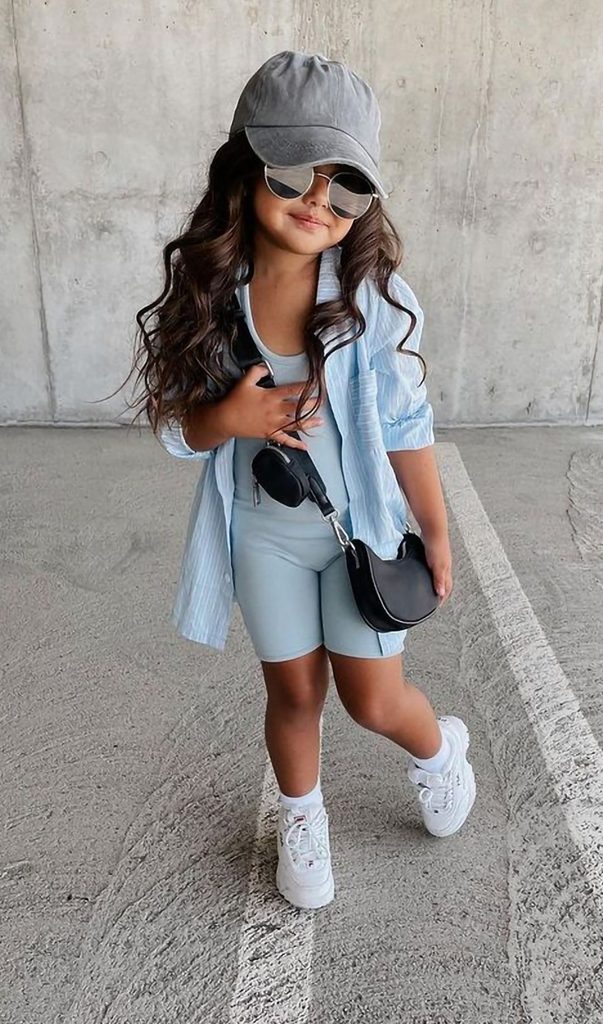
Choose Horizontal Details for Kids Who Want More Visual Width
Some kids, particularly those with a slimmer build, prefer clothing that adds a bit more visual presence.
Horizontal stripes, ruffles, or textured fabric can add that without any padding or structural changes. This is simply another styling option worth having available.
This works well alongside the playful, textured pieces discussed in 35 Cute Matching Outfit Ideas for Siblings. Ruffled sleeves or tiered skirts add volume in a way that still looks age-appropriate.
These choices should always follow the child’s own preference, not an adult’s assumption. As with vertical lines, this only matters if the child actually brings it up themselves.
Offering options is different from suggesting a child needs to look a certain way.
Texture can also come from knits, gathered fabric, or small decorative details that add interest without making an outfit uncomfortable.
Keeping the rest of the outfit simple can make these details easy to combine with everyday pieces.
This gives children another way to experiment with clothing while keeping personal preference at the center.
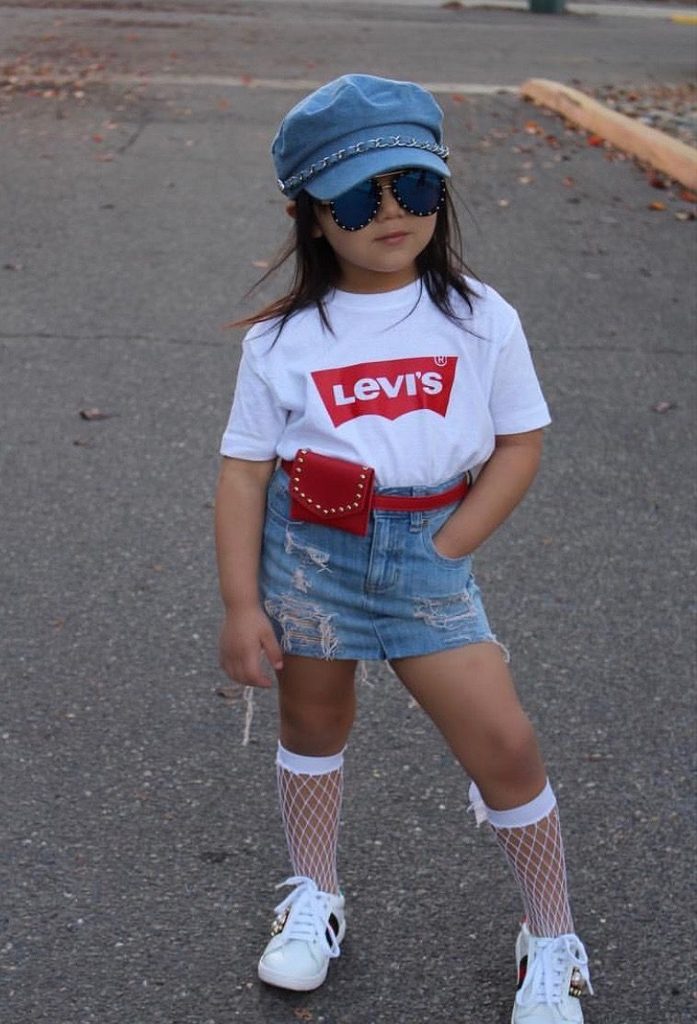
Prioritize Range of Motion Over Visual Fit
A garment that looks perfectly fitted while standing still but restricts movement isn’t actually fitting correctly.
Kids need to run, climb, sit cross-legged, and reach overhead without their clothes fighting them. Range of motion should always take priority over how something looks in a stationary photo.
This is the entire premise behind the jeans ideas covered in 27 Cute Jeans Outfit Ideas for Little Girls, where stretch and cut matter as much as style.
Testing a new piece by having a child move around in it before wearing it out catches most fit problems early. A garment that passes this test rarely causes complaints later.
A five-minute test at home, including squatting and reaching, reveals more than trying it on standing still ever will. This small habit prevents most of the return trips to the store.
Pay attention to movement at the shoulders, waist, hips, knees, and elbows when testing a new garment.
If a child naturally changes how they move to accommodate clothing, that is a useful sign that the fit needs another look.
Comfortable movement should remain possible whether the child is sitting quietly or playing actively.
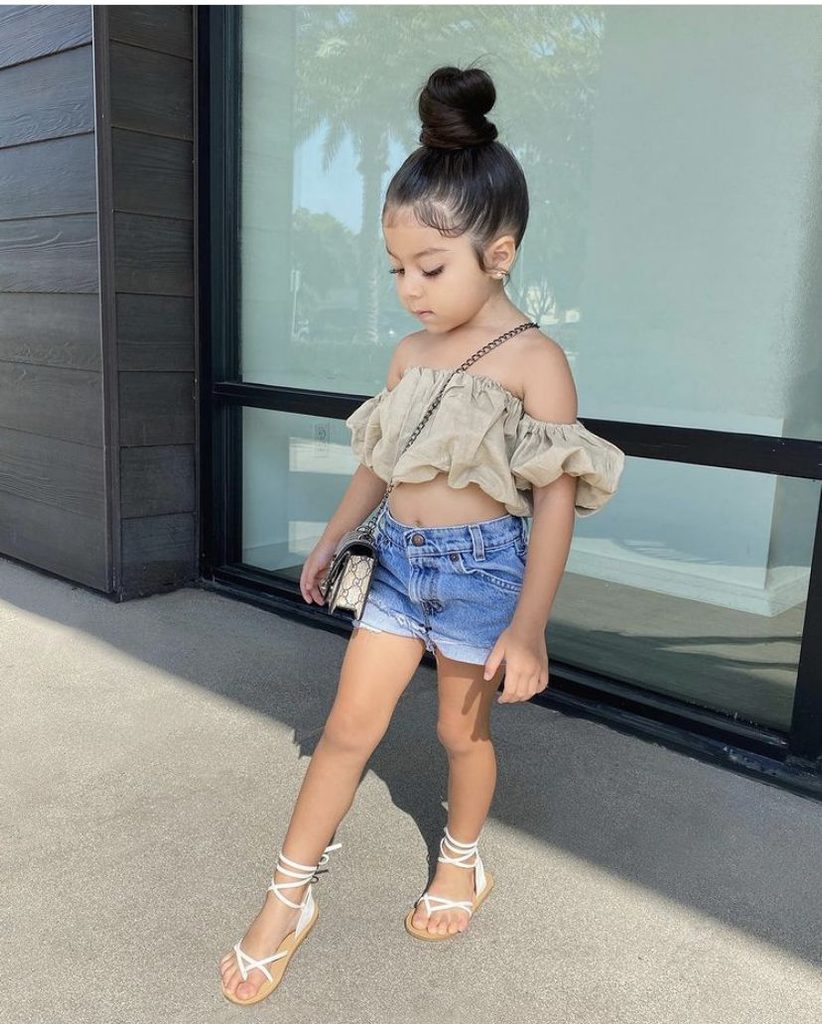
Talk to Older Kids About What Feels Good, Not Just What Looks Good
As kids get older, they develop real opinions about how their clothes feel and fit.
Involving them in these conversations, rather than deciding everything for them, builds better long-term habits around body image and comfort. This matters more than most parents initially expect.
Asking direct questions, like whether something feels tight or restrictive, gives useful information adults can’t always see from the outside.
This conversation also naturally opens the door to broader confidence-building around how their body is changing. Listening here does more good than any specific clothing choice ever could.
Kids who feel heard about comfort tend to speak up sooner about problems instead of just enduring them. That small shift in communication pays off well beyond just clothing decisions.
These conversations can also teach children practical language for describing fit, texture, pressure, and movement.
Giving them a voice in everyday clothing choices encourages them to recognize and communicate their own comfort needs.
That skill becomes increasingly useful as they begin choosing more of their wardrobe independently.
Avoid Comparing Sizing Across Different Brands
Sizing varies significantly between brands, and comparing a child’s size in one brand to another rarely produces accurate results.
A size six in one brand can fit completely differently than a size six in another. This inconsistency causes a lot of unnecessary frustration during shopping.
Checking a specific brand’s size chart, rather than relying on past experience with a different brand, produces far more reliable results.
This matters especially when building the everyday rotation discussed throughout 27 Adorable Everyday Outfits for Kids That Are Stylish and Comfortable.
A little extra research upfront saves time and money on returns later. Keeping notes on which brands run large or small for a specific child speeds up future shopping considerably. Over time, this turns into a short, reliable list of go-to sizes per store.
Even within the same brand, different garment categories can fit differently because they are designed for different shapes and purposes.
Checking measurements for each purchase is therefore more dependable than assuming every item will follow the same pattern.
A little consistency in recording useful sizing information can make future shopping much less time-consuming.

Fit Is the Foundation Everything Else Builds On
Every outfit idea throughout this entire series depends on one thing above all else: proper fit for the individual child wearing it.
Style, color, and pattern matter, but none of it works if the clothing itself doesn’t move with the body underneath it.
My neighbor spent years buying based on age labels before switching to actual measurements, and she says it eliminated most of her daughter’s clothing complaints almost overnight.
That single shift made a bigger difference than any specific outfit choice she’d tried before. It also cut down significantly on wasted purchases that never got worn past a few times.
Confidence in clothing starts with comfort, and comfort starts with fit. Everything else, from color coordination to seasonal trends, is secondary to that basic foundation.
Get the fit right first, and the rest of this series becomes far easier to apply, no matter which outfit ideas you choose to try next.
Once parents know what fits their child well, choosing colors, patterns, and styles becomes much more straightforward.
The best wardrobe is not necessarily the one with the most clothes, but the one filled with pieces a child can comfortably use.
Keeping fit at the center makes it easier to build outfits that support both everyday comfort and personal style.
Leave a Reply