Anything that has to do with planning doesn’t use to be an easy one. But trick-or-treat night is easier than it looks once you break it down. A few smart choices ahead of time make the whole evening smoother.
Trick-or-treat night moves fast once it starts. Kids get excited, candy bags fill up, and time slips by quicker than you expect. A little structure keeps the fun going without the stress creeping in.
This guide covers everything from timing to safety to weather backups. If you haven’t read it yet, this ultimate parent’s guide to Halloween with kids covers the bigger picture too.
By the end of this post, you’ll have a clear plan for the night. Your kids get the fun, and you get the peace of mind. Let’s walk through it step by step.
You don’t need to be a natural planner for this to work. A few small habits repeated each year make everything feel easier over time.
Every neighborhood and every family looks a little different on this night. What matters most is that your kids feel safe, comfortable, and excited to go out.
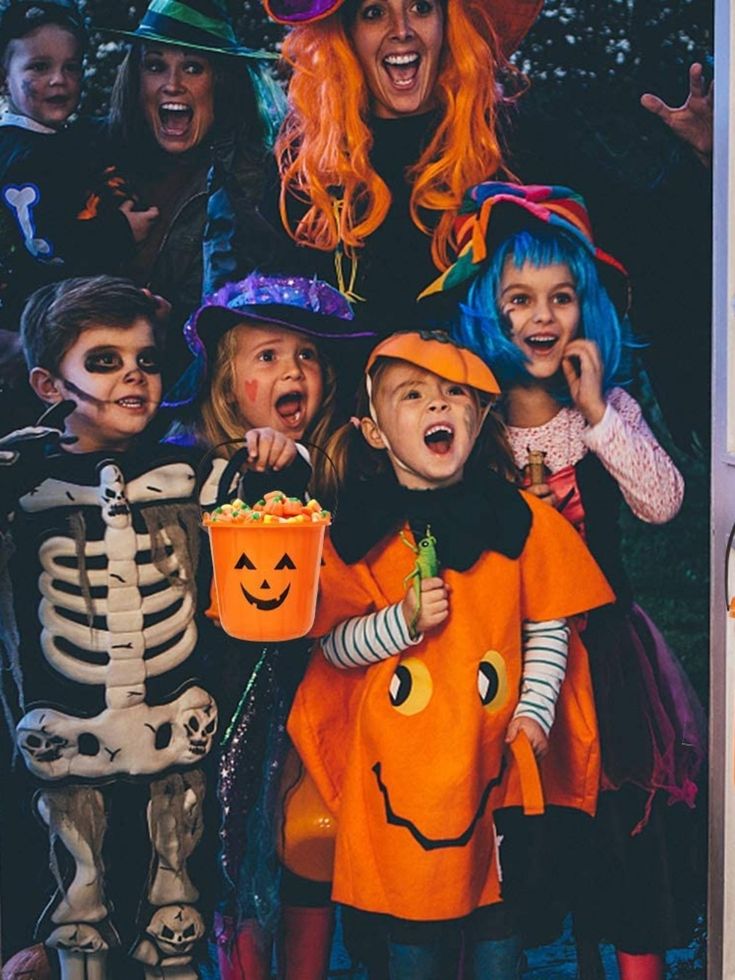
How to Plan a Fun and Safe Trick-or-Treat Night
Start With a Simple Plan
Every good trick-or-treat night starts with a plan, even a rough one. You don’t need anything fancy, just the basics written down somewhere.
Decide on your route, your timing, and who’s coming along. These three things shape the whole night more than anything else you prepare.
Talk it through with your kids beforehand. Knowing the plan ahead of time cuts down on meltdowns and last minute changes later.
Keep a printed or saved copy on your phone. It helps if plans shift or someone forgets a detail mid-walk.
Involve older kids in building the plan too. They often notice details younger kids or even parents miss, like a friend’s house along the way.
Keep the plan loose enough to adjust. Halloween night rarely goes exactly as expected, and that’s perfectly normal.
Print out a simple one-page plan if your family works better with something visual. A quick glance keeps everyone aligned without repeating instructions all night.
Store the plan in the same spot every year, like a shared notes app. It saves time when Halloween rolls around again next season.
Read this: The Ultimate Guide to Caring For Your child’s Hair

Pick the Right Time to Head Out
Timing matters more than most parents realize. Too early and porch lights aren’t on yet. Too late and younger kids get cranky fast.
Right after sunset usually works best for most neighborhoods. Check what time the sun sets on the actual date, since it shifts each year.
Younger kids do better with an earlier start. They tire out fast, and an early bedtime keeps the whole week running smoothly after Halloween ends.
Older kids can handle a later, longer night. Let their energy guide how long you stay out together.
Watch your neighborhood’s unofficial start time too. Some streets get busy right at dusk, while others pick up later in the evening.
Ask neighbors or check community pages for the usual local timing. Every neighborhood tends to have its own unwritten Halloween schedule.
Weekday Halloweens often run a bit earlier than weekend ones. Families with school the next day tend to head out sooner and wrap up faster.
If Halloween falls on a weekend, expect a busier, later night overall. More families are out, and porches often stay lit longer than usual.
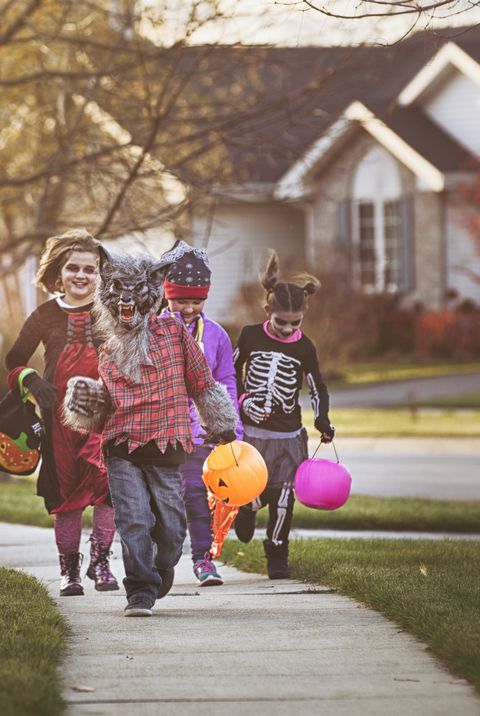
Map Out a Safe Route
A safe route makes the whole night easier. Pick streets with sidewalks, working streetlights, and houses actively handing out candy.
Avoid main roads with fast traffic entirely. Stick to quiet residential streets whenever you possibly can.
Walk the route earlier in the day if it’s new to you. This helps you spot uneven sidewalks or dark stretches before dark actually falls.
Mark a rough loop instead of a straight line. This way you end up back near your car or home without backtracking too far.
Note down a few houses known for handing out full-size candy bars. Kids love having a few landmarks to look forward to along the way.
Keep the route shorter than you think you need. It’s easier to add extra streets later than to cut a tired child’s night short.
Consider cul-de-sacs and looped streets too. They often pack in more houses per block than long straight roads, which means more candy with less walking.
Save the route on your phone’s map app ahead of time. It’s a quick way to stay on track if the neighborhood feels unfamiliar in the dark.
See This: How to Create a Simple Hair Care Routine For Kids
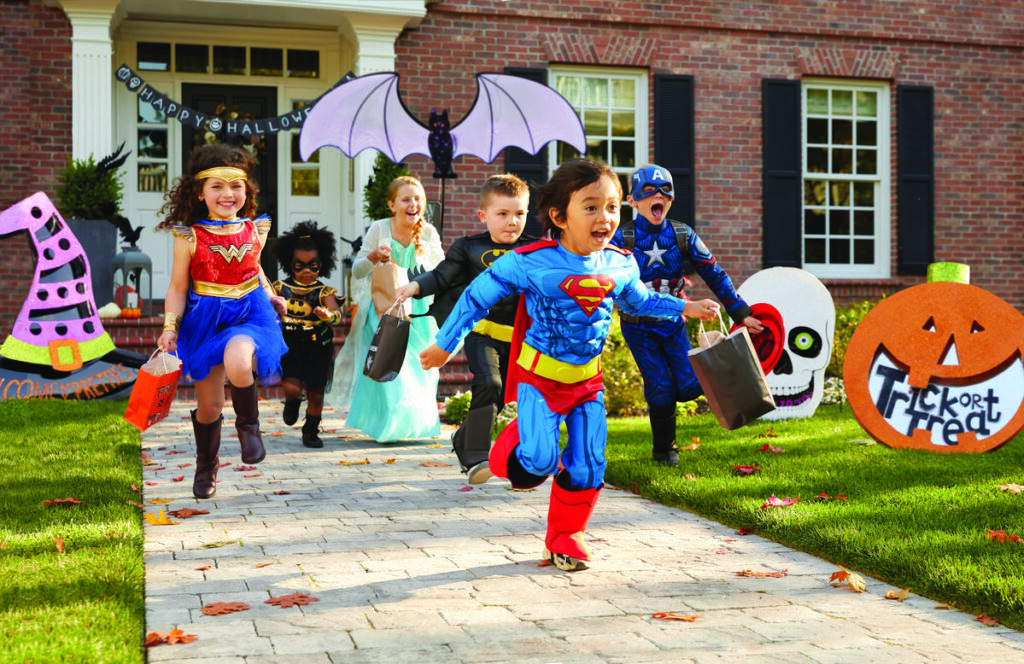
Get the Costume Ready for Walking
A cute costume isn’t always a practical one. Long capes, oversized shoes, and heavy accessories can slow kids down fast on foot.
Test the costume with real walking, not just standing around indoors. A costume that looks great in photos might trip someone up on the sidewalk.
Comfortable shoes matter more than the costume itself. Skip anything tight or unfamiliar on the actual night out.
This post walks through sizing, comfort, and safety for choosing a costume your child will actually love. It’s worth checking before the big night arrives.
My neighbor’s son wore a full knight costume last year, armor and all. He gave up halfway through and carried the helmet instead of wearing it.
Pack a small emergency safety pin or two. Costumes tend to loosen or tear halfway through a long night of walking.
Bring a spare layer in the bag too, just in case temperatures drop. A light hoodie fits over most costumes without ruining the look.
Choose footwear a full size roomier than usual if wearing thick socks underneath. Tight shoes turn into blisters fast over a long walking night.
Break in new shoes before Halloween if possible. A quick walk around the block a few days early saves a lot of discomfort later.
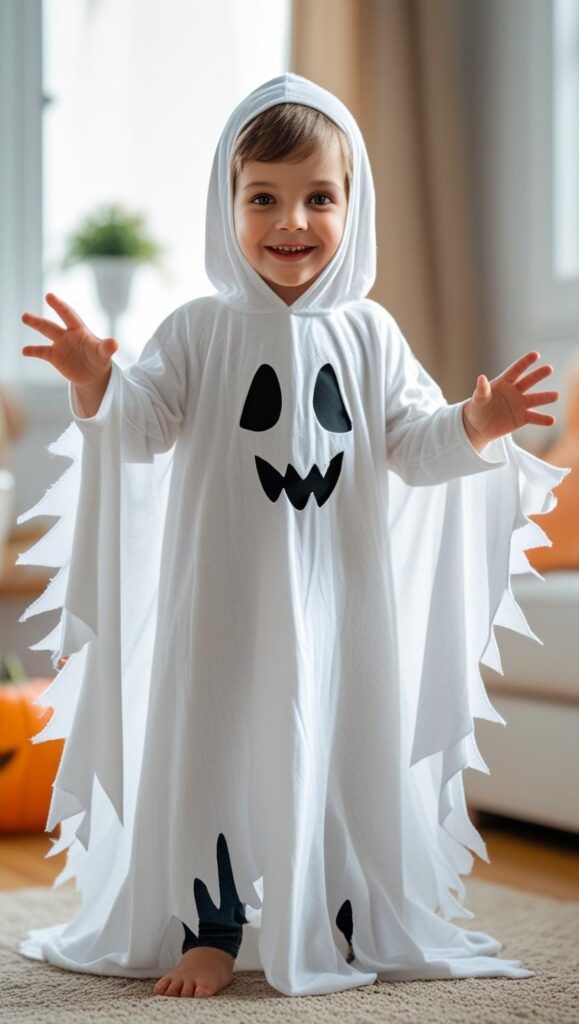
Talk About Safety Rules First
Before you leave the house, go over the basic rules one more time. Keep it quick and simple, not scary or overwhelming.
Stay together, cross with an adult, and never go inside a stranger’s house. These three rules cover most situations kids run into on the street.
Explain why these rules matter, not just what they are. Kids follow rules better when they understand the reason behind them clearly.
For a full breakdown of the basics, check out these halloween safety tips every parent should know. It’s a good refresher every single year.
Repeat the rules again halfway through the walk. Excitement makes kids forget quickly, especially once the candy bag starts filling up.
Keep the tone calm and confident, not fearful. Kids pick up on nervous energy, and a calm parent makes for a calmer night.
Let older kids help teach the rules to younger siblings. Kids often listen more closely to a sibling than to another lecture from a parent.

Bring the Right Safety Gear
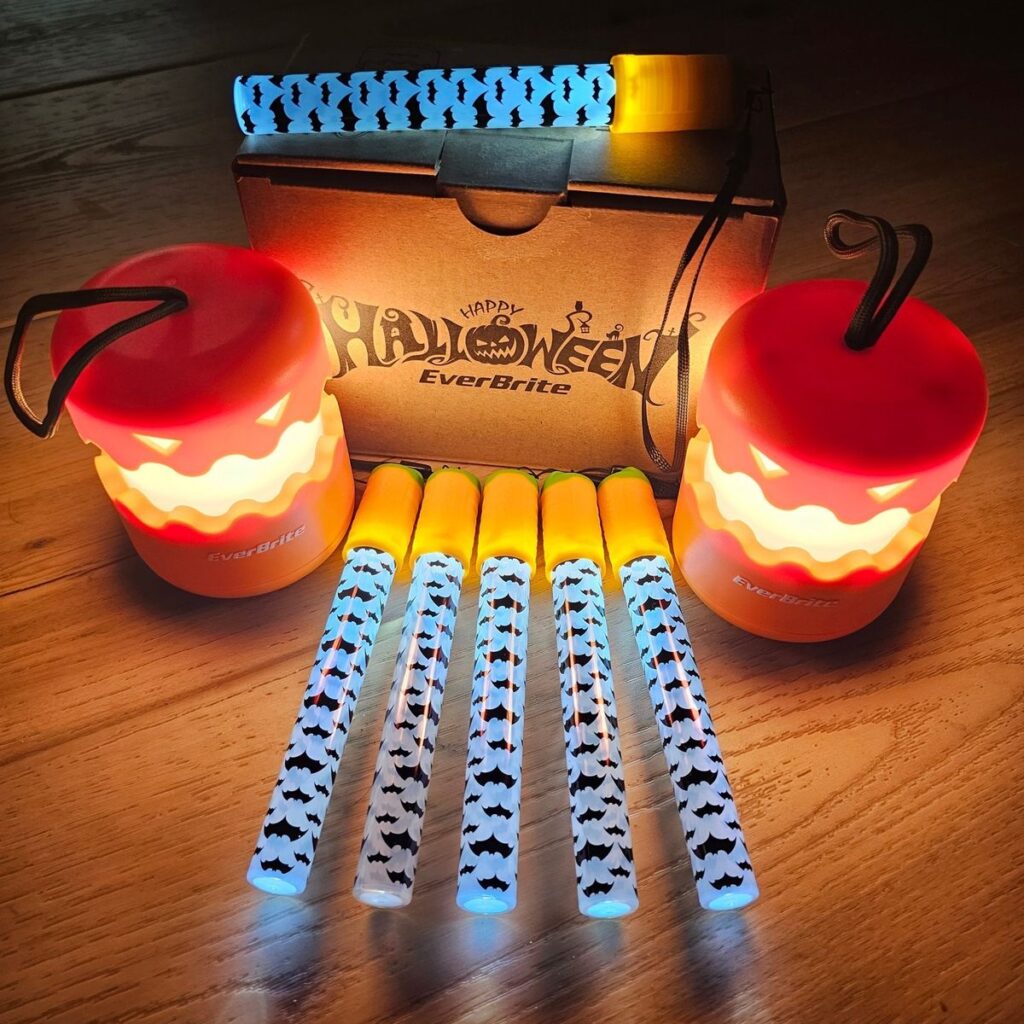
A few small items make a big safety difference. Flashlights, glow sticks, and reflective tape all help kids stay visible after dark falls.
Attach glow sticks to bags or wrists instead of costumes. This keeps them visible without ruining the costume’s overall look.
Pack a small bag with wipes, band-aids, and a phone charger. Small emergencies happen more often than you’d expect on a busy night.
Bring water too, especially for younger kids. Walking and excitement both add up fast, even on a cool autumn night.
A whistle can help too, tucked into a pocket or bag. It’s a quick way for a child to get attention if they ever feel lost.
Label bags with your child’s name and your phone number. It’s a small step that helps a stranger reach you fast if needed.
Consider a small walkie-talkie for older kids walking slightly ahead. It gives them a bit of independence while keeping you within easy reach.
Keep one adult’s phone fully charged before you leave the house. A dead phone mid-walk turns a small problem into a stressful one fast.
You’ll Need This: How Often Should You Wash Your Child’s Hair?
Team Up With Other Families
Trick-or-treating in a group is safer and more fun overall. More adults means more eyes watching the kids at once.
Coordinate with another family ahead of time. Agree on a route, a start time, and a rough plan for the night.
Groups also mean less pressure on one single parent. Everyone can take turns watching kids or carrying supplies along the way.
Kids tend to walk further and complain less in a group setting. Friends make the whole night feel like less of a chore.
Split the group if ages vary widely. Older kids can move faster while younger ones take a slower, shorter route nearby.
Assign one adult as the official headcount person. It sounds simple, but it prevents confusion when the group gets big and spread out.
Agree on a shared meeting spot before you start walking. If the group splits up naturally, everyone knows exactly where to regroup later.

Watch the Weather Before You Leave
Weather can change your whole night fast, sometimes within just an hour. Check the forecast a few days ahead, then again the morning of Halloween.
Rain calls for waterproof shoes and a light jacket under the costume. Cold nights need warm layers that still fit under everything comfortably.
Have a backup plan ready if the weather turns bad suddenly. A quick shift to an indoor party can save the night without much fuss.
Keep a spare umbrella by the door just in case. A sudden shower shouldn’t have to end the night early for anyone.
Pack costumes with weather in mind from the start. A costume made from thin fabric might need a warmer version ready as backup.
Check wind conditions too, not just rain or cold. Strong wind can make capes, wigs, and loose fabric a real hassle on the walk.
Read Next: How to Detangle Your Child’s Hair Without Tears

Set a Realistic Time Limit
An hour or two is plenty for most young kids. Pushing much longer usually leads to tired, cranky kids and less fun overall.
Set a rough end time before you leave the house. This helps everyone pace themselves instead of rushing the first thirty minutes.
Older kids can handle longer nights, especially with friends around. Let their energy and mood guide the actual end time.
Set an alarm on your phone as a gentle reminder. It’s easy to lose track of time once the night gets going.
Give a ten minute warning before the actual end time. This softens the transition and avoids a sudden, unwanted stop to the fun.
Watch your child’s energy more than the clock itself. Some nights a child taps out early, and that’s completely fine too.
Handle Strangers and Unfamiliar Houses
Not every house on your route will feel familiar to you. Teach kids to only approach houses with lights on and candy visible.
Skip dark houses entirely, even if decorations look interesting from the sidewalk. A dark porch usually means nobody’s home or handing out candy.
Remind kids to stay on porches and sidewalks, never entering a home. This one rule prevents most unsafe situations before they even start.
If a house feels off for any reason, trust that instinct. There’s no need to explain, just move on to the next one.
Point out well-lit, decorated porches as the friendliest signs. Kids learn to read these cues quickly after just one or two houses.
Teach kids to knock or ring once, then wait patiently. Rushing or banging repeatedly can come across as rude, even if it’s just excitement.
Model a simple “trick or treat” and “thank you” for younger kids to copy. Manners tend to stick when they’re shown, not just told.

Keep Younger Kids Calm and Comfortable
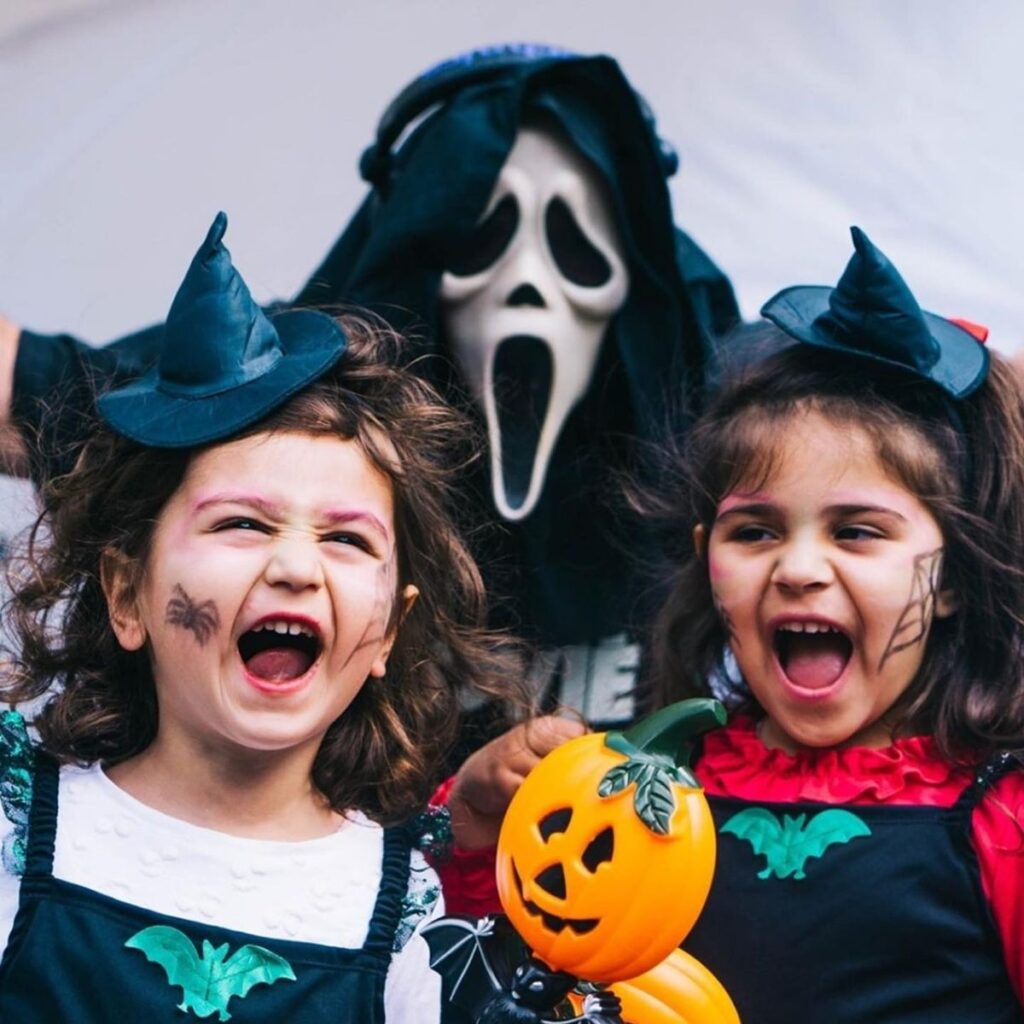
Trick-or-treat night can overwhelm younger children fast. Loud groups, spooky decorations, and unfamiliar faces all add up quickly.
Watch for signs of stress like clinging or crying. These reactions are normal, not something to push through or ignore.
Give them breaks when needed. A short pause on a quiet curb can reset a tired or overwhelmed child fast.
If your child struggles, this guide on making Halloween less scary for young children offers real, practical tips.
Let a younger child hold your hand the whole night if that helps. Physical closeness often calms nerves better than words ever could.
Praise small wins along the way, like approaching one more house. Confidence builds fast with a bit of encouragement from a parent.
Keep a familiar snack in your bag for tired or overwhelmed moments. Sometimes a small distraction is all it takes to reset the mood.

Plan a Halloween Party Backup
Not every child enjoys walking door to door for candy. Some kids simply prefer a party instead of the streets.
Keep a backup party plan ready at home just in case. Games, snacks, and a costume parade can replace trick-or-treating entirely if needed.
This post covers full games and setup ideas for throwing a kid-friendly Halloween party at home. It’s worth saving even if you plan to walk the streets first.
My friend swapped trick-or-treating for a home party last year after her toddler got overwhelmed. The kids barely noticed the difference in the end.
Keep both plans loosely ready each year. Some years call for the streets, other years call for a cozy night indoors instead.
Ask your kids directly which they’d prefer that year. Preferences shift as kids grow, and it’s worth checking rather than assuming.

Fit In a Pumpkin Patch Visit Earlier
If your day includes both a pumpkin patch and trick-or-treating, plan the timing carefully. Doing both in one day can tire kids out fast.
Visit the pumpkin patch earlier, ideally in the morning or early afternoon. This leaves the evening free and energy left for trick-or-treating later.
This guide covers timing and what to bring for the perfect pumpkin patch day. It helps you plan both activities without exhausting everyone involved.
Build in a rest period between the two activities. Even twenty minutes at home can recharge tired little legs before heading back out.
Keep snacks handy between activities too. A quick bite keeps energy up without needing a full meal break in the middle of the day.
Let kids nap or rest quietly if the schedule allows it. Even a short rest makes a big difference by the time evening rolls around.

Check Candy Before Anyone Eats It
Once you’re back home, sort through the candy together as a family. This step matters just as much as the walk itself.
Check for torn wrappers, unfamiliar brands, or anything that looks tampered with in any way. When in doubt, throw it out rather than risk it.
Watch for allergens too, especially nuts or dairy hidden in ingredients. A quick label check keeps the night ending safely for everyone.
Let kids help sort candy into piles by type. It turns a safety task into one more fun part of the night.
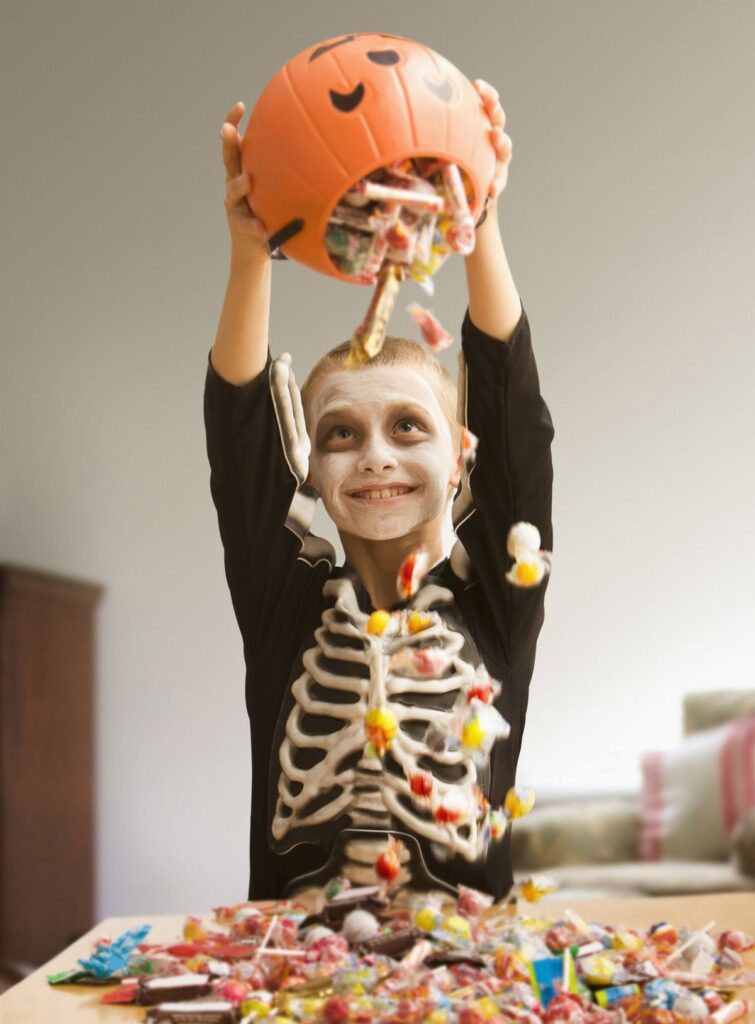
Set aside a small stash for later and let the rest be enjoyed slowly. Spreading candy out over weeks beats one single sugar-heavy night.
Consider a candy buyback or trade system if your family enjoys that kind of tradition. Some parents swap extra candy for a small toy instead.
Stay Visible After Dark
Visibility drops fast once the sun goes down completely. This single factor causes most Halloween night accidents each year.
Reflective gear, flashlights, and sticking together all help keep kids safe and visible to drivers passing by.
For a full safety checklist covering the whole night, read this guide on keeping kids safe while trick-or-treating.
My client’s daughter got briefly separated from the group last year in a crowd of costumes. A glow bracelet helped find her within a minute.
Cross streets as a full group, not one by one. Drivers spot a cluster of costumes far easier than a single small child.
Avoid dark clothing under costumes whenever possible. Bright colors and reflective touches make a real difference once night fully sets in.
Remind older kids walking ahead to check back often. A quick glance over the shoulder keeps the whole group connected and accounted for.

End the Night With a Movie
Once the walking is done, wind the night down slowly. A movie works well to calm excited kids before bed.
Pick something age appropriate and not too intense for the group. Save the scarier stuff for older kids or a separate night entirely.
This guide has full movie picks and snack ideas ready for the ultimate Halloween movie night for kids.
Dim the lights and pass around leftover candy while the movie plays. It’s a calm, easy way to end a busy night.
Let kids change into comfy pajamas before the movie starts. It signals the night is winding down, even if they’re still buzzing with energy.
Skip a second movie even if kids beg for one. Overtired kids the next morning aren’t worth an extra thirty minutes tonight.

Build This Into a Yearly Tradition
The best trick-or-treat nights often repeat year after year. Same route, same neighbors, same little rituals along the way.
Traditions don’t need to be big or expensive at all. Even a specific snack after the walk can become something kids look forward to each year.
This post walks through simple ways to build a memorable family tradition around nights like this one.
Ask your kids each year what they’d like to keep doing. Their answers often shape the tradition more than you’d expect.
Take a quick photo at the same spot each year before heading out. Looking back at these over time becomes its own small tradition.
Keep one item from each year, like a ticket stub or a small trinket. A simple keepsake box builds a nice memory trail over time.

A Few Final Things Worth Knowing
Trick-or-treat night doesn’t need to be complicated at all. A little planning goes a long way toward keeping everyone safe and happy.
Focus on your family’s pace, not anyone else’s. Some kids want two hours out, others want twenty minutes and home.
Keep safety simple and stick to the basics you’ve already covered. Complicated rules get forgotten fast in the excitement of the night.
With a solid plan and a few safety basics covered, you’re ready for a smooth night. Costumes might get messy and feet might get tired.
That’s all part of the fun in the end. Happy trick-or-treating.
Every family’s version of a perfect night looks a little different. Trust your own plan, and let your kids lead the way once you’re out there.
Leave a Reply