Many children already spend hours inside Minecraft, building towers, dodging creepers, and digging for diamonds on a glowing screen. Now imagine bringing that same adventure into your living room, where they can jump, crawl, and climb for real.
A Minecraft-inspired obstacle course turns cushions into stone blocks, blankets into lava, and a plain hallway into a dangerous cave. Children already know the rules of this world, so they dive in without needing long explanations from you.
You do not need special equipment, a big budget, or any building skills to make this work. Everything in this guide uses things you already have, like pillows, boxes, tape, chairs, and old sheets.
This course also gives screen-loving children a healthy way to enjoy a game they truly love. If you want more ideas, see 17 Screen-Free Activities for Kids Who Are Bored at Home. In this guide, you will learn how to plan the space, build each station, and keep everyone safe. Each step is written in simple language, so even a tired parent can follow it after a long day.
By the end, your living room will look like a Minecraft level, and your children will not want to leave. Let us start with why this theme works so well for active play at home.
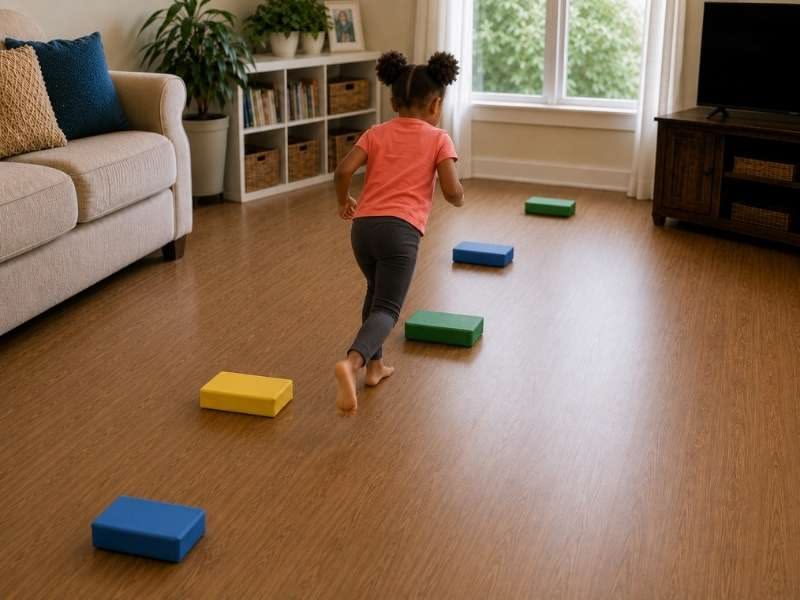
How to Build a Minecraft-Inspired Obstacle Course in Your Living Room
Why Minecraft Is a Perfect Theme for an Obstacle Course
Minecraft works well because the game is already built around moving, building, collecting, and avoiding danger. Every one of those actions can become a real physical task in your living room today.
Children also feel proud when they bring something they love from the screen into the real world.
Children who prefer capes to blocks may enjoy How to Create a Superhero Training Course for Kids.
The blocky look of the game also helps, because cushions, boxes, and books already look like building blocks. You do not need to copy the game exactly, because children happily fill in the missing details.
A pillow is stone, a blue sheet is water, and a red towel is lava, and nobody argues.
For extra running, add games from 17 Indoor Games for Kids That Help Them Burn Off Energy.
Another benefit is that the course teaches balance, planning, and courage without feeling like exercise at all. Children who spend hours sitting often need a safe way to stretch their legs and release energy.
This theme gives them that release, and it does so inside a story they already care about. Even children who are not big fans of the game will enjoy the building and racing parts.
Plan the Space and Clear the Room
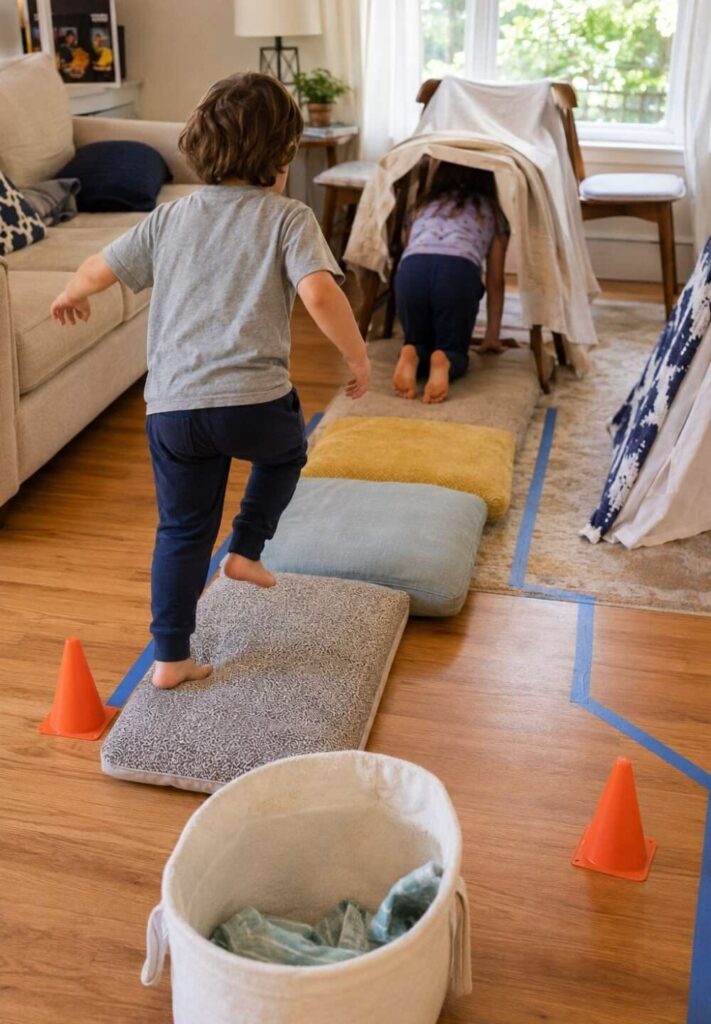
Before you build anything, look around your living room and decide where the course will start and end. A simple loop works best, with the start and finish close together so children can run again quickly.
Push sofas, tables, and fragile items against the walls to open up a clear central space. Remove lamps, vases, framed photos, and anything else that could break if a child tumbles into it.
On wet days, this plan pairs well with 31 Rainy Day Activities for Kids That Need Almost No Preparation.
Sketch a rough map on paper with five or six stations, and number them in the order children will visit. Keep the path wide enough for two children, because racing side by side is half the fun.
Check the floor for slippery tiles, and lay a rug or yoga mat under any jumping area.
Rooms with beds and cushions can also inspire How to Create an Indoor Camping Adventure for Children.
Small spaces are fine, because a short course repeated five times gives the same exercise as a long one. Open a window for fresh air, because active children warm up quickly inside a closed room.
Tell younger siblings and pets where the course is, so nobody wanders into the path by accident.

Gather Everyday Items That Look Like Blocks
The best Minecraft courses use ordinary household items, so start by collecting what you already own. Cushions and pillows make excellent stone blocks, because they are soft, stackable, and safe to land on.
Cardboard boxes in different sizes can be wrapped in brown paper to look like dirt or wood blocks. Green sheets or towels can become grass, while blue fabric makes a convincing river or lake.
Store the pieces in a box, as shown in How to Make a Kids’ Boredom Basket That Encourages Independent Play.
Red towels or scarves work well for lava, and children will happily avoid them as if they were hot. Laundry baskets become mine carts, and a long rolled blanket makes a perfect bridge or balance beam.
Masking tape is your best friend, because it marks paths, jump lines, and block outlines without damaging floors.
Let your children carry and sort everything, using ideas from How to Turn Household Chores Into Fun Games for Children.
Ask them to find three items that could be a diamond, an emerald, and a chest of gold. Yellow balls, green buttons, and shiny foil stars make wonderful treasure for the final station.
A short shopping trip through your own home usually gives you everything the course needs.
Build the Spawn Point Where the Adventure Begins
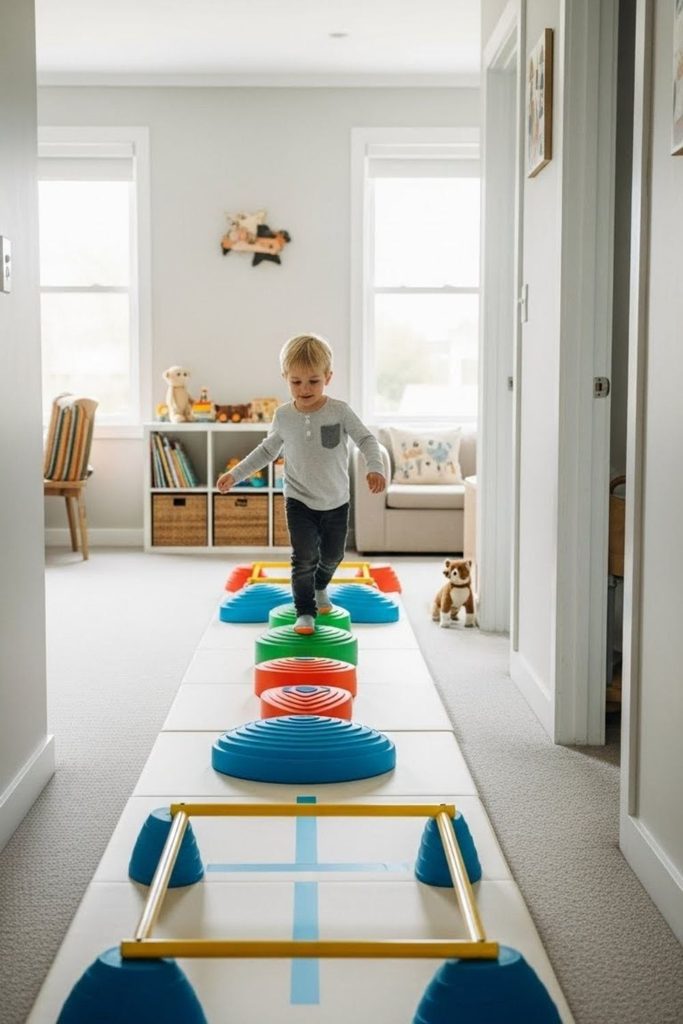
Every Minecraft world begins at a spawn point, so give your course a special starting spot. Mark it with a square of tape or a colored rug, and let your child name it.
A cardboard sign that says Spawn Point makes the start feel official and truly exciting for everyone. Give each child a paper heart bar, ten hearts drawn on a card, to track their health.
Fans of treasure and clues can mix this with How to Create a Bluey-Inspired Scavenger Hunt at Home.
Cross out one heart each time they touch lava, and the course gains a gentle sense of danger. Explain the rules before the first run, using short and clear sentences that every child can remember.
Rules could include no pushing, no jumping from furniture, and no running into the walls.
Collectors will enjoy the monster-catching ideas in How to Plan a Pokémon Treasure Hunt for Kids.
Hand out a small pretend inventory, such as a paper pickaxe or a cardboard sword, at the start. Children love collecting tools, and these simple props make them feel ready for a real adventure.
Play a short drum roll with your hands, and then shout go to begin the first run.
Create Lava Pits, Block Jumps, and Cave Crawls
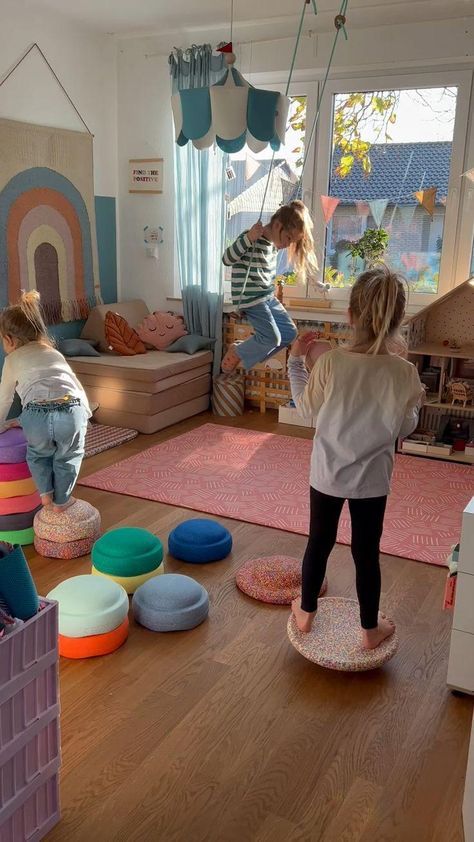
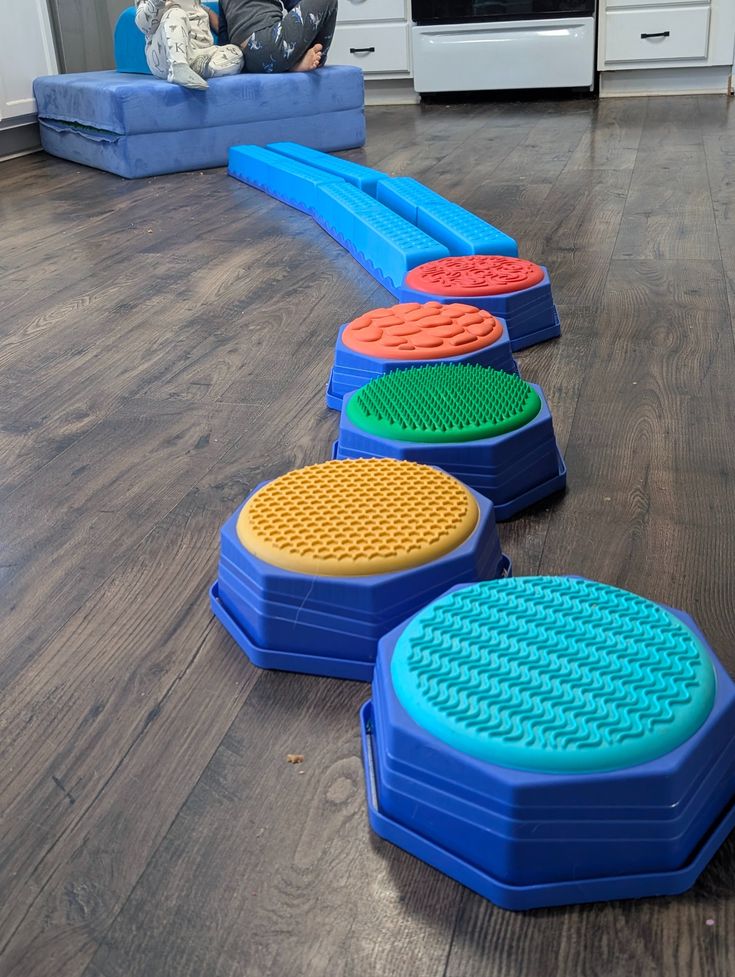
Now it is time to build the main stations, and each one should test a different movement. The lava pit is the easiest one, using red towels spread on the floor between two safe zones.
Children must jump or step across without touching the towels, and they can use cushions as stepping stones. For the block jump station, place three or four cushions in a row at different distances.
Use the map ideas in How to Make a Home Treasure Map for a Children’s Adventure for the route.
The cave crawl uses a table covered with a blanket, creating a dark tunnel that children crawl through. Make sure the tunnel is open at both ends, and keep a flashlight inside for a spooky effect.
A balance bridge can be made from a rolled blanket or a strip of tape on the floor.
Digging fans can add a sand tub from How to Create a Dinosaur Dig Activity Using Sand and Toy Fossils.
Place the sand tub on a sheet, so spilled sand does not spread across the living room. Each station should take less than thirty seconds, which keeps the line moving and children excited.
Test every station yourself first, because you will quickly find any wobbly cushion or tricky corner.

Add a Cool-Down Zone for Tired Builders
Active play needs a gentle ending, so create a calm corner where children can rest after each run. Spread a soft blanket, add a few pillows, and place paper and crayons in the corner.
Children can draw their own Minecraft characters or design a house they would like to build.
More calm ideas appear in 35 Quiet Activities for Kids When You Need a Calm Afternoon.
Offer water and a small snack here, because thirsty children lose focus and patience very quickly. Keep the zone separate from the course, so tired children are not bumped by racing friends.
A short rest of five minutes helps children reset, and it prevents tears from tired legs.
After the final run, finish with How to Organize a Kids’ Movie Night With Games and Activities.
Quiet time also lets children talk about their favorite parts, which builds memory and confidence. Ask simple questions like which station was hardest, and listen carefully to every answer they give.
A calm corner teaches children that rest is a normal part of play, not a punishment. Soft music in the background can help noisy children slow down and breathe more steadily.
Add Creeper and Zombie Games to Keep It Exciting
Mobs make Minecraft thrilling, and you can bring them into the course with a few simple freeze games. In the creeper game, you make a quiet hissing sound, and children must freeze before you finish counting.
Anyone who is still moving when you say boom must go back to the spawn point. The zombie game works the other way, where children must walk slowly like zombies through one section.
Slow zombie walking is surprisingly tiring, and it calms children who have been running too fast.
Outdoor space can host the same game, so read 33 Backyard Activities for Kids Who Love Exploring.
Add a skeleton archer station where children throw soft balls at paper targets taped to the wall. Use rolled socks or small foam balls, and place targets low enough for younger children to hit.
These games add variety, and variety prevents the course from feeling repetitive after the first few runs. Keep the scary parts light and silly, because some children are easily frightened by pretend monsters.
Laugh with them when they fail, and the whole game stays friendly instead of tense. Rotate who plays the creeper, because every child loves being the one who makes everyone freeze.

Keep the Course Safe for Every Child
Safety comes first, because excited children move faster and think less about the floor than adults expect. Keep every jump low, and never ask children to leap from sofas, tables, or the top of boxes.
Children should wear socks with grips or go barefoot, because plain socks slide quickly on smooth floors. Tape down the edges of rugs, and check that cushions do not slide when children land.
Keep the number of children on the course small, with only one or two running at a time.
For nature-loving kids, try How to Plan a Nature Scavenger Hunt for Preschoolers on a sunny day.
Stay in the room and watch every run, because one second of distraction can lead to a bump. Remove jewelry, hair clips, and anything sharp from pockets before the game begins, to avoid scratches.
Have water ready, and keep a small first-aid kit within reach in case of scraped knees. Teach children to stop immediately when you say pause, and practice the word before the game starts.
Check the course again after every few runs, because pieces can shift and create hidden hazards. A safe course is a happy course, and parents enjoy it far more when they are relaxed.
Adapt the Course for Different Ages
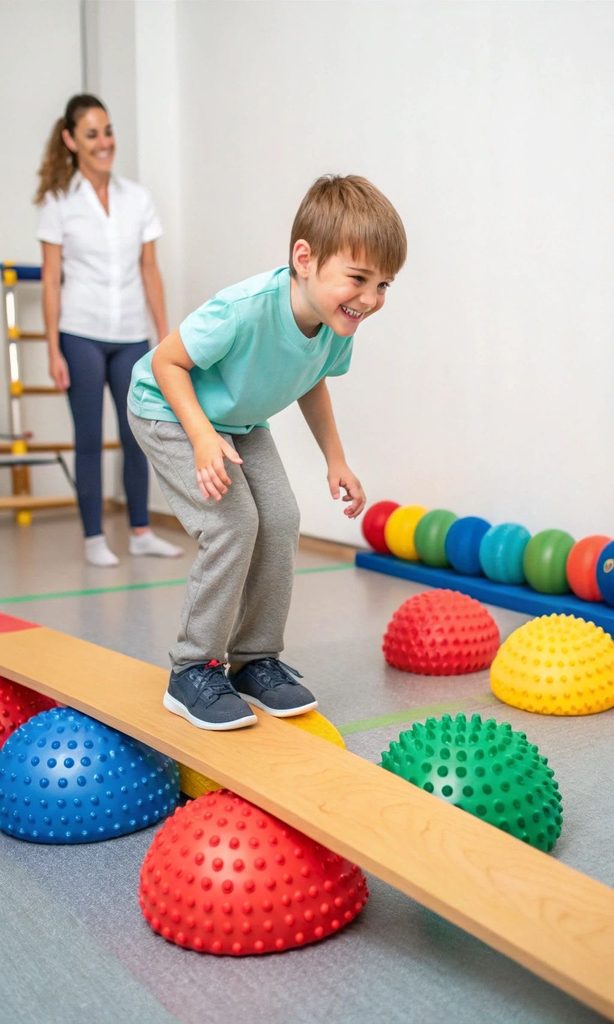
A course that excites a seven-year-old may be too hard for a three-year-old, so plan ahead. For toddlers, use low cushions, short tunnels, and bright colors, and stay close beside them.
Toddlers love crawling and stepping, so skip jumping and balancing for them until they feel stronger. Children aged four to six enjoy simple jumps, short balance beams, and basic freeze games.
Children aged seven and older can handle timed runs, longer routes, and clever puzzle stations. Puzzle stations might ask them to match colors, count blocks, or solve a short riddle before moving.
Mixed groups can use different paths, with an easy route and a hard route running side by side. Let children choose their level, and they will often pick the right challenge on their own.
Older children can also act as helpers, setting up stations and guiding younger siblings through each step. Giving them this role builds responsibility, and it makes them feel proud, trusted, and truly needed.
Children with different physical needs can join by choosing stations that match what feels comfortable and safe.

Turn the Course Into a Quest With Points and Rewards
A quest gives the course a purpose, and purpose keeps children playing longer than simple running does. Tell a short story, such as the village needs three diamonds to defeat the dragon.
Hide three shiny items at the end of the course, and children must collect them all. Use paper coins or buttons as points, and let children trade them for small rewards afterward.
Rewards can include a sticker, a choice of dinner music, or picking tomorrow’s family activity. Avoid sweets as prizes, because the exercise should not become linked to snacks in a child’s mind.
Give out achievement certificates for bravery, teamwork, and creativity, and children will treasure them for weeks. Praise effort and good attitude more than speed, so slower children still feel like winners.
Ask children to invent a new level or a new mob, and add it to the course. Their ideas are often funnier and more creative than anything you could have planned yourself.
Owning part of the game makes children feel proud, and it keeps their interest alive for days.

Encourage Teamwork and Sibling Play
Many siblings argue constantly, but a shared mission can turn rivals into teammates very quickly. Create team challenges where two children must hold hands or carry a cushion together across the lava.
Cooperation works best when the task is impossible to finish alone, so design stations with that idea. One child can be the builder while the other is the explorer, and they swap after each run.
Celebrate shared success out loud, and children will begin to cheer for each other without prompting. Avoid comparing times between siblings, because comparison quickly turns a joyful game into a bitter contest.
Instead, ask the whole team to beat a shared record, and cheer when they finally succeed. Friends visiting for a playdate can join the game, and the course makes a great icebreaker.
Shy children often relax when everyone has the same simple goal and clear roles to follow. Step in gently if an argument starts, and remind children that the game belongs to everyone.
Time the Session So Energy Stays High
A good session lasts about forty-five minutes, including setup, play, and a short cool-down at the end. Spend ten minutes building the course with your child, because the building is part of the fun.
Then allow twenty-five minutes of play, with a water break halfway through to keep everyone refreshed. Finish with ten minutes of tidy-up, and children will learn that games end with shared care.
Morning sessions often work better than late afternoons, because children have more energy and fewer meltdowns. Avoid running the course right before bedtime, since high energy can make sleep difficult for many children.
Use a kitchen timer for each run, and children will treat the sound as part of the game. If energy drops, change one station or add a new mob, and the excitement quickly returns.
Stop while children still want more, because that leaves them eager to play again tomorrow. Leave the course up for one day, so children can enjoy it again without any new setup.
After that, take it down, and next time build a new version with different stations.
Serve Minecraft-Themed Snacks and Drinks
Snacks make the game feel like a real event, and a few clever names can make food exciting. Call sliced apples golden apples, carrots pickaxes, and cucumber sticks creeper fingers, and children will laugh while eating.
Cheese cubes can be stone blocks, and bread squares can be wood, with a little imagination. Serve water in labeled cups called healing potions, and children will drink more without any complaining.
Keep snacks simple and healthy, because heavy meals right before running can easily cause stomach aches. Serve food at the cool-down zone, and keep everyone seated while eating to avoid choking.
Check with other parents about food allergies before offering anything to visiting children at the party. Let children help prepare the snacks, because making food together adds another small adventure to the day.
Print simple menu cards with silly names, and let children order like customers in a village shop. Offer a second round of water after the snack, because active children dry out faster than they notice.
Handle Frustration and Screen Withdrawal Gently
Some children may complain that the real game is not as good as the screen version. That reaction is normal, because screens offer instant rewards while real play asks for patience and effort.
Stay calm and friendly, and invite them to try just one run before they decide. Most children change their minds quickly once their bodies start moving and the laughter begins.
Do not argue about screens during the game, because that spoils the mood for everyone involved. If a child gets frustrated, make the station easier or let them take a short break.
Remind them that even expert Minecraft players fail many times before they win a hard level. Praise their courage each time they try again, because persistence matters far more than winning.
Avoid forcing a child to play, because pressure turns fun into a chore very quickly. Offer a role as the judge or the scorekeeper, and they may join in when they feel ready.
Level Up Your Course on Weekends
Once children master the basic course, you can level it up with new stations and harder challenges. Add a crafting table station where children must match paper shapes to an outline before moving on.
Create a village station where they deliver a toy to a stuffed animal waiting in a paper house. Add a redstone puzzle using colored cards, where children must follow the correct color order to open a door.
Invite grandparents or cousins to play the villager, who gives out simple tasks and rewards. A themed party with this course can replace noisy party games and keep guests busy for hours.
Keep the guest list small, ideally six to eight children, so everyone gets many turns. Ask guests to dress in green or blue, and the room will quickly feel like a real world.
Hang paper squares on the walls to create a pixel-style background that looks wonderful in photos. Keep the party short, because a shorter event leaves children happy instead of overtired and cranky.
A well-planned course can become a family tradition that children ask for again and again.

Clean Up Fast and Avoid Common Mistakes
Cleanup should be part of the game, so announce that the world needs rebuilding as a final mission. Give each child a bin, a bag, or a basket, and ask them to collect their favorite materials.
Peel tape off the floor slowly, and wipe any marks before they set into the surface. Fold blankets together, which turns a boring chore into a small game of corners and matching edges.
Save the best boxes and cushions for next time, and store them in one labeled spot. Now let us look at the common mistakes, so you can avoid them next time.
The first mistake is building a course that is too hard, which leaves children discouraged and tearful. The second is skipping the safety check, which can lead to slips, bumps, and avoidable accidents.
The third is making the course too long, which causes boredom and queues of restless children. The fourth is forgetting to join in, because children play best when a parent shares the fun.
Avoid all four, and your course will run smoothly from the first jump to the final treasure.

Final Thoughts on Your Minecraft-Inspired Obstacle Course
A Minecraft-inspired obstacle course proves that children can enjoy a game they love without touching a screen. With cushions, tape, and a little imagination, your living room becomes a world full of caves and treasure.
You now know how to plan the space, build the stations, add mobs, and keep every child safe. You also know how to handle frustration, reward effort, and keep the energy high from start to finish.
None of it needs expensive toys, only a little time, a few household items, and a willing parent. Children will remember the laughter, the running, and the pride of finishing a level they helped to build.
Start small, and add new stations each time, and your course will grow along with your children’s imagination. So grab a pillow, tape a line on the floor, and let the adventure begin.
Leave a Reply