Most young children are scared of Halloween because of scary costumes, face paint, and masks they see people wear. A friendly neighbor in a normal outfit looks completely different in a full ghost costume. To a young child, that change can feel confusing, even frightening. This confusion is one of the most common reasons young kids pull away from Halloween altogether.
This is more common than most parents realize, especially with kids under five. Just starting to plan the season? Our Ultimate Parent’s Guide to Halloween with Kids covers the bigger picture. This post focuses on one thing, helping scared kids enjoy Halloween too, in a calm and simple way.
By the end, you will have simple ways to ease your child into the season, without forcing anything. There is no single fix that works for every child. But small, steady steps tend to help far more than one big push.
Every child is different, and what eases one might not work for another. Stay patient as you try a few different approaches this year. What matters is that you keep trying, not that you get it right the first time.
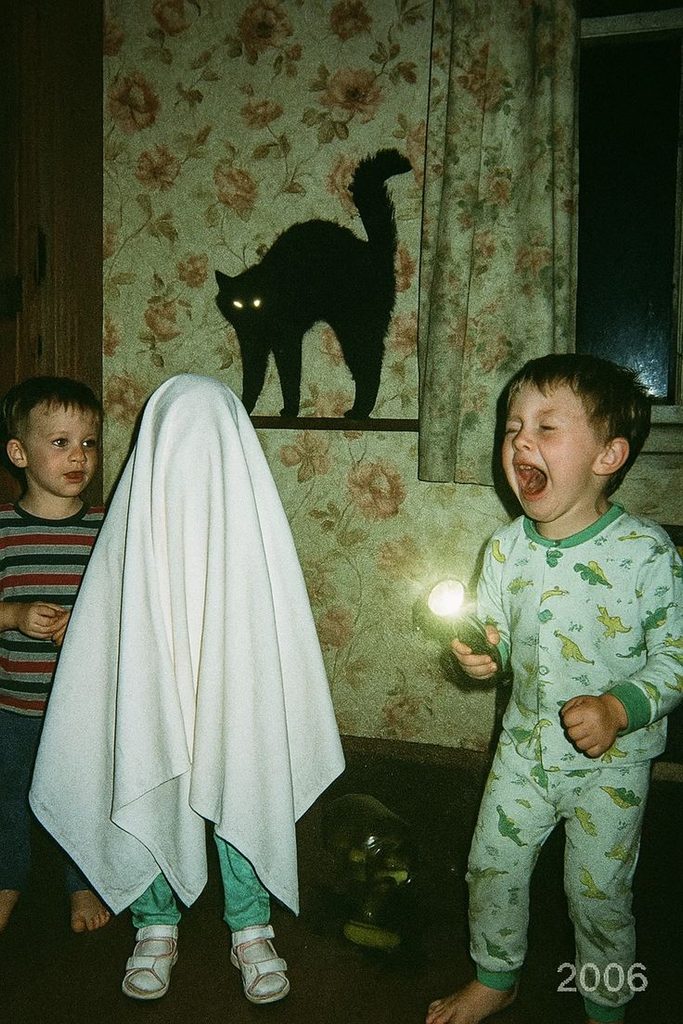
How to Make Halloween Less Scary for Young Children
Why Halloween Feels Scary to Young Kids
Young kids have not learned to separate pretend from real just yet. A mask over a familiar face can feel like a real change to them.
Fake blood, sudden loud noises, and strangers at the door all add to the confusion. None of this means something is wrong with your child.
It simply means their brain is still learning how the world works. Fear at this age is normal, and it usually fades with time and small exposure.
It is worth remembering that fear itself is not a flaw, just a phase. Most kids grow out of it naturally, with a little gentle support along the way.
Kids also pick up on the reactions of adults around them without realizing it. If a parent seems tense or rushed, kids sense that energy fast. Staying calm yourself is one of the simplest ways to help your child feel safe.
Age plays a role too, with toddlers often reacting more strongly than older kids. A three-year-old and a seven-year-old rarely respond to the same scary costume the same way.
Understanding where your child sits developmentally helps you set fair expectations.
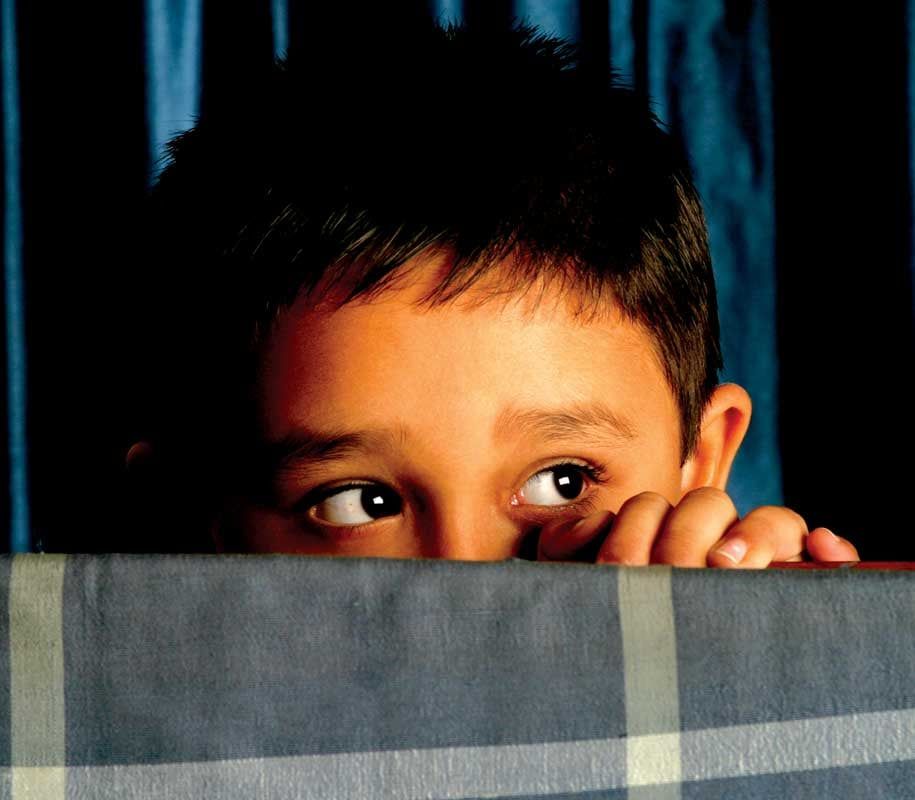
Common Triggers Worth Knowing About
Masks are one of the biggest triggers, since they hide a familiar face completely. Loud, sudden sounds like screams or growls can startle young kids fast.
Fake blood or injury makeup often looks too real for a young child to process. Strangers approaching the door, even in daylight, can feel unsettling too.
Knowing these triggers ahead of time helps you plan around them. You cannot remove every scary thing from the season, but you can reduce exposure.
Sudden movement is another trigger many parents overlook completely. A costumed figure jumping out from behind a bush can startle any young child. Try to warn your child about this possibility before you head outside together.
Crowds themselves can also feel overwhelming, separate from any single scary sight. A busy street full of people in costumes adds up fast for a young child. Sometimes the fear is not about one thing, but the whole noisy scene together.
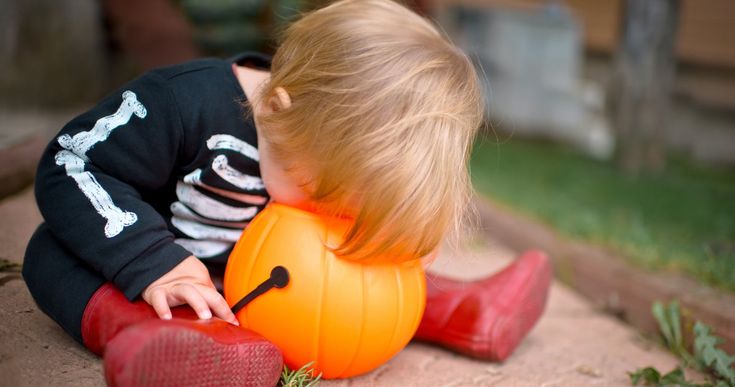
Talk About It Before Halloween Arrives
A simple conversation days before Halloween goes a long way. Explain that costumes are just for pretend, not something to fear.
Use calm, simple words that match your child’s age and understanding. Let them ask questions, and answer honestly without adding extra detail.
This talk works best a few days ahead, not right before you leave the house. Kids need time to process new information, not a rushed explanation at the door.
Use a picture book or a short video if your child responds well to visuals. Seeing friendly, cartoon versions of Halloween can soften the whole idea. Repeat the conversation more than once if your child seems to need it.
Answer their questions directly, even the odd ones that seem to come from nowhere. Kids process fear through questions, so treat every question as worth a real answer. This builds trust and shows them Halloween is something they can understand.
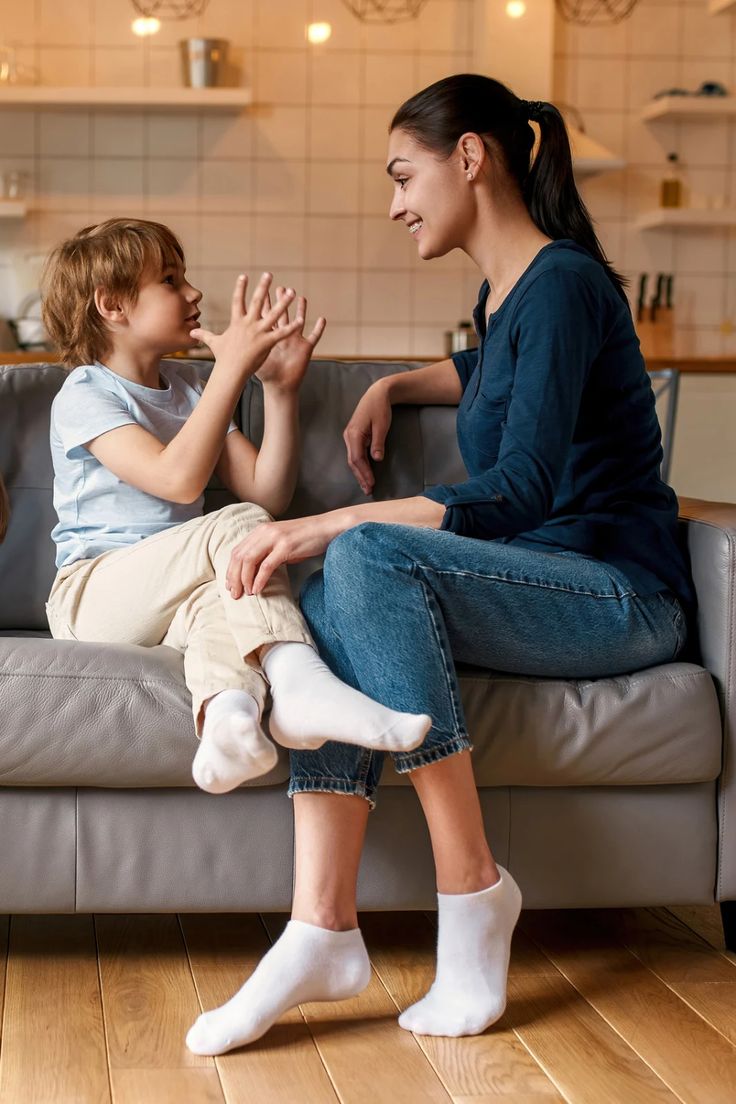
Let Them Watch From a Distance First
Do not force your child into the middle of Halloween activities right away. Let them watch other kids trick-or-treat from a window or porch first.
Distance gives them a sense of control over how close they get. Over time, most kids naturally want to join in on their own.
Pushing a scared child too fast usually backfires and increases the fear. Patience here pays off far more than pressure ever will.
Some kids like to watch for several minutes before deciding they want to join in. Let them set the pace, even if it means standing on the porch a while. There is no rush, and no wrong amount of time to wait.
Narrate what you see together while watching from a distance, in a calm voice. Point out the fun parts, like a friendly costume or a decorated porch. This helps shift their focus from fear toward simple curiosity instead.

Practice at Home Ahead of Time
Try a small dress rehearsal a few days before the actual night. Knock on your own front door and hand out a treat as practice.
Let your child try on a costume in a calm, familiar setting. This turns something unknown into something familiar and safe.
You can also practice with a mirror, so they see themselves in costume first. Seeing their own reflection often feels less scary than seeing someone else’s costume.
Practice knocking on a few doors of relatives or close friends before the real night. Familiar faces answering the door make the whole idea feel much less strange. This small rehearsal builds real confidence before the actual event arrives.
Role-play both sides of the interaction, letting your child be the one handing out candy too. This helps them understand the full exchange from both angles. Kids who understand the whole routine tend to feel far less nervous about it.
Choosing Costumes That Do Not Scare Them
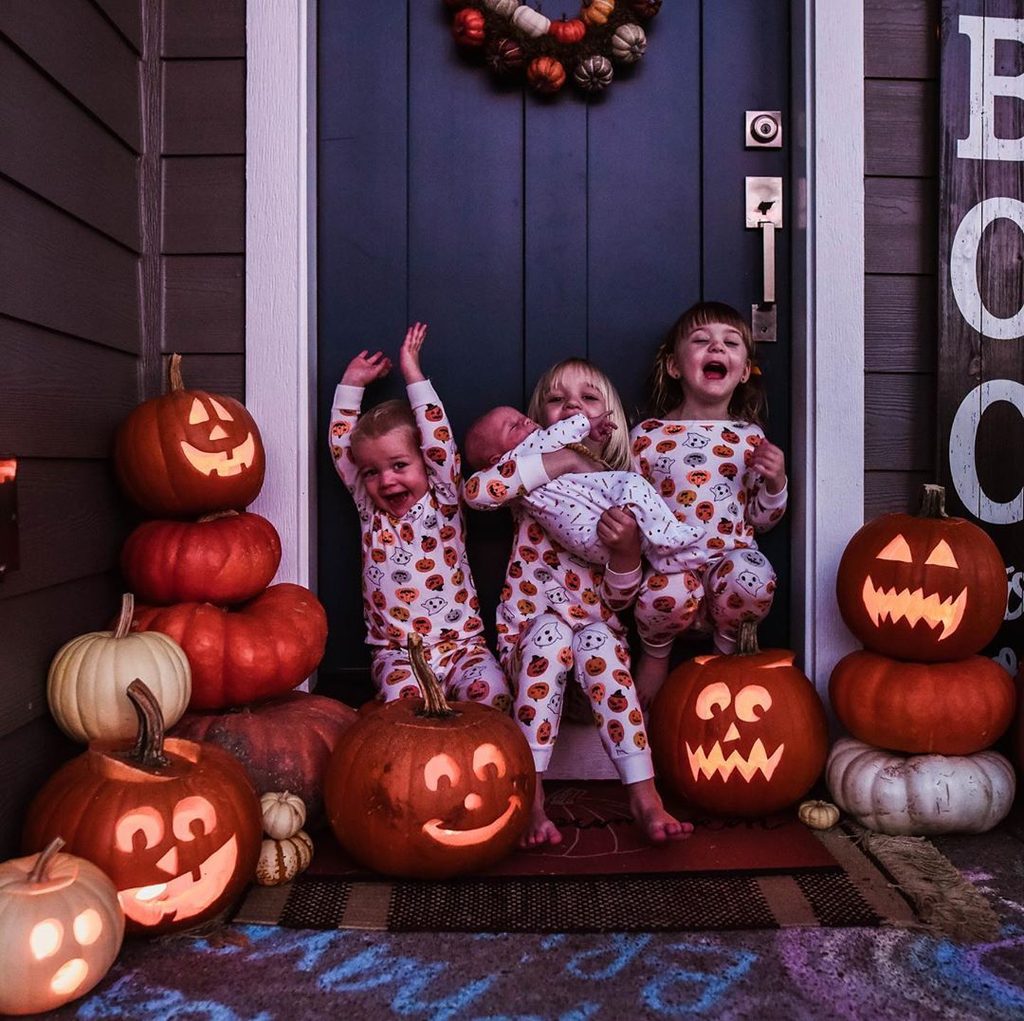
Bright, friendly costumes work far better than dark or gory ones for sensitive kids. Skip masks entirely if your child struggles with them, and use face paint instead.
Let your child pick something they already love, like an animal or a favorite color. Comfort and familiarity matter more than a trendy costume choice.
Want a deeper look at picking the right costume? See how to choose a Halloween costume your child will love. It covers comfort, safety, and how to avoid a last-minute meltdown too.
Let your child try on a few different options before committing to one. Watching their reaction closely tells you far more than asking them directly. A relaxed face and easy movement are strong signs you have found the right fit.
If a costume has any part that scares your own child specifically, remove it. A removable hood, a detachable cape, or a swapped-out mask all work as fixes. Small adjustments like these can turn a rejected costume into a favorite one.
Skipping Overly Spooky Decorations
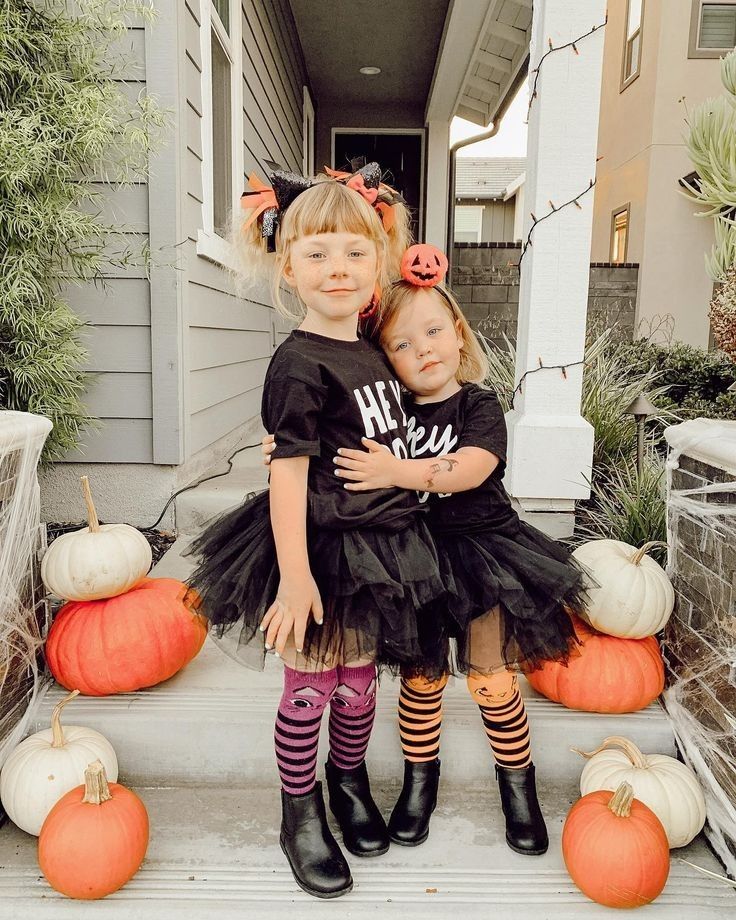
Not every decoration needs to be part of your Halloween season. Skip the jump-scare props, loud speakers, and gory yard displays this year.
Choose simple, friendly decorations instead, like smiling pumpkins or soft string lights. Save the more intense decorations for years when your child feels ready.
If you are hosting other kids this year, keep decorations gentle for the whole group. Our post on how to throw a kid-friendly Halloween party at home has more ideas along these lines.
It covers decoration choices that work well for sensitive kids too.
Ask your child directly which decorations feel fun and which feel scary. Kids often have clear opinions once you give them the chance to share. Their feedback makes future Halloween planning much easier for the whole family.
Rotate in slightly bolder decorations gradually, once your child seems ready for them. There is no need to jump from calm to intense in a single year. Small, gradual changes tend to build comfort faster than sudden shifts.

Trick-or-Treating at Their Own Pace
Some kids are ready for a full night of trick-or-treating, others are not. Start with just a few houses, ones you already know well.
Let your child decide when they are done, without pushing for more. A short, positive outing beats a long, overwhelming one every time.
For a full walk-through on planning the night itself, check how to plan a fun and safe trick-or-treat night. It covers routes, timing, and pacing that work well for nervous kids too.
Street safety still matters, no matter how slow or short the outing is. Our guide on how to keep kids safe while trick-or-treating covers the basics every family needs.
Reflective gear and staying close both help a nervous child feel more secure too.
Give Them a Job to Do
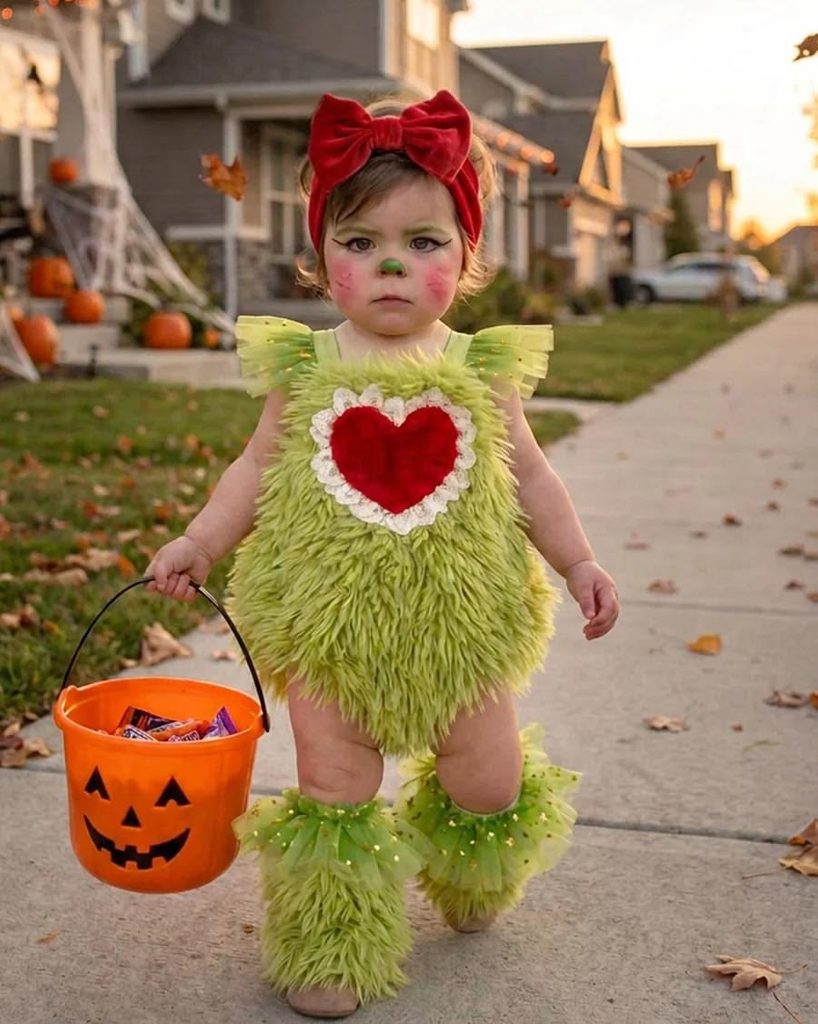
Handing your child a small task can ease nerves during trick-or-treating. Let them hold the treat bag, or knock on the door themselves.
Having a role gives them something to focus on besides the fear. It also builds a small sense of confidence with each house they visit.
Praise small wins along the way, like knocking on a door for the first time. Kids respond well to specific praise, not just a general “good job” comment. This keeps their motivation up through the rest of the outing.
A Calm Home Party as an Alternative
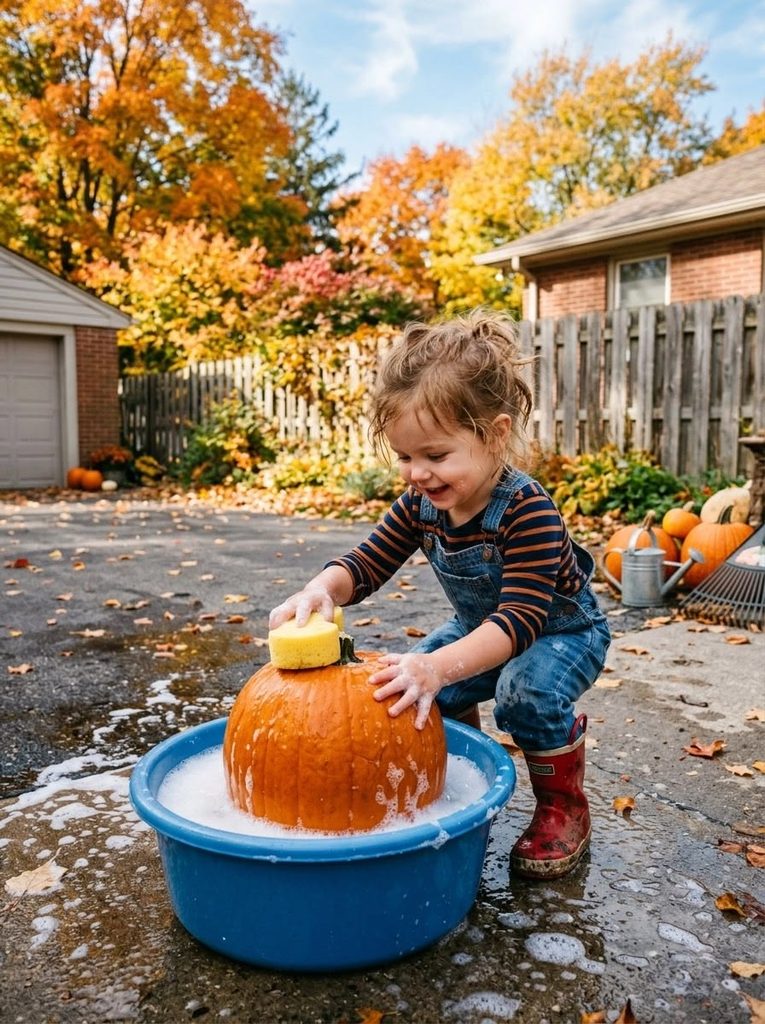
Some families skip the outdoor night altogether, and that is a perfectly fine choice. A small, quiet party at home can feel far less overwhelming.
You control the noise, the guests, and the pace of everything. This works especially well for kids who struggle with crowds or strangers.
Keep the group small and the activities gentle if you go this route. A calm setting helps sensitive kids enjoy the day without added stress.
Familiar friends, soft lighting, and simple games make a home party feel safe. There is no pressure to visit strangers or walk in the dark. For many sensitive kids, this version of Halloween feels far more enjoyable overall.
You can still include costumes, treats, and small games without any of the outdoor stress. The core fun of Halloween stays intact, just in a setting your child already trusts.

Watching Halloween Movies Together
A cozy movie night can ease kids into the Halloween spirit gently. Choose films made specifically for young children, nothing with jump scares or intense scenes.
Watching together lets you pause and explain anything that feels confusing. It also builds positive associations with the season over time.
Our post on how to host the ultimate Halloween movie night for kids has age-appropriate picks. It also shares tips for keeping the mood light and comfortable throughout.
Sit close during the movie, so your child feels supported through any tense scenes. Ask questions during the film to check how they are feeling in the moment. This turns screen time into a shared, comforting experience rather than a passive one.
Keep the remote nearby, ready to pause or skip any part that feels too intense. Giving your child that control, even briefly, adds to their sense of safety.

A Gentle Pumpkin Patch Visit
A pumpkin patch trip offers a low-pressure way to enjoy the season. There are no masks, no strangers in costume, and no sudden scares involved.
It is a great option for kids who need a softer entry into Halloween. Let them pick their own pumpkin at their own relaxed pace.
Check out everything you need for the perfect pumpkin patch day for planning tips. It covers timing, packing, and how to make the outing stress-free for everyone.
Outdoor spaces like this tend to feel open and calm compared to a crowded street. Fresh air and open fields give anxious kids room to breathe and relax. Many families find this outing works even for kids who avoid Halloween otherwise.
There is also less pressure to interact with strangers at a pumpkin patch. Your child can explore at their own pace, without knocking on doors or wearing a costume. This makes it a great low-stress warm-up earlier in the season.

What to Do If They Cry or Refuse
If your child cries or refuses to take part, do not force the moment. Step back, offer comfort, and try again another day if needed.
Forcing a scared child rarely leads to a good outcome for anyone. Patience and repeated small tries work far better than one big push.
My sister dealt with this exact thing with her youngest a few years back. He refused to leave the porch the first year, and that was fine. By the following year, he was leading the way down the street.
That kind of progress is common, even when it feels slow in the moment. Try not to compare this year’s reaction to a sibling’s or friend’s experience. Every child works through fear on their own timeline, and that is completely fine.

Involving Trusted Family and Friends
Familiar faces make Halloween feel safer for anxious kids. Ask a grandparent, aunt, or close friend to join the outing if possible.
A trusted adult nearby gives extra comfort during an already overwhelming night. Kids often feel braver with someone they know well close by.
Keep the group small though, since too many people can add to the noise. The goal is comfort, not a bigger crowd around your child.
If your child has a favorite cousin or grandparent, invite them along if possible. Familiar company often does more to ease fear than any planning trick. Sometimes comfort comes simply from having the right person nearby.
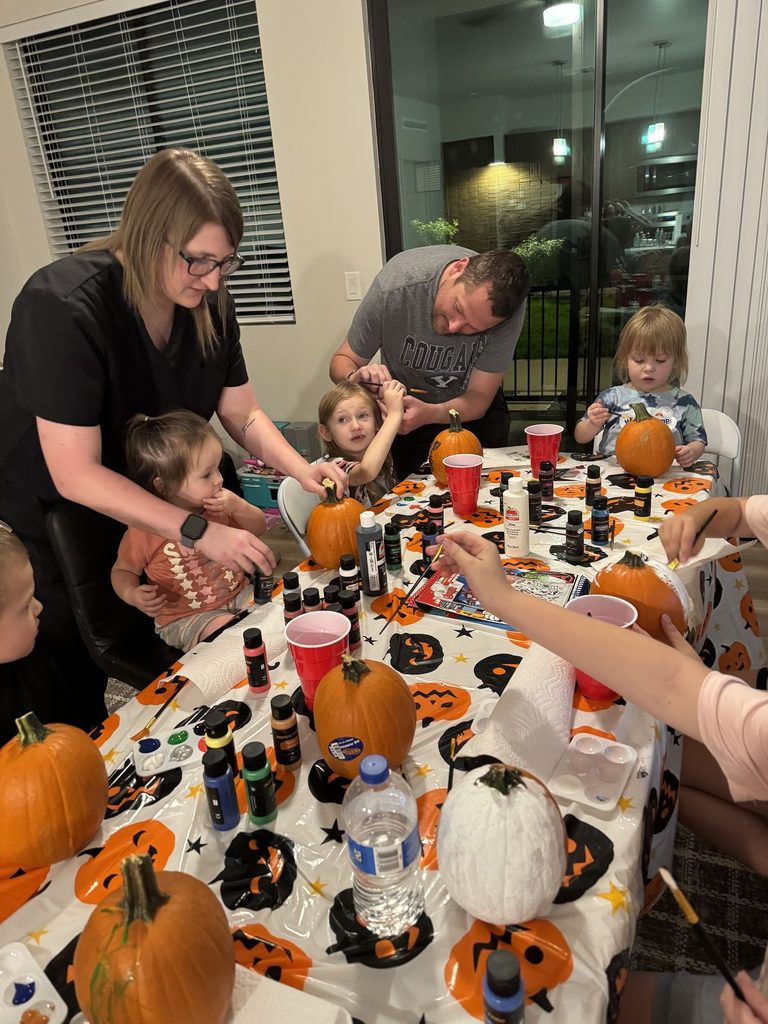
Building Confidence Year by Year
Fear around Halloween usually fades naturally as kids grow older. Each year, small positive experiences build more confidence for the next one.
Do not worry if progress feels slow at first, it usually is. Consistency matters more than speed when it comes to easing fear.
Over time, some families turn this gentle approach into its own tradition. Our post on how to create a memorable family tradition has ideas for building habits like this. What starts as a coping strategy can become a favorite yearly ritual.
Look back at last year’s Halloween each time the season comes around again. Small notes about what worked well help guide your plan for the current year. This turns each Halloween into a small step forward, not a fresh challenge every time.
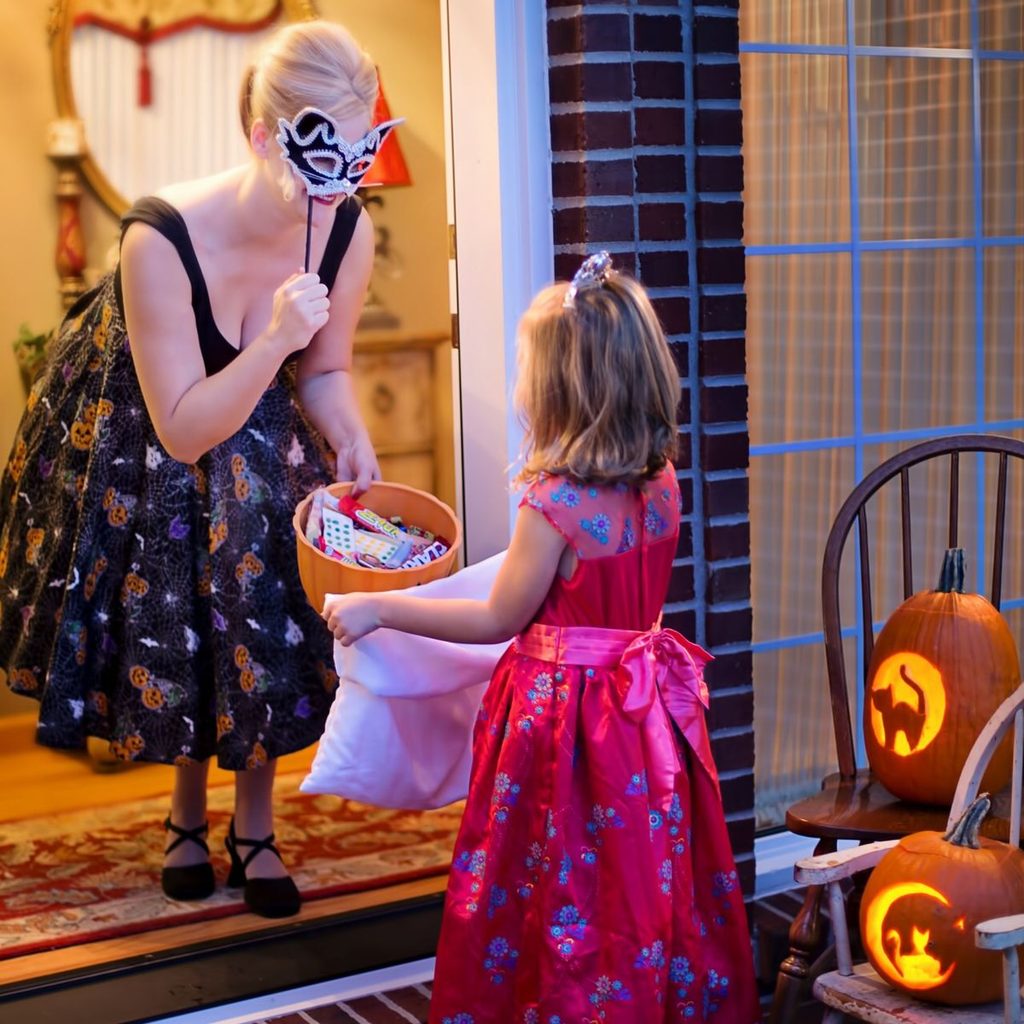
Safety Still Matters, Even for a Calm Night
A quieter Halloween approach does not mean skipping safety basics. Stay close to your child the entire time, regardless of how calm the night feels.
Check candy carefully, and use reflective gear if you go out after dark. For the full safety picture, read Halloween Safety Tips Every Parent Should Know.
Comfort and safety work together, not against each other, throughout the season. A calm child is often a safer child too, since fear can lead to sudden, unpredictable movement.
Keeping both in mind gives your child the best version of Halloween possible, one built on trust rather than pressure.
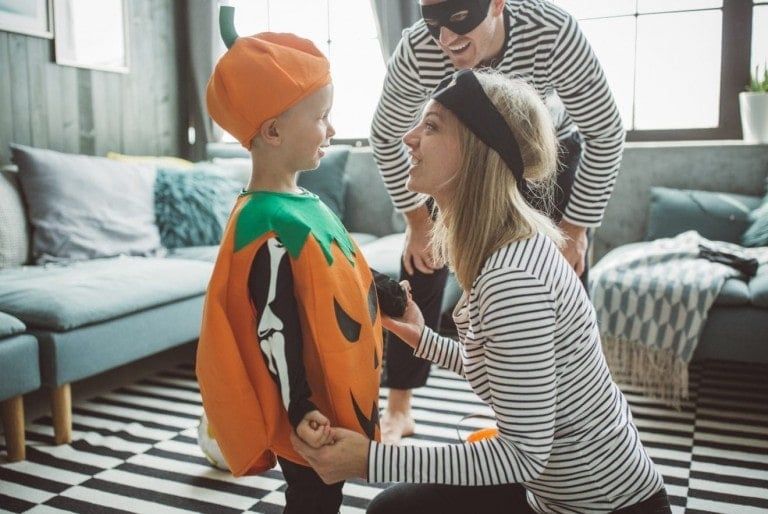
When Siblings React Differently
It is common for one child to love Halloween while another feels scared of it. Avoid comparing the two directly, even if it feels natural in the moment.
Let the braver sibling enjoy the fun without holding them back for the other. At the same time, give the nervous one space to go at their own pace.
Older siblings can actually help here, if you guide them gently. A short explanation like “your brother needs a little more time” builds understanding early. This teaches patience and kindness, alongside helping the scared child feel supported.
Celebrate small progress from the nervous child, without making it a big public moment. A quiet word of encouragement often means more than a loud announcement in front of others.
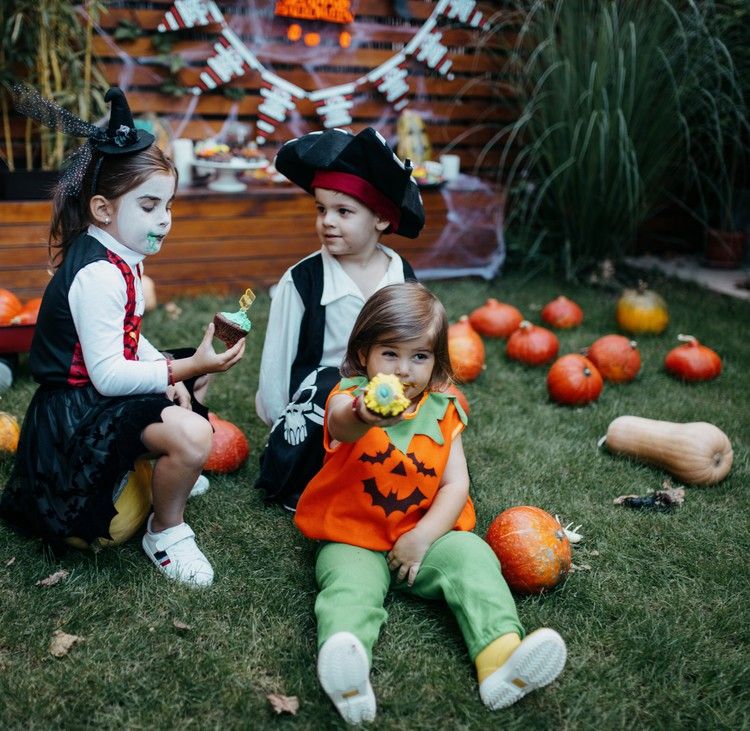
Common Mistakes Parents Make With Scared Kids
Some parents push too hard, hoping exposure will fix the fear quickly. Others avoid Halloween completely, which can make the fear feel bigger over time.
The middle ground, small steady exposure, tends to work best for most kids. Avoid comparing your child to other kids who seem more comfortable already.
Every child moves at their own pace, and that pace deserves respect. There is no prize for being ready sooner than another child.
Another mistake is waiting until the last minute to address the fear at all. Starting preparation early gives your child more time to feel ready. A rushed approach the night before rarely helps a genuinely nervous child.
Some parents also assume the fear will simply disappear with age, without any support. While it often does fade, gentle guidance speeds up the process considerably. A little help now makes future Halloweens easier for both you and your child.

Final Thoughts on Easing Halloween Fears
Halloween does not have to feel scary for your child, even if it does right now. Small steps, patience, and a bit of planning go a long way.
Some years will feel easier than others, and that is completely normal. What matters most is following your child’s own pace, not a set schedule.
With time, most kids grow to love the very things that once scared them. Stay patient, stay calm, and let the fun build slowly, one small step at a time. The goal is not a perfect Halloween this year, but a slightly easier and calmer one than last.
Leave a Reply