The excitement kids have anytime they hear about a party with their fellow kids cannot be explained in words. Their eyes light up, and the questions start right away. What games will we play? Can I wear my costume the whole time?
Throwing that party at home takes a bit of planning, but it is not complicated. You do not need a huge budget or a fancy setup to pull it off. It just takes a bit of thought and a willingness to keep things simple. Still working on your full Halloween plan? Our Ultimate Parent’s Guide to Halloween with Kids is a good starting point.
This post walks you through everything, from guest list to games to cleanup. By the end, you will have a clear, simple plan for the big day.
You do not need to be a party planner to pull this off well. Most of it comes down to a few simple choices made early. Once those choices are set, the rest tends to fall into place.
Grab a notebook or open a notes app before you start reading further. Jotting down ideas as you go makes the planning feel less overwhelming later.
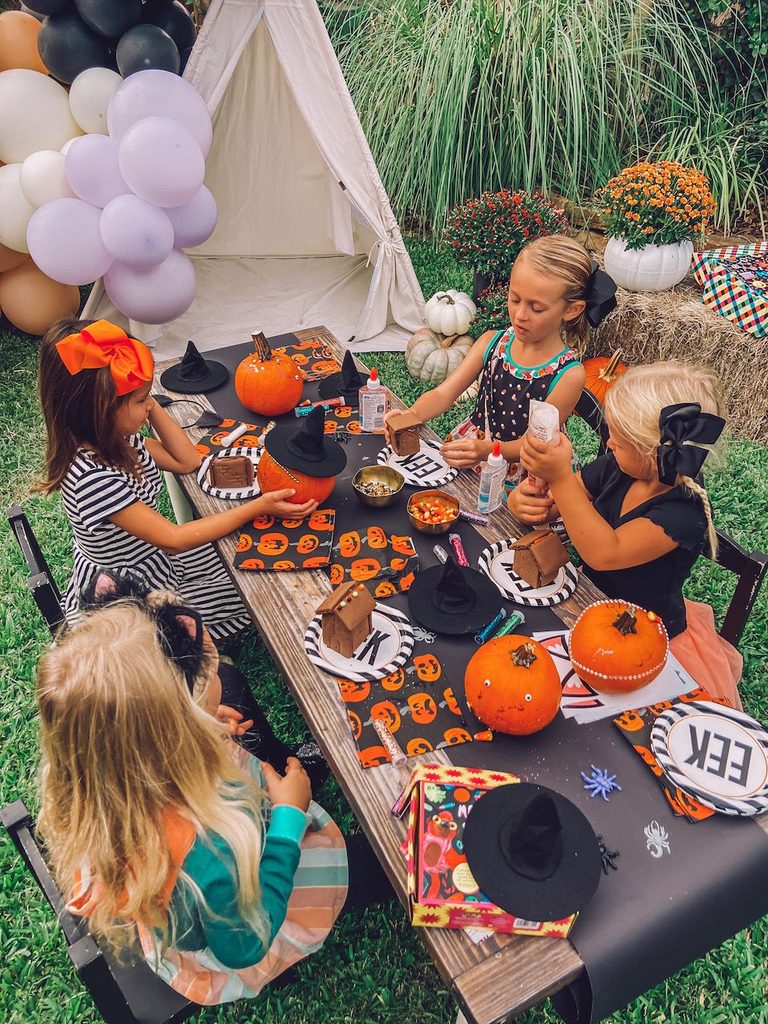
How to Throw a Kid-Friendly Halloween Party at Home
Why a Home Party Works So Well for Young Kids
A home party gives you full control over the space, the noise, and the pace. There are no big crowds, no long walks, and no unfamiliar streets involved.
For younger kids, this often feels calmer and more manageable than a night out. You also get to end the party exactly when your child gets tired.
It works well too if you want to skip trick-or-treating altogether some years. Not every family enjoys that part of Halloween, and a party fills the gap nicely.
A home party also makes it easier to plan around nap times or bedtimes. You choose the start time, the length, and the pace of the day.
For families with a younger child in the mix, this flexibility matters a lot. There is no need to rush anyone out into the cold once the fun starts.
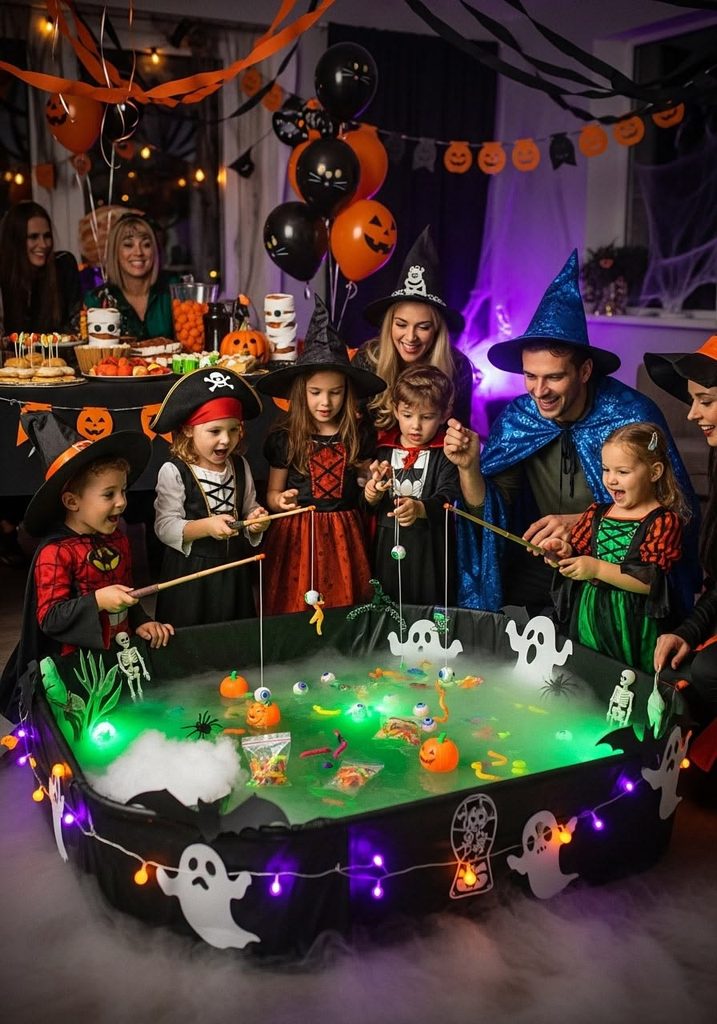
Start With a Simple Guest List
Decide early how many kids you actually want to host this year. A smaller group is often easier to manage, especially for younger children.
Think about your child’s close friends first, then expand if space and energy allow. Ask parents to confirm early, so you know your final numbers ahead of time.
Keep the age range in mind when building the list too. A big gap in ages can make games harder to plan for everyone. Try to keep the group close in age, if you can manage it.
Send out invites at least two weeks before the party date. This gives parents enough time to plan around their own schedules.
A simple message with the date, time, and address usually covers everything needed. Ask for a quick reply so you can plan food and games around final numbers.
A digital group chat works well for quick updates as the date gets closer. It keeps everyone informed without needing several separate messages back and forth.

Pick a Simple Theme to Guide Everything
A loose theme makes decorating, food, and games easier to plan around. It does not need to be complicated, a classic pumpkin or ghost theme works fine.
Once you pick a theme, decorations and snacks tend to fall into place fast. It also gives kids something fun to expect before they even arrive.
If your child already has a costume picked out, that can shape the theme too. Our post on how to choose a Halloween costume your child will love can help with that step. A themed party built around favorite costumes adds extra excitement for the group.
Themes also make shopping for supplies faster and less stressful overall. Once you know the color scheme, plates, cups, and decorations become easy choices. You spend less time browsing and more time actually preparing for the day.
You can even carry the theme into the invitations you send out. A small pumpkin sticker or a ghost drawing sets the tone right away.

Setting Up the Space Without Overdoing It
You do not need elaborate decorations to make the party feel special. A few pumpkins, some string lights, and simple paper cutouts go a long way.
Keep decorations at a level your youngest guest can handle without fear. Save the scarier, more intense decorations for an adults-only space, if you have one.
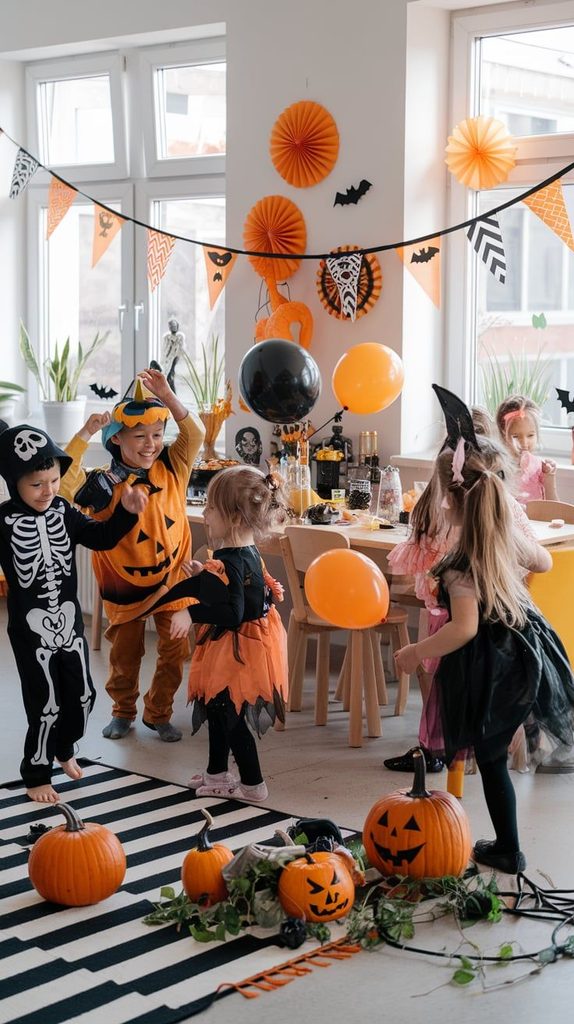
Clear out a bit of open floor space for games and movement. Kids need room to run around, especially during group activities. Push furniture to the side if your living room is the main party spot.
Set up different zones for different kinds of activities around the house. A snack corner, a game area, and a quiet space all work well separately. This keeps the party organized and helps kids know where to go for what.
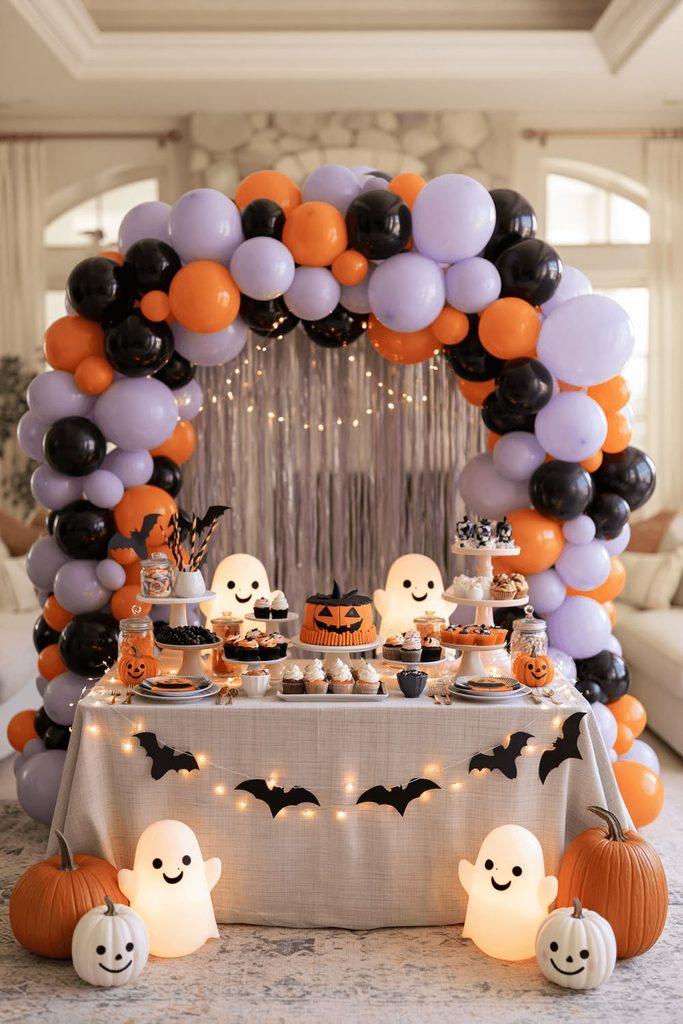
Keep an Eye on Trip Hazards
Halloween decorations sometimes create trip hazards without anyone noticing right away. Loose cords, low decorations, and scattered props can catch small feet fast.
Walk through the space once before guests arrive, checking for anything low or loose. This quick check prevents a lot of small accidents during the party.
Tape down any loose cords running across the floor before kids arrive. Move breakable decorations up high, out of reach of excited, moving hands. A five-minute safety walk saves you from a lot of stress later on.
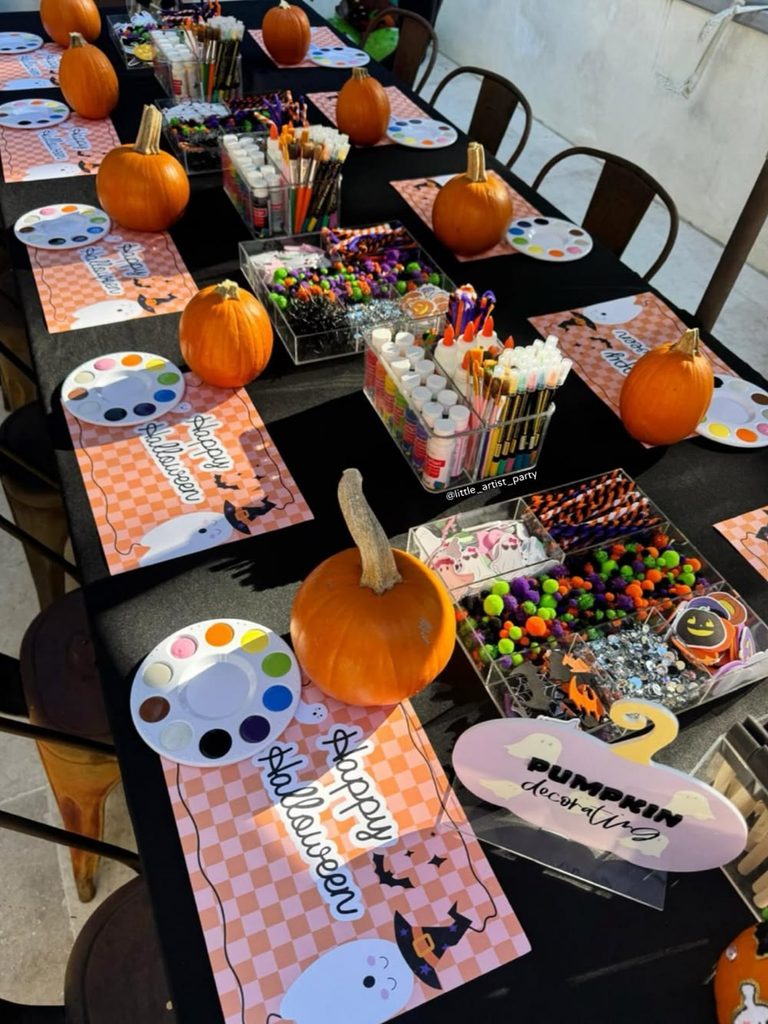
Planning Food Kids Will Actually Eat
Keep the menu simple, and skip anything too fancy or hard to eat quickly. Finger foods work best for a party full of moving, excited kids.
Think mini sandwiches, fruit skewers, and simple snacks shaped like Halloween icons. Save the sugar-heavy treats for a designated candy or dessert table.
Always ask parents about allergies ahead of time, without exception. A quick message before the party avoids a stressful situation later. Label food clearly if any allergens are present in the ingredients.
Keep portions small, since kids tend to eat a little from many plates. Small skewers, bite-sized snacks, and little cups work better than large servings.
This also cuts down on food waste once the party wraps up. Offer water alongside any sugary drinks, especially during active games.
Set snacks out on a low table kids can reach without help. This keeps adults free from constantly serving plates throughout the party.
A self-serve setup works well once kids understand the simple rules around it. Just keep a close eye on younger kids near any hot food or drinks.
Games That Keep Kids Engaged
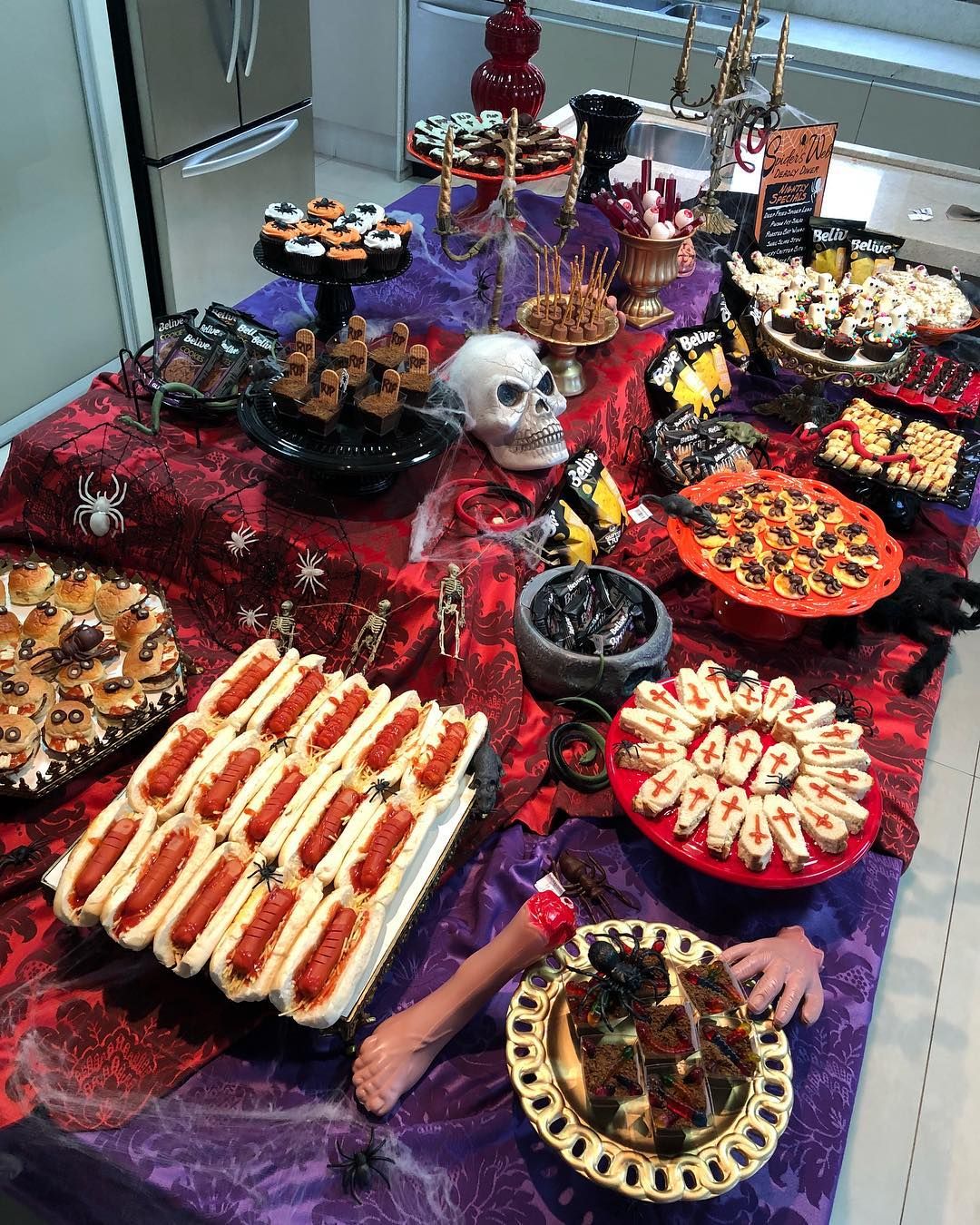
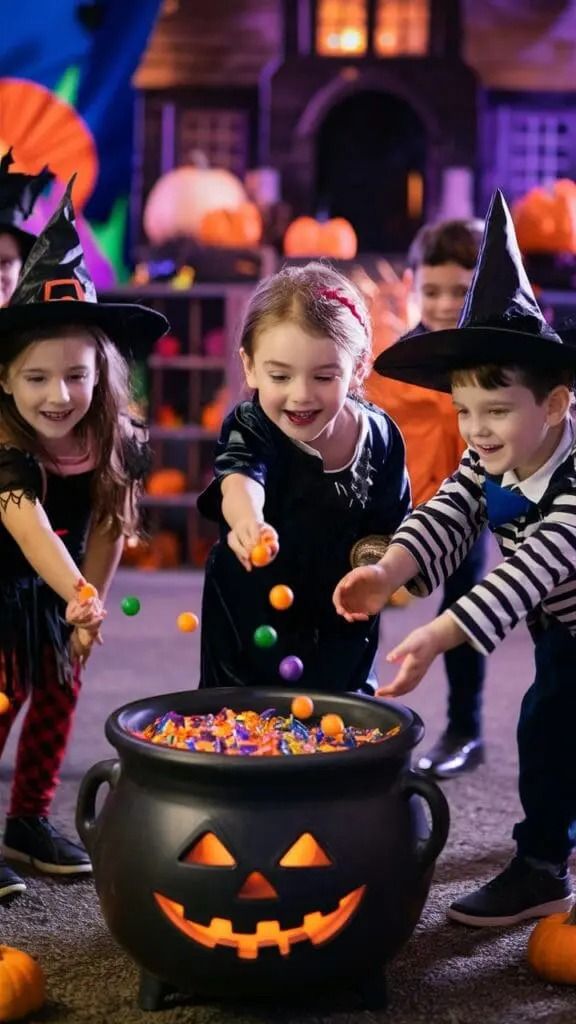
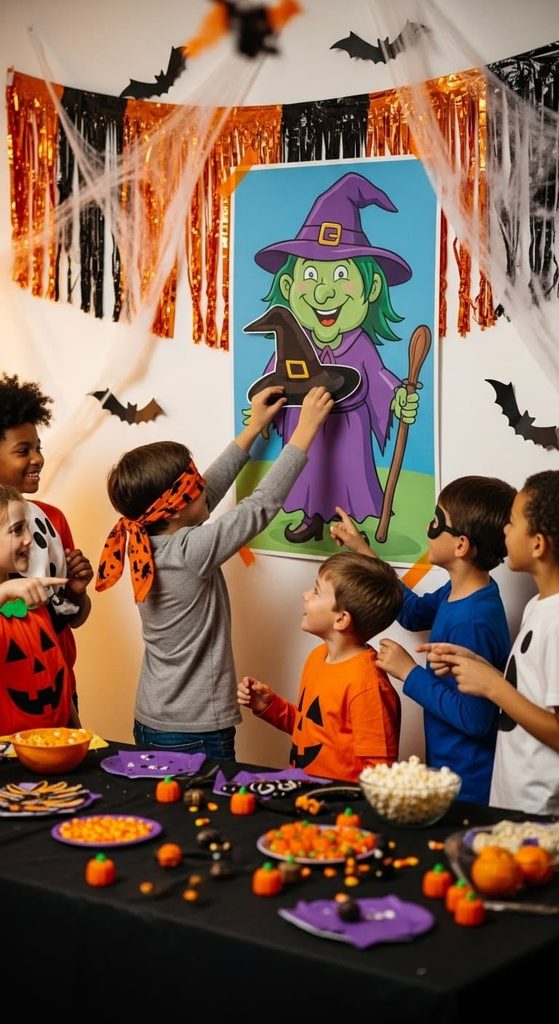
A party with no structured games tends to lose energy fast. Simple games like musical statues or a pumpkin toss keep kids moving and happy.
Aim for games that do not need too much explanation or setup time. Kids lose interest quickly if the rules take too long to explain.
Mix active games with quieter ones to balance the energy in the room. A scavenger hunt works well between more high-energy activities like relay races. Keep prizes small and simple, so no child feels left out of winning something.
Have a backup game ready in case one activity ends faster than planned. Kids move through simple games quickly, often faster than adults expect. A short list of two or three backup ideas keeps the party moving smoothly.
Assign one adult to lead games, so there is no confusion about rules. Kids respond better to one clear voice than several people explaining at once. This also frees up other parents to help with food or watch the younger guests.
Trick-or-Treat Inside the Party Itself
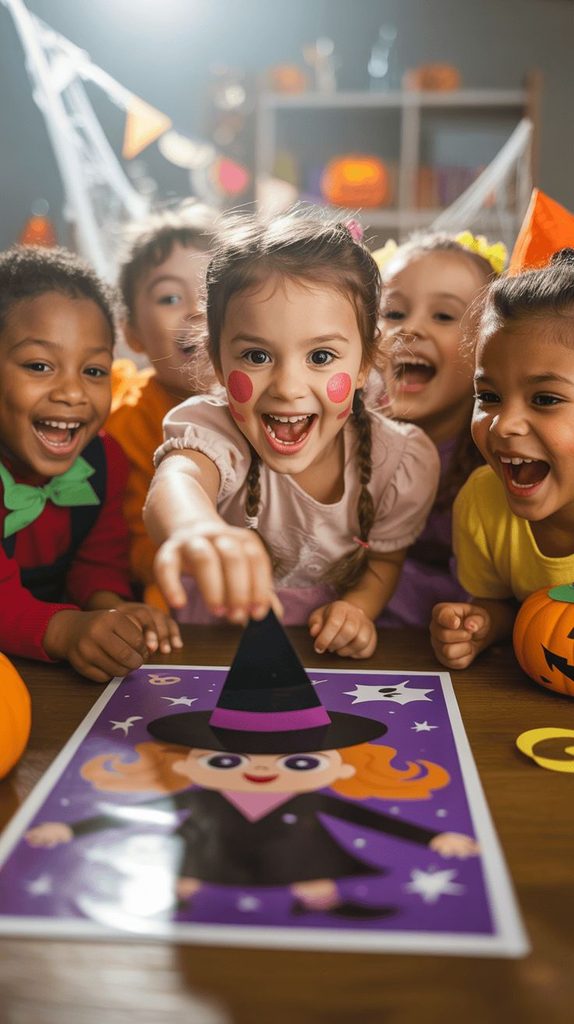
Some parties include a mini trick-or-treat setup within the house itself. Different rooms can act as stations, each handing out a small treat.
This works well for families skipping the actual street trick-or-treat this year. For more on the outdoor version, see how to plan a fun and safe trick-or-treat night.
It also gives younger kids a taste of the tradition in a safer space. There is less walking involved, and no need to worry about traffic or strangers.
Ask a few other parents to help hand out treats at each station. This spreads the work around and keeps the activity organized and fun. Kids enjoy the routine of knocking and asking, even indoors with people they know.
You can also let older kids design their own station with a small decoration. This gives them a sense of ownership over part of the party. Younger siblings often enjoy tagging along, holding the treat bag as they go station to station.
Keeping the Party Safe From Start to Finish
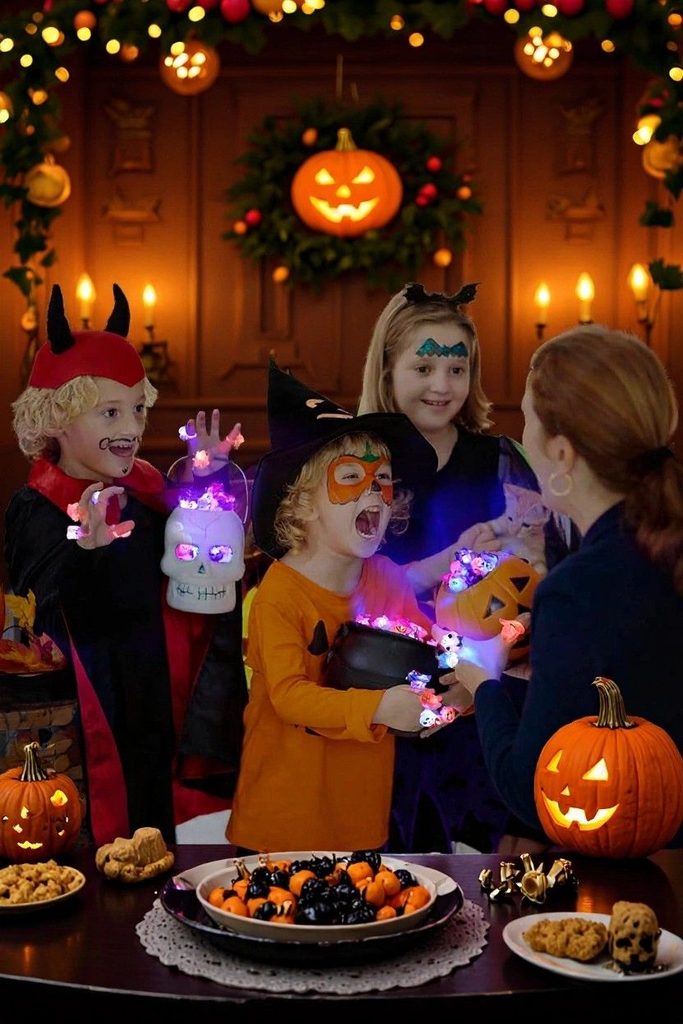
Safety still matters, even inside your own home during a party. Keep an eye on choking hazards from small candy or decoration pieces.
Watch for kids running near stairs, especially if the party runs late into the evening. For a broader safety checklist covering the whole season, read our Halloween Safety Tips Every Parent Should Know post.
Have a first-aid kit nearby, just in case a small scrape happens. Most parties go smoothly, but it helps to be ready regardless.
Keep a rough headcount throughout the party, especially if kids move between rooms. A quick check every so often helps you notice if anyone wanders off. This is especially useful if your party spills out into a yard or porch area.
Keep exits clear and known to every adult present at the party. In a large group, it helps to have more than one adult tracking the kids.
Movie Time as Part of the Party
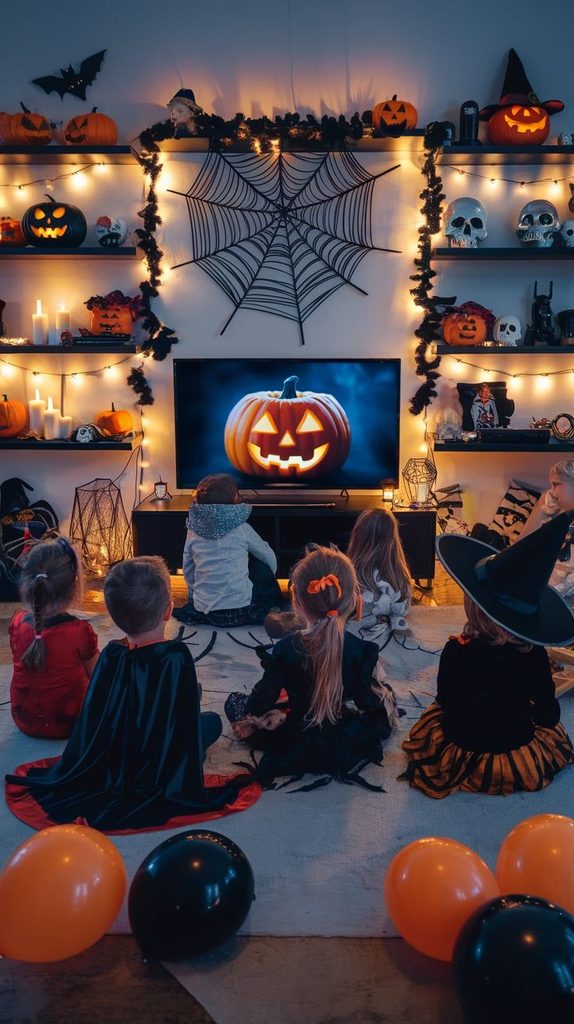
A party does not need to be nonstop games from start to finish. Adding a short movie segment gives kids a calm break in the middle.
Pick something light and age-appropriate, nothing too intense for younger guests. Our post on how to host the ultimate Halloween movie night for kids has great picks for this.
Dim the lights, hand out a small snack, and let the energy settle for a bit. This break also gives parents a moment to relax before the next activity.
Keep the movie segment short, around fifteen to twenty minutes at most. A full-length film can lose younger kids’ attention fast in a party setting. A short clip works well enough to give everyone a proper breather.
Handling Kids Who Get Overwhelmed
Not every child enjoys loud, crowded parties, even ones with friends they know well. Some kids need a quiet corner to step away from the noise.
Set up a small calm space with soft pillows or a favorite toy. This gives an overwhelmed child somewhere to recharge without leaving the party entirely.
If your own child tends to get scared or overstimulated easily, plan ahead for it. Our guide on how to make Halloween less scary for young children offers helpful tips here.
A little preparation goes a long way toward keeping the day fun for everyone.
Check in with quiet kids every so often during the party. A short question like “having fun?” gives them a chance to speak up. Some kids will not ask for a break on their own, so watch for the signs.
Loud sounds, like sudden music or group cheering, can startle sensitive kids fast. Keep volume moderate, and give a small warning before anything loud happens. This small courtesy makes a big difference for kids who are easily startled.
Costume Time at the Party
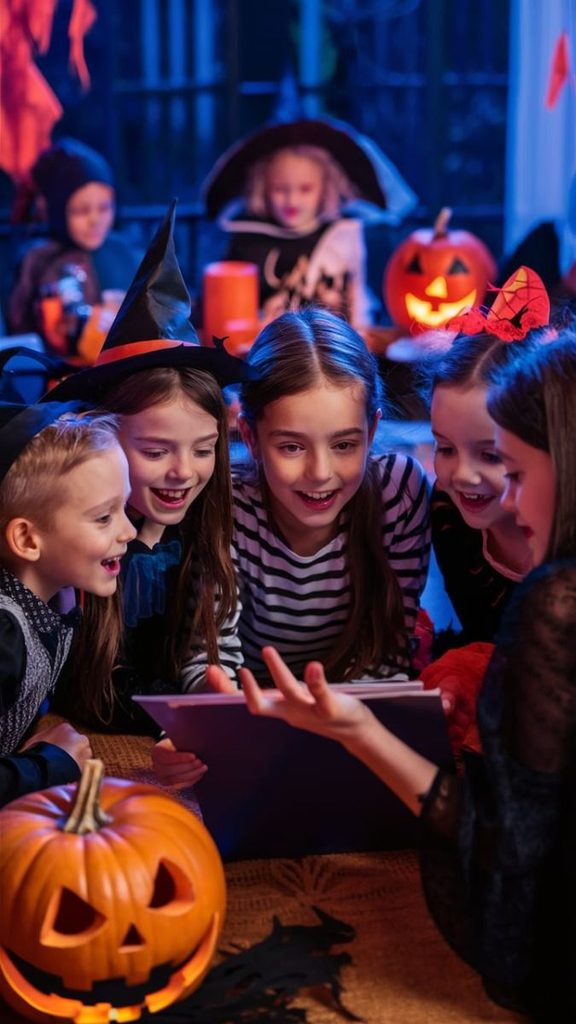
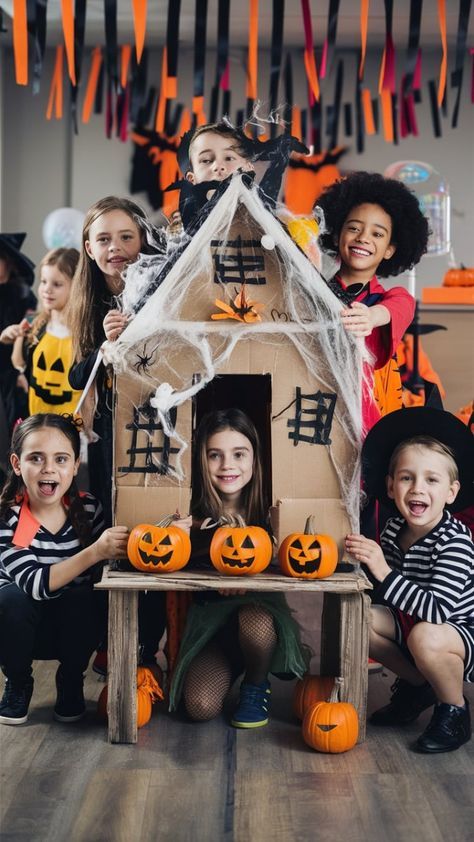
Encourage kids to wear their costumes for the full party, if they are comfortable. It adds to the atmosphere and makes photos more fun for parents too.
Have a few extra accessories on hand, in case someone forgot part of their outfit. A spare hat or mask can save the day for one excited guest.
Some kids get warm quickly while playing in a full costume indoors. Keep the room at a comfortable temperature, and offer water often throughout the party.
Set up a small photo corner with fun props for costume pictures. Kids love posing for photos, and parents appreciate having a few good shots. A simple backdrop, like a sheet with painted pumpkins, works just fine.
A Craft Table for Quiet Moments
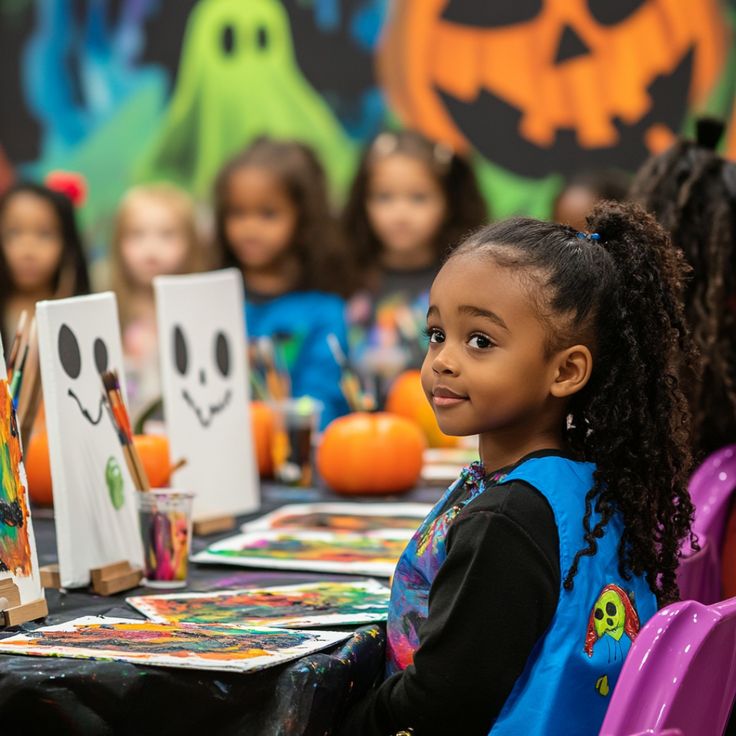
Not every minute of the party needs high energy and loud games. A simple craft table gives kids a place to sit and create something.
Pumpkin coloring sheets or paper mask decorating both work well here. This also gives shy kids an easy way to join in without pressure.
Keep the craft simple enough that no child needs constant help finishing it. A quick, satisfying project works better than something long and complicated.
Set out extra supplies so kids can come back to the table more than once. Some kids enjoy quiet activities so much they return several times during the party. Having enough materials on hand keeps this option open the whole time.
Display finished crafts somewhere visible, like a small string across the wall. Kids love seeing their work on show, even for just one afternoon. It also gives parents something nice to look at during pickup time.
Turning It Into a Yearly Tradition
If the party goes well, consider making it a yearly event for your family. Kids often look forward to repeated traditions more than one-off events.
Small touches, like the same opening game each year, build excitement over time. Our post on how to create a memorable family tradition explores this idea further.
A yearly party also becomes easier to plan the second time around. You already know what worked, and what to skip the next time.
Take a few photos each year to look back on later. Watching your child grow through yearly Halloween photos becomes its own kind of tradition. It also gives you a quick reference when planning the following year’s party.
Wrapping Up the Party Smoothly
Give a short warning before the party actually ends, so kids can prepare. A sudden stop tends to upset younger guests who are still having fun.
A simple closing activity, like handing out small goodie bags, works well here. It gives the day a clear, happy ending instead of a rushed one. Kids handle transitions much better when they see them coming ahead of time.
Thank each child as they leave, and remind parents of pickup details early. A calm ending leaves everyone with a good feeling about the whole day.
Have goodie bags ready near the door before the party even starts. This saves you from a last-minute scramble while parents wait at pickup. A small, thoughtful bag leaves a better final impression than a rushed one.
Fall Outing Ideas Before or After the Party
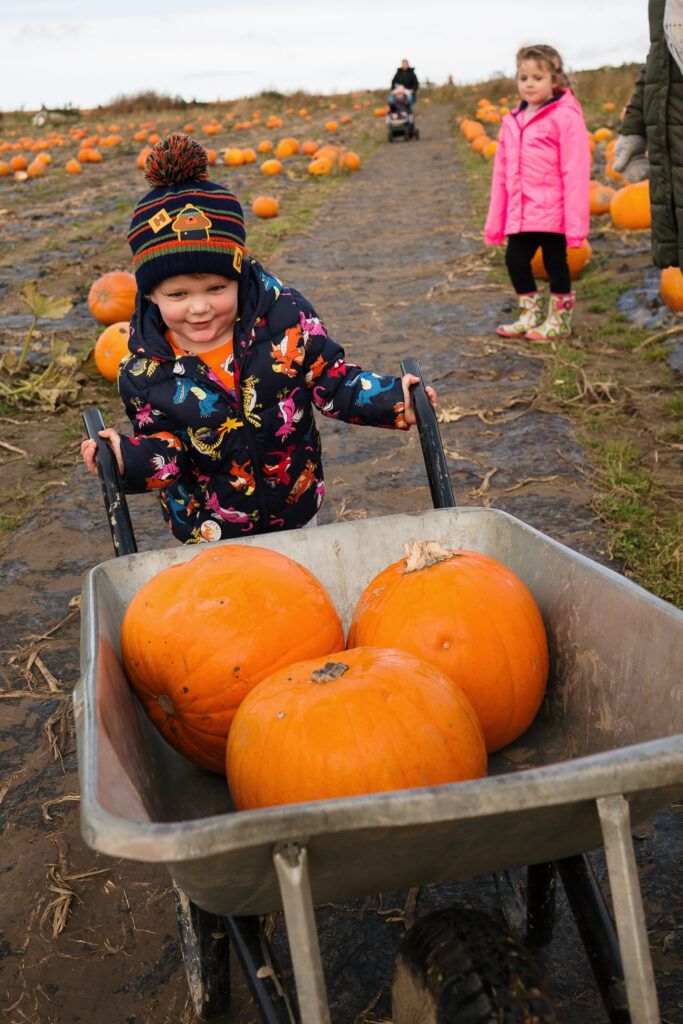
Some families pair a home party with an outdoor outing earlier that same day. A quick trip to a pumpkin patch works well before an afternoon party.
Check out everything you need for the perfect pumpkin patch day for planning tips. Kids arrive at the party already excited from a full, fun morning.
Keep the outing short if a party is planned for later that same day. Tired kids do not enjoy party games as much as rested ones do.
Time the outing for the morning, so kids have time to rest before the party. A short nap or quiet break in between helps reset their energy. This small gap between activities makes the whole day feel less rushed.
Safety Reminders for the Walk Home or Drive
If some guests will trick-or-treat after the party, safety still applies on the way out. Remind parents about basic street safety before kids head out the door.
Our post on how to keep kids safe while trick-or-treating covers this in full detail. A quick reminder at pickup time keeps the whole evening safer for everyone.
Involving Parents Who Stick Around
Some parents may choose to stay through the whole party, especially for younger kids. Give them something small to help with, rather than leaving them idle.
Handing out snacks or running one game keeps everyone engaged and useful. It also builds a nice sense of community among the parents present.
A short chat area near the party, but not in the middle of it, works well. This lets parents talk among themselves while still keeping an eye on their kids. Coffee or a warm drink for the adults adds a nice touch too.
Even indoor parties sometimes need a plan for extra guests spilling outside. If your original plan included a yard or porch, have an indoor backup ready.
Rain or sudden cold can change plans quickly during the fall season. Check the forecast a day or two ahead, just to be safe. A backup plan takes ten minutes to think through but saves real stress later.
Keep a few extra activities in reserve in case everyone stays inside longer than planned. This avoids a restless moment if outdoor space suddenly is not usable.
Final Thoughts on Hosting a Kid-Friendly Party
A great Halloween party does not need to be big or expensive to work. Simple food, a few games, and a warm space are usually enough.
Kids remember how the day felt, not how much money went into it. Keep things relaxed, watch the energy in the room, and adjust as you go.
The best parties come from parents who stay calm and flexible throughout the day. Your child will remember the fun, and so will their friends. Years from now, this small home party might become their favorite Halloween memory.
Start small this first year, and build on what works best for your family. Every family’s version of a great party looks a little different, and that is fine.
Leave a Reply