The rain is hammering the windows, it is barely ten o’clock, and someone has already announced that they are bored. Every parent knows that sinking feeling, because the whole long day stretches ahead with nowhere to go and nothing planned.
Here is a secret that experienced parents rely on: the best rainy days are often the ones nobody planned. Some of the happiest childhood memories begin with a gray sky, a soggy afternoon, and one wonderfully silly idea.
This list gives you thirty-one of those ideas, and every single one needs almost no preparation at all. You will not need to shop, print, or search every cupboard for hidden special supplies. Pillows, paper, spoons, socks, and a little imagination are enough to turn a dull day into a good one.
For even more ideas, see 17 Screen-Free Activities for Kids Who Are Bored at Home. Each idea includes what you need, how to start, and a simple way to make it last longer. Some activities suit toddlers, some suit older children, and many work for the whole family together.
Pick two or three before the weather turns, and you will always have a plan waiting. Keep this page handy, because you never know exactly when the clouds will gather overhead. So listen to the rain, take a deep breath, and let the first activity begin.

31 Rainy Day Activities for Kids That Need Almost No Preparation
1. Build a Blanket Fort in the Living Room
A blanket fort is the ultimate rainy day classic, because it turns the living room into a secret hideout. You only need a few blankets, some chairs, and cushions to hold the edges down.
Drape the blankets over the chairs, weigh the corners with books, and leave a small doorway. Toss in pillows and a flashlight, and the fort quickly becomes the coziest room in the house.
For a full overnight version, follow How to Create an Indoor Camping Adventure for Children.
Older children can design tunnels and secret rooms, while toddlers simply enjoy crawling in and out. Keep the structure low and stable, and never allow children to climb on the roof.

2. Hold an Indoor Treasure Hunt
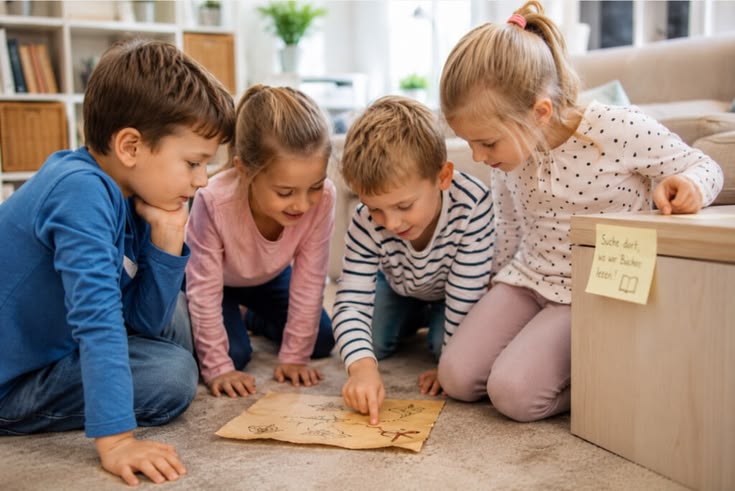
A treasure hunt turns an ordinary house into an exciting map full of hidden surprises. Tear a few sheets of paper, write simple clues, and hide them around the rooms.
Put a small treat, like a sticker or a favorite snack, at the very end.
To draw a proper map, read How to Make a Home Treasure Map for a Children’s Adventure.
Use pictures instead of words for toddlers, and riddles for children who already read well. Let your child hide the clues next, and the game starts all over again happily.
A twenty-minute hunt feels long to a child, yet it takes you only five minutes to prepare.
3. Make an Obstacle Course From Cushions
An obstacle course gives restless legs a place to run, jump, and crawl without leaving the house. Line up cushions to jump over, place a chair to crawl under, and roll a towel to balance on.
Time each run with a kitchen clock, and let children try to beat their own record.
For a game-inspired version, try How to Build a Minecraft-Inspired Obstacle Course in Your Living Room.
Remove sharp objects, and keep every jump low so nobody lands badly on a hard floor. Change one station every few runs, and the same course feels brand new again to them.
Ten minutes of this can wear out a child better than any lecture about calming down.

4. Put On a Puppet Show
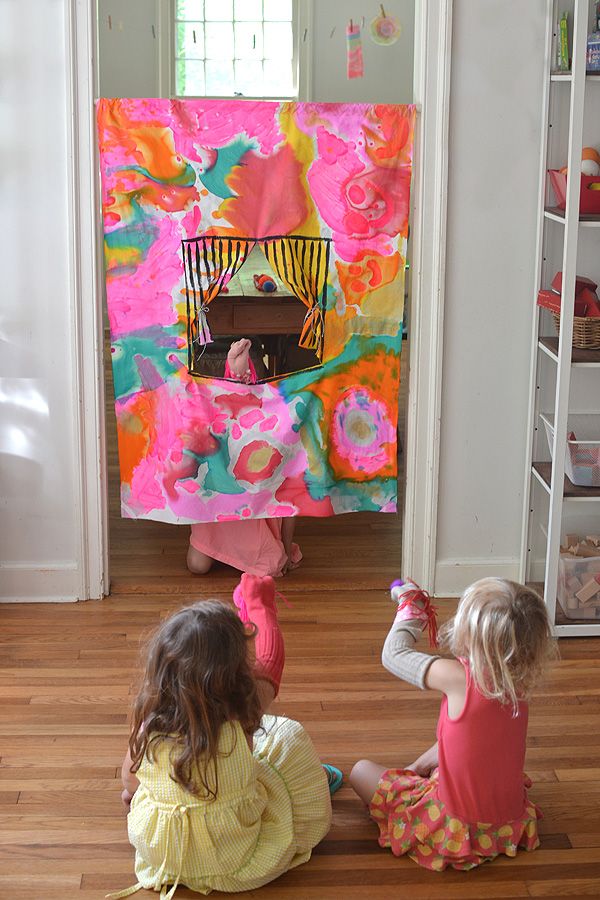
Puppets give shy children a brave voice, and a rainy afternoon is the perfect stage for them. Draw faces on old socks, paper bags, or even your own fingers, and the cast is ready.
Hang a blanket over a table to make a stage, and let the performers hide behind it.
More detailed steps appear in How to Set Up a Simple Puppet Show Activity for Kids.
Younger children usually enjoy waving puppets and making animal sounds, while older ones prefer a full story. Invite family members to sit as the audience, and finish with a loud round of applause.
Acting out a favorite book is an easy way to start when ideas run dry.
5. Open a Pretend Store
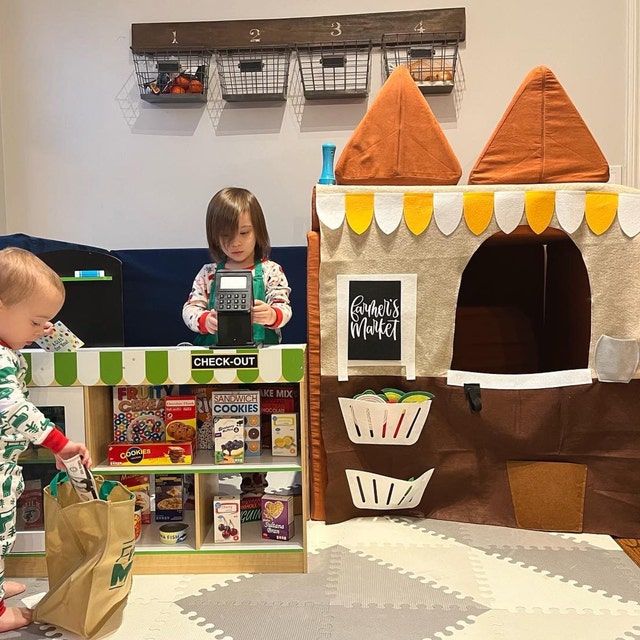
A pretend store lets children play grown-up while quietly practicing counting, sorting, and polite conversation. Gather empty boxes, clean cans, and small toys from around the house, and arrange them on a table.
Write simple price tags on scraps of paper, and use buttons or paper squares as money.
A fuller setup guide is in How to Set Up a Pretend Grocery Store for Kids at Home.
One child plays the shopper while the other runs the till, and then they swap roles. Stuffed animals make wonderful customers, and they never complain about the prices or the long queue.
Pack everything into one box afterward, and the shop can reopen on the next gray day.
6. Dig for Toy Fossils in a Tray
Digging for treasure is surprisingly calming, and a simple tray can bring the experience indoors. Fill a large tray with dry rice, oats, or sand, and bury small toys inside.
Give children a spoon and a brush, and let them uncover each hidden object slowly.
For a dinosaur version, follow How to Create a Dinosaur Dig Activity Using Sand and Toy Fossils.
Place the tray on a large sheet, so spills are easy to sweep up afterward. Supervise toddlers closely, since small toys and loose grains can end up in curious mouths.
Sorting and counting the finds at the end adds a little learning without any pressure.

7. Hold a Superhero Training Session
Superhero training turns bored children into brave heroes who must complete important missions before dinner. A towel tied around the neck makes an instant cape, and a paper mask completes the costume.
Create simple missions, like rescuing a toy from the sofa or crossing a floor of lava.
More training missions and costume ideas await in How to Create a Superhero Training Course for Kids.
Give each hero a special power, such as super speed, super hearing, or super kindness. Award a paper medal at the end, and watch every little hero stand a little taller.
Heroes should always walk, never run, past the sofa where the tired grown-ups are resting quietly.

8. Hunt for Hidden Pocket Monsters
A creature hunt gives children a mission, a bag to fill, and a reason to explore every room. Draw simple monsters on scraps of paper, and hide them under cushions, behind curtains, and inside shoes.
Let children use a small bag or a bowl to carry every creature they discover.
Fans of collectible monsters will love How to Plan a Pokémon Treasure Hunt for Kids.
Sort the finds by color or size afterward, which turns the hunt into a gentle math lesson. Younger children need only a few easy hiding spots, while older ones enjoy tricky corners.
Count the creatures before the game, so you know when every last one has been found.

9. Play Balloon Games
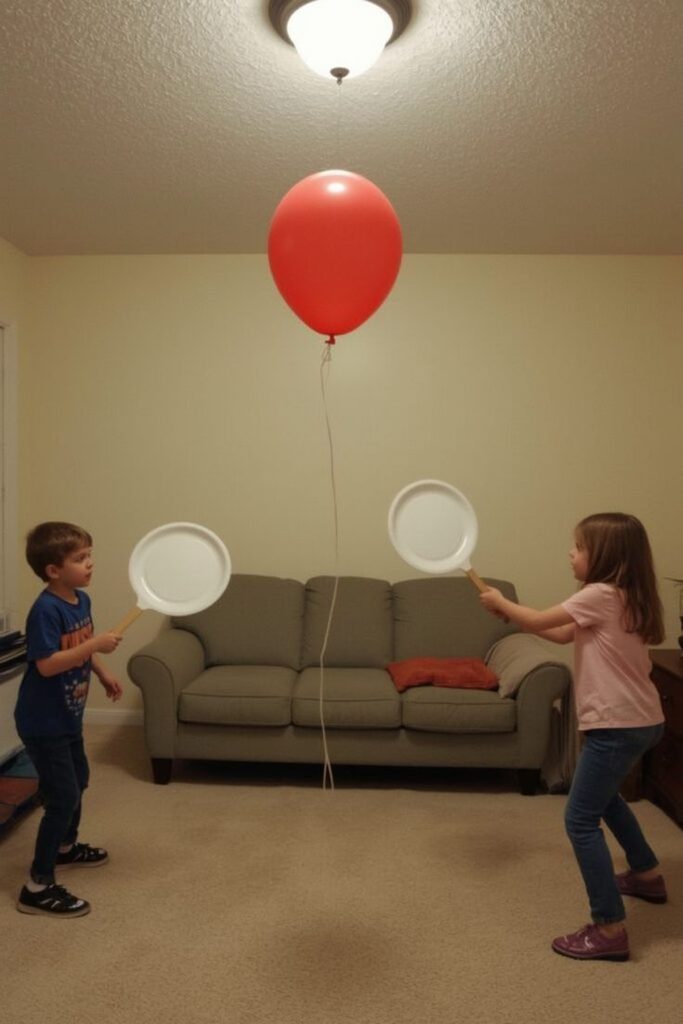
A single balloon can keep a roomful of children busy for far longer than you would expect. Challenge everyone to keep it floating in the air without letting it touch the ground.
Count how many hits the group can reach together, and then try to beat that number.
This game also appears in How to Create a Bluey-Inspired Scavenger Hunt at Home as a clue challenge.
Use only elbows, knees, or heads for harder rounds, and the giggling quickly begins everywhere. Remove lamps and fragile items first, and pick up popped balloon pieces immediately to prevent choking.
Balloon games are quiet enough for apartments and gentle enough for almost every age group.
10. Start a Dance and Freeze Party
Music changes the mood of a gloomy day faster than almost anything else in the house. Play a few favorite songs, and ask everyone to dance in the silliest way they can imagine.
Pause the music suddenly, and everybody must freeze like a statue until it starts again.
For more movement, add games from 17 Indoor Games for Kids That Help Them Burn Off Energy.
Add dance themes, such as robot, jelly, or sleepy giant, to keep the game fresh. Move breakable items out of the way, and keep the volume low enough for neighbors.
Ten minutes of dancing releases pent-up energy and often turns grumpy faces into happy ones.
11. Fill a Boredom Jar
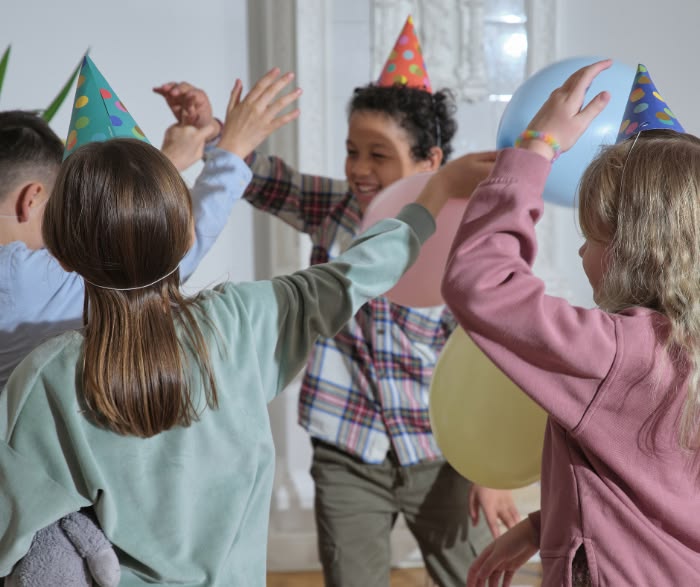
A boredom jar holds small paper notes, each with an activity that children can try at random. Write ideas on scraps of paper, fold them, and drop them into any jar or bowl.
When someone complains of boredom, they pull one note and complete that activity before asking again.
For a bigger version, read How to Make a Kids’ Boredom Basket That Encourages Independent Play.
Let children write or draw some of the ideas themselves, because ownership makes them keener to try them. Ideas can include build a tower, draw a monster, or tell a joke to someone.
Keep the jar on a shelf, and you will have a ready answer for the next gloomy day.

12. Plan a Cozy Movie Afternoon
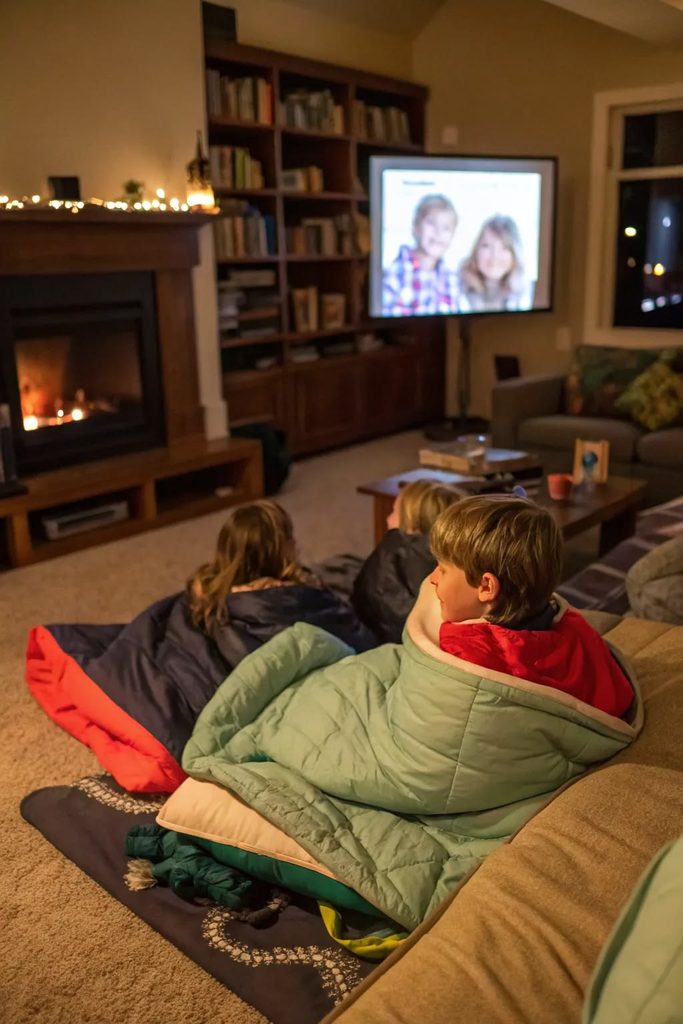
A movie afternoon feels special when you add a few simple rituals to the usual routine. Make paper tickets, line up cushions, and turn the living room into a tiny home cinema.
Serve a plain snack in paper cups, and children will feel as if they have gone out.
For games to enjoy around the film, see How to Organize a Kids’ Movie Night With Games and Activities.
Choose a film that suits the youngest viewer, and keep the volume gentle for everyone. Add an intermission with stretching or a quick dance, so little bodies do not stay still too long.
Treat this as a reward after other activities, so it feels like a special finish.
13. Race Through a Tidy-Up Game
Cleaning feels much less like a chore when it becomes a race against the clock. Set a timer for five minutes, and ask everyone to collect as many toys as possible.
Sort the toys by color or type, and children practice organizing without noticing the lesson.
More playful chore ideas appear in How to Turn Household Chores Into Fun Games for Children.
Pretend the floor is lava, and the toys must be rescued before the timer rings. Praise teamwork rather than speed, and reward the finish with a short game or story.
A tidy room also makes the next rainy day activity much easier to set up.

14. Create a Quiet Corner
After lots of noise and movement, children benefit from a calm corner where they can rest. Spread a soft blanket, add a few pillows, and place picture books within easy reach.
Dim the lights if you can, and the corner immediately feels like a small, peaceful retreat.
Plenty of calm ideas are in 35 Quiet Activities for Kids When You Need a Calm Afternoon.
Children can read, draw, or simply lie down and listen to the rain on the window. Keep the corner free of screens, so it stays a place for rest and imagination.
Everyone needs quiet time on a loud, busy day, and children learn this skill early.

15. Build a Tower With Whatever You Have
Stacking things is a simple challenge that works with cups, books, boxes, or even folded socks. Ask children to build the tallest tower they can, and measure it with a ruler or hand spans.
Try building a tower that holds a toy at the top without wobbling or falling. Challenge two children to build together, and they will quickly learn to share ideas and materials.
Failure is part of the fun, because a crashing tower always makes children laugh loudly. Build on a rug or soft surface, so the crashes stay quiet and gentle for everyone.
Planning, balancing, and patience all develop quietly while children chase the highest tower they can imagine.

16. Play Paper Cup Bowling
Paper cups become bowling pins in seconds, and a soft ball becomes the perfect bowling ball. Stack ten cups in a triangle, mark a line on the floor, and roll the ball.
Keep score on a piece of paper, and let children take turns as the scorekeeper. Add a bonus round where children must bowl with their eyes closed, and the laughter doubles.
Younger children can stand closer to the cups, while older children can step farther back. Use a rolled pair of socks as the ball if you want a very quiet game.
Counting pins and adding scores turns playtime into an easy and cheerful math practice for everyone.

17. Draw a Giant Picture on the Floor
Drawing feels bigger and bolder when the paper covers an entire section of the floor. Tape several sheets together, or unroll a long strip of paper, and hand out crayons.
Ask children to draw a city, a jungle, or a road for their toy cars. Ask children to tell you the story behind the picture, and you will hear wonderful ideas.
Several children can work on the same picture, which encourages sharing, talking, and friendly cooperation. Use washable crayons or markers, and tape the paper firmly to the floor so nobody trips.
Display the finished artwork in the hallway, and children will feel proud of their work.

18. Make Paper Airplanes and Hold a Contest
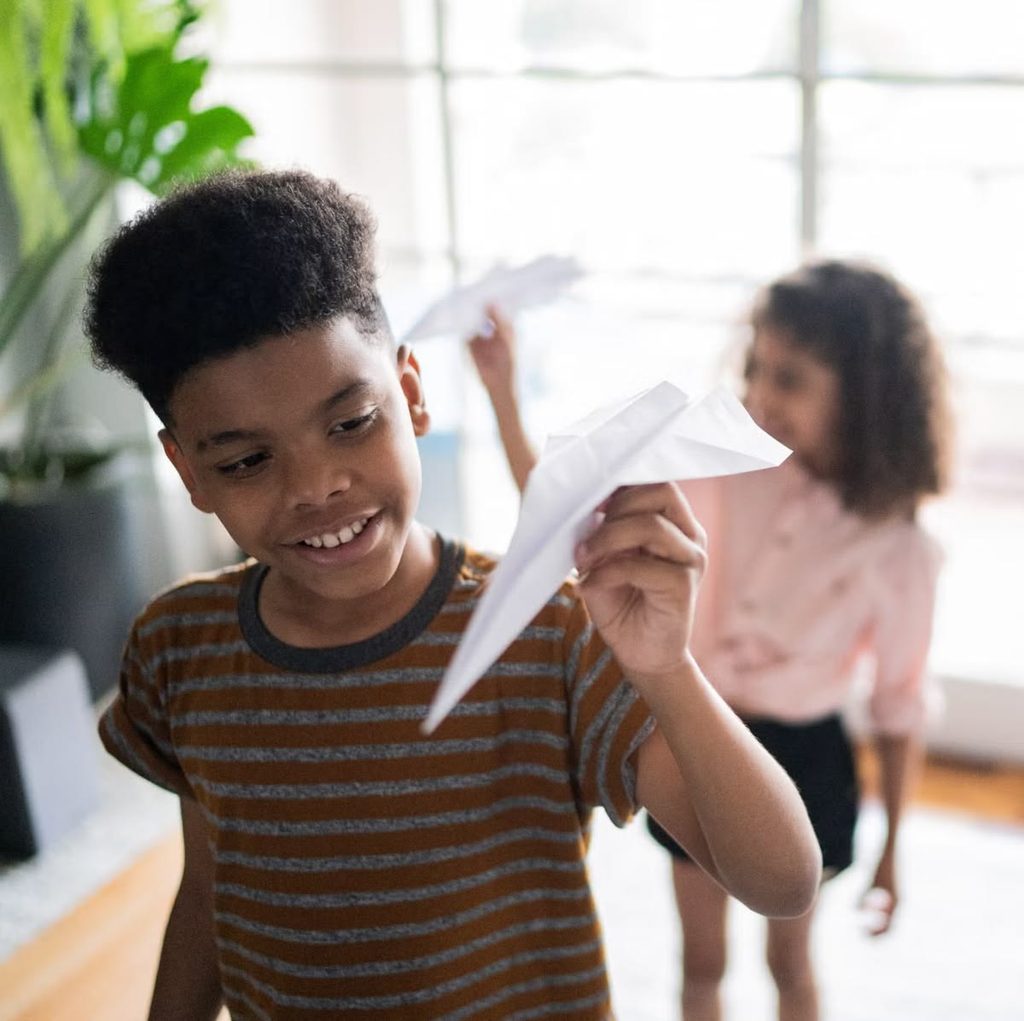
Paper airplanes are a classic rainy day skill, and one sheet of paper is enough to begin. Show children a simple fold, and let them decorate their planes with stripes, stars, or numbers.
Hold a contest for the longest flight, the straightest flight, and the most creative design. Fold a few planes yourself, because children love competing against a parent who takes the game seriously.
Mark the starting line with tape, and measure each throw with a tape measure or footsteps. Throw only in one direction, away from faces, and keep fragile items far from the flight path.
Folding teaches patience and careful hands, while testing and adjusting teaches children to improve a design.
19. Play Hide and Seek With a Twist
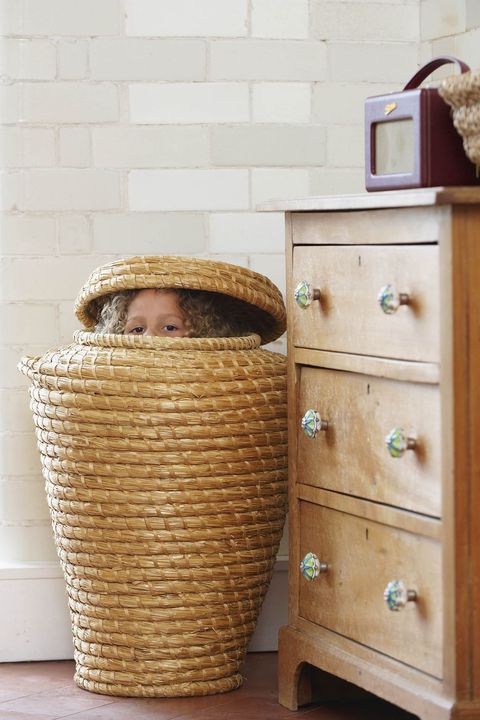
Hide and seek never gets old, but a small twist can make it exciting again. Try playing in the dark with a flashlight, or hide a toy instead of a person.
Another twist is to hide like an animal, such as a curled hedgehog or a sleepy bear. Take turns being the seeker, so every child experiences both the thrill of hiding and finding.
Agree on the allowed rooms first, and keep doors to storerooms and bathrooms firmly closed. Young children often giggle so loudly that they give themselves away, which only adds to the fun.
This game teaches patience, listening, and the joy of being found by someone who loves you.
20. Tell a Story One Sentence at a Time
Shared storytelling needs only voices, and the results are often funnier than any planned tale. Begin with a single sentence, such as a purple dragon found a very large umbrella.
Each person adds one sentence, and the story grows wilder and sillier with every turn. Record the best stories in a notebook, and read them again on the next rainy day.
Pass a spoon or toy around the circle, so everyone knows whose turn it is. Younger children may add only a word, and that is perfectly welcome in the story.
Stories build language, memory, and listening skills, and children often ask to play again immediately.

21. Make Music With Pots and Spoons
Every kitchen hides a drum set, and a wooden spoon turns any pot into an instrument. Line up pots, plastic tubs, and metal bowls, and let children discover each different sound.
Clap a simple rhythm, and ask them to copy it back to you with spoons. Try to play a well-known song using only kitchen sounds, and see if family members can guess it.
Use rice in a closed container to make a shaker, and tape the lid firmly. Warn neighbors if you live close together, or play with soft spoons on cushions instead.
Rhythm builds listening skills and coordination, and children feel proud of their very own band.

22. Play Sock Toss
A basket and a pile of rolled socks make a surprisingly competitive and cheerful game. Mark a line with tape, place the basket a few steps away, and start tossing.
Move the basket farther back after every round, so the challenge slowly grows harder for everyone. Turn it into a team game by adding up the points that each family member scores.
Try tossing with the weaker hand or while standing on one foot for extra giggles. Socks are soft and silent, which makes this game safe for living rooms and bedrooms.
Aiming, counting, and taking turns all happen quietly inside a game that feels like pure fun.

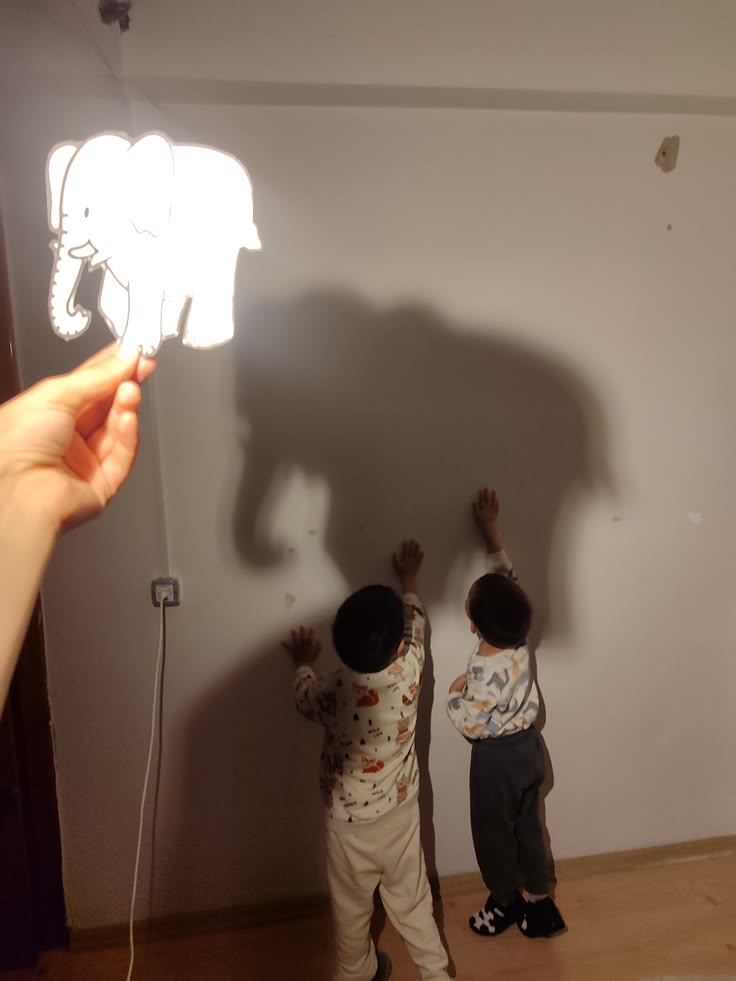
23. Make Shadow Animals With a Flashlight
A flashlight and a blank wall can create a magical theater in any darkened room. Use your hands to make a rabbit, a bird, or a barking dog in the light.
Let children guess each animal, and then invite them to invent shapes of their own. Add a bedsheet as a screen, and the show feels like a real theater performance.
Cut paper shapes and hold them in the beam for even bigger and bolder shadow characters. Keep the flashlight away from eyes, and sit comfortably so nobody trips in the dark.
Shadow play sparks imagination, and it also teaches children how light and shapes behave together.
24. Play Animal Charades
Charades needs no equipment at all, which makes it perfect for sudden and unplanned rainy afternoons. One child acts out an animal without speaking, and everyone else tries to guess it.
Whisper the animal name to the actor, or let them pick a secret card from a pile. Try guessing jobs next, such as a baker, a doctor, or a farmer, for a new challenge.
Elephants, monkeys, and frogs are always crowd pleasers, and children enjoy the silly movements and sounds. Give younger children easy animals like cats or birds, and offer hints when they feel stuck.
Charades builds confidence and body awareness, and the laughter it creates fills the whole house.

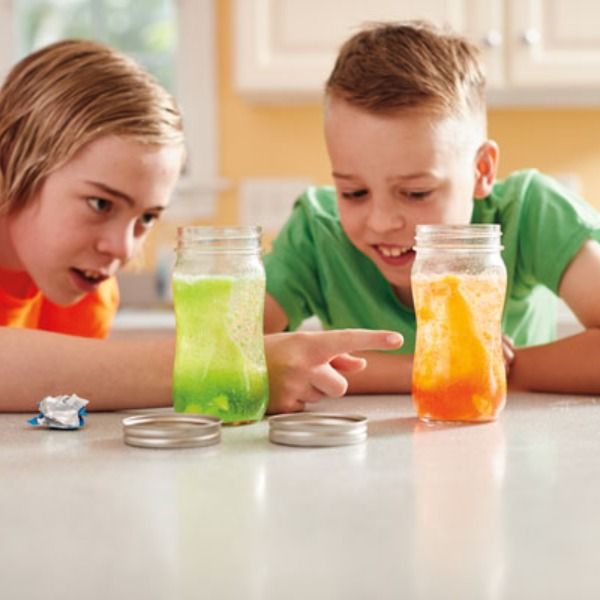
25. Do a Kitchen Science Experiment
A bowl of water and a few household objects can become a real science laboratory. Test which objects sink and which float, such as a coin, a cork, and a leaf.
Ask children to guess before each test, and then talk about what surprised them most. Write down the results in a notebook, and children will feel like true scientists with real data.
Place the bowl on a towel, and keep a cloth nearby for the inevitable splashes. Supervise closely, and never allow children to taste or drink anything used in an experiment.
Curiosity grows with every splash, and children begin asking why things happen the way they do.
26. Create a Mini World With Toys
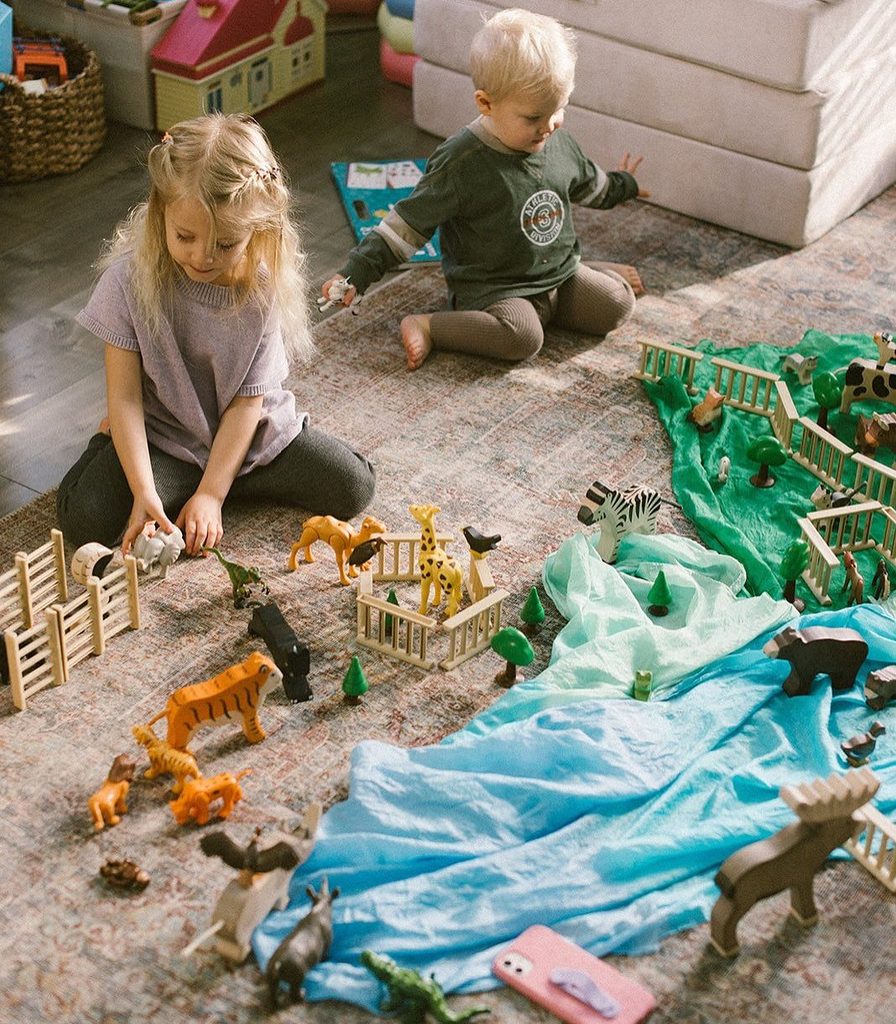
Small toys, boxes, and cloth scraps can build an entire world on a table or floor. Use a blue cloth for a lake, green paper for grass, and blocks for houses.
Let animals, cars, and dolls move through the world and invent stories as they go. Join the game for a few minutes, and let your child direct the story completely.
Add a problem to solve, such as a flood, a lost animal, or a broken bridge. Leave the world set up for a day, and children will return to it again and again.
Small world play builds imagination, empathy, and storytelling, and it keeps children happily busy for hours.
27. Play Simon Says
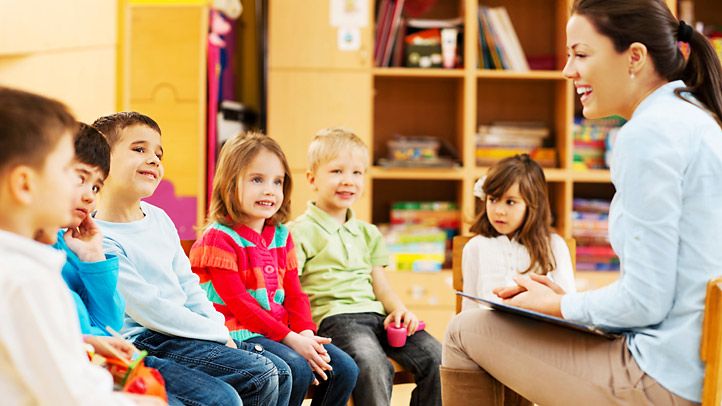
Simon Says is a quick game that needs no preparation and works for any number of players. One person gives commands, and everyone must follow only when the phrase Simon says comes first.
Mix easy actions, like touch your nose, with silly ones, like walk like a crab. Speed up the commands slowly, and watch how quickly the whole group begins to make happy mistakes.
Let children take turns as Simon, because giving commands feels powerful, exciting, and very funny. Instead of eliminating players, let them keep playing, so nobody sits out and feels sad.
This game teaches careful listening and self-control, two skills that help children in every classroom.
28. Fold Paper Boats and Race Them
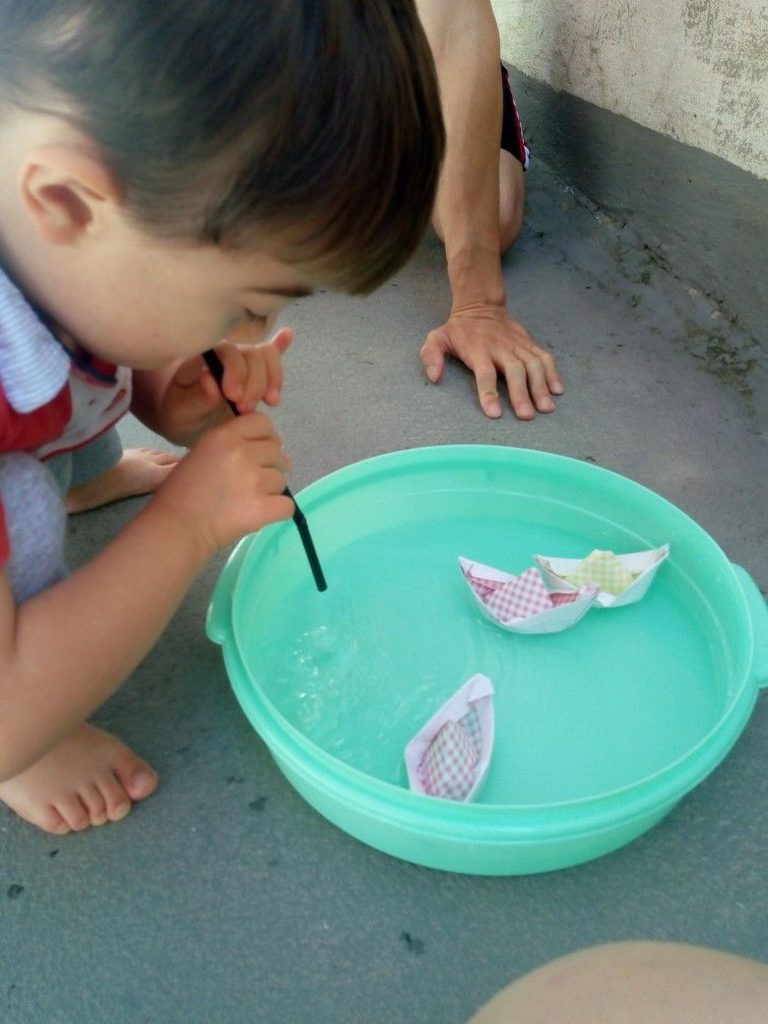
Paper boats are simple to fold, and they bring a little water play into a rainy day. Fold a sheet of paper into a boat, and decorate it with crayons or stickers.
Float the boats in a shallow tub or a sink, and blow them across the water. Decorate each boat with a name, and children will cheer for their own boat even louder.
Hold races using straws to blow, and see whose boat can cross the water first. Never leave young children alone near water, even if it is only a few inches deep.
Children enjoy testing designs, and they quickly learn that small changes can help a boat float better.
29. Read Aloud With Silly Voices
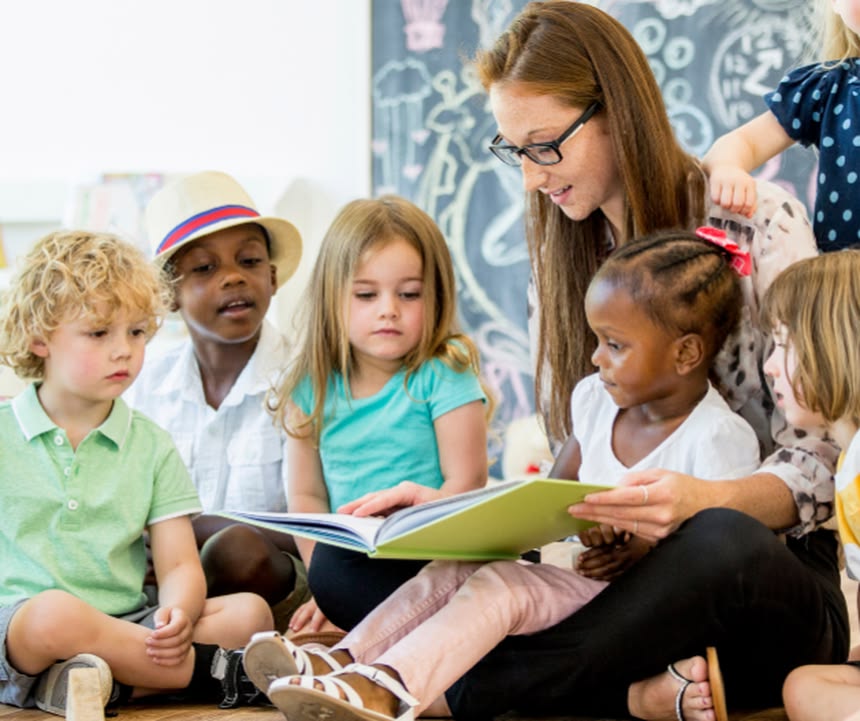
A favorite book becomes a performance when you give every character a different silly voice. Make the bear deep and slow, the mouse tiny and squeaky, and the wolf dramatic.
Invite children to read a page, or to add sound effects at the right moments. Pause at an exciting moment and ask what might happen next, which keeps children thinking and guessing.
Cuddle under a blanket, and the story feels warm even when the weather outside is cold. Choose books with repeating phrases for toddlers, because they love joining in with familiar words.
Reading aloud builds vocabulary and closeness, and it often becomes the favorite part of the day.
30. Stage a Fashion Show From the Wardrobe
A pile of old clothes, hats, and scarves can turn any hallway into a runway. Let each child choose an outfit, and then walk down the hallway with great confidence.
Play music, announce each model by name, and encourage the audience to clap very loudly. Draw pictures of the outfits afterward, and display them proudly on the wall as a keepsake.
Invent funny themes, such as pirate day, silly hat day, or backwards clothing day for fun. Use only clothes that are safe to wear, and avoid long scarves that could trip or tangle.
Dressing up builds creativity and self-expression, and children glow when everyone cheers loudly for them.

31. Watch the Rain and Play I Spy
Sometimes the best rainy day activity is simply watching the rain and playing with words. Sit near a window with a blanket, and take turns playing I Spy with what you see.
Count raindrops sliding down the glass, and guess which one will reach the bottom first. Write down the funniest guesses afterward, and read them aloud together at dinner time tonight.
Listen for different sounds, such as drips, distant thunder, and the splash of passing cars. Sip a warm drink together, and let the quiet moment settle over the whole room.
Quiet observation teaches patience and attention, and it gives you a rare chance to simply talk.

Final Thoughts: Make Rainy Days Something to Look Forward To
Rainy days will always arrive, but boredom does not have to arrive with them every time. These thirty-one activities prove that a happy afternoon needs very little beyond a few household items.
Choose the ones that fit your mood, your space, and the age of your children. Pick three favorites, write them on a card, and stick it on the fridge for the next gray morning.
Keep a box of simple supplies ready, and spontaneous play will always find a way in. Rain is simply an invitation to slow down, play together, and notice how quickly children grow.
Children rarely remember the weather, but they remember the fort, the laughter, and the person who played with them. So when the first raindrop taps the window, smile, because the best part of the day has just begun.
Leave a Reply