You might already know how to care for hair, but children’s hair is a bit different. Their hair needs more attention and carefulness, unlike adult’s hair. A child’s scalp is thinner and more sensitive to products.
Their strands are also finer and break faster than yours. One rough brush stroke or the wrong shampoo can cause real damage fast. This guide walks you through everything, from washing to daily care to bedtime habits.
If you want the short version first, check our simple hair care routine for kids. It gives you a quick plan you can start today. But for now, let’s start from the basics and build your knowledge step by step. By the end, you will know exactly what your child’s hair needs.
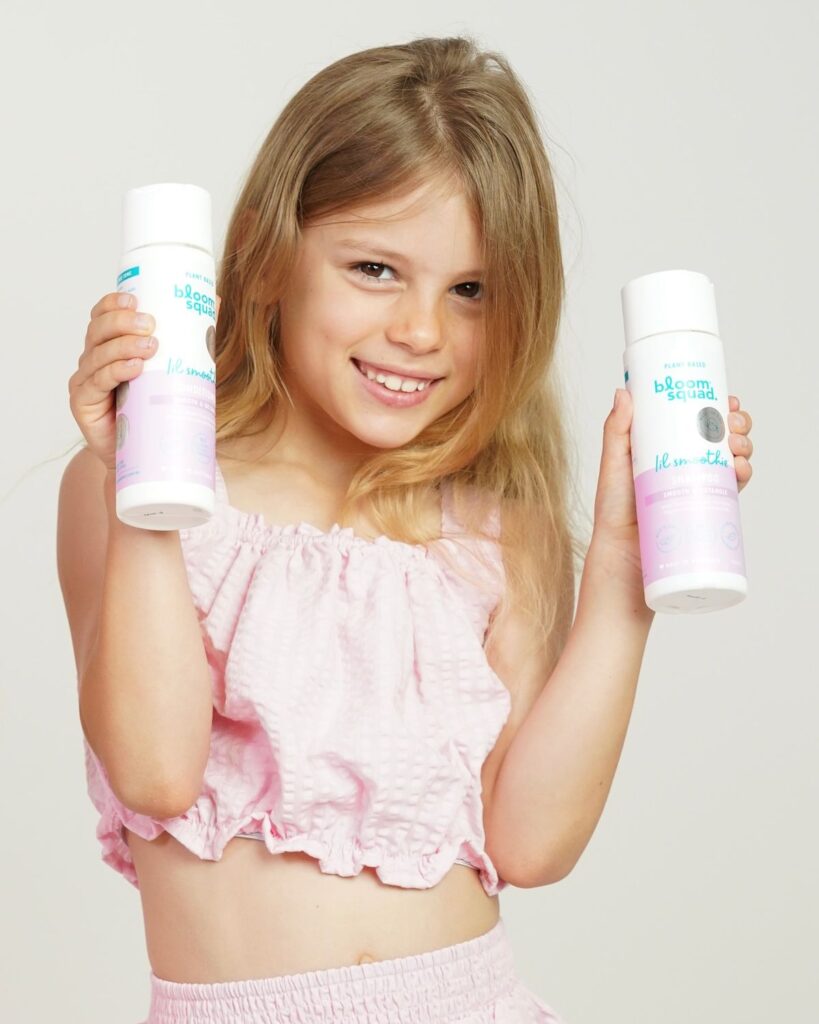
The Ultimate Guide To Caring For Your Child’s Hair
Why Children’s Hair Needs Special Care
Kids’ hair is not just a smaller version of adult hair. It grows differently and it reacts differently to products. Their scalp produces less oil, so their hair dries out faster.
This means it can snap, split, or tangle without warning. Many parents use the same shampoo on their kids as they use on themselves.
That single habit alone causes more damage than people realize. Children also play outside a lot, so dirt and sweat build up fast. Sun, wind, and sweat all pull moisture out of young hair.
Once you understand this, every other care step will make more sense.
A child’s hair also grows at a different pace than an adult’s. Some kids seem to grow hair overnight, others take longer. This is normal and mostly comes down to genetics and diet.
Do not compare your child’s hair to another child’s hair. Every head of hair has its own pace and pattern. Focus on keeping the hair healthy, not on how fast it grows. Healthy hair will always look better than hair that just grows fast.
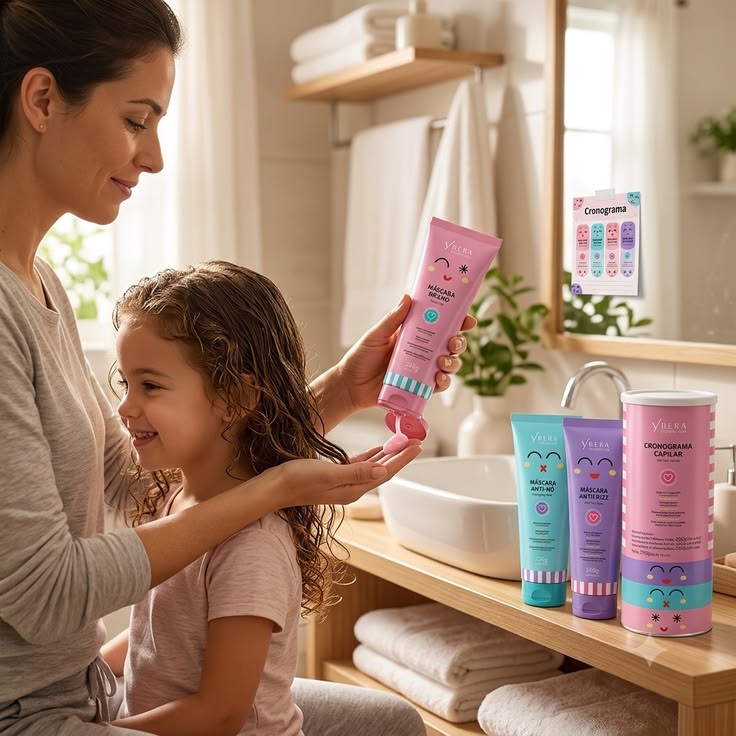
Know Your Child’s Hair Type First
Before you pick any product, you need to know your child’s hair type. Straight hair, wavy hair, curly hair, and coily hair all behave differently.
Curly and coily hair tend to dry out faster than straight hair. Straight hair gets oily faster because oil travels down the strand easily. Once you know the type, you can pick products that actually work.
Guessing wastes money and can leave your child’s hair worse off. Watch how your child’s hair reacts after a wash.
Does it feel rough, soft, greasy, or dry by the next day? That answer tells you a lot about what your child’s hair truly needs.
You can also check the hair while it is wet. Wet hair shows the true curl pattern much better than dry hair. Pull a single strand gently and watch how it springs back.
Straight hair falls flat, wavy hair bends slightly, and curly hair coils. Coily hair often shrinks up a lot once it dries.
Knowing this helps you set the right expectations for length and style. It also helps you shop smarter instead of buying random products.
Hair type can also shift a little as your child grows older. A toddler’s soft baby hair may change texture by age six or seven. Do not panic if this happens, since it is a normal part of growth.
Just check in on the hair type every few months. This keeps your product choices matched to what your child actually has right now.

How Often Should You Wash Your Child’s Hair
This is one question almost every parent asks me. The honest answer is that it depends on the hair type and lifestyle. Straight hair may need washing two to three times a week.
Curly or coily hair can go longer, sometimes once a week is enough. Washing too often strips natural oils and dries the scalp out. Washing too little lets sweat, dirt, and product build up.
If your child swims a lot or plays outside daily, wash a bit more. We cover this topic in full detail in how often should you wash your child’s hair. For now, just know that more washing is not always better for kids.
Pay attention to your child’s scalp, not just the calendar. A flaky or itchy scalp might mean you are washing too little. An oily scalp by the next morning might mean you are washing too much.
Every child is different, so let their scalp guide your schedule. There is no single rule that fits every kid perfectly.

Building A Simple Hair Routine That Works
A good hair routine does not need to be complicated. Busy parents need something quick, simple, and easy to repeat. Start with a gentle shampoo, then follow with a light conditioner.
After that, apply a leave-in product while the hair is still damp. Finish with a light oil or cream to seal in moisture. This whole process should take you less than fifteen minutes.
The goal is consistency, not perfection or fancy products. Once your child gets used to it, the routine becomes part of their day. Skipping steps here and there is fine, but try to stay close to the plan.
Try to do this at the same time each week. Kids respond well to routine, even when it comes to hair care. Some parents make it a Sunday evening habit before school starts again.
Others prefer a Saturday morning slot when everyone is more relaxed. Pick a time that works for your house and stick with it. A predictable routine reduces stress for both you and your child.
Write the steps down if you tend to forget the order. A short list on the bathroom wall works well for busy mornings.
Once your child memorizes the steps, they may even help you out. This turns a chore into a shared task instead of a battle.
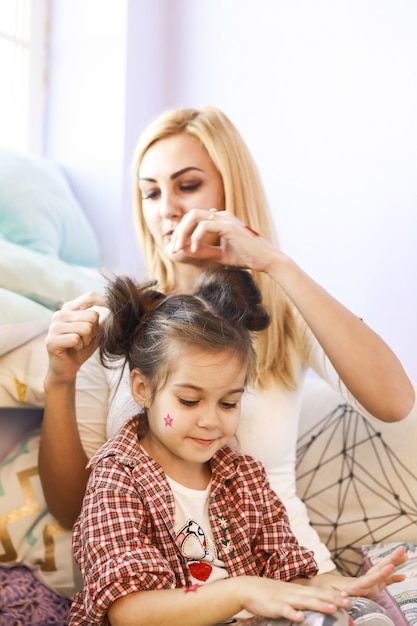
Detangling Without The Tears
Detangling is where most parents and kids struggle the most. Nobody enjoys pulling a comb through knots while a child cries. I remember my client telling me her daughter screamed every single wash day.
We changed one thing and it made a huge difference right away. She started detangling before the wash, not after, while hair was dry and coated with oil.
Always start from the tips and work your way up slowly. Never start combing from the roots, since that pulls every knot downward.
A wide tooth comb works far better than a fine brush for this job. For a full step by step method, read how to detangle your child’s hair without tears.
Give your child something to hold during this process. A small toy or a short video can keep them calm. Talk to them gently and explain what you are doing.
This keeps the mood light and stops the process from feeling scary. A calm child sits still longer, which actually makes detangling faster. Patience here always pays off more than rushing through it.

Keeping Hair Healthy And Strong All Year Round
Hair care is not a one season job, it changes with the weather. Summer heat and sweat dry hair out fast and cause damage. Cold winter air pulls moisture from the scalp just as quickly.
Rainy seasons bring humidity that causes frizz and tangling. Each season calls for small changes to your child’s hair routine. In hot months, focus more on hydration and protective styles.
In cold months, focus more on sealing in moisture with oils or creams. We break this down fully in how to keep kids hair healthy and strong all year round. Adjusting with the seasons keeps your child’s hair strong no matter the month.
Keep a small hair kit ready for each season change. Swap out heavier creams for lighter ones as the weather warms up. Add richer oils back in once the cooler months return.
This small habit saves you from sudden dryness or breakage. It also means you are never caught off guard by weather shifts.
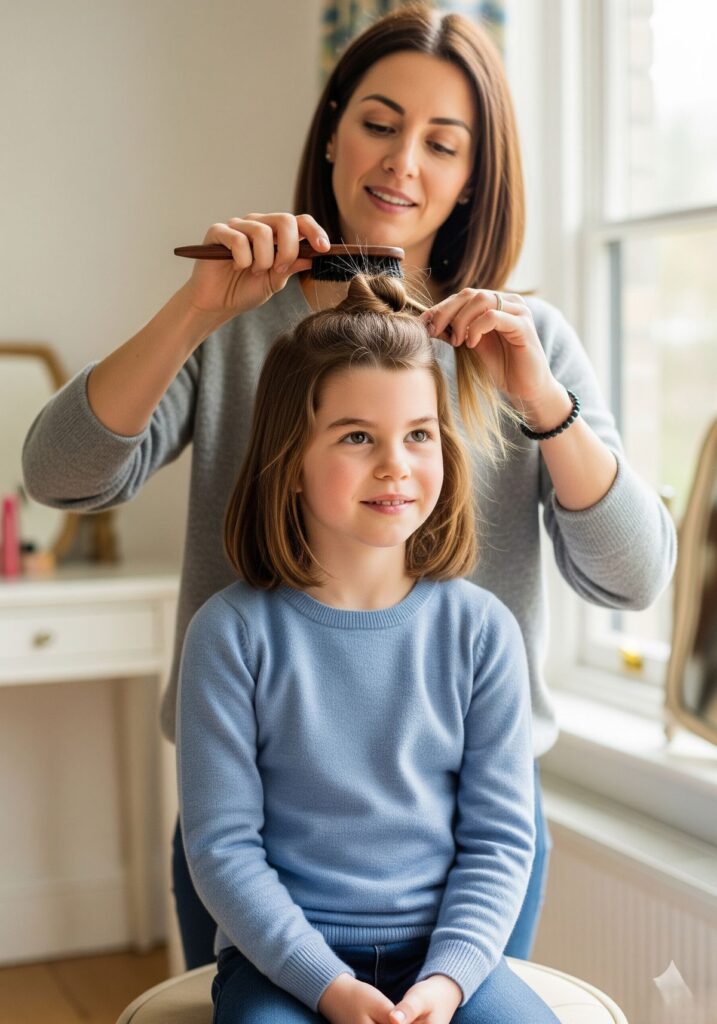
What Causes Hair Breakage In Kids
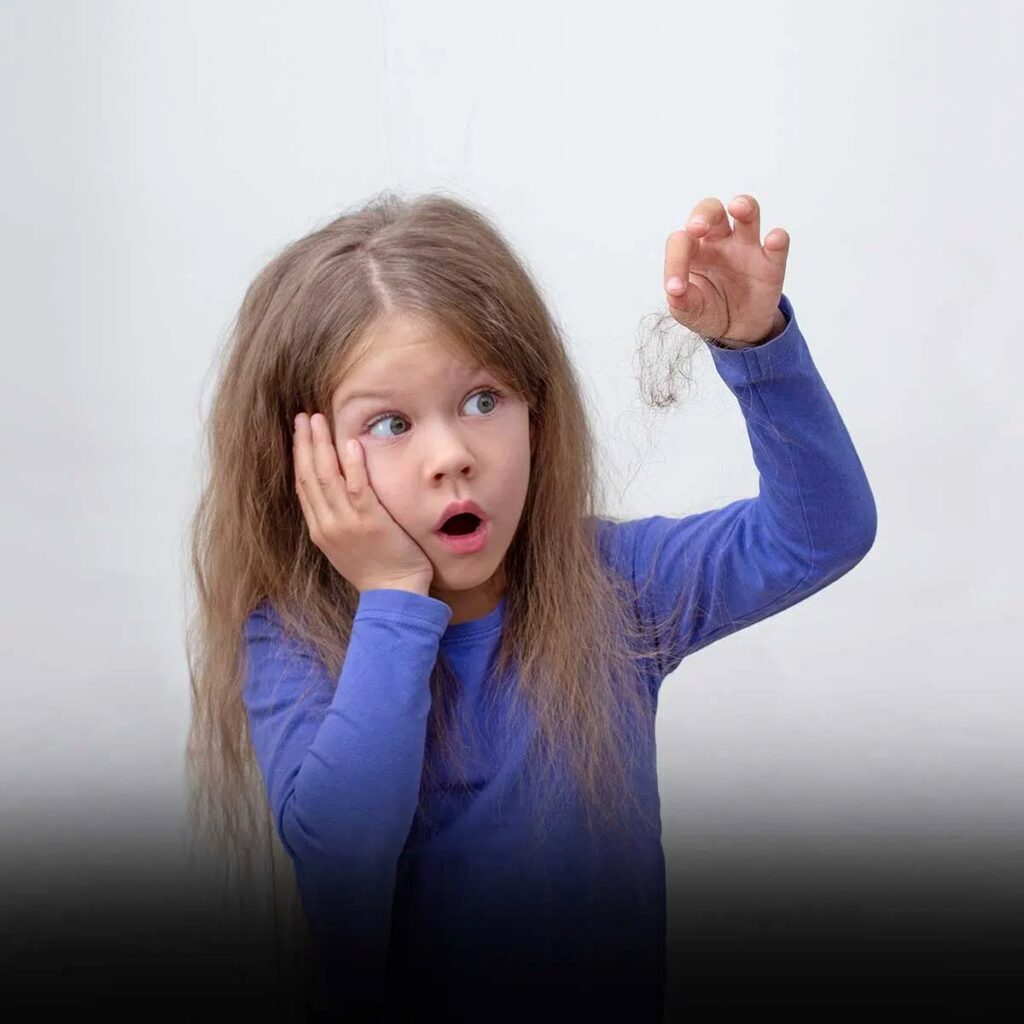
Breakage is one of the most common complaints I hear from parents. It usually comes from dryness, rough handling, or tight hairstyles.
Tight ponytails and braids pull on the roots and weaken the strands. Brushing hair while it is completely dry causes snapping too.
My sister used to blame her son’s short patchy hair on bad genes. It turned out his school cap rubbed the same spot every single day.
Once she switched his cap and softened his routine, the hair grew back. Small daily habits often cause more harm than people expect. To learn the full list of causes and fixes, read how to prevent hair breakage in children’s hair.
Rubber bands with metal clips are another hidden cause of breakage. They grip the hair too tightly and snag it when removed.
Swap them for soft fabric ties instead, since these are gentler. Also watch how tightly you pull hair back for school. A style that leaves red marks on the scalp is too tight.
Heat tools are another hidden cause worth watching closely. Blow dryers and flat irons on high heat weaken young hair fast.’ If you must use heat, keep it on the lowest setting possible. Better yet, let hair air dry whenever your schedule allows for it.
Moisturizing The Right Way
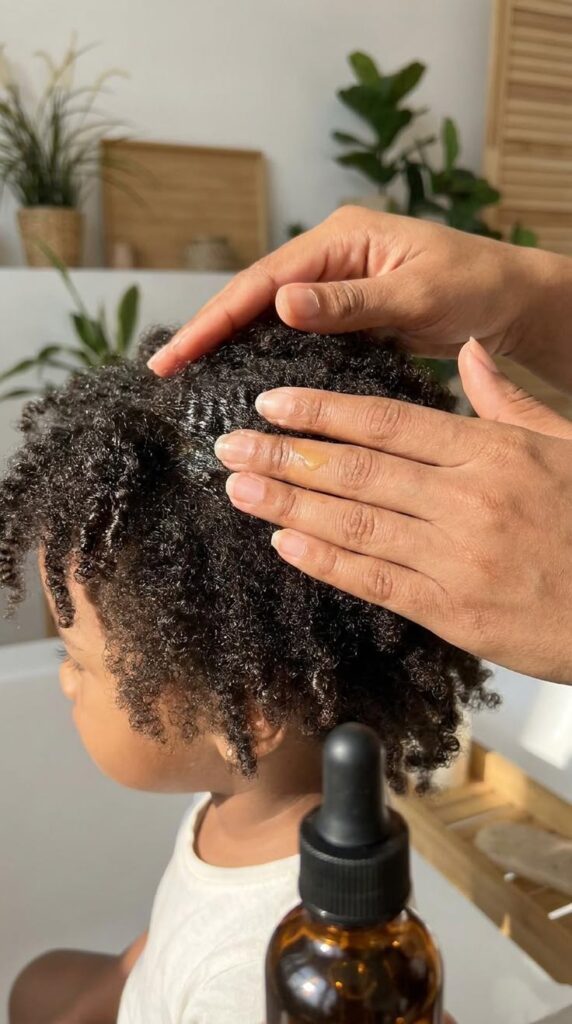
Dry hair is fragile hair, and fragile hair breaks easily. Moisturizing is not just about adding water to the hair. It is about locking that water in so it does not escape.
Many parents apply oil first, thinking it will add moisture. Oil alone actually seals hair, it does not hydrate it deeply. The right order is water, then a cream, then oil on top.
This method is often called the LOC method by stylists. It sounds technical, but it is simple once you try it a few times. Get the complete breakdown in how to moisturize your child’s hair the right way.
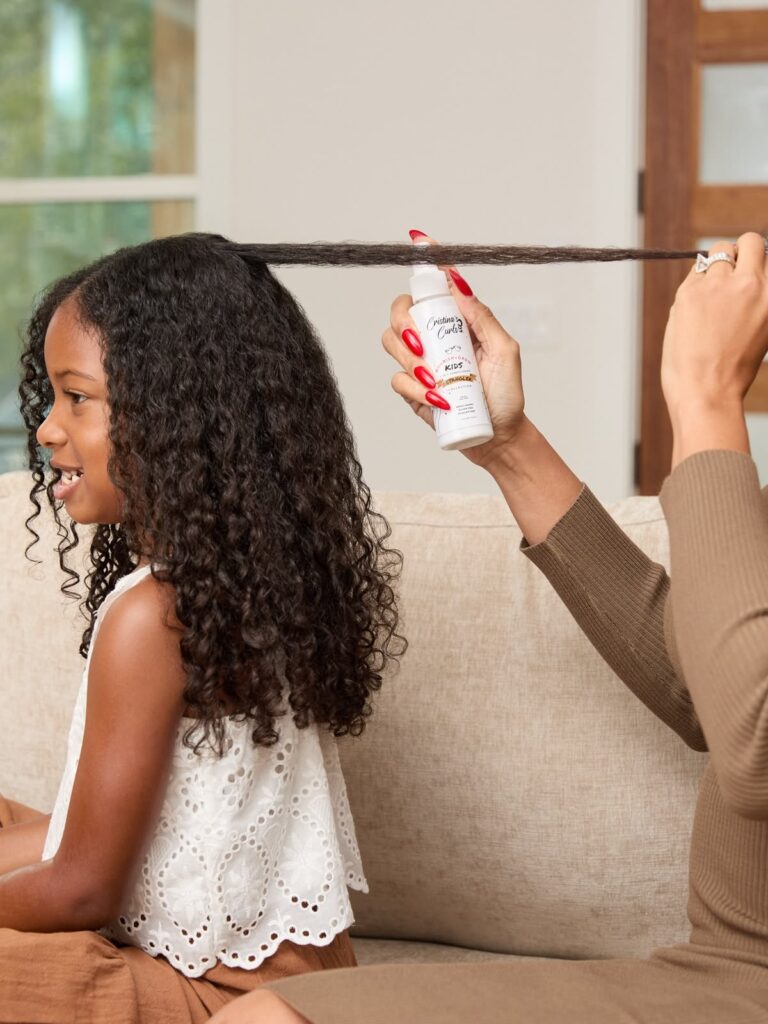
A spray bottle with water can be your best friend here. Spritz the hair lightly before applying any cream or oil. This wakes up dry strands and helps products absorb better.
Do this daily for hair that dries out fast between washes. Consistent light moisture beats one heavy treatment done once a week.

Protecting Hair While They Sleep
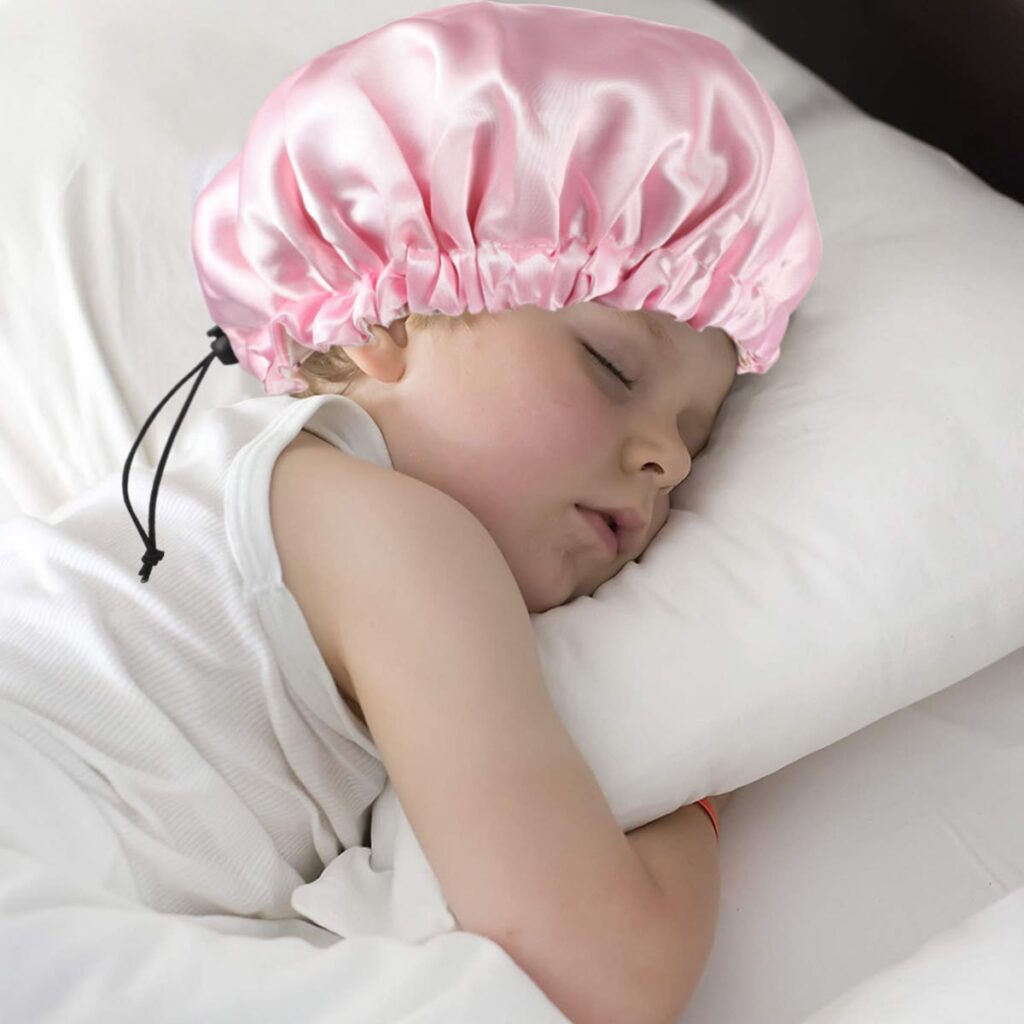
Nighttime is when a lot of hair damage quietly happens. Cotton pillowcases pull moisture from hair and cause friction overnight. That friction leads to tangles, breakage, and frizz by morning.
A simple fix is switching to a satin or silk pillowcase. Another option is a soft satin bonnet or scarf before bed. My neighbor started doing this for her twins and saw quick results.
Their morning tangles dropped within just two weeks of the switch. It takes less than a minute to prepare before bedtime. Read the full guide in how to protect kid’s hair while they sleep for more tips.
Loose braids or twists before bed also help protect the hair. They keep strands from rubbing against each other during sleep. Avoid anything too tight, since a child needs to sleep comfortably.
A relaxed protective style works better than a strict, tight one. Make this part of the bedtime routine so it never gets skipped.
Keeping Hair Soft And Tangle Free
Soft, tangle free hair does not happen by luck, it happens by habit. It comes down to moisture, gentle handling, and the right products.
Avoid products with heavy alcohol content, since they dry hair out fast. Stick to creams and oils made for children’s finer strands.
Comb hair in sections instead of tackling the whole head at once. This reduces pulling and makes the whole process faster too.
Regular trims also help, since split ends make hair feel rougher. For more detail on this, see how to keep your child’s hair soft and tangle-free. Small consistent habits beat expensive products every single time.
Try finger detangling before you even reach for a comb. Fingers feel knots better and cause less snapping than a comb. This works well for very tender headed children especially.
Once the biggest knots are gone, a comb finishes the job easily. This two step method saves both time and tears.
Styling Tips For Everyday Wear
Everyday styles should protect the hair, not just look nice. Simple styles like twists, buns, or braids work well for school. Avoid styles that pull too tightly at the hairline.
A tight edge today can mean thinning edges later on. Let your child’s hair rest in a loose style sometimes too. Constant tight styling never gives the scalp a proper break.
Switching up the parting spot also reduces stress on one area. This one small change can prevent thinning in a single spot over time.
Accessories matter as well, not just the hairstyle itself. Soft fabric clips are gentler than hard plastic ones. Avoid tiny elastic bands that snag and pull on fine strands. A few good tools make daily styling faster and safer.
Tools Every Parent Needs For Kids Hair Care
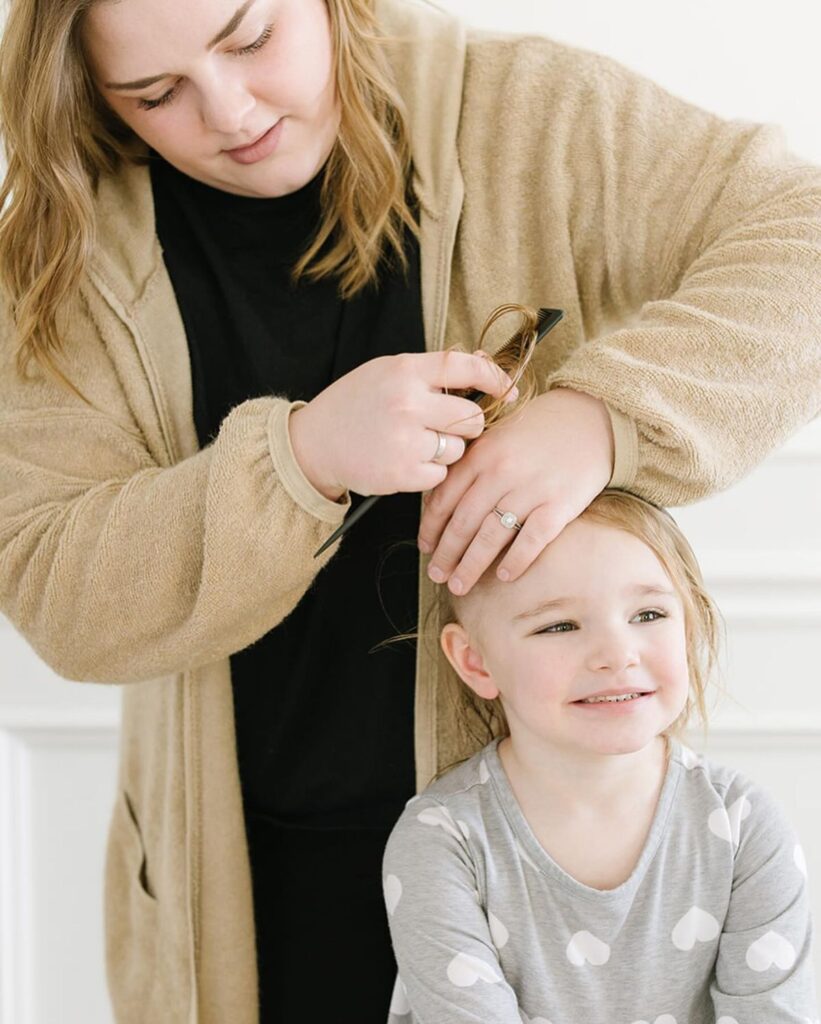
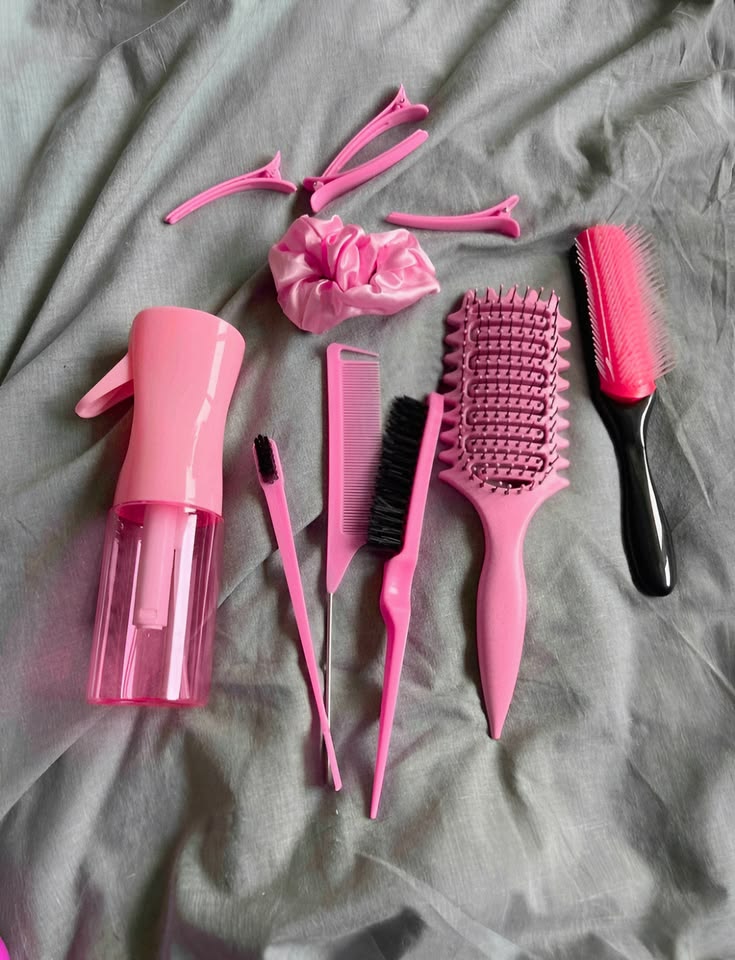
You do not need a full salon kit at home. A few basic tools cover almost everything a child’s hair needs. A wide tooth comb is the most important tool of all.
A soft bristle brush works well for smoothing hair after styling. A spray bottle helps with daily moisture between wash days. Soft fabric hair ties protect against unnecessary breakage.
A satin bonnet or pillowcase rounds out the basic kit. With just these few items, you can handle most hair days easily.
Keep everything in one small box or bag for convenience. This makes hair days faster since nothing gets lost or misplaced. Kids also enjoy helping pick out their own hair tools. Letting them choose colors or patterns makes the routine more fun.
Picking Safe Products For Kids
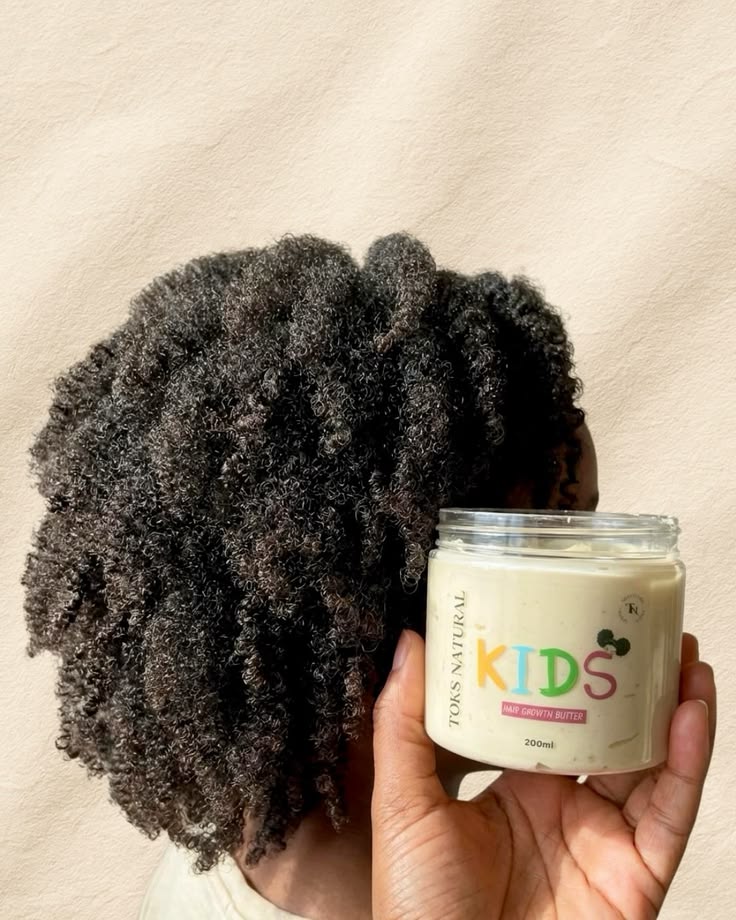
Not every hair product on the shelf is safe for children. Many adult products contain strong chemicals that irritate young scalps.
Look for labels that say sulfate free and paraben free. These ingredients are common causes of dryness and irritation in kids.
Fragrance heavy products can also trigger allergies in sensitive children. When trying something new, test it on a small patch of skin first.
Wait a day before using it fully on your child’s head. This simple step can save you from a bad reaction later. Cheaper is not always worse, but always check the ingredient list first.
Read reviews from other parents before trying a brand new product. Their experience can tell you a lot about how it performs. Still, remember every child’s hair reacts a little differently. What works for one family may not work the same for yours.
Food And Healthy Hair Growth
Hair health does not start and end with products alone. What your child eats plays a big role in hair strength. Protein is the building block of hair, so include eggs, beans, and fish.
Iron rich foods like spinach also support healthy hair growth. Water matters too, since dehydration shows up in dry, brittle strands.
A child who eats well often has stronger, shinier hair. This does not mean you need expensive supplements or special diets.
Simple, balanced meals go a long way for hair health. Pair good food with a solid hair routine for the best results.
Snacks matter too, not just main meals during the day. Nuts and seeds offer healthy fats that support the scalp. Fruits high in vitamin C help the body absorb iron better. Small changes to daily meals can show up in hair over time.
Sleep also plays a quiet role in healthy hair growth. A well rested body repairs and grows tissue more effectively overnight. Make sure your child gets enough sleep for their age group. This works alongside good food to support strong, steady hair growth.

Handling Curly And Coily Hair
Curly and coily hair needs a bit more patience and care. These hair types are naturally drier than straight or wavy hair. The curl pattern also makes oil travel down the strand more slowly.
This means you need to moisturize more often than with straight hair. Detangle these hair types while wet and coated in conditioner.
Dry detangling on curly hair causes more breakage than any other method. Protective styles like twists or braids can help reduce daily manipulation.
Just make sure the styles are not too tight on the scalp. Loose, well moisturized styles protect curls without causing damage over time.
Praying hands method or finger coiling can help define curls gently. These methods reduce the need for heavy handling later. Avoid daily washing for this hair type, since it strips needed oils. A weekly or bi-weekly wash schedule usually works much better here.
Common Myths About Kids Hair Care
There are a lot of myths floating around about children’s hair. One myth says cutting hair often makes it grow faster. Trimming only removes damage, it does not speed up growth at all.
Another myth says oiling the scalp daily prevents dryness completely. Too much oil can actually clog the scalp and block healthy growth. Some parents believe tight braids make hair grow thicker over time.
In reality, tight styles often cause breakage and thinning at the edges. It helps to question advice that sounds too simple or too easy. Good hair care usually takes small consistent steps, not shortcuts or tricks.
Another common myth says shaving a baby’s head makes hair grow back thicker. Hair thickness is set by genetics, not by shaving. It just grows back the way it was designed to grow. Do not fall for advice without checking if it makes real sense.
Signs Your Routine Isn’t Working
Sometimes a routine looks good on paper but fails in real life. Watch for warning signs that something needs to change. Hair that stays dry no matter how much cream you add.
Constant tangling even right after a fresh wash and style. A scalp that always looks flaky, red, or irritated. Breakage that keeps happening despite gentler handling and softer ties.
These signs mean it is time to rethink your approach. Do not be afraid to swap products or change your schedule. What works for one season may stop working the next.
Keep a small mental note of what you try and the result. This helps you spot patterns faster than starting fresh each time. A simple routine adjustment often fixes problems within a few weeks.

When To See A Hair Specialist
Most hair issues can be handled at home with patience and the right routine. But some signs mean it is time to see a specialist.
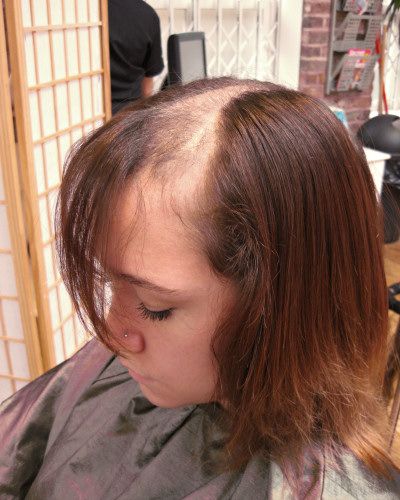
Bald patches that do not grow back need a professional’s opinion. A scalp that stays itchy, flaky, or sore needs proper checking.
Hair that keeps breaking despite a good routine may need lab tests. These signs could point to a deeper scalp or health issue.
Do not wait too long if something feels off with your child’s hair. A quick visit can catch a problem early before it grows worse. Trust your instinct, since you know your child’s hair better than anyone else.
A specialist can also confirm if a diet change is needed. Sometimes the issue is not the routine, but something internal. Getting a clear answer early saves months of guessing at home.
Everything Else Parents Should Know
There is always more to learn when it comes to kids’ hair. Products change, seasons change, and children’s hair changes as they grow.
What worked at age three may not work as well at age eight. Stay open to adjusting the routine as your child gets older. Talk to your child about their hair so they feel involved too.
This builds good habits that will last into their teenage years. For a full parent focused breakdown, read everything parents need to know about kid’s hair care. It ties every part of this guide together in one place.
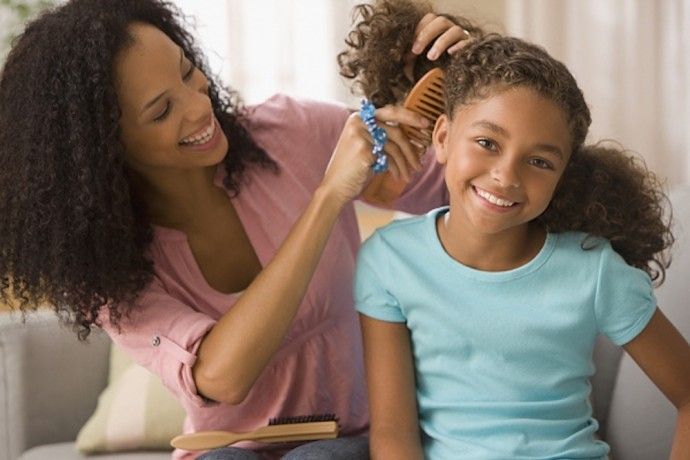
Hair care can also become a bonding moment between you and your child. Use the time to talk about their day or their week.
It turns a routine chore into something they may look forward to. That small shift changes how your child feels about hair care overall.

Final Thoughts
Caring for your child’s hair takes patience, not perfection. Small steps done often beat big efforts done rarely. Learn your child’s hair type, build a simple routine, and stay consistent.
Watch how their hair responds and adjust when something is not working. Every child’s hair tells its own story through how it feels and looks.
Listen to it, and you will rarely go wrong. With the right habits, healthy hair becomes easy, not stressful. Start with one small change today and build from there.
Leave a Reply