Some parents give up on the whole idea of a hair care routine after one stressful wash day. I do not blame them, dealing with kids can be stressful. Some wash days feel like a war between you and your child.
Some parents buy too many products, thinking it will help lessen the stress, but they usually lead to more frustration than results. You just need to be patient with your child and take it one step at a time.
A good routine is short, simple, and easy to repeat every week without much thought. It does not need ten products or an hour of your evening to be effective. It just needs a clear order and a bit of consistency from you as the parent. Once your child gets used to the steps, wash day slowly stops feeling like a battle between you two.
Even a five year old can learn to expect what comes next once you keep things steady. That predictability alone removes a lot of the tears and pushback that come with wash day.
Once you understand our ultimate guide to caring for your child’s hair, the rest becomes much easier to plan. That guide covers the basics, while this post gives you the exact steps to build a working routine.
Together, both posts give you a full and practical picture of daily hair care for kids. By the end of this post, you will have a routine you can start using today without any guesswork. No fancy salon training is needed to follow along, since everything here is written for busy, everyday parents. If you have five spare minutes and a bit of patience, you already have what it takes.

How To Create A Simple Hair Care Routine For Kids
Why Every Child Needs A Hair Routine
Kids do better with structure, and hair care is really no different from bedtime or mealtime. A routine removes the guesswork from wash day and makes the whole process calmer for everyone involved.
It also protects the hair itself, since random handling tends to cause more damage over time than people expect.
When you follow the same steps each time, you start noticing problems much faster than before. You will spot dryness, breakage, or scalp issues early, before they get worse and harder to fix.
A routine is not about being strict with your child, it is about staying consistent with the process.
It also gives your child a clear sense of what happens next during each wash day. That small comfort makes the whole experience feel far less scary or unpredictable for them.
Children who already know what is coming tend to sit still for much longer stretches. Consistency builds real trust between you and your child, and that trust carries into other parts of life too.

What A Simple Routine Actually Looks Like
A basic hair routine has five parts, and none of them are difficult to learn. You detangle first, then wash, then condition, then moisturize, and finally seal everything in with oil.
That order matters more than most parents realize when they are just getting started with routines.
Skip a step and the whole process becomes harder than it really needs to be. Follow the correct order and each step ends up supporting the one that comes right after it.
Think of it like building blocks, where each layer holds up the next one steadily. Miss a block early on and the whole structure starts to feel shaky by the end.
Once you learn this order, you will barely need to think about it again after a while. Print this short list out if it helps you stay on track during the first few weeks.
Most parents only need the reminder for a short stretch before the steps become second nature.

Step One: Detangling Before You Start
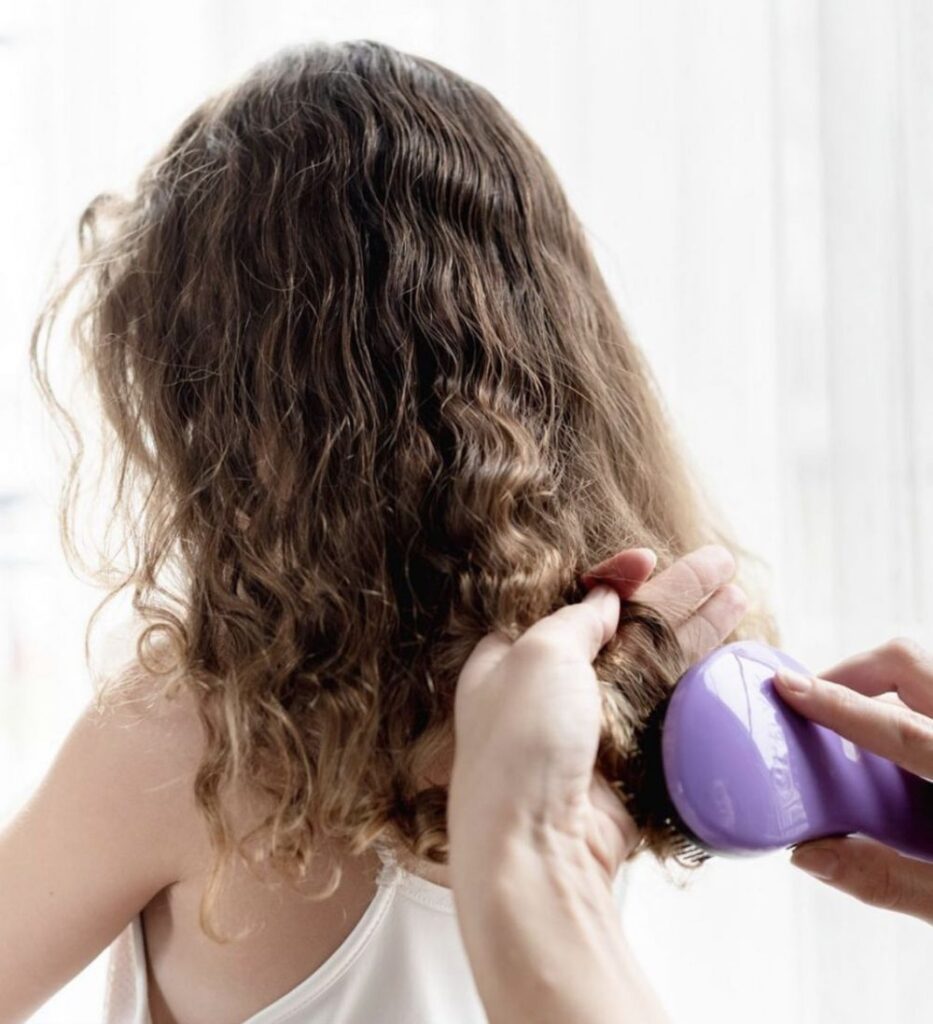
Always detangle the hair before you wet it, never after the wash is done. Dry detangling with a little oil on hand causes far less breakage than doing it wet.
Water tends to swell the hair shaft slightly, which makes existing knots even tighter to remove.
Work in small sections, starting from the tips and slowly moving your way upward. This one step alone prevents most of the tangling complaints that parents bring up during wash day.
Rushing through this part usually leads to worse knots later in the overall process.
Take a few extra minutes here, since it genuinely saves time further down the routine. A calm and patient start sets the tone for everything that follows in the routine.
For the full method, read how to detangle your child’s hair without tears, which pairs well with this guide. Keep a light oil close by so you can add more as you slowly work through each section.
Step Two: Washing The Right Way
Wet the hair completely before you add any shampoo to the scalp or strands. Use a gentle, sulfate free shampoo that has been made specifically for children’s hair and skin.
Focus your attention on the scalp itself, rather than the length of the hair strands.
The scalp is where dirt, sweat, and oil actually tend to build up the most. Rinse thoroughly, since leftover shampoo left behind can dry the hair out over the following days.
A quick massage with your fingertips also helps loosen buildup and feels relaxing for most kids.
Keep the water lukewarm rather than hot, since heat pulls extra moisture from a young scalp. If you are unsure how often to wash, check how often should you wash your child’s hair for full guidance.
That post explains the right washing schedule based on different hair types and daily activity levels. A cup or handheld shower head also makes the rinsing step noticeably easier for both of you.

Step Three: Conditioning For Softness
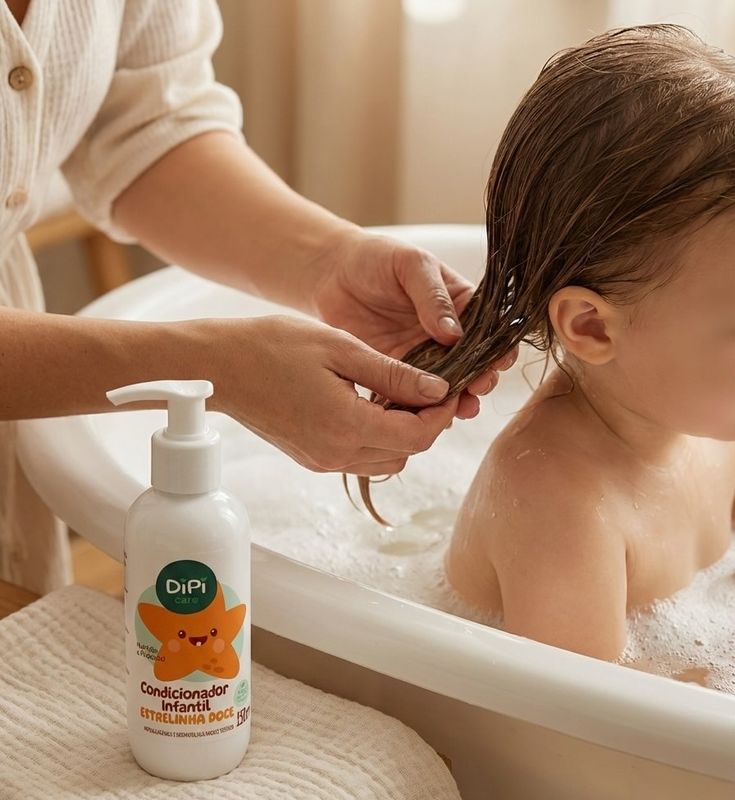
Apply conditioner right after you finish rinsing out the shampoo from the hair. Focus mainly on the mid lengths and ends, since the scalp rarely needs conditioner directly applied.
Let it sit for a few minutes before rinsing, giving the product time to actually work.
Use this short waiting period to sing a song or tell a quick, simple story. This single step softens the hair a great deal and makes every following step much easier.
Skipping conditioner entirely is one of the fastest ways to end up fighting tangles later on.
Rinse with slightly cool water at the end, since this helps smooth down the outer hair layer. A smooth strand reflects more light naturally, which is part of why hair looks shinier afterward.
Wide tooth combing through the conditioner also loosens any leftover knots before the next step begins.

Step Four: Moisturizing After The Wash
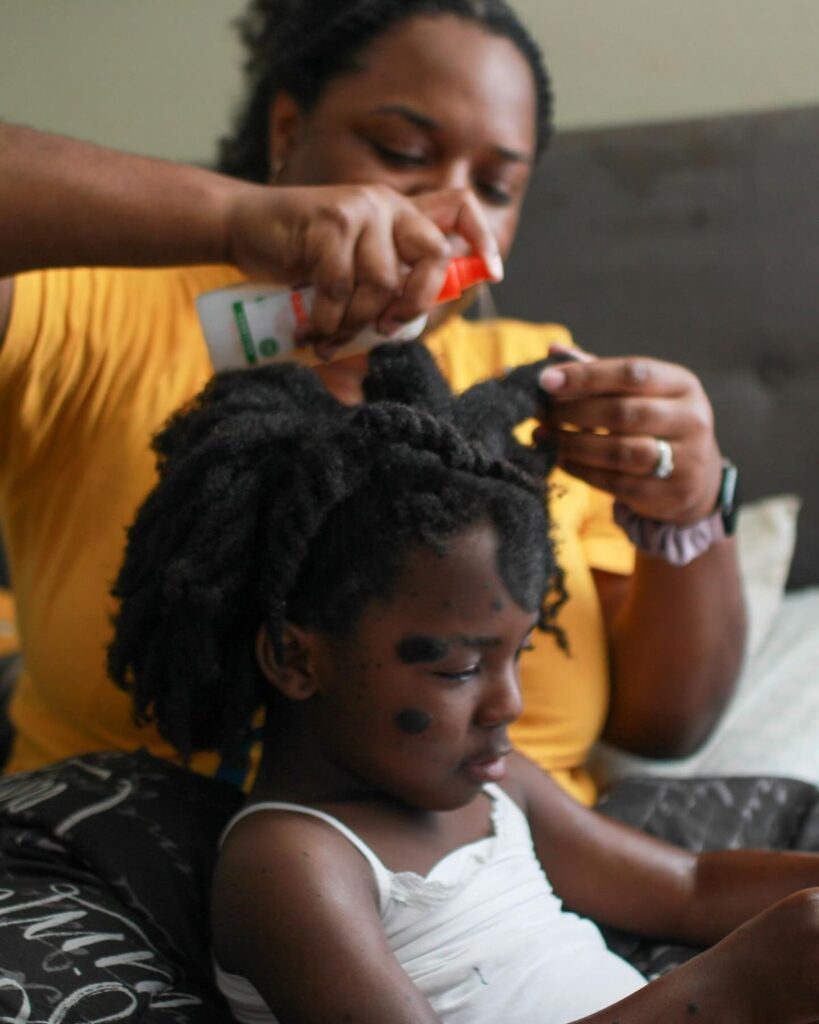
Moisture should always go on while the hair is still a little bit damp. Dry hair simply does not absorb products nearly as well as damp hair does. Use a light cream or leave-in product spread evenly across the whole head.
Break the hair into sections so that no single spot gets missed by accident. Pay extra attention to the ends, since they tend to dry out the fastest of all.
Rub a small amount between your palms first, since this spreads the product more evenly overall.
For the full method behind this step, read how to moisturize your child’s hair the right way for more detail.
Getting this particular step right changes how the rest of the week tends to go for the hair. Choose a cream that feels light in your hands, not thick, waxy, or overly heavy.
Step Five: Sealing It All In
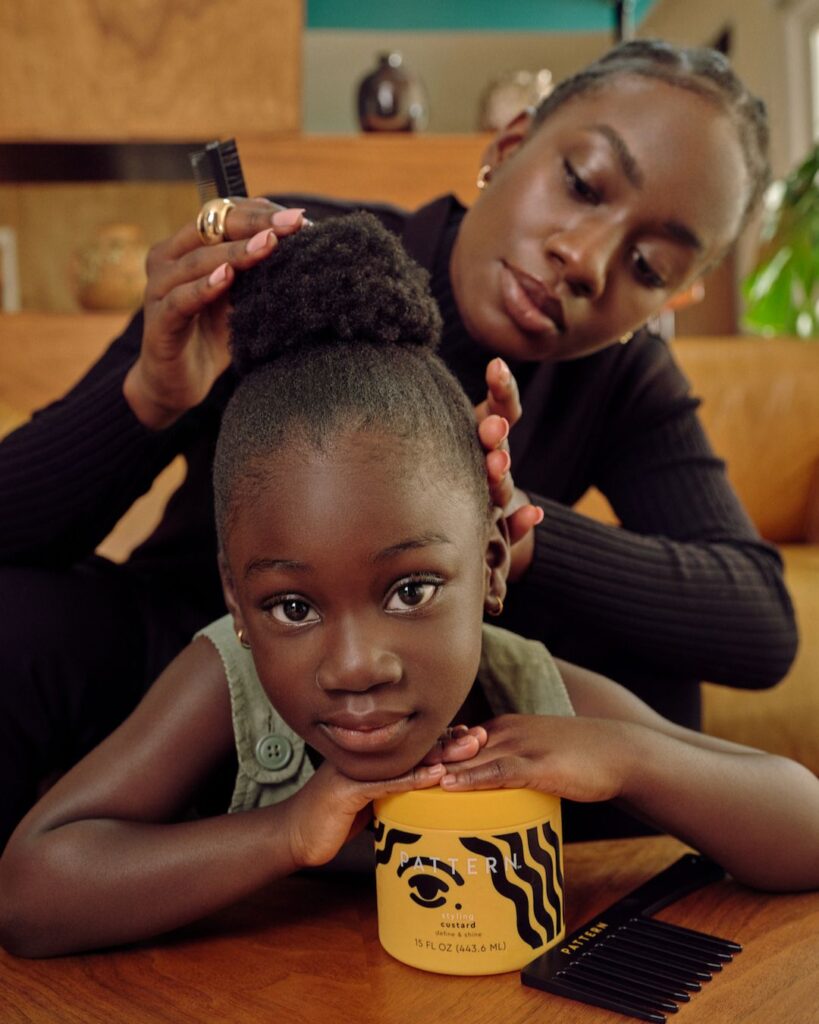
The final step is sealing that moisture in with a light layer of oil. A small amount goes a long way here, so try not to overdo the amount used. Focus most of the oil on the ends, since that area dries out the quickest.
This step locks the moisture in and keeps the hair feeling soft for much longer. Too much oil, though, can leave the hair looking greasy instead of healthy and soft. A lighter hand here almost always works better than a heavy, generous one.
Once this step is done, the main part of the routine is fully complete. Your child’s hair should feel soft to the touch, not sticky or weighed down at all. Coconut oil, olive oil, or a light hair oil blend all tend to work well for most kids.

Daily Touch Ups Between Wash Days
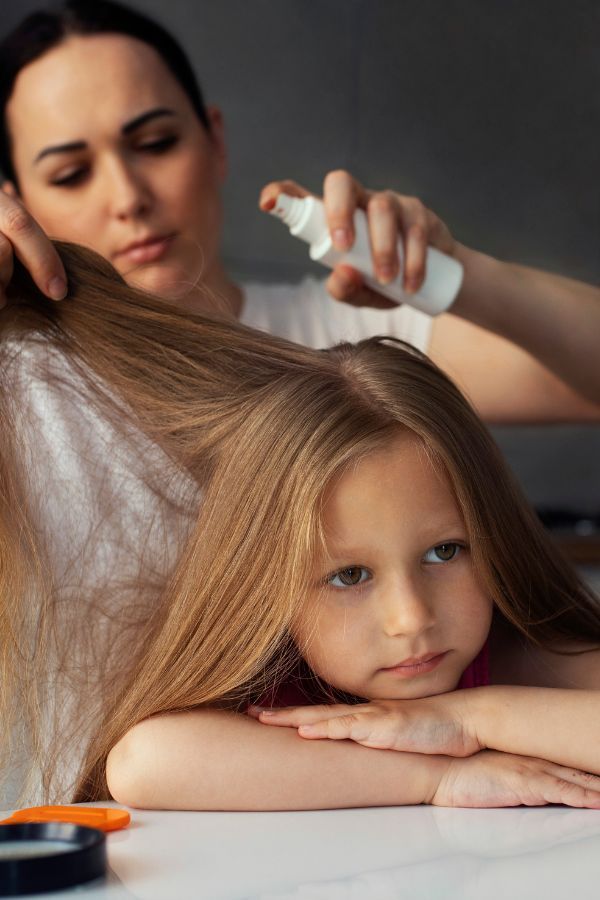
You do not need to repeat the full five step routine every single day of the week. A quick spray of water in the morning is often enough to refresh the hair. Smooth down any flyaway strands with a small amount of leave-in cream afterward.
This whole touch up process takes less than two minutes but keeps hair looking neat all day. My friend started doing this before her daughter’s school run and it changed their entire week.
Her daughter’s hair stayed soft and manageable instead of drying out by the middle of the week.
She now keeps a small spray bottle right by the front door for convenience. That one small habit saved her from doing extra, heavier work later on wash day.
A soft brush can also help redistribute natural oils from the scalp down toward the ends.
Adjusting The Routine By Season
Your child’s hair routine should not stay exactly the same throughout the entire year. Hot months usually call for lighter products and slightly more frequent moisture applications.
Cold months, on the other hand, call for richer creams and extra sealing with oil.
Rainy seasons often bring extra frizz and humidity, which needs its own kind of protection. This kind of seasonal shift keeps the hair protected no matter what the weather happens to be doing.
Ignoring these changes is one common reason a once reliable routine suddenly stops working as well.
For the full seasonal breakdown, read how to keep kids hair healthy and strong all year round for detailed tips. It walks you through each season and the small adjustments worth making along the way.
Watch your child’s hair closely for early signs that the season has quietly shifted again.
Building The Routine Around Breakage Prevention
A good hair routine should also protect against breakage, not just add shine to the hair. Gentle handling at every single step reduces the overall risk of snapped or weakened strands.
Avoid pulling too hard during detangling, washing, or styling, since tension is a common hidden cause.
Loose styles after the routine also help protect the delicate ends from unnecessary friction and stress. Watch out for tight elastic bands and rough towels too, since both can quietly cause damage.
A soft cotton shirt actually works far better than a regular towel for gently drying hair.
To understand the common causes in more depth, read how to prevent hair breakage in children’s hair. It covers a full, honest list of causes and simple fixes. Check your child’s hairline every few weeks for any early signs of thinning or stress.

Nighttime Additions To The Routine
The hair routine does not fully end once the hair has finished drying for the day. What happens overnight matters just as much as anything you do during the daytime steps.
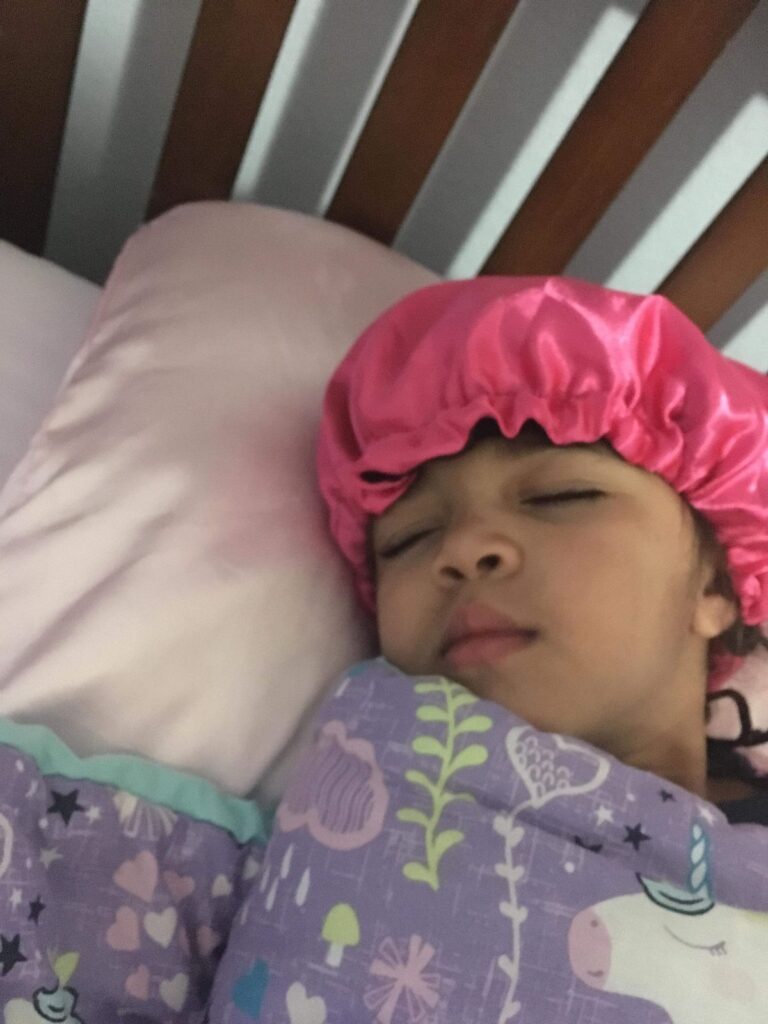
A satin bonnet or a silk pillowcase protects all the work you already put in earlier.
Loose braids or twists before bed also help reduce unnecessary tangling while your child sleeps. Skipping this small step often means starting the next wash day almost completely from scratch.
Try making it part of the regular bedtime story routine so it never feels like extra work.
For more detail on this topic, check how to protect kid’s hair while they sleep for a full guide. Adding this one extra nighttime step makes your entire morning routine noticeably shorter and smoother.
Keep the bonnet or scarf somewhere your child can easily reach it on their own each night.
Keeping It Soft Between Steps
Softness comes down to how gently you handle the hair throughout the entire process. Rushing through any single step tends to undo the good work done in the step before it.
Take your time, especially during the detangling and styling portions of the overall routine.
Talk calmly and try to keep the mood light while you work through each section. A tense, rushed parent often ends up with a tense and fidgety child in return.
For extra tips on this exact topic, see how to keep your child’s hair soft and tangle-free for more ideas.
A slower, steadier pace almost always leads to a noticeably better result by the end. Play some soft music in the background if your child tends to get restless quickly.
There is genuinely no prize for finishing the whole routine in record breaking time.

Tools That Make The Routine Easier
A wide tooth comb should always be within easy reach during every single step. A spray bottle filled with plain water helps with both detangling and daily moisture needs.
Soft fabric hair ties are noticeably gentler on strands than hard plastic clips or bands.
Keep everything gathered together in one small basket placed near the usual wash area. This simple habit saves you from searching around mid routine while your child waits impatiently.
Having every tool ready before you begin genuinely saves time and lowers overall stress levels.
Check your tools every few months for general wear, cracks, or other visible damage. A cracked comb tooth can easily snag hair and cause completely unnecessary breakage over time.
Replacing worn out items early, rather than late, pays off in noticeably fewer bad wash days.

How Long The Whole Routine Should Take
A full hair routine should generally take somewhere around fifteen to twenty minutes total. If it consistently takes much longer than that, something in your process likely needs adjusting.
Break the routine into smaller sessions if your child regularly struggles to sit still for long.
Wash on one day, then style the next day, if that split works better for your schedule. There is no single right way to structure this, as long as every step gets properly done.
Timing yourself just once can help you plan future wash days with far more confidence.
Once you settle into a steady rhythm, the whole process starts to feel almost automatic. Do not compare your own timing to whatever you see online or hear from other parents.
Every child sits differently, and every hair type simply takes a different amount of time to manage.

Getting Kids Involved In Their Own Routine
Older kids can gradually start handling parts of the routine entirely on their own. Let them hold the spray bottle, or let them apply their own leave-in cream themselves.
This kind of early involvement builds good habits that carry well into their teenage years later.
My client started letting her son pick out his own hair products at the store. He became noticeably more excited about wash day after that one simple change was made.
He even began reminding her himself when it was time for the next wash session.
Small choices like these give children a genuine sense of ownership over their own hair care. Involvement slowly turns a routine chore into something your child actually starts to look forward to.
Start with small tasks first, then gradually hand over bigger parts of the process as trust builds.

Common Mistakes That Break A Good Routine
Rushing through the steps is by far the most common mistake that parents tend to make. Skipping the conditioner step entirely is another mistake that shows up fairly often in practice.
Using adult hair products instead of ones made specifically for kids also causes real issues.
Going too long between wash days, without any daily touch ups, tends to add up quickly. Forgetting nighttime protection quietly undoes a lot of the effort put in during the day.
Switching products too frequently also confuses both the hair and the overall routine itself.
Small mistakes like these tend to stack up slowly over several weeks of neglect. Fixing even just one of these habits can genuinely make a real difference fairly fast.
Write down whichever mistake you notice yourself making most often during a typical week.
Adjusting The Routine As They Grow
What works well for a four year old may not work the same at nine. Hair texture and overall thickness naturally change quite a bit as your child continues to grow.
Check in on the current routine every few months and adjust wherever it seems needed.
Add or remove certain steps based on what the hair genuinely needs at that particular stage. Older kids may also want more say in how their own hair actually looks day to day.
Letting them have some input here tends to build real confidence over time as well.
A good routine should grow and change steadily alongside your child as the years pass. Puberty especially can bring noticeable changes in oil production and general hair texture as well.
Keep checking in regularly, rather than assuming whatever worked before will keep working forever unchanged.

When To Simplify Even Further
Some weeks are simply too busy to manage the full five step routine properly. On those particularly hard weeks, focus mainly on detangling and adding a bit of moisture.
A shortened routine done consistently genuinely beats a full routine that only gets done rarely.
Do not feel guilty about simplifying things during an especially hard or exhausting week. Every parent has busy stretches where the full plan is simply not realistic to manage.
A tired, rushed parent forcing every single step through helps absolutely no one in the end.
Getting back to the full routine the following week is always more than enough effort.
Keep a shortened version of the routine written down somewhere handy for exactly these moments. A little bit of care always beats no care at all during the busiest weeks.
Bringing It All Together
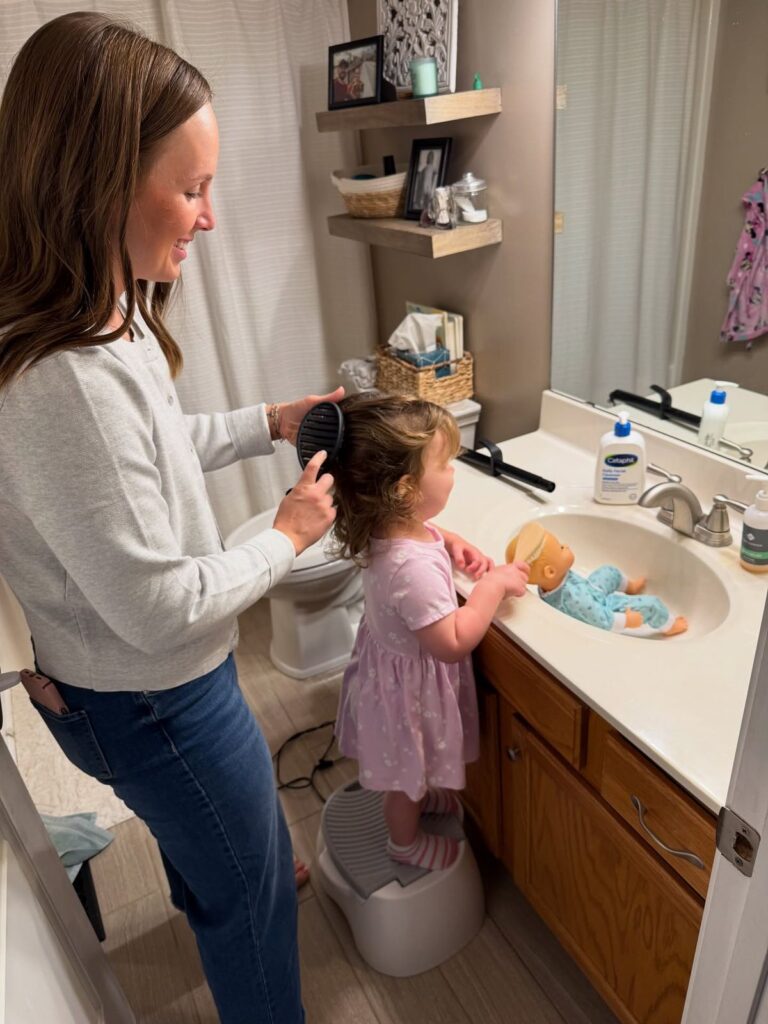
A simple, well built routine protects the hair, saves time, and lowers stress for everyone involved. It works best when it is paired with the right background knowledge behind every single step.
Each part connects naturally to the next, from the first wash through nighttime protection.
None of these individual steps work particularly well when done completely on their own. For a full parent focused overview, read everything parents need to know about kid’s hair care next.
It ties this whole routine into the much bigger picture of everyday hair care for kids.
Together, all of these steps give you a plan you can genuinely trust and repeat weekly. Print the five steps out and keep them somewhere visible around the house at first. Over time, neither of you will even need to glance at the list anymore.

Final Thoughts
A hair routine does not need to be perfect in order to actually work well. It only needs to be simple, repeatable, and kind toward your child’s hair and scalp.
Start small, stay reasonably consistent, and keep adjusting as you slowly learn what genuinely works.
Over time, this whole routine becomes second nature for both you and your child together. Your child may even begin to enjoy the process itself somewhere along the way.
Healthy, strong hair is ultimately built through small steps repeated again and again over time.
Leave a Reply