In the Hundred Acre Wood, a very hungry bear has lost his honey again, and he needs a brave helper. That helper might be your child, wearing rain boots, carrying a basket, and holding a very important map.
A story and a honey hunt together turn a quiet afternoon into a gentle adventure with a happy ending. Pooh stories have comforted children for almost a century, because they are about friendship, kindness, and small joys.
This guide shows you how to tell the story, hide the honey pots, and guide the hunt. Everything uses simple household items, and no one needs to be an expert reader or storyteller. Many parents find that a gentle story calms a restless child better than any loud game could.
If you need more ways to replace screens, see 17 Screen-Free Activities for Kids Who Are Bored at Home. The pace is slow and gentle, which suits young children who need calm adventures as much as wild ones. Honey hunts also work indoors or outdoors, so rain or shine, the adventure can go ahead.
Bring a cozy blanket, a jar of pretend honey, and a little patience, and the story can begin. Oh bother, we have no time to waste, because the honey is waiting somewhere in the woods.

How to Plan a Winnie-the-Pooh-Inspired Story and Honey Hunt
Why Pooh Stories Suit Young Children
Pooh stories move slowly, speak gently, and treat every small worry with kindness, which is exactly what young children need. The characters are simple and warm, so even a toddler can tell who is cheerful, nervous, or wise.
Each friend has a clear personality, and children enjoy picking a favorite and pretending to be that character. Problems in the stories are small and solvable, such as a lost honey pot or a misplaced balloon.
Calm adventures like this sit well beside 35 Quiet Activities for Kids When You Need a Calm Afternoon.
Because the stories feel safe, they are wonderful for children who dislike scary adventures or loud surprises. The language is playful, with funny names and gentle rhythms that make children giggle and repeat words.
A honey hunt adds movement to the story, so children can act out the adventure with their own bodies. Acting out stories improves memory, language, and imagination, and it makes reading feel like play instead of work.
Parents benefit too, because the soothing mood of the story slows the whole household down. Older relatives often share fond memories of the books, which turns the activity into a bridge between generations.
A gentle story can be just as exciting as any noisy game, and children quickly discover this.

Choose Your Story Setting
The setting shapes the mood, so decide if the honey hunt will happen indoors, outdoors, or in both places. A garden, a park, or a small patch of trees feels most like the Hundred Acre Wood.
Indoors, a living room with blankets, plants, and cushions can become a cozy imaginary forest.
If rain arrives, move the story indoors with 31 Rainy Day Activities for Kids That Need Almost No Preparation.
Hang green paper leaves from the ceiling or tape them to the wall to create a woodland feeling. Spread a brown sheet for the forest floor, and scatter a few pinecones or twigs on top.
Choose a spot with enough space for walking, hiding, and sitting in a circle for the story. Outdoors, check the ground for sharp objects, thorny plants, and anything unsafe before children arrive.
Pick a shaded area on warm days, and bring water bottles, hats, and a blanket for resting. Soft light makes everything feel more magical, so choose a time in the morning or late afternoon.
Let children name the place, such as the Little Wood or the Honey Meadow, to give them ownership. Walk the space once yourself, because you will quickly notice any hazards or awkward corners.
A small amount of decoration goes a long way, because children fill the rest with imagination.

Draw a Map of the Hundred Acre Wood
A map gives the story a shape, and children love following a path from one place to the next. Draw a large sheet with a river, a bridge, a tall tree, a house, and a hill.
Label each place with a friendly name, such as Owl’s Tree, Piglet’s House, and Honey Hill.
Borrow route ideas from How to Make a Home Treasure Map for a Children’s Adventure for your map.
Let your child add a few drawings, and the map immediately feels like a shared creation. Crumple the paper gently and rub it with a damp tea bag for an antique look.
Mark an X where the final honey pot will be hidden, and leave the rest a secret. Number the stops on the map, so children know the order in which to visit each place.
Use simple pictures instead of words for toddlers, and add short riddles for older children. Draw the map large enough to be seen by a group of children sitting close together.
Keep a copy for yourself with all the hiding spots marked, so you never lose track during the hunt. A hand-drawn map often becomes a keepsake, and many children ask to hang it on their bedroom wall.
Make the Honey Pots and Hide Them
The honey pots are the treasure of this adventure, so give them plenty of character. Use small paper cups, empty plastic jars, or yogurt pots, and paint them a warm golden yellow.
Write the word Honey on each pot in big, wobbly letters, which children will adore. Fill each pot with a surprise, such as a sticker, a small toy, or a folded note.
Keep the pots tidy with ideas from How to Make a Kids’ Boredom Basket That Encourages Independent Play.
Make one pot for each child, plus a few extras for surprise finds along the trail. Hide the pots under cushions, behind trees, inside baskets, or beside the rocks in the garden.
Place the pots at different heights, but keep all of them low enough for small children to reach. Leave a trail of tiny paper bees or yellow footprints leading children toward each hidden pot.
Make a few spare pots, because honey pots have a mysterious habit of disappearing during hunts. Avoid putting real honey in the pots, because honey is unsafe for babies and messy for everyone.
Keep the pots clean, dry, and free of sharp edges, because small hands will squeeze every corner. Let children help paint the pots, because crafting together builds excitement before the hunt even begins.

Bring the Characters to Life
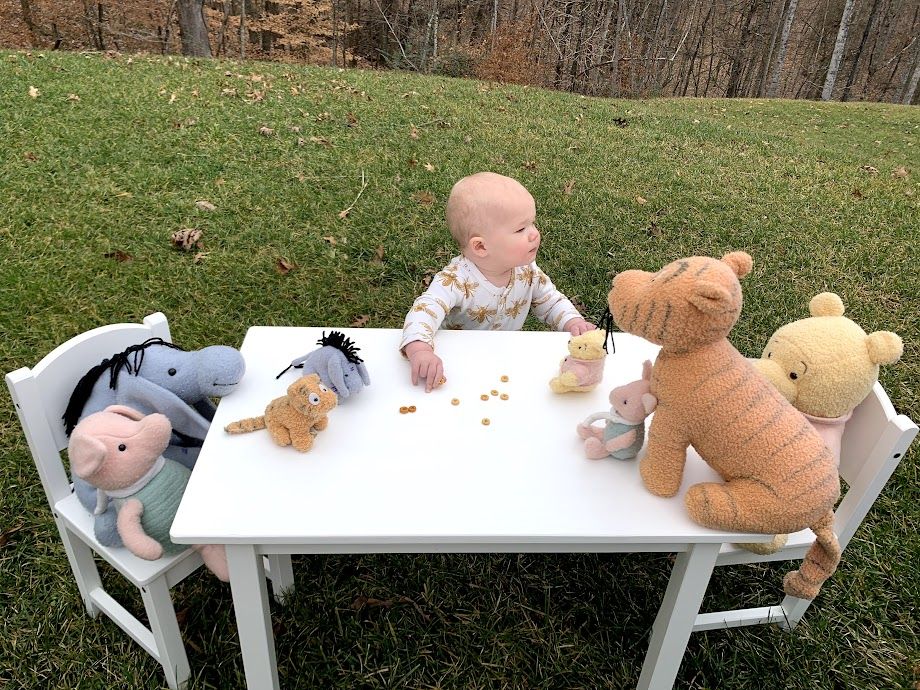
The friends of the Hundred Acre Wood are the heart of the story, so bring them into the room. Use stuffed animals as Pooh, Piglet, Eeyore, and Tigger, and seat them around the story circle.
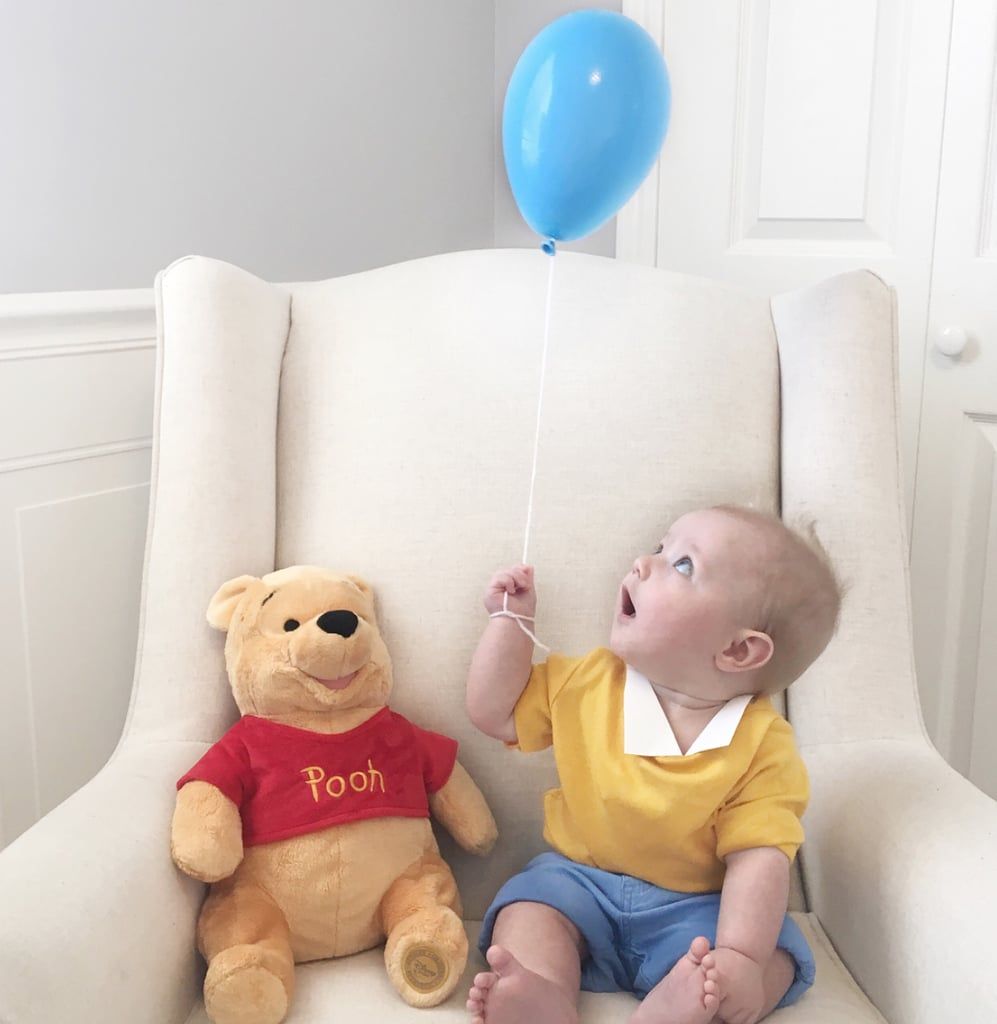
Give each child a character badge, such as a bear, a pig, a donkey, or a tiger. Children can wear a simple costume, like a red shirt for Pooh or a striped scarf for Tigger.
Puppets can join the cast, as explained in How to Set Up a Simple Puppet Show Activity for Kids.
Practice the character voices together, using a slow, thoughtful voice for Pooh and a bouncy voice for Tigger. Eeyore speaks in a low, sleepy voice, and children love making him sound gently gloomy.
Let shy children whisper for Piglet, because a small voice suits a small and nervous friend. Give every character a small task in the hunt, so each child has a role to play.
Rabbit can be in charge of the map, and Owl can read the clues aloud with great dignity. Kanga and Roo can carry the basket, while Tigger bounces ahead to scout for hidden honey.
Role play helps children understand different feelings, and they practice kindness without ever realizing it.
Tell the Story in Short Chapters
Instead of one long tale, tell the story in short chapters, each ending with a clue. Chapter one begins when Pooh wakes up hungry and discovers that his honey pots have vanished.
Chapter two follows the friends as they decide to search the wood together, led by your child. Each chapter should last about two minutes, and it should end with a small problem to solve.
For a bedtime version, add a tent from How to Create an Indoor Camping Adventure for Children.
After each chapter, children rise from the circle and search for the next clue or honey pot. Make up the plot as you go, and add silly twists like a bee that wants to help.
Ask questions during the story, such as where do you think Piglet went, and listen to the answers. Children enjoy shaping the plot, and their ideas often make the story funnier than your own.
Use a slow, warm voice, and pause often so the story has room to breathe. A familiar book can guide you, but your own words will feel more personal and lively.
Keep the ending happy, with Pooh finding his honey and every friend sharing a little.

Play Poohsticks With Sticks or Paper Boats
Poohsticks is a game from the original stories, where friends drop sticks from a bridge and watch them float. Find a small stream, a garden pond, or even a shallow tub with a wooden plank as a bridge.
Give each child a stick, a leaf, or a paper boat, and have them drop it at the same moment. Then everyone runs to the other side of the bridge to see whose stick floats out first.
Splashing fans may also enjoy 27 Easy Water Play Activities for Toddlers on warm days.
Mark each stick with a different colored ribbon or a name, so nobody argues about which is which. Indoors, use a large baking tray filled with water and blow gently on small paper boats.
Watching things float is calming, and children often grow quiet and thoughtful during the game. Never leave young children alone near water, even if the stream or tub seems shallow.
Choose slow, shallow water, and hold the hands of small children near bridges and edges. Throw only natural items like twigs and leaves, and collect every piece afterward to keep the water clean.
A single stick can offer ten minutes of calm wonder, which is a remarkable return for nothing.

Explore the Garden Like the Hundred Acre Wood
A short walk through a garden or park feels like a trip to the Hundred Acre Wood. Bring a basket and ask children to collect five treasures, such as leaves, pebbles, feathers, and pinecones.
Stop under a tree and tell part of the story, so the real wood becomes part of the tale.
Real nature clues appear in How to Plan a Nature Scavenger Hunt for Preschoolers for extra ideas.
Listen for birds, rustling leaves, and buzzing insects, and ask children to describe what they hear. Look for a hollow log or a dense bush, and imagine it as the home of a forest creature.
Watch the bees from a polite distance, and talk about how real honey is made. Keep children away from beehives, wasp nests, and any flowers where insects are gathering in numbers.
Check for allergies to stings before the walk, and carry any needed medicine with you. Wear long trousers and closed shoes in wild areas, and check clothes for ticks afterward.
Let children lead the walk for a few minutes, and follow wherever their curiosity takes you. Sit on a log or a blanket for a few quiet minutes, and let nature do its gentle work.
Children who spend time outdoors sleep better, move more, and feel calmer for hours afterward.
Share a Honey-Themed Picnic
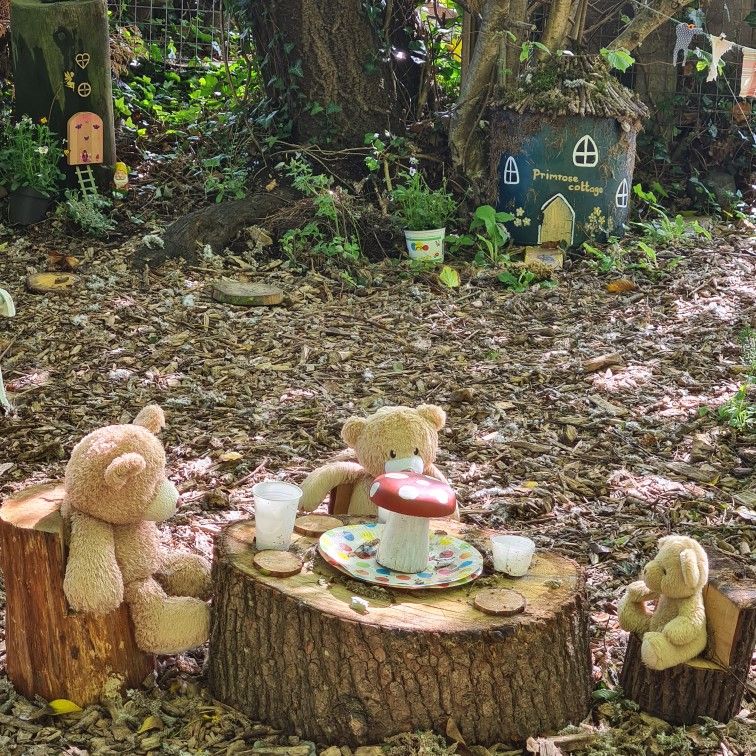
A picnic is the perfect end to a honey hunt, and Pooh would certainly approve. Spread a blanket, and set out simple snacks like bread, fruit slices, and plain biscuits.
Offer honey only to children over one year old, and serve it in a tiny spoonful.
Picnic lovers will enjoy 33 Backyard Activities for Kids Who Love Exploring on sunny afternoons.
Golden foods like banana slices, cheese cubes, and corn muffins fit the honey theme beautifully. Call each snack by a story name, such as Pooh’s picnic bread or Piglet’s tiny apple.
Serve water in small cups, and children will drink happily when it feels like part of the game. Check with parents about allergies to nuts, wheat, or dairy before offering any food to guests.
Cut grapes lengthwise and keep sticky foods away from toddlers who might choke or struggle. Sit together on the blanket and share the story of the day, with everyone adding a favorite moment.
Pooh would say that a small snack with friends is the best meal of all. Pack leftover food away, and leave no crumbs, because ants and birds also love honey-colored treats.

Open a Pretend Honey Shop
A honey shop adds a playful twist to the hunt, and children enjoy trading the pots they find. Set up a small table with a cloth, a few empty jars, and a hand-painted sign.
Children can exchange the paper bees they collected for honey pots, balloons, or small treats. One child plays the beekeeper, who weighs the honey and counts the bees with great care.
A honey stall can follow How to Set Up a Pretend Grocery Store for Kids at Home closely.
Price each item with one, two, or three bees, so young children can count without confusion. Add a bell on the counter, and children will ring it every time a customer arrives.
Taking turns as buyer and seller teaches fairness, counting, and polite conversation in a playful way. Let the stuffed animals visit as customers, and the shop becomes a lively corner of the wood.
Keep the shop open for ten minutes at a time, so children never lose interest or patience. Use paper bees instead of coins for very young children, because small coins are unsafe near toddlers.
A small shop can run for weeks, with new items and new customers appearing each day.

Adapt the Hunt for Different Ages
The story works for toddlers and older children alike, but the details should match each age. Toddlers need big honey pots, low hiding places, and a grown-up who walks beside them.
Keep the story very short for toddlers, with lots of animal sounds and simple repeated phrases. Preschoolers love picture clues, bright colors, and a chance to act out each favorite character.
Active children can burn extra energy with 17 Indoor Games for Kids That Help Them Burn Off Energy.
School-age children enjoy riddles, hidden codes, and puzzles that need some real thinking to solve. Older children can write their own chapters, drawing pictures and inventing new friends for the wood.
Mixed groups can pair older readers with younger helpers, which builds kindness and real teamwork. Give each age a different job, such as reading, searching, carrying, or ringing the honey bell.
Offer extra help to children with different needs, and adjust the route so every child feels included. Watch for tired faces, and shorten the hunt if the children begin to lose their enthusiasm.
A hunt that fits every child keeps the mood warm, kind, and welcoming for everyone.
Host a Hundred Acre Wood Party
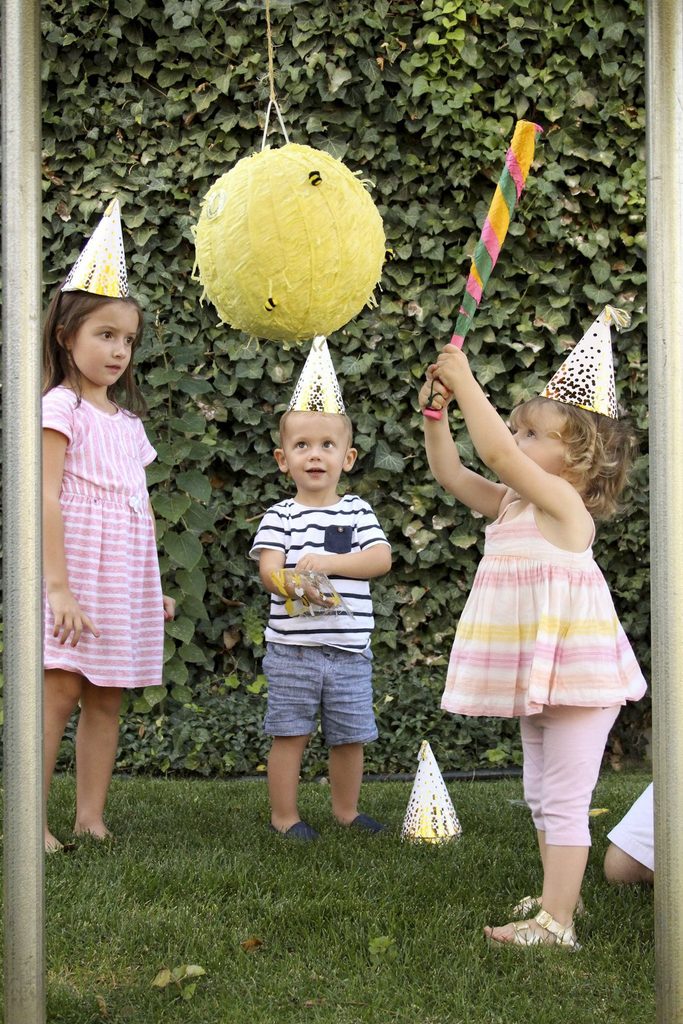
A Pooh-themed party feels gentle and cheerful, and it suits young guests who are overwhelmed by noisy events. Send invitations shaped like honey pots, and ask guests to bring a favorite stuffed animal.
Decorate the room with green leaves, yellow balloons, and a banner that says the Hundred Acre Wood.
A party hunt can borrow clue styles from How to Create a Bluey-Inspired Scavenger Hunt at Home.
Begin with a story circle, then send guests on the hunt, and finish with a picnic. Keep the guest list small, ideally six to eight children, so the story stays intimate and calm.
Invite two adult helpers to play the characters, one as Owl and one as Rabbit. Give each guest a small honey pot to take home, filled with stickers and a paper bee.
Play soft music in the background, and let balloons float across the room like gentle clouds. Practice the story once before the party, so the chapters flow smoothly when guests arrive.
Keep the party to about ninety minutes, because small guests tire quickly after excitement and sugar. Photographs of children in paper ears holding honey pots make wonderful memories for parents later.
Send guests home calm and happy, which every parent will appreciate far more than a goodie bag.
Teach Kindness and Friendship Through the Characters
The best part of these stories is the kindness, and the hunt gives you many chances to practice it. Ask children how Eeyore might feel when he loses his tail, and what a good friend would do.
Invite them to help a friend in the hunt, such as finding a pot for someone who found none. Praise acts of kindness out loud, and children will happily repeat them again and again.
Helpful tasks become games with How to Turn Household Chores Into Fun Games for Children as a guide.
Share the honey equally at the end, and talk about how sharing makes everyone feel good. Piglet can show that being brave means trying even when you feel afraid, which many children need to hear.
Pooh can show that patience and small kindnesses matter more than winning, which is a quiet but powerful message. Keep the lessons light, and let the story teach through example instead of long speeches.
Ask your child at bedtime which friend they were kindest to, and listen to the answer. These small conversations build empathy, and empathy is among the most useful skills a child can learn.
A gentle story can teach more than any lecture, because children remember how it made them feel.

End the Day With a Cozy Wind-Down
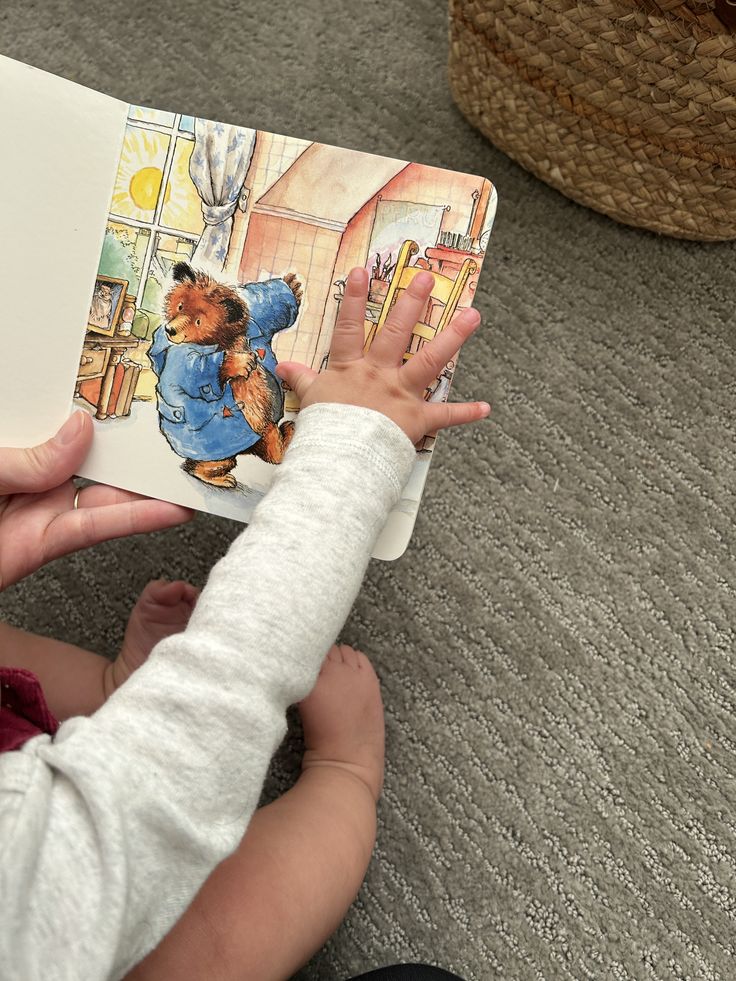
A gentle ending helps children settle, so plan a calm finish after the excitement of the hunt. Gather on a blanket with the stuffed animals, and read a short story in a soft voice.
Dim the lights, and let children hold their honey pots like precious treasure until they feel sleepy.
Finish the day gently with How to Organize a Kids’ Movie Night With Games and Activities for everyone.
Ask each child to name one favorite moment, and thank every character for helping on the hunt. Sing a quiet lullaby, or hum softly while children rest their heads on soft pillows nearby.
Offer warm milk or water, and keep the mood slow and loving until everyone is calm. If the hunt happens in the afternoon, finish with a quiet craft such as coloring the characters.
Tidy the honey pots together, and place them on a shelf as a memory of the adventure. Turn off bright lights and screens, and let candle-colored lamps create a warm and sleepy glow.
Children sleep better after a gentle day outdoors, and a soft story calms busy minds. A fixed wind-down routine tells the body that rest is coming, and children learn to welcome it.
Whisper goodnight to the stuffed friends, and let the Hundred Acre Wood fall quietly asleep.

Clean Up and Avoid Common Mistakes
When the adventure ends, gather the honey pots, maps, and props, and store them in a labeled box. Count the honey pots against your list, so no pot stays lost in the garden.
Wash any paint brushes and wipe the pots, so everything is ready for the next adventure. Ask children to help return stuffed animals to their places, and thank each for joining the hunt.
Now consider the common mistakes, so your honey hunt runs smoothly from start to finish. The first mistake is making the story too long, which loses children before the honey is found.
The second is hiding the pots too well, which turns excitement into frustration very quickly. The third is offering real honey to babies, which is never safe for children under one year.
The fourth is forgetting to join in, because children love stories most when a parent shares them. Avoid all four, and your adventure will feel warm, safe, and wonderfully unhurried for everyone.
Write down which parts delighted your child most, and the next adventure will be even better.
Final Thoughts: A Little Honey Goes a Long Way
Somewhere in the Hundred Acre Wood, a very hungry bear is smiling, because your child found his honey. You now know how to tell the story, draw the map, hide the pots, and keep every child safe.
You also know how to share kindness, handle different ages, and finish the day with a calm bedtime. None of it needs expensive gifts, only a few paper pots, a little imagination, and your warm company.
Long after the honey pots are forgotten, your child will remember the sound of your storytelling voice. Keep the pots on a shelf, and the Hundred Acre Wood will always be ready to reopen.
So sit down on the blanket, open the first chapter, and let the hunt for honey begin.
Leave a Reply