Kid’s love for outside cannot be explained. My little cousins will do anything just for them to play outside, and any day their parents let them out, their happiness doesn’t seem to end.
That’s the main reason they feel happy anytime fall season is coming. They don’t contain the joy that not only will they play outside, but with other kids and their toys too. They will go to different places and do different outdoor activities with their parents.
There’s something about fall air that makes kids want to run, dig, and explore more than any other season. Leaves crunch, bugs move slower, and every walk turns into a small discovery. That pull toward the outdoors is exactly what this list taps into.
This list covers twenty-five simple outdoor activities built for kids who love to explore. Each one uses things already found outside, so there’s little to prepare in advance. Most of these work well with almost no planning beyond stepping outside together.
If you’re also trying to cut down on screen time this season, this fits right in. This guide on how to reduce screen time with seasonal fall activities pairs naturally with everything covered below.
Keep this list nearby for slow afternoons, weekend mornings, or anytime your kids need fresh air. Try a few ideas each week instead of rushing through the whole list at once.
Each activity below is written in simple, clear steps your kids can mostly follow along with. Adjust the difficulty or pace based on your child’s age and attention span. The goal is curiosity and fun, not a perfectly completed checklist every single time.
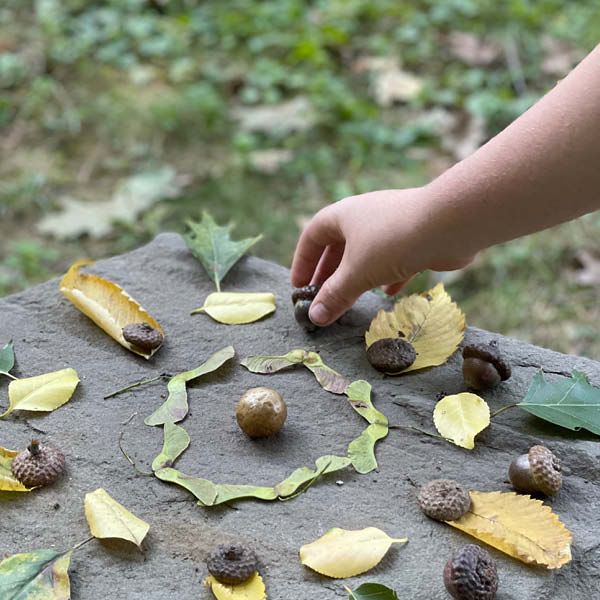
25 Outdoor Fall Nature Activities for Curious Kids
Why Outdoor Exploration Matters This Season
Kids who spend regular time outside tend to notice more small details in the world. Bugs, leaves, clouds, and changing weather all become interesting once a child slows down.
Fall gives kids a constantly shifting backdrop, since something new appears almost every week.
This kind of exploration also builds patience and focus in a way screens rarely do. Watching a bug crawl or waiting for a leaf to fall takes real attention. Over time, this attention span carries over into other parts of a child’s day.
Outdoor time also gives kids a low-pressure way to burn off extra energy. Running, climbing, and exploring all use up energy that might otherwise show up as restlessness indoors.
A short outdoor session often makes the rest of the day easier for everyone involved.
This kind of unstructured time also teaches kids to entertain themselves without much direction from a parent.
There’s no winner, no score, and no right way to explore a leaf pile or a bug. That freedom often leads to the most memorable moments of the whole outing.
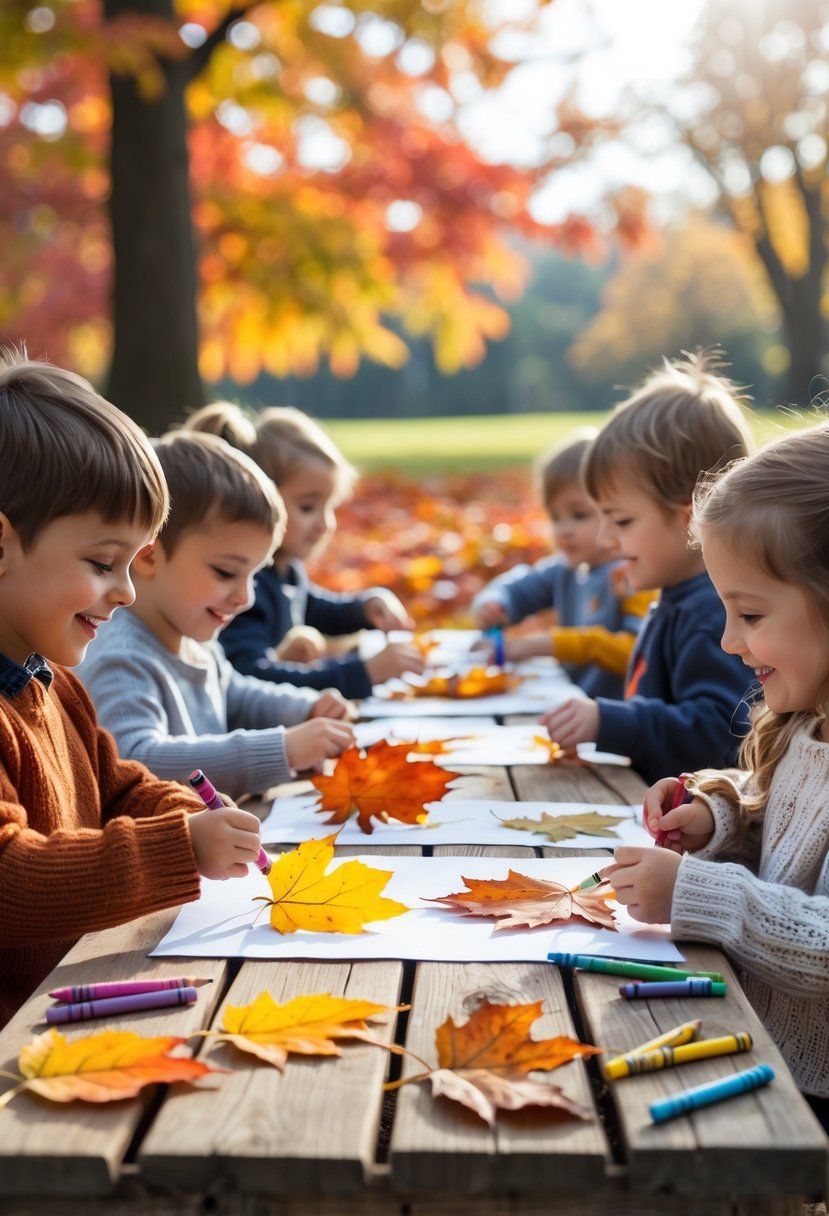
Leaf and Tree Activities
These activities focus on the most obvious sign fall has arrived: the leaves. They work well in almost any yard, park, or tree-lined street nearby.
If you want to turn any of these into a hands-on project afterward, check this out. This list of 35 easy fall crafts for kids using items you already have pairs naturally with several ideas here.
Most of these activities take only a few minutes but hold a young child’s attention surprisingly well. Repeat a favorite one from this group weekly to see how the leaves change over time.
1. Leaf Color Hunt
Ask your child to find one leaf in every color they can spot outside. Red, orange, yellow, brown, and even green all count during a search like this.
This simple game keeps young eyes busy scanning the ground and trees above. It also introduces basic color sorting in a way that feels like play.
This works well as a quick five minute activity between other errands. This is also a nice activity to repeat every week to track how colors shift. Bring a small bag along so nothing gets lost between the search and the count.
2. Biggest and Smallest Leaf Contest
Challenge your child to find the biggest leaf and the smallest leaf they can. Compare the two side by side once the search is finished.
This activity naturally teaches size comparison while keeping kids moving and searching outside. Try repeating the contest at different points in the season to compare results.
Keep a small ruler handy to measure the biggest find precisely. Kids often enjoy repeating this game every time they visit a new park. This game also works well as a friendly contest between siblings.
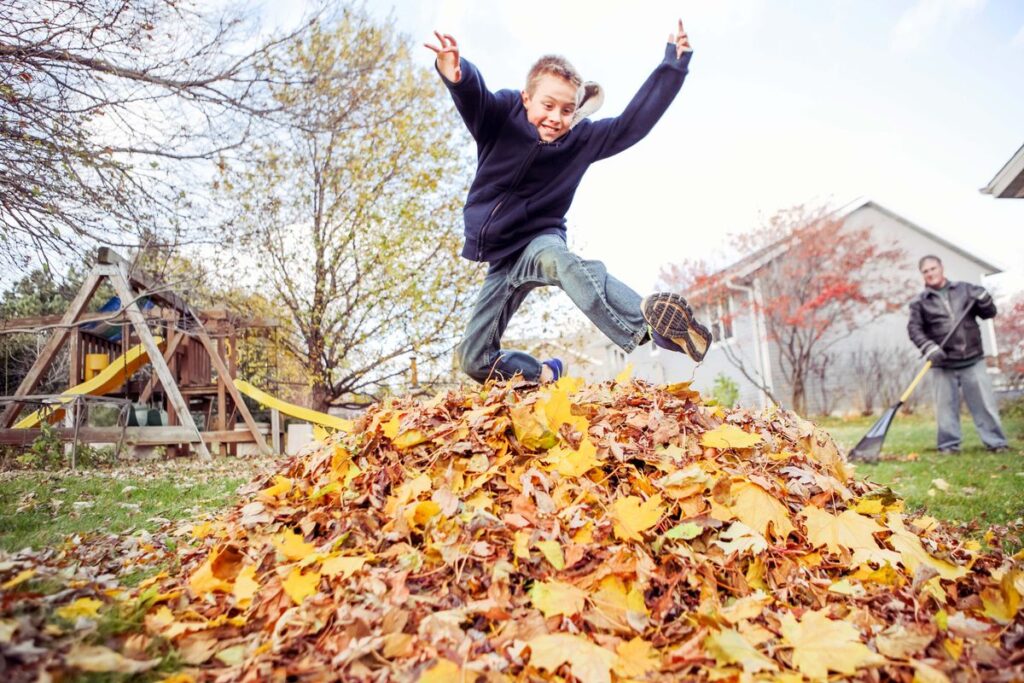
3. Leaf Pile Jumping
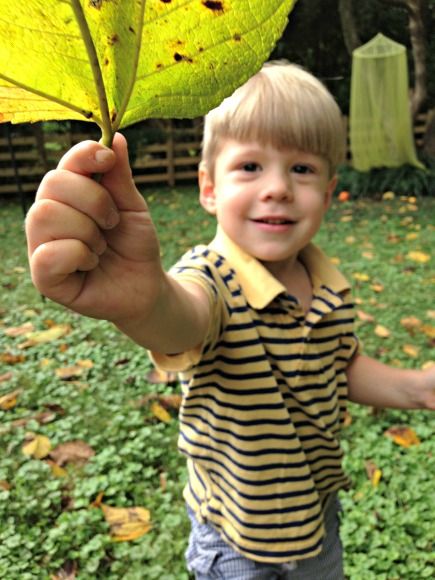
Rake a pile of leaves together and let your kids jump right in. This classic fall activity never seems to lose its appeal for young kids.
Rebuild the pile a few times for repeated rounds of jumping and laughing. Keep a camera ready, since these moments often make for great photos.
Add dry leaves from several different trees for extra crunch variety. Older kids can help rake, turning the setup into part of the fun.
Try this activity again after a fresh windy day for a bigger pile. This activity pairs naturally with raking as a shared chore turned into play.
4. Tree Bark Rubbing
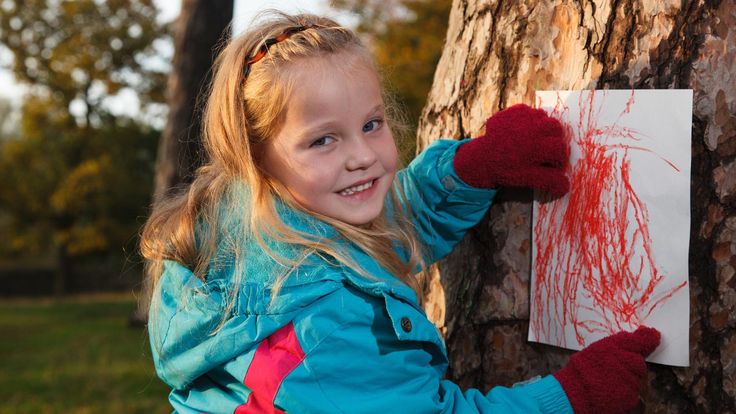
Press a piece of paper against tree bark and rub a crayon over the surface. Different trees create different textures, giving kids something new to compare each time.
Try this on a few different trees during the same outing. Talk about which textures felt rough, smooth, or somewhere in between.
Try comparing rubbings from young trees and older, more textured ones. Save a few rubbings in a folder to compare across the whole season. This works well as a small keepsake to save alongside pressed leaves later.
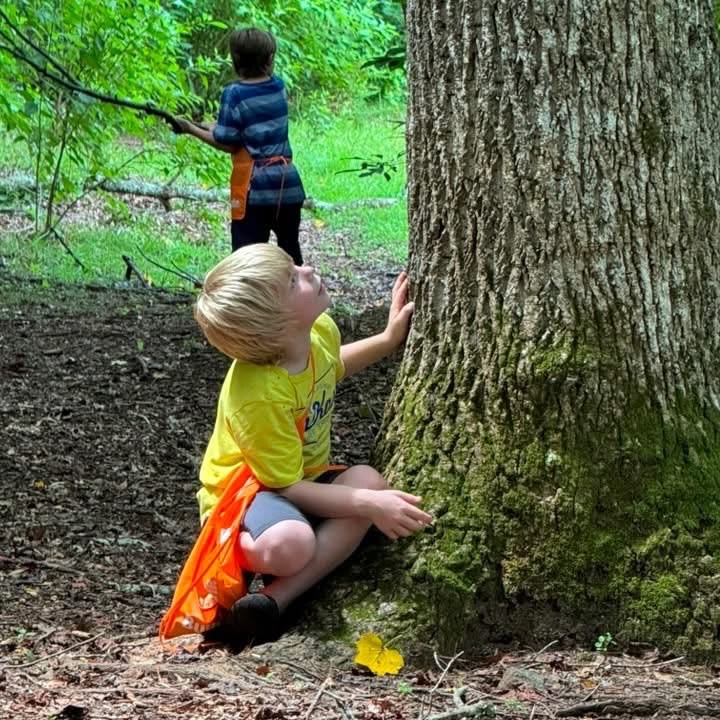
5. Tree Identification Walk
Bring a simple guide or use a free app to identify trees during a walk. Let your child guess the tree type before checking the answer together.
This builds observation skills while teaching basic facts about trees in your area. Over time, kids start recognizing common trees without needing to check every time.
This walk also works well paired with a simple tree fact book. This is a good pick for a family that enjoys learning small facts together.
Keep a running list of trees identified so far across the season. Older kids can take notes on which trees seem most common in your area.
Bug and Small Creature Activities
Fall brings out different insects and small animals than warmer months do. These activities focus on the smaller details many people walk right past
. Curious kids especially enjoy this kind of close, hands-on exploration outside. None of these cost anything beyond time, which fits well with a season on a budget. This guide on how to make the most of fall with kids on a budget has more ideas.
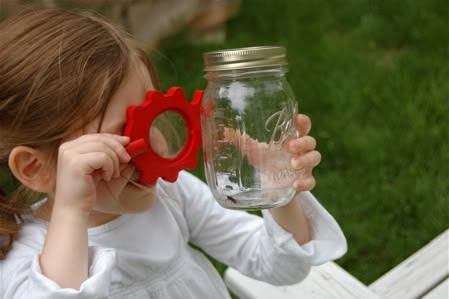
6. Bung Hunt With Jar
Give your child a small jar with holes poked in the lid for air. Let them search the yard for bugs to observe up close for a few minutes.
Always release the bugs back outside once the observation time is finished. This teaches respect for small creatures alongside basic hands-on curiosity.
Add a small magnifying glass for an even closer look at each bug. This activity works well for a child who prefers quiet, focused tasks. This activity teaches gentle handling alongside basic curiosity about small creatures.
7. Spider Web Spotting
Search for spider webs on bushes, fences, or in the corners of a porch. Morning dew often makes webs easier to spot against the light. Count how many webs you can find during a single short walk.
Talk about how spiders build their webs to catch food. Bring a flashlight for early morning webs still covered in dew. This gives kids a small but real look at how spiders build and hunt.
This works especially well in early morning light before the sun burns off dew. Talk about the difference between a web built for catching food and one for shelter.

8. Worm Watching After Rain
Head outside after a light rain to look for worms near the surface. Watch how they move and talk about why they come up after rain.
This activity works especially well for younger kids who enjoy simple, hands-on nature moments. Avoid picking up worms with bare hands if your child has sensitive skin.
Talk about how worms help keep soil healthy for plants nearby. This is a simple, low-key activity for a slower, quieter morning outside. This is a good chance to talk about the role worms play in nature.
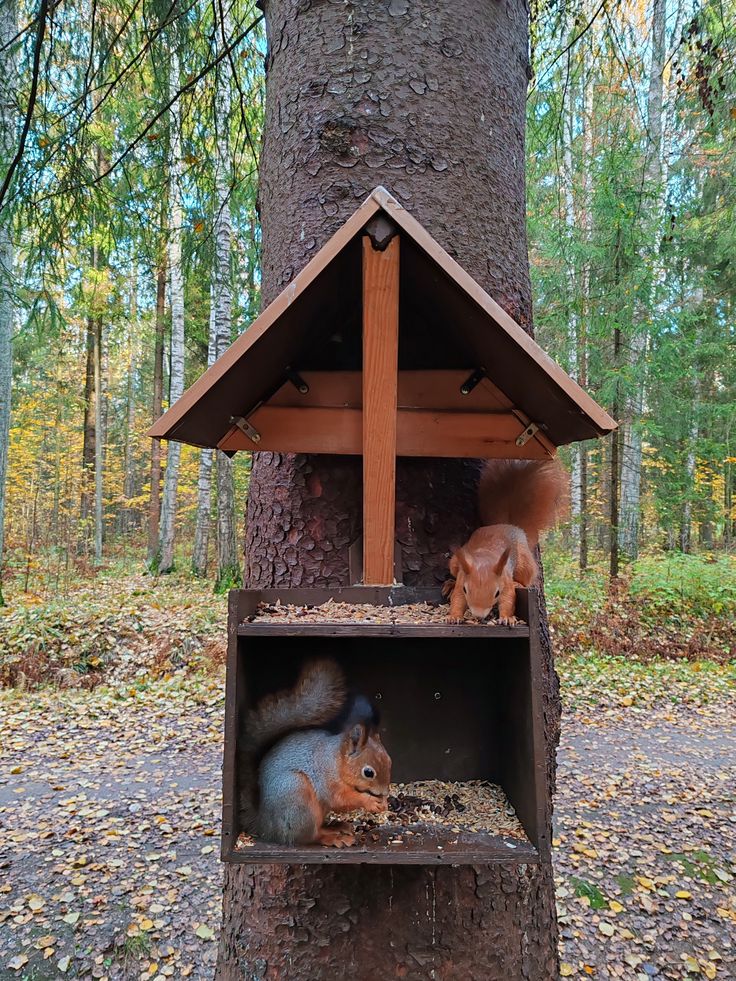
9. Squirrel Watching
Sit quietly in a yard or park and watch for squirrels gathering food. Talk about why squirrels collect and bury nuts before winter arrives. This teaches basic animal behavior while building patience during quiet observation time.
Bring a small notebook to sketch what you see if your child enjoys drawing. This works well from a porch on a cooler day too.
This activity builds patience since squirrels don’t always show up right away. Bring binoculars if you have them for a closer look from a distance.
10. Bird Feeder Watching
Set up a simple bird feeder using a pinecone coated in peanut butter and seeds. Hang it somewhere visible from a window or a porch railing.
Watch which birds visit over the following days and try to identify them. This activity works well even on days too cold for a full outdoor outing. Refill the feeder every few days to keep visitors coming back.
This turns a single afternoon setup into an ongoing activity over several days. This activity gives kids a reason to check outside first thing each morning.

Weather and Sky Activities
Fall weather changes quickly, giving kids plenty to notice from day to day. These activities help kids connect what they see outside to bigger ideas about weather and seasons.
Pair a few of these with a quiet reading session afterward for extra context. This list of the best fall books for kids to read together has titles that fit well here.
None of these require special equipment beyond what most families already own. A blanket, a notebook, or just a pair of eyes covers almost everything needed.
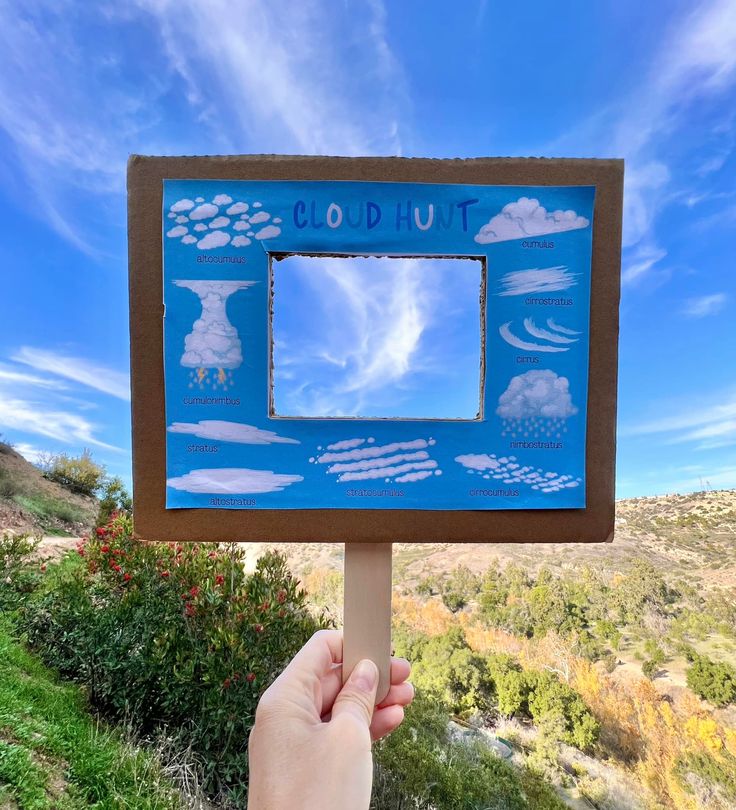
11. Cloud Watching
Lay a blanket down outside and spend a few minutes watching the clouds together. Ask your child what shapes or animals they can spot in the sky.
This simple, no-cost activity builds imagination while encouraging quiet, relaxed outdoor time. Try this at different times of day to compare how the sky changes.
This works well any time of year, but fall skies often look their most dramatic. Bring snacks along to turn this into a relaxed, extended outdoor break.
12. First Frost Search
On a cold morning, head outside to look for frost on grass or leaves. Talk about how frost forms and why it disappears once the sun rises.
This gives kids a simple science lesson tied directly to something they can touch. Take a photo each year to mark the first frost of the season.
Touch the frost gently and talk about how cold it feels. This is one of the simplest science lessons fall naturally offers for free.

13. Wind Catcher Walk
On a windy day, bring ribbons or a simple pinwheel outside to test the wind. Notice which direction leaves and ribbons blow during the walk.
This builds an early understanding of wind direction and weather patterns. Try flying a simple kite on a particularly windy afternoon for extra fun.
This activity works especially well on days when staying fully still feels hard. This activity also teaches basic direction words like north, south, east, and west. it teaches an early, hands-on sense of how weather moves through an area.

14. Temperature Check Habit
Check the outdoor temperature together each morning before heading out for the day. Talk about how the numbers connect to what coat or shoes to wear.
Over time, kids start predicting the weather based on the temperature alone. Keep a small chart to track how temperatures drop across the season.
Compare morning and evening temperatures to notice the daily swing. This small daily habit builds a basic sense of how seasons shift over time.
15. Fog Watching
On a foggy morning, step outside to notice how far you can see. Talk about how fog forms and why it usually clears by midday.
This activity works especially well paired with a warm drink and a quiet moment together. Take a photo of the same spot on a clear day for comparison later.
This works well paired with a warm breakfast right after coming inside. This activity works especially well as a calm start to a slower weekend morning.

Walking and Exploring Activities
These activities turn an ordinary walk into something more structured and engaging. They work well around a neighborhood, a local park, or a nature trail nearby.
For more ideas that pair well with a walk like this, look here. This roundup of 27 fun fall activities for kids to enjoy this season has more options to explore.
16. Nature Scavenger Hunt
Make a simple list of items to find, like a pinecone, acorn, or red leaf. Let your kids check off each item as they spot it during the walk.
This keeps attention focused and turns an ordinary walk into a small game. Adjust the list difficulty based on your child’s age and attention span.
This is one of the easiest activities to repeat in a new location each time. This activity works well solo or with a group of friends along.
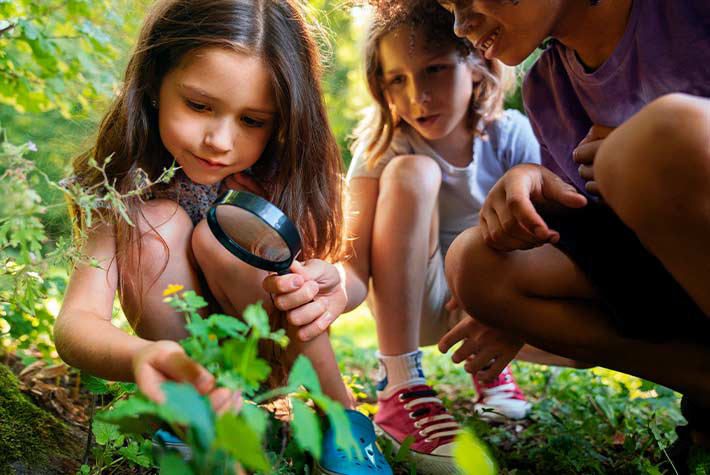
17. Follow the Leader Nature Walk
Take turns letting each family member lead the walk and choose the direction. The leader gets to pick which path to take or what to stop and look at.
This builds a sense of ownership over the outing for younger kids especially. Rotate leaders every few minutes to keep things fair and engaging.
This builds confidence in younger kids who enjoy having a turn to lead. This game works well even on a familiar, well-worn walking route. This game teaches basic decision making in a low-stakes, playful setting.
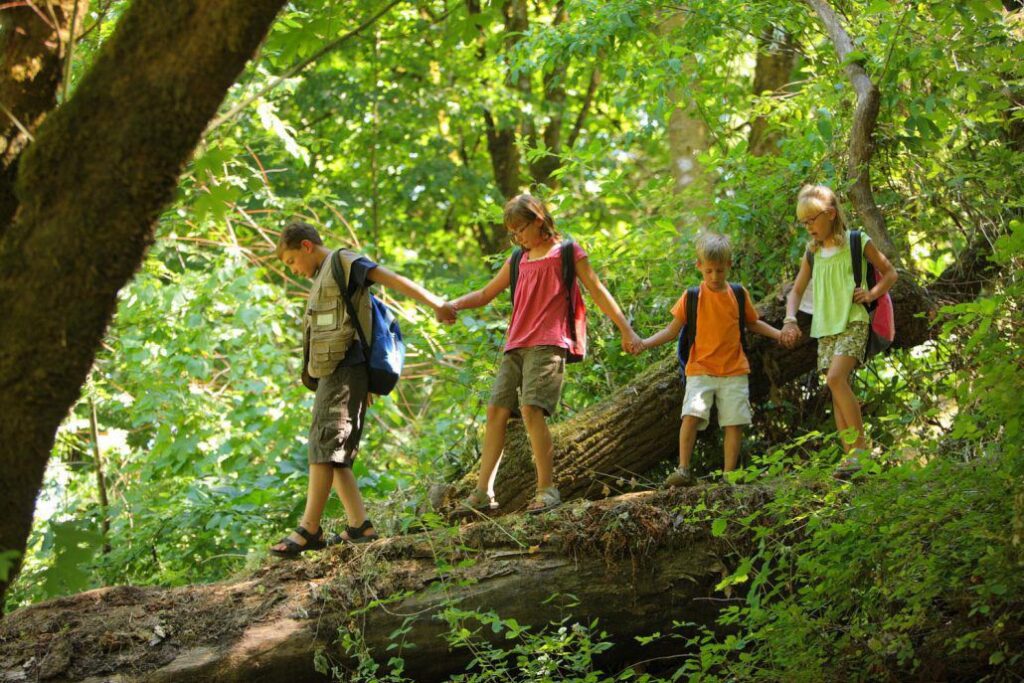
18. Barefoot Grass Walk
On a mild day, let your kids walk barefoot across grass or soft dirt. Talk about how the textures feel different from shoes or pavement.
This simple sensory activity works well for younger kids who enjoy tactile exploration. Save this one for warmer fall afternoons before the ground gets too cold.
Check the ground carefully first for anything sharp before starting. This activity builds body awareness in a simple, low-cost way. This is best saved for milder days before the ground turns too cold.
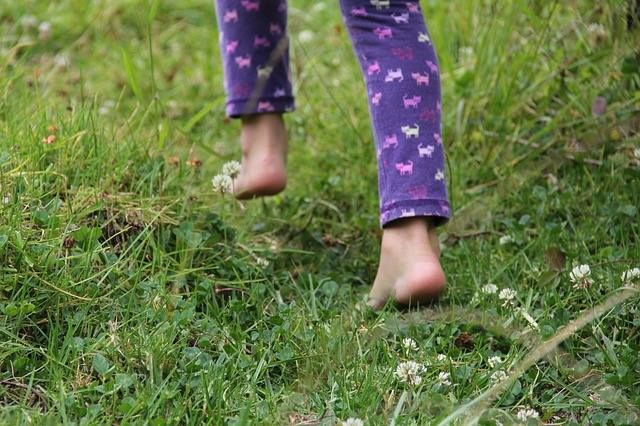
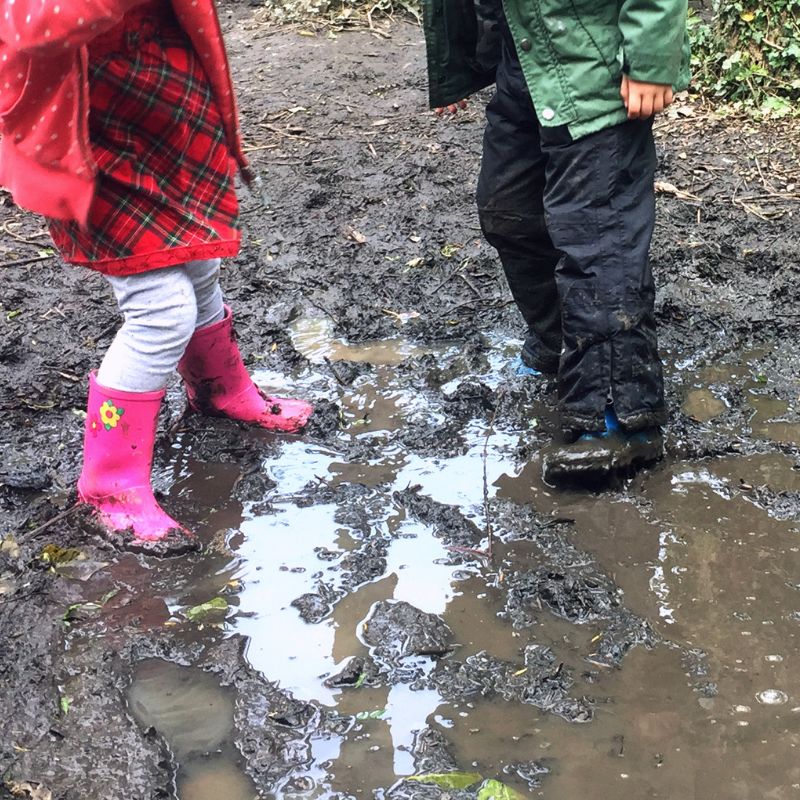
19. Puddle Jumping After Rain
Head outside after a rain shower to find puddles worth jumping in. Wear boots and old clothes so the mess doesn’t matter at all. This simple activity rarely fails to make kids laugh and burn off energy.
Measure puddle depth with a stick for an added science element if your child is curious. This works especially well right after a warm afternoon rain.
This activity also teaches basic ideas about water and where it collects. This activity also teaches basic ideas about how rain collects and drains.
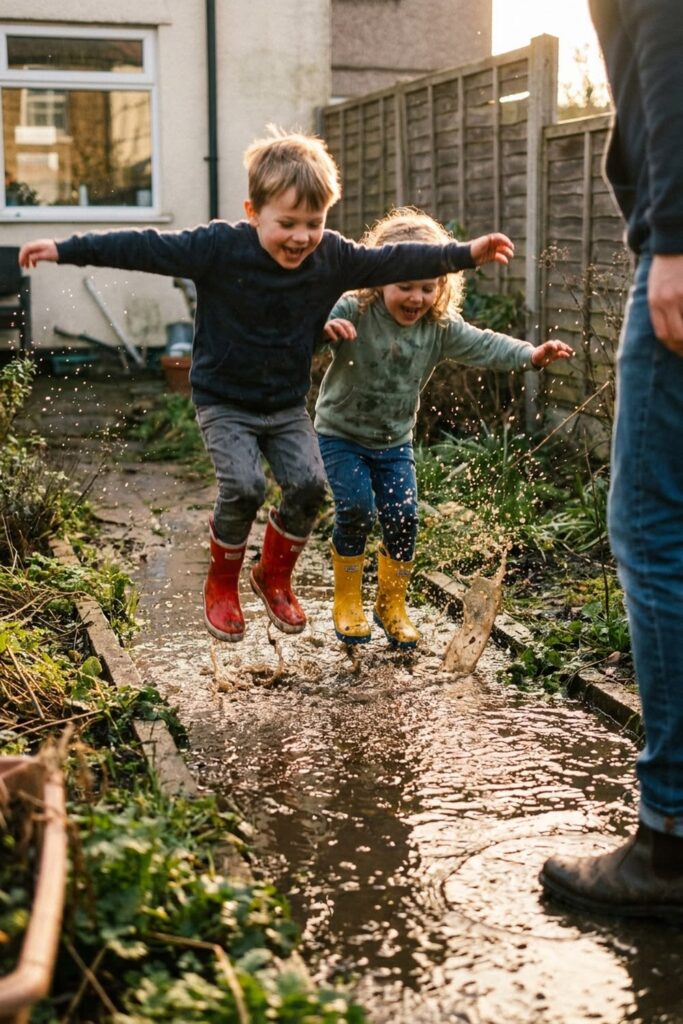
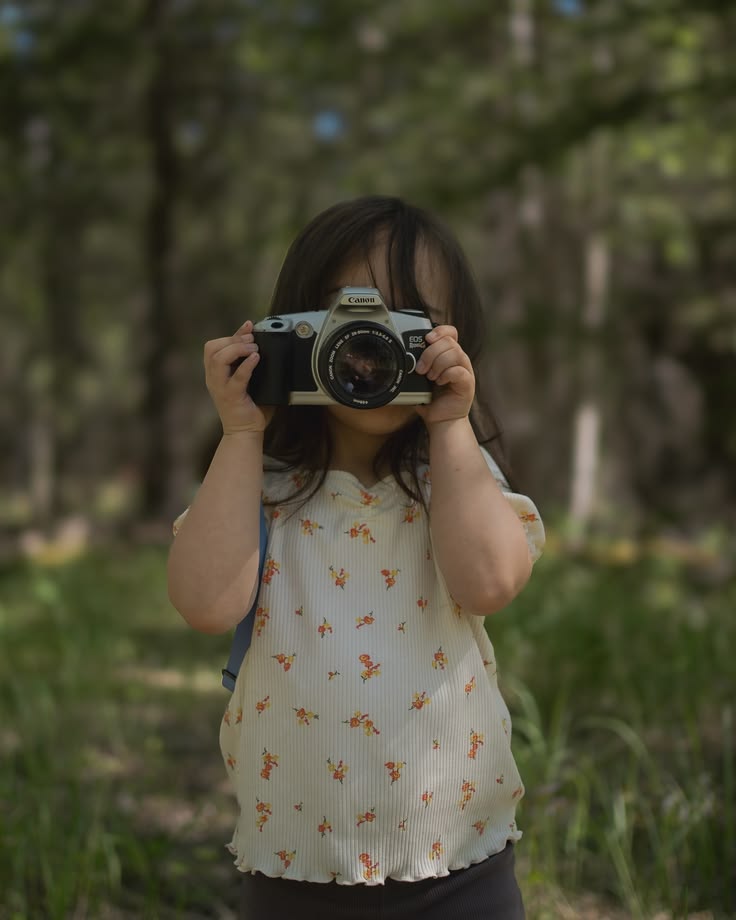
20. Neighborhood Nature Photo Walk
Bring a phone or simple camera along on a walk around the block. Let your kids photograph anything that catches their eye during the outing.
Look through the photos together afterward and talk about what they noticed most. Print a few favorites to build a simple photo collection over the season.
Try black and white filters for a different creative photo style. This collection becomes something kids enjoy revisiting long after the season ends.
Collecting and Journaling Activities
These activities focus on gathering and recording what kids notice while outside. They work well as a follow-up to any of the walks or hunts above.
For more ideas to round out your whole fall season, this roundup helps. This list of 31 family fall bucket list ideas you’ll want to try this year covers plenty of ground.
These activities also work well on their own as a quiet, wind-down part of the day. They pair naturally with a cozy spot inside once your child is ready to head back in.
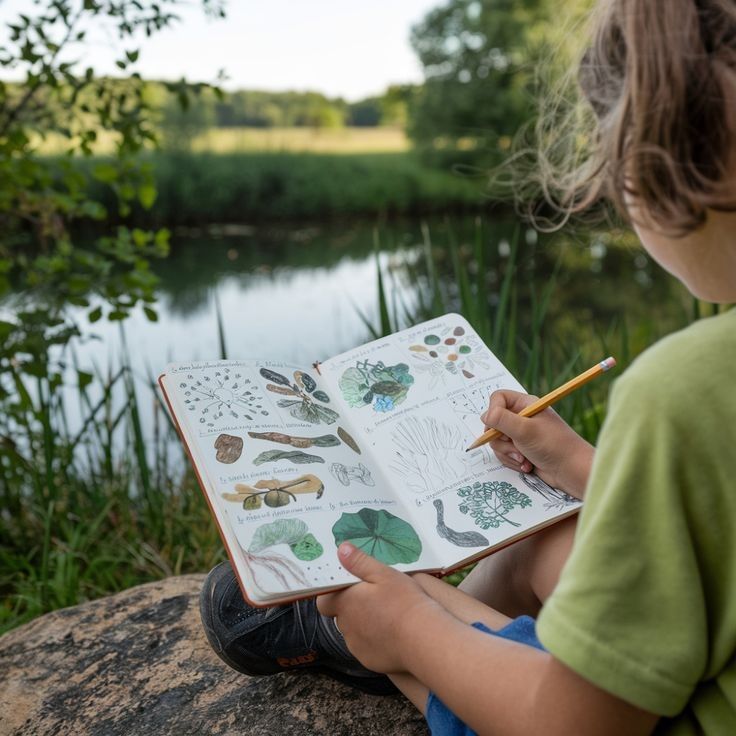
21. Start a Nature Journal
Hand your child a small notebook to draw or write about what they find outside. This builds observation skills while creating a simple keepsake from the season.
Encourage drawing over writing for younger kids who aren’t reading and writing independently yet. Revisit old entries together at the end of the season to see how much they noticed.
This is one of the easiest activities to keep going well past fall. This is a good long term project that grows richer as the season goes on. Set a reminder to add a new entry at least once a week.
22. Acorn and Pinecone Collection
Collect acorns and pinecones during a walk and sort them by size once home. This simple sorting activity builds early math skills alongside outdoor exploration.
Use the collected items later for crafts or a simple nature display at home. Store extras in a small basket for easy access during future craft sessions.
Use a shoebox to store and organize the growing collection. This collection also works well as a simple counting and sorting lesson. This project also teaches patience, since good pinecones take some searching to find.

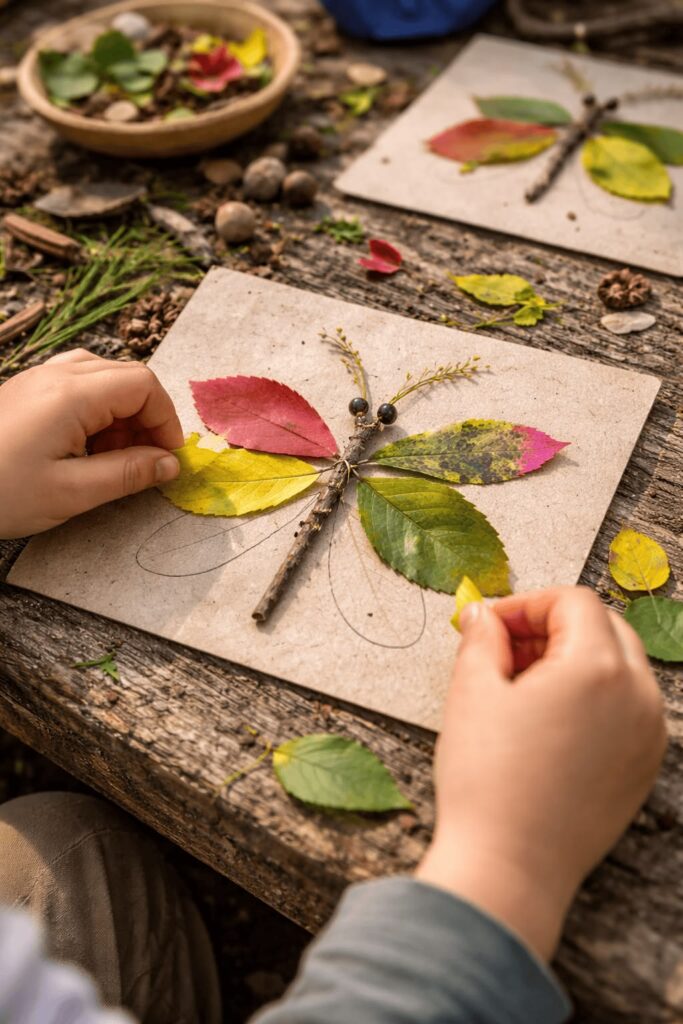
23. Pressed Leaf Collection
Press a variety of leaves between heavy books over the course of a week. Once dried, sort them by color, shape, or the tree they came from.
This turns a simple walk into a longer-term project kids can revisit. Label each leaf with the date and location it was found for a fuller record.
This collection also works well as material for later craft projects. This is a slower project best suited for a patient, detail oriented child. Try pressing a few extra leaves in case one gets damaged during handling.
24. Weather Journal
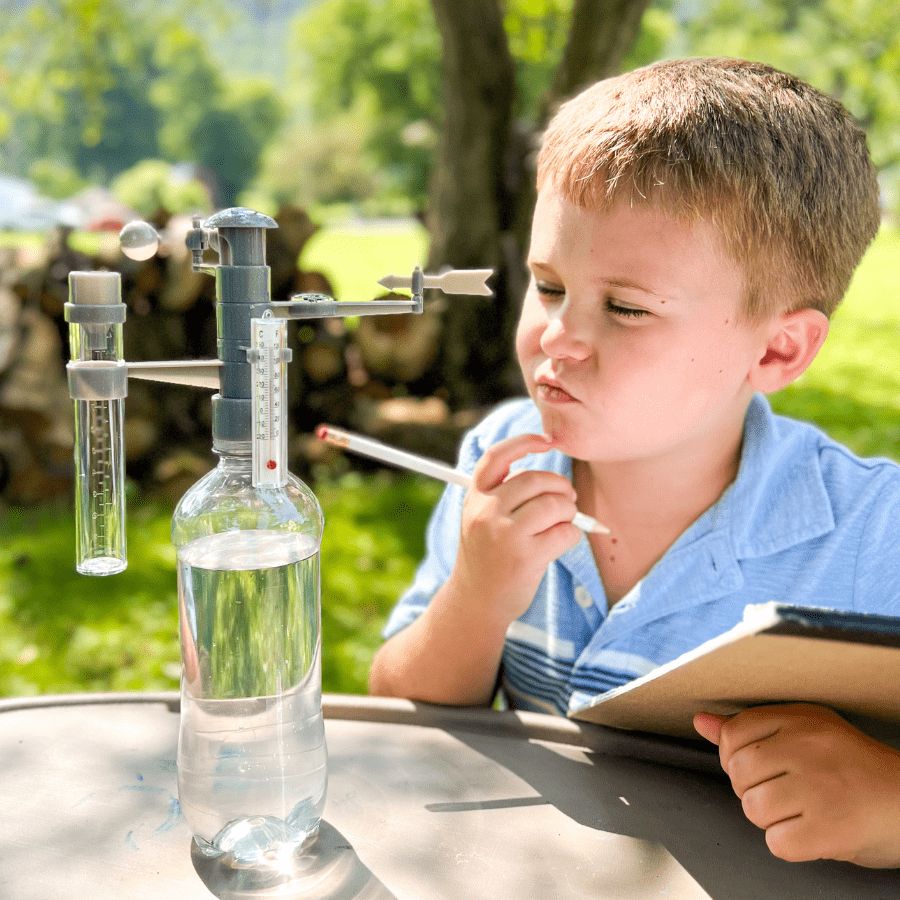
Keep a simple daily log of the weather, temperature, and anything noticed outside. Younger kids can draw simple pictures instead of writing full sentences.
This builds a habit of observation that carries on well past the fall season. Compare entries from the start and end of the season to see the shift.
This is a good habit to start early in the season for the fullest record. This habit also builds simple writing or drawing practice without feeling like schoolwork.
25. Fall Bingo Card
Make a simple bingo card with common fall sights, like a red leaf or an acorn. Take the card on walks and mark off items as your child spots them.
This adds a playful structure to nature walks without requiring any real planning. Reuse the same card throughout the season to see how quickly it fills up.
Swap the card design each year to keep the game feeling fresh. This activity works especially well for a group of kids playing together. This activity works well as a quiet wind-down after a more active outing.

Final Thoughts
Twenty-five activities is plenty to fill an entire fall season without repeating the same outing twice. None of these require a big trip, special equipment, or much advance planning. Most work with items and spaces you already have close to home.
Pick a few that sound exciting to your kids and start with those this week. Let the list guide you toward slower, more observant outdoor time together.
Over time, your kids may start noticing things outside without needing any prompting at all.
If you want to build outdoor exploration into a repeated habit, treat it like any other tradition. This guide covers how to create meaningful fall traditions your kids will look forward to.
For even more ways to fill your fall calendar, look here. This roundup of 37 fun fall activities for kids to enjoy this season has plenty of extra ideas.
Curiosity outside doesn’t need much encouragement once kids get used to slowing down and looking closely. Fall gives you the perfect backdrop for building that habit, one small walk at a time.
These small outdoor moments often become part of the memories fall leaves behind. This piece covers the childhood memories every fall should create and ties closely into everything explored here.
Start with just one activity this weekend and see where your child’s curiosity takes things from there. The rest of the list will still be waiting whenever you’re ready to try more.
Leave a Reply