Screens have a strong pull on kids, especially once the weather turns and everyone stays indoors more. Cooler air, shorter days, and falling leaves give you a natural reason to step outside together as a family.
You don’t need strict rules or a big fight to make this shift. You just need activities that feel more fun than a screen.
The good news is fall hands you most of these activities for free. A pile of leaves or a walk around the block can pull attention away easily.
A quiet hour with a good book works just as well. None of it needs to feel forced or planned out in advance. Once you build a few small habits, the shift happens on its own.
If you’re also trying to stretch your budget this season, start here. This guide on how to make the most of fall with kids on a budget pairs well with everything below.
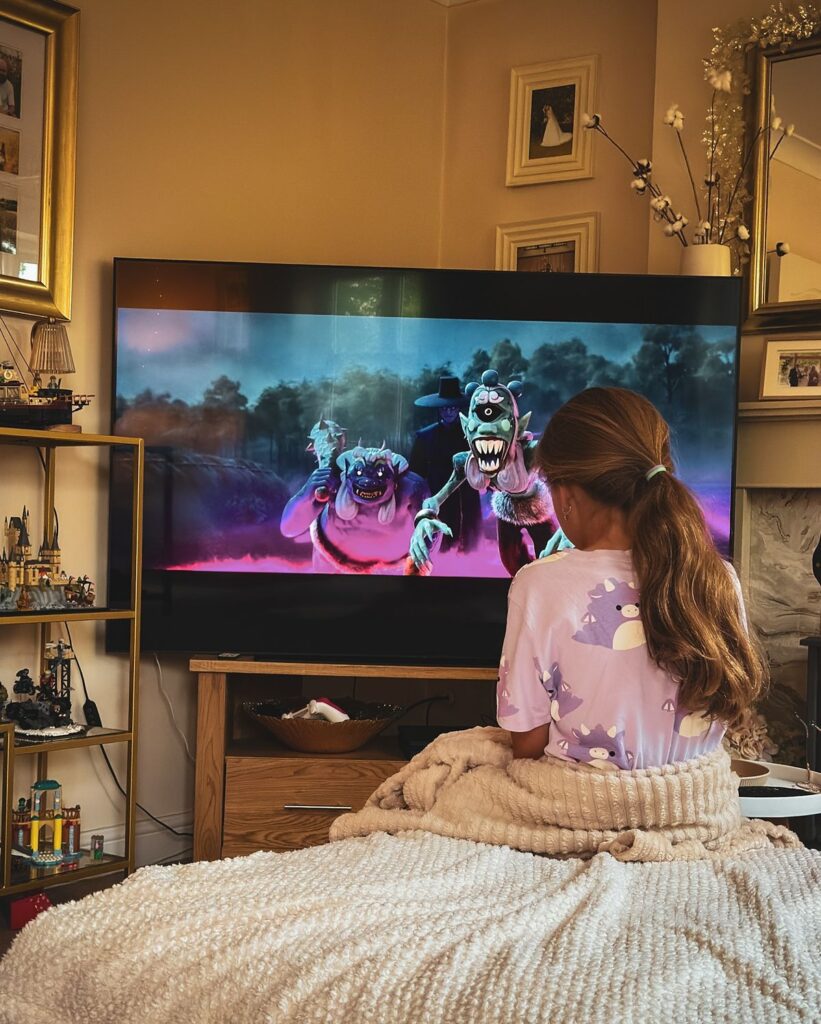
How to Reduce Screen Time with Seasonal Fall Activities
Why Kids Get Pulled to Screens So Easily
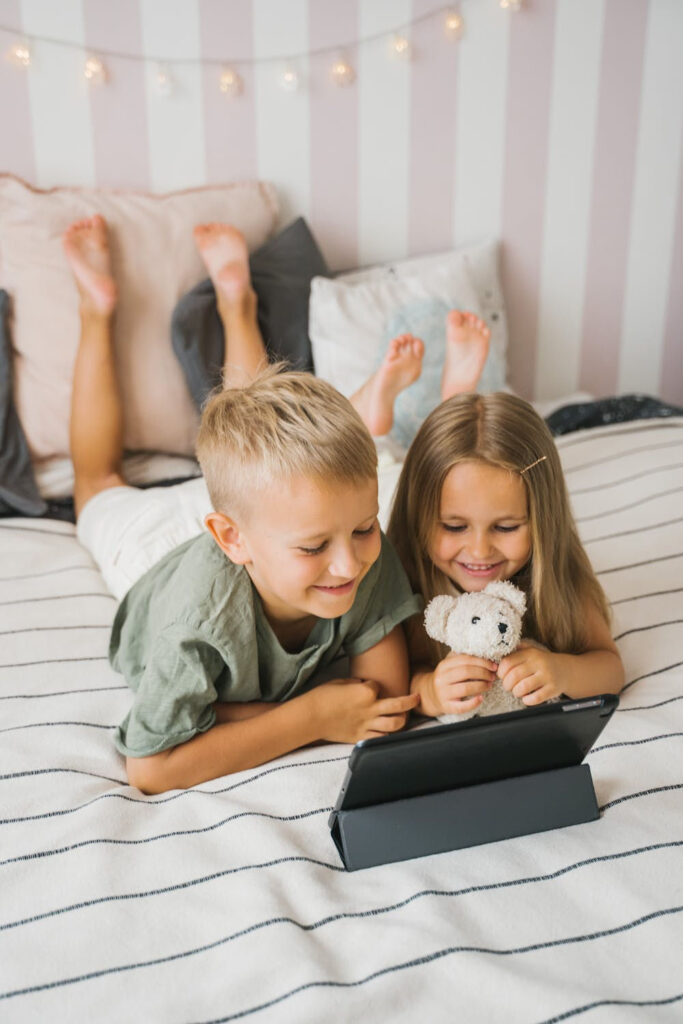
Screens are fast, bright, and always available at home, which makes them hard to resist. They give quick rewards, which is hard for any activity to match right away.
Boredom is often the real trigger behind screen time, not the screen itself. Once a child feels bored, a phone or tablet becomes the easiest fix nearby.
Fall activities work because they replace that boredom with something just as easy to reach. A basket of leaves by the door works the same way a tablet does.
It’s close, it’s simple, and it gives a child something to do without asking you first.
Understanding this helps you plan smarter fall activities from the start. You’re not really fighting the screen itself in this process.
You’re filling the gap that boredom leaves behind each day. Once that gap is filled with something fun, the screen loses most of its pull.
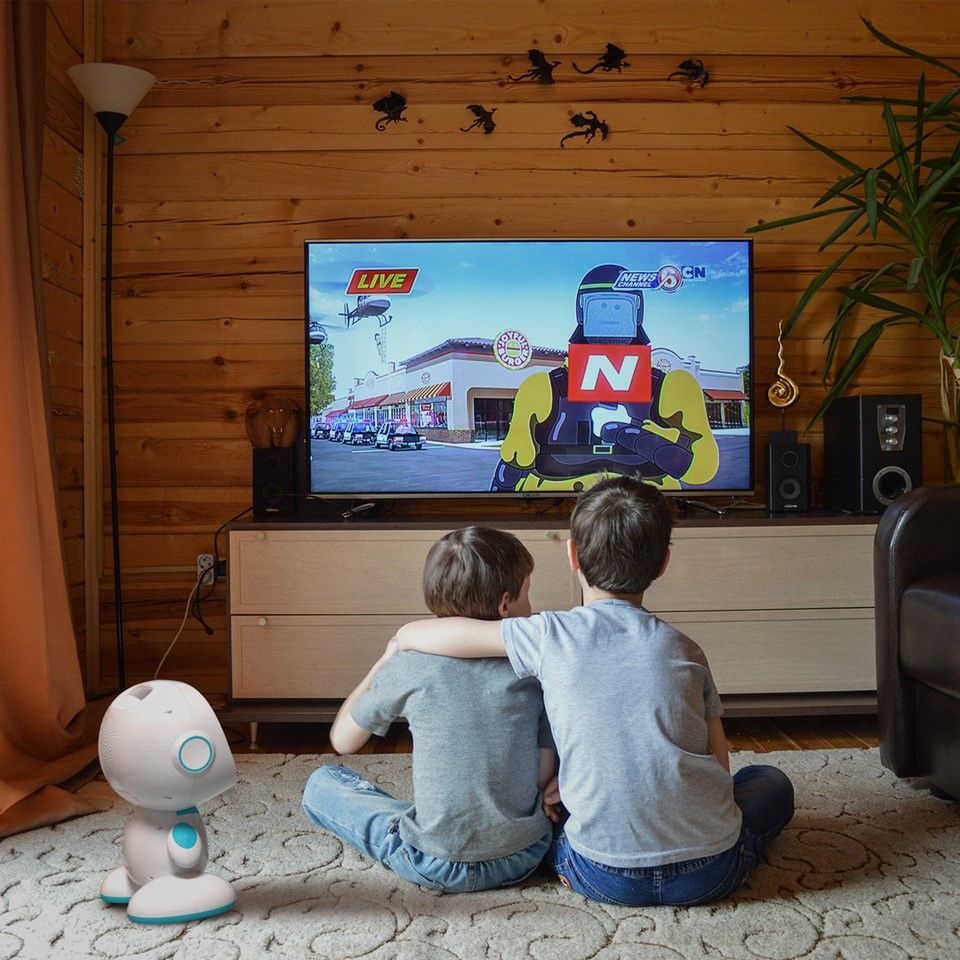
Start With One Screen Free Hour a Day
Instead of cutting screens all at once, start small with one hour. Pick a time that already causes friction, like right after school. Replace that hour with something outdoor and simple, not a big planned event.
A short walk or some backyard time usually works well here. Once that hour becomes normal, kids stop asking for a screen during it. You can slowly stretch that hour longer as the habit sets in.
Keep a small list of go-to activities ready for this hour. That way you’re not scrambling to think of something new every single day. A short list also means less resistance from tired parents at the end of a long day.
Tell your kids about the plan ahead of time instead of springing it on them. Kids handle change better when they know what to expect beforehand. Frame it as a fun new part of the day, not a punishment for using screens too much.
Outdoor Play as the First Swap
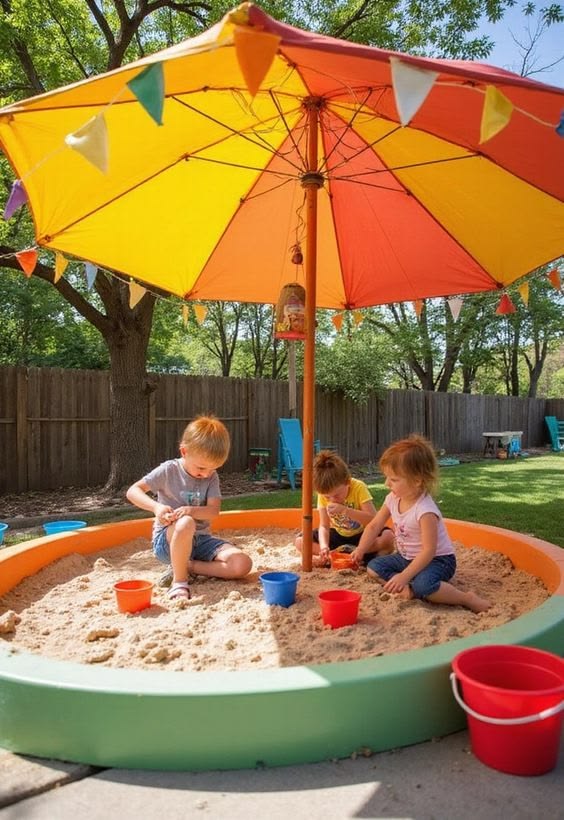
Outdoor play should be your first move when cutting screen time down. Kids don’t need special toys or games to enjoy being outside. A yard, a porch, or a nearby park is often enough space.
Let them run, climb, or just sit and watch the leaves fall. Fresh air alone tends to shift a kid’s mood within minutes. This works best when you make it a daily habit, not a rare treat.
Even on busy days, a few minutes outside still count. A quick walk to the mailbox or some time raking leaves both work.
Small windows of outdoor time add up fast over the course of a week. Don’t wait for a completely free afternoon before trying this.
Weather shouldn’t stop this habit either, within reason, since fall days are often mild. A light jacket and boots handle most cool fall days just fine. Kids often enjoy the crisp air more than parents expect once they’re actually outside.
Turn Chores Into Screen Free Games
Raking leaves doesn’t have to feel like work if you frame it right. Turn it into a race, a pile-building contest, or a jumping game. Kids forget they’re helping once the activity feels like play instead.
This keeps hands and minds busy without a screen anywhere in sight. My friend does this every weekend with her kids, and the yard gets cleared fast. It also builds a small sense of pride once the yard looks clean again.
Sweeping the porch, washing the car, or folding laundry can work the same way. Add a timer, a small reward, or a simple contest between siblings. Chores stop feeling like chores once there’s a game attached to them.
Let winners pick the next fall activity as a small extra reward. This keeps the momentum going without needing to spend any money on prizes. Kids stay more engaged when they know there’s something fun waiting at the end.

Leaf Hunts Beat Scrolling
A leaf hunt gives kids a clear goal, which scrolling never really offers. Give them a small list: a red leaf, a yellow one, a brown one. Let them search the yard or a nearby park for each type.
This keeps their attention fully on the search, not on a screen. It also teaches them to notice small details in the world around them. Once the hunt ends, most kids ask to do it again the next day.
Make the list a little harder each time to keep things interesting. Add shapes, sizes, or specific tree types once they get good at the basics. This turns a simple activity into something they keep wanting to repeat.

Cooking Together Instead of Watching Videos
Cooking shows and videos are popular, but making food together beats watching it. Pick a simple fall recipe your kids can help with from start to finish. Stirring, pouring, and mixing keep small hands busy and away from a screen.
It also gives kids a real result they can see, smell, and taste. This works especially well on weekends when there’s more time to slow down. The kitchen becomes the activity instead of something to watch on a screen.
Let your kids pick the recipe once in a while, even if it’s messy. Giving them some control over the choice keeps them more engaged in the process. It also makes the whole thing feel less like something you’re forcing on them.
Save a few easy recipes on your phone so you’re never stuck for ideas. Apple slices, muffins, and simple soups all work well on a cool afternoon. Cooking together doesn’t need to be complicated to feel worthwhile.

Reading Time Before Bed
Swapping a bedtime show for a bedtime story cuts screen time without any fuss. Fall stories fit this time of year especially well, with cozy themes throughout.
Ten to fifteen minutes of reading together builds a habit kids start to expect.
Over time, this becomes something they ask for instead of a show. If you want strong picks for this exact purpose, look here. This list of the best fall books for kids to read together has plenty to choose from.
Keep a small stack of books near the bed so there’s no delay finding one. Removing that extra step makes it more likely the habit actually sticks each night.
Let your kids pick the book most nights, even if it means rereading favorites. Familiar stories still count as reading time, and kids often enjoy the repetition. The goal is building the habit, not covering new titles every single night.

Crafting With What You Already Have
Crafting gives kids a hands-on task that competes well with any screen. You don’t need new supplies for this, just items already sitting at home. Paper, glue, leaves, and old boxes work fine for most simple projects.
Let your kids lead the project instead of following strict steps every time. This keeps their attention locked in far longer than a screen usually holds it. For a full set of ideas using what you already own, check this out.
This list of 35 easy fall crafts for kids using items you already have covers plenty of options. Keep a small bin of craft supplies ready so kids can start without waiting on you.

Nature Journals to Build Focus
A nature journal gives kids a quiet task that still keeps them engaged fully. Hand them a notebook and let them draw or write about what they see outside. This builds focus in a slower, calmer way than most screen time does.
It also gives them a reason to look closely at their surroundings each day. Ten minutes with a journal after a walk often replaces twenty minutes of scrolling. Over time, kids start noticing things they would have missed before.
Let younger kids draw instead of write if that’s easier for them. The goal is attention and focus, not perfect handwriting or spelling.
Set aside a specific day each week just for journal time after a walk. A predictable routine helps this habit stick better than doing it only when you remember.
Older kids can even add small facts about what they find, turning it into a light study habit.

Family Walks as a Daily Reset
A short family walk works as a reset button for the whole household. It clears restless energy and gives everyone a break from screens at once. Walks don’t need a destination to be worth doing every day.
Around the block or through a nearby park both work just fine here. This also opens up natural conversation time that rarely happens in front of a screen. Kids often talk more freely while walking than while sitting at home.
Try walking at the same time each day so it becomes part of the routine. A predictable habit is easier to stick to than something planned last minute.

Weekend Bucket List Instead of Weekend Screens
Weekends are often when screen time creeps up the most for most families. A bucket list gives your family something to look forward to instead. Write down a few fall activities and check them off together each week.
This turns weekend planning into something kids get excited about ahead of time. For a full set of ideas to pull from, look here. This list of 31 family fall bucket list ideas you’ll want to try this year covers plenty of ground.
Let each child choose one item from the list for the coming weekend. Giving them a say makes them more invested in doing it without a screen.
Post the list somewhere visible, like the fridge or a bedroom wall. Seeing it daily keeps the plan front of mind for the whole family. Crossing off finished items also gives kids a real sense of progress over the season.

Setting Realistic Limits, Not Bans
Cutting screens completely often backfires and causes more resistance than it solves. A full ban tends to make screens feel more exciting once access returns.
Instead, set clear windows for screen time that everyone understands ahead of time.
This feels fair to kids and avoids constant negotiation throughout the day. Realistic limits stick far longer than strict bans ever seem to. Kids respond better to structure than to sudden, unexplained rules.
Explain the reason behind the limit in simple terms your kids can understand. When kids know why a rule exists, they’re less likely to fight it constantly.
Involve your kids in setting the actual times if they’re old enough to help. This gives them some ownership over the routine instead of just following your orders.
Kids tend to respect limits more when they had some say in creating them.

Making Outdoor Time the Default
Instead of offering a screen first, make outdoor time the default choice. Keep shoes, jackets, and outdoor toys ready near the door at all times. This removes the extra step that often makes outdoor play feel like more effort.
When the easiest option is outside, kids naturally lean toward it more often. Screens should become the backup, not the first thing anyone reaches for. Small changes in setup can shift a whole family’s daily habits over time.
Try rearranging your entryway so outdoor gear sits at kid height. Kids are more likely to grab something they can reach without asking for help. A small bench with hooks above it works well for this in most homes.

Handling Pushback From Kids
Some pushback is normal when you first start cutting screen time down. Kids may complain or ask for a screen more than usual at first. Stay consistent instead of giving in during the first few difficult days.
Most kids adjust within a week once the new routine feels normal. Offer a fun alternative right away instead of just saying no to a screen. This makes the shift feel like a trade, not a punishment.
Stay calm during the pushback instead of turning it into an argument. Kids test limits to see if they’re real, not because they truly hate the new routine.
Remind yourself that pushback usually fades once the new habit feels normal. Give the new routine a full two weeks before judging if it is working. Most families see real change in their kids well before that two week point.

Screen Free Traditions Worth Starting
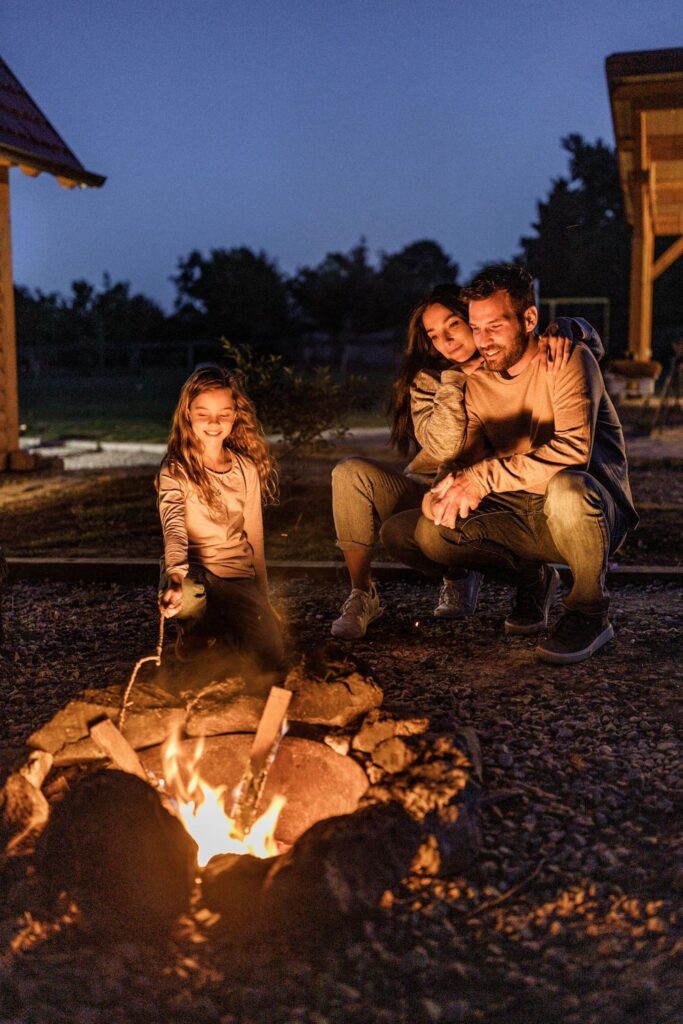
Traditions give screen free time a real reason to stick around long term. A weekly bonfire night, a Sunday baking session, or a Friday walk all work well. These don’t need to be big events to matter to your kids.
What matters is doing them often enough that kids start to expect them. If you want help turning small habits into lasting traditions, read on.
This piece on how to create meaningful fall traditions your kids will look forward to breaks it down. It shows how to start small and build from there over the years.
The moments kids remember most rarely involve a screen at all, even years later. If you want to think more about the kind of memories worth building, look here.
This piece on the childhood memories every fall should create ties closely into everything covered in this guide.
Using Boredom as a Tool
Boredom isn’t something to fix right away with a screen every time. Give your kids a few minutes of boredom before stepping in to help. Often, they’ll come up with their own outdoor activity without any input from you.
This builds creativity in a way that screens usually don’t allow for. Over time, kids get better at entertaining themselves without needing a screen nearby.
Resist the urge to solve boredom too quickly, even when it feels easier to just hand over a device.
Keep a small box of open ended items nearby for these moments. Blocks, paper, string, and old boxes all work well for this purpose. Kids often surprise you with what they build once given the time and space.

Fall Activities That Naturally Cut Screen Time
Some activities work well simply because they take real focus and time to finish. Building a leaf pile, carving a pumpkin, or setting up a scavenger hunt all count.
These activities pull attention away from screens without you having to say anything.
For a longer list of ideas that work this way, look here. This roundup of 27 fun fall activities for kids to enjoy this season has plenty worth trying.
If you want an even bigger list, check this one out. This list on 37 fun fall activities for kids to enjoy this season covers even more ground.
Kids who enjoy exploring outdoors tend to reach for screens far less overall. Nature gives them constant things to notice, touch, and ask questions about.
For more ideas built around this kind of outdoor curiosity, look here. This list of 25 outdoor fall nature activities for curious kids covers plenty of ground worth trying together.

Getting Siblings and Friends Involved
Screen free activities work even better when more than one child is involved. Siblings push each other to stay engaged longer than they might alone. A leaf hunt or a backyard game feels more exciting with a partner in it.
Invite a neighbor’s kid over for an outdoor afternoon once in a while. Group activities naturally hold attention longer than solo ones tend to.
Kids also learn to share, take turns, and problem solve together during this time. A simple game outside can turn into an hour of play without anyone reaching for a screen.
If your child doesn’t have a sibling close in age, friends work just as well. A weekly playdate built around an outdoor activity can replace hours of solo screen time.
It also gives you a break while the kids stay busy together outside.
Rotate hosting duties with another parent so the effort doesn’t fall on one house. Kids also behave differently around friends than they do at home alone.
Group energy often pushes shy or reluctant kids to join in more than they would solo.

Final Thoughts
Cutting screen time doesn’t need to feel like a fight with your kids. Fall gives you a natural head start, with cooler air and things to explore outside.
Start small, stay consistent, and let outdoor activities become the easy choice at home.
Over time, screens stop being the default and outdoor time takes their place. Your kids won’t miss the screen once they’re busy building something better outside.
Small changes now can shape how your whole family spends the season together.
Pick two or three ideas from this guide to try this week. Give each one a fair chance before moving on to the next. Fall only lasts so long, and the habits you build now can carry well into the colder months ahead.
Screens will always be part of daily life, and that’s fine. The goal here isn’t to remove them completely from your home. It’s simply to give fall activities a real chance to compete for your kids’ attention.
Leave a Reply