Traditions are what turn an ordinary season into something kids remember for years. Fall gives you plenty of natural material to build these traditions around.
Cooler air, changing leaves, and cozy evenings all set the mood for something special. You don’t need big budgets or fancy plans to make this work. You just need something small that you repeat often enough to matter, week after week.
This guide walks you through simple ways to build fall traditions your kids will actually look forward to each year. If money is tight this season, this guide is worth a look. It covers how to make the most of fall with kids on a budget and pairs well with what’s below.

How to Create Meaningful Fall Traditions Your Kids Will Look Forward To
Why Traditions Matter More Than Big Events
A big one-time event feels exciting, but it fades from memory fast. A tradition sticks because it repeats, giving kids something steady to count on.
Kids thrive on routine, even when they don’t realize it themselves. Knowing something happens every week or every season builds a sense of comfort.
Traditions also give kids something to look forward to during ordinary weeks. That anticipation itself becomes part of the joy, not just the activity.
A simple Friday night ritual can mean more to a child than an expensive outing ever could.
Over time, these small repeated moments shape how your kids remember their childhood. They won’t recall every detail of a big trip years later. But they’ll likely remember the weekly walk or the Sunday pancake breakfast clearly.
This is why traditions deserve more planning attention than most parents give them. A single expensive outing takes hours to plan and fades within days. A simple weekly habit takes minutes to set up and can last for years.

Start With Something Small and Repeatable
The biggest mistake parents make is starting too big with a new tradition. An elaborate plan is hard to keep up, and it usually fades within weeks. Pick something small enough that you can realistically repeat it often.
A short walk, a simple snack, or ten minutes of a shared activity all work well. The size of the tradition matters far less than how often it happens.
Consistency is what actually builds the tradition, not the scale of the activity itself.
Once a small habit sticks, you can build on it slowly if you want. Adding one new element every few weeks keeps things fresh without overwhelming anyone.
Starting small also means less pressure on you as the parent running the show.
Give yourself permission to keep things imperfect during the first few weeks. A tradition doesn’t need to look polished to matter to your kids. What counts most is that it keeps happening, even in a simple, unpolished form.
Weekly Nature Walks as a Tradition
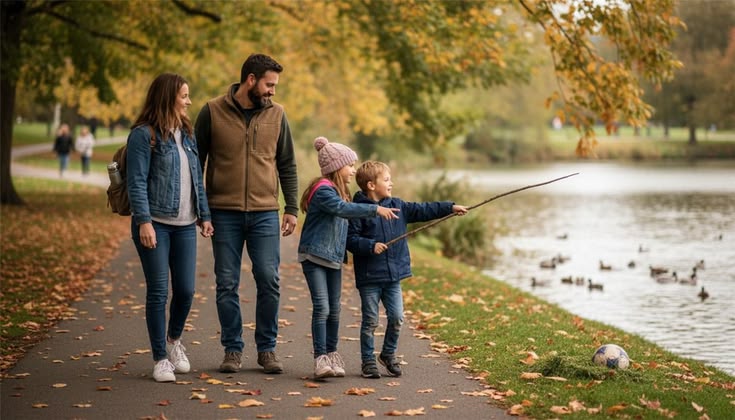
A weekly nature walk is one of the easiest traditions to start this fall. Pick a day, like Saturday morning, and stick to it as often as you can.
Walk the same route or explore something new each week, whichever your kids prefer.
Let your kids lead sometimes, picking the direction or what to look for along the way. This gives them ownership over the tradition instead of just following your plan.
Over time, this habit builds a real connection to the changing season outside.
If your kids enjoy the details of what they find outside, take it further. This list of 25 outdoor fall nature activities for curious kids has ideas that build naturally on a weekly walk.
Some kids are naturally drawn to exploring, and this tradition can grow with that curiosity. A weekly leaf collection or a small bug hunt can both become part of the same habit over time.
Keep a small bag by the door specifically for these walks. Having gear ready removes any excuse to skip the habit on a busy morning. Small details like this make it far easier to keep a tradition going long term.
A Sunday Baking Ritual
Baking together on a set day each week turns into a tradition fast. Pick something simple, like pumpkin bread or apple muffins, and make it your go-to recipe. Kids enjoy having a signature treat tied to a specific day of the week.
Let your kids handle small tasks, like stirring or measuring ingredients. This keeps them engaged and gives them a role in the tradition itself.
Over time, the smell of that same recipe baking becomes tied to the whole season for them.
You don’t need a big kitchen or fancy tools to make this work well. A simple recipe repeated often builds far more meaning than something complicated done once.
Take a photo of your kids baking each week and save them somewhere together. Looking back at these over the season shows how much the tradition has grown.
It also gives you a small record of a habit that felt ordinary at the time.

Pumpkin Carving Night
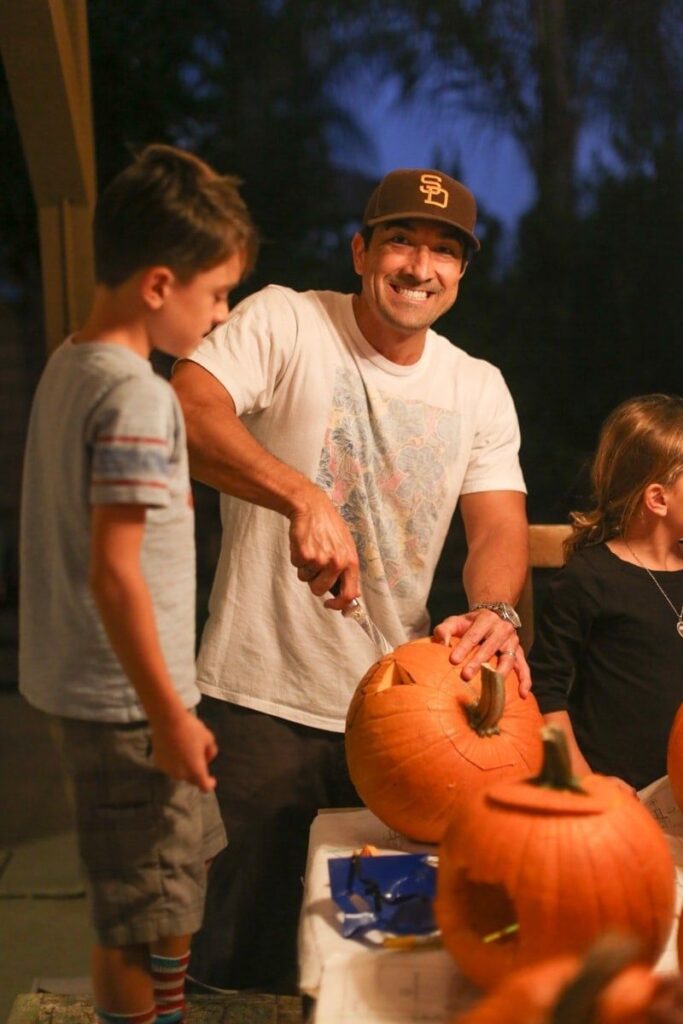
Set aside one evening each fall just for carving pumpkins together as a family. Keep it low pressure, with simple designs kids can handle on their own.
The goal is the shared time together, not a perfect carved result. Play music or set out warm drinks to make the evening feel a bit more festive.
Add small rituals around the night to make it feel more special over time. Maybe it’s hot cocoa afterward, or a specific song you always play. These small extras become part of what kids remember about the night itself.
Save the pumpkin seeds and roast them together the next day as a small extension. This turns one evening into a two-part tradition without much extra effort.
Let each child design their own pumpkin instead of copying one design for everyone. This gives them ownership over the result and makes the night feel personal.
Even a wobbly, uneven carving becomes special once it’s tied to a yearly habit.
Fall Bonfire Evenings
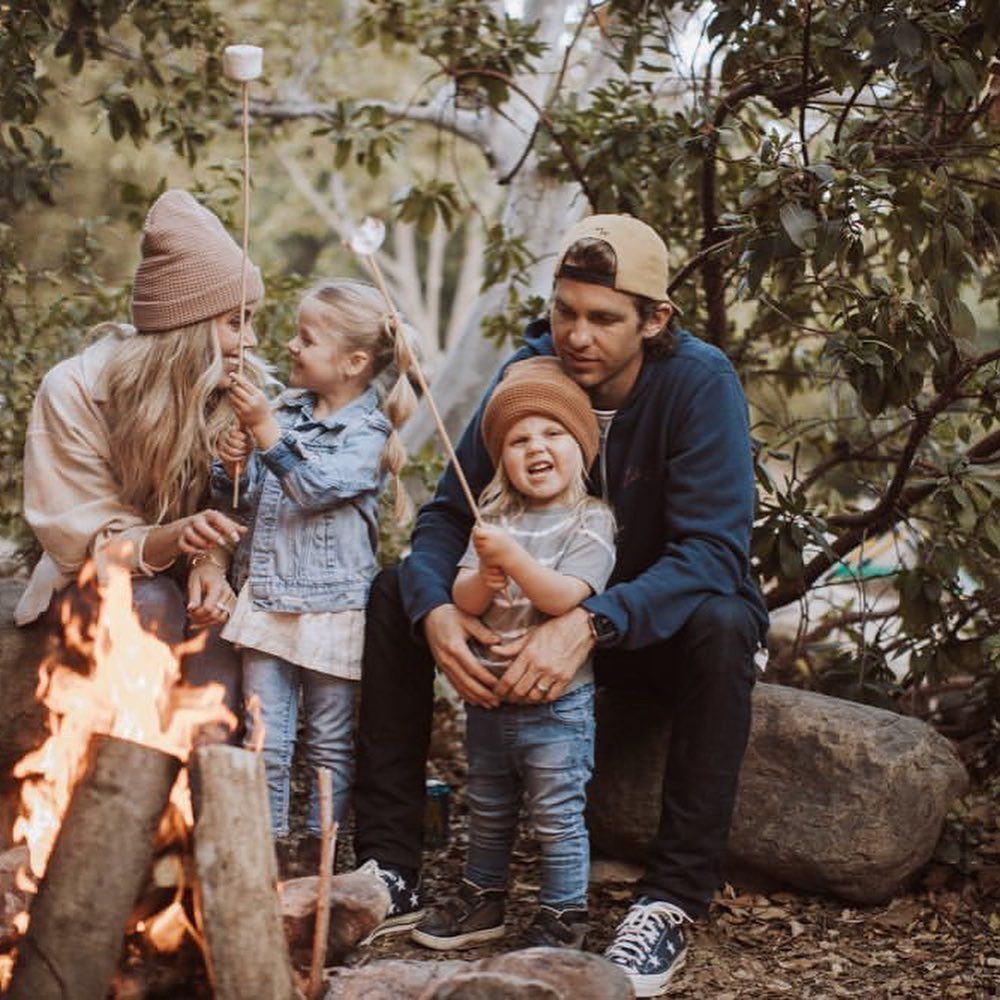
A backyard bonfire, even a small one, can become a favorite fall tradition fast. Pick one evening a month and keep the setup simple with blankets and marshmallows.
My sister runs this every October with her boys, and it’s become the thing they talk about most.
Kids don’t need anything elaborate to enjoy this kind of evening together. The warmth, the dark sky, and the shared quiet time all add up to something meaningful.
Repeating it even just once or twice a season is often enough to make it stick.
If you’re also working on cutting screen time this season, this fits right in. This guide on how to reduce screen time with seasonal fall activities has more ideas like this one.
Rotate who picks the stories or songs for the evening each time you gather. This keeps the tradition from feeling repetitive even though the setup stays the same.
Small variations like this help a tradition last for years without growing stale.
Reading Together Every Night
A nightly reading habit is one of the simplest traditions you can build. Ten minutes before bed, reading a fall story together, adds up over the whole season.
Kids start expecting this time together, and it becomes something they look forward to daily.
Rotate through a stack of seasonal books so the habit stays fresh and interesting. If you need a strong starting list, this next guide is worth checking out.
This guide on the best fall books for kids to read together has plenty of picks worth trying.
Let your kids pick the book most nights, even if they choose the same one repeatedly. Familiar stories still count, and the routine matters more than variety here.
Keep this reading time free of rushing or checking the clock too often. The slower pace itself becomes part of what makes the tradition feel calming.
Kids notice when a parent is fully present, even during something as simple as reading a short story.

A Family Fall Bucket List Tradition
Making a bucket list together at the start of the season builds anticipation fast. Sit down with your kids and write down a handful of things to try. Cross items off together as the weeks go by, making it a shared project.
This turns fall planning itself into part of the tradition, not just the activities. Kids enjoy having a say in what goes on the list from the very start. Revisit the list each year and notice what stays the same and what changes.
For a full set of ideas to build your list from, this roundup helps. This list of 31 family fall bucket list ideas you’ll want to try this year covers plenty of ground.
Keep the list somewhere visible, like the fridge or a shared notebook. Seeing it daily reminds everyone of what’s coming up and builds real excitement. Crossing off finished items together becomes a small ritual of its own each week.

Screen Free Sundays
Set aside one day a week as a screen free day for the whole family. Fill it with simple fall activities instead, like a walk, a craft, or baking. This turns cutting screen time into a weekly tradition rather than a constant fight.
Kids adjust faster than most parents expect once the routine becomes familiar. Sundays work well for many families since it’s often a slower day already.
Over time, this becomes something kids protect and look forward to themselves.
Plan one simple activity in advance so the day doesn’t feel empty without screens. A short list of backup ideas keeps everyone from drifting back to old habits by default.
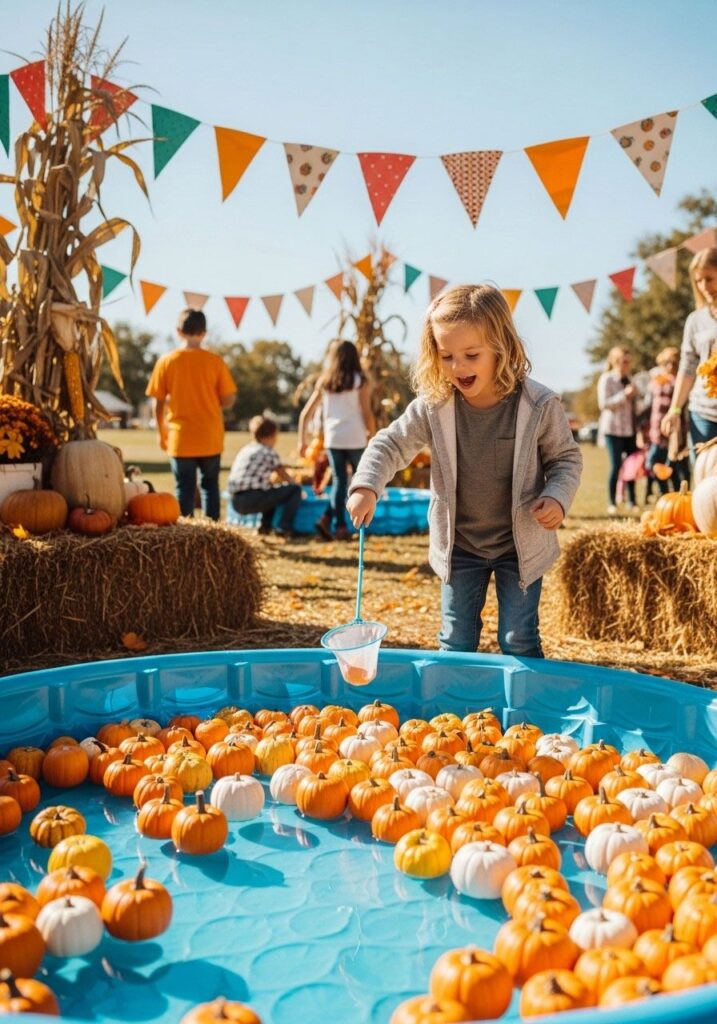
Making Crafts a Weekly Habit
A weekly craft session turns simple supplies into a real tradition over time. Use whatever you already have at home, like paper, leaves, and glue. This keeps the tradition budget friendly and easy to repeat without much planning.
For a full set of project ideas using items you already own, check this list. This roundup of 35 easy fall crafts for kids using items you already have has plenty to pull from.
Display finished crafts somewhere visible, like the fridge or a hallway wall. Seeing their work displayed adds meaning and pride to the weekly habit for kids.
Rotate the type of project every few weeks to keep interest high over the season. A mix of drawing, building, and simple painting keeps the habit from feeling repetitive.
Let kids revisit an old favorite project if they ask, even outside the usual rotation.
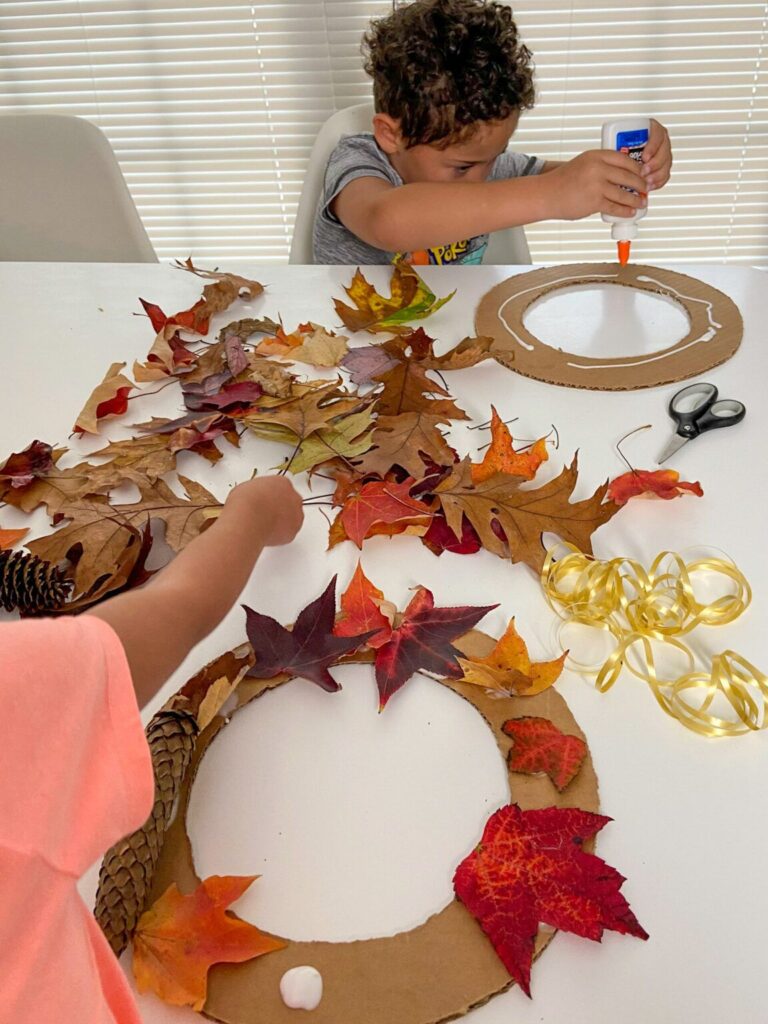
Letting Kids Help Plan Traditions
Traditions stick better when kids have a real say in shaping them. Ask your kids what they enjoyed most from past fall activities you’ve tried. Use their answers to guide which traditions you build on going forward this year.
This also teaches kids that traditions aren’t fixed rules handed down from above. They’re shared habits the whole family builds and adjusts together over time.
Giving kids this kind of input makes them more invested in keeping the tradition alive.
Hold a short family chat once a season to check in on what’s working. Ask simple questions, like what they’d want to keep doing or change. This small habit alone can turn into a tradition of its own over time.
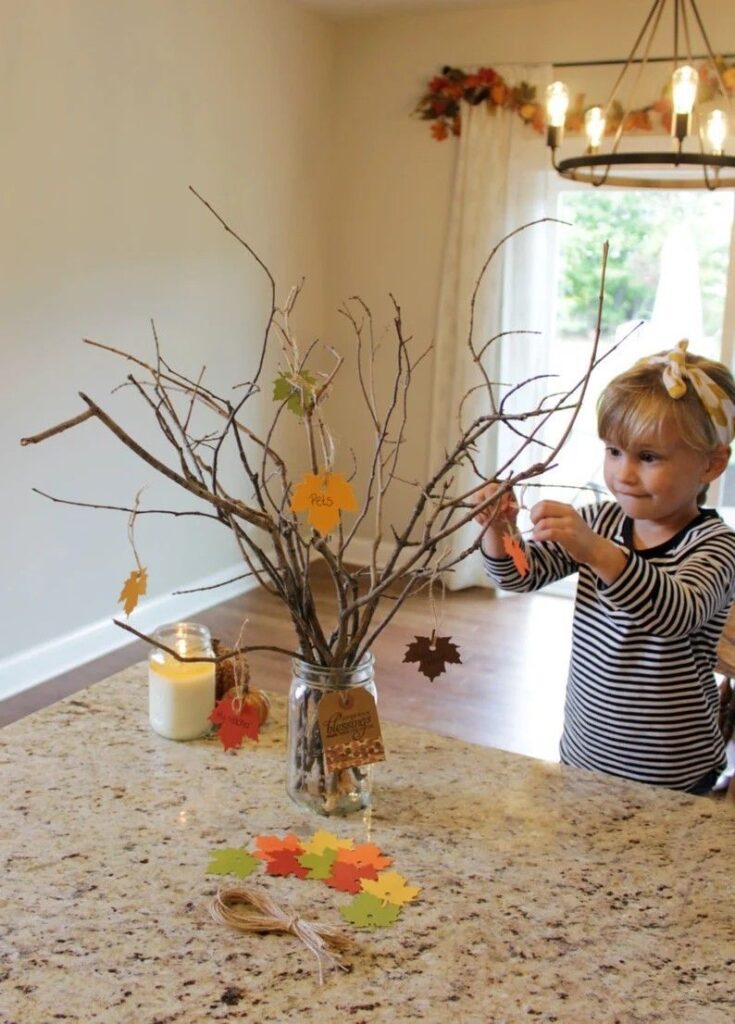
Keeping Traditions Simple on a Budget
Meaningful traditions rarely require much money to feel special to a child. A walk, a baking session, or reading time all cost little to nothing.
What matters is repetition and consistency, not how much you spend on any single activity.
If budget is a concern, focus on traditions built around things you already own. Nature walks, backyard bonfires, and simple baking recipes all fit this approach well.
Kids remember the feeling of the tradition far more than the cost behind it.
Avoid comparing your traditions to what other families post online or share at school. What matters is if the habit means something to your own kids specifically.
A quiet weekly walk can hold just as much value as an expensive planned outing.
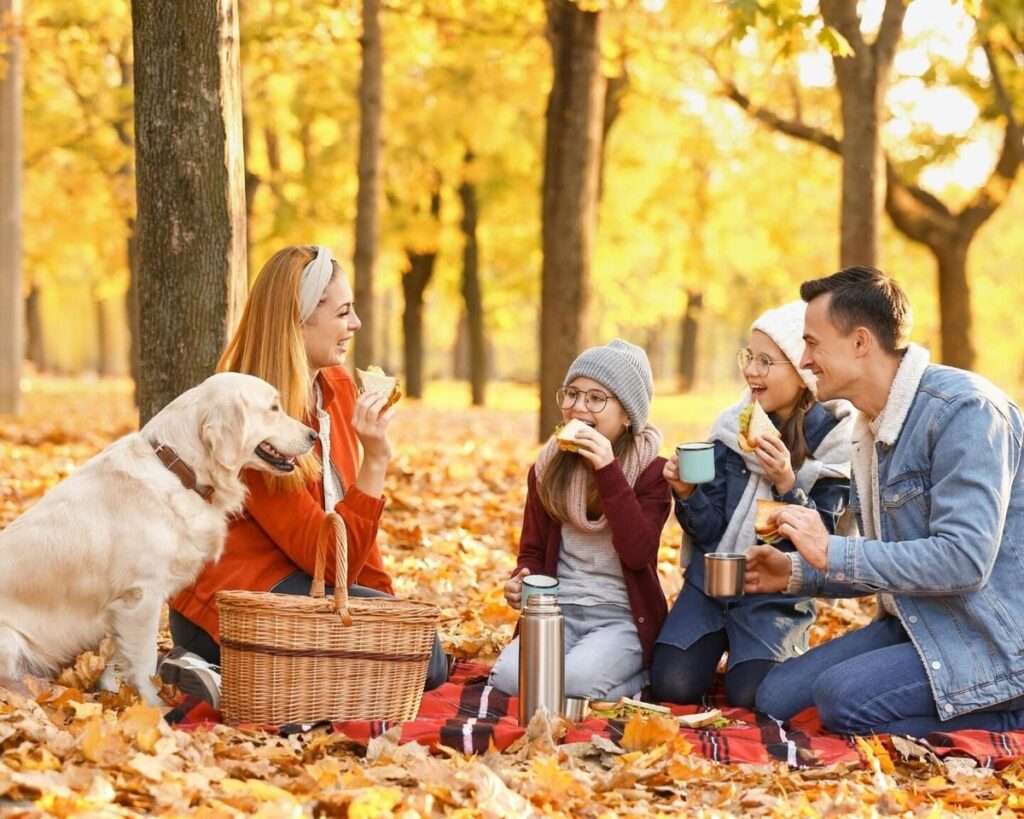
Involving Neighbors or Friends
Traditions don’t need to stay limited to just your immediate family. Inviting a neighbor or friend to join in can make things feel more special. My neighbor and I now trade off hosting a fall craft afternoon each month.
This adds variety without requiring you to plan something new every single time. Kids also enjoy sharing traditions with friends, since it adds a social element.
Over time, these shared traditions between families can become just as meaningful as private ones.
Set a recurring date, like the first Saturday of the month, so it’s easy to remember. A fixed schedule removes the back and forth of coordinating with another busy family.
This small structure helps a shared tradition actually survive the whole season.
Fall Photo Tradition Each Year
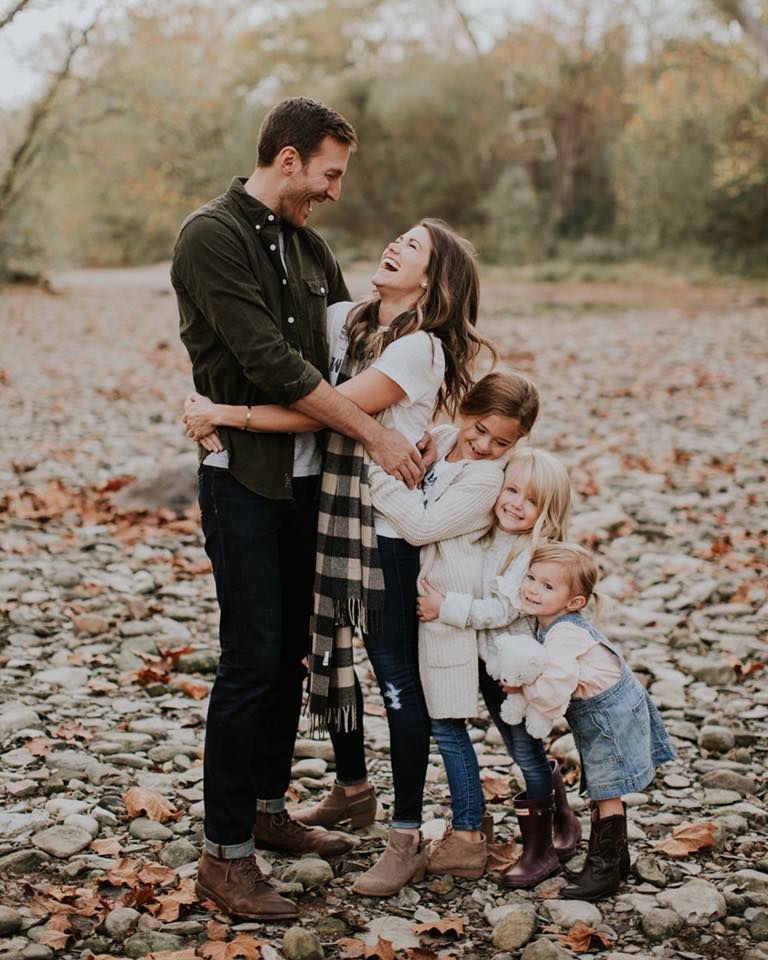
Taking a yearly fall photo in the same spot builds a tradition kids notice growing. Pick a spot, like a favorite tree or a specific pumpkin patch, and return each year.
Take the same style of photo each time to build a visual record over time.
Kids enjoy looking back at past years once this tradition has run for a while. It becomes a fun way to track how much they’ve grown each season. This costs nothing beyond a few minutes and a phone camera each year.
Print one photo each year and keep them together in a small album or frame. Watching the collection grow becomes its own small tradition kids enjoy revisiting.
This works well alongside a fall bucket list, since both track the season in different ways.

Handling a Missed Week Without Guilt
Life gets busy, and traditions will occasionally get skipped, and that’s completely fine. Don’t treat a missed week as a failure or a reason to give up entirely. Just pick the tradition back up the following week without much fuss.
Kids tend to care less about a missed week than parents often assume they do. What matters most is the overall pattern building up over the whole season. One skipped Sunday won’t undo weeks of consistency built up before it.
If a whole tradition starts feeling like a chore, it’s fine to let it go. Not every idea needs to last the entire season to have been worthwhile. Swap it for something else and keep moving forward without any added pressure.

Passing Traditions Down Over the Years
The best fall traditions often started small and grew meaning simply through repetition.
Some traditions you build this year might last well into your kids’ adult lives. Think about which activities feel worth repeating year after year going forward.
Ask your own parents or grandparents what fall traditions they remember from their own childhood.
Their answers might spark ideas worth trying with your own kids this season. Traditions often skip a generation before someone picks them back up again.
For an even bigger set of fall activity ideas to build future traditions from, check this out. This list of 27 fun fall activities for kids to enjoy this season covers plenty of ground.
This other one on 37 fun fall activities for kids to enjoy this season offers even more to pull from.
Keeping a Simple Tradition Log
Write down each tradition you try in a small notebook or on your phone. Note how your kids reacted and if they asked to repeat it. This turns guesswork into something you can actually look back on later.
Over a full season, this log shows which traditions truly caught on with your family. Some ideas that seemed exciting on paper may fizzle out fast in practice.
Others you almost skipped might turn into the ones your kids ask for most.
Review the log at the end of fall before planning next year’s traditions. This makes planning easier each year, since you’re not starting from scratch every time. It also gives you something to look back on together as a family.

Signs a Tradition Is Working
You’ll know a tradition is working once your kids start asking about it themselves. If they bring it up before you do, the habit has taken root. Another sign is when kids get upset about missing it, showing real attachment.
Watch for kids explaining the tradition to a friend or a grandparent unprompted. When they describe it with excitement, that’s a strong sign it truly matters to them.
These small moments confirm the tradition has become part of how they see the season.
These moments end up becoming part of the childhood memories that fall creates for kids. If you want to think more about what those memories look like, look here.
This piece on the childhood memories every fall should create ties in closely with everything covered here.
Final Thoughts
Meaningful fall traditions don’t require much money or elaborate planning to take hold. They need repetition, consistency, and a little room for your kids to help shape them.
Start with one small habit and let it grow naturally over the coming weeks. Trust that even the simplest routine can become something your kids carry with them for years.
Give any new tradition a real chance before deciding if it’s working well. Most habits take a few weeks to start feeling normal for the whole family.
By next fall, these small moments may be exactly what your kids look forward to most.
Don’t aim for a perfect season full of traditions right from the start. Pick one or two ideas and let them grow naturally over the coming weeks. The rest can come later, once the first habits feel settled and familiar to everyone.
Leave a Reply