Some seasons pass by without leaving much of a mark on a child’s memory. Fall isn’t usually one of them, if you plan it right. The cool air, the changing leaves, and the slower pace all leave room for real moments.
These moments don’t need to be big or expensive to matter later. They just need to happen often enough for kids to remember them. Every small walk or quiet evening together adds another layer to that memory.
This guide walks through the kind of fall memories worth building with your kids this year. If you’re also thinking about traditions that repeat year after year, this piece pairs well with it.
This guide is about how to create meaningful fall traditions your kids will look forward to.
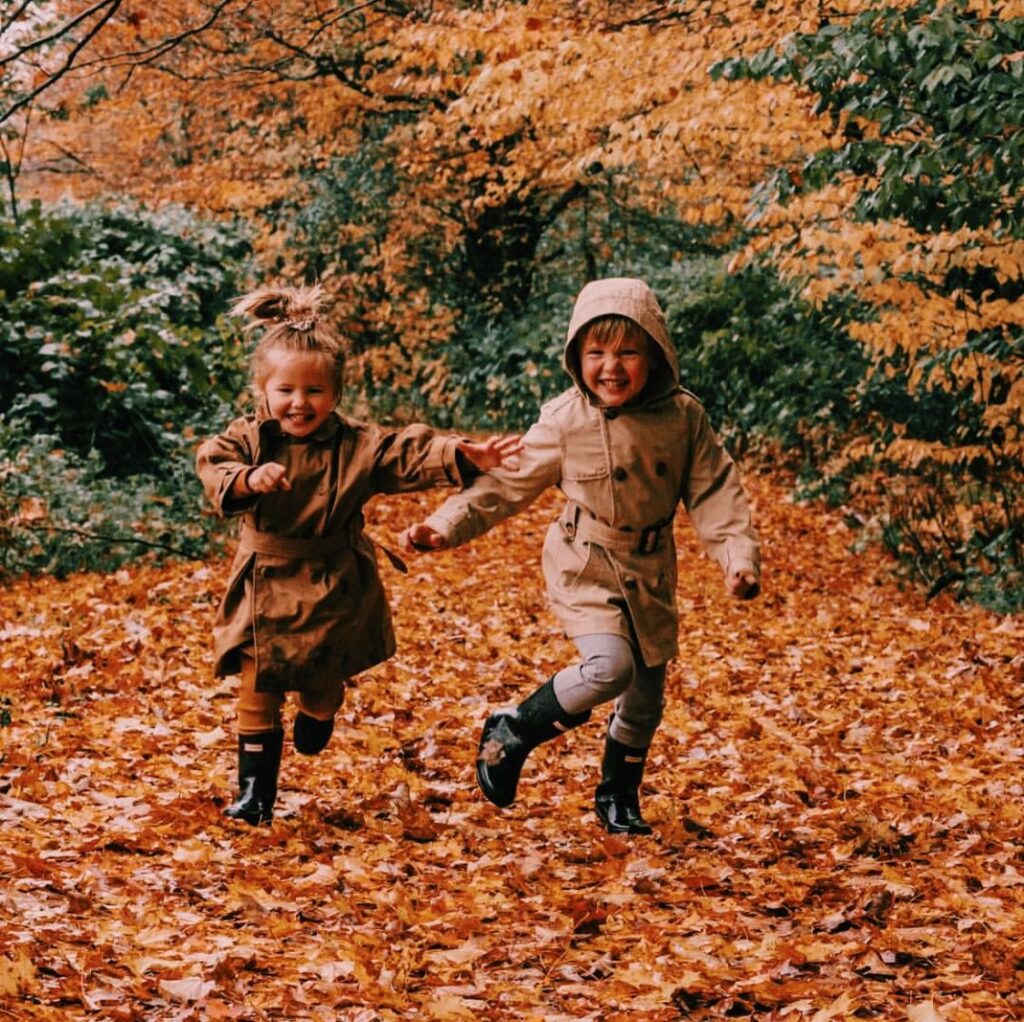
The Childhood Memories Every Fall Should Create
Why Childhood Memories Matter So Much
What kids remember from their early years shapes how they see the world later. Small repeated moments often stick harder than one big trip ever does.
A child rarely remembers the cost of an outing years down the line. They remember how it felt, who was there, and what made them laugh.
This is why fall offers such a rich chance for memory building. The season naturally slows things down and pulls families outside together more.
Cooler weather, shorter days, and cozy evenings all create the right setting for connection.
Parents sometimes assume memories need planning and effort to really count for something. In truth, the smallest unplanned moments often become the ones kids hold onto longest.
A spontaneous walk or a messy baking afternoon can outlast a carefully planned outing.
This doesn’t mean planning has no place in building memories at all. It simply means the plan matters less than the feeling created once you’re actually there.
Focus more on presence during the activity than on making everything look perfect.
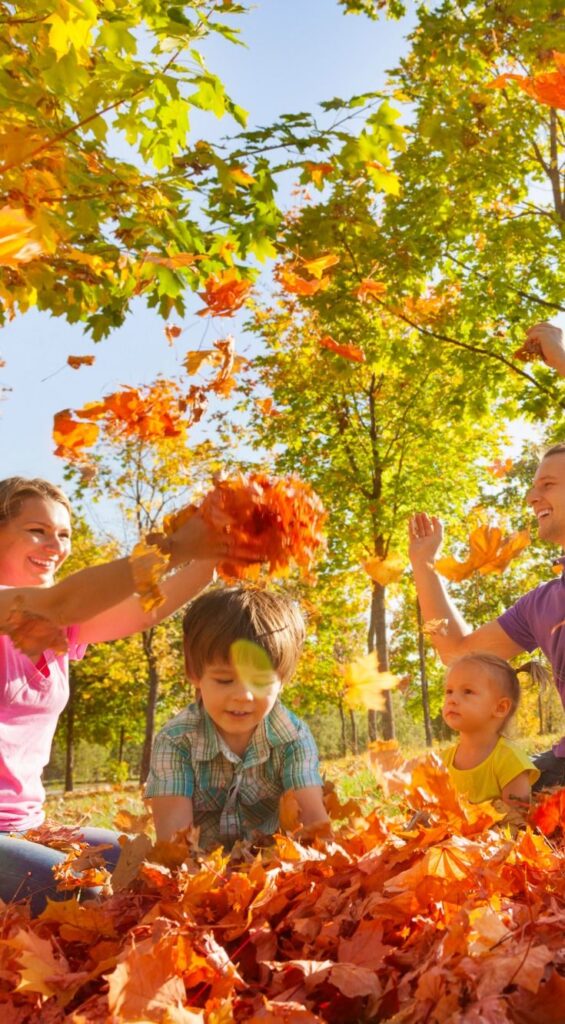
The Smell of Fall Itself
Certain smells stay with kids long after they’ve grown into adults themselves. The smell of fallen leaves, wood smoke, or baked apples often triggers strong memories later.
Give your kids plenty of chances to notice these smells this season.
Take a slow walk together and point out what you smell along the way. Ask your kids what the smell reminds them of, even if the answer sounds silly.
This small habit builds a sensory memory that sticks far longer than most people expect.
Let your kids help bake something warm at home so the smell fills the house. Years later, that same smell might bring back this exact afternoon for them.
Try lighting a fall scented candle during a quiet evening at home together. Small sensory details like this add another layer to the memories being built.
Kids often associate specific smells with specific people once a habit repeats enough times.

First Cold Morning Walks
There’s something memorable about the first truly cold morning of the fall season. Bundle up together and step outside just to notice the change in the air. This kind of small ritual doesn’t need planning, just a bit of intention.
Talk about how the air feels different from summer mornings they remember. Point out frost on the grass or fog near the ground if you spot any.
These small observations become part of what a child associates with fall each year.
Make this walk a yearly marker, done around the same time each season. Over time, kids start to expect and look forward to this small yearly moment.
Bring a thermos of hot cocoa along to make the walk feel a bit special. Small additions like this turn an ordinary walk into something worth remembering later. The cold air itself often becomes part of what a child associates with fall.
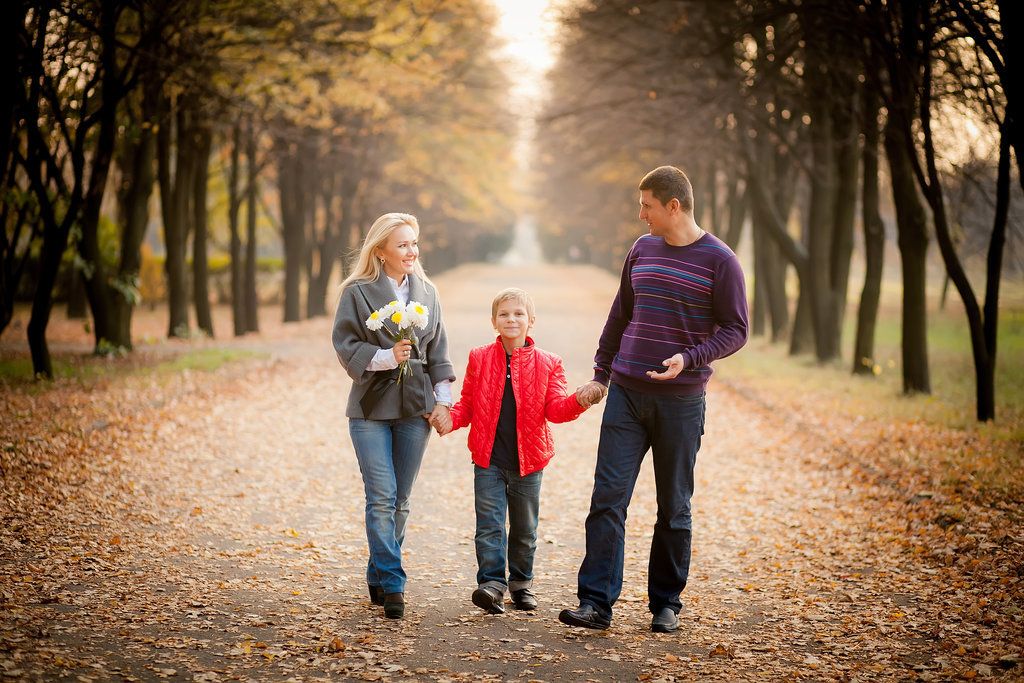
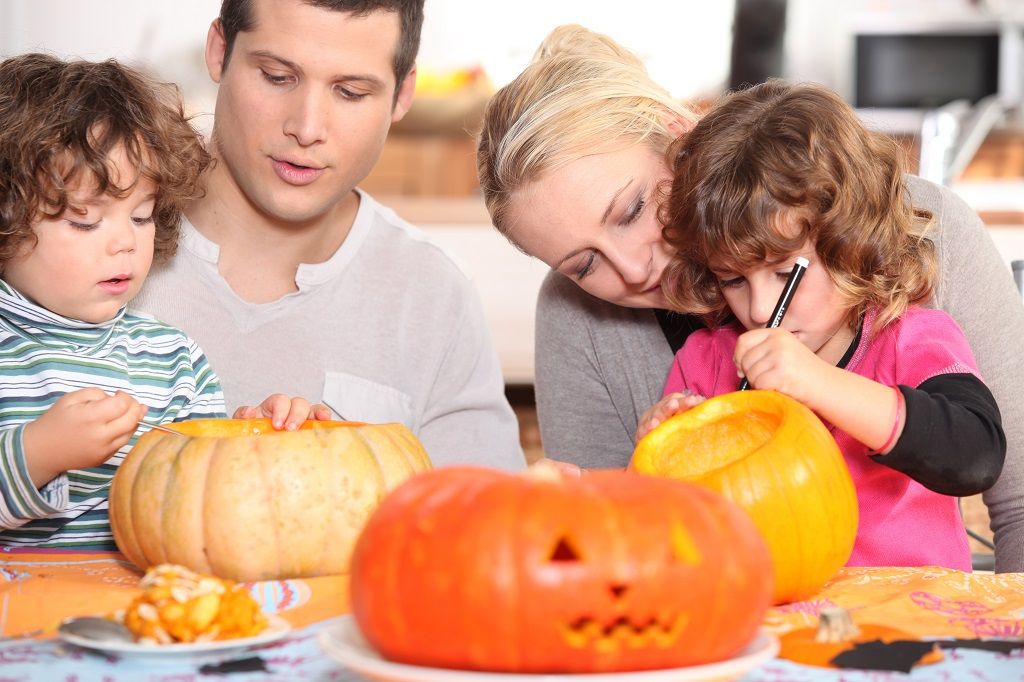
Carving a Pumpkin Together
Few activities feel as tied to fall as carving a pumpkin together as a family. The mess, the smell, and the shared effort all combine into something memorable. Let your kids get their hands fully into the pumpkin, seeds and all.
Take a photo each year of your kids next to their finished pumpkin. Looking back at these photos later shows how much they’ve grown between each fall.
This turns a simple evening into a small yearly tradition without much extra effort.
If you’re looking for more low-cost ways to build memories, check this out. This guide is about how to make the most of fall with kids on a budget and fits well here.
Let each child pick their own pumpkin at the store or the patch. This small choice gives them ownership over the whole experience from the very start.
Even a lopsided or oddly shaped pumpkin becomes part of a memory worth keeping.
Baking Something Warm Together
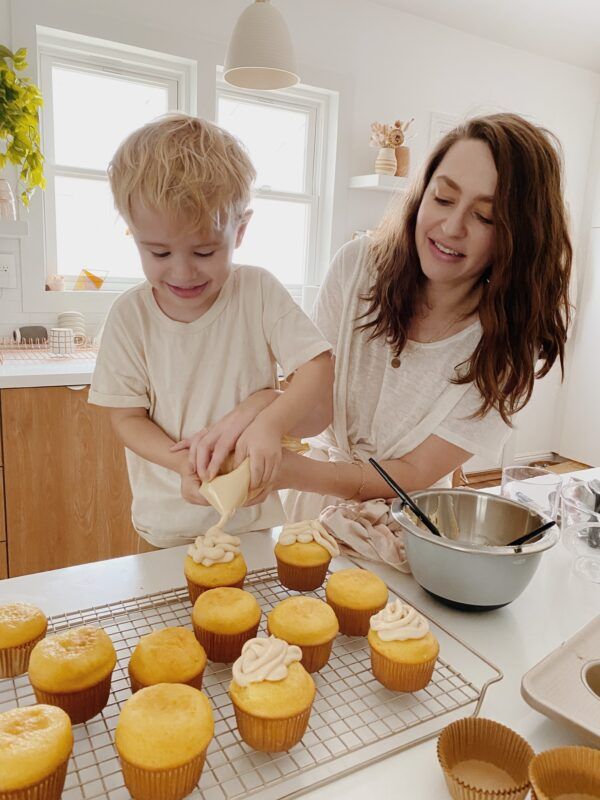
Baking together creates a specific kind of memory tied closely to smell and taste. Pick a simple recipe, like pumpkin bread or apple muffins, and make it often. Let your kids stir, measure, and get a little messy during the process.
The memory here isn’t really about the recipe itself in the end. It’s about standing together in the kitchen, laughing over spilled flour or burnt edges.
These small imperfect moments often become the ones kids bring up years later.
Repeat the same recipe each fall so it becomes tied to the season itself. A familiar smell coming from the oven can instantly bring back years of memories.
Let your kids help clean up afterward too, not just the fun parts. This teaches responsibility while still keeping the whole activity feeling like shared family time.
Even cleanup can turn into a small game if you frame it the right way.
A Backyard Bonfire Night
A backyard bonfire, even a small one, creates a strong sensory memory for kids. The crackling fire, the smell of smoke, and the taste of marshmallows all combine. Keep it simple with blankets, a small fire, and a few snacks nearby.
My sister does this every October with her boys, and they still bring it up in December. Small moments like this tend to outlast bigger, more expensive outings by far.
The warmth and closeness of the evening matter more than anything else involved.
Let the night stretch a little later than usual bedtime, within reason of course. That small break from routine often makes the memory feel more special to a child.
Tell a simple story or two around the fire to add to the atmosphere. Kids often remember the stories told during these nights as much as the fire itself.
Keep a few family stories ready to share, even short and silly ones work fine.

Getting Muddy and Not Minding
Some of the best fall memories happen when kids get dirty and nobody minds. Let your kids jump in puddles, roll in leaves, or track mud through the yard. These moments feel freeing for kids who are usually told to stay clean.
Keep a set of old clothes ready specifically for these kinds of days. This removes the worry about ruining good clothes and lets everyone relax and have fun.
The freedom to get messy without consequence often becomes the memory itself.
Take a few photos during these moments, even if everyone looks a little wild. These photos tend to become favorites later, capturing real joy instead of posed smiles.
Set clear expectations beforehand about where mess is fine and where it isn’t. This lets kids play freely without worrying about accidentally breaking a household rule.
A little planning ahead makes the messy fun feel worry free for everyone involved.

Reading Together as the Nights Get Longer
As fall evenings get darker earlier, reading together becomes a natural nightly ritual. Ten minutes with a good book before bed adds up over the whole season.
This quiet time together often becomes one of the most remembered parts of fall.
If you want a strong list of titles to start with, this guide helps. This list of the best fall books for kids to read together has plenty of picks worth trying this year.
Let your kids choose the same book repeatedly if that’s what they want. The routine and closeness matter more than reading something new every single night.
Turn off overhead lights and use a small lamp to make the moment feel cozier.
Small changes to the setting can make an ordinary reading habit feel more memorable. Kids often remember the feeling of a room as much as the story itself.

Building Something With Their Hands
Kids remember things they built with their own hands far more than store bought items. A simple craft made from leaves, paper, or old boxes counts here.
Let your child lead the project instead of following strict step by step instructions.
For a full set of ideas using things you already have at home, look here. This list of 35 easy fall crafts for kids using items you already have offers plenty to try together.
Display finished crafts somewhere visible in your home, like the fridge or a hallway. Seeing their own work displayed adds a small sense of pride kids remember later.
Save a few favorite crafts each season instead of tossing everything right away.
A small box of keepsakes builds into something meaningful over several years of fall projects. Kids enjoy looking back at what they made when they were younger.
A Family Bucket List Season
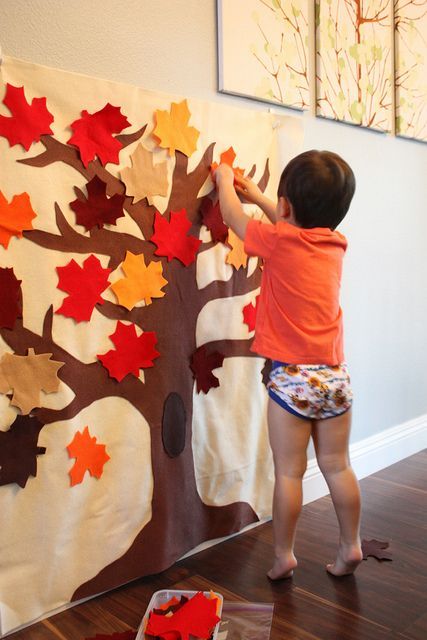
Making a bucket list together at the start of fall builds anticipation for weeks. Sit down with your kids and write down a handful of things to try. Crossing off each item together turns the whole season into a shared project.
For a bigger set of ideas to build your list from, this roundup helps. This list of 31 family fall bucket list ideas you’ll want to try this year covers plenty of ground.
Kids remember the excitement of planning almost as much as the activities themselves. The anticipation leading up to each outing becomes part of the memory too.
Let each child pick at least one item for the list on their own. Giving them this small choice makes the whole season feel more like a shared project. Check items off together as a small ritual each time one gets completed.
Screen Free Afternoons Outdoors
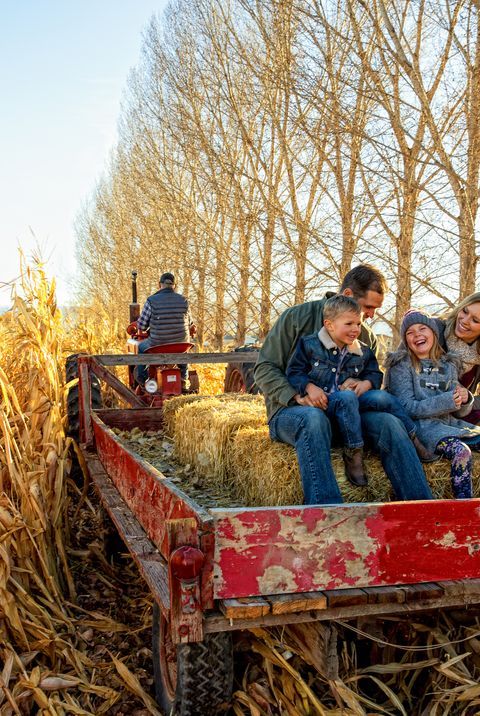
Some of the clearest childhood memories come from unstructured time spent outside without a screen.
Set aside an afternoon each week just for outdoor play with no plan attached. Let your kids decide what to do once they’re outside together.
If you’re also working on cutting screen time more broadly this season, this fits well. This guide on how to reduce screen time with seasonal fall activities has more ideas that build on this one.
Boredom often leads kids to invent their own games during this kind of free time. These invented games frequently become some of the memories they hold onto longest.
Resist the urge to fill this time with a planned activity of your own. Let your kids decide how to spend it, even if it looks unproductive at first. Some of the best memories come from time that has no clear structure at all.

Small Traditions Repeated Often
A tradition repeated often becomes a memory built slowly over many small moments.
A weekly walk, a Sunday breakfast, or a Friday movie night all count here. What matters most is doing it often enough that kids start to expect it.
These repeated moments blend together over time into one warm feeling about the season.
Kids may not remember one specific Sunday breakfast years later. But they’ll remember the general feeling of Sundays spent together as a family.
Keep these traditions simple enough that they’re easy to repeat without much planning each time.
Notice when a small habit starts turning into something your kids expect regularly.
That shift is often the sign a real tradition has quietly taken hold. Once it happens, protect that time from getting crowded out by other plans.

Exploring Nature Up Close
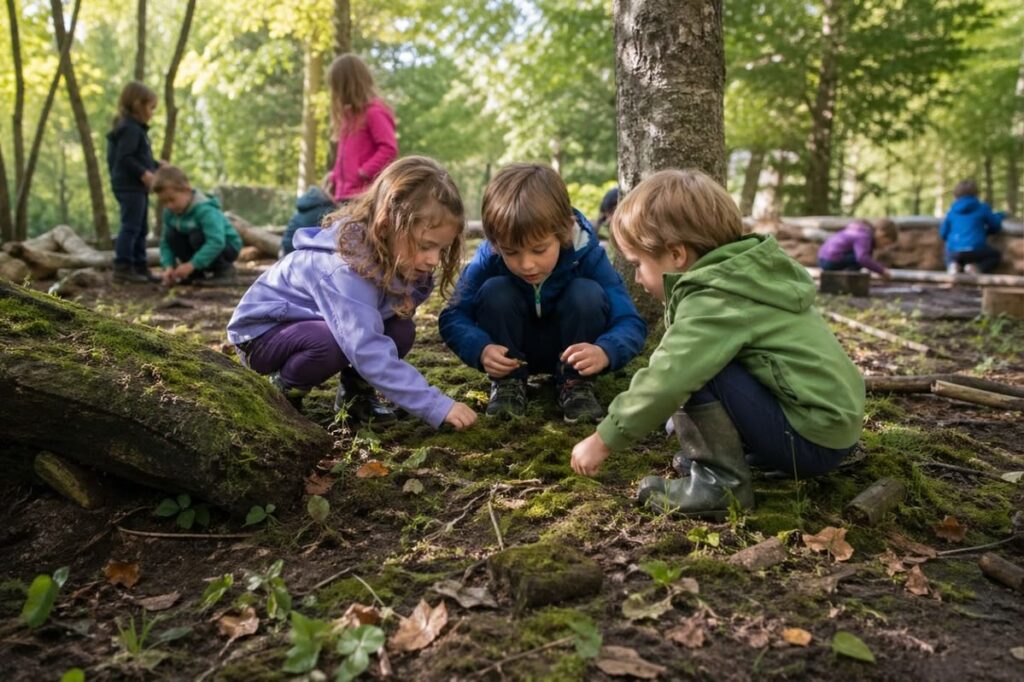
Kids who spend time exploring nature closely tend to build especially vivid memories. Bugs, leaves, and small animals all give kids something new to notice each outing.
Let your child lead the exploration instead of directing exactly what to look at.
For more ideas built around this kind of outdoor curiosity, this list is worth trying. This list of 25 outdoor fall nature activities for curious kids covers plenty of ground to explore.
These small discoveries often stick with kids far longer than planned, structured activities do. The freedom to explore on their own terms makes the memory feel more their own.
Keep a simple magnifying glass or a small jar handy for these outings. These small tools make the exploration feel more like an adventure to a young child.
Even a common insect can feel like a big discovery when given the right attention.
Shared Laughter Over Little Things
Some of the strongest childhood memories come from moments that made everyone laugh together. A dropped pumpkin, a leaf fight, or a silly mistake while baking all count.
These unplanned funny moments often become family stories told for years afterward.
Don’t rush past these moments when they happen naturally during an activity. Let the laughter run its course instead of moving quickly to the next task.
These small pauses are often what kids remember most clearly later in life.
Retell these stories occasionally during future fall seasons to keep the memory alive. Kids enjoy hearing about their own funny moments told back to them years later.
Write down a few of these moments in a small notebook right after they happen.
Memory tends to fade small details over time, even the ones that felt unforgettable. A quick note preserves the exact version worth telling again later.
Letting Kids Lead the Fun
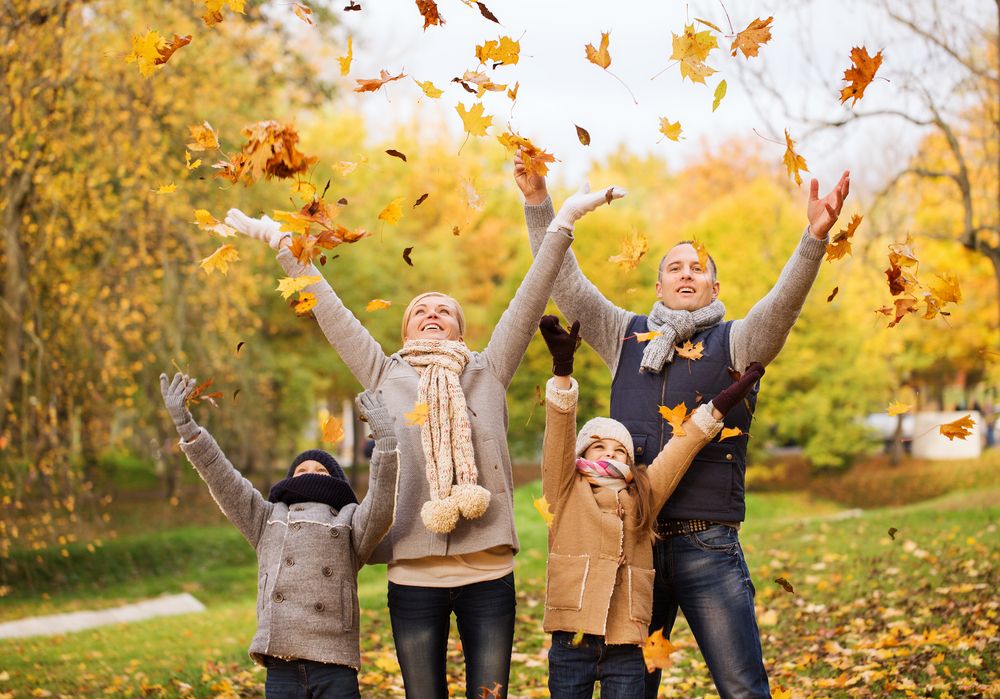
Memories feel more meaningful to kids when they had a real say in creating them. Let your kids choose the activity sometimes instead of always planning everything yourself.
Their choices might surprise you and lead to memories you wouldn’t have planned.
For a bigger list of activities to choose from together, check this out. This roundup of 27 fun fall activities for kids to enjoy this season gives kids plenty of options.
If you want even more choices, this other list is worth a look. This one on 37 fun fall activities for kids to enjoy this season offers even more ground to cover.
Giving kids this kind of ownership makes the resulting memory feel more personal to them.
Ask your kids directly what they want to do more of this season. Their answers often reveal what’s actually sticking with them, not just what you assumed. Use these answers to shape the rest of your fall plans together.
Memories Built on a Budget
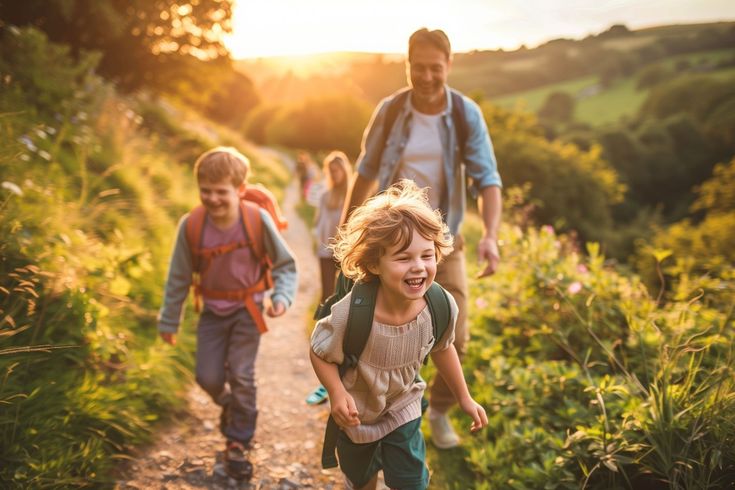
Meaningful memories rarely require a large budget to feel special to a child. A walk, a baking session, or a bonfire night all cost very little overall. What matters most is the shared time, not how much money went into it.
Focus your fall spending on a few key moments instead of many small purchases.
This lets you invest a bit more into the activities that matter most to your family. Kids remember the feeling of an activity far more than what it cost you.
Skip anything that feels like spending purely out of pressure or comparison to others. A quiet, free afternoon spent together often outshines an expensive outing rushed through quickly.
Capturing the Season in Photos
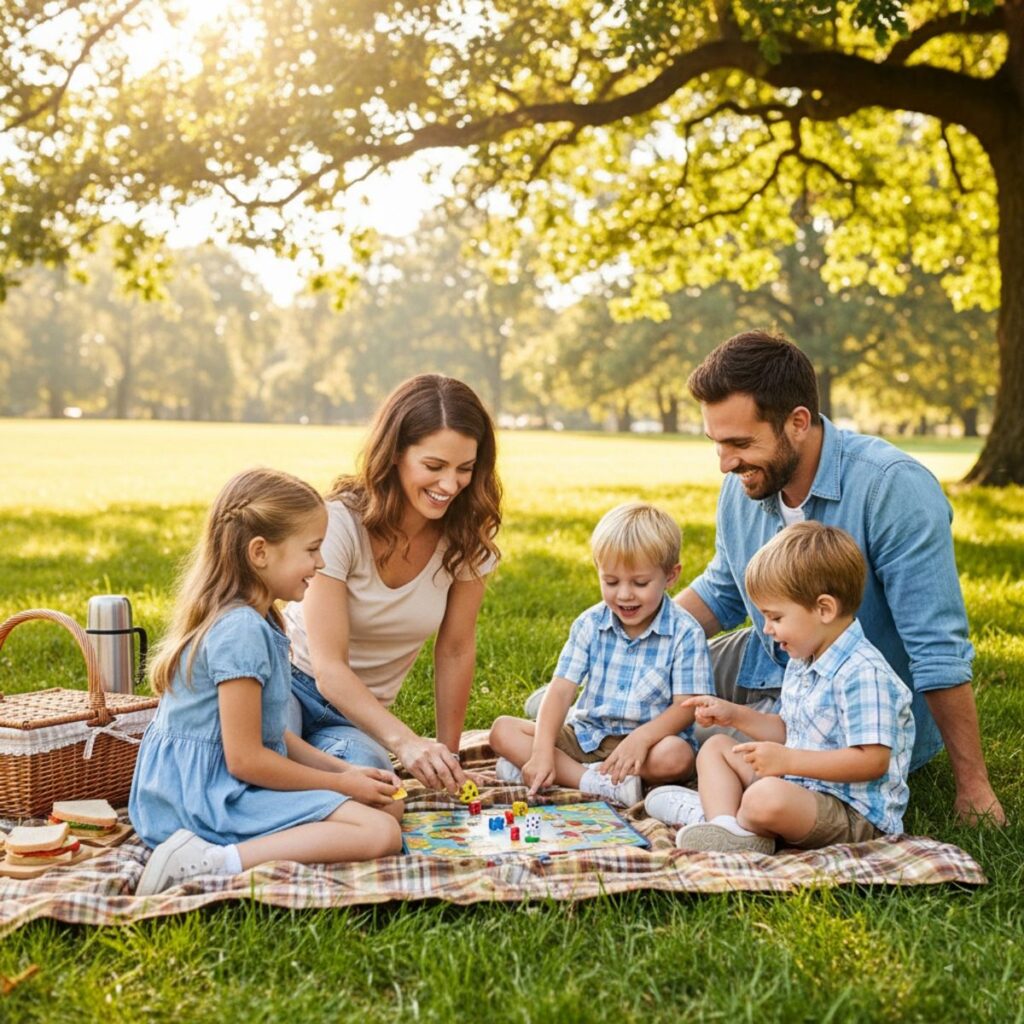
Photos help lock fall memories in place long after the season itself has passed. Take a few candid shots during activities instead of only posed group photos.
These candid moments often capture the real feeling of the day more accurately.
Print a few favorites each year and keep them together in a small album. Flipping through these later becomes its own small tradition kids enjoy repeating each fall.
This costs very little and adds real lasting value to the memories you build.
Let your kids help choose which photos make it into the album each year. This gives them a say in which moments feel most worth keeping and revisiting.

Memories That Involve Other People
Some of the richest childhood memories include people outside the immediate family circle. A neighbor, a grandparent, or a close family friend can all add real meaning.
My neighbor and her kids often join us for fall walks and baking afternoons. These shared afternoons have become something both families now look forward to each year.
Inviting others into your fall activities adds variety without much extra planning required. Kids also enjoy the social side of sharing traditions with people they see often.
These shared moments tend to deepen the memory for everyone involved in it.
A close friend joining a bonfire night or a grandparent helping bake adds another layer. These extra people become part of the story kids tell later about their childhood fall.

Final Thoughts
The childhood memories fall creates rarely come from expensive or elaborate plans.
They come from small, repeated, often messy moments spent together as a family. Walks, baking, bonfires, and quiet reading time all add up over the season.
Start paying closer attention to these small moments as they happen this fall. You won’t always know in the moment which ones will stick with your kids.
Trust that the simple, repeated ones usually matter more than the planned, expensive ones.
Years from now, your kids likely won’t remember every activity you carefully arranged. They’ll remember the warmth of the season and the time you spent together in it. That’s the real goal behind everything covered in this guide.
Leave a Reply