A bulletin board sets the tone for a whole classroom before a single lesson even begins. Kids notice color, shapes, and energy the moment they walk through the door each morning. A well-designed board can turn a plain wall into something that makes kids feel welcome and excited. It also gives teachers an easy way to introduce values, goals, and personality without saying a single word.
Many teachers underestimate how much this small detail affects the overall mood of a classroom. A dull, empty wall can make a room feel cold, even if everything else is well organized.
On the other hand, a thoughtful board makes students feel noticed and cared for right from day one. This small effort often shapes how a child feels about the whole term ahead.
This post gives you twenty-five creative ideas that work for different grade levels and different amounts of time. Some of these ideas take just a few minutes to put together with basic supplies.
Others require a little more planning, but still stay simple enough for any busy teacher or parent to manage. Each idea includes small tips for adapting it to your specific classroom and age group.
If you’re setting up other parts of the classroom too, 21 Classroom Door Decoration Ideas That Kids Will Love pairs naturally with these board ideas for a complete, welcoming space. Together, a decorated door and a thoughtful board create a consistent, warm feeling the moment students step inside.
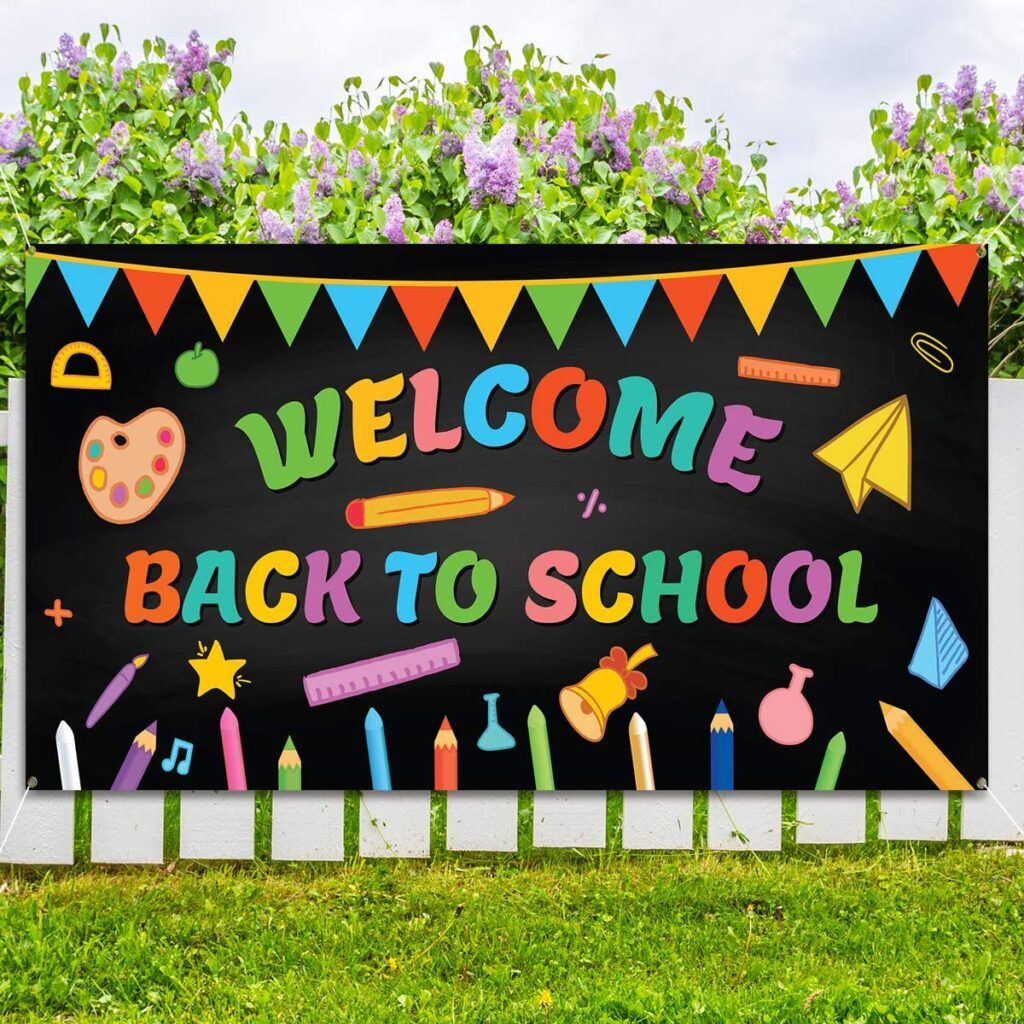
25 Creative Back-to-School Bulletin Board Ideas
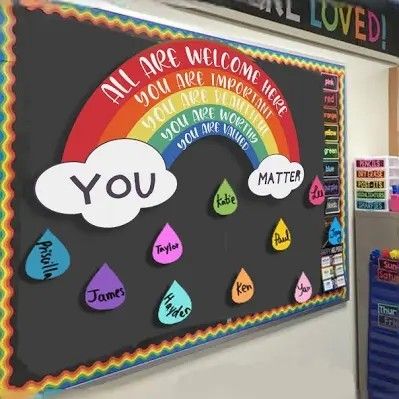
1. Welcome Back Rainbow Board
Cut large strips of colored paper into a rainbow shape stretching across the board. Add each child’s name written on a small cloud shape below the rainbow arc.
This bright, simple design works well for younger classrooms starting a brand new term. The rainbow shape naturally draws the eye, making it a strong centerpiece for any welcome display.
You can extend this idea by adding a small pot of gold at one end, listing class goals for the term. Some teachers add a new cloud each week as new students join or transfer in.
This keeps the board relevant beyond just the opening days, rather than becoming outdated quickly. Bright colors like this also tend to photograph well for newsletters or parent updates.
Also read: The Ultimate Back-to-School Guide for Parents
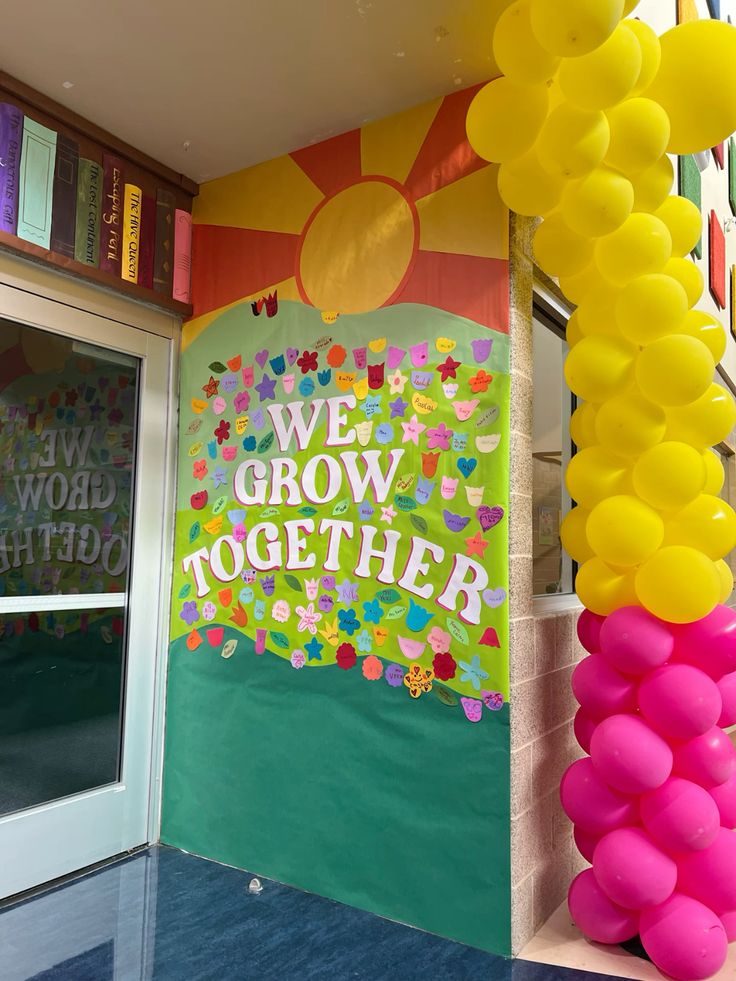
2. Growing Together Garden Theme
Create paper flowers, each with a student’s name written on the petals. Arrange them on a green paper background made to look like a garden bed.
This idea grows nicely over the term if you add new flowers as students achieve small milestones. It also works well paired with a simple watering can cutout, symbolizing effort and care.
Consider using different flower colors to represent different classroom groups or reading levels, if that fits your structure.
Some teachers add small paper bees or butterflies moving between flowers, adding a playful, animated feel. This theme also connects naturally to science lessons about plants or growth later in the term.
Check this out: How to Prepare Your Child For the First Day Of School Without Stress
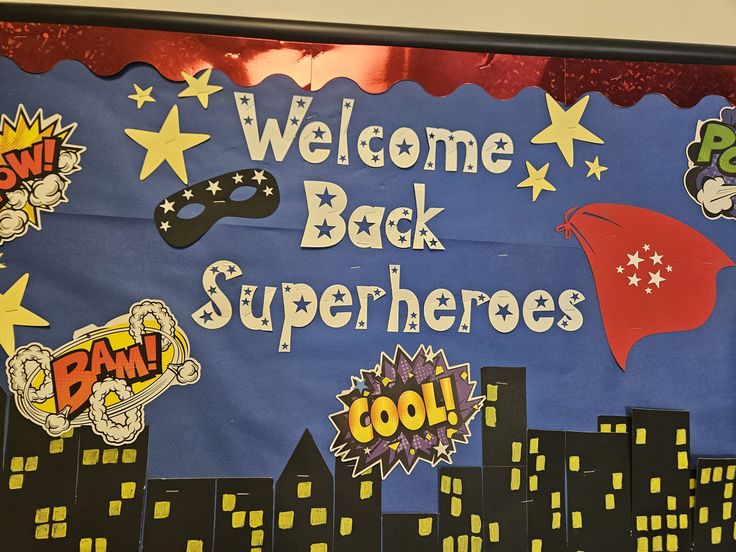
3. Superhero Welcome Board
Give each child a small superhero cape cutout with their name written boldly across it. Arrange these capes flying across a blue background dotted with simple cloud shapes.
Kids often love seeing themselves represented as a hero right from the very first day. This theme builds confidence and excitement, especially for kids who might feel nervous about starting fresh.
Extend this idea by adding a speech bubble beside each cape, listing one “superpower” like kindness or curiosity. Some teachers let students choose their own superhero name to personalize the board further.
This small choice gives kids a sense of ownership over their spot on the display. It also opens a fun conversation about what makes each student unique.
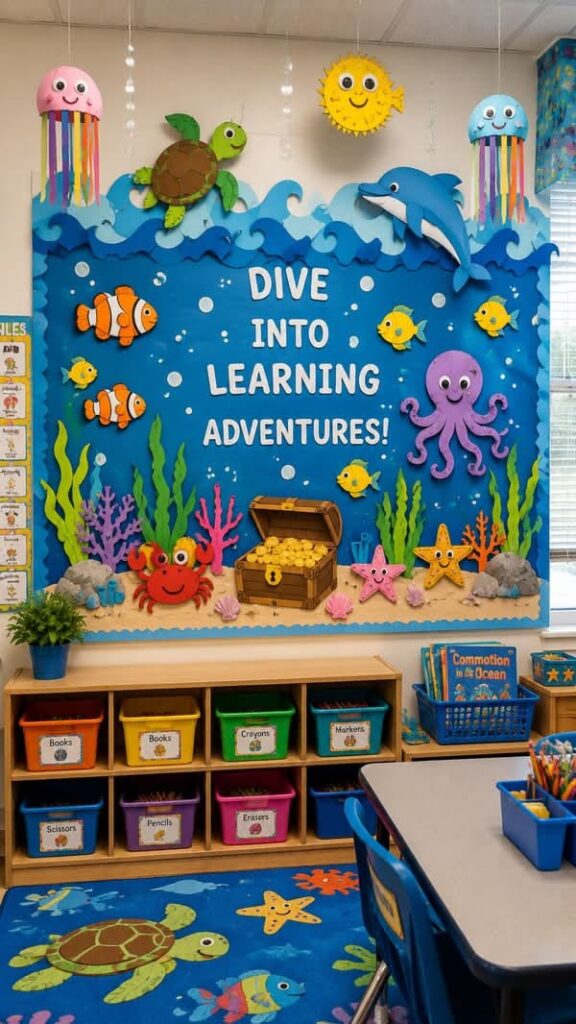
4. Under The Sea Adventure
Fill the board with paper fish, each labeled with a student’s name and a fun fact about them. Add seaweed and bubble cutouts around the edges for a fuller underwater feel.
This theme works especially well if your classroom already leans toward ocean or nature topics this term. The soft blues and greens create a calm, inviting atmosphere for younger students especially.
You can vary fish sizes and colors to keep the board visually interesting rather than repetitive. Some teachers add a treasure chest cutout listing classroom goals, tying the theme together nicely.
This board also works well alongside science units about marine life later in the year. Kids often enjoy spotting their own fish among the group.
Bookmark This: How to Build a Morning Routine That Actually Works
5. Books Open New Worlds
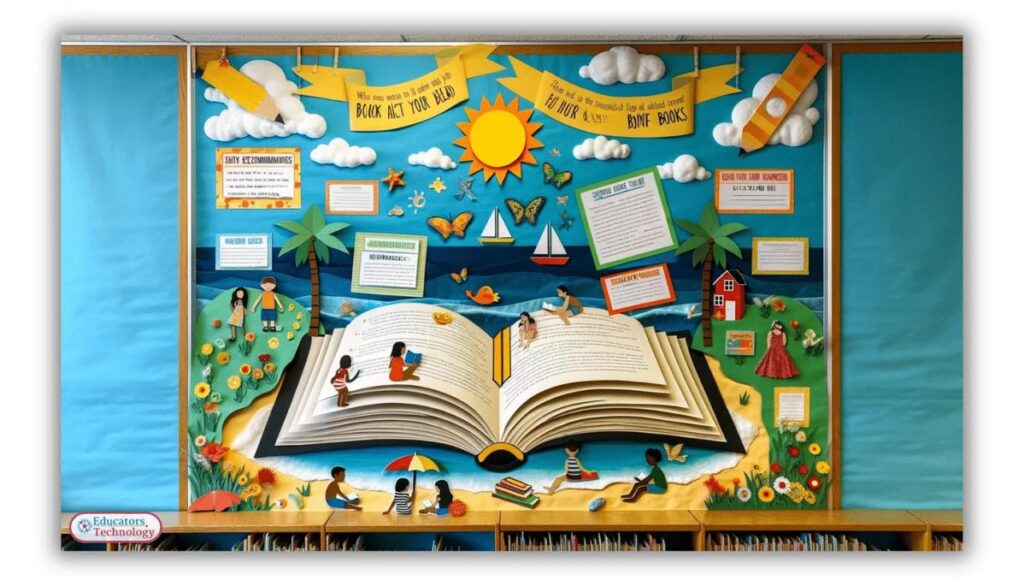
Cut out large book shapes in different colors, opening like a fan across the board. Write the title of everyone’s favorite book on a small tag near each one.
This board doubles as a gentle nudge toward reading throughout the coming weeks. It also gives quieter students an easy way to share something personal without speaking aloud.
Consider updating this board periodically as students discover new favorite books during the term. Some teachers add a small reading challenge chart nearby, tracking books completed as a class.
This keeps the board functional well beyond the opening weeks of school. It also builds excitement around reading as an ongoing, shared classroom activity.
6. Countdown To Friendship Chain
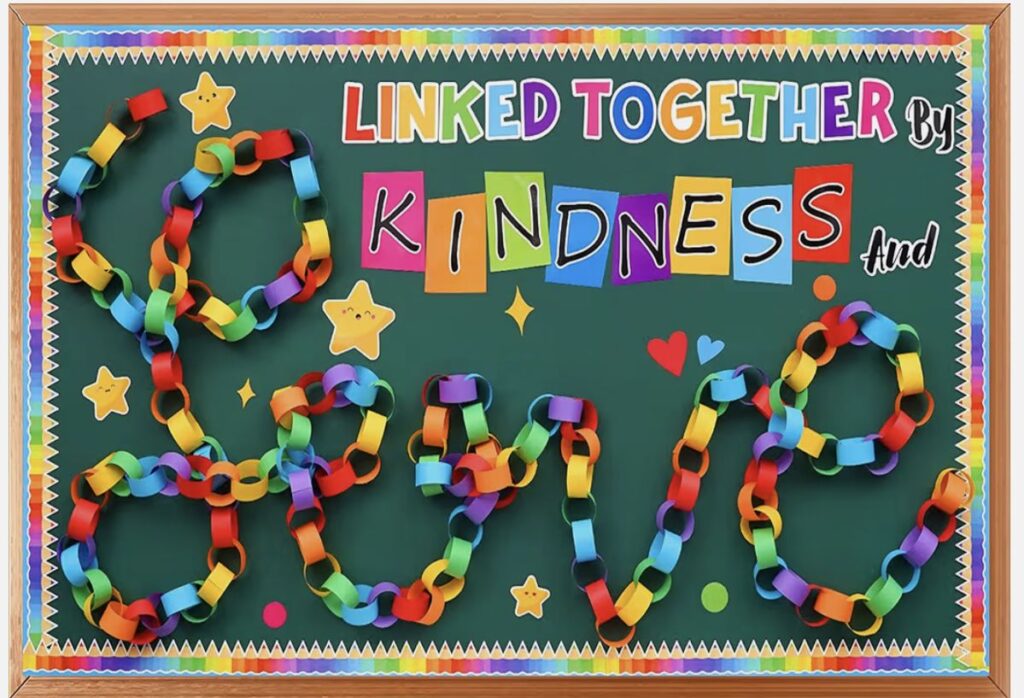
Create a simple paper chain using strips of colored paper, one for each day of the first week. As each day passes, remove or flip a link to reveal a positive message underneath.
This idea ties in nicely with building excitement during 27 First Week of School Activities to Make Kids Feel Welcome. The visual countdown gives students something tangible to look forward to each morning.
Write short, encouraging messages on the hidden side of each link, like a fun fact or a kind reminder. Some teachers let a different student remove the link each day, adding a small daily responsibility.
This simple ritual builds anticipation and gives structure to the first week specifically. It also works well as a calming, predictable routine for anxious students.
7. Class Goals Tree
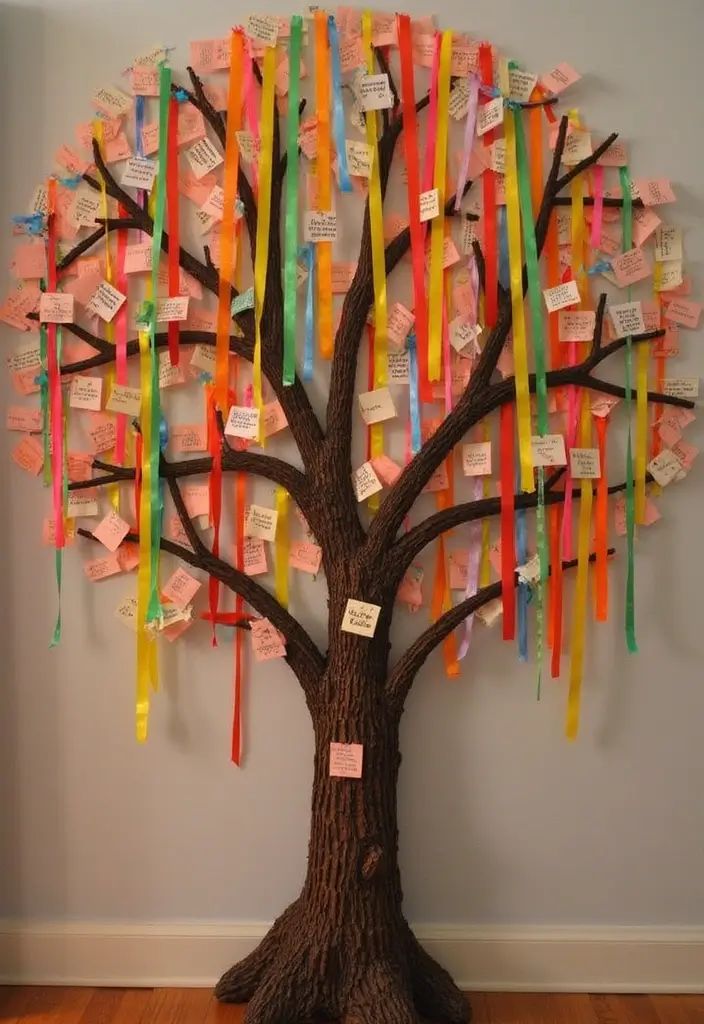
Draw or cut out a large bare tree trunk and branches on brown paper. Give each student a paper leaf to write one personal goal for the term.
Stick the leaves onto the branches, creating a tree that fills in as the term progresses. This visual growth mirrors the personal growth each student hopes to achieve.
Revisit this board partway through the term, letting students reflect on progress toward their original goals. Some teachers add fruit shapes later in the year, symbolizing goals that have been achieved.
This turns a static opening display into something that evolves meaningfully over several months. It also gives students a visual reminder of what they’re working toward.
Also Read: How to Choose The Right Backpack for Your Child
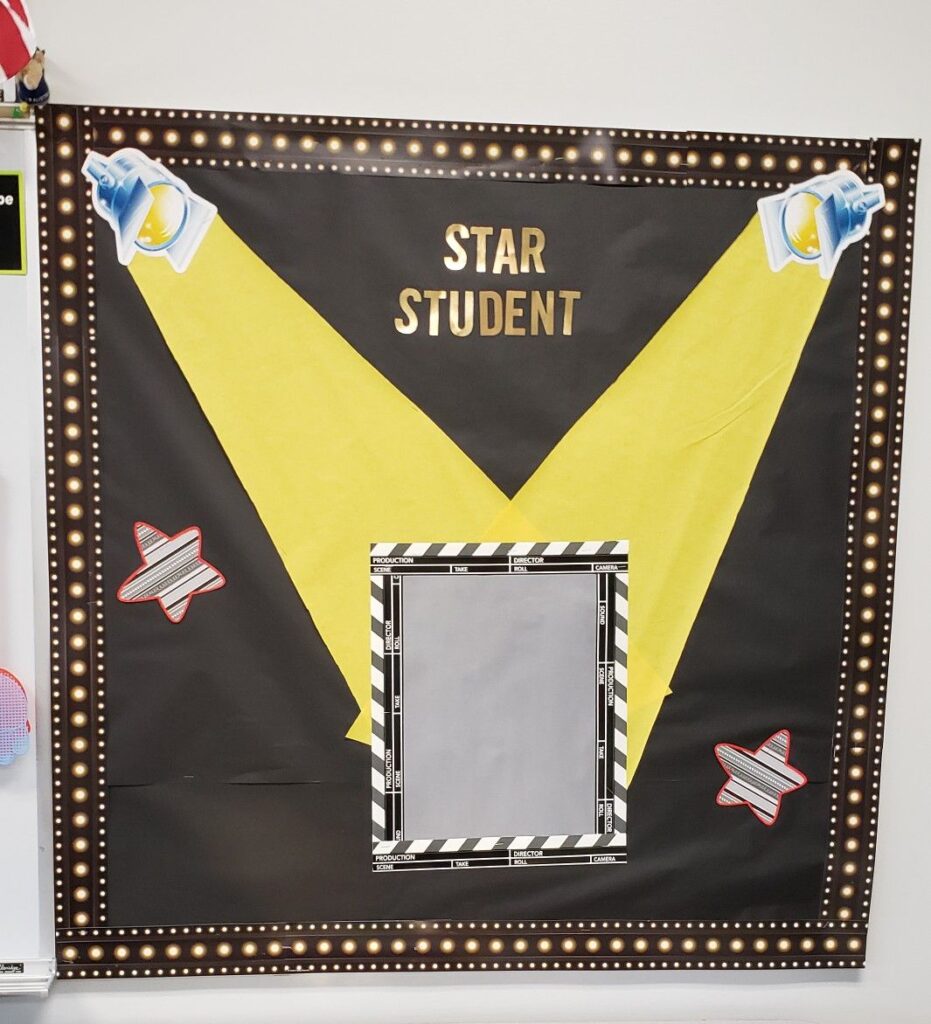
8. Star Student Spotlight
Reserve a small section of the board specifically for highlighting one student each week. Include their photo, a few fun facts, and something they’re proud of recently.
This simple rotation makes every child feel noticed at some point during the term. It also gives students something to look forward to as their own week approaches.
Add a small section where classmates can write kind notes about the featured student. This builds a positive, supportive classroom culture alongside the personal recognition itself.
Some teachers keep printed copies of each week’s spotlight, creating a keepsake by the end of the term. Parents often appreciate seeing this feature during classroom visits or open days too.
9. Map Of Where We’re From
Pin up a large world or local map, then use string or pins to mark where each student was born or has visited.
This board naturally sparks conversation and helps kids learn interesting things about their classmates early on. It also introduces basic geography concepts in a personal, relevant way for young learners.
Consider adding small flags or photos beside each pin for extra visual interest. Some teachers use this board as a starting point for short presentations about family heritage or travel experiences.
This adds depth to the display while supporting classroom discussions about diversity and different backgrounds. It also works well as an ongoing project throughout the term.
You’ll Love This: How to Pack School Lunch Kids Will Actually Finish

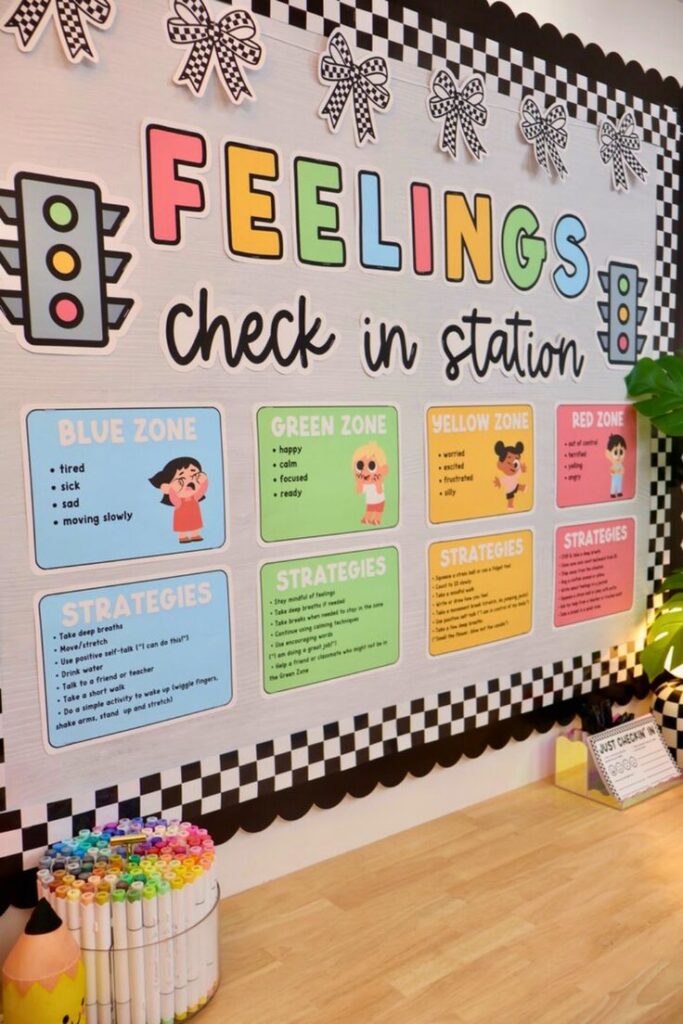
10. Emotions Check-In Board
Create simple face icons showing different emotions, with a small pocket or clip beside each one. Let students place their name tag beside how they’re feeling that morning.
This board supports emotional awareness, which pairs well with broader efforts covered in How to Help Kids Overcome First-Day-of-School Anxiety. It gives quieter students a simple, non-verbal way to communicate their mood.
Teachers can glance at this board each morning to identify students who might need extra support that day. Some classrooms add a small comfort corner nearby, connected visually to this emotional check-in system.
This board works well beyond just the first week, becoming a useful daily tool all term long. It also teaches students to name and recognize their own feelings.
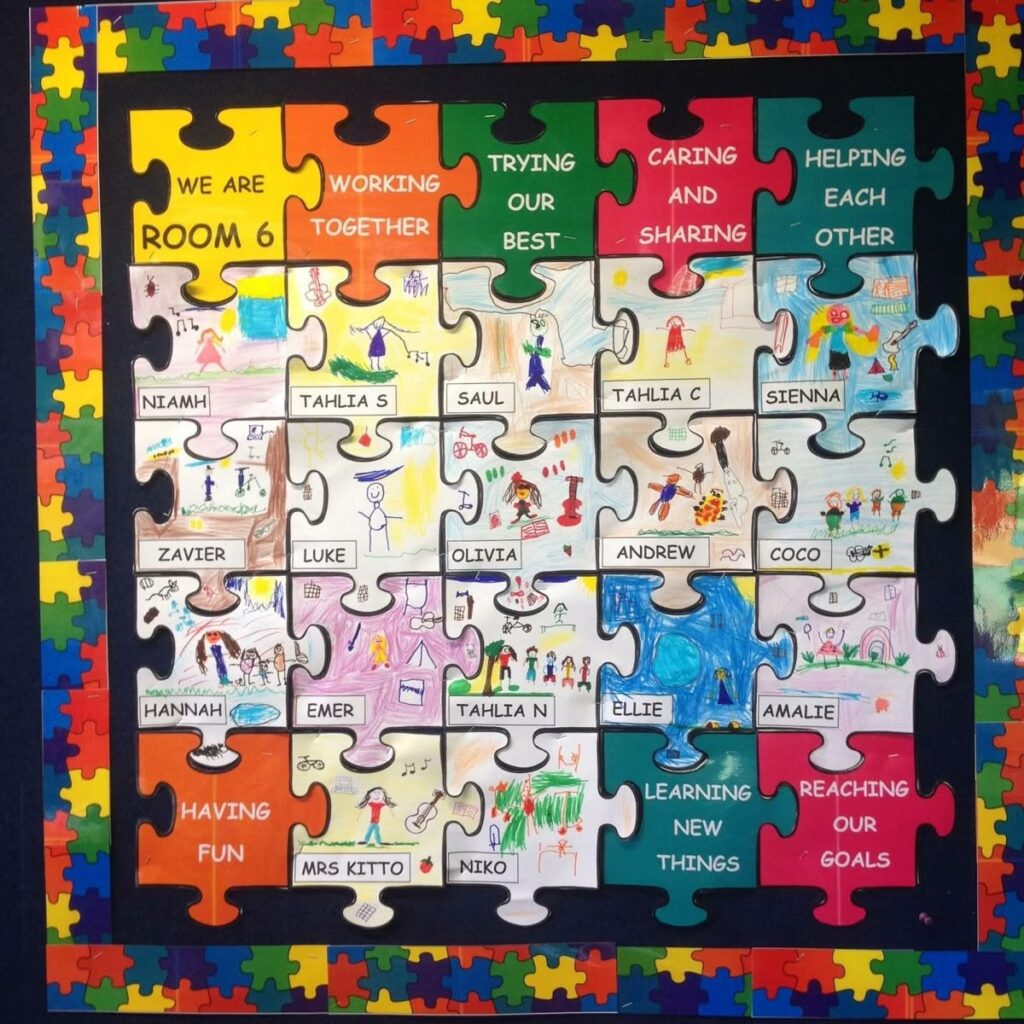
11. Classroom Rules As A Puzzle
Design a large puzzle shape, with each piece displaying one classroom rule or expectation. Assemble the pieces together on the board as a visual, engaging way to introduce expectations.
This avoids a plain, boring list format that younger kids often ignore completely. The puzzle metaphor also reinforces the idea that everyone’s cooperation completes the bigger picture.
Consider involving students in creating this puzzle, letting them decorate their assigned piece individually. This adds a sense of ownership over classroom rules, rather than rules feeling imposed from above.
Some teachers revisit this board when reminders are needed, pointing back to the shared, agreed-upon expectations. It becomes a helpful visual reference throughout the school year.
Don’t Miss: Everything Parents Need Before Back-to-School Shopping
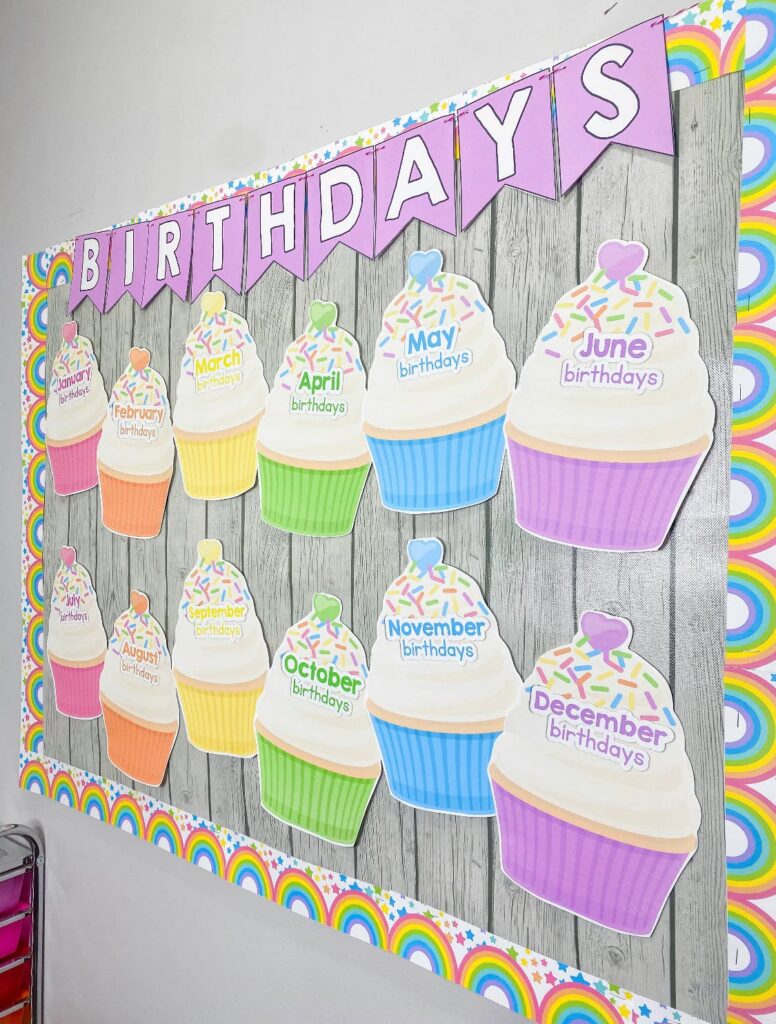
12. Birthday Cupcake Board
Create paper cupcakes labeled with each month, then attach small cutouts with each student’s name to their birthday month.
This simple, ongoing board keeps birthdays visible and celebrated throughout the entire school year. It also gives the classroom a small, ongoing reason to celebrate together regularly.
Add colorful sprinkle details or candles to make each cupcake feel festive and inviting. Some teachers update this board as new students join partway through the year.
This board requires little maintenance while providing consistent value well beyond the opening weeks of term. Students often enjoy checking whose birthday is coming up next.
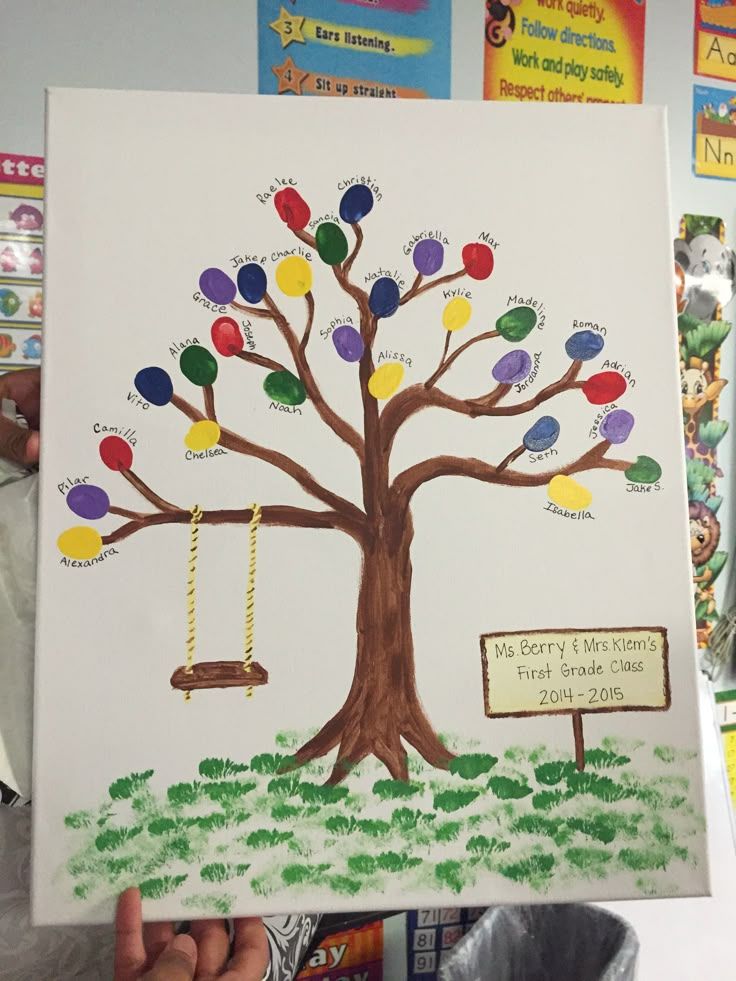
13. Fingerprint Friendship Tree
Have each student press an inked fingerprint onto a tree drawn on the board, then add a small leaf shape around it.
This creates a genuinely personal, hands-on element that feels different from a purely printed or store-bought design. Every fingerprint is unique, symbolizing each student’s individual contribution to the class.
This activity works well as a shared, hands-on classroom experience during the first week itself. Some teachers extend the metaphor by adding roots labeled with classroom values like trust or cooperation.
This board becomes a meaningful keepsake by the end of the year, representing the whole class together. Parents often enjoy seeing this personal touch during classroom visits.
Read Next: How to Create a Homework Space That Help Kids Focus
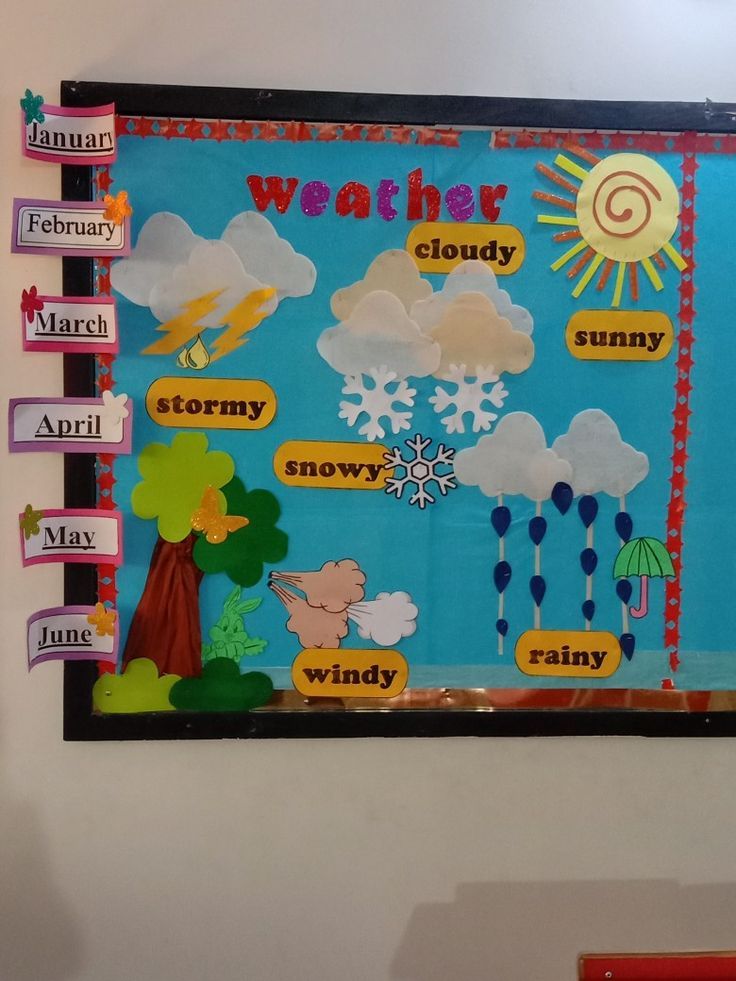
14. Weather Watch Station
Set up a simple, interactive weather board where a student updates the day’s weather each morning. Include simple icons for sun, rain, clouds, and wind that can be moved or clipped into place daily.
This board stays useful and relevant throughout the entire term, not just during back-to-school season. It also gives one student a small, meaningful daily responsibility.
Consider adding a simple temperature tracker alongside the weather icons for older students. This board naturally supports science lessons about weather patterns and seasons later in the year.
Rotating the responsibility among different students each week keeps the task fair and engaging. It also builds a small sense of routine into each classroom morning.
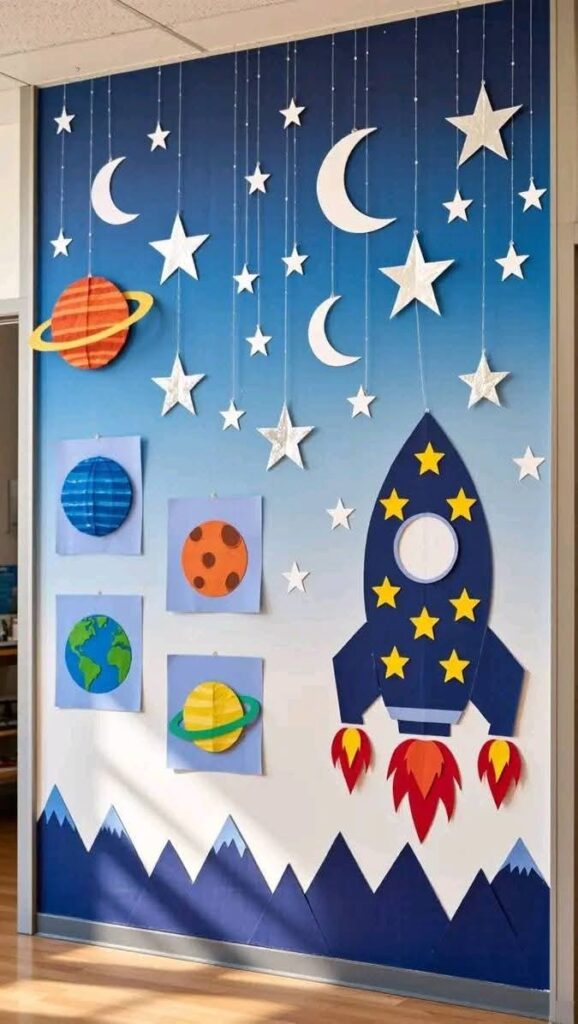
15. Our Class Constellation
Cut out star shapes, one for each student, and arrange them across a dark blue or black background. Write each child’s name on their star, creating a simple night-sky theme that feels calm and inviting.
This board works particularly well for a classroom aiming for a softer, quieter overall look. The dark background makes the stars stand out brightly and clearly.
Consider adding small constellation lines connecting groups of students, symbolizing classroom teams or table groups. Some teachers use glow-in-the-dark paint or stickers for an extra playful touch.
This board pairs well with science units about space and astronomy later in the term. It also offers a calming visual alternative to brighter, busier board designs.
Explore More: How to Make the Transition Back to School Easier For Kids
16. Building Blocks Of Success
Use simple block or brick shapes, each labeled with a value like kindness, effort, or teamwork. Arrange them to look like a tower being built throughout the term as the class demonstrates these values.
This visual metaphor works well for slightly older students who understand more abstract concepts. It reinforces that classroom success builds gradually, piece by piece, over time.
Add new blocks periodically as the class demonstrates these values in real classroom situations. Some teachers let students nominate classmates for a new block, adding a positive peer recognition element.
This board grows visually taller and more impressive as the term progresses, reflecting real classroom growth. It becomes a satisfying, visible record of collective effort.

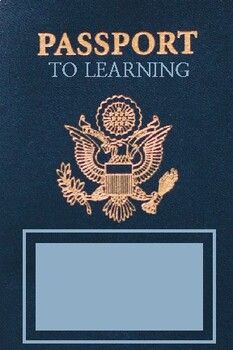
17. Passport To A New Year
Design the board to look like a passport page, with each student’s photo stamped like a travel document. Add small icons representing subjects or activities they’re excited about this term.
This idea works especially well for classrooms with an international or travel-related theme running through the year. It frames the new term as an exciting journey rather than a routine return.
Consider adding small “stamps” throughout the year marking milestones or achievements for each student. Some teachers extend this theme into classroom decor throughout the year, using maps and travel motifs elsewhere too.
This creates a cohesive, memorable classroom identity beyond just the opening board display. Students often enjoy imagining their year as a journey worth documenting.
We also recommend: Back-to-School Shopping Mistake Every Parents Should Avoid
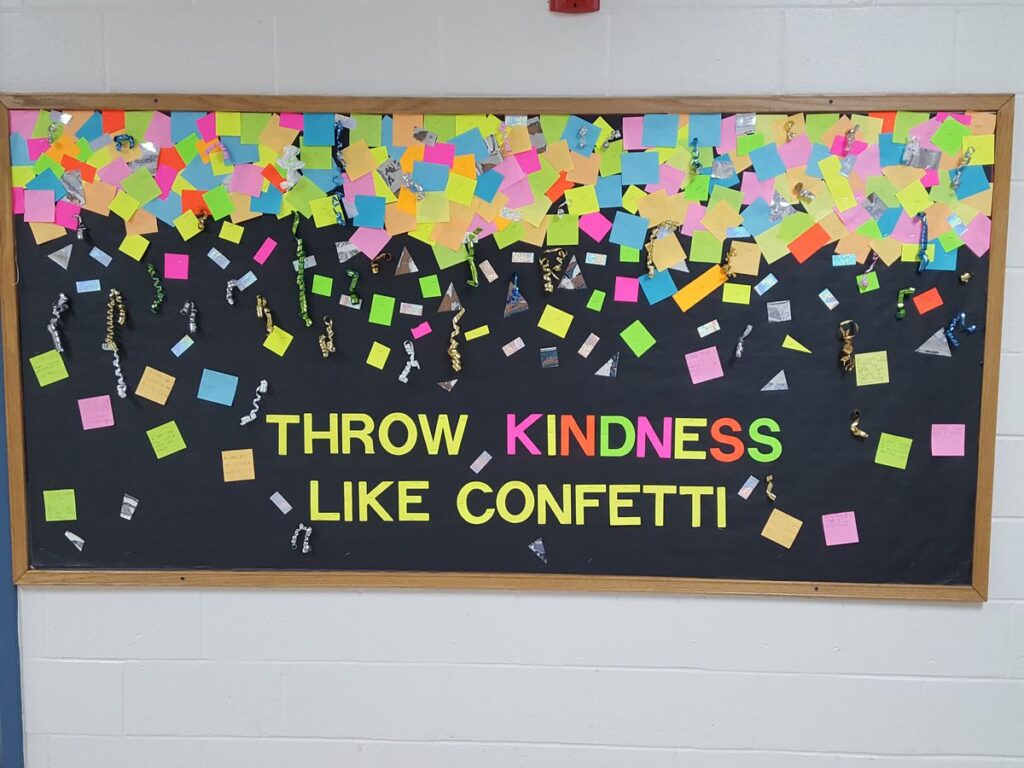
18. Kindness Counts Board
Create a simple tally or sticker system where students add a mark each time they notice an act of kindness. This encourages positive behavior while giving the board a clear, functional purpose beyond just decoration.
It also supports classroom culture in a way that extends well past the first week alone.
Set a small class goal, like reaching a certain number of kindness marks, with a simple reward attached. Some teachers add specific examples beside the tally, describing what kindness looked like that day.
This board becomes a living record of positive classroom behavior throughout the entire year. It also reinforces values in a way that feels rewarding rather than purely instructional.
19. Our Reading Journey Board
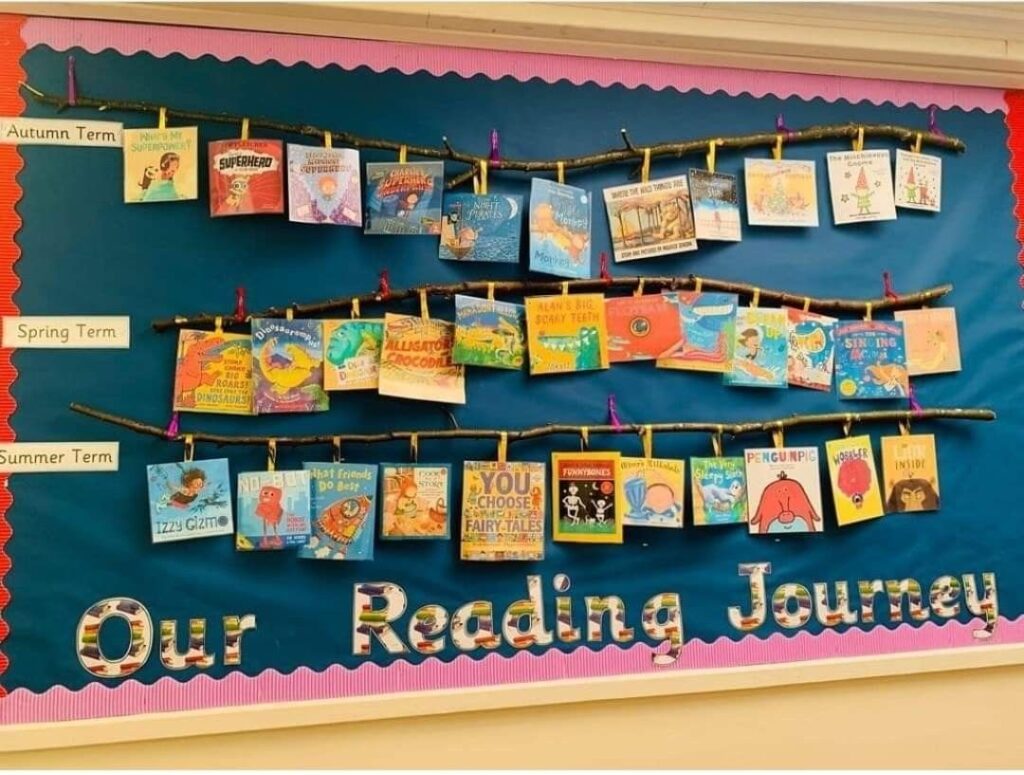
Design a winding path or road on the board, marking milestones like books read or reading goals reached. Students can move a small marker with their name along the path as they progress through the term.
This turns reading into something visual and motivating rather than a private, invisible task. It also builds friendly, low-pressure motivation among classmates.
Add small rest stops or checkpoints along the path representing specific reading achievements. Some teachers include a class-wide marker too, tracking total books read together as a group.
This board works especially well alongside classroom library systems and independent reading time. It keeps reading progress visible and something worth celebrating regularly.
20. Class Photo Collage
Combine individual student photos into a creative collage shape, like a heart, a star, or the classroom’s mascot. This board works especially well early in the term, helping students learn each other’s faces and names quickly.
It also creates an immediate sense of belonging for every student pictured.
If you want a similar personal touch for home, 31 First Day of School Photo Ideas You’ll Treasure Forever offers ideas that translate well into this kind of display too.
Consider updating the collage with a new photo partway through the year, showing how much the class has grown together. This board often becomes a favorite keepsake for both students and parents by year’s end.

21. Growth Mindset Board
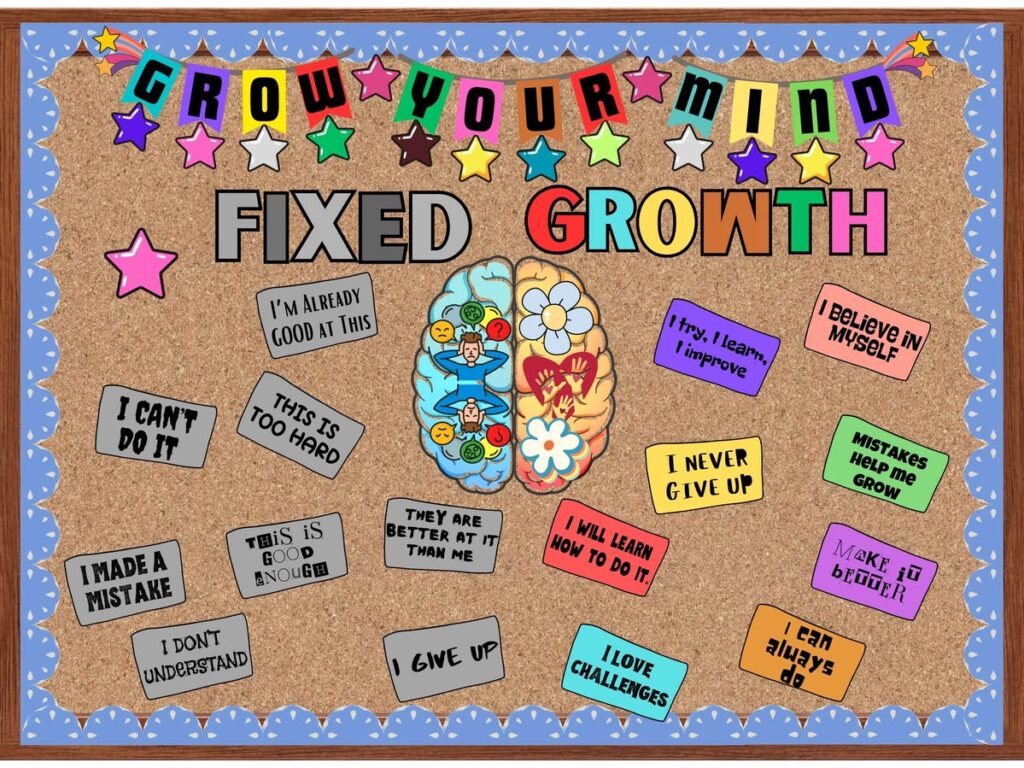
Feature simple phrases promoting a growth mindset, like turning “I can’t do this” into “I can’t do this yet.” Pair each phrase with a simple, colorful illustration to keep it visually engaging for younger students.
This board supports a positive academic attitude that extends well beyond the first week of term. It gently reinforces resilience and effort over immediate results.
Rotate the phrases periodically, keeping the board fresh and relevant throughout the year. Some teachers invite students to suggest their own growth mindset phrases based on personal experiences.
This board pairs naturally with classroom discussions about handling mistakes and challenges positively. It becomes a quiet, consistent reminder during difficult academic moments.
22. Our Class Recipe For Success
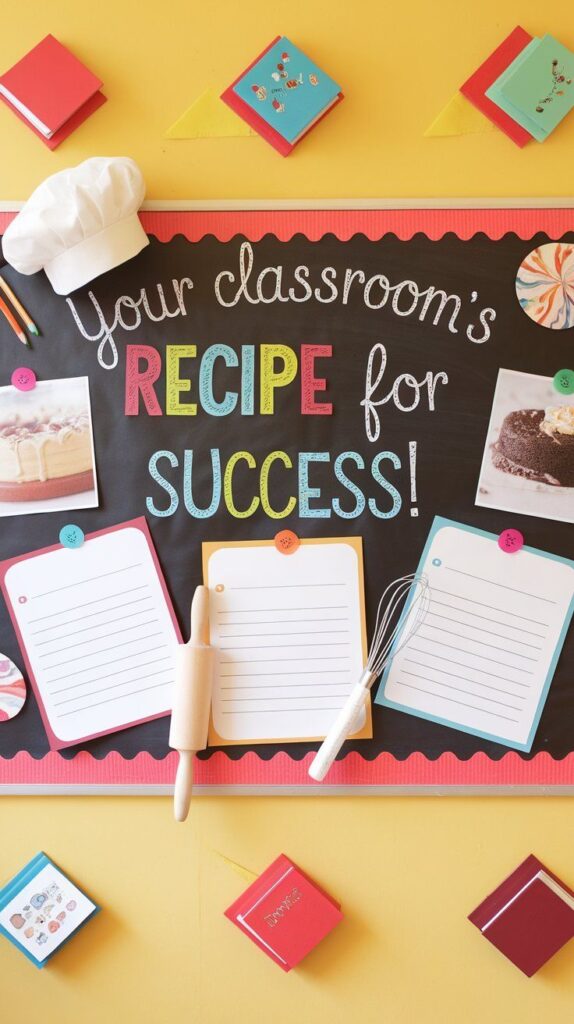
Design the board like a recipe card, listing “ingredients” such as respect, effort, and curiosity. This creative, food-themed metaphor works surprisingly well for explaining classroom values in a way that feels fun rather than preachy.
Kids often enjoy contributing their own “ingredient” suggestions to add to the list. The familiar recipe format makes abstract values feel concrete and approachable.
Consider adding measurements, like “a cup of patience” or “a pinch of humor,” for a playful touch. Some teachers revisit this recipe throughout the year, adding new ingredients as the class discovers what works well together.
This board becomes a fun, memorable way to talk about classroom culture without sounding like a lecture. It also works well as a conversation starter during parent visits.
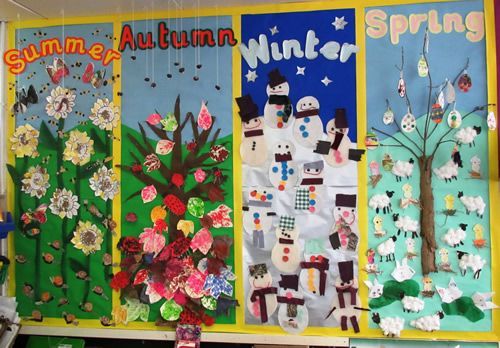
23. Seasons Of Learning Board
Divide the board into four sections representing each season, updating relevant content as the school year progresses.
This gives the board a natural reason to change and stay interesting throughout the entire term, not just at the start. It also ties learning visually to the passing of time outside the classroom.
Use each season’s section to highlight relevant classroom achievements, projects, or themes from that period. Some teachers involve students directly in updating the board as each new season begins.
This ongoing project teaches basic time concepts while keeping the display consistently fresh and relevant. It also creates a satisfying visual record of the whole year by its end.
24. Our Classroom Family Tree
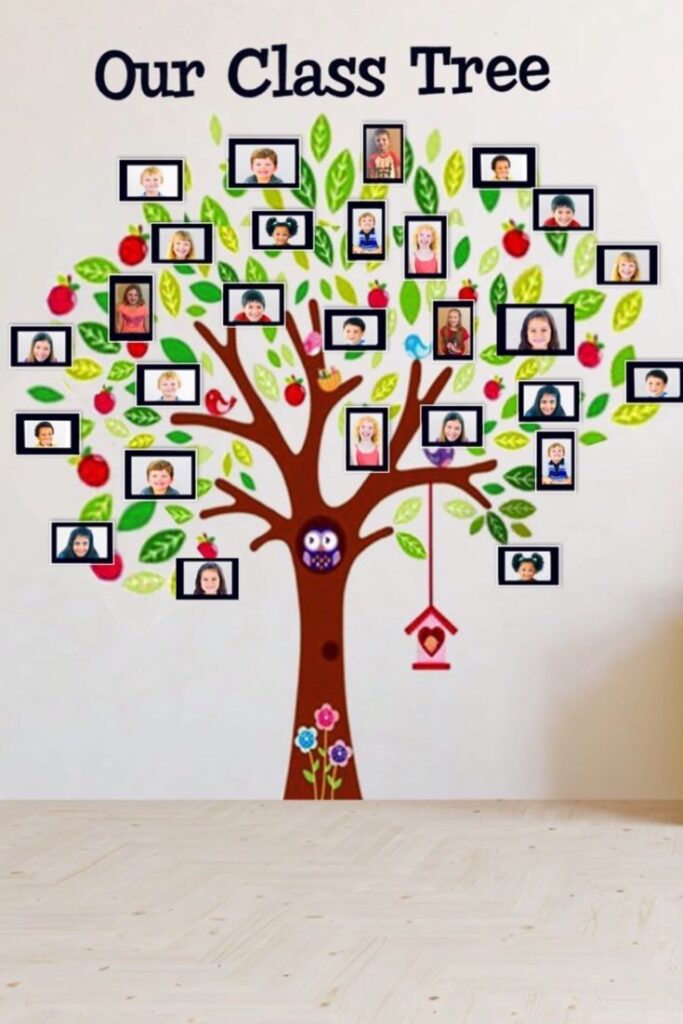
Create a tree shape with branches representing different aspects of classroom life, like helpers, subjects, or shared values. Attach small leaves or fruits with student names or contributions throughout the term.
This metaphor reinforces the idea of the classroom as a connected, supportive community. It shows students that everyone plays a meaningful, connected role.
Update this tree regularly as new contributions or classroom moments arise throughout the year. Some teachers add a root system labeled with foundational values like trust, honesty, or effort.
This board becomes richer and more detailed as the year progresses, rather than staying static. It offers a warm, ongoing visual representation of the whole classroom community.
25. Gratitude Wall
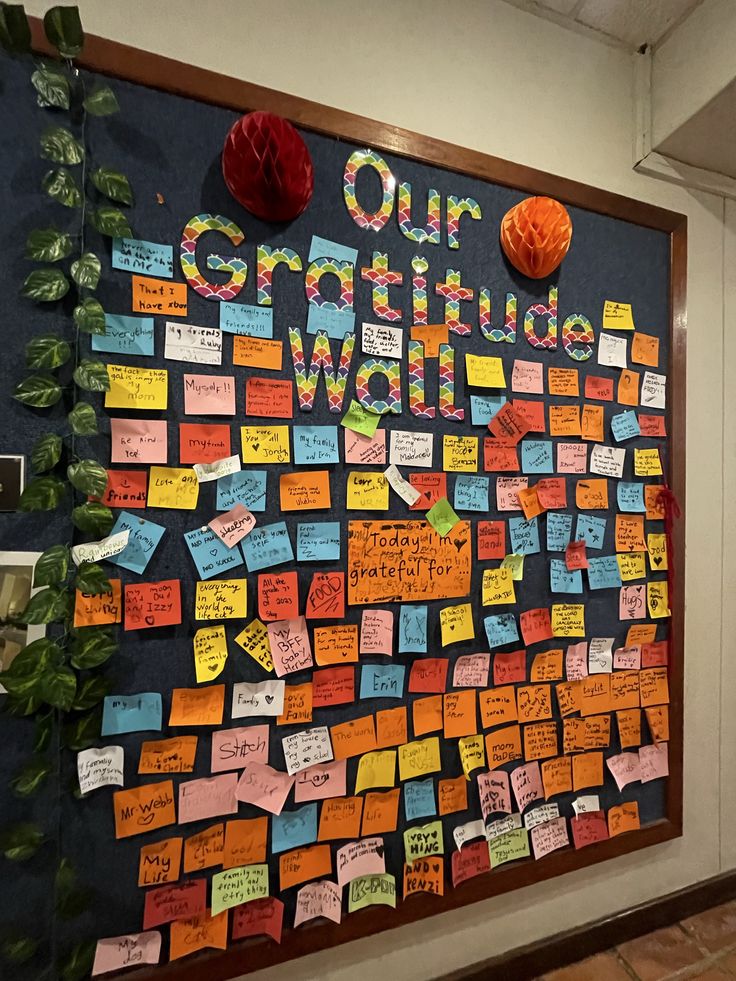
Dedicate a section of the board where students can pin a small note about something they’re grateful for that week.
This simple, ongoing practice builds a positive classroom tone that extends well beyond the initial back-to-school excitement.
It also gives quieter students an easy, low-pressure way to contribute something personal to the shared space.
Rotate old notes out periodically, keeping the wall fresh while preserving a folder of past entries for later reflection. Some teachers read a few notes aloud each week, celebrating shared gratitude as a group activity.
This board builds a genuinely positive undertone to the classroom that lasts throughout the entire year. It also encourages students to notice and appreciate small, everyday moments.
Bringing It All Together
A creative bulletin board does more than fill empty wall space in a classroom. It welcomes students, reinforces values, and gives the room a warm, personal feel from the very first day.
Whether you choose something simple or more elaborate, the effort behind it rarely goes unnoticed by the kids who see it daily.
Pick one or two ideas that fit your classroom’s personality and the age group you’re working with this term. You don’t need to recreate every single idea on this list to make a meaningful impact.
Even a small, thoughtful board can shape how welcome and excited students feel walking into the new school year.
Leave a Reply