Back-to-school shopping can feel like a maze if you walk in without a clear plan first. Stores overflow with options, prices jump around unpredictably, and it’s easy to grab things you don’t actually need.
Parents often leave the store having spent more than expected, yet somehow still missing something essential for the term ahead.
This happens almost every single year, no matter how organized a parent thinks they’ll be this time. One aisle leads to another, a sale sign catches your eye, and suddenly your cart holds things that weren’t even on your original list. Meanwhile, the one item you actually walked in for gets forgotten in all the noise and rush.
The truth is, shopping doesn’t have to feel this overwhelming once you know exactly what to look for and in what order. A clear plan removes the guesswork, and guesswork is usually what leads to wasted money and missed items.
This post breaks down exactly what to buy, in what order, and how to avoid the common traps that waste both time and money.
Getting this list right early takes so much pressure off the rest of the season. Once shopping is handled properly, you can focus on other things, like routines and emotional preparation, without shopping hanging over your head.
If you haven’t looked at the wider picture yet, The Ultimate Back-to-School Guide for Parents covers everything else this season involves, alongside this specific shopping breakdown.

Everything Parents Need Before Back-to-School Shopping
Start With A Full Inventory Of What You Already Have
Before adding anything new to your cart, take stock of what’s already sitting in drawers and closets at home. Many parents buy duplicates simply because they forgot what they already owned from last term.
Go through last year’s supplies, uniforms, and bags first, checking what’s still usable and what needs replacing.
Sort everything into three piles, one for items in good condition, one for items needing repair, and one for items to discard.
This simple sorting exercise often reveals that your shopping list is shorter than you initially assumed. It also saves money that would otherwise go toward things you didn’t actually need to buy again.
Check sizes carefully during this process too, since kids grow quickly between school terms. A uniform that fit perfectly last year might already be too small or too short by the time term resumes.
Trying everything on ahead of time avoids the awkward discovery of a too-tight shirt on the actual first morning.
Don’t forget to check smaller items too, like scissors, rulers, and calculators that often get buried in drawers.
These small tools are easy to overlook, yet annoying to realize you’re missing once school has already started. A thorough inventory check, even if it takes an hour, saves both money and last-minute stress later.
You’ll Love This: 21 Classroom Door Decoration Ideas That Kids Will Love

Build Your List Around Categories, Not Random Items
Rather than shopping item by item off the top of your head, organize your list into clear categories first. Group items under headings like uniforms, stationery, bags, lunch supplies, and personal care items.
This structure makes shopping trips faster and reduces the chance of forgetting something important along the way.
Within each category, note down specific quantities needed, rather than vague ideas like “some pencils.” Knowing you need exactly six pencils, two erasers, and one sharpener avoids both underbuying and overbuying at the store.
This level of detail feels tedious at first, but it saves real time and money during the actual shopping trip.
Once your categories are set, prioritize them by urgency and importance for the first week of school.
Uniforms and shoes typically need attention first, since sizing issues take longer to resolve than a simple stationery purchase.
Decorative or optional items can wait until the essential list is fully covered and confirmed.
Read This: 19 Thoughtful Teacher Gift Ideas for Back to School

Uniforms And Shoes Come First
Uniforms are usually the most time-sensitive item on any back-to-school list, especially if alterations are needed.
Fabric might need hemming, buttons might need adjusting, or an entire size change might be required this term.
Starting early with uniforms avoids the panic of a tailor being fully booked the week before school resumes.
Shoes deserve just as much early attention, since properly fitted shoes take time to find, especially for growing feet.
A shoe that’s too tight causes daily discomfort, while one that’s too loose creates its own walking problems. Measure your child’s feet freshly each term, rather than assuming last year’s size still applies.
Buy shoes with a small amount of room to grow, but not so much that they slip off during regular walking.
A snug, well-fitted shoe supports better posture and comfort throughout a full day of activity at school. If your child has had foot complaints in the past, this is worth extra attention this time around.

Stationery And Basic Supplies
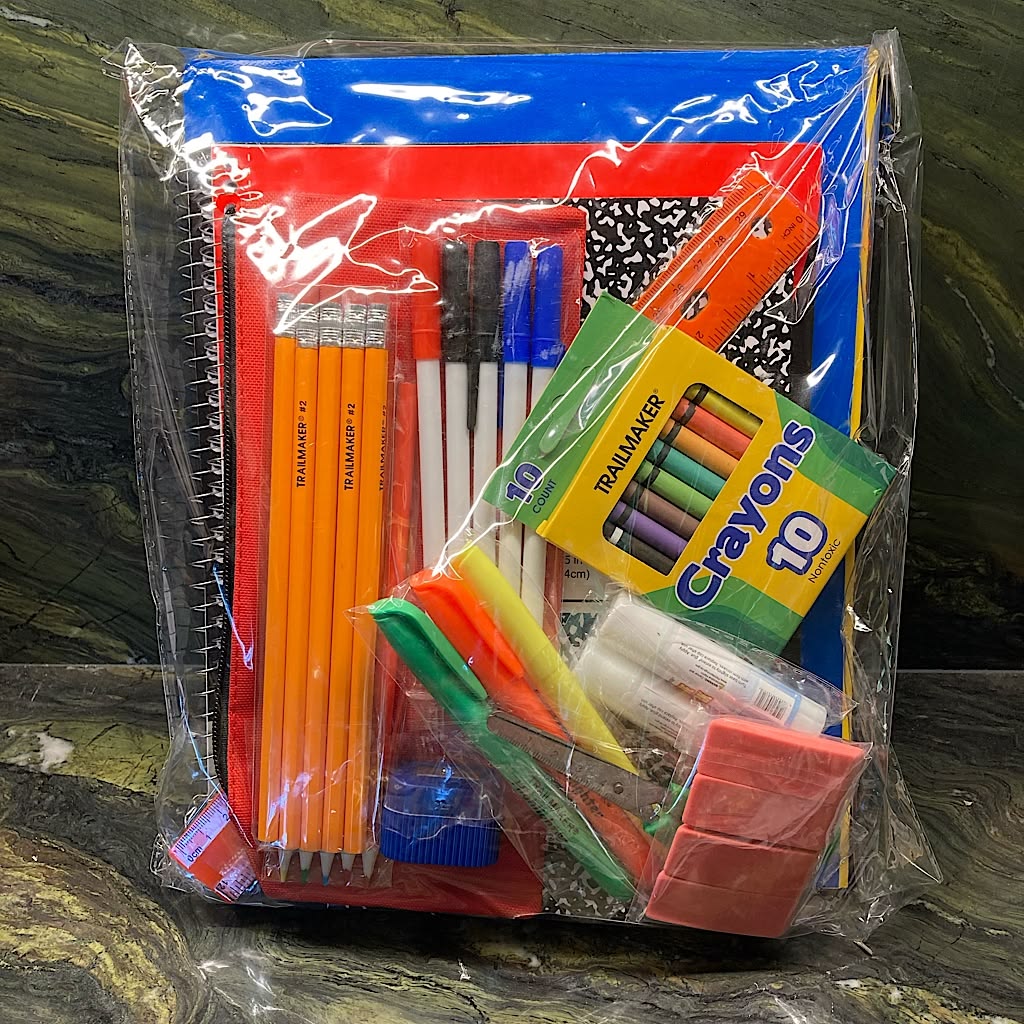
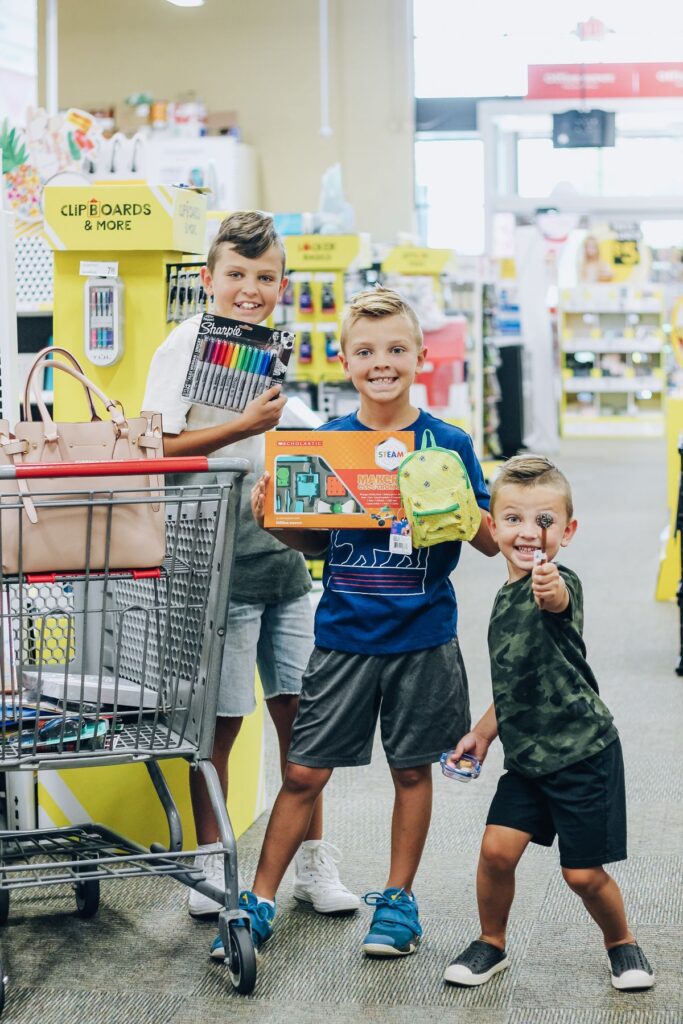
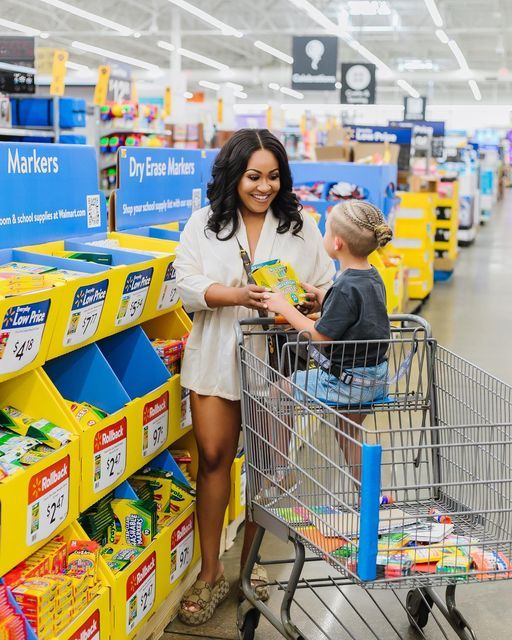
Stationery might seem like the simplest category, yet it’s also where many parents overspend without realizing it.
Stick to your list rather than grabbing every colorful pen or sticker set that catches your eye in the aisle. Extra novelty items rarely get used and often end up forgotten at the bottom of a bag.
Focus on core essentials first, like notebooks, pencils, erasers, and a pencil case sturdy enough to survive daily handling.
Check your child’s specific school supply list if one was provided, since requirements vary between schools and grade levels.
Buying exactly what’s required avoids both wasted money and last-minute scrambling for a specific missing item.
Buy slightly more of small consumable items, like pencils and erasers, since these tend to disappear quickly during the term.
Kids lose small stationery items far more often than parents expect, especially in the first few chaotic weeks. Having a small backup stash at home saves a mid-term emergency shopping trip later.
Take a look at this: 25 Creative Back-to-School Bulletin Board Ideas
Choosing The Right Backpack
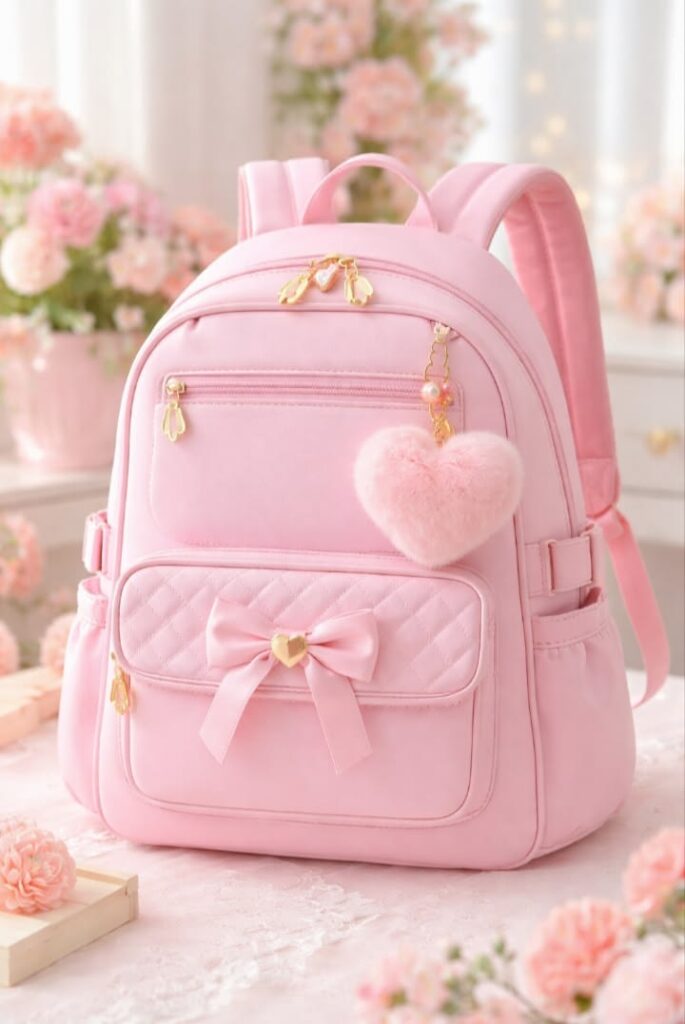
The backpack deserves its own careful attention, separate from general stationery shopping, since it affects daily comfort directly.
A poorly chosen bag can cause shoulder pain and frustration that lasts the entire school term. How to Choose the Right Backpack for Your Child walks through exactly what to look for in terms of size, straps, and material.
If your child wants something fun and colorful rather than plain and practical, there’s a way to satisfy both needs together.
31 Cute Backpack Ideas Every Kid Will Be Excited to Carry has options that combine appealing design with genuine durability for daily use.
Lunch Supplies And Containers
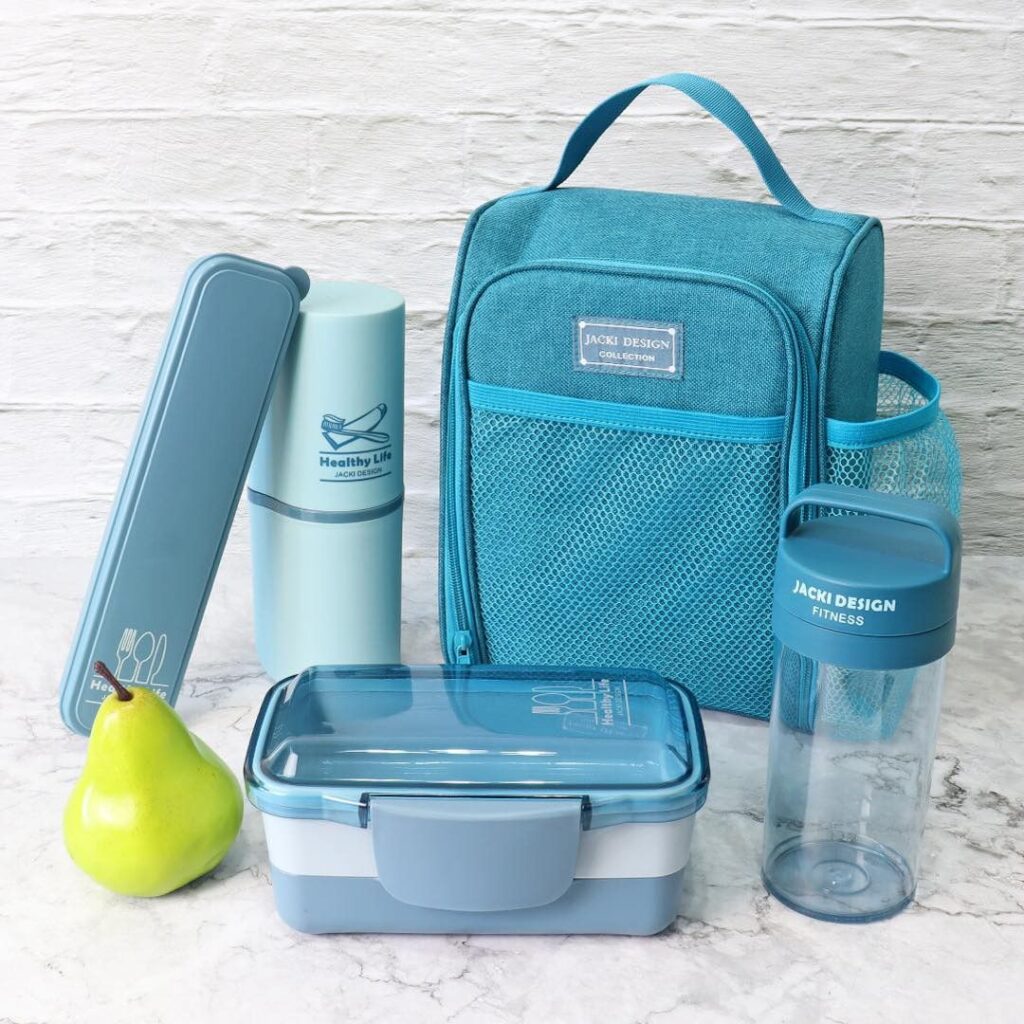
Beyond food itself, the containers and accessories used for packing lunch deserve their own line on your shopping list.
A good insulated lunch bag keeps food at the right temperature throughout a long school day. Leaking containers or flimsy lunch bags create daily frustration and often ruin food before lunchtime arrives.
Check that containers are the right size for your child to open and close independently without struggling.
Younger kids especially benefit from simple, easy-grip lids rather than complicated locking mechanisms that frustrate small hands.
A water bottle that’s easy to drink from during a short break also matters more than people expect.
Once your containers are sorted, the actual contents matter just as much for a lunch that gets properly eaten.
How to Pack School Lunches Kids Will Actually Finish covers practical ideas for meals that don’t come back home untouched.
Homework And Study Supplies
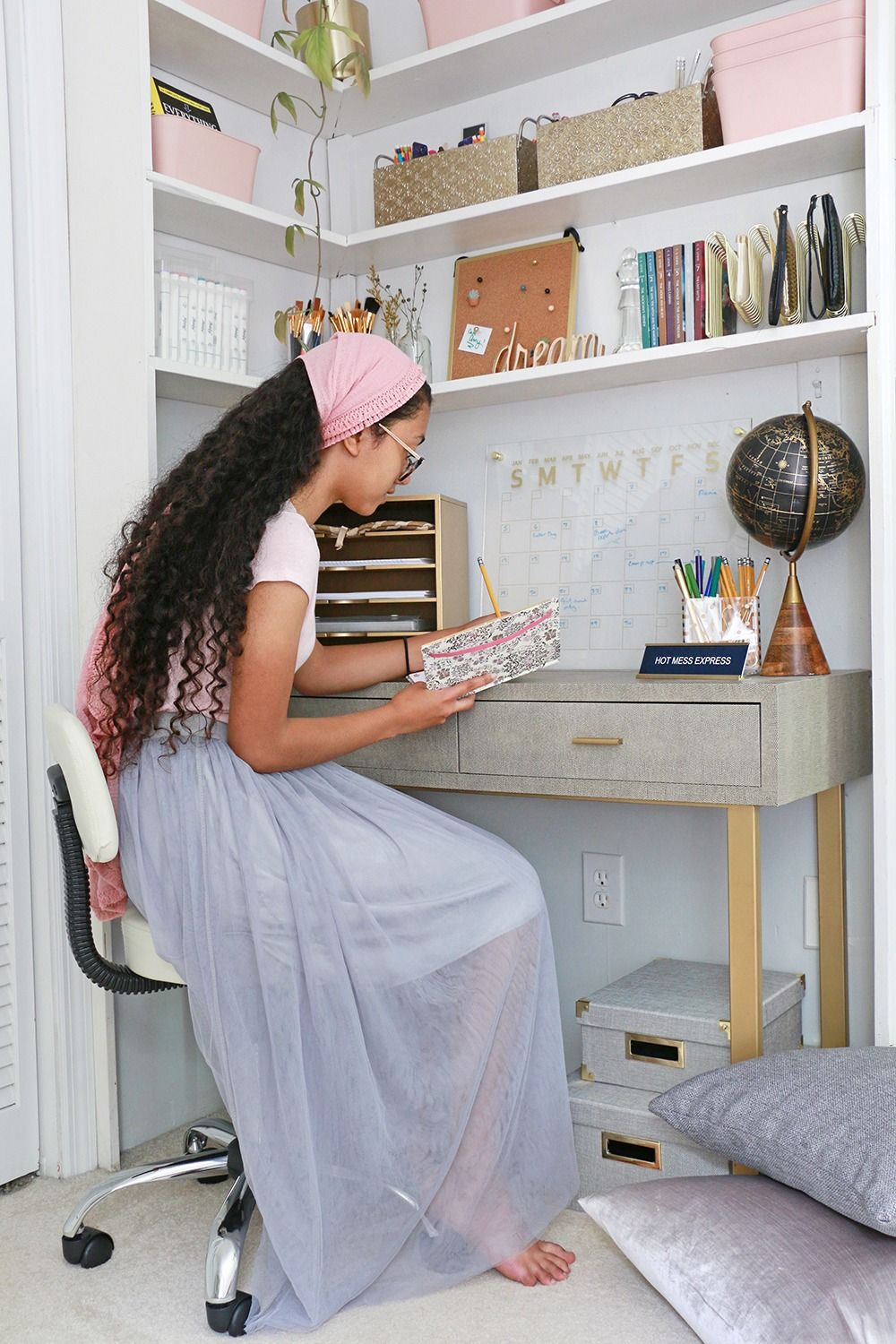
While homework might feel like a later concern, it helps to buy supplies for this before the term actually begins.
A small desk lamp, extra notebooks, or specific folders for organizing schoolwork all belong on this shopping list. Buying these ahead of time means your child’s study space is ready from the very first day.
Setting up this space properly involves more than just supplies, though supplies are a good starting point.
How to Create a Homework Space That Helps Kids Focus goes deeper into building an environment that actually supports concentration and focus.
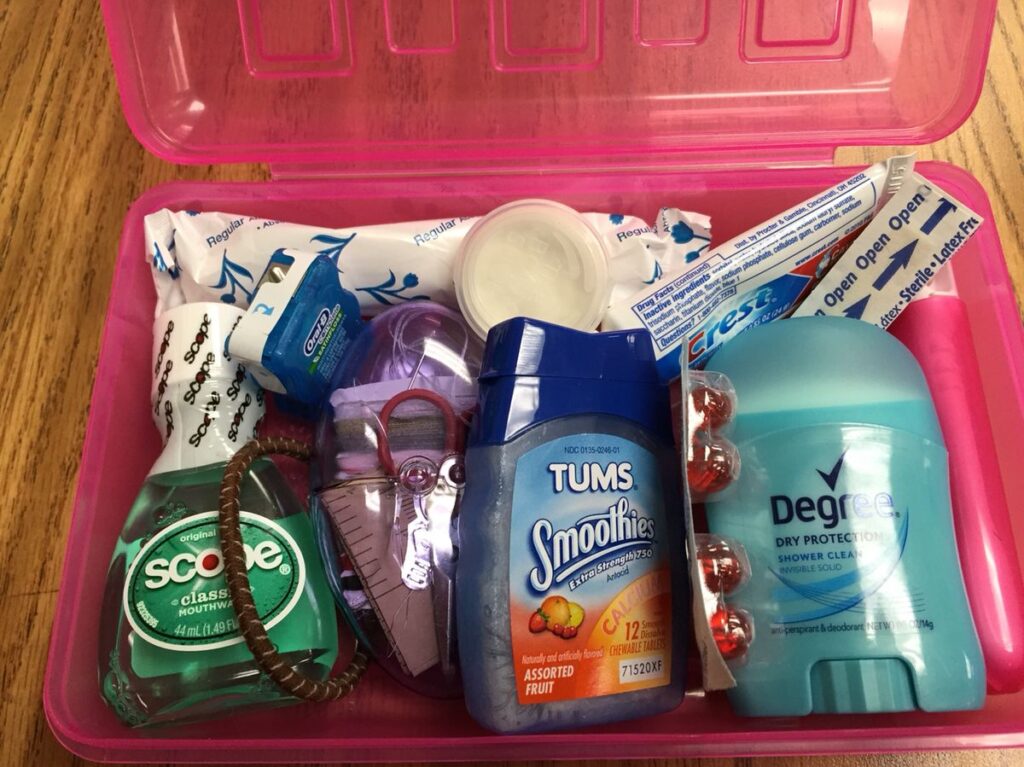
Personal Care And Hygiene Items
Personal care items often get forgotten in the rush of uniforms and stationery, yet they matter just as much.
Items like hand sanitizer, tissues, or a small first-aid kit for minor scrapes are worth including on your list.
Some schools request these specific items directly, so check any provided supply list carefully before shopping.
For younger kids, consider including a spare change of clothes packed separately in their bag, just in case.
Accidents happen more often with younger children, and having a backup avoids an uncomfortable, embarrassing rest of the day. This small addition costs little but provides real peace of mind for both you and your child.
Setting A Realistic Budget Before You Shop
One of the most important steps before shopping isn’t about items at all, but about setting a clear budget first.
Back-to-school costs add up faster than most parents expect once every category gets tallied together.
Decide roughly how much you’re willing to spend before walking into any store or opening any website.
Break your total budget down across categories, allocating rough amounts for uniforms, stationery, bags, and lunch supplies separately.
This prevents overspending in one area and running short in another, more essential category later in the trip. A clear budget also reduces impulse purchases that feel justified in the moment but add up quickly.
If money feels particularly tight this term, prioritize based on necessity rather than trying to buy everything at once.
Uniforms and shoes typically come first, followed by essential stationery, with optional extras purchased only if budget allows.
There’s no shame in stretching purchases across a few weeks if that eases financial pressure on your household.
Read This Next: 25 Fun After School Activities That Beat Screen Time
Timing Your Shopping Trips Strategically
When you shop matters almost as much as what you buy, especially with popular sizes and styles selling out fast.
Shopping too late in the season often means settling for limited stock or paying inflated last-minute prices. Starting a few weeks before term resumes gives you far more choice and often better prices too.
At the same time, shopping too early can backfire if your child experiences a sudden growth spurt before school starts.
Try to strike a balance, buying essentials early while leaving a small buffer of time before finalizing sizes. This approach reduces the risk of buying something that no longer fits by the actual first day.
Consider splitting your shopping across a few smaller trips rather than one exhausting, overwhelming outing all at once.
This reduces decision fatigue for both you and your child, making each individual trip more manageable and less stressful. It also spreads out spending, which can feel gentler on the household budget overall.
Avoiding Common Shopping Mistakes
Even careful parents fall into predictable traps every single shopping season, often repeating the same mistakes as previous years.
Buying the wrong size, skipping proper labeling, or leaving everything until the very last week are all common issues.
Back-to-School Shopping Mistakes Every Parent Should Avoid breaks down these specific traps in much greater detail.
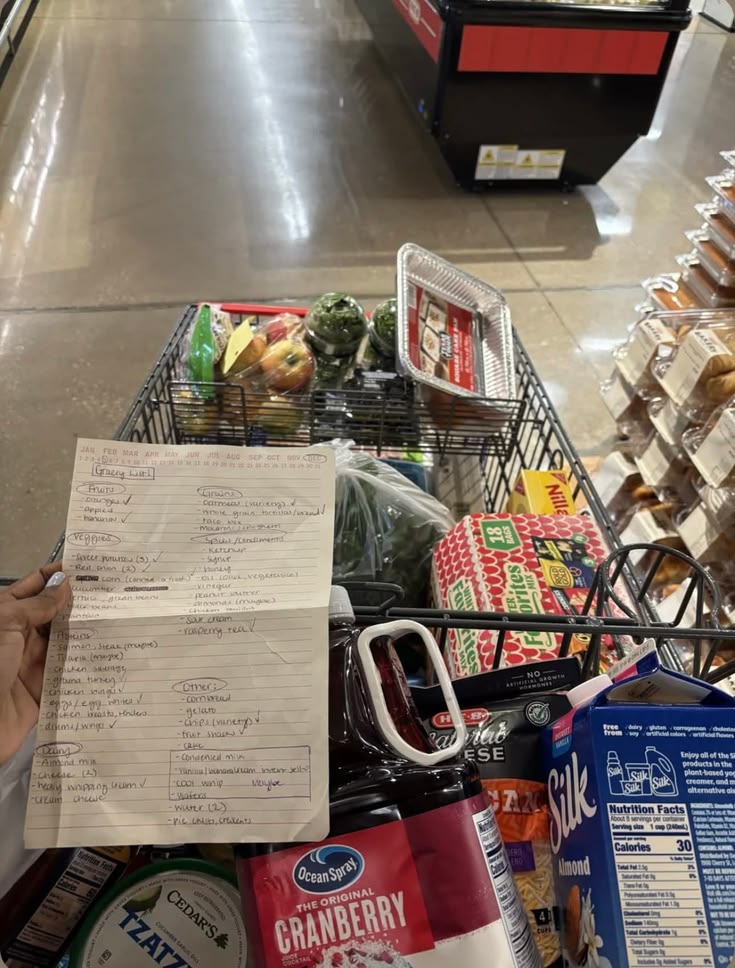
One particularly common mistake involves shopping without any list at all, relying purely on memory while walking through a busy store.
This almost always leads to forgetting something small but essential, discovered only once school has already started.
Sticking to a written list, even a simple one, prevents this frustrating and entirely avoidable situation.
Knowing What’s Genuinely Worth Buying
Not every item marketed as a back-to-school essential is actually necessary for your specific child and school.
Some products look appealing on a shelf but rarely get used once the excitement of shopping wears off.
Focus your spending on items that will see regular, consistent use throughout the entire term.
For a clear, tested breakdown of what’s genuinely worth prioritizing this season, 29 Back-to-School Essentials Every Parent Should Buy offers a simple, no-fuss list.
This can serve as a helpful cross-check against your own list before finalizing any big purchases.
Involving Your Child In The Shopping Process
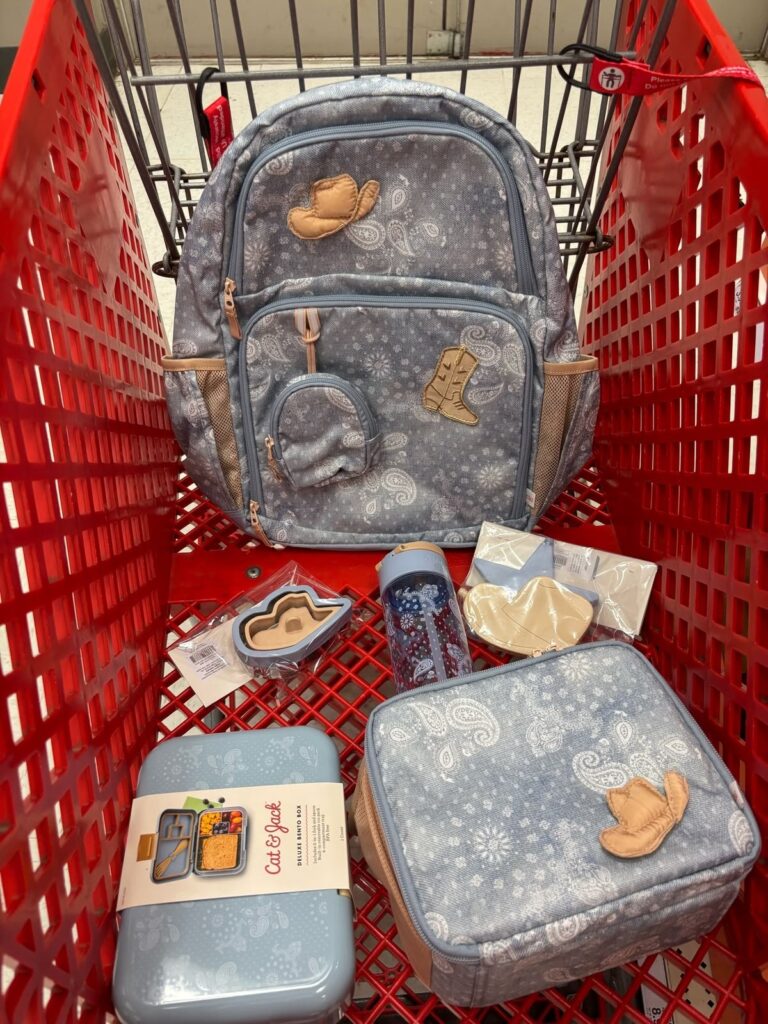
Letting your child participate in shopping, within reasonable limits, often increases how much they value and use the items bought.
Give them small decisions to make, like choosing between two acceptable pencil case designs.
This sense of involvement builds excitement about the upcoming term rather than treating shopping as purely a parental chore.
That said, involving your child doesn’t mean giving them unlimited choice over every single item on the list.
Set clear boundaries beforehand, offering choices only within categories where flexibility genuinely doesn’t affect budget or practicality.
This balance keeps the shopping trip enjoyable without letting it spiral into an overwhelming, unfocused outing.
Shopping Online Versus In-Person
Both online and in-person shopping have distinct advantages depending on what you’re buying and how much time you have.
Online shopping often offers better prices and a wider selection, especially for stationery and generic supplies.
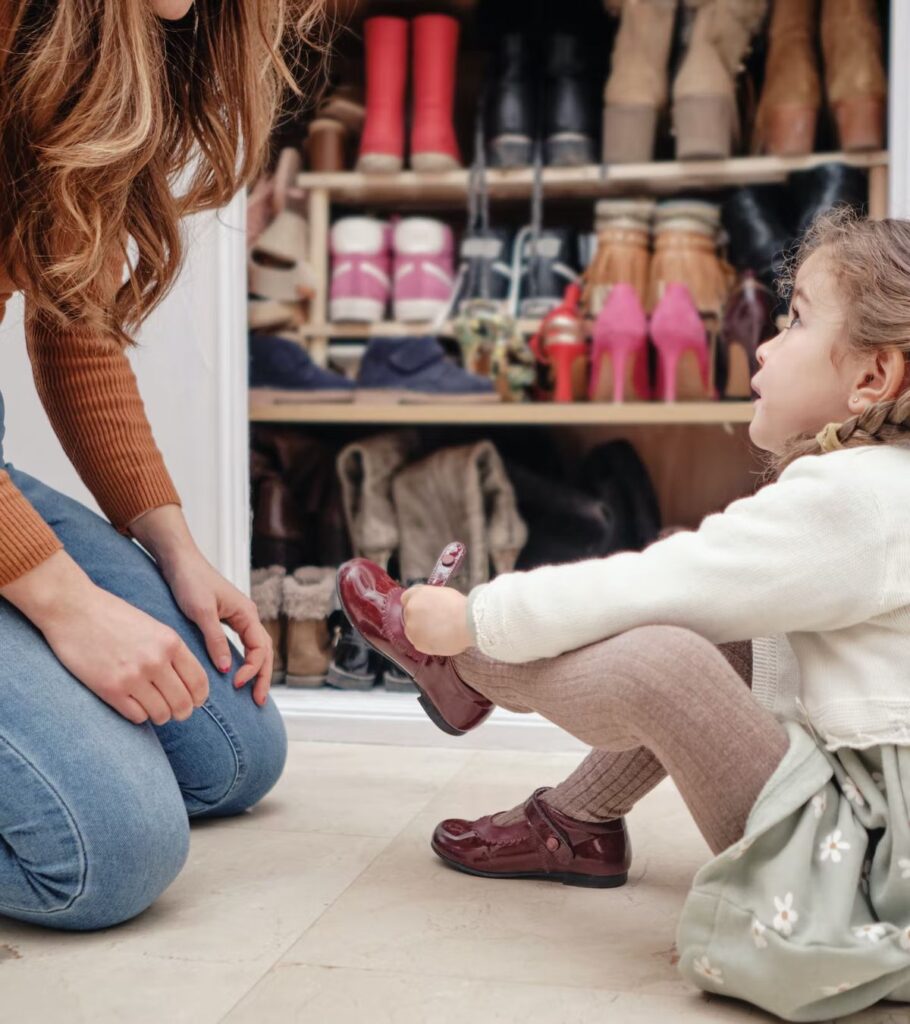
However, uniforms and shoes generally benefit from an in-person fitting to avoid sizing issues later.
Consider a hybrid approach, buying items that don’t require fitting online, while reserving in-person trips for uniforms and shoes specifically.
This saves time overall while still ensuring the items that truly need a proper fit get one. Compare prices across both channels before committing, since costs can vary more than people expect between formats.
Preparing For Unexpected Additional Requests
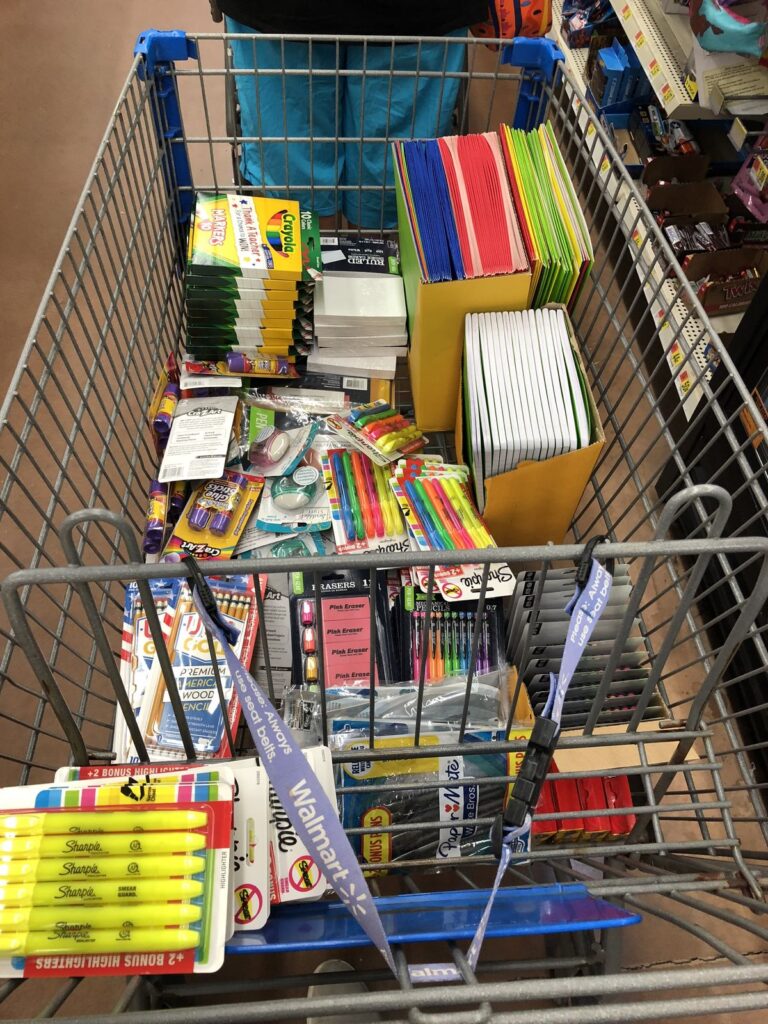
Even with a thorough list, schools sometimes send additional requests partway through the shopping season, close to term start.
A specific folder color, an extra workbook, or a particular type of calculator might get requested unexpectedly.
Build a small buffer into your budget and schedule to accommodate these last-minute additions without added stress.
Staying in loose contact with your child’s school or other parents during this period helps you catch these requests early.
A quick message in a parent group chat often reveals additional requirements before they become a last-minute scramble.
Organizing Everything Once You Get Home
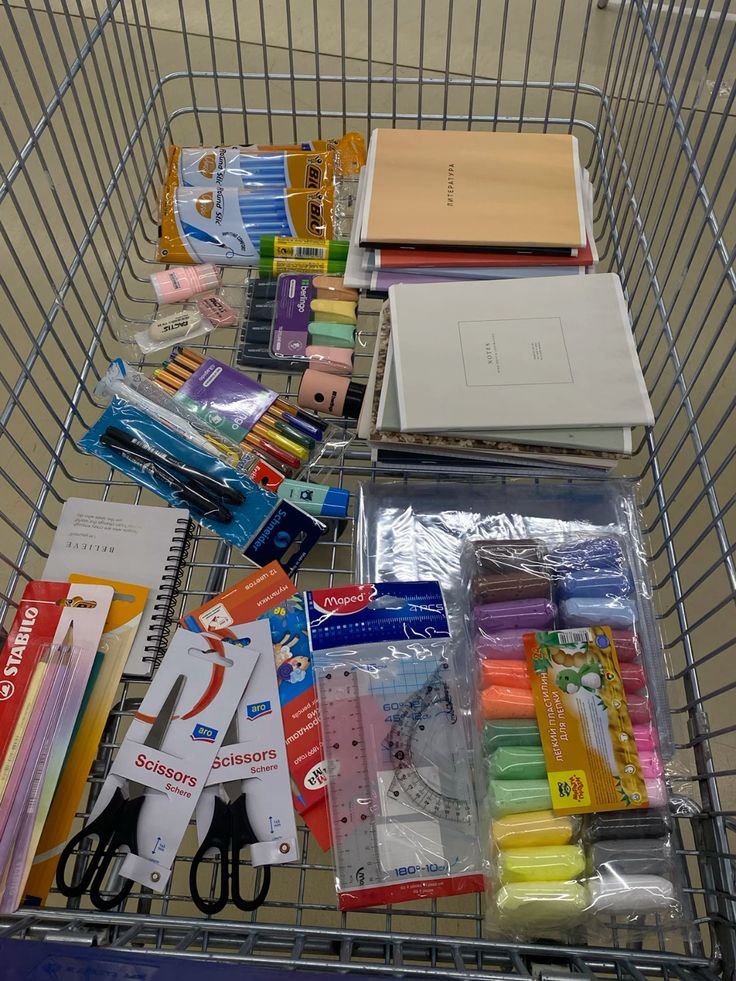
Shopping doesn’t end once you leave the store, since everything purchased still needs proper organizing once it reaches home.
Sort items by category immediately, rather than leaving bags piled up until the night before school resumes. This prevents the frustration of hunting through unsorted bags for a specific item at the last minute.
A well-organized system at home makes the whole season feel more manageable beyond just the shopping itself.
Save this for later: 35 Back-to-School Organization Ideas Every Parent Needs offers practical setups for keeping everything sorted and easy to find throughout the term.

Preparing Bags And Supplies The Night Before Term Starts
Once shopping and sorting are complete, the final step involves packing everything properly before the actual first morning.
Lay out the uniform, pack the bag, and prepare lunch supplies the evening before school resumes. This final step connects shopping directly to a smoother, calmer start on the actual first day.
A calm first morning depends heavily on preparation done well in advance, not just good shopping choices.
How to Build a School Morning Routine That Actually Works covers how this final preparation step fits into a wider, sustainable daily routine.
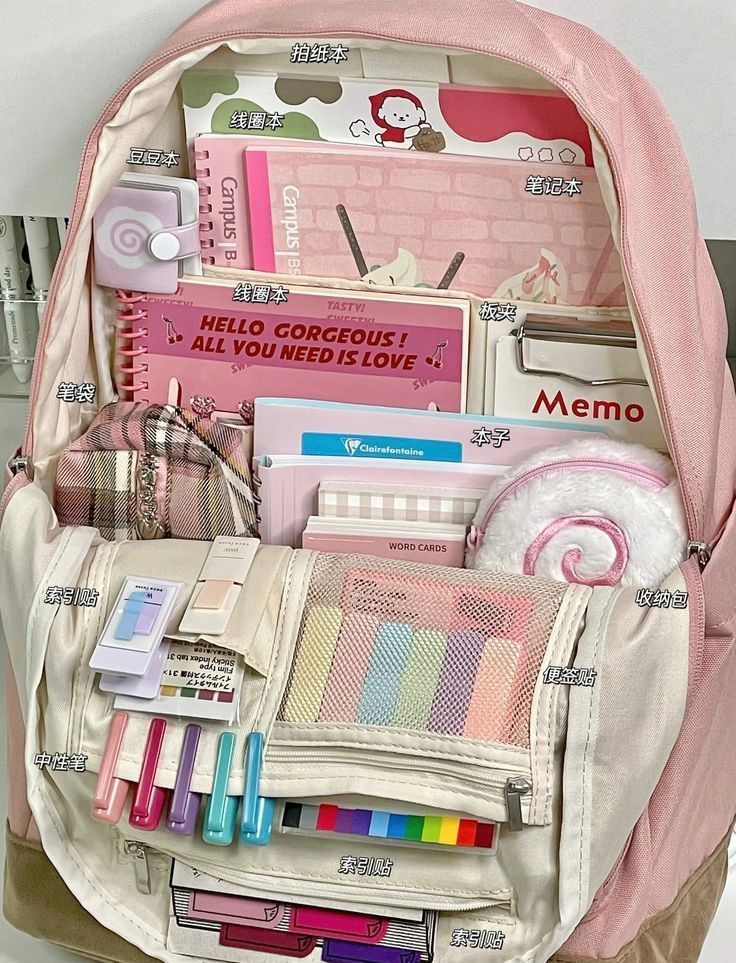
Don’t Forget The Emotional Side Of Shopping
Shopping isn’t purely a logistical task, since it also plays a role in how your child feels about the term ahead.
Letting them get excited about a few chosen items can ease broader nervousness about starting fresh.
This ties directly into the emotional preparation that matters just as much as the physical items themselves.
If your child seems anxious about the term regardless of how well shopping goes, How to Prepare Your Child for the First Day of School Without Stress offers guidance on easing that deeper worry properly.

A Quick Word From Experience
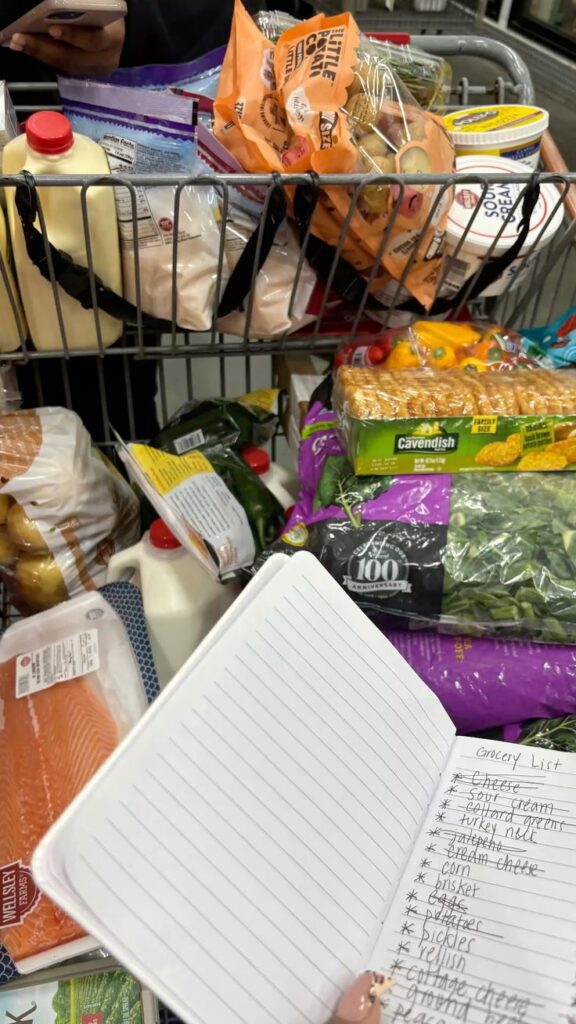
My friend once told me she used to dread this entire shopping season every single year without fail. She felt like she was constantly forgetting something, no matter how much she bought or how much she spent.
Once she started using a written, categorized list, the whole process felt calmer and far less overwhelming. She now spreads her shopping across three smaller trips instead of one exhausting outing each year.
Her list, refined slightly each term, has become something she genuinely trusts rather than dreads facing every August.
Bringing It All Together
Back-to-school shopping doesn’t have to feel chaotic or overwhelming if you approach it with a clear, organized plan.
Start with an inventory of what you already have, build categorized lists, and prioritize uniforms and shoes early.
Set a realistic budget, avoid common traps, and involve your child without letting the trip spiral out of control.
Give yourself enough time before term starts, and don’t panic if a few last-minute requests come in along the way.
With the right approach, this once-dreaded season can become a manageable, even mildly enjoyable, part of getting ready for the term ahead.
Leave a Reply