Most kids don’t eat much naturally, while some eat better at home than in school. Something about the classroom environment changes their appetite completely.
Maybe it’s the rush of break time, the noise around them, or simply excitement to play instead of eat. Whatever the reason, many parents pack a lunch with care, only to find most of it untouched by pickup time.
This isn’t a reflection of bad parenting or a picky child gone wrong. It’s a common pattern that shows up across nearly every household with school-age kids. The good news is, small changes to how you pack and what you pack can make a real difference.
This post will walk you through practical strategies for lunches that actually get eaten, not just packed. If you’re still working through your wider shopping list for the term, Everything Parents Need Before Back-to-School Shopping covers everything else worth having ready.

How to Pack School Lunches Kids Will Actually Finish
Understand Why Kids Don’t Finish Their Lunch
Before fixing the problem, it helps to understand what’s actually happening during lunchtime at school. Kids often have limited time to eat, sometimes rushed by a short break window.
Talking with friends, rushing to finish, or simply feeling distracted all reduce how much actually gets eaten.
Some kids also feel self-conscious about their food in front of classmates. If their lunch looks different from what others are eating, they might eat less out of embarrassment.
This is worth considering if your child seems to avoid certain items entirely without explanation.
Temperature and texture also play a bigger role than most parents realize. Food that gets soggy, cold, or unappetizing by lunchtime often gets left in the container untouched.
A meal that tasted great at home in the morning might feel unappealing by midday inside a warm bag.
You need to see this: 19 Thoughtful Teacher Gift Ideas for Back to School
Keep Portions Realistic, Not Generous
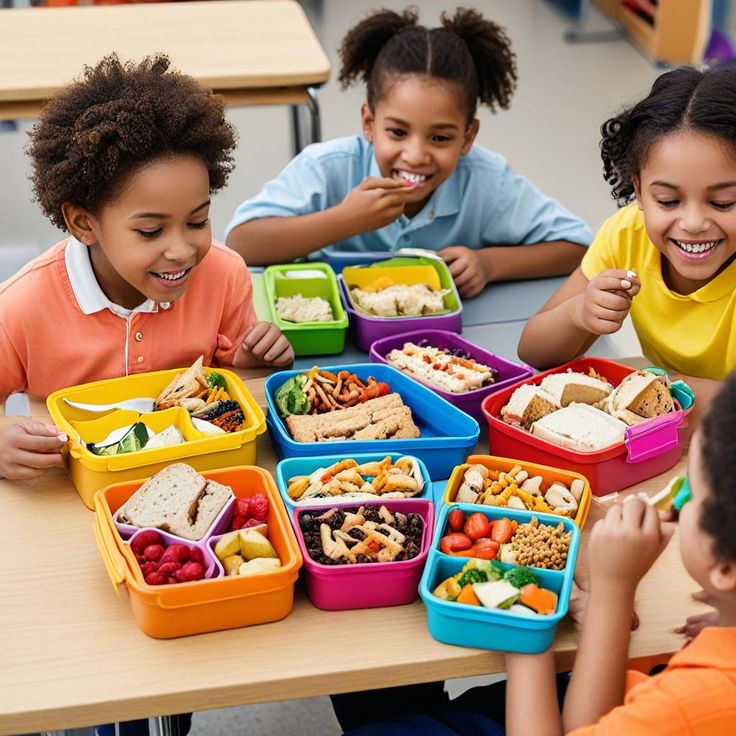
Many parents pack lunches based on what they think a child should eat, rather than what they actually will. Overloading a lunch box can feel overwhelming to a child, making them give up before finishing.
A smaller, well-balanced portion often gets finished completely, unlike a large one left half-eaten.
Start with smaller amounts of each item, and adjust based on what actually comes back home each day. If a certain snack always disappears completely, that’s a sign you can safely increase that portion.
If something always comes back untouched, it’s probably time to swap it out for something else.
This approach takes a little trial and error over the first couple of weeks. Pay attention to the lunch box each afternoon, using it as a simple guide for tomorrow’s pack.
Offer Variety Instead Of The Same Meal Daily
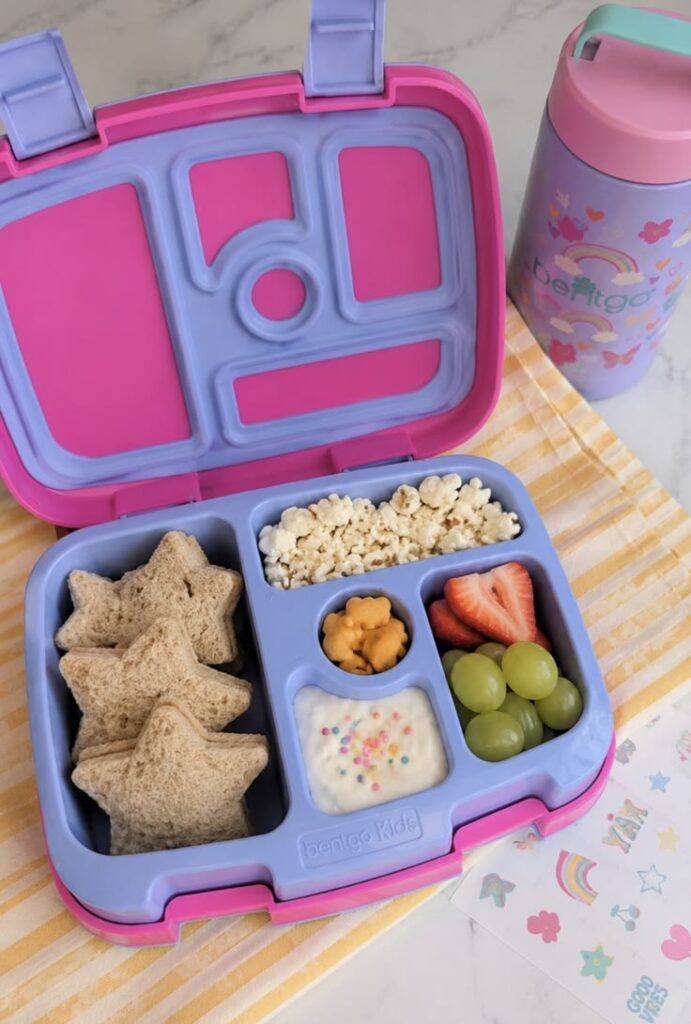
Kids get bored of eating the exact same thing every single day, even if they liked it initially. Repetition, even of a favorite food, often leads to less enthusiasm over time.
Rotating between a handful of go-to meals keeps lunch feeling fresh without requiring constant new ideas.
Create a simple rotation of four or five different lunch combinations you can cycle through weekly.
This reduces your own daily decision fatigue while still giving your child enough variety to stay interested.
Kids often do better with structured variety, rather than either total repetition or complete randomness.
Read This: The Ultimate Back-to-School Guide for Parents
Mix Familiar Items With Small New Additions
While variety matters, completely new meals every day can backfire just as much as constant repetition.
Kids often feel safer with familiar foods, especially in an environment already filled with newness and change.
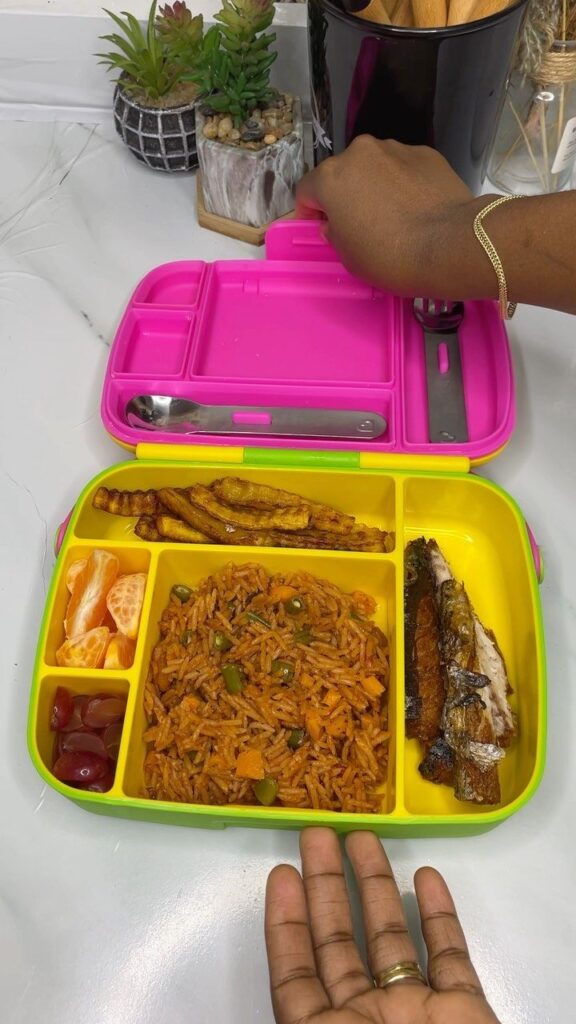
Try mixing one new item alongside mostly familiar foods, rather than overhauling the whole lunch box at once.
This gentle approach introduces new foods gradually, without overwhelming a child who prefers predictability at lunchtime.
Over time, you can slowly expand what counts as “familiar” in their lunch rotation.
Let Kids Help Choose What Goes In
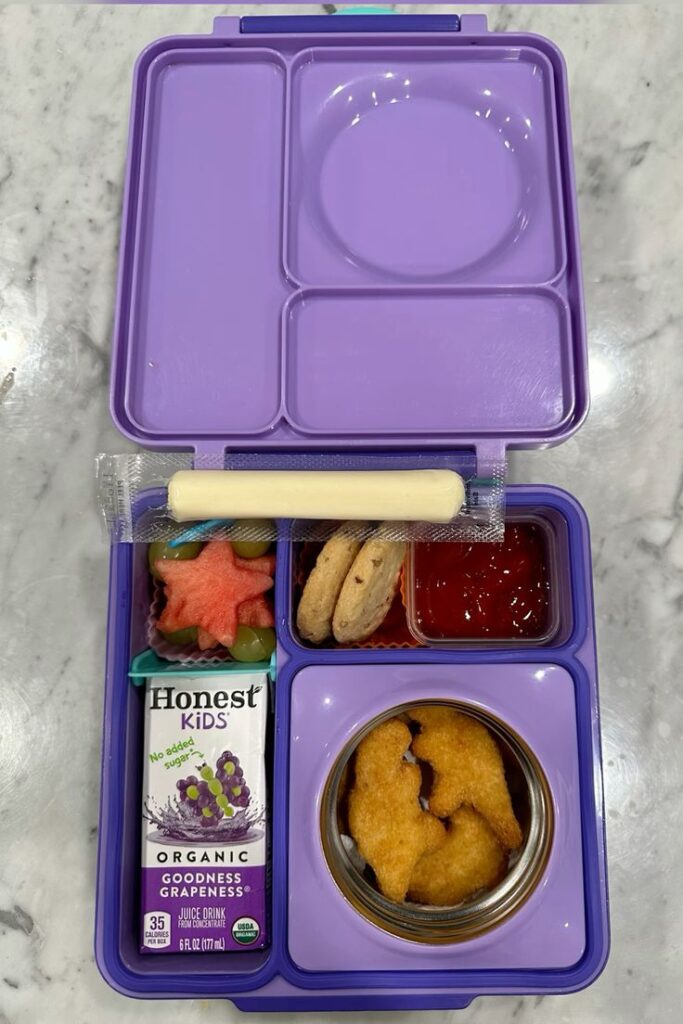
Involving your child in the lunch-packing process often increases how much actually gets eaten later. When kids have a say in what goes into their box, they feel more invested in finishing it.
This doesn’t mean letting them choose anything they want, but offering choices within reasonable limits.
Try presenting two or three healthy options for each part of the lunch, letting your child pick one. This small act of choice can make a surprising difference in enthusiasm at lunchtime.
It also teaches kids to start thinking about their own food preferences and needs.
My sister started doing this with her daughter last term, after weeks of lunches coming back barely touched.
She began offering two fruit choices and two sandwich fillings each morning, letting her daughter decide.
Almost immediately, more of the lunch came back empty by the end of each school day. The simple act of choosing made her daughter feel like the lunch was truly hers.
You’ll Love This: 27 Genius Homework Station Ideas That Helps Kids Stay Focus

Focus On Foods That Travel Well
Some foods hold up far better in a lunch box than others, staying fresh and appealing until lunchtime. Sandwiches with drier fillings tend to survive better than ones with wet, soggy ingredients.
Cut fruit sometimes browns or turns mushy, so consider fruits that travel well on their own.
Foods with strong contrasting textures, like crackers with cheese, often stay appealing longer than soft, mixed dishes.
Avoid packing anything that needs to stay piping hot or freezing cold to taste good, unless you’re using proper insulated containers.
Invest In A Good Insulated Container
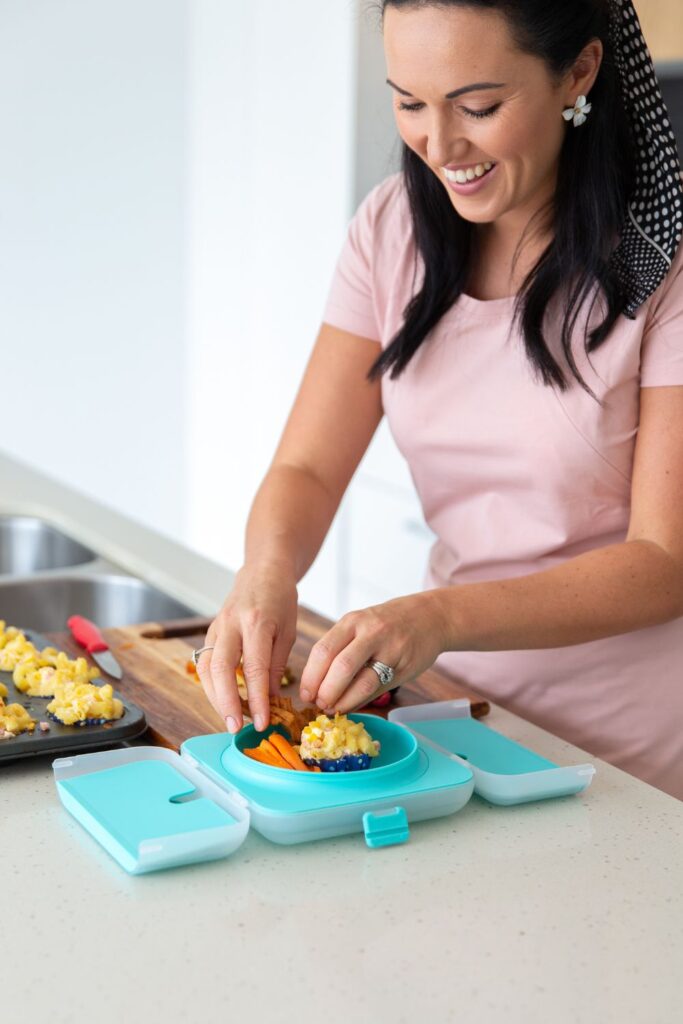
A quality insulated lunch bag or container can completely change what foods remain appealing by lunchtime.
Warm foods stay warmer, and cold foods stay cooler, for several hours with the right equipment. This small investment often expands what you can successfully pack for your child.
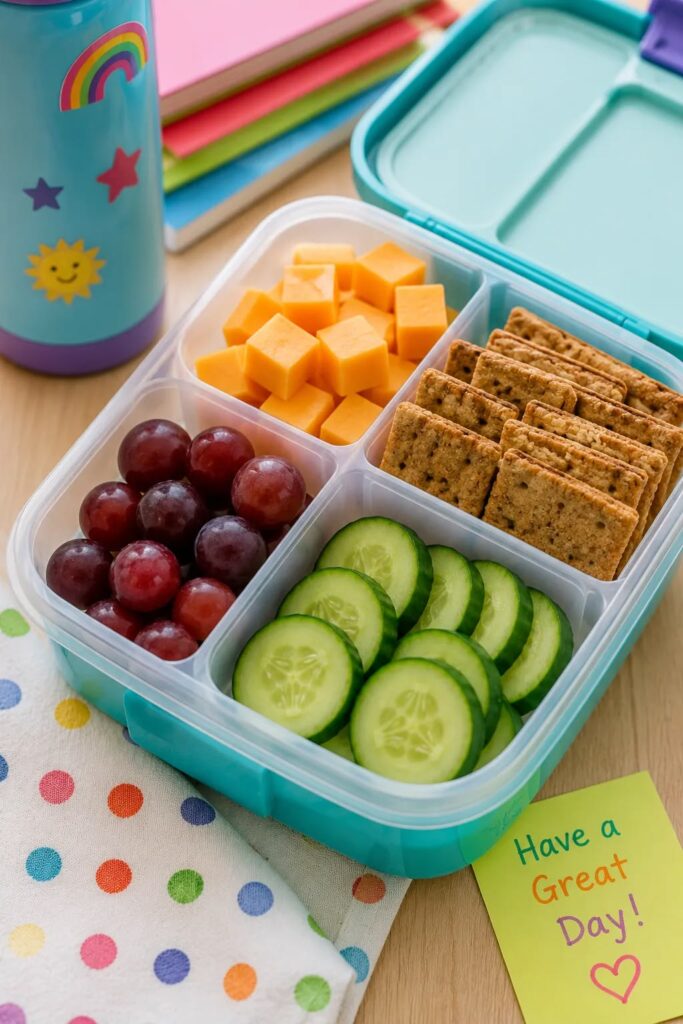
Look for containers with separate compartments too, since this keeps different foods from mixing together unpleasantly.
A well-organized container also makes it easier for younger kids to access and eat everything inside without struggling.
See More: How to Make the Transition Back to School Easier for Kids
Make It Visually Appealing
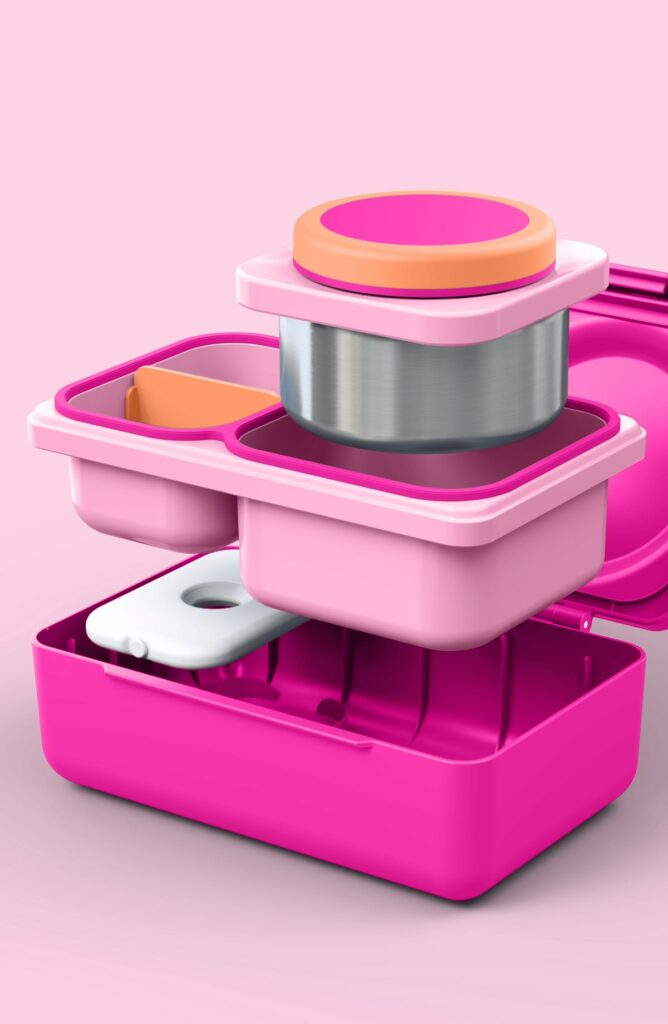
Kids often eat with their eyes before they eat with their mouths, more than adults tend to realize. A lunch box that looks colorful and inviting often gets more attention than a plain, monotone one.
Simple touches, like cutting sandwiches into fun shapes, can boost interest without requiring extra time.
You don’t need elaborate bento-style arrangements to make this work effectively. Even just varying the colors of fruits and vegetables included can make a lunch box feel more exciting.
A mix of green, orange, and red foods naturally looks more appetizing than an all-beige meal.

Include A Small Treat Without Overdoing It
A small treat included occasionally can motivate a child to finish the rest of their lunch first. This isn’t about using sugar as a constant bribe, but rather a light, balanced addition to the meal.
A small cookie or a few pieces of candy, used sparingly, can add something to look forward to.
Avoid making the treat the main focus of the lunch box itself. Keep it small and occasional, so it remains a nice addition rather than the only thing getting eaten.
Balance matters more here than complete restriction or complete indulgence.
Learn More: 31 First Day of School Photo Ideas You’ll Treasure Forever
Pack Enough Water Or A Drink They Enjoy
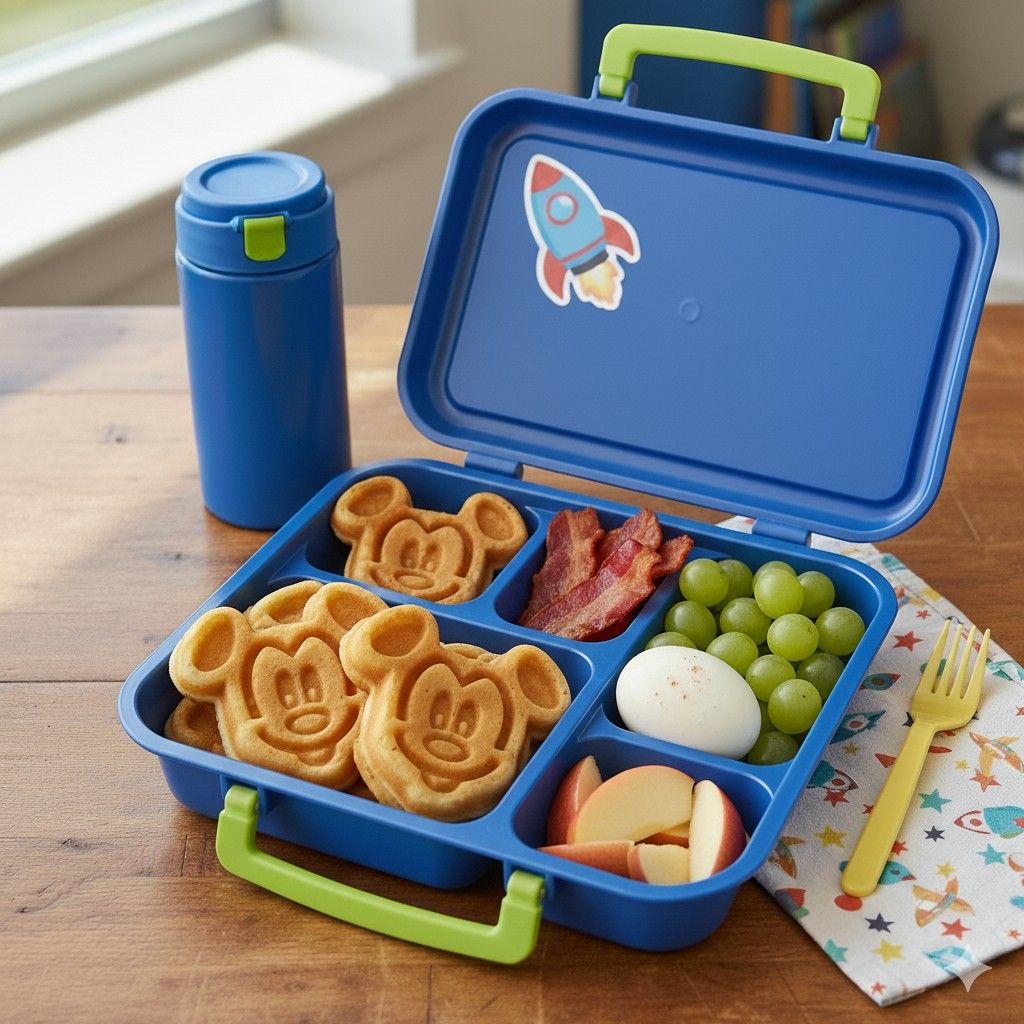
Sometimes kids eat less simply because they’re not drinking enough throughout the day. Dehydration can reduce appetite and energy, making even a favorite meal feel less appealing.
Make sure your child’s water bottle is packed and easy for them to access during breaks.
If your child struggles with plain water, consider adding a small amount of natural flavor occasionally. A slice of fruit in water, or a small juice box alongside plain water, can encourage better hydration.
Proper hydration supports better appetite and focus throughout the whole school day.
Avoid Packing Too Much At Once
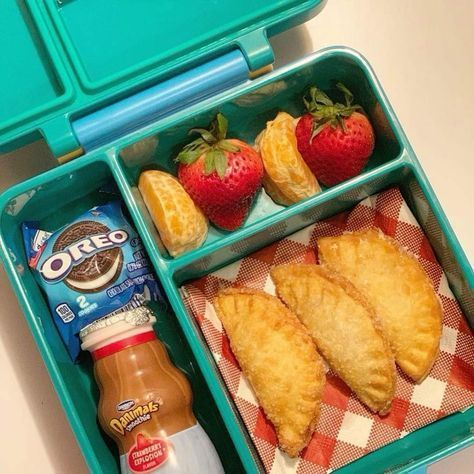
Overpacking a lunch box can overwhelm a child, making the whole task of eating feel like too much work.
A cluttered box with too many separate items can feel confusing rather than appealing to a young child. Stick to a few well-chosen items rather than trying to cover every food group in one box.
A simple structure, like one protein, one carbohydrate, one fruit, and one small extra, works well for most kids.
This keeps things manageable without sacrificing proper nutrition across the day. Simplicity often outperforms complexity when it comes to what actually gets eaten.

Prepare Lunches The Night Before
Rushing to pack lunch in a chaotic morning often leads to less thoughtful choices and rushed decisions.
Preparing the lunch box the night before removes this pressure entirely from the morning routine. It also gives you more time to think through variety and portions properly.
This habit pairs naturally with the wider effort of calming down your entire morning.
Bookmark this post: How to Build a School Morning Routine That Actually Works covers how prepping the night before eases pressure across the whole household, not just at lunchtime.

Label Everything Clearly
Younger kids especially benefit from clearly labeled containers and compartments within their lunch box.
This helps them know exactly what’s inside without needing to open everything to check. Clear labeling also reduces confusion during a short, rushed lunch break at school.
If multiple containers look similar, a simple sticker or marker label prevents mix-ups, especially in a shared classroom setting.
This small step saves confusion and wasted time during an already limited eating window.
Talk To Your Child About Their Lunch Experience
Sometimes the simplest way to understand why lunch isn’t finished is to just ask directly. Talk to your child about what happens during lunchtime at school, without turning it into an interrogation.
They might reveal something as simple as running out of time, or not liking a specific texture.
This conversation can reveal patterns you wouldn’t otherwise notice from home.
Maybe they trade food with friends, or maybe they’re simply too excited to eat quickly and move on to play.

Watch For Signs Of Bigger Issues
While most unfinished lunches come down to simple, everyday reasons, occasionally there’s something bigger at play.
If your child consistently refuses to eat much at all, even at home, it might be worth a closer look.
Persistent appetite changes, unrelated to school specifically, deserve attention beyond just packing strategies.
If mealtime struggles seem to connect to broader nervousness about the school day itself, it’s worth considering that angle too.
How to Help Kids Overcome First-Day-of-School Anxiety touches on how anxiety can quietly affect appetite and eating during a stressful transition.

Coordinate With The School’s Rules
Some schools have specific rules about what can and cannot be brought for lunch. Certain allergens might be restricted, or some schools may require nut-free lunches entirely.
Check with your child’s school directly to avoid packing something that gets sent back home unopened.
Knowing these rules in advance also helps you plan a rotation of meals that comply from the very start.
This avoids the frustration of finding out mid-term that a favorite lunch item isn’t actually allowed.

Build A Lunch-Packing Station At Home
Having a designated space in your kitchen for lunch supplies can make the whole process faster and less stressful.
Keep containers, snacks, and packing supplies together in one accessible spot. This ties into the wider effort of keeping your whole home organized during this busy season.
Pin this for later: 35 Back-to-School Organization Ideas Every Parent Needs has practical ideas for building this kind of system, which makes lunch prep one less thing to think about each morning.

Consider A Consistent Lunch Schedule At Home Too
Kids who eat on a fairly consistent schedule at home often adjust more easily to a fixed lunch window at school.
If mealtimes at home are wildly inconsistent, the structure of a school lunch break might feel unfamiliar. Try to align home eating times somewhat with the school schedule where possible.
This small alignment helps a child’s body clock adjust to expecting food at similar times each day.
Over time, this consistency often improves appetite and reduces the mismatch between home and school eating patterns.

Involve Your Child In Grocery Shopping
Taking your child along occasionally when buying lunch supplies can boost their interest in eating what gets packed. Let them pick out one or two items themselves during the shopping trip.
This small involvement often translates into more enthusiasm when that same item appears in their lunch box later.
This doesn’t need to happen every single shopping trip to be effective. Even occasional involvement gives kids a sense of ownership over their own food choices at school.

Keep An Eye On What Comes Back Home
The best feedback for improving lunch choices comes directly from what returns in the lunch box each day.
Make it a habit to check the box every afternoon, noting what got eaten and what didn’t. This simple habit builds a clear picture over time of what actually works for your child.
Use this information to adjust your rotation, swapping out consistently rejected items for something new. This ongoing process works better than guessing blindly about your child’s preferences.
Take a look at this: 25 Creative Back-to-School Bulletin Board Ideas

Don’t Take It Personally
It’s easy to feel discouraged when a carefully packed lunch comes back mostly untouched, day after day. Try not to take this personally, since it rarely reflects on your effort or care as a parent.
Kids’ appetites and preferences shift constantly, often for reasons that have nothing to do with the food itself.
Stay patient and keep adjusting gradually, rather than giving up or feeling like you’re failing somehow.
Most kids eventually settle into a rhythm of eating well once the right combination of foods gets found.
Balance Lunch With The Rest Of The Day’s Meals
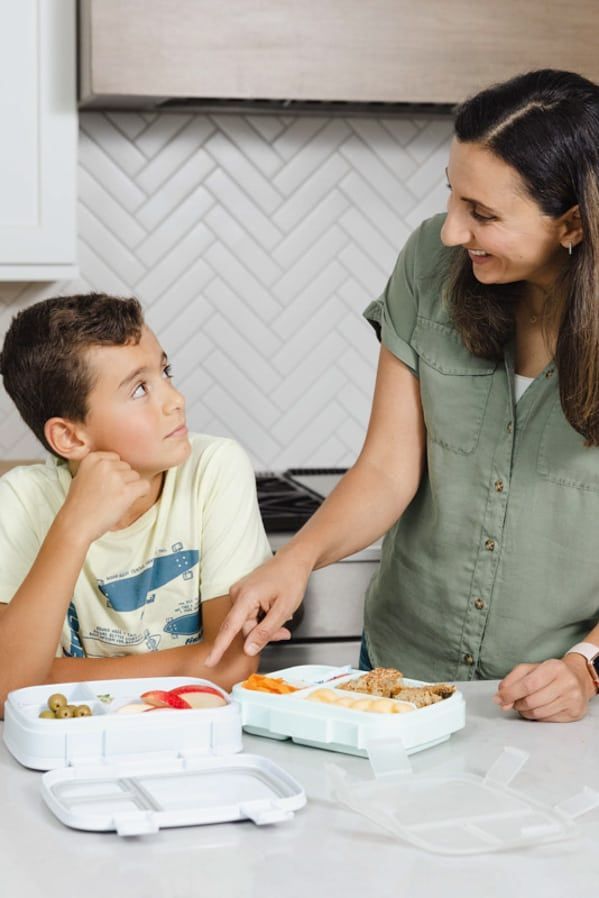
If lunch consistently comes back barely touched, it helps to look at the whole day’s eating pattern together.
A heavy breakfast might reduce hunger by lunchtime, while a light one might leave a child too hungry to focus.
Balancing meals across the whole day often solves problems that seem isolated to lunch alone.
Consider what your child eats after school too, since this affects their appetite the following day.
Explore more ideas: 25 Fun After-School Activities That Beat Screen Time can help create a routine where snack time and activity balance out naturally, supporting better appetite overall.

Keep The Homework And Lunch Routine Connected
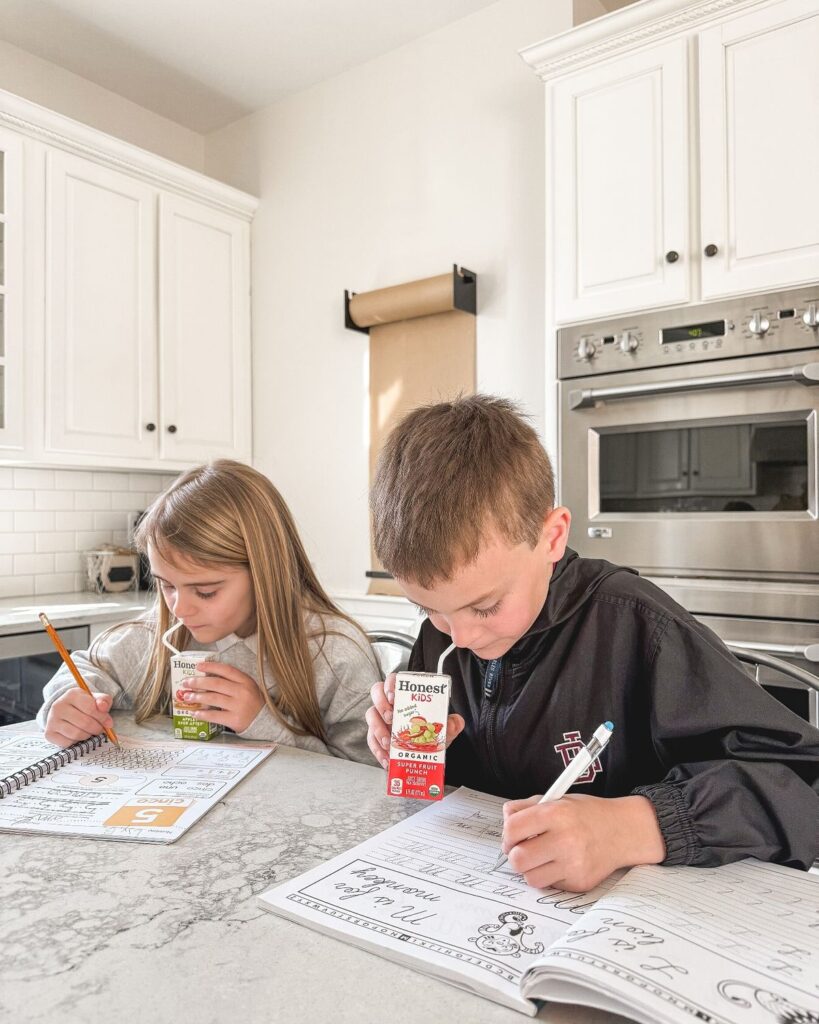
Interestingly, a calm afternoon with a proper homework routine can also support better eating habits generally.
Kids who feel rushed or stressed after school sometimes skip snacks or eat poorly as a result. A steady homework routine reduces overall stress, which indirectly supports healthier eating patterns too.
Read this next: How to Create a Homework Space That Helps Kids Focus helps build that calmer afternoon structure, which supports the whole day’s eating rhythm, not just homework itself.
Prepare For The First Week Differently
The first week back at school often comes with lower appetite than usual, simply due to the adjustment period.
Don’t panic if lunches come back more untouched than usual during this specific stretch. This typically improves as your child settles into the new term and its rhythm.
For ideas on making that first week feel more comfortable overall, which can also ease eating struggles, 27 First Week of School Activities to Make Kids Feel Welcome offers helpful suggestions worth trying.
Bringing It All Together
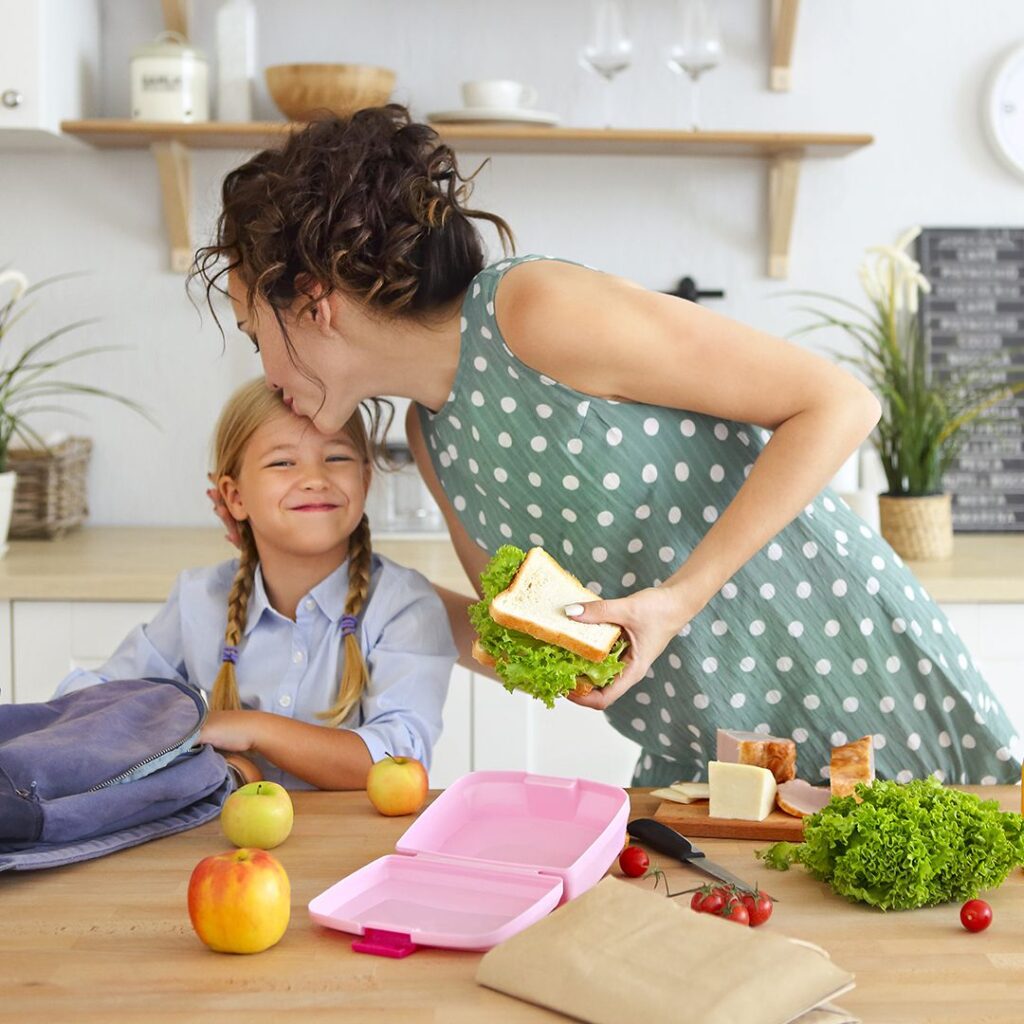
Packing a lunch kids will actually finish comes down to understanding their real habits, not just their stated preferences.
Realistic portions, thoughtful variety, and a little bit of their own input all make a genuine difference.
Small, consistent adjustments based on what comes back home each day build toward real improvement over time.
Stay patient through the trial and error, since most kids eventually settle into lunches that work well for them.
Keep this guide handy, adjust as needed, and trust that a little consistency goes a long way this term.
Leave a Reply