The first week of school shapes how a child feels about the whole term ahead. A warm, welcoming start builds confidence, while a rushed or overlooked one can leave lingering unease that carries on for weeks.
Parents often focus heavily on the first day itself, forgetting that the days following matter just as much for how settled a child eventually feels.
Some kids adjust quickly, walking into day two or three with growing ease and comfort. Others take the full week, or sometimes longer, to genuinely feel like they belong in their new routine. Neither response is wrong, and both deserve the same level of care and attention from the adults around them.
This stretch of days often determines whether a child approaches the rest of the term with confidence or quiet hesitation. Small, consistent gestures during this window tend to matter far more than one big, dramatic effort on day one alone.
A steady, thoughtful first week builds a foundation that supports the child for months afterward, not just the initial days.
This post gives you twenty-seven simple activities that help kids feel genuinely settled and included. Each one works for home, classroom, or both, depending on your specific situation and what your family or school already has in place.
None of these ideas require elaborate planning or a big budget to pull off successfully. Small, thoughtful gestures often matter more than anything expensive or complicated during this specific window of time.
If your child is still nervous heading into this first week, How to Help Kids Overcome First-Day-of-School Anxiety offers deeper guidance that pairs well with the ideas below.
Together, these approaches give your child the steady support they need to settle in fully.
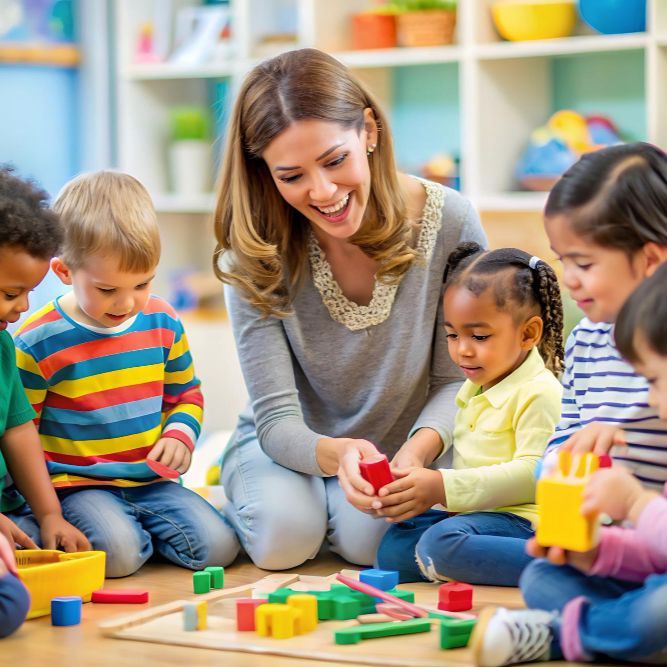
27 First Week of School Activities to Make Kids Feel Welcome
1. A Simple Welcome Breakfast
Start the first morning with something a little special, even if it’s just a favorite meal. This small gesture signals that the day matters, without adding pressure or fuss.
Kids often remember these small touches long after the actual first week ends.
Keep the breakfast simple enough that it doesn’t add stress to an already busy morning.
A favorite cereal, a small treat, or a fun plate can all work well here. This tiny ritual sets a positive tone before the day even properly begins.
First Take a Look At This: The Ultimate Back-to-School Guide For Parents

2. A Countdown To The First Week
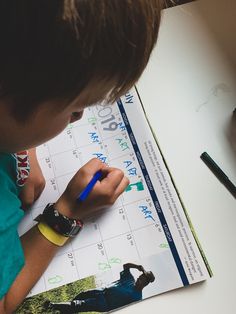
Build anticipation in the days leading up to school by counting down together as a family. Cross off days on a calendar or use a simple paper chain for this purpose.
This turns waiting into something exciting rather than something dreaded by an anxious child.
Let your child help decorate or manage the countdown themselves for a stronger sense of ownership.
This small activity also opens space for daily conversations about how they’re feeling. A countdown builds excitement gradually, rather than letting nerves build up all at once.
3. Practice The Route To School
Walking or driving the route to school a few days beforehand removes some of the unknown for a nervous child.
Familiarity with the actual path reduces anxiety about the physical journey itself. This works particularly well for kids starting at a brand new school this term.
Point out landmarks along the way, helping your child build a mental map of their new surroundings.
This small practice run also gives you a chance to time the trip accurately. A familiar route on the actual first day feels far less intimidating than an unknown one.

4. A Welcome Note In The Lunch Box
Slip a small, encouraging note into your child’s lunch box during the first week specifically. A simple message like “you’ve got this” can offer quiet reassurance during the school day.
This small gesture reminds your child they’re supported, even while away from home.
Keep the note short and positive, avoiding anything that might feel like added pressure. Some parents draw a small picture instead, especially for younger children who can’t read yet.
This small habit pairs naturally with planning lunches your child will actually enjoy eating too.
You’ll Love This: How to Choose The Right Backpack For Your Child

5. Introduce A New Comfort Item
A small comfort item, like a favorite keychain or a tiny toy, can ease first-week nerves for younger kids. Check with the teacher first, since some classrooms have rules about outside items.
This small object offers a physical reminder of home during an unfamiliar new routine.
Let your child choose the item themselves, since their own preference matters more than yours here. This small addition can quietly ground a child during moments of uncertainty throughout the day.
Over time, they may need this less as their confidence in the new routine builds naturally.

6. A Family Welcome Dinner
Mark the end of the first day, or the whole first week, with a special family dinner together. This creates a positive bookend to a day that might have felt overwhelming for your child.
Let your child pick the menu, giving them something to look forward to after school.
Use this time to talk gently about how the day went, without turning it into an interrogation. Small, casual conversation often reveals more than direct, repeated questioning ever manages to uncover.
This simple tradition reinforces that home remains a steady, comforting place no matter how the day unfolded.

7. A Buddy System At School
If possible, arrange for your child to be paired with a classmate during this first week specifically. Having one familiar face can make a big difference in how settled a child feels.
Many schools already have systems like this in place, so it’s worth asking directly.
This small connection often blossoms into a genuine friendship as the term continues to progress. If your child doesn’t know anyone yet, encourage them to introduce themselves to just one new person daily.
Small, manageable social goals like this feel far less overwhelming than trying to make many friends at once.

8. A Simple Show And Tell
Encourage your child to bring something small and meaningful to share with their new classmates this week. This activity helps kids get to know each other through something personal and specific.
It also gives quieter kids an easy, structured way to participate without needing to initiate conversation themselves.
Check with the teacher beforehand to see if this fits within their specific classroom plans. If not, this can simply happen informally between your child and a new friend at home instead.
Sharing something personal often builds connection faster than general, surface-level conversation alone.

9. Decorate Their New Space
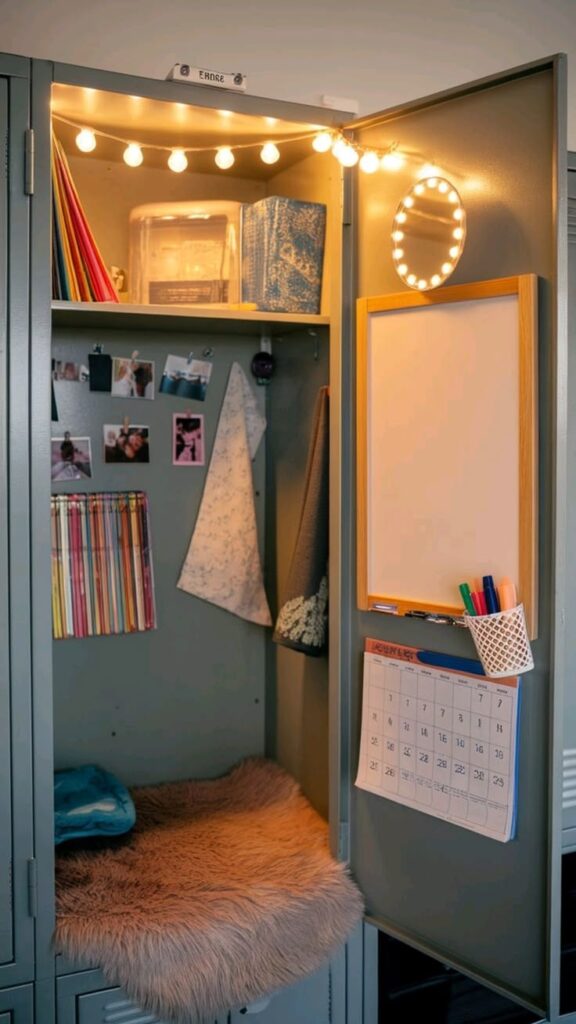
Whether it’s a locker, a desk, or a section of their room at home, let your child decorate their own space.
This small act of personalization builds a sense of ownership and belonging in a new environment. Simple stickers, a small photo, or a favorite color scheme all work well here.
If your school allows classroom decoration, this pairs nicely with broader class efforts too.
25 Creative Back-to-School Bulletin Board Ideas and 21 Classroom Door Decoration Ideas That Kids Will Love both offer inspiration that works well alongside a child’s own personal touches.
A decorated space feels less foreign and more like somewhere they genuinely belong.
10. A Welcome Photo Tradition
Capture a simple photo on each day of the first week, not just the very first morning. This creates a small visual record of how your child settles in over these initial days.
Comparing photos from day one to day five often shows a noticeable shift in comfort and confidence.
31 First Day of School Photo Ideas You’ll Treasure Forever offers creative ways to build on this idea beyond just a single opening-day picture.
This small tradition also gives you something to look back on fondly in future years. A simple photo habit turns a stressful week into something worth remembering positively too.

11. Talk About One Good Thing Daily
Each evening during the first week, ask your child to share just one good thing from their day.
This keeps the conversation light and manageable, rather than overwhelming with too many questions at once. Even a small, simple answer helps build a habit of noticing positive moments.
Share your own “one good thing” too, making the activity feel mutual rather than one-sided.
This small nightly ritual often becomes something kids genuinely look forward to sharing. Over time, it builds a habit of reflecting positively on each day, even a difficult one.
12. Set Up A Cozy After-School Spot
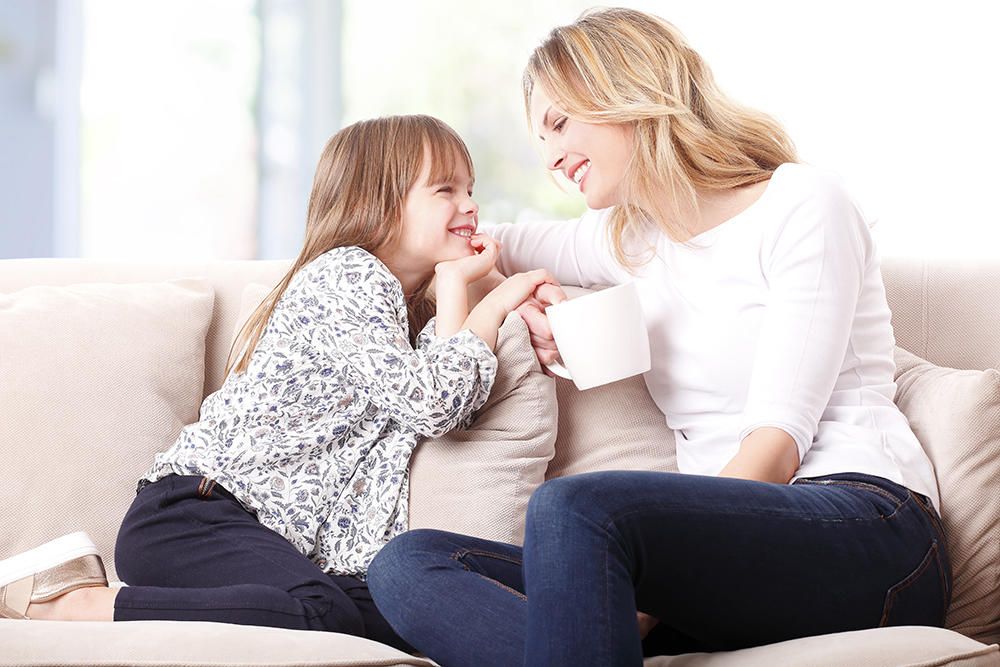
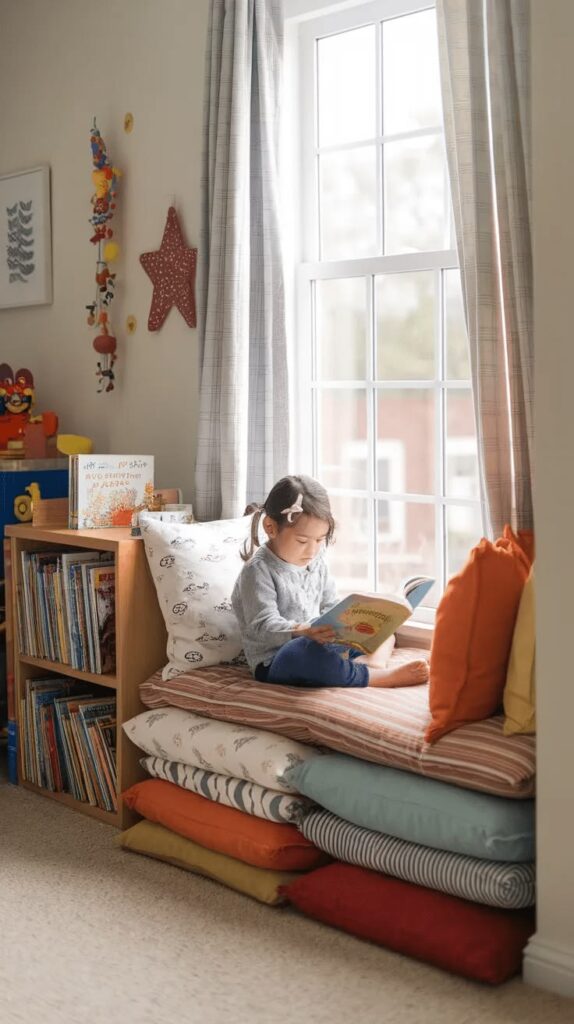
Prepare a comfortable, calm space at home specifically for unwinding once the school day ends. This might include a favorite blanket, a few pillows, or simply a quiet corner without noise.
A dedicated decompression spot helps kids transition gently from a busy day into a calmer evening.
Pair this with something small to look forward to, like a favorite snack or a short activity. 25 Fun After-School Activities That Beat Screen Time offers ideas that work well as part of this calming, welcoming after-school routine.
A consistent, comforting spot builds predictability during an otherwise unfamiliar first week.
13. Practice Introducing Themselves
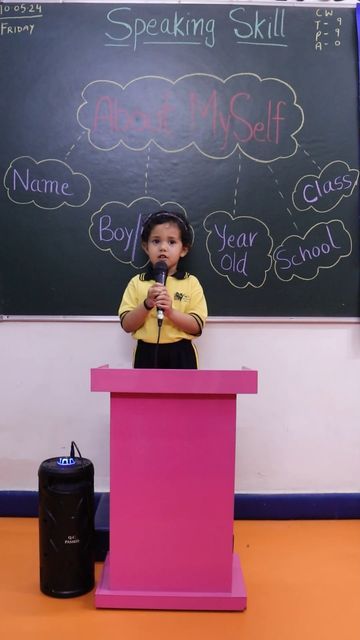
Help your child practice a simple way to introduce themselves to new classmates before the week even begins.
A basic script, like stating their name and one favorite thing, gives them something to fall back on. This small preparation reduces the pressure of thinking on the spot in an unfamiliar setting.
Practice this together at home in a relaxed, playful way, rather than making it feel like a rehearsal.
Some kids feel more comfortable once they’ve said the words out loud a few times beforehand. This small tool often boosts confidence more than parents initially expect going in.
14. A Small Welcome Gift For The Teacher
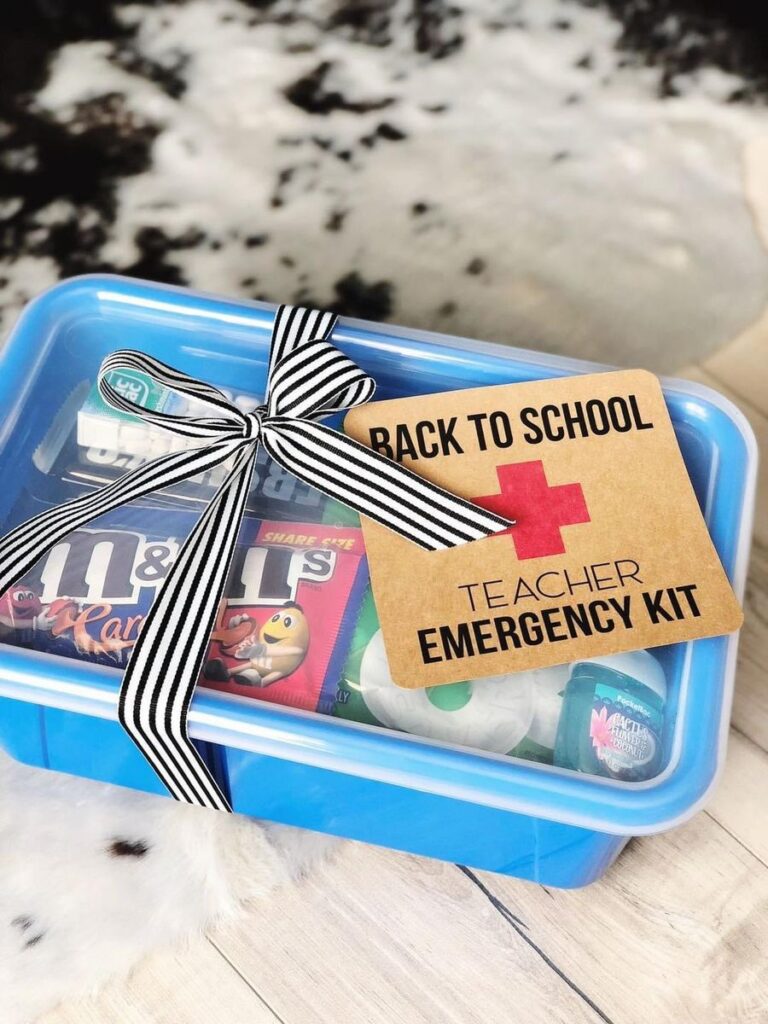
A small gesture toward the new teacher during this first week can help build a warm, early relationship.
This doesn’t need to be elaborate, just genuine and thoughtful in its intention. 19 Thoughtful Teacher Gift Ideas for Back to School offers plenty of ideas that fit naturally into this specific week.
A positive early connection with the teacher often makes your child feel more secure in the classroom generally.
Kids sometimes pick up on this relationship indirectly, feeling reassured that their teacher and parent are aligned. This small gesture ripples outward in ways that benefit your child throughout the term.
15. Create A Simple Morning Ritual
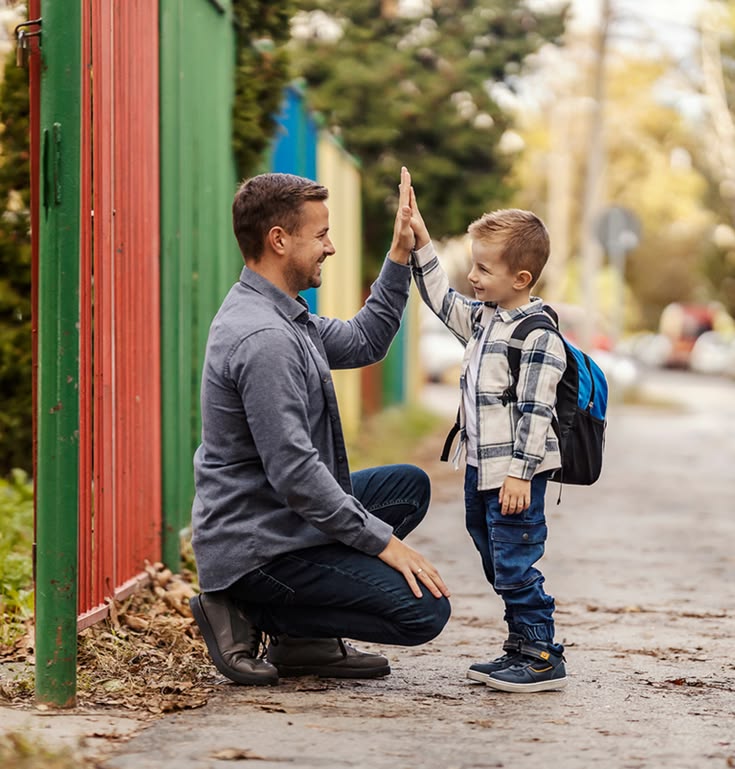
Beyond the general morning routine, add one small, specific ritual just for this particular first week. This might be a special handshake, a specific song, or a short, encouraging phrase said before leaving.
This small addition offers extra reassurance during an unusually significant stretch of days.
How to Build a School Morning Routine That Actually Works covers the wider structure this small ritual can sit within comfortably.
A predictable, comforting morning habit helps ease a child into an otherwise unfamiliar new daily rhythm. This ritual can continue beyond the first week too, if your child finds it genuinely comforting.
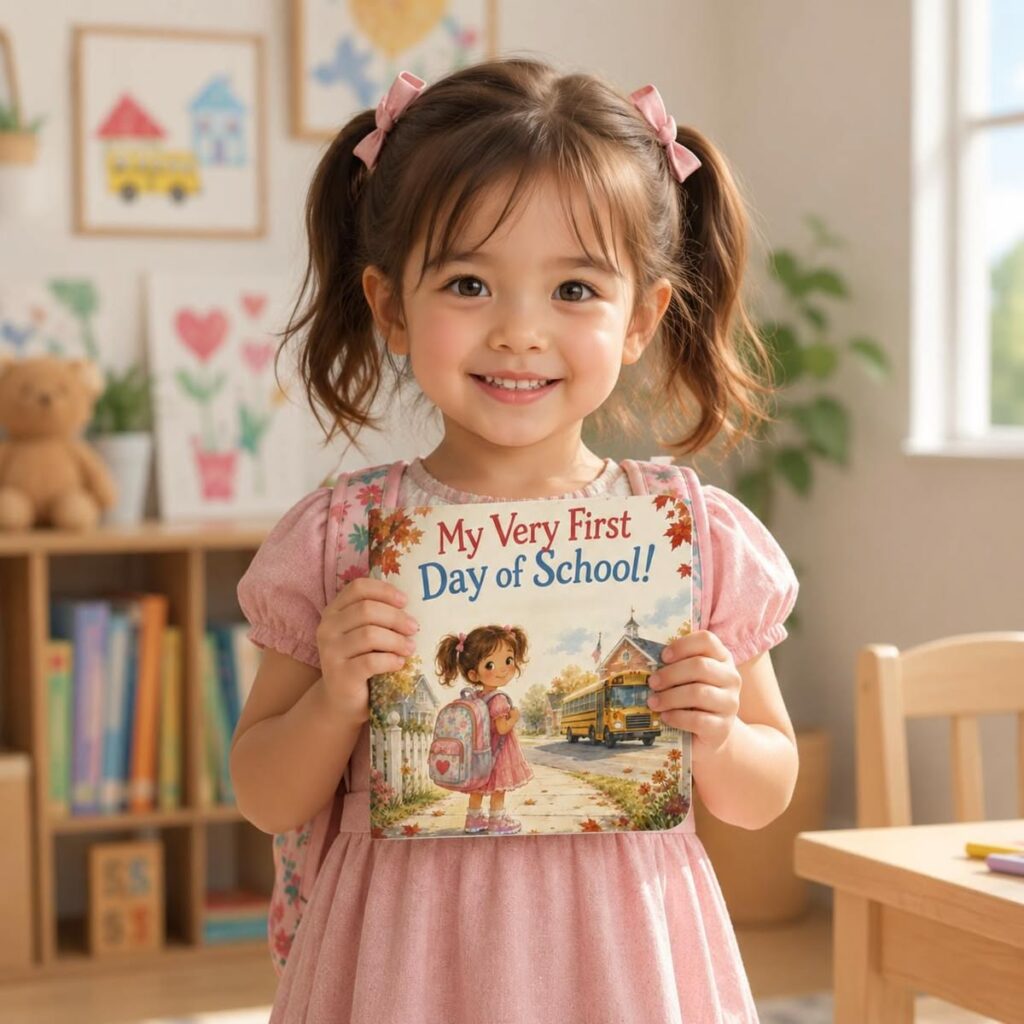
16. Read A Book About Starting School
Reading a story about a character starting school can normalize your child’s own feelings during this transition.
Seeing a character navigate similar nerves and eventually settle in offers quiet, indirect reassurance. Many children’s books tackle this exact topic in a gentle, relatable way worth exploring together.
Discuss the character’s feelings afterward, opening a low-pressure way to talk about your own child’s experience.
This approach often works better than asking direct questions about their own worries. Stories provide a safe, one-step-removed way to process big feelings during an unfamiliar week.
17. Set Up A Simple Reward Chart
Create a small, simple chart marking each day your child successfully gets through the first week.
This isn’t about rewarding perfection, but about celebrating the effort of adjusting to something new. A small sticker or checkmark each day builds a visual sense of steady progress.
Keep any reward attached to this chart small and simple, avoiding anything that feels overly transactional.
The real goal is building a sense of accomplishment, rather than bribing good behavior specifically. This small tool often helps anxious kids see their own progress laid out clearly and visually.

18. Encourage A Small Act Of Kindness
Suggest your child do one small, kind thing for a new classmate sometime during the first week. This might be sharing a pencil, offering a smile, or simply saying something encouraging to someone else.
Small acts like this often lead to your child feeling more connected and purposeful in a new environment.
This approach also shifts focus away from their own nerves and toward helping someone else instead. Kids often feel more confident when they’re focused on giving rather than solely on receiving reassurance.
This small shift in perspective can meaningfully ease first-week anxiety in an unexpected, gentle way.
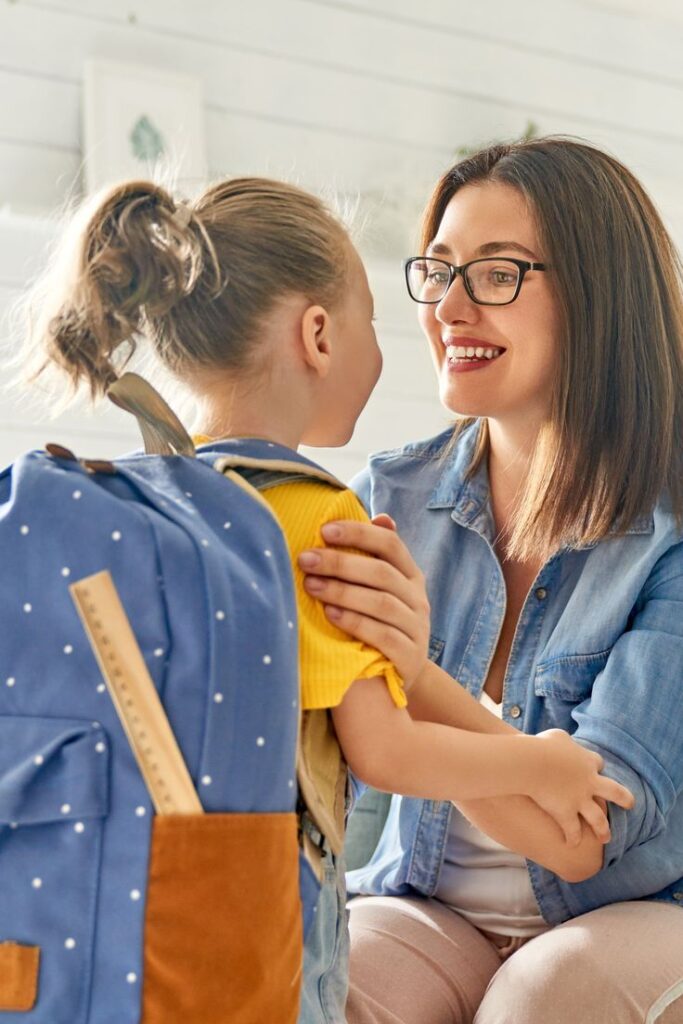
19. Organize Their New Supplies Together
Spend time together organizing school supplies, giving your child a sense of order and readiness for the week ahead.
This activity also builds familiarity with their own materials before they need to use them under pressure. Knowing exactly where everything is can reduce small, avoidable stresses throughout the first week.
35 Back-to-School Organization Ideas Every Parent Needs offers broader systems worth building alongside this smaller, first-week specific task.
A sense of order at home often translates into a calmer, more settled feeling at school too. This small organizational habit supports confidence well beyond just the opening days.
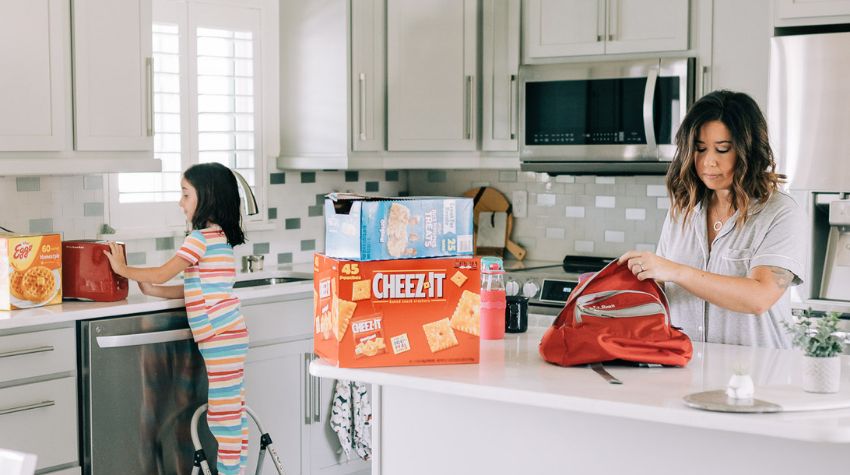
20. Plan A Simple Weekend Reset
After the first week ends, plan something calm and enjoyable for the following weekend as a small celebration.
This doesn’t need to be elaborate, just something that marks the achievement of getting through the transition. A simple family outing or a relaxed day at home both work well here.
This small tradition reinforces that the hardest part, the initial adjustment, is now genuinely behind them.
It also gives your child something specific to look forward to throughout the busier days of the week. A calm weekend reset supports a smoother, steadier start to the second week ahead.
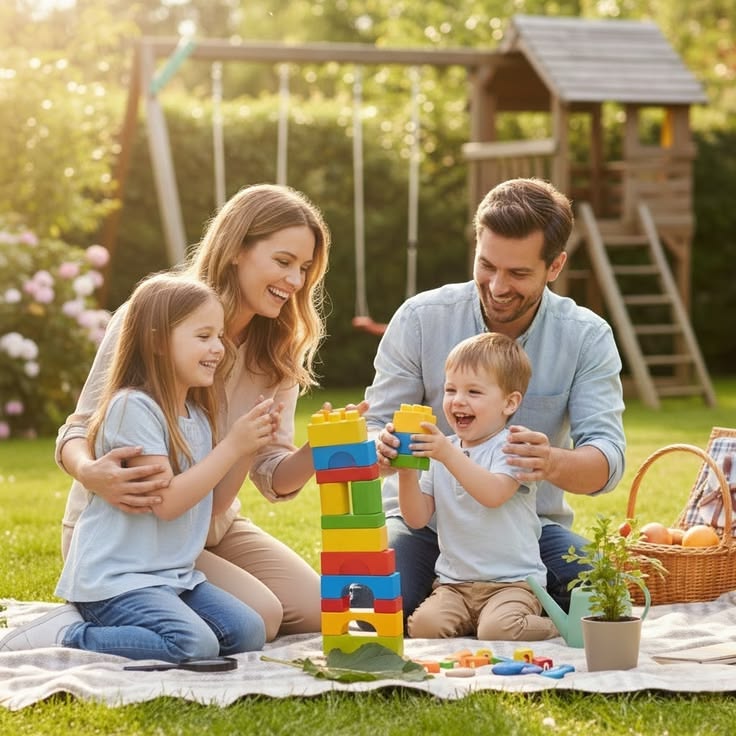
21. Check In With The Teacher
Reach out briefly to your child’s teacher toward the end of the first week for a quick update. This gives you insight into how your child is actually adjusting from another adult’s perspective.
Teachers often notice patterns that aren’t visible from home alone during this early stage.
Keep this check-in brief and low-pressure, rather than turning it into a lengthy, formal conversation. A simple message asking how things are going is usually enough to open this door.
This small habit builds a collaborative relationship that benefits your child throughout the entire term.

22. Set Up A Simple Snack Ritual
Prepare a specific, comforting snack for pickup time each day during this particular first week. This small, consistent ritual offers something familiar and predictable amid a week full of new experiences.
Kids often associate comforting food with feelings of safety and being cared for.
How to Pack School Lunches Kids Will Actually Finish offers ideas that pair well with planning this kind of small after-school treat too.
Keep the snack simple and easy to prepare, avoiding extra stress during an already busy week. This small habit becomes a steady, reassuring point in each day’s routine.

23. Encourage Questions, Not Just Answers
Rather than only asking your child questions about their day, invite them to ask you questions too. This might include questions about what to expect, or things they’re unsure about regarding the new routine.
Answering honestly and calmly helps reduce uncertainty that might otherwise build into quiet anxiety.
This approach also signals that curiosity and uncertainty are both completely normal and welcome to express.
Kids sometimes hold back questions, assuming they should already know the answers themselves. Actively inviting questions removes that pressure and opens space for genuine, honest conversation.

24. Set Up A Consistent Bedtime Routine
Protecting a calm, consistent bedtime during this first week supports better rest and easier mornings throughout.
A tired child often struggles more with new social and academic demands than a well-rested one. Keep bedtime steady, even if the day felt unusually busy or overwhelming for your child.
A calm, predictable bedtime routine also signals that home life remains stable amid a changing daily schedule.
This consistency offers quiet reassurance, even if your child doesn’t consciously recognize why it helps. Good rest during this first week supports a much smoother emotional and physical adjustment overall.

25. Celebrate Small Wins Out Loud
Notice and mention small positive moments from the first week, even ones that seem minor at first glance.
A calmer goodbye, a new word learned, or a friendly interaction all count as genuine progress worth acknowledging. Saying these observations out loud reinforces that your child is doing well, even amid the adjustment.
Avoid overdoing this praise, since too much attention can sometimes feel like pressure rather than encouragement. A simple, genuine comment usually carries more weight than an exaggerated, over-the-top reaction.
This small habit builds quiet confidence that compounds gradually throughout the entire first week.

26. Prepare For The Following Week Together
Toward the end of the first week, spend a little time preparing calmly for the week ahead together. This might include checking the calendar, laying out supplies, or simply talking through what’s coming next.
This small habit builds a sense of continuity, rather than treating each week as a brand new challenge.
This preparation also reduces the shock of transitioning from a slower weekend back into a full school routine.
How to Make the Transition Back to School Easier for Kids offers guidance that applies well beyond just this first specific week too. A little forward planning smooths the path into an ongoing, steady school year rhythm.

27. Reflect Together As A Family
At the end of the first week, take a few minutes to reflect together on how everything went overall. Ask your child what felt hardest, what felt easiest, and what they’re looking forward to next.
This simple conversation closes the week with intention, rather than just letting it quietly fade into the next one.
Share your own reflections too, modeling honest, balanced thinking about a mixed, sometimes challenging experience.
This small habit teaches kids to process change thoughtfully, rather than just pushing through without pause. A calm, reflective close to the first week often eases the transition into everything that follows.
See This: How to Prepare Your Child For The First Day of School Without Stress

Bringing It All Together
The first week of school carries more weight than people often expect from just five or so days. Small, thoughtful gestures throughout this stretch can shape how settled and confident your child feels moving forward.
From a simple welcome breakfast to an honest weekend reflection, each idea adds a layer of steady support.
None of these activities need to happen all at once or perfectly according to plan. Pick a handful that genuinely fit your family and your child’s specific personality and needs.
Over time, these small efforts build toward a child who feels genuinely welcomed, supported, and ready for the term ahead.
Leave a Reply