Once the school day ends, many kids head straight for a screen out of pure habit. It feels easy, quiet, and requires no extra planning from a tired parent.
But too much screen time after school can affect sleep, mood, and even focus the next day. This post gives you twenty-five genuinely fun alternatives that kids actually enjoy just as much.
None of these ideas require expensive equipment or elaborate planning to pull off successfully. Most use simple materials you likely already have somewhere around the house. Building this habit early in the term saves plenty of screen-time battles as the weeks go on.
If mornings already feel like a struggle before you even reach the afternoon, How to Build a School Morning Routine That Actually Works helps free up energy earlier in the day. A calmer morning often means a calmer, more receptive child once school actually ends.

25 Fun After-School Activities That Beat Screen Time
1. Backyard Scavenger Hunt
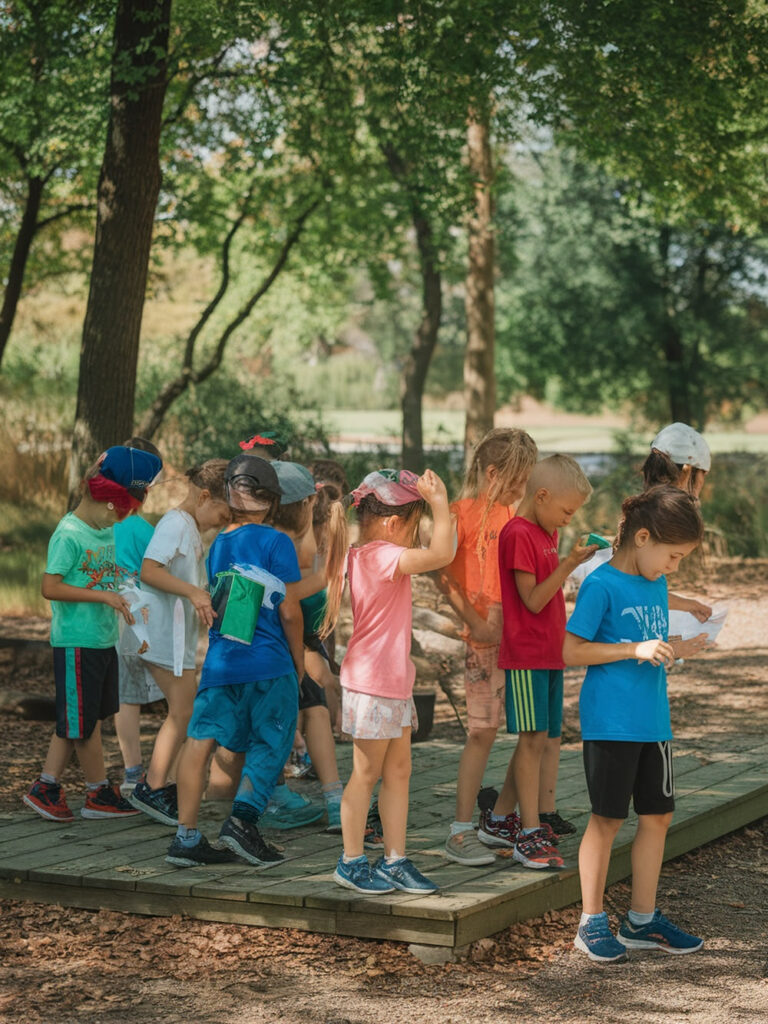
A simple scavenger hunt gets kids moving and thinking right after a long day sitting in class.
Write a short list of items to find outside, like a specific leaf, a rock, or a flower. This activity works well alone or with siblings racing to finish first.
Adjust the difficulty based on your child’s age, making younger lists simpler and more visual. Older kids enjoy riddles or clues leading them from one item to the next instead.
This small challenge burns off pent-up energy while sparking genuine curiosity about the outdoors.
Rotate the list occasionally, keeping the activity fresh rather than repetitive week after week. Some parents turn this into a weekly tradition, changing the theme with the seasons throughout the year.
A scavenger hunt costs nothing beyond a pen and paper, yet delivers real engagement every time.
2. Simple Baking Together
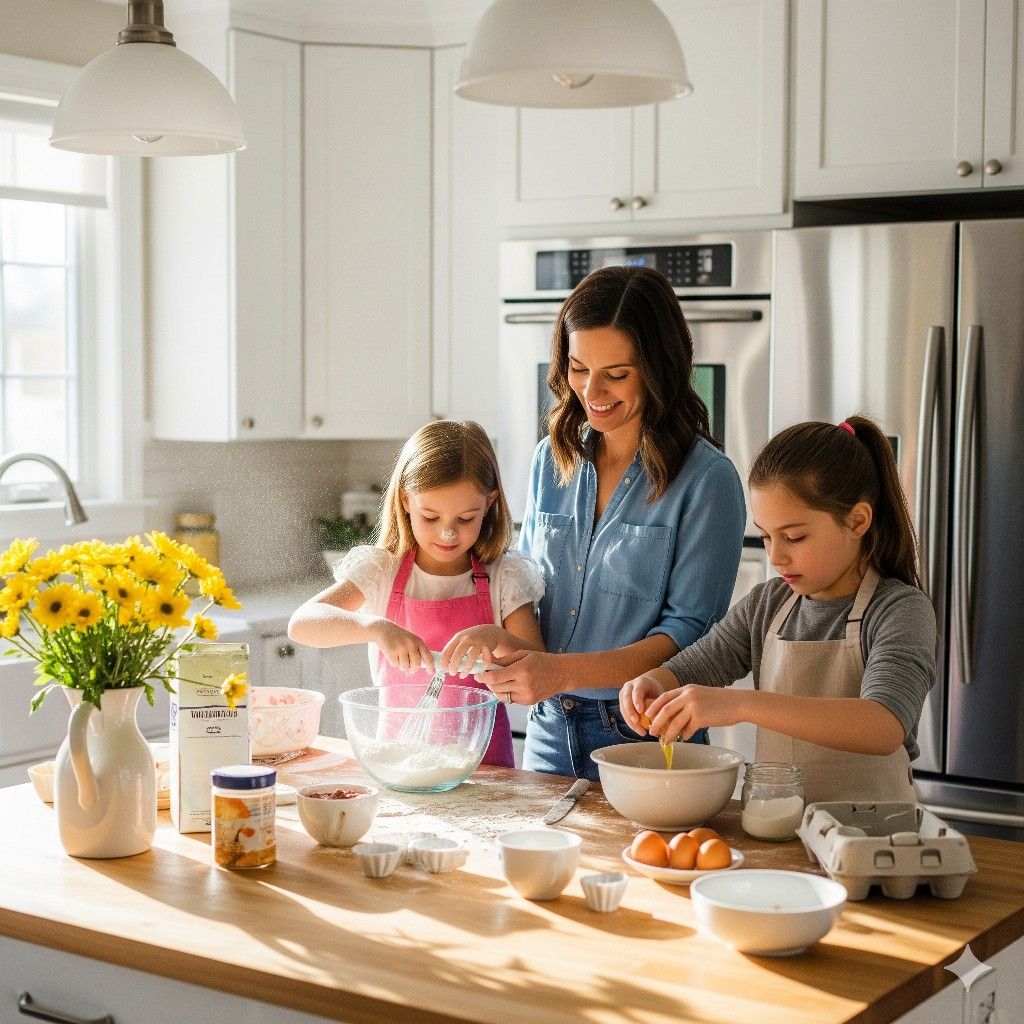
Baking something simple, like cookies or muffins, turns into a fun, hands-on activity after school. Kids enjoy measuring, mixing, and watching something transform in the oven right in front of them.
This activity also teaches basic math and following instructions in a practical, engaging way.
Choose recipes with few steps and minimal supervision needed for safety reasons. Letting your child handle age-appropriate tasks, like stirring or decorating, builds their confidence and independence.
The shared kitchen time also opens space for easy, natural conversation about the school day.
If snacks are already part of your daily planning, this pairs nicely with what goes into lunch too.
How to Pack School Lunches Kids Will Actually Finish offers ideas that connect well with homemade treats made together after school.
Baking becomes both a fun activity and a practical contribution to tomorrow’s lunch box.
3. Building A Blanket Fort
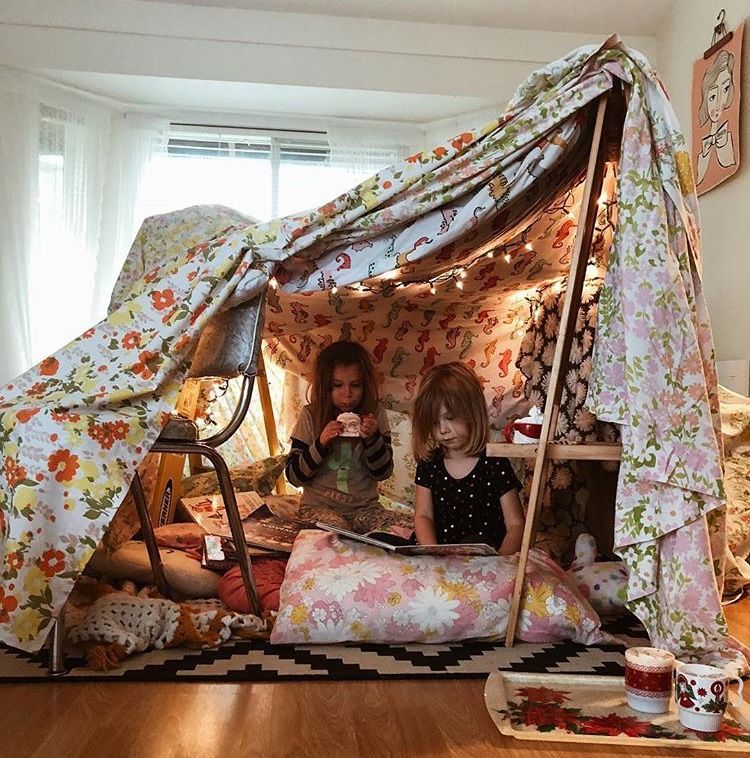
Building a fort out of blankets, cushions, and chairs remains a timeless, screen-free classic for good reason.
Kids love the creative process of designing their own small, cozy hideaway space. This activity works well indoors on rainy days or simply as a relaxing after-school ritual.
Encourage your child to add their own personal touches, like fairy lights or favorite stuffed toys inside.
Reading a book together inside the finished fort adds a calm, connected close to the activity. This simple project costs nothing yet delivers genuine excitement and imaginative play.
Forts can also become a regular evening spot for winding down before homework begins.
Pairing this calm space with a proper study area matters too, and How to Create a Homework Space That Helps Kids Focus covers building that separate, focused environment nearby.
A cozy fort and a focused desk can coexist happily in the same afternoon.
4. Riding Bikes Or Scooters
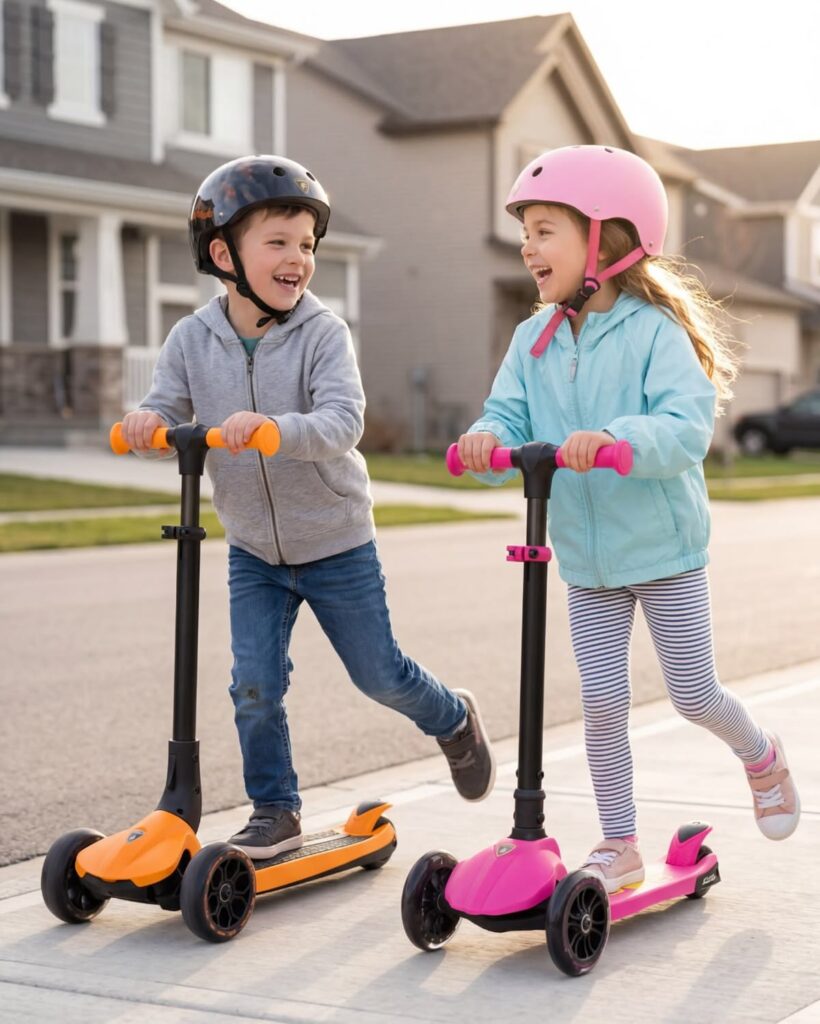
Physical activity after a day of sitting in class helps release pent-up energy naturally. Riding a bike or scooter around the neighborhood offers fresh air and genuine physical exercise.
This activity also builds balance, coordination, and confidence over time with regular practice.
Set clear boundaries about where your child can ride, especially near roads or busy areas. Riding with siblings or friends adds a social element that makes the activity even more enjoyable.
This simple outdoor habit supports both physical health and better sleep once bedtime eventually arrives.
If your child rides a bike or scooter to school already, this extends that same habit into the afternoon too.
A comfortable, well-fitted bag also matters here, and How to Choose the Right Backpack for Your Child covers picking one that works well whether walking, biking, or scootering home.
5. A Simple Nature Walk
A quiet walk outside, even just around the block, offers a calm transition between school and home life. Kids often talk more openly during a walk than when sitting face to face at a table.
This activity also supports physical health without requiring any special equipment or planning.
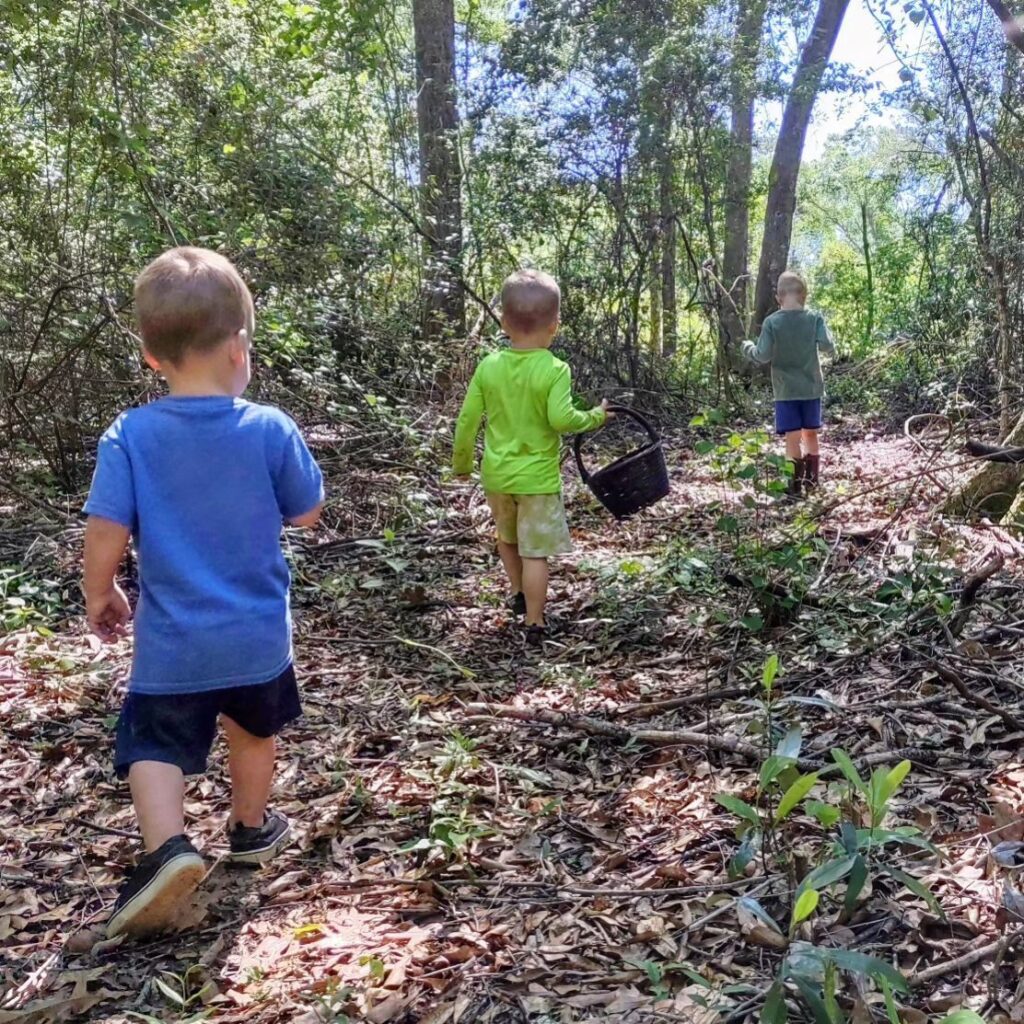
Bring along a small bag for collecting interesting leaves, rocks, or seeds found along the way. Turning the walk into a simple game, like counting a specific type of tree, adds engagement.
This activity works well year-round, adjusting easily to different weather and seasons throughout the term.
A nature walk also offers a gentle way to check in on how your child’s day actually went.
If your child is about to resume school, Back-to-School Shopping Mistake Every parents Should Avoid offers guidance on how to avoid any shopping mistake and shop right.
6. Simple Art And Craft Projects
Drawing, painting, or simple craft projects give kids a creative outlet after a structured school day. This activity works well with minimal supplies, like paper, crayons, or a few basic craft materials.
Kids often enjoy having creative freedom after following strict instructions throughout their classroom day.
Rotate materials occasionally, introducing something new like clay, beads, or simple sewing for older kids.
Display finished projects somewhere visible, giving your child a sense of pride in their work. This activity also builds fine motor skills and patience through repeated, hands-on practice.
Some finished crafts can even become part of seasonal home decorations during the school year.
If your family enjoys marking the term with visual touches, 21 Classroom Door Decoration Ideas That Kids Will Love has ideas that translate well from classroom projects into home-based art activities too.

7. Playing A Board Game Together
Board games offer a screen-free way to spend quality time together as a family after school. Choose games appropriate for your child’s age, balancing challenge with genuine enjoyment and fun.
This activity also teaches patience, turn-taking, and handling both winning and losing gracefully.
Rotate through a small collection of games to keep things interesting throughout the week. Some families designate one evening specifically for game night, building it into a regular, expected routine.
This shared time also opens space for easy conversation without the pressure of a formal sit-down talk.
Board games work particularly well as a calm activity before homework begins each evening. This transition matters, since a calmer mind often focuses better once it’s time to sit down and study.

8. Gardening Together
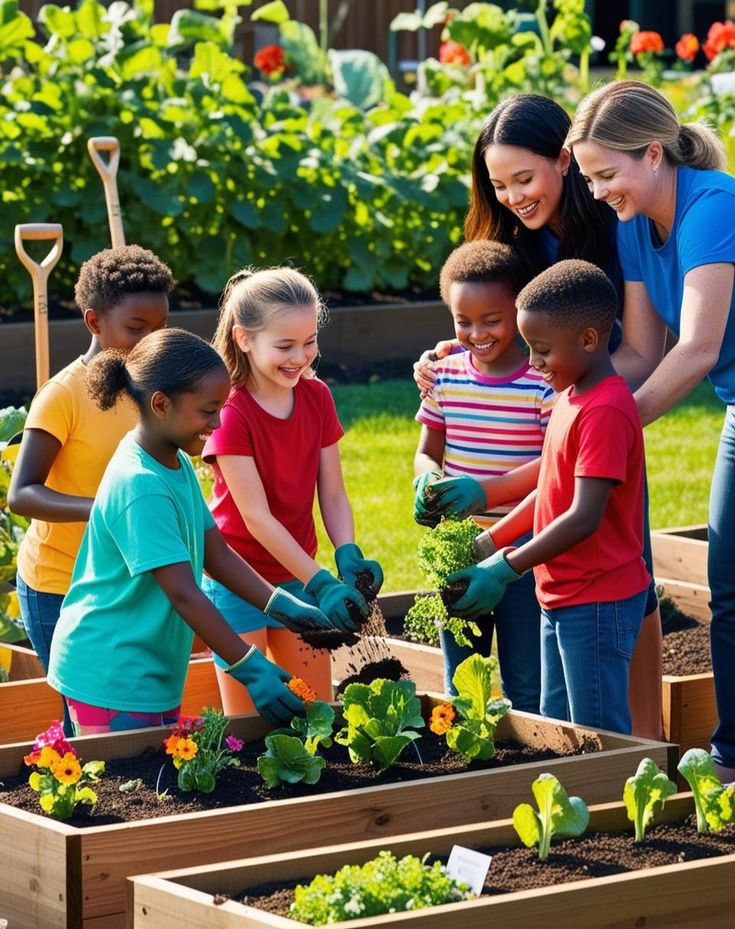
Simple gardening tasks, like watering plants or planting seeds, connect kids with nature in a hands-on way.
This activity teaches patience and responsibility, since plants take time to grow and need consistent care. Even a small pot on a windowsill offers a genuine, rewarding gardening experience.
Let your child choose what to plant, giving them ownership over the small project. Checking on the plant’s progress together becomes a simple, recurring activity throughout the following weeks.
This calm, outdoor task offers a nice contrast to the busy pace of a typical school day.
Gardening also teaches practical science concepts in a way that feels playful rather than academic.
Kids often remember lessons learned through hands-on experience far longer than ones read purely from a textbook.
Read This: The Ultimate Back-to-School Guide For Parents
9. A Simple Cooking Lesson
Beyond baking sweets, teaching your child basic cooking skills builds independence and confidence over time. Start with simple, safe tasks like washing vegetables or spreading toppings on bread.
This activity also teaches practical life skills that extend well beyond just the current school term.
Choose simple recipes with minimal steps, gradually increasing complexity as your child grows more confident.
Cooking together also creates natural opportunities for conversation about the school day and beyond. This shared task often feels less like a chore and more like quality time together.
Meals prepared together sometimes make their way into the next day’s lunch too. Practicing this way ties directly into planning meals your child will actually enjoy eating at school the following day.

10. Building With Blocks Or Construction Toys
Building sets, whether simple blocks or more complex construction toys, encourage creative and spatial thinking.
This activity works well for a wide range of ages, from toddlers through older primary school kids. Kids enjoy the open-ended nature of building whatever comes to mind freely.
Set a simple challenge occasionally, like building the tallest tower or a specific themed structure. This adds a light sense of purpose without turning a fun activity into something overly structured.
Building toys also offer a calm, focused activity that naturally limits screen use during the afternoon.
Keep a designated bin for these toys, making cleanup simple and consistent after each session. This ties into broader organization habits worth building at home during the busy school term generally.
You’ll Love This: How to Prepare Your Child For the First Day of School Without Stress

11. Simple Science Experiments
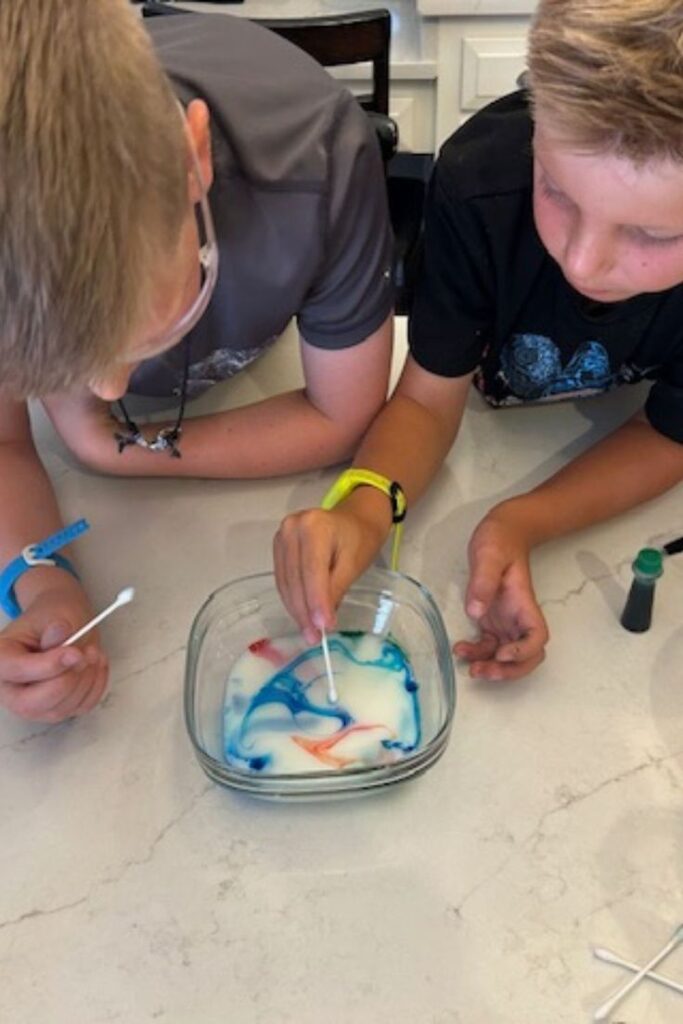
Basic science experiments using household items make for an exciting, hands-on after-school activity. Simple ideas like a baking soda volcano or a homemade lava lamp captivate most kids easily.
This activity combines fun with genuine learning, without needing any special equipment.
Look up simple, safe experiment ideas suited to your child’s age and curiosity level. Let your child predict what might happen before revealing the actual result together.
This small habit builds curiosity and critical thinking in a way that feels like play rather than schoolwork.
These experiments often spark genuine excitement about science topics covered later in the classroom.
A child who enjoys home experiments sometimes approaches related school lessons with more enthusiasm and confidence.
12. A Family Dance Party
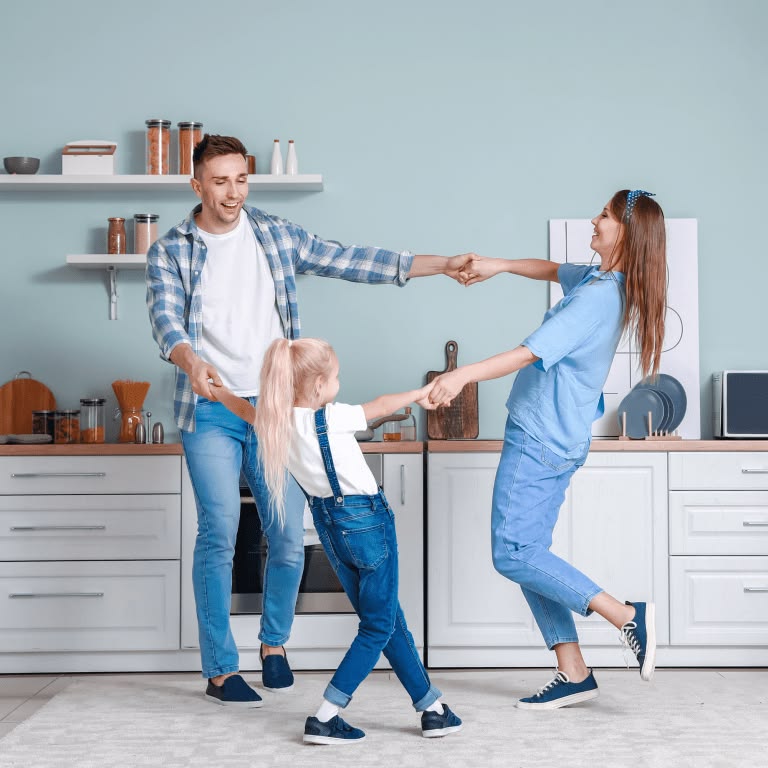
Turning on music and dancing freely in the living room offers pure, physical fun after a long day. This activity requires no equipment beyond a phone or speaker and a bit of open floor space.
Kids release energy while genuinely enjoying themselves without any pressure to perform correctly.
Let your child choose the music occasionally, giving them ownership over the activity itself. Join in yourself, since kids often enjoy this activity even more with a parent participating alongside them.
This burst of movement and laughter offers a great release before settling into quieter evening activities.
A dance party also works well as a quick mood lift on days when your child seems tired or cranky. It requires very little setup, yet delivers genuine energy and connection in just a few minutes.
Check This Out: Everything Parents Need Before Back-to-School Shopping
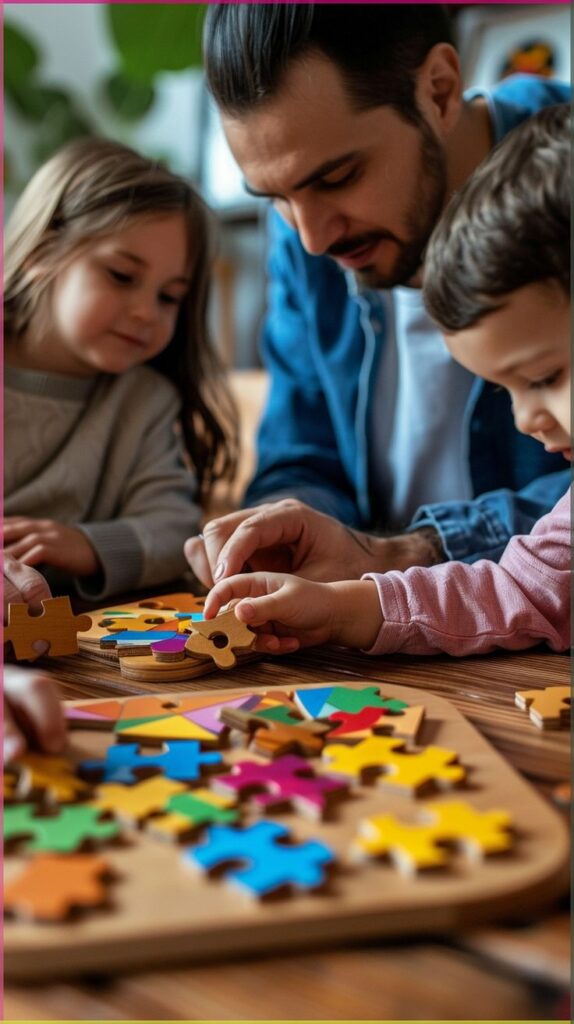
13. Simple Puzzle Time
Puzzles offer a quiet, focused activity that naturally limits screen use during the after-school hours. Choose a puzzle appropriate for your child’s age and patience level, avoiding one too frustrating or too easy.
This activity builds concentration, patience, and problem-solving skills through repeated practice.
Keep a puzzle out on a table, allowing your child to work on it gradually over several days. This approach avoids pressure to finish quickly while still encouraging regular engagement with the activity.
Puzzles also offer a calm transition activity before moving into homework time each evening.
Completing a puzzle together builds a small sense of shared accomplishment once the final piece goes in. This satisfaction often motivates kids to pick another puzzle rather than reaching for a screen instead.
14. Playing Outside With Friends Or Siblings
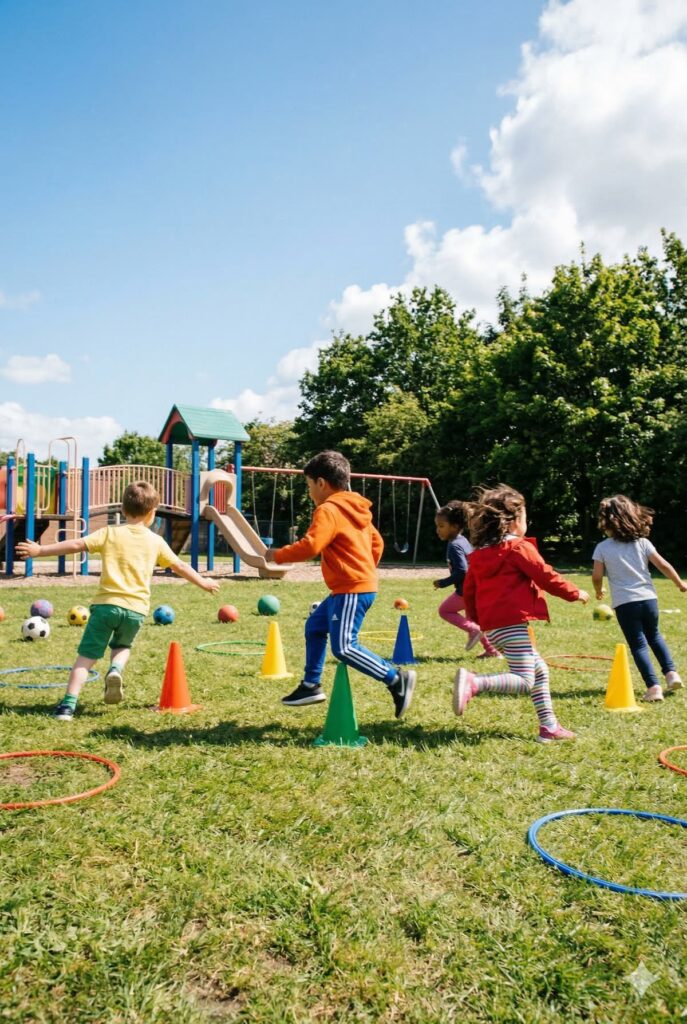
Simple outdoor play, whether tag, hide and seek, or just running around, remains genuinely valuable for kids.
This activity builds social skills, physical fitness, and imaginative play all at once. Unstructured outdoor time also allows kids to release energy built up throughout a long school day.
Set clear boundaries about where and how long your child can play outside safely. Encourage games that involve siblings or neighborhood friends, building social connection alongside physical activity.
This kind of free play often produces more genuine laughter and connection than any planned, structured activity.
Outdoor play also supports better sleep later that night, since physical activity naturally tires the body. A tired, happy child generally settles into bedtime more easily than one who spent the afternoon sitting still.
Also Read: How to Make The Transition Back to school Easier For kids
15. A Simple Photography Project
Handing your child a simple camera or an old phone to take photos builds creativity in a new way. This activity encourages kids to look at their surroundings more closely and thoughtfully.
Simple themes, like “things that are red” or “shapes in nature,” add gentle structure to the activity.
Look through the photos together afterward, letting your child explain what caught their attention.
This activity builds observation skills while offering a genuinely fun, screen-adjacent alternative to typical passive scrolling.
Printing a few favorite photos occasionally adds a nice, tangible element to this creative project.
This activity pairs nicely with capturing meaningful moments throughout the school year more broadly.
If your family already enjoys documenting milestones, 31 First Day of School Photo Ideas You’ll Treasure Forever offers ideas that connect well with building this same habit of thoughtful, everyday photography.

16. Writing A Simple Story Or Journal
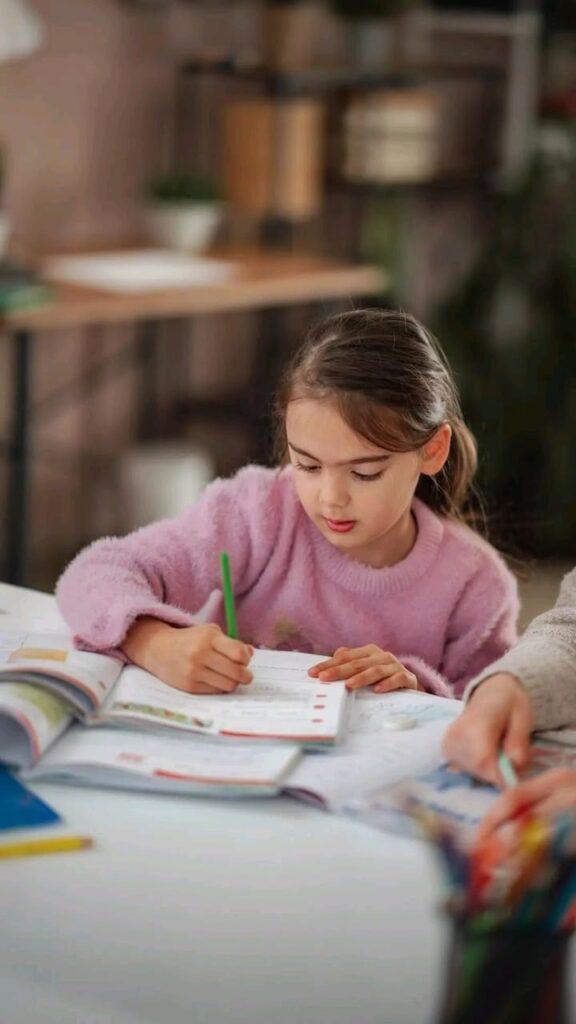
Encouraging kids to write, even just a few sentences about their day, builds both creativity and reflection.
A simple notebook designated as a personal journal offers a private, low-pressure space for this. Younger kids can draw pictures alongside simple words, while older kids might write longer entries.
Avoid making this feel like a school assignment, keeping the tone playful and entirely optional. Some kids enjoy writing fictional stories instead, inventing characters and adventures purely for fun.
This activity builds writing skills in a way that feels personal rather than academic or graded.
Keeping a proper space for this kind of quiet, focused activity matters too. A calm, organized area at home supports this kind of reflective task just as much as it supports formal homework each evening.
17. Simple Yoga Or Stretching
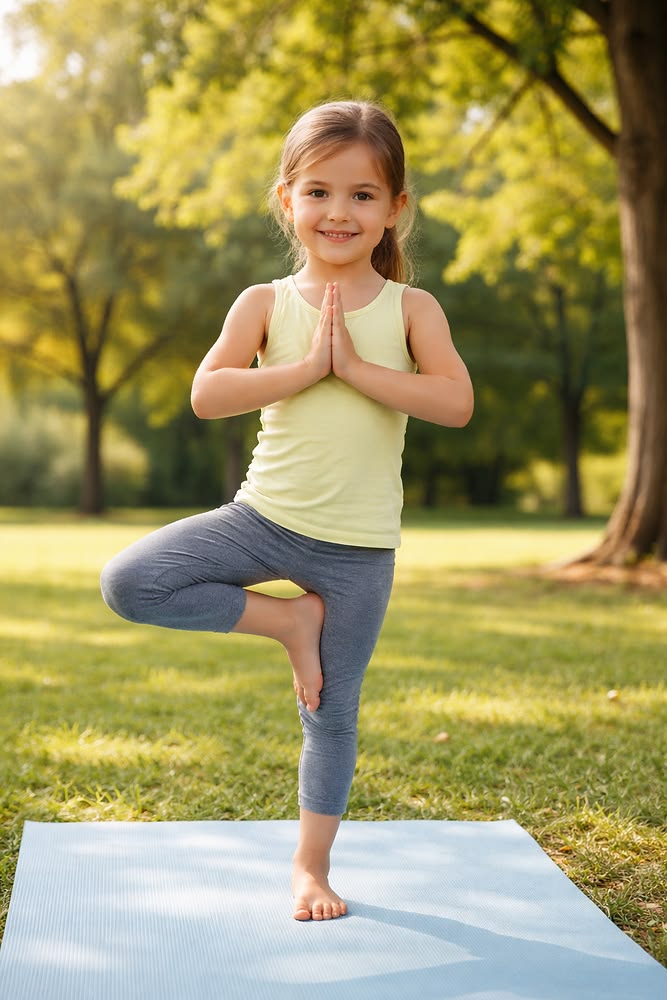
Gentle yoga or stretching exercises help kids unwind physically and mentally after a demanding school day.
Simple poses, like child’s pose or cat-cow stretches, are easy for most kids to follow along with. This activity also teaches early habits around managing stress and physical tension.
Look up simple, child-friendly yoga videos or routines designed specifically for younger participants.
Keep sessions short, around ten to fifteen minutes, to match a child’s natural attention span. This calm, physical activity often helps transition a child from an energetic school day into a calmer evening.
This kind of calming activity can also help kids who struggle with lingering nervousness about school generally.
If that worry feels bigger than typical daily stress, How to Help Kids Overcome First-Day-of-School Anxiety offers deeper guidance worth exploring alongside these calming daily habits.
18. Building A Simple Obstacle Course
Using pillows, chairs, and household items, build a simple obstacle course indoors or in the backyard.
This activity combines physical exercise with creative problem-solving as your child navigates each section. Kids enjoy timing themselves or racing siblings through the course for extra excitement.
Adjust difficulty based on your child’s age and physical ability, keeping safety as the top priority throughout. Let your child help design the course themselves, adding a sense of ownership over the activity.
This burst of physical activity effectively burns off energy while keeping kids fully engaged and entertained.
Rotating the course layout weekly keeps this activity fresh rather than becoming repetitive or predictable. A well-designed obstacle course can become a favorite recurring activity throughout the entire school term.

19. Learning A Simple Musical Instrument
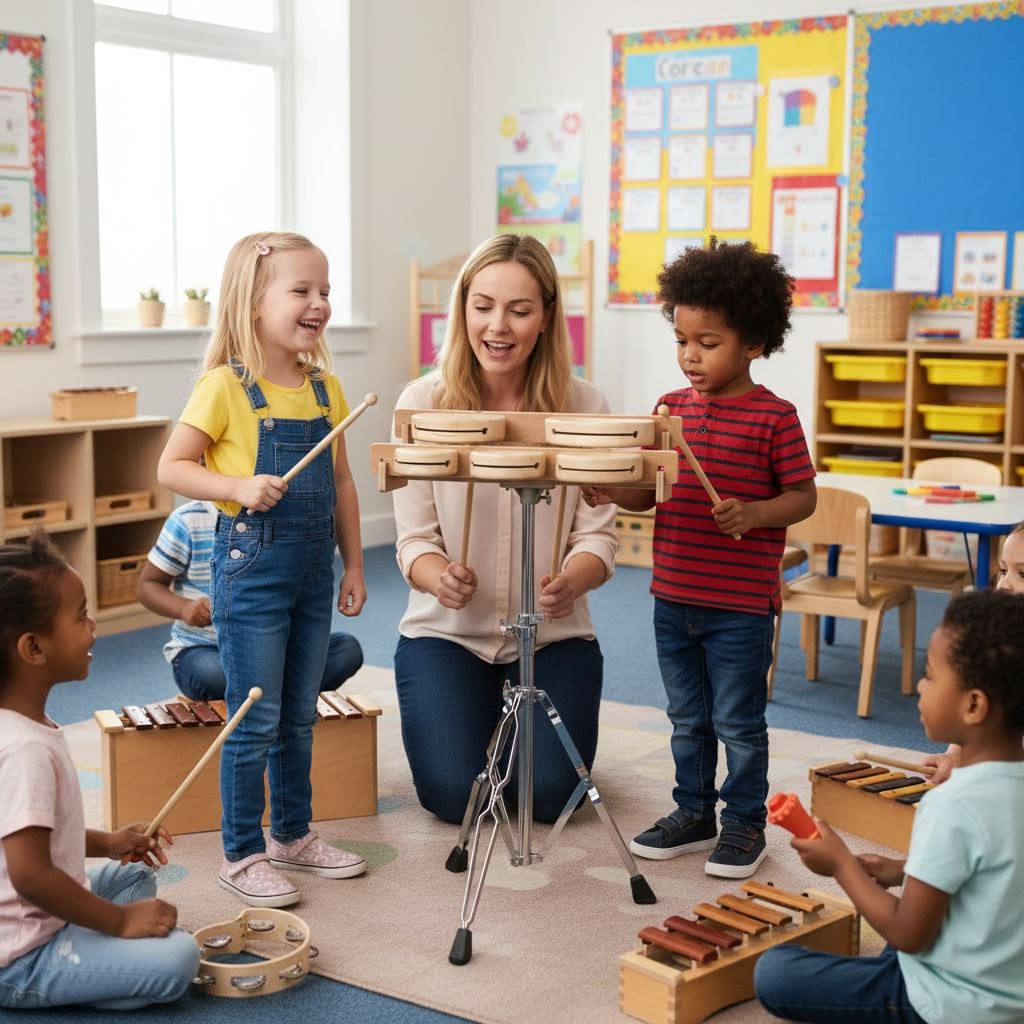
Introducing a simple instrument, like a recorder, keyboard, or ukulele, offers a fun, skill-building activity after school.
This doesn’t require formal lessons initially, just basic exploration and simple songs learned gradually over time. Music builds patience, coordination, and a genuine sense of accomplishment as skills slowly improve.
Keep practice sessions short and pressure-free, especially in the beginning stages of learning. Celebrate small progress, rather than expecting quick mastery of any particular song or skill.
This activity offers a rewarding, screen-free hobby that can continue developing throughout the entire school year.
Setting up a small, dedicated corner for instrument practice helps build this habit consistently.
This ties naturally into building other focused spaces at home, much like a proper homework area supports consistent study habits too.
20. Volunteering Or Helping Neighbors
Simple acts of helping others, like assisting an elderly neighbor or helping with a small community task, build empathy.
This activity teaches kids about kindness and contribution beyond just their own personal interests. Even small gestures, like helping water a neighbor’s plants, count as meaningful contributions.
Involve your child in choosing how they’d like to help, giving them a sense of ownership over the activity.
Discuss afterward how the experience made them feel, reinforcing the value of kindness and generosity. This activity builds character in a way that few purely recreational activities manage to achieve.
This kind of activity also builds a broader sense of community and connection during the school term.
Kids who practice kindness regularly outside school often carry that same attitude into their classroom relationships too.
bookmark This: 25 Creative Back-to- School Bulletin Board ideas

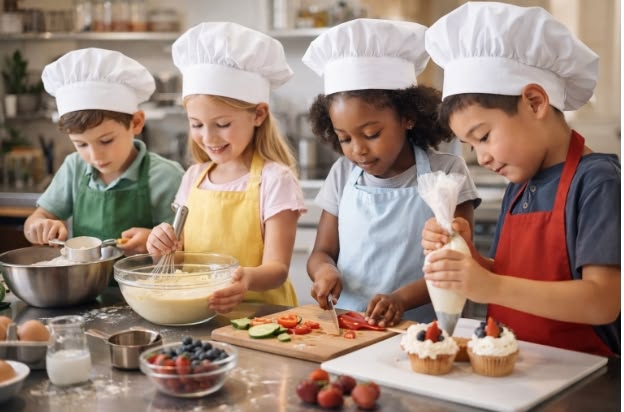
21. A Simple Cooking Or Baking Challenge
Beyond regular cooking together, occasionally turn meal prep into a fun, timed challenge for older kids. Give them a simple task, like assembling a healthy snack plate, within a set time limit.
This adds excitement and gentle pressure that makes an everyday task feel more like a game.
Keep the challenge age-appropriate and safe, supervising closely around any use of heat or sharp tools.
This activity builds confidence in the kitchen while still keeping the overall mood light and fun. A finished challenge often makes a great addition to the next day’s packed lunch too.
Turning food preparation into a game occasionally makes kids more excited about eating what they’ve made themselves. This small shift in attitude often carries over into better appetite at actual mealtimes too.
22. Building A Reading Corner
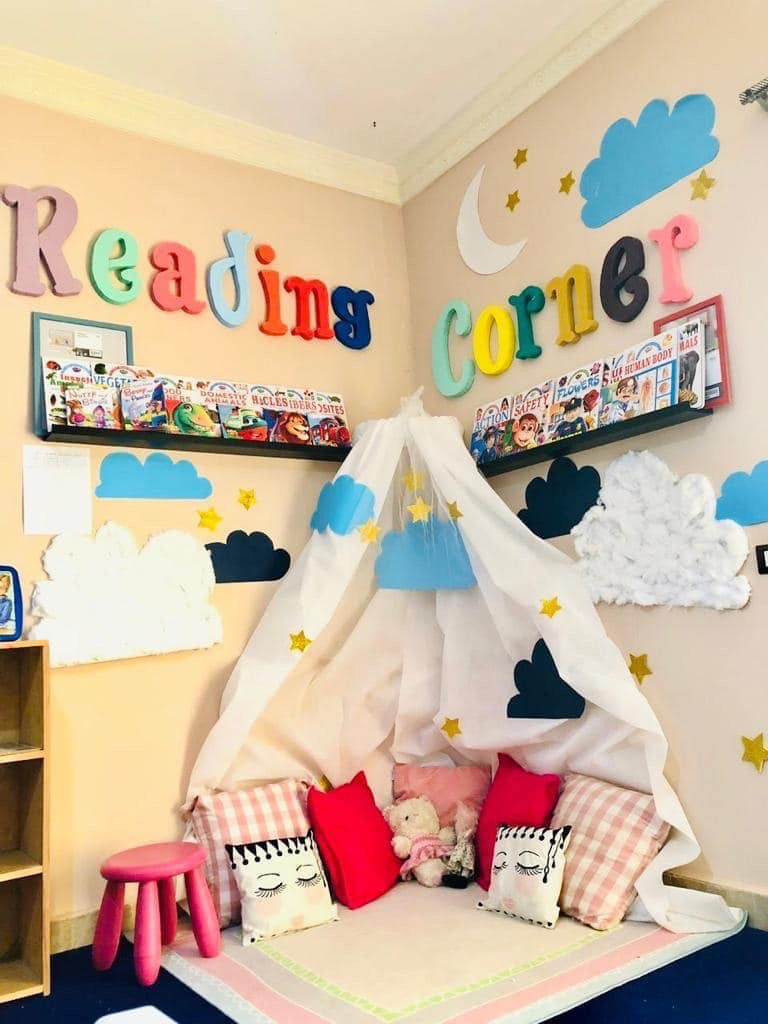
Set up a cozy, dedicated reading spot with cushions, good lighting, and a small selection of favorite books.
This gives your child their own quiet retreat for unwinding after a busy school day. A dedicated reading corner also builds a stronger, more consistent reading habit over time.
Let your child help choose the books and decorate the space according to their own personal taste. Rotate books occasionally, keeping the small library feeling fresh and interesting throughout the term.
This calm, quiet space also supports better focus once it’s time to move into homework shortly after.
A good reading habit built through relaxed, enjoyable after-school time often supports stronger performance in reading-related schoolwork too.
This connection between leisure reading and academic success is well worth the small effort of setting up this simple corner.
23. Playing With Pets
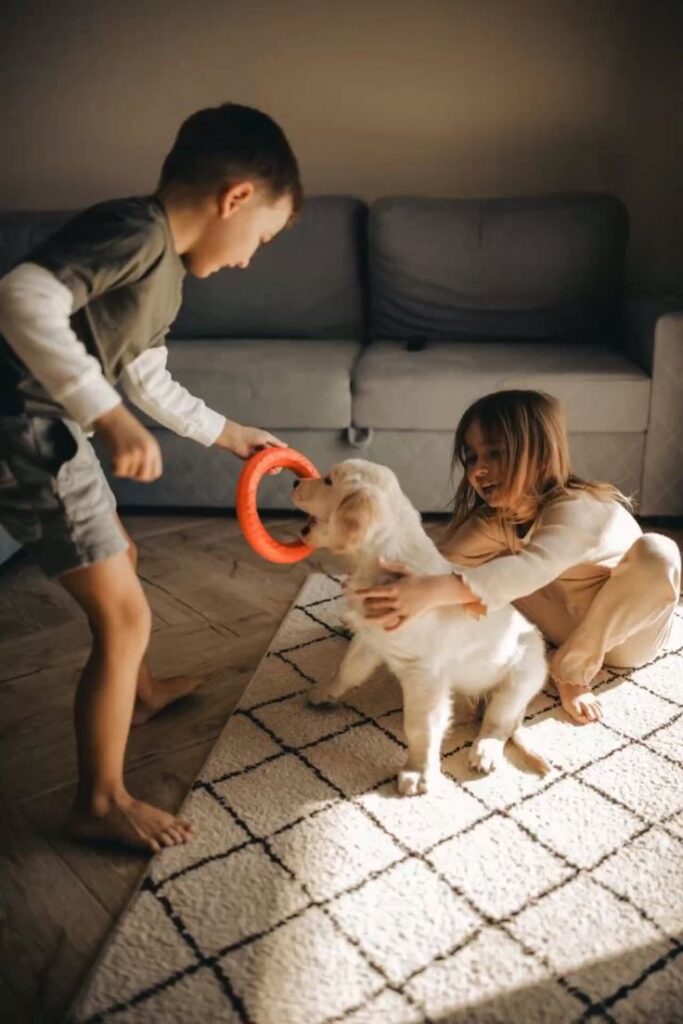
If your family has a pet, simple activities like walking, feeding, or playing together offer genuine after-school enjoyment.
This responsibility also teaches empathy, consistency, and care for another living creature. Kids often find comfort and calm in spending time with a family pet after a busy day.
Assign small, age-appropriate pet care tasks, building both responsibility and a stronger bond with the animal.
This activity also naturally limits screen time, since pets require active engagement rather than passive attention. Time spent with pets often becomes one of the most cherished parts of a child’s daily routine.
If your family doesn’t currently have a pet, occasionally visiting a friend’s or relative’s pet offers similar benefits. Even brief pet interactions can noticeably improve a child’s mood after a long, tiring school day.
24. A Simple Family Trivia Or Quiz Game
Create a simple trivia game using questions about topics your child enjoys, like animals, space, or favorite books.
This activity combines learning with genuine fun, without feeling like an extension of formal schoolwork. Kids enjoy testing their knowledge and often surprise parents with how much they actually know.
Keep questions appropriate to your child’s age and current interests, adjusting difficulty as needed. Take turns creating questions for each other, giving your child a chance to challenge you too.
This shared activity builds connection while gently reinforcing knowledge learned earlier that same day at school.
This kind of playful learning often works particularly well right before settling into more formal homework time. It creates a smooth, engaging transition between free play and focused academic work each evening.

25. Quiet Wind-Down Time
Not every after-school activity needs to involve constant movement or stimulation to be valuable and worthwhile. Sometimes kids genuinely need quiet time to simply rest and process their busy day.
This might mean lying down, listening to calm music, or simply sitting quietly without any specific task.
Respect this need for downtime, rather than filling every single moment with planned activities. A brief rest period often improves mood and cooperation once it’s time to start homework shortly after.
This quiet time teaches kids the valuable skill of self-regulation and genuine rest, separate from screen-based relaxation.
This kind of calm transition matters especially for kids who feel emotionally drained by the demands of a full school day.
Recognizing and respecting this need supports better emotional balance throughout the whole evening ahead.

Bringing It All Together
Replacing screen time with genuinely engaging activities doesn’t require elaborate planning or expensive equipment.
These twenty-five ideas offer simple, doable alternatives that most kids enjoy just as much as scrolling or watching a screen.
Physical play, creative projects, and quiet downtime all serve a valuable, different purpose in a child’s daily routine.
Rotate through these activities based on your child’s mood, energy level, and personal interests each day. Not every activity will suit every child, and that’s completely normal to expect and accept.
The goal is variety and genuine engagement, not forcing a rigid schedule that feels like another set of rules.
Over time, these activities often become just as anticipated as screen time once was before the shift began.
A well-balanced afternoon, filled with movement, creativity, and quiet rest, sets a calmer tone for the whole evening ahead.
Leave a Reply