Keeping a household organized during the school season can feel like a full-time job on its own. Papers pile up, supplies go missing, and mornings turn chaotic without some kind of system in place.
Organization isn’t about being perfect, it’s about knowing where things belong. When everyone in the house knows where their own things live, the daily searching and last-minute panic mostly disappear.
This post gives you thirty-five practical ideas to keep your home running smoothly all term long. Some of these ideas take just a few minutes to set up, while others need a bit more planning.
All of them stay simple enough for any busy household to actually maintain. You don’t need to implement every single one to see real change in how your home feels.
Pick the ones that genuinely fit your family’s specific needs this term, rather than trying to overhaul everything at once. Small, consistent systems tend to last far longer than one big, overwhelming reorganization attempt.
If you’re still working through the wider season, The Ultimate Back-to-School Guide for Parents covers everything else worth handling alongside these organization tips.

35 Back-to-School Organization Ideas Every Parent Needs
1. Create A Family Command Center
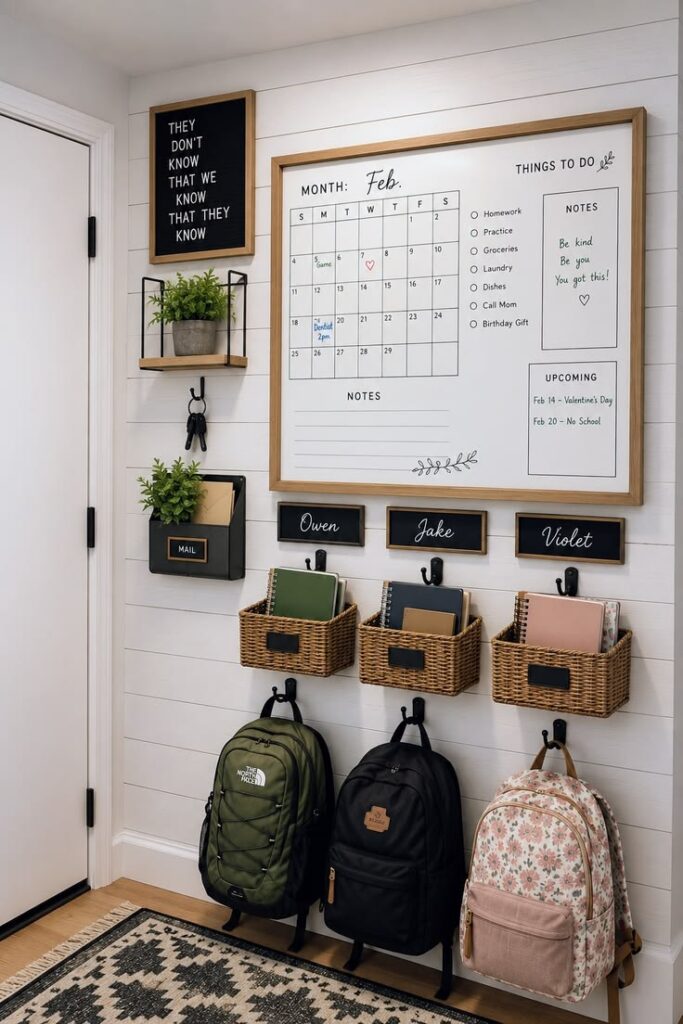
Set up one central spot in your home for calendars, reminders, and important papers. This becomes the first place everyone checks for schedules and deadlines.
A simple corkboard or whiteboard works perfectly well for this purpose, without needing anything fancy or expensive.
Place this command center somewhere everyone passes daily, like near the kitchen or main entrance. This visibility ensures the information actually gets seen, rather than forgotten in a drawer.
Update it weekly as a family, turning it into a quick, shared habit rather than one person’s ongoing task.
2. Use A Color-Coded Calendar
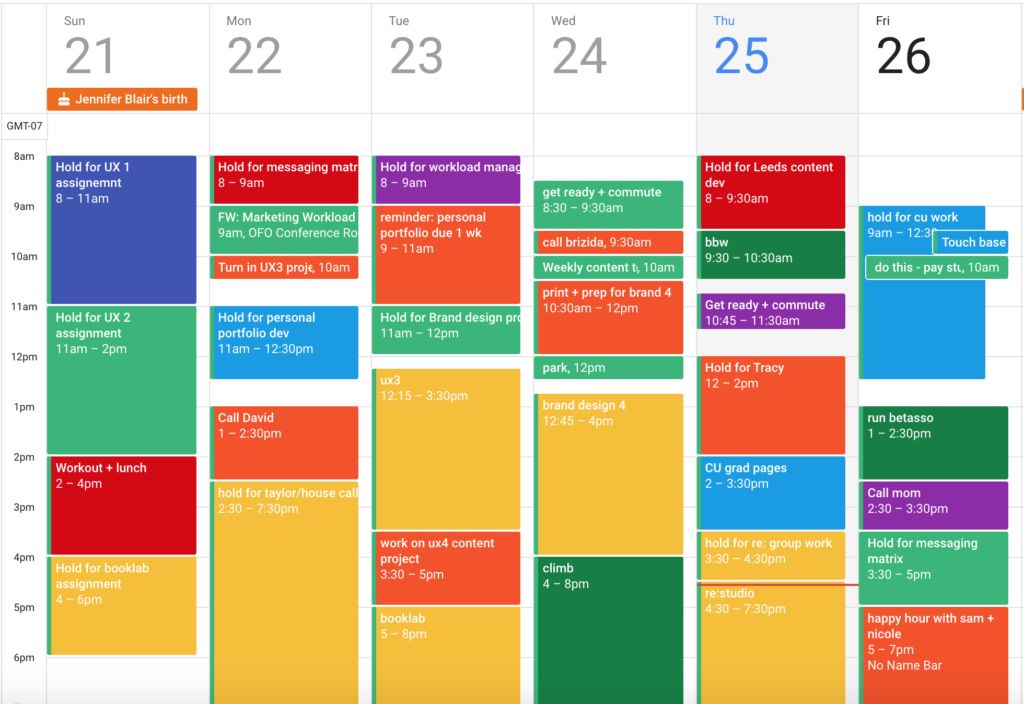
Assign each family member their own color on a shared calendar. This makes it easy to see whose activities fall on which day at a glance. Kids especially enjoy seeing their own color used consistently throughout the term.
This system also helps prevent scheduling conflicts before they become a last-minute problem. A quick glance at the calendar shows if two events overlap on the same afternoon.
Over time, kids start checking their own color independently, building a small sense of responsibility for their own schedule.
3. Set Up A Backpack Landing Zone
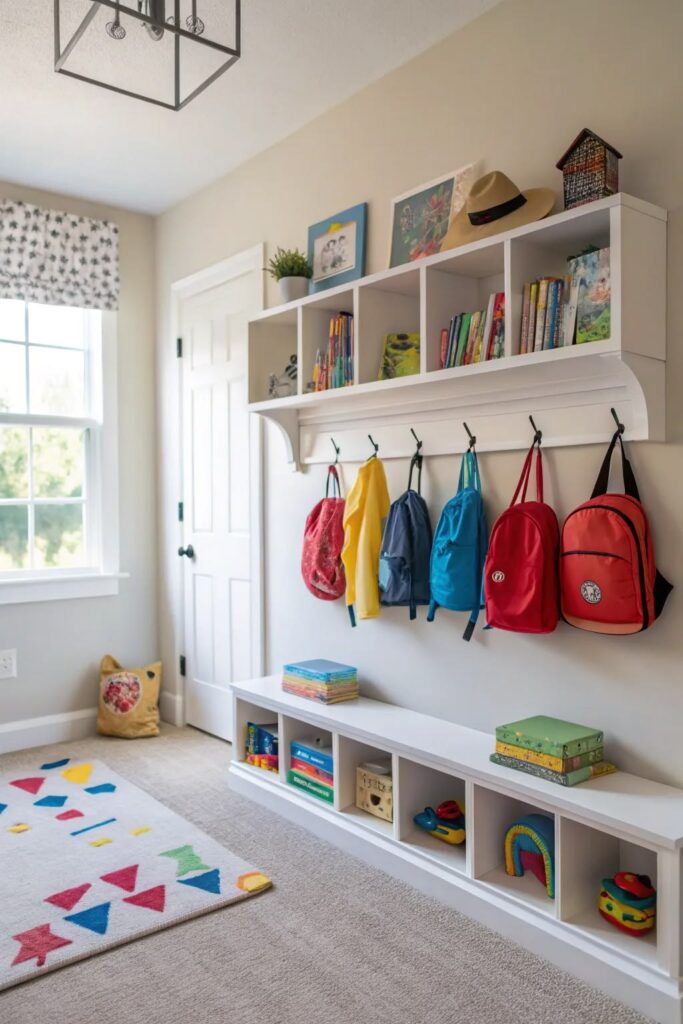
Designate one spot near the door for bags, shoes, and anything needed for school each morning. This eliminates the frantic search for missing items right before leaving the house.
Keeping this zone consistent daily reduces morning stress significantly for the whole family.
Add hooks at a height your child can reach easily, encouraging independence in hanging up their own bag.
A small bench or mat nearby also helps with shoes, keeping the whole area from spreading across the entryway. This single habit often solves more morning chaos than people initially expect.
4. Label Everything Clearly
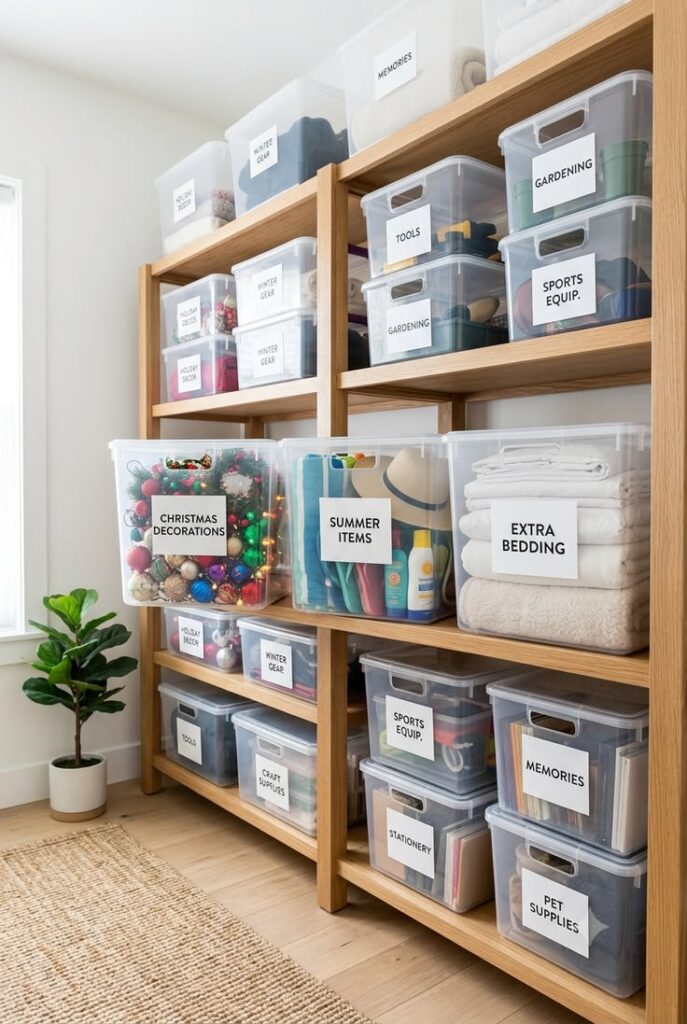
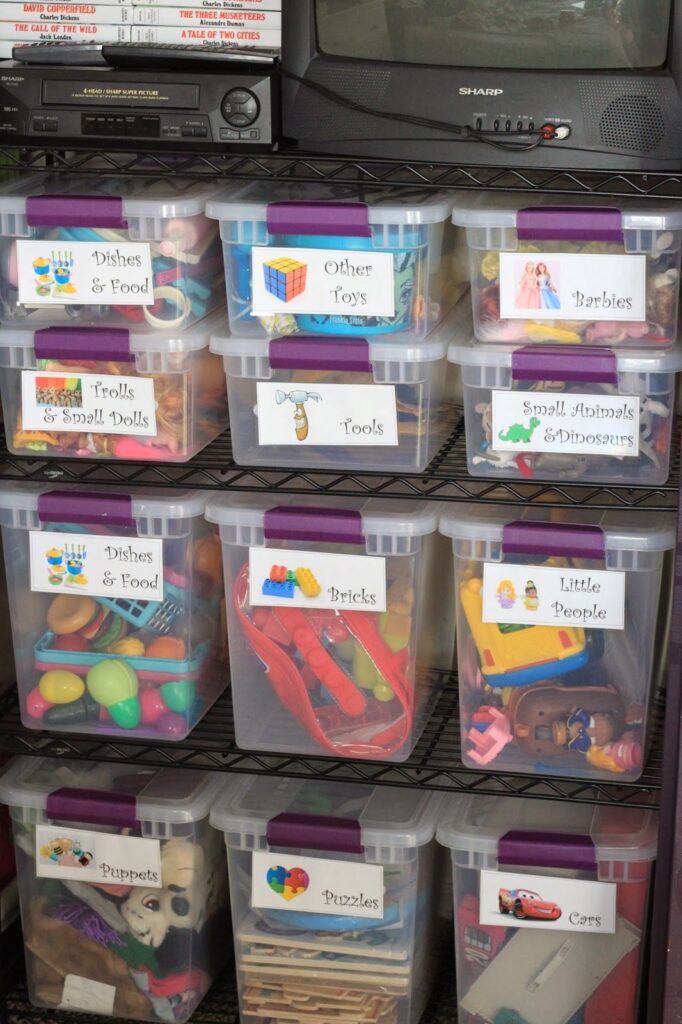
Use labels on bins, folders, and personal items to avoid mix-ups, especially with siblings sharing supplies. Clear labeling also helps younger kids find their own things without needing constant help.
This small habit saves time and reduces daily frustration across the whole household.
Consider using picture labels for younger children who can’t read yet, alongside written words for older siblings. This dual approach makes the system work across different ages within the same family.
Refresh labels as needed throughout the term, since stickers and tags wear out with daily handling.
5. Create A Paper Sorting System
School sends home a lot of paper throughout the term, from permission slips to graded work. Set up a simple system with labeled folders for papers needing action, papers to keep, and papers to recycle.
This prevents important documents from getting lost in a growing, messy pile.
Check this system together once a week, sorting through what’s accumulated and acting on anything urgent. This regular habit prevents papers from building up into an overwhelming stack by the end of the month.
It also teaches kids to hand over important notices promptly, rather than leaving them buried in a bag.
6. Build A Weekly Meal Plan
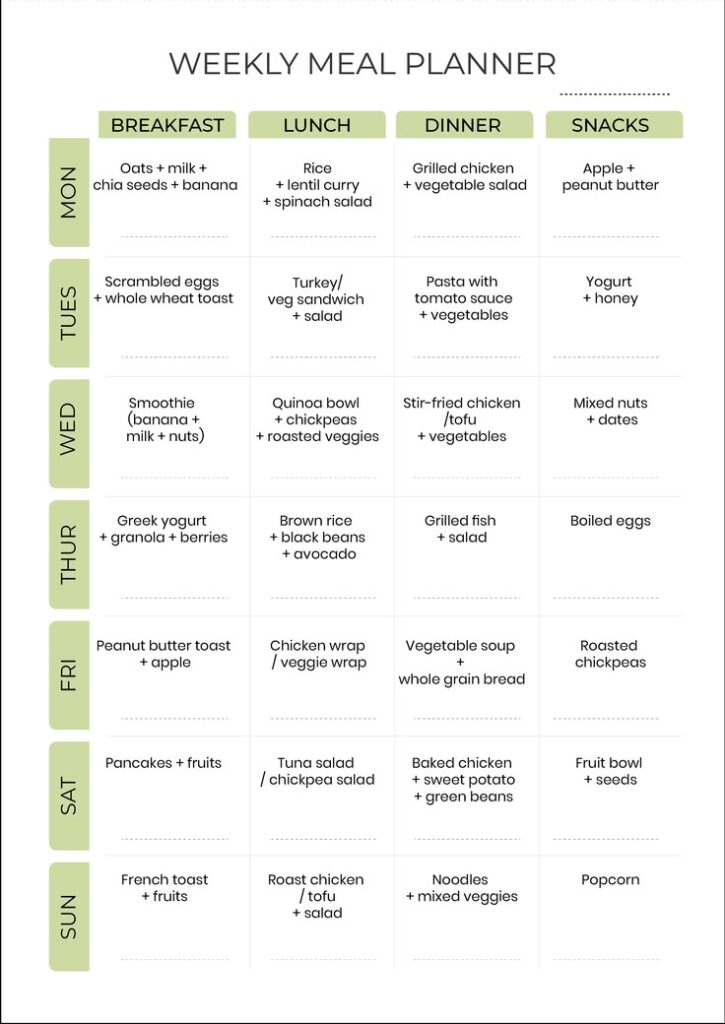
Planning meals ahead of time reduces daily decision fatigue and last-minute scrambling. Include breakfast, lunch, and dinner options in one simple weekly chart.
This ties in well with planning school lunches too, and How to Pack School Lunches Kids Will Actually Finish offers ideas that fit neatly into this kind of weekly system.
Post the meal plan somewhere visible, like on the fridge or beside the command center. This helps everyone know what to expect, reducing the daily question of what’s for dinner or lunch.
Adjust the plan slightly each week based on what worked well and what came back untouched.
7. Set Up A Homework Supply Station
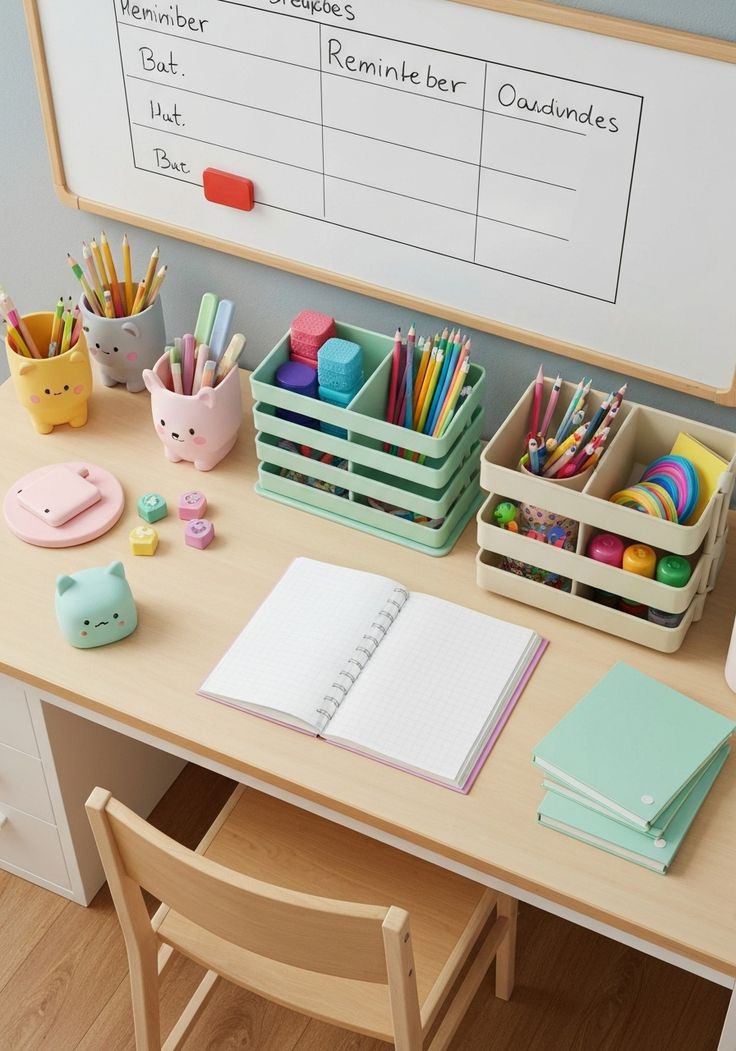
Keep pens, paper, and other homework essentials in one easily accessible spot. This avoids constant interruptions during homework time to search for missing supplies.
How to Create a Homework Space That Helps Kids Focus covers building a fuller setup around this same idea, going deeper into the full environment needed for focus.
Restock this station regularly, checking for items running low before they actually run out. A quick weekly check prevents the frustration of discovering missing supplies mid-assignment.
Keep the station simple, holding only what’s genuinely needed rather than excess clutter.
8. Organize The Backpack Weekly
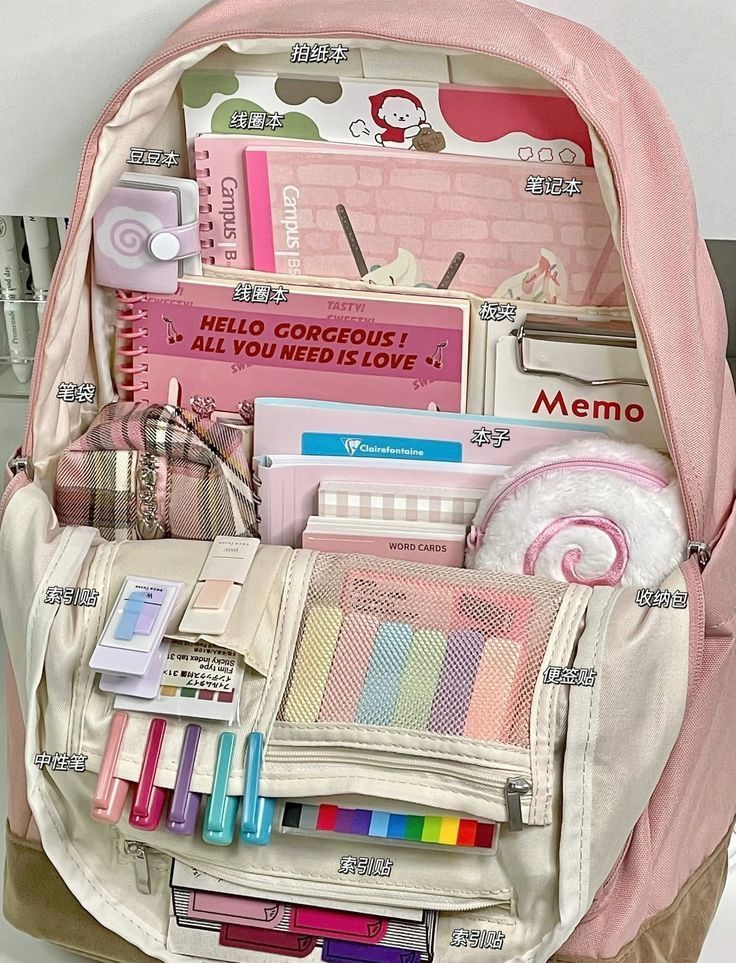
Set aside a few minutes each week to fully empty and reorganize your child’s backpack. This catches old papers, forgotten notices, and broken supplies before they pile up unnoticed.
A quick weekly check keeps the bag functional and prevents unpleasant surprises building up inside.
Make this a shared activity with younger children, teaching them what to keep and what to discard. Older kids can eventually take over this task independently, once the habit becomes familiar and routine.
This small ritual also gives you a regular chance to check on your child’s overall school experience.
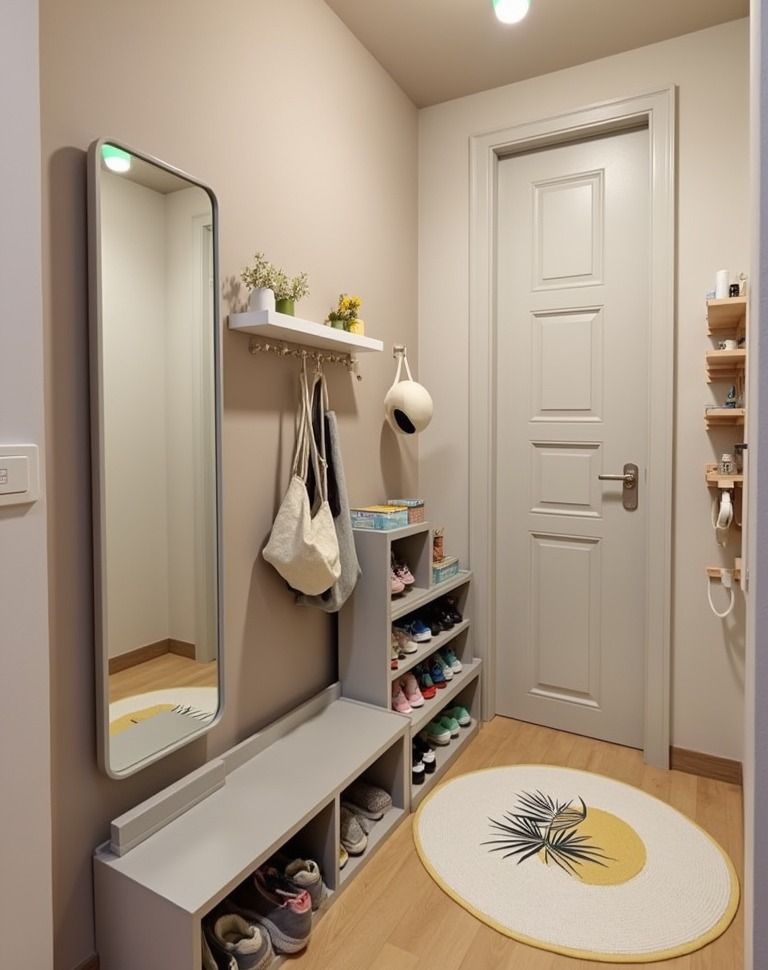
9. Use A Shoe Rack By The Door
A simple shoe rack near the entrance keeps footwear organized and easy to find each morning. This small addition prevents the common scramble of searching for a missing shoe right before leaving.
It also keeps the entryway looking tidier throughout the busy term.
Choose a rack with enough space for each family member’s shoes, including a few spare pairs. Encourage everyone to use it consistently, rather than kicking shoes off randomly around the house.
This small habit protects both your morning routine and the general tidiness of your entryway.
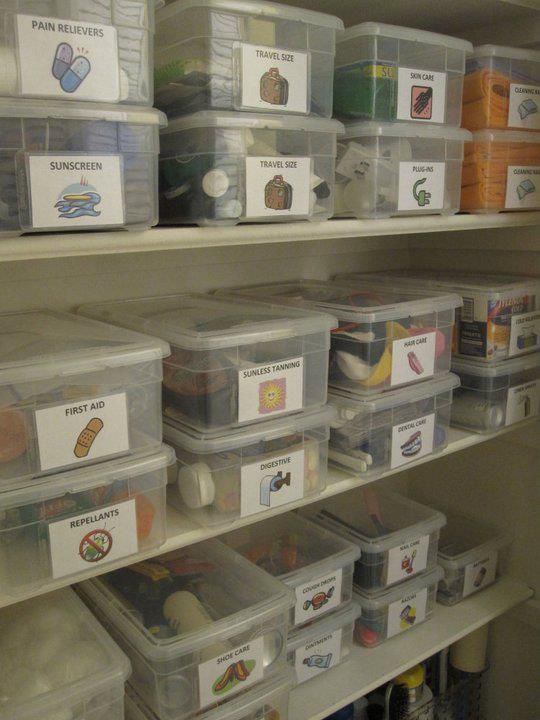
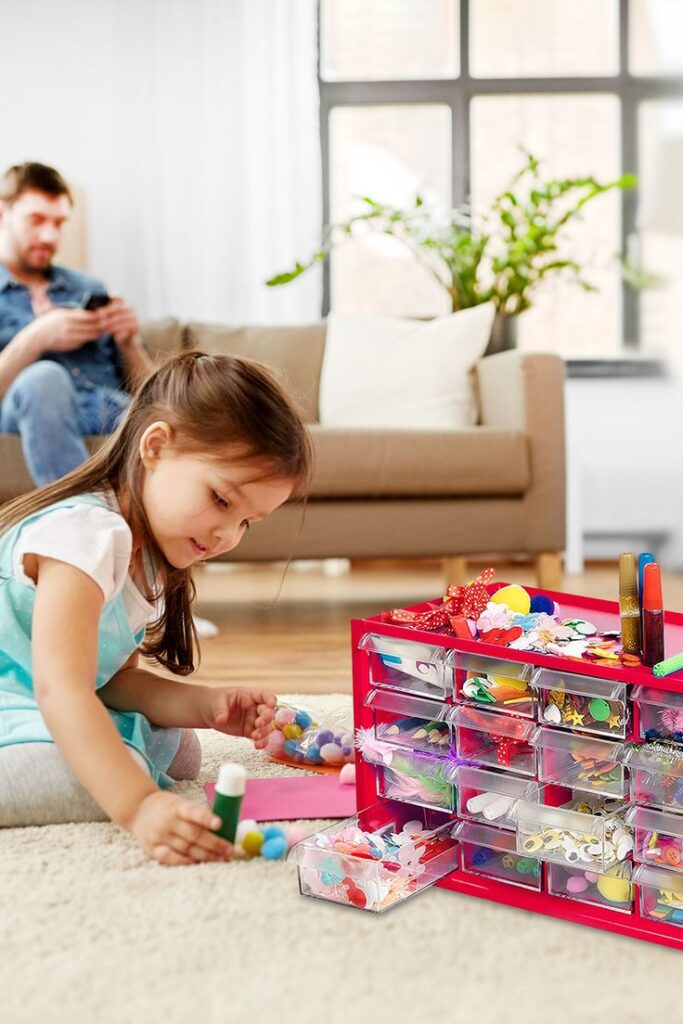
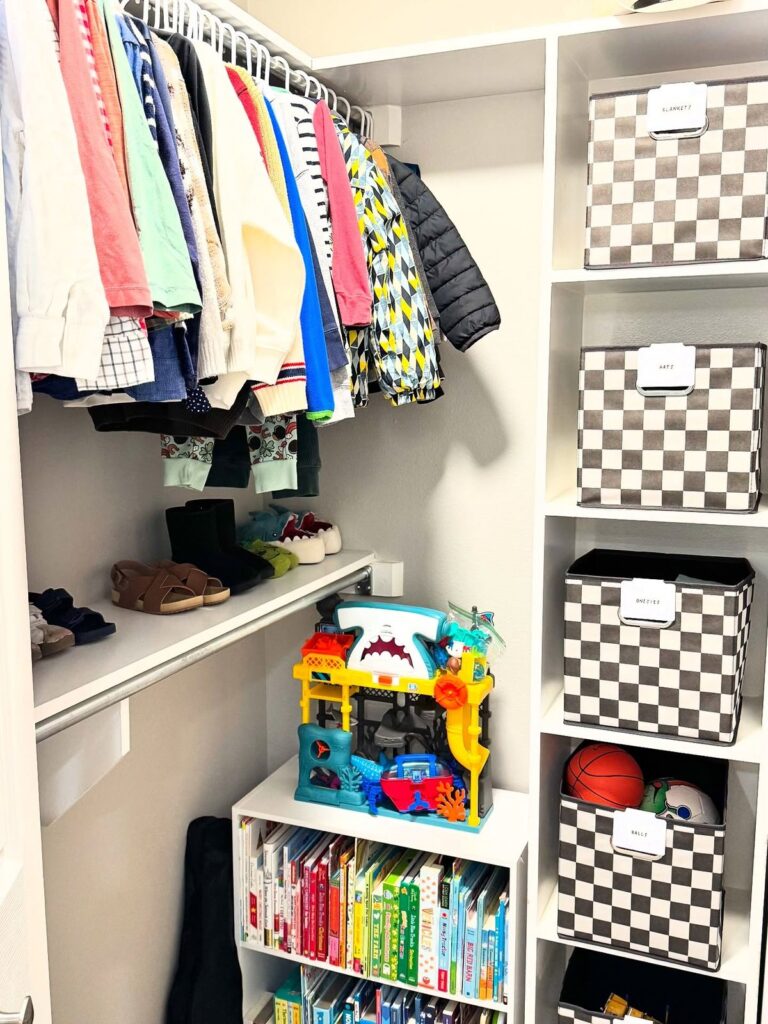
10. Set Up Individual Storage Bins
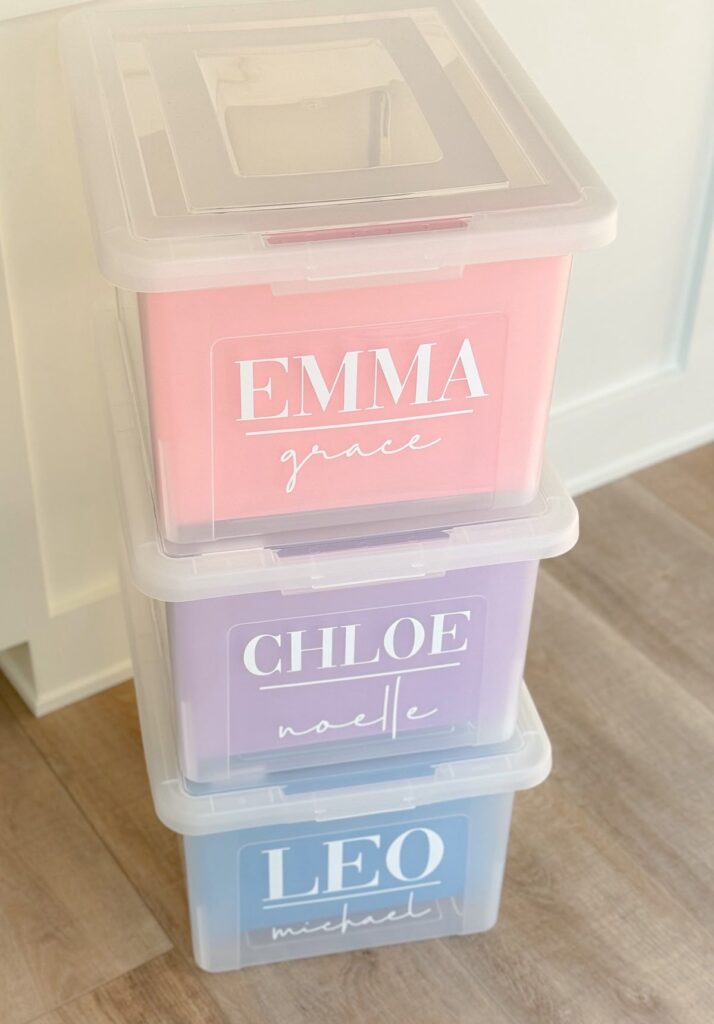
Give each child their own labeled bin for school supplies, art materials, or personal items. This prevents supplies from getting mixed up between siblings sharing a room or common space.
Clear bins work especially well, since kids can see contents without opening each one.
Stack these bins on a shelf or in a closet, keeping them easily accessible without cluttering the room. Rotate contents occasionally, removing items no longer used and adding anything newly needed for the term.
This system scales well as kids get older and their supply needs change over time.
11. Create A Morning Checklist
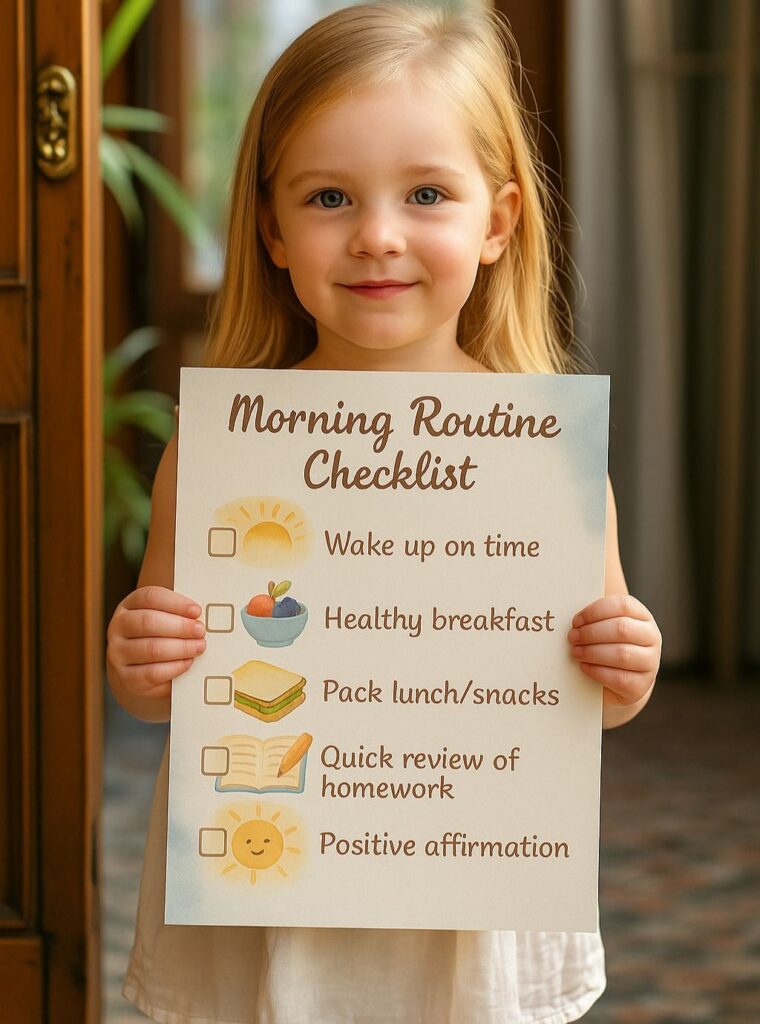
Post a simple visual checklist covering each step of the morning routine somewhere visible. This reduces the need for constant verbal reminders during a busy, rushed morning.
How to Build a School Morning Routine That Actually Works goes deeper into building this kind of structure into daily mornings.
Use pictures alongside words for younger children, making the checklist easy to follow independently. Let your child check off each step themselves, building a small sense of accomplishment each morning.
Revisit the checklist occasionally, adjusting it as your child’s routine naturally evolves over the term.
12. Prep Lunches The Night Before
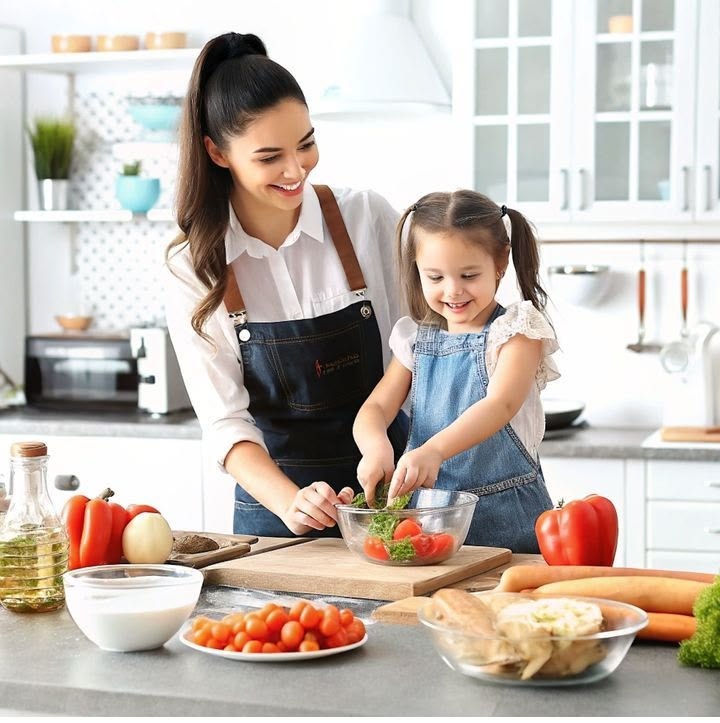
Move as much lunch preparation as possible to the evening, rather than the rushed morning. This single habit saves significant time and reduces morning stress considerably for the whole household.
Washing containers and prepping ingredients ahead of time makes mornings noticeably calmer.
Set up a small station in the fridge or pantry specifically for lunch prep items, keeping everything together. This makes the evening prep process quicker and more efficient once it becomes routine.
Involve your child in this process occasionally, letting them help choose or pack their own lunch items.
13. Set Up A Charging Station For Devices
If your child uses a tablet or laptop for schoolwork, create one designated spot for charging overnight. This prevents the morning panic of a dead device right before leaving for school.
Keep this station away from bedrooms to also support healthier screen habits generally.
Label each charging cord if multiple devices share the same station, avoiding mix-ups or confusion. This setup also gives you an easy way to monitor and limit evening screen use naturally.
A consistent charging routine means devices are always ready and available when actually needed for schoolwork.
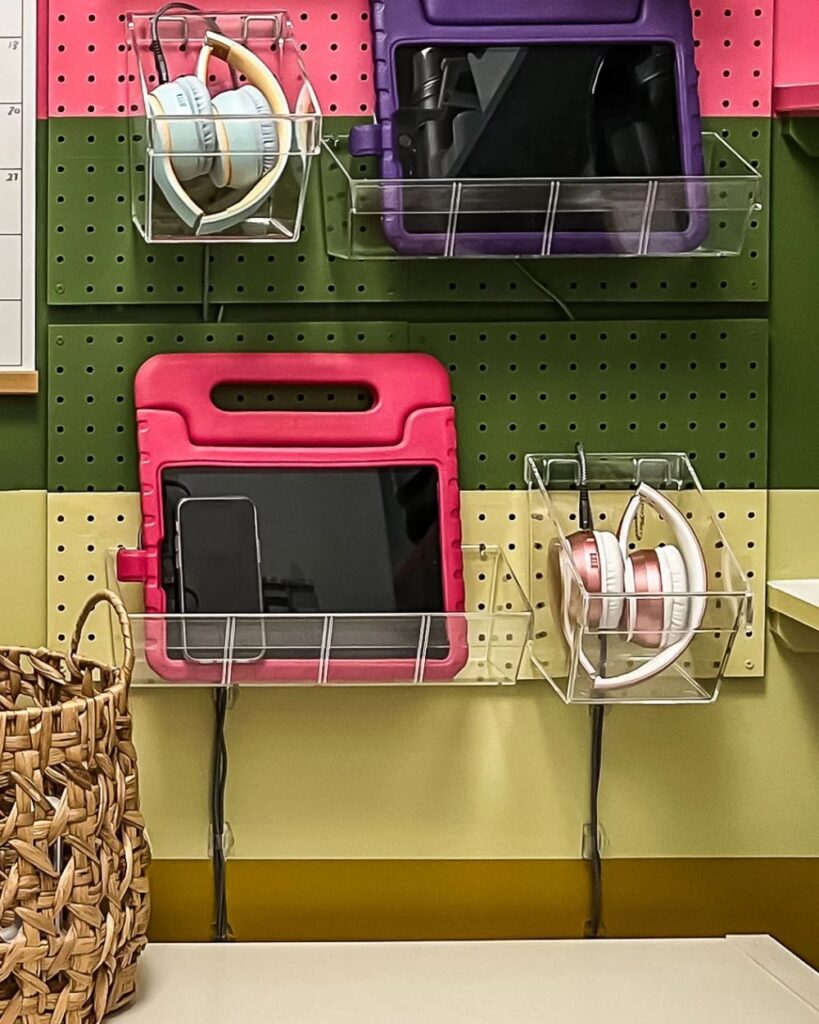
14. Organize Stationery By Category
Sort pens, pencils, erasers, and other small items into labeled containers rather than one messy drawer.
This makes it faster to find exactly what’s needed for homework or projects. It also helps you notice quickly when supplies are running low.
Use small dividers or containers within a larger drawer or box to keep categories properly separated. This system prevents the common problem of a single messy drawer holding everything jumbled together.
A quick monthly check keeps this organization system from slowly sliding back into chaos.
Take a Look at This: How to Prepare Your Child for the First Day of School Without Stress
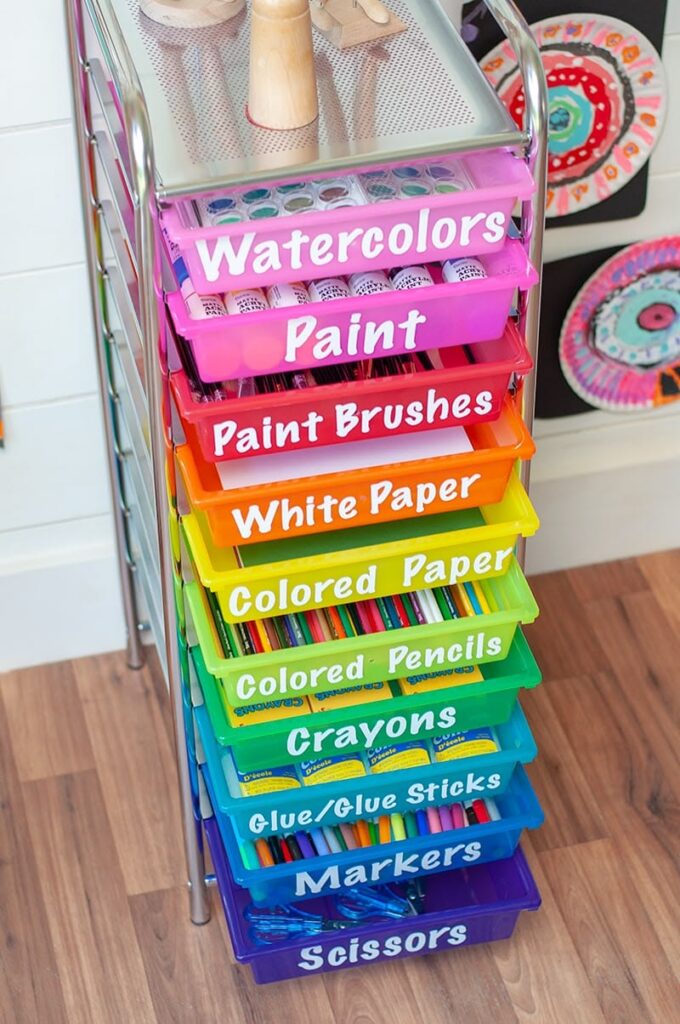
15. Create A Uniform Rotation System
Organize uniforms by day of the week if your child wears different items throughout the term. This avoids the morning confusion of searching through a messy closet for the right outfit.
A simple hanging system with day labels works well for this purpose.
This system also helps you notice quickly if an item needs washing or replacing before it’s actually needed.
Kids can learn to check this system themselves as they get a bit older, building independence. It removes one more decision from an already busy morning routine.
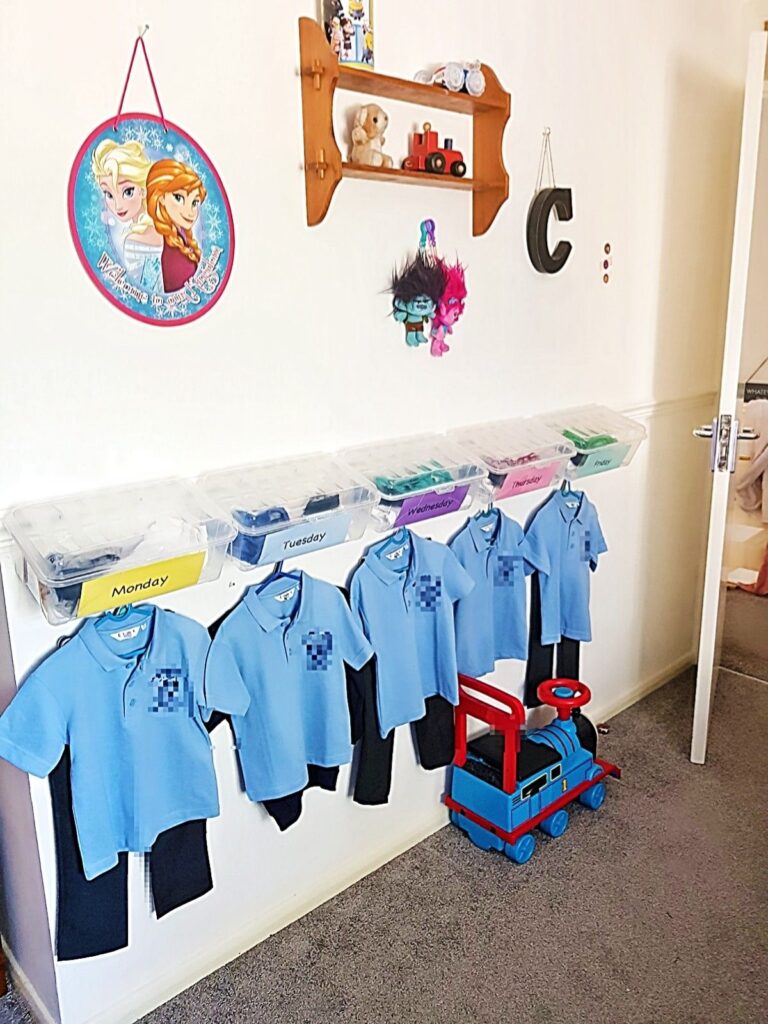
16. Set Up A Reading Log Station
Keep a simple log or chart tracking books read throughout the term in one visible spot. This builds a habit of regular reading while giving you an easy way to monitor progress.
Pair this with a small shelf of current books near the reading area.
Update this log together after each book, making it a small shared celebration rather than a chore. Over time, this visible record becomes something your child feels genuinely proud to look back on.
It also helps identify patterns in what genres or authors they enjoy most.
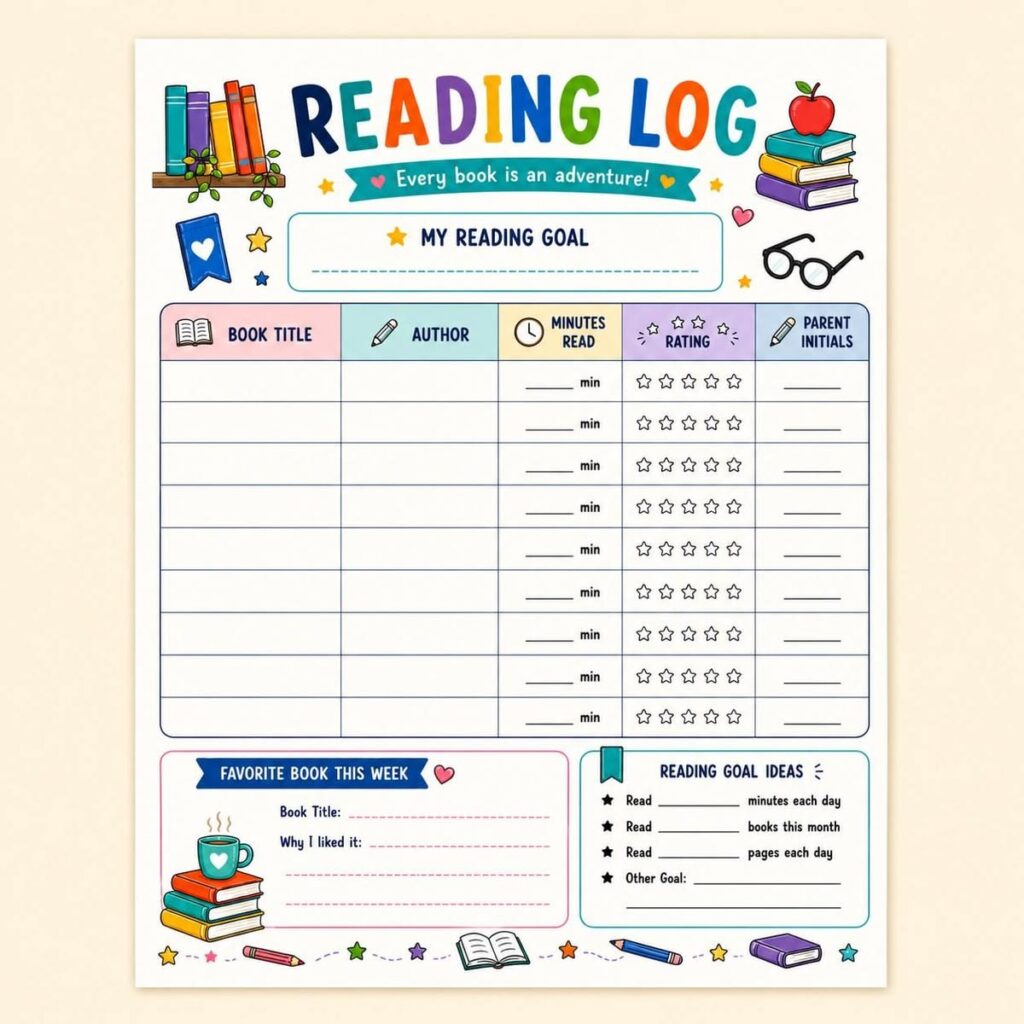
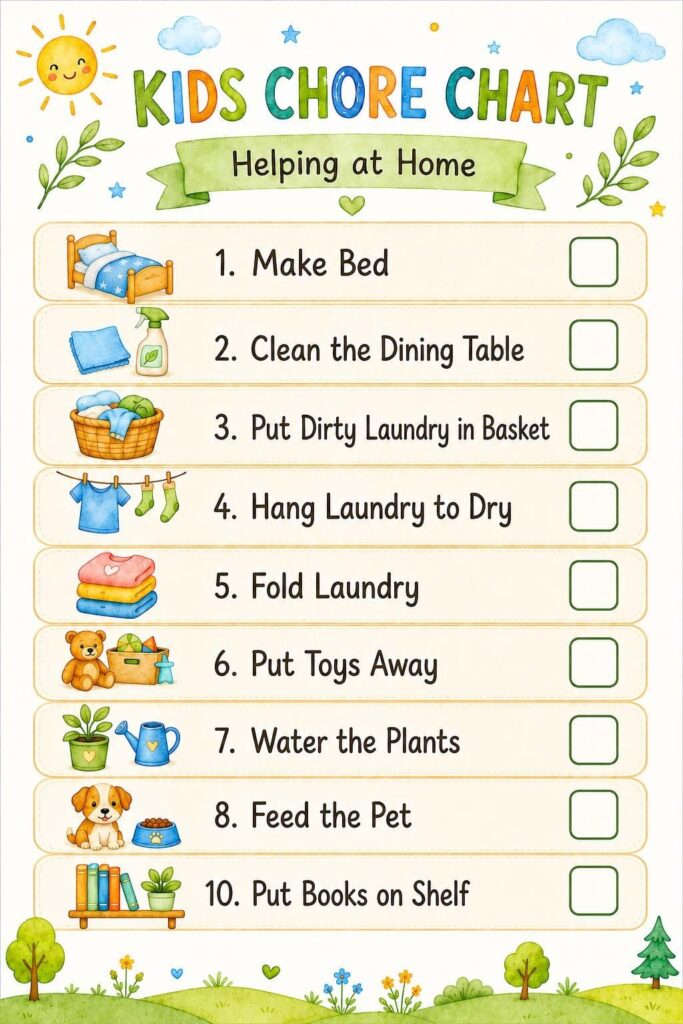
17. Build A Chore Chart
Assign simple, age-appropriate chores to each family member using a visible, easy-to-update chart. This spreads household responsibility while teaching kids accountability during the busy school term.
Rotating chores weekly keeps the system fair and prevents any one task from feeling permanent.
Keep the chart simple, with clear pictures or words depending on your child’s age and reading level. Celebrate consistent effort rather than focusing purely on perfect completion every single time.
This small system builds responsibility habits that extend well beyond just the school season itself.
18. Organize The Car For School Runs
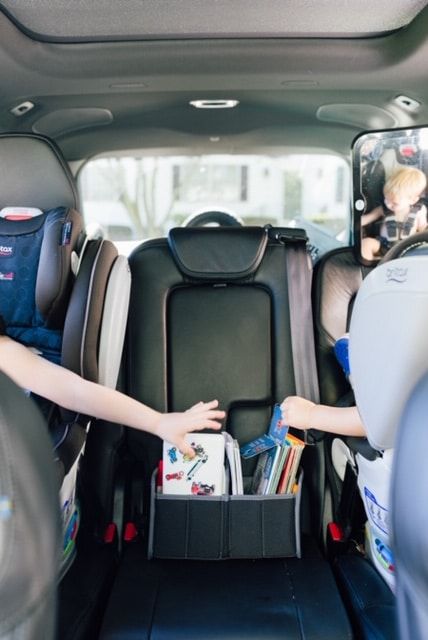
Keep a small organizer in the car for items like extra snacks, wipes, or forgotten homework. This prevents backtracking home for something left behind during the morning rush.
A simple caddy attached to the back of a seat works well for this purpose.
Restock this car organizer weekly, checking for anything that’s run out or needs replacing. This small system has saved many parents from an unnecessary, stressful trip back home.
It also keeps the car itself tidier, rather than accumulating loose items scattered across seats.
19. Set Up A Weekend Reset Routine
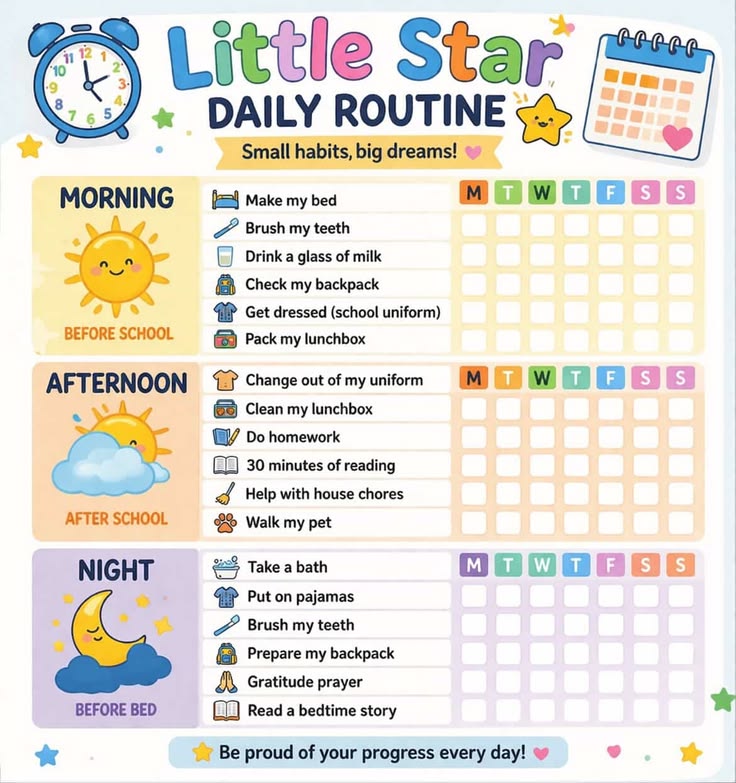
Dedicate a short block of time each weekend to reset the house before the new school week begins.
This might include laundry, restocking supplies, and clearing out backpacks properly. A consistent weekend reset prevents small tasks from piling up into a bigger mess.
Involve the whole family in this reset, turning it into a shared, quick weekly habit rather than one person’s burden.
Keep this session short and focused, rather than letting it turn into an overwhelming, all-day task. Over time, this weekly reset becomes second nature, requiring less and less conscious effort.
20. Create A Digital Calendar Backup
Alongside a physical calendar, keep a shared digital version accessible to both parents’ phones. This ensures everyone stays updated, even when away from the house or the physical board.
Set reminders for important dates like school events or project deadlines.
Sync this calendar between both parents, or any other caregivers involved in the daily routine. This prevents miscommunication about pickup times, events, or deadlines that could otherwise slip through the cracks.
A digital backup also protects against losing track of dates if the physical calendar gets misplaced.

21. Build A Backpack Checklist By The Door
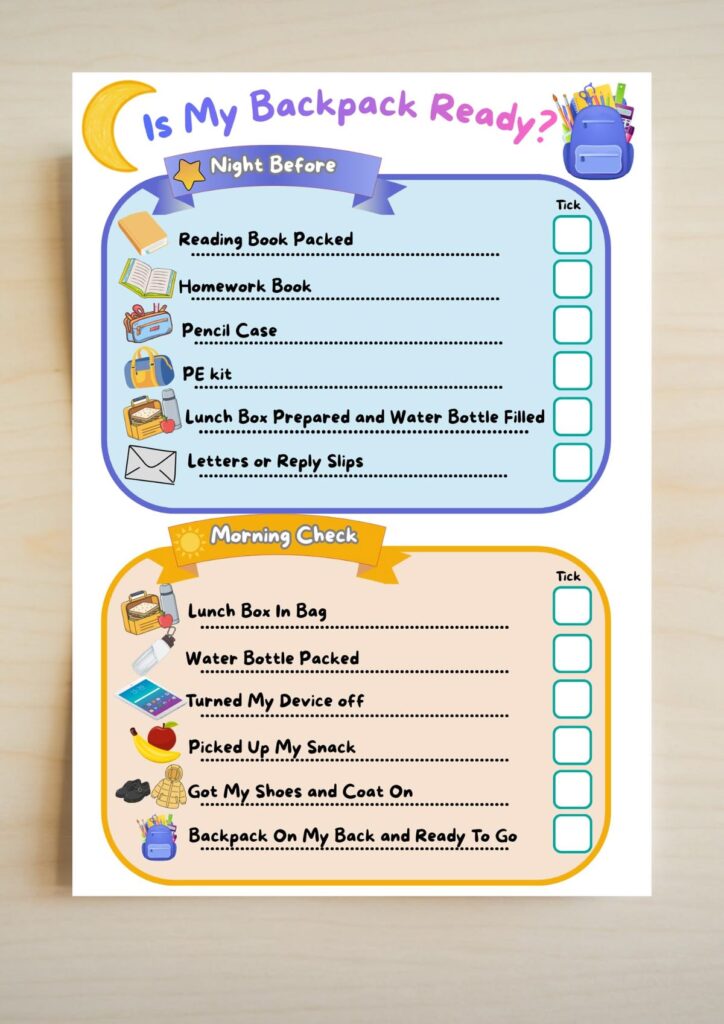
Post a simple list of items that need to go into the backpack each morning near the landing zone. This helps kids build independence in packing their own bag correctly and completely.
Checking off items also gives younger kids a small sense of accomplishment daily.
Update this checklist as the term progresses, adjusting for new subjects, projects, or seasonal needs. Encourage your child to check this list themselves before leaving, rather than relying solely on parental reminders.
This small habit builds long-term responsibility around personal belongings and preparation.
22. Organize Extracurricular Gear Separately
Keep sports equipment, art supplies, or other activity gear in its own labeled area, separate from regular school items. This prevents mixing and confusion between different types of daily needs.
25 Fun After-School Activities That Beat Screen Time offers ideas that might expand what this specific storage area needs to hold.
Rotate this storage area seasonally, since different activities often peak at different times of the school year.
Keep frequently used items easily accessible, while storing occasional-use gear slightly further out of the way. This separation prevents a general mess of unrelated items piling up together.
23. Set Up A Family Bulletin Board
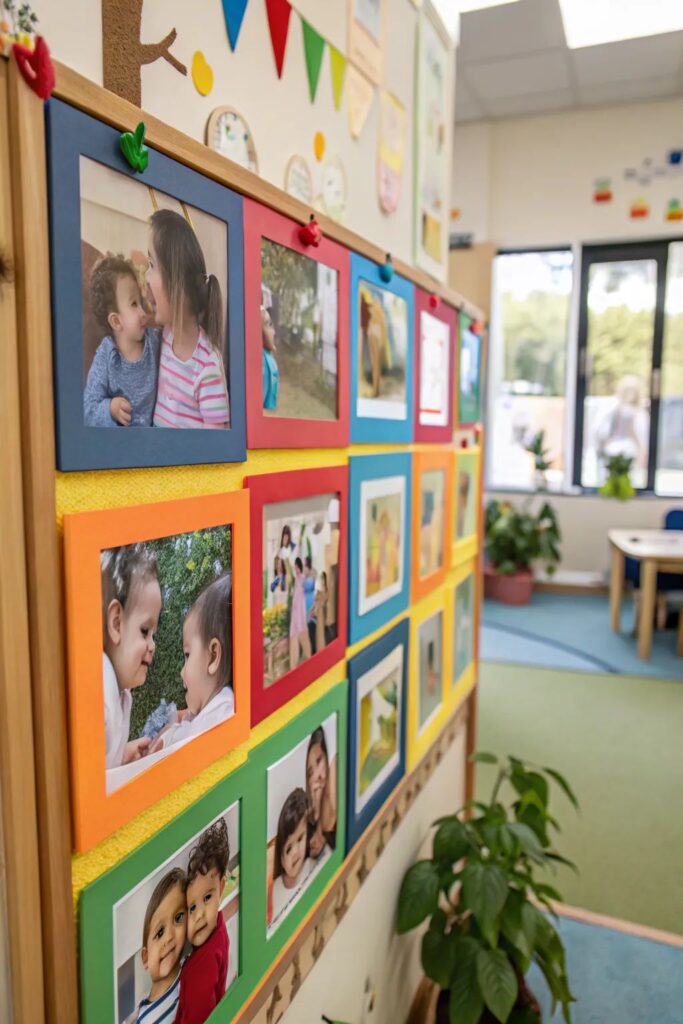
Beyond the command center, a simple bulletin board can display artwork, awards, or reminders in one shared spot. This gives kids a place to feel proud of their achievements throughout the term.
It also declutters other surfaces around the home from scattered papers and notices.
Rotate displayed items regularly, keeping the board feeling fresh rather than permanently cluttered with old items.
Let your child help decide what gets pinned up, giving them a sense of ownership over the display. This shared space becomes a small, ongoing celebration of effort throughout the whole term.
24. Create A Backup Supply Stash
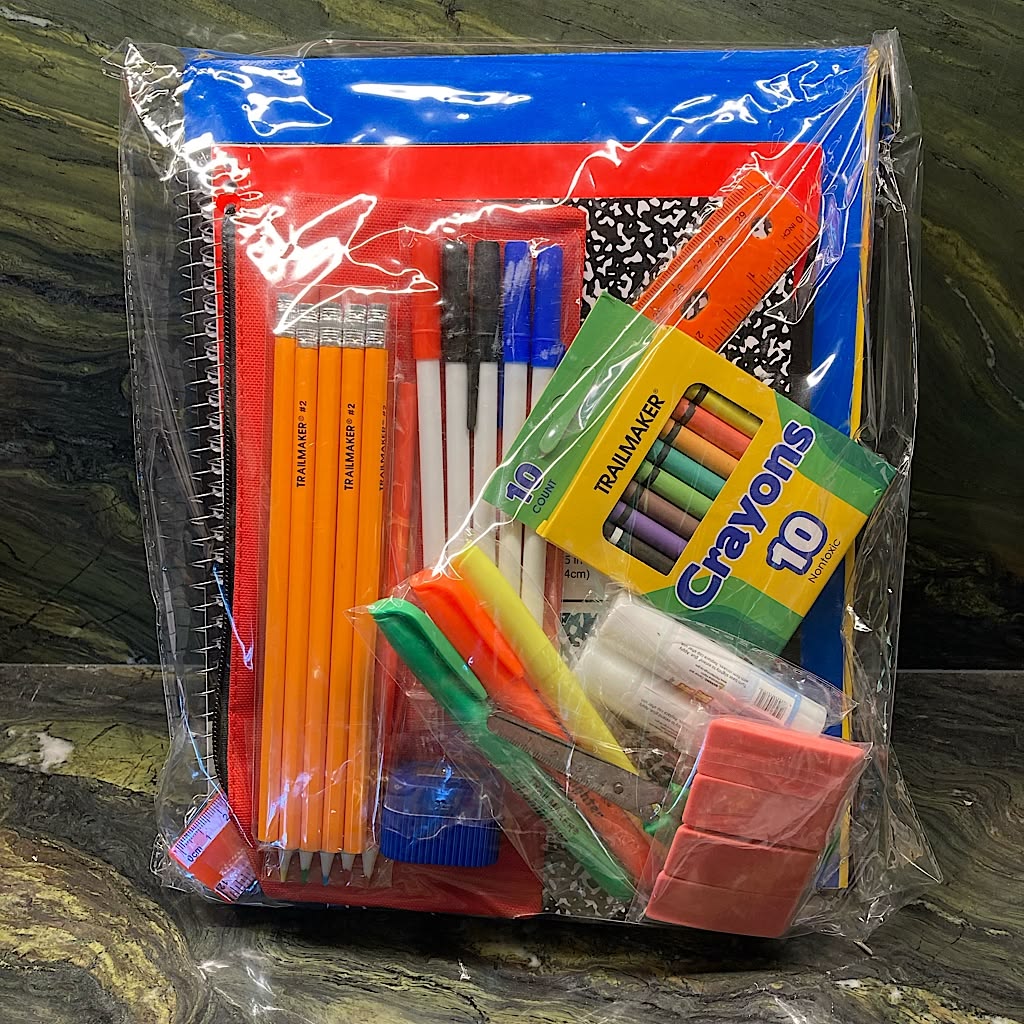
Keep a small stock of extra pencils, erasers, and paper somewhere easily accessible at home. This avoids last-minute panic when supplies run low or go missing during the busiest weeks.
Check and refill this stash regularly throughout the term.
Store this backup separately from daily-use supplies, so it doesn’t get mixed up or depleted too quickly. This small reserve has saved many parents from an unnecessary evening shopping trip for one missing item.
Restock it whenever you’re already out shopping for other household needs.
25. Organize The Bathroom For Faster Mornings
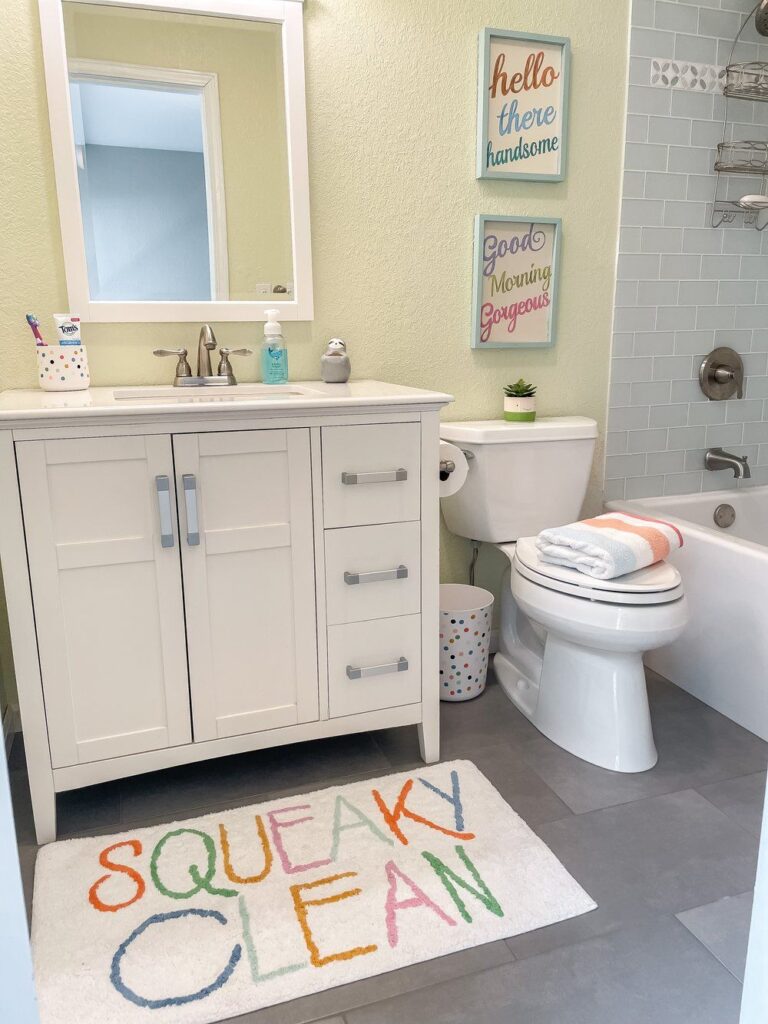
Set up toothbrushes, hairbrushes, and morning essentials in an organized, easy-to-reach spot in the bathroom.
This small change speeds up the morning routine significantly for younger kids especially. A simple caddy or labeled shelf works well for this purpose.
Give each family member their own designated spot within this shared space, avoiding confusion over whose items belong where.
This system reduces the small daily friction that builds up during rushed mornings. It also teaches kids to take responsibility for putting their own items back correctly each day.
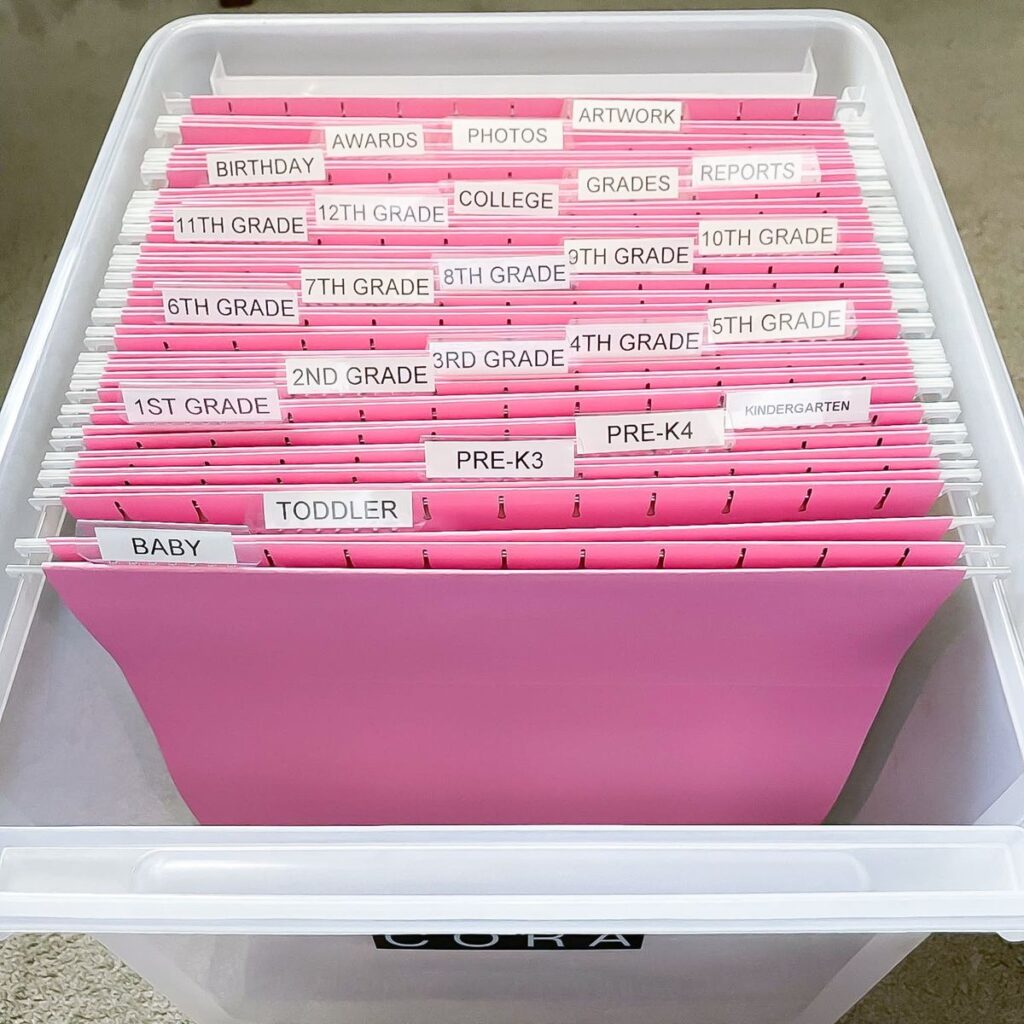
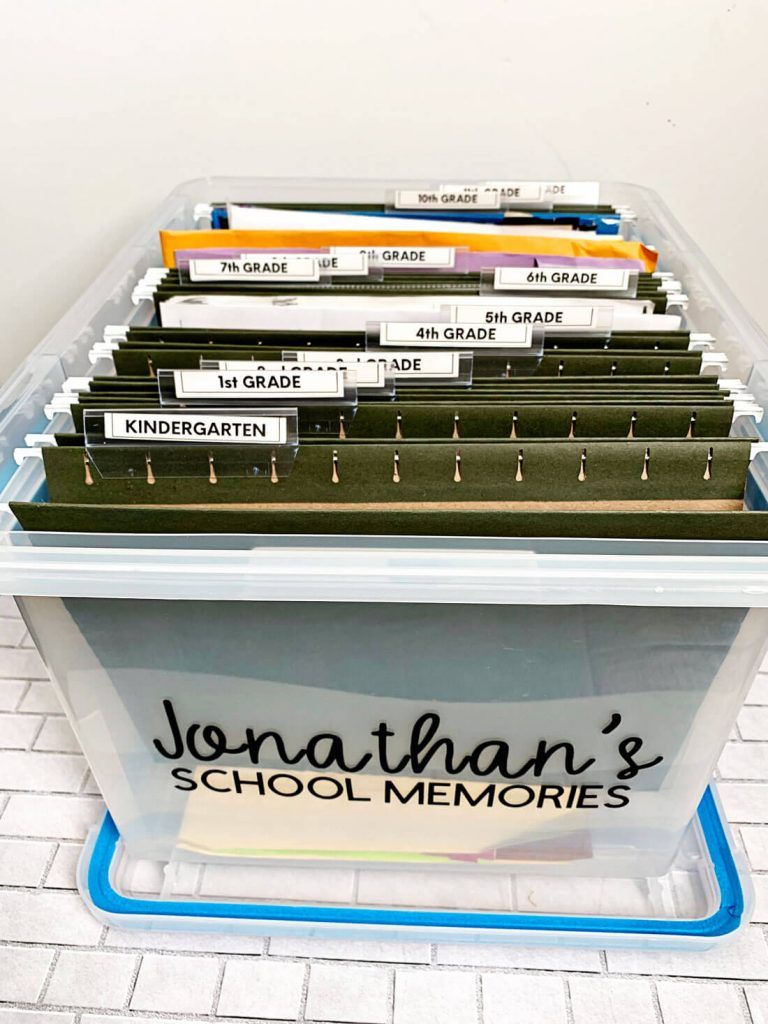
26. Build A Simple Filing System For School Records
Keep report cards, medical forms, and other important school documents in one labeled folder or file box.
This makes finding specific paperwork much easier when needed for school or medical appointments. Sort by school year to keep records clear and easy to reference later.
Review this filing system once or twice a year, removing outdated documents no longer needed. This keeps the system manageable rather than growing into an overwhelming, disorganized pile over several years.
A clear system also proves genuinely useful during school transfers or unexpected medical situations.
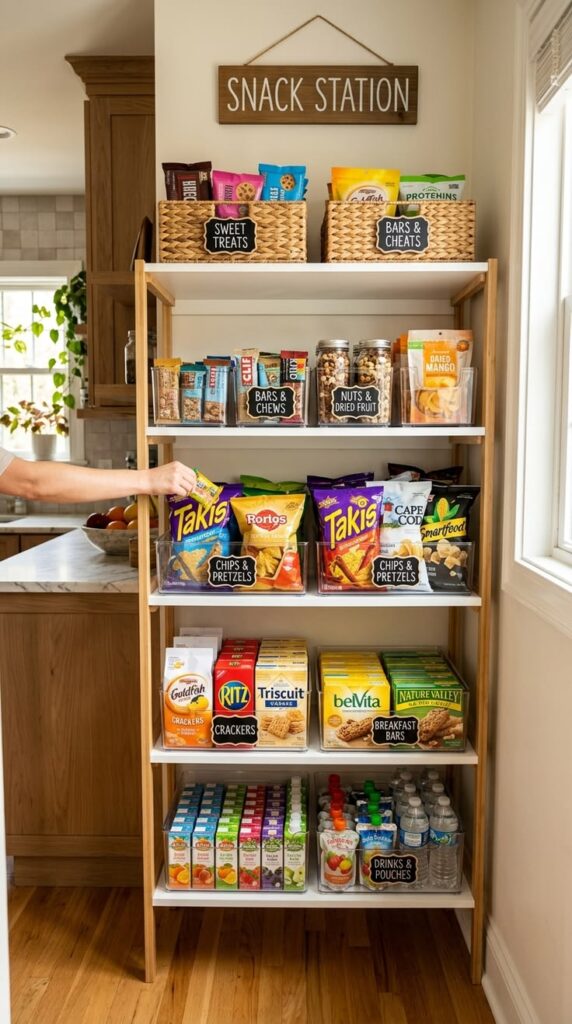
27. Set Up A Snack Station
Organize healthy snacks in one accessible spot for after-school hunger or quick grab-and-go mornings. This reduces the temptation to reach for less healthy options simply due to convenience.
Keep this station stocked and refreshed weekly alongside your general grocery shopping.
Place this station at a height your child can reach independently, encouraging them to help themselves appropriately. Rotate snack options regularly, avoiding the boredom of the exact same choices every single day.
This small system supports better eating habits without requiring constant parental supervision.
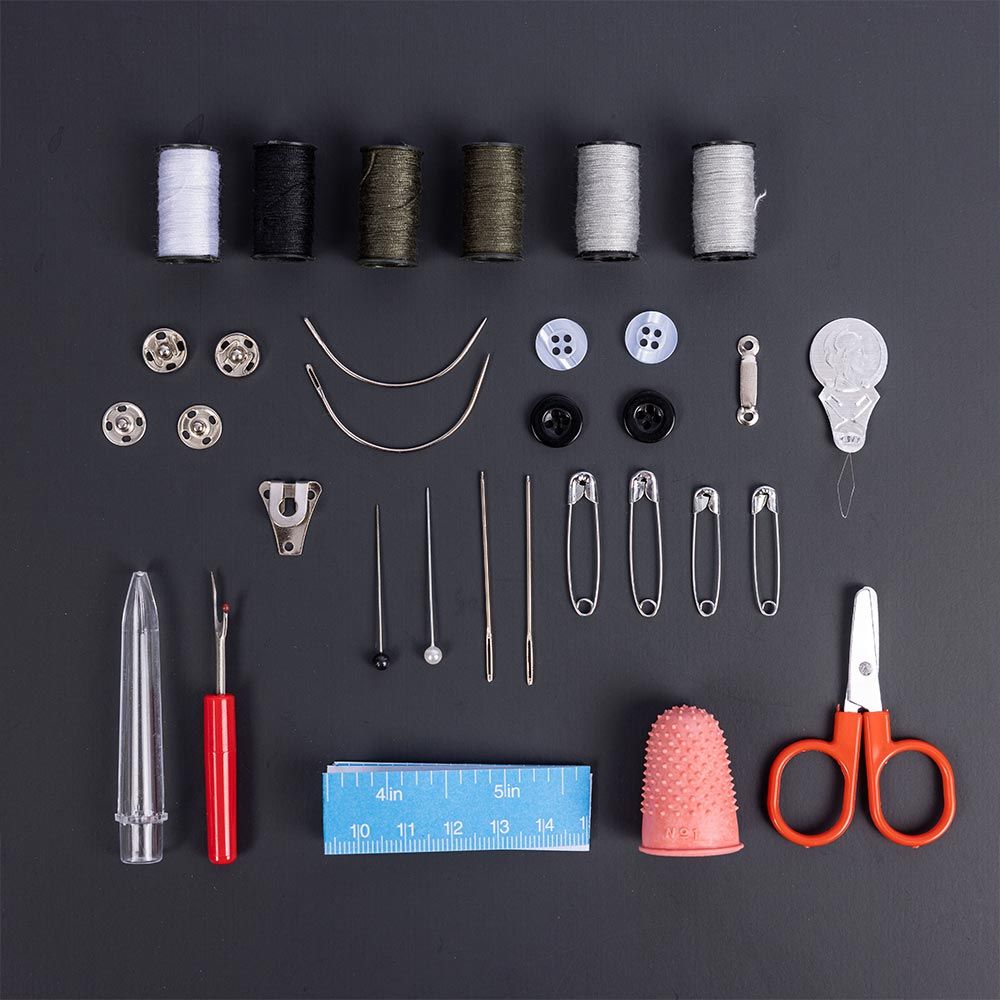
28. Create A Backpack Repair Kit
Keep a small kit with a needle, thread, and fabric glue for quick backpack repairs at home. This extends the life of your child’s bag rather than replacing it at the first sign of wear.
How to Choose the Right Backpack for Your Child covers choosing a bag durable enough to make these small repairs worthwhile.
Store this kit somewhere easy to find, rather than buried in a general household toolbox. A quick five-minute repair often solves a problem that would otherwise mean an unplanned shopping trip.
This small habit saves money across the term, especially with daily wear adding up quickly.
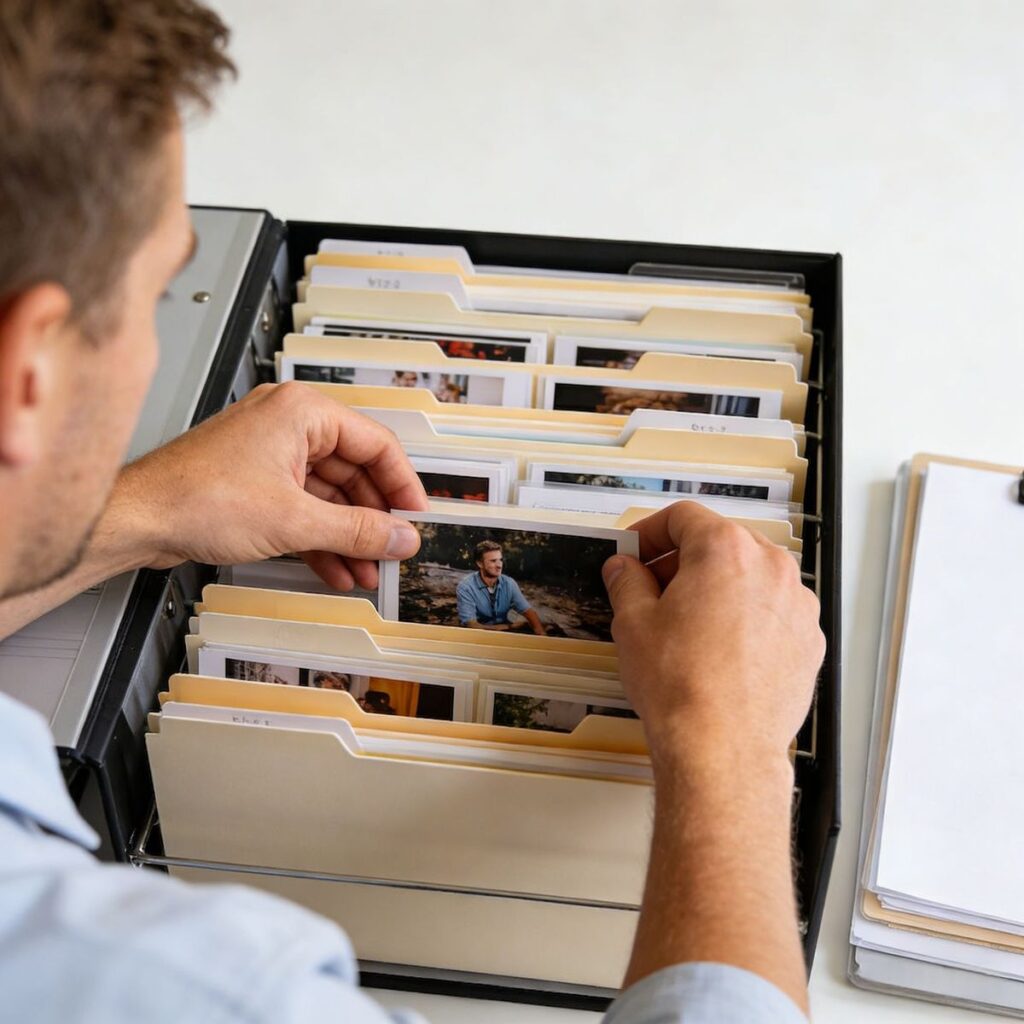
29. Organize Photos And Keepsakes By Term
Create a simple digital or physical folder for each school term, storing photos and keepsakes together. This makes it easy to look back and compare across different years later.
31 First Day of School Photo Ideas You’ll Treasure Forever pairs well with this idea, giving you plenty of moments worth saving into this system.
Label each folder clearly by year and term, avoiding confusion when searching through several years of memories later.
Back up digital folders regularly, protecting these memories from accidental loss or a damaged device. This small organizational habit becomes increasingly valuable as your child grows older each year.
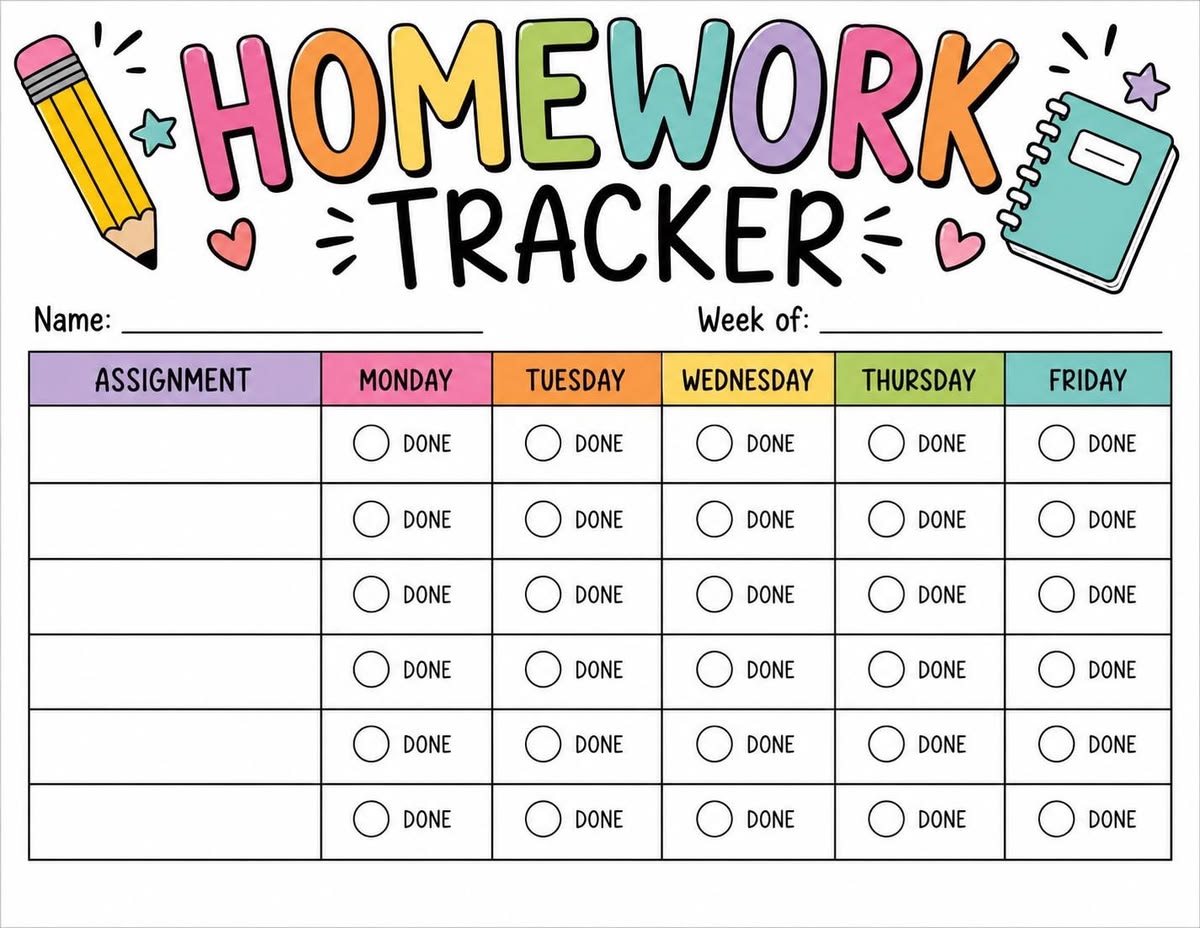
30. Set Up A Homework Completion Tracker
Use a simple chart or checklist to track completed assignments across the week. This helps both you and your child stay aware of what’s due and what’s finished.
It also reduces the last-minute panic of forgotten assignments before school starts.
Review this tracker together each evening, celebrating completed work and identifying anything still outstanding.
This habit builds accountability gradually, without requiring constant parental nagging about unfinished homework. Over time, older kids often begin managing this tracker independently with less oversight needed.
31. Build A Shopping List Template
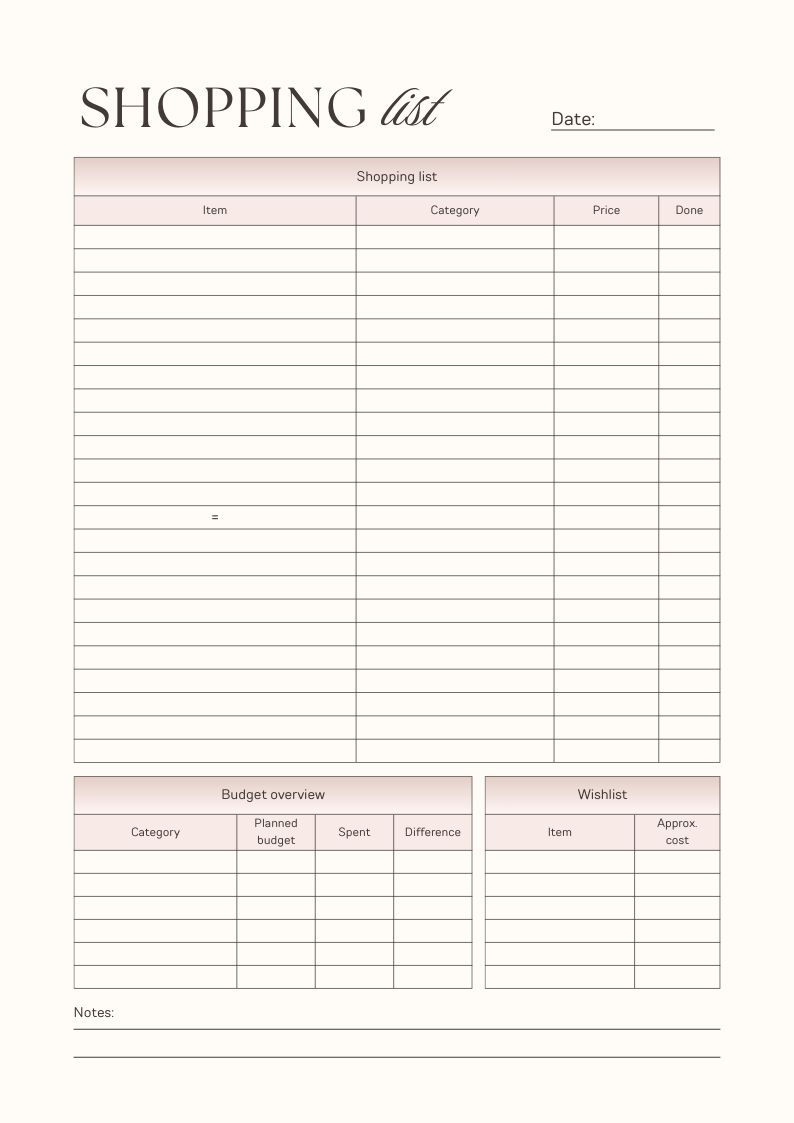
Create a reusable template for back-to-school shopping that you can update each term rather than starting from scratch.
Everything Parents Need Before Back-to-School Shopping offers a solid foundation for building this kind of repeatable list. Save it digitally or on paper for quick access every season.
Update this template each year based on what worked well and what needed adjusting from the previous term. This saves significant time compared to building an entirely new list from memory each season.
A reliable template also reduces the chance of forgetting an essential item during a busy shopping trip.
32. Avoid Common Storage Mistakes
Sometimes organization fails simply because of avoidable mistakes made during setup or shopping.
Back-to-School Shopping Mistakes Every Parent Should Avoid covers pitfalls worth watching for as you build these systems this term. Learning from these common errors saves both time and money.
Review your current systems occasionally, checking for signs that something isn’t working as intended. A storage bin that’s always overflowing, or a folder that never gets checked, signals a need for adjustment.
Fixing these small issues early prevents bigger organizational breakdowns later in the term.
33. Set Up A Teacher Communication Folder
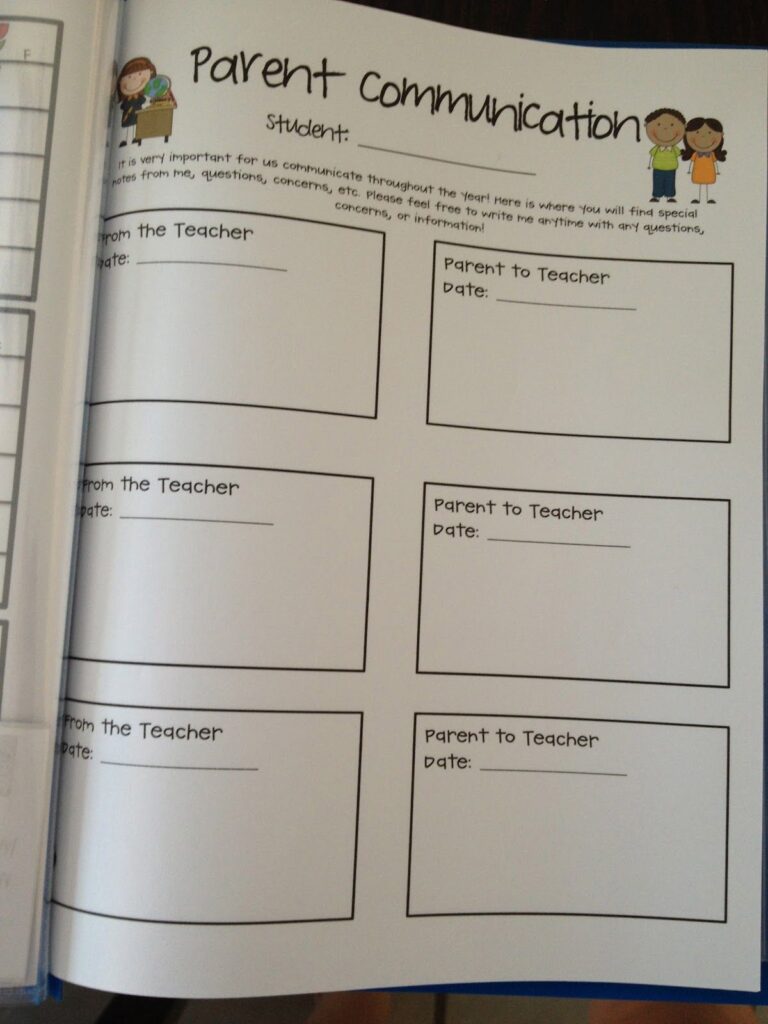
Keep a dedicated folder or envelope for notes, gifts, or communication meant for your child’s teacher. This makes sure nothing gets forgotten or lost amid other household paperwork.
If you’re planning something thoughtful this term, 19 Thoughtful Teacher Gift Ideas for Back to School has ideas worth preparing for and storing here.
Keep this folder near your general command center, so it doesn’t get separated from other important reminders.
Check it regularly, especially around key dates like the first week or parent-teacher meetings. This small habit ensures thoughtful gestures actually happen, rather than being forgotten amid a busy schedule.
34. Organize Seasonal Decor For The Classroom Or Home
If your family enjoys marking the new term with decorations, keep these items organized and labeled by season.
This makes setup and takedown far easier each year, rather than searching through mixed boxes. 21 Classroom Door Decoration Ideas That Kids Will Love offers ideas worth storing neatly using this same system.
Store these items in clearly labeled containers, separate from general household decorations used for other occasions. This makes it quick and simple to pull out exactly what’s needed each new term.
Rotating and refreshing these items occasionally keeps the tradition feeling exciting rather than repetitive.
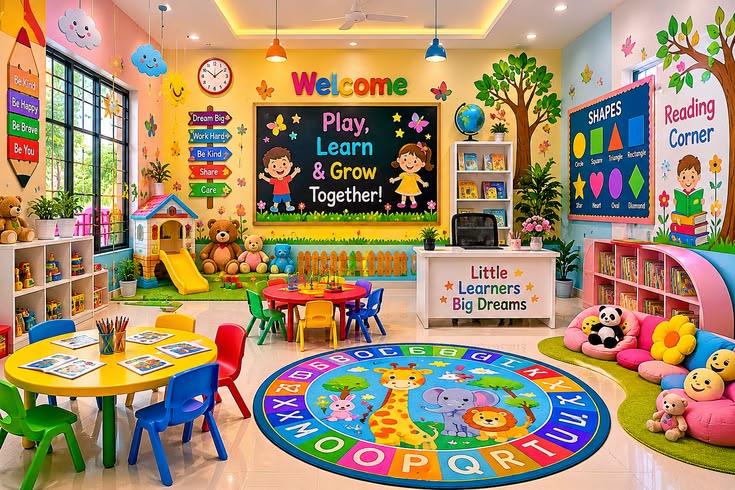
35. Build A First Week Welcome Kit
Prepare a small kit of items to help your child feel settled during the first week of the new term. This might include a comfort item, a special snack, or a small note of encouragement.
27 First Week of School Activities to Make Kids Feel Welcome pairs naturally with this idea, giving you activities to include alongside the kit itself.
Prepare this kit a few days before the term actually starts, rather than scrambling together at the last minute.
Let your child help choose a few items themselves, adding a sense of ownership over their own comfort. This small, thoughtful gesture often eases nerves more than parents initially expect.
Making These Systems Actually Stick
Setting up an organization system is only half the challenge, since maintaining it matters just as much long term.
Build small check-ins into your week, rather than assuming a system will maintain itself indefinitely. A five-minute weekly review often prevents small messes from growing into overwhelming problems later.
Involve your whole family in maintaining these systems, rather than carrying the entire responsibility alone as a parent.
Kids build genuine independence and responsibility when they participate actively in keeping their own spaces organized.
This shared effort also reduces resentment that can build when one person feels solely responsible for everything.
Adjusting Systems As The Term Progresses
What works perfectly in the first week of term might need adjusting as routines and workloads shift over time. Revisit your systems periodically, checking whether they still serve their original purpose effectively.
A system that’s no longer being used consistently is a sign it needs simplifying or rethinking entirely.
Ask your child for honest feedback about what feels helpful versus what feels like an unnecessary extra step.
Their perspective often reveals practical adjustments that make a real difference in daily consistency.
Flexibility, paired with consistency, tends to keep these systems genuinely useful throughout the whole school year.

Bringing It All Together
Keeping your household organized during the school season doesn’t require an elaborate or expensive system.
Small, consistent habits, like labeling, weekly resets, and designated spots for everyday items, make the biggest difference over time.
Pick a handful of these ideas that genuinely fit your family’s routine, rather than trying to implement all thirty-five at once.
Give yourself grace as you build these systems, since organization takes practice and adjustment along the way. What works perfectly for one family might need tweaking for another, and that’s completely normal to expect.
Some weeks will feel more organized than others, and that’s simply part of managing a busy household.
With a bit of patience and consistency, these small changes add up to a calmer, more manageable school term for the whole household.
Over time, these systems stop feeling like extra work and start feeling like a natural part of how your home simply runs. That shift, once it happens, makes the rest of the school season feel far lighter to carry.
Leave a Reply