A homework station shapes how a child feels about schoolwork every single evening. The right setup helps them settle in quickly and focus without constant distraction.
The wrong one leads to fidgeting, complaints, and homework that drags on far longer than it should. This post gives you twenty-seven creative station ideas that actually work for real homes and real kids.
Some of these ideas need very little space or money to set up properly. Others take a bit more planning, but still stay realistic for a busy household. Pick whichever ones fit your home and your child’s personality best.
If you’re still working through the basics of building a proper homework space, How to Create a Homework Space That Helps Kids Focus covers the foundational setup that pairs well with these ideas.

27 Genius Homework Station Ideas That Help Kids Stay Focused
1. The Corner Desk Nook
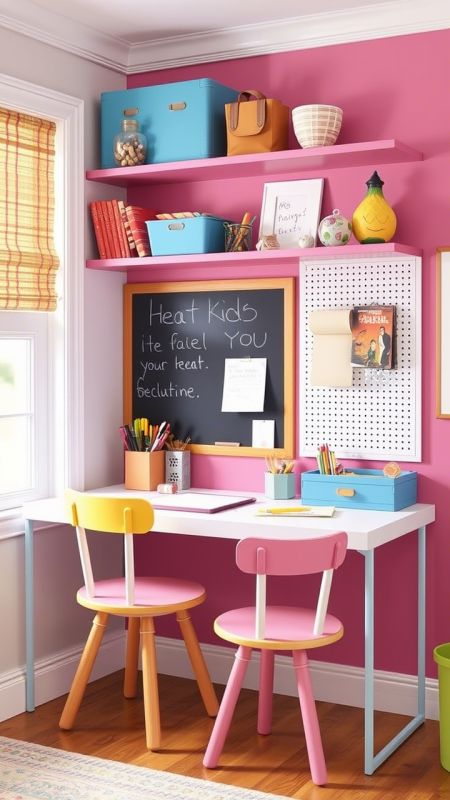
Turn an unused corner of any room into a small, dedicated desk area. Even a narrow corner fits a compact desk and chair comfortably.
This setup works especially well in smaller homes without a spare room to dedicate entirely.
Add a small shelf above the desk for books and supplies, keeping the floor space clear. Choose a chair that fits the corner snugly, avoiding anything too bulky for the tight space.
This idea proves that a proper station doesn’t require a large room to function well.
Read this: The Ultimate Back-to-School Guide for Parents
2. The Rolling Cart Station
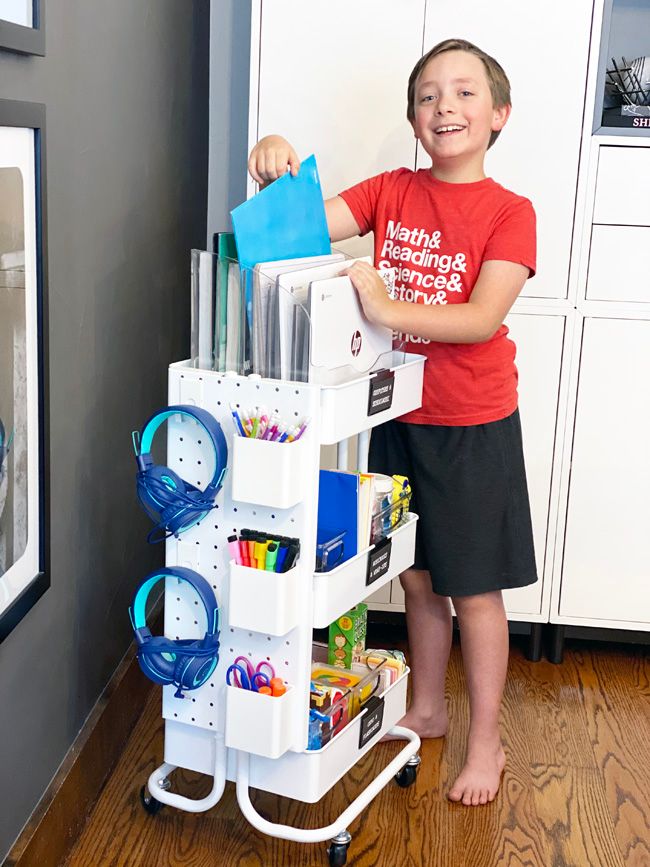
A rolling cart with several shelves creates a portable homework station that moves wherever needed. Fill it with pens, notebooks, and other daily supplies, all within easy reach.
This setup works particularly well in shared living spaces where a permanent desk isn’t practical.
Roll the cart to the kitchen table, living room, or bedroom depending on the day’s needs. This flexibility suits families where homework happens in different spots depending on the evening’s schedule.
It also makes cleanup simple, since everything rolls away into one designated spot.
3. The Closet Conversion Desk
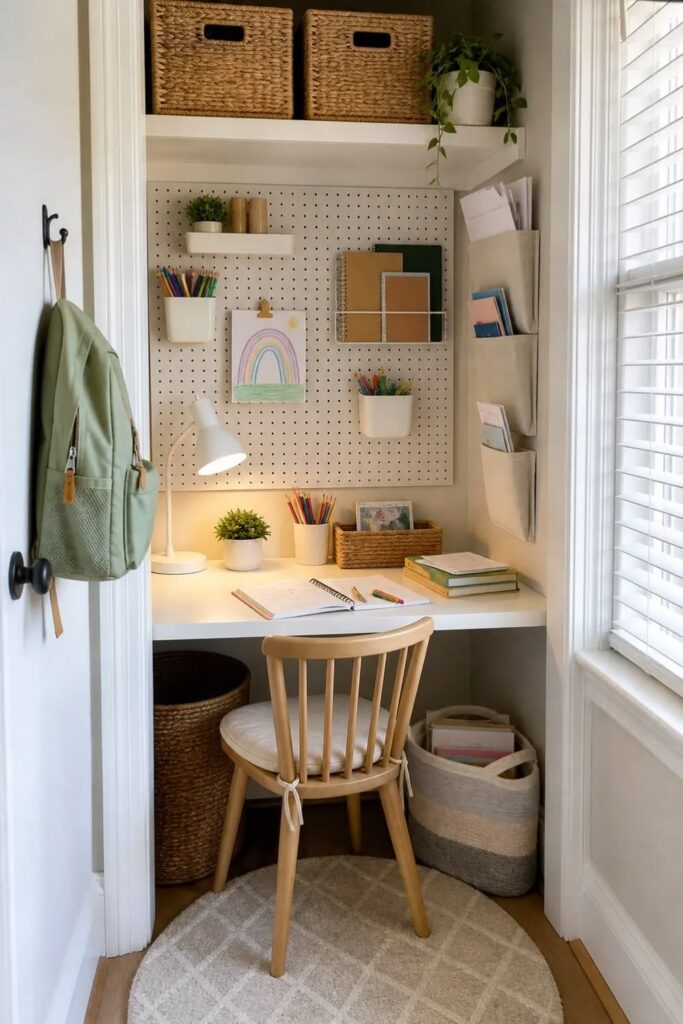
An unused closet can become a surprisingly effective, enclosed homework station. Remove the doors or fold them back, then add a small desk and shelving inside.
This creates a defined, quiet space that feels separate from the rest of the room.
Add a small light inside the closet space, since natural lighting is often limited in this kind of setup. This idea works particularly well for older kids who prefer a more private, enclosed area for concentration.
It also frees up regular floor space in a bedroom or shared room.
You’ll Love This: How to Prepare Your for the First day of School Without Stress
4. The Kitchen Island Station
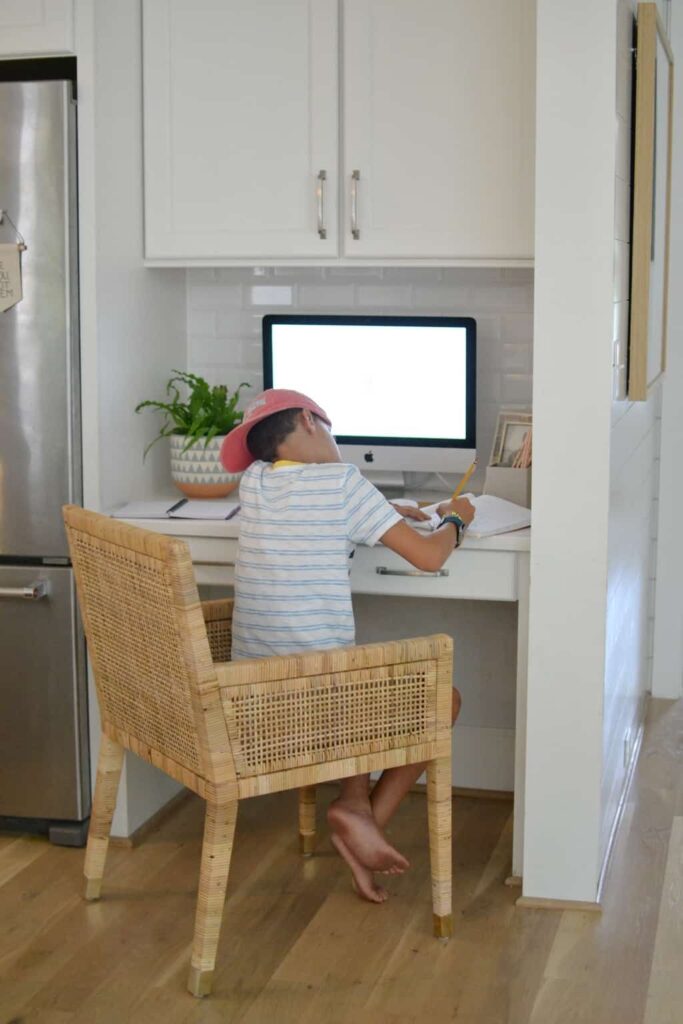
For younger kids, working near a parent in the kitchen often supports better focus and quicker help when needed. Set up a small caddy of supplies that lives permanently near the kitchen island or table.
This keeps homework materials handy without requiring a separate, dedicated room.
This setup also allows parents to keep an eye on younger children while managing dinner or other tasks.
It works particularly well during the early years, before kids need more independent, private study space. As they get older, this can gradually shift toward a more separate area like a bedroom desk.
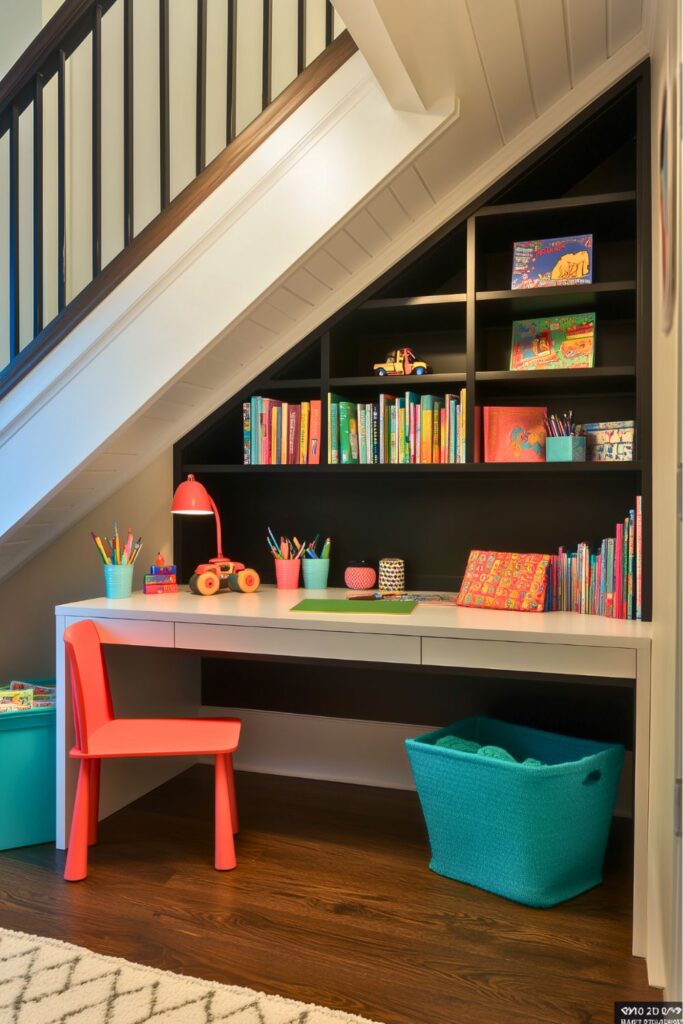
5. The Under-The-Stairs Nook
If your home has unused space beneath a staircase, this often makes a cozy, unique homework spot. Add a small desk, a cushion, and a light to make the space inviting and functional.
Kids often enjoy the slightly hidden, cozy feel of this kind of station.
This idea works well for families looking to maximize awkward, otherwise wasted space in the home. Keep the area well lit, since spaces under stairs can feel dark without proper lighting added.
A small rug or cushion adds comfort to what might otherwise feel like a plain, unfinished space.
Check This Out: How to Make the Transition Back to School Easier for Kids
6. The Wall-Mounted Fold-Down Desk
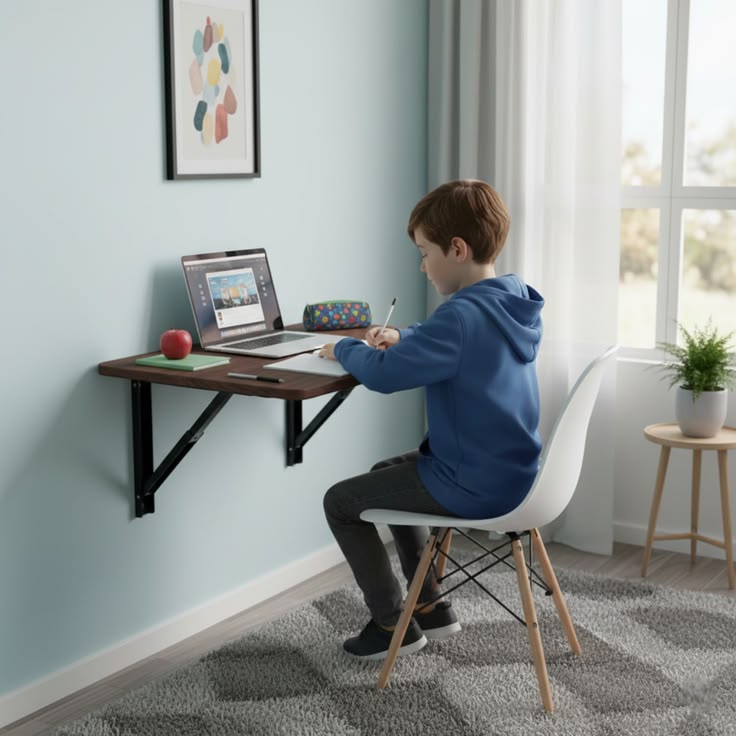
For very small spaces, a wall-mounted desk that folds down when needed offers a smart, space-saving solution. This setup works particularly well in shared bedrooms or smaller apartments without much extra floor space.
When not in use, the desk folds flat against the wall, freeing up the room entirely.
Add small shelves or hooks beside the desk for supplies, keeping everything close by when the desk is open. This idea suits families who need flexibility more than a large, permanent study area.
It also teaches kids to pack away their supplies neatly once homework finishes each day.
7. The Bunk Bed Desk Combo
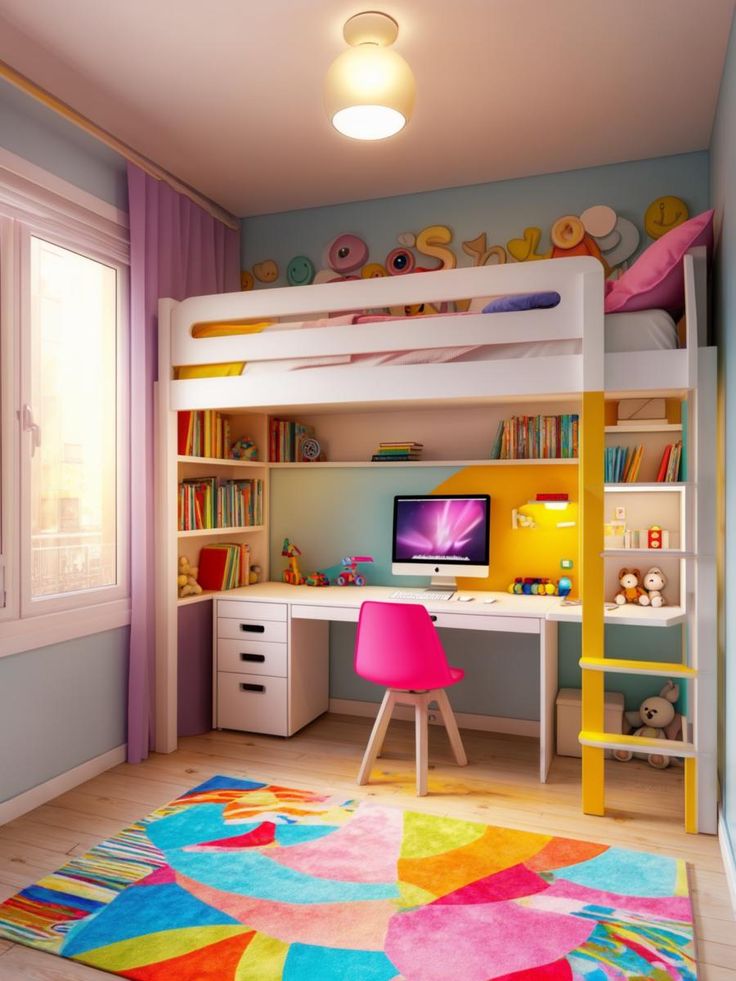
If your child has a bunk bed, consider a model that includes a built-in desk underneath. This combines sleeping and study space efficiently, without requiring extra room elsewhere in the house.
Many furniture stores offer this style specifically designed for smaller bedrooms shared between siblings.
This setup works particularly well for kids who like having their study space close to where they sleep. Add a small lamp and shelf to complete the area without cluttering the surrounding room.
This idea suits shared bedrooms where floor space is limited but vertical space remains available.
8. The Garage Or Basement Study Room
If your home has a garage or basement with proper insulation, this space can become a quiet, dedicated study room. This works particularly well for households with limited indoor bedroom space upstairs.
A finished basement or garage corner often provides more privacy than shared living areas.
Add proper lighting and heating if needed, since these spaces can sometimes lack the comfort of upstairs rooms. This idea suits older kids who benefit from a quieter, more separate environment away from household noise.
Make sure the space stays comfortable enough for extended homework sessions during colder months.
9. The Reading Nook Combo Station
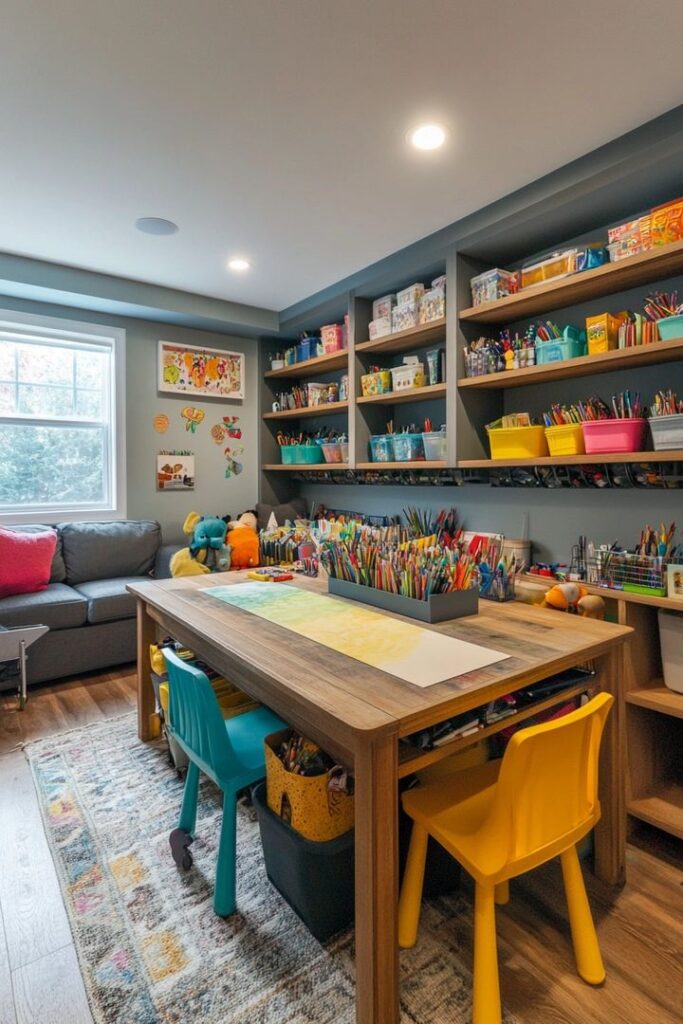
Combine a small reading corner with a homework desk nearby for a dual-purpose study space. This setup allows kids to transition easily between reading assignments and written homework tasks.
A cozy chair beside the desk gives them options depending on the type of work at hand.
Add soft cushions and good lighting to make the reading portion inviting and comfortable. This idea works especially well for kids who enjoy switching between different types of tasks during study time.
It also encourages reading as a natural extension of homework time rather than a separate, unrelated activity.
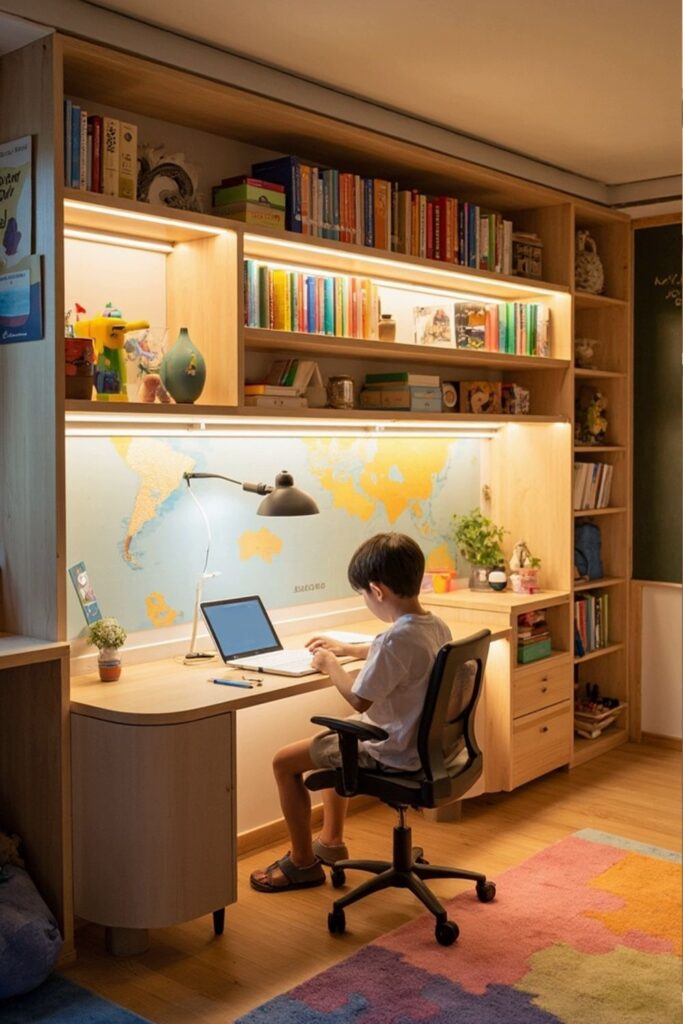
10. The Whiteboard Wall Station
Turn one wall, or a large section of it, into a whiteboard surface for brainstorming and problem-solving. This works particularly well for math-heavy homework or subjects requiring visual planning.
Kids can write directly on the wall, then transfer final answers to their notebook afterward.
Add a small shelf below for markers and erasers, keeping supplies organized and accessible. This idea suits visual learners who benefit from seeing their thinking laid out clearly and largely.
It also adds a fun, interactive element to what might otherwise feel like routine, repetitive homework.
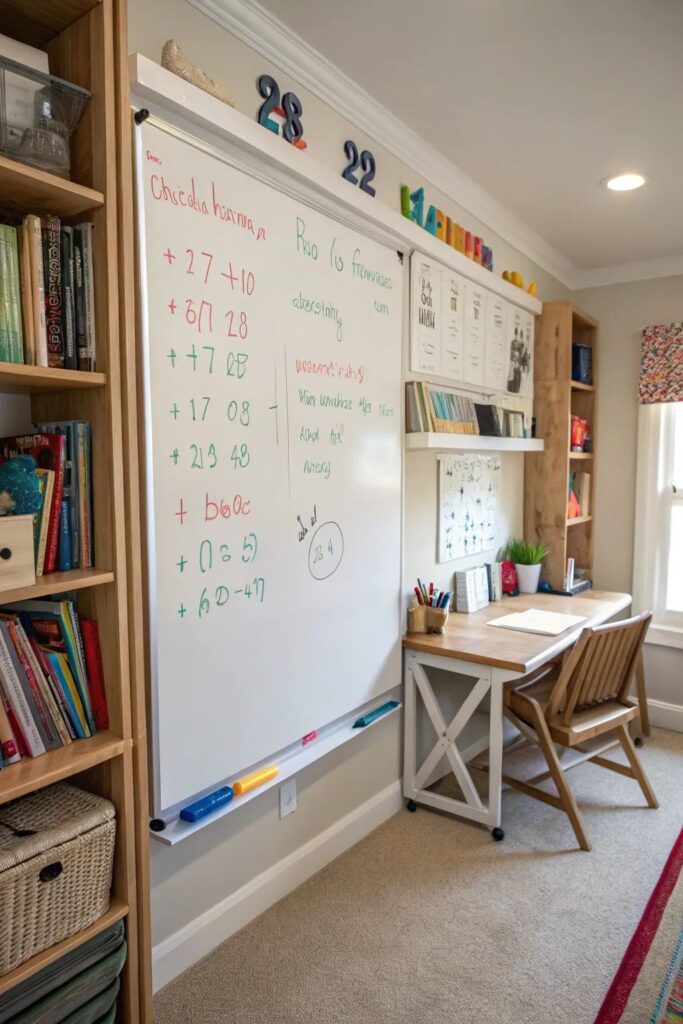
11. The Family Homework Table
Rather than separate individual stations, some families prefer one large table where everyone works together each evening. This creates a shared, social atmosphere around homework time, rather than isolating each child separately.
Parents can supervise and assist more easily when everyone works in the same space.
Assign each child their own section of the table, along with a designated supply box for their materials. This idea works particularly well for families with multiple school-aged children at home.
It also builds a sense of shared routine and accountability around homework time each evening.
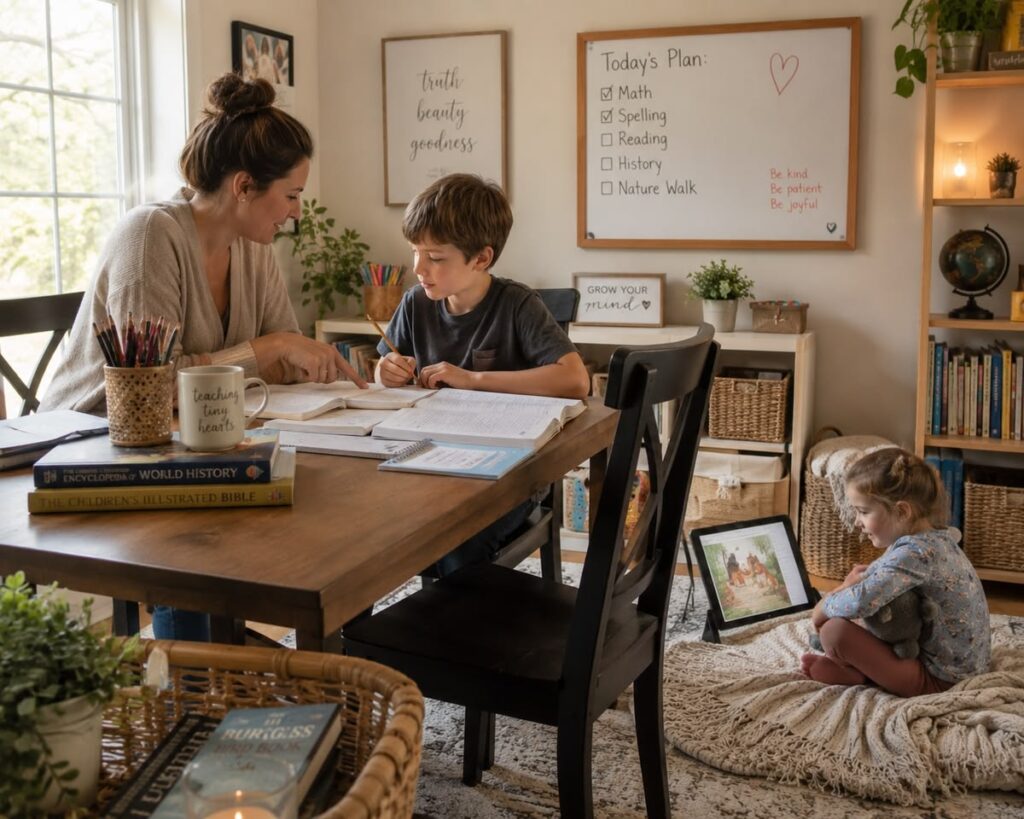
12. The Outdoor Patio Station
On pleasant days, consider setting up a temporary homework station outside on a patio or balcony. Fresh air and natural light can genuinely improve focus and mood for some kids.
This works well as an occasional change of scenery rather than a permanent daily setup.
Bring supplies out in a portable caddy or basket, then pack everything back inside once finished. This idea suits families with a comfortable outdoor space and generally good weather throughout parts of the year.
It also gives kids a welcome break from indoor screens and walls during study time.

13. The Storage Ottoman Station
A storage ottoman doubles as both seating and a hidden compartment for homework supplies. This works particularly well in smaller living rooms where a separate desk isn’t practical.
Kids can sit on the ottoman itself, using a nearby coffee table or lap desk as their work surface.
Store notebooks, pens, and folders inside the ottoman, keeping the living room tidy between homework sessions. This idea suits families who need a flexible, dual-purpose piece of furniture rather than a dedicated desk.
It also keeps supplies hidden and organized when not actively in use.
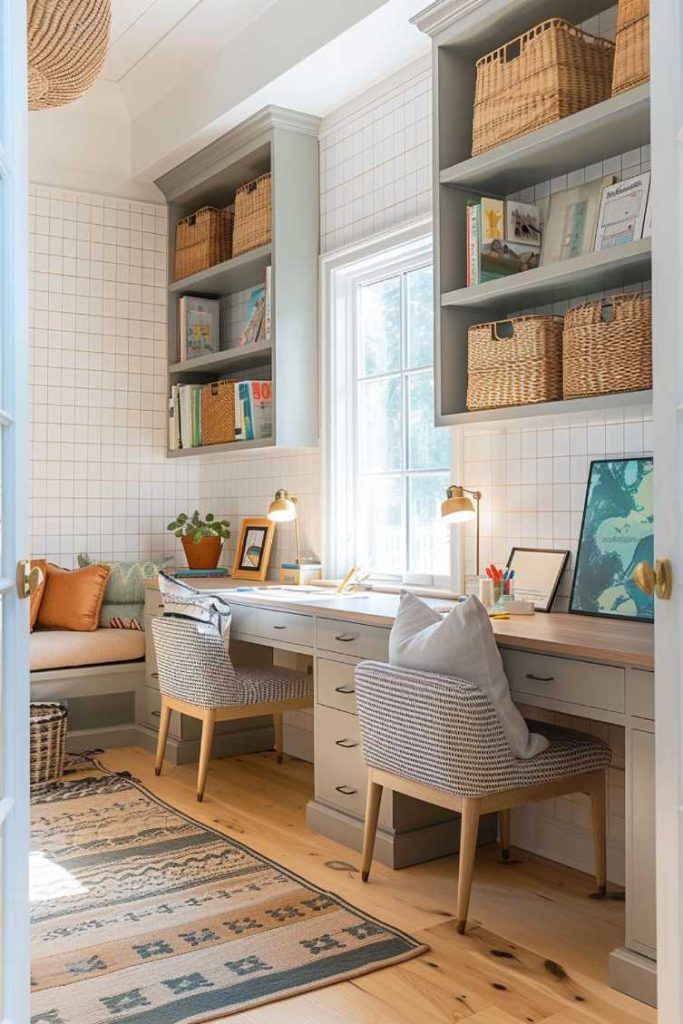
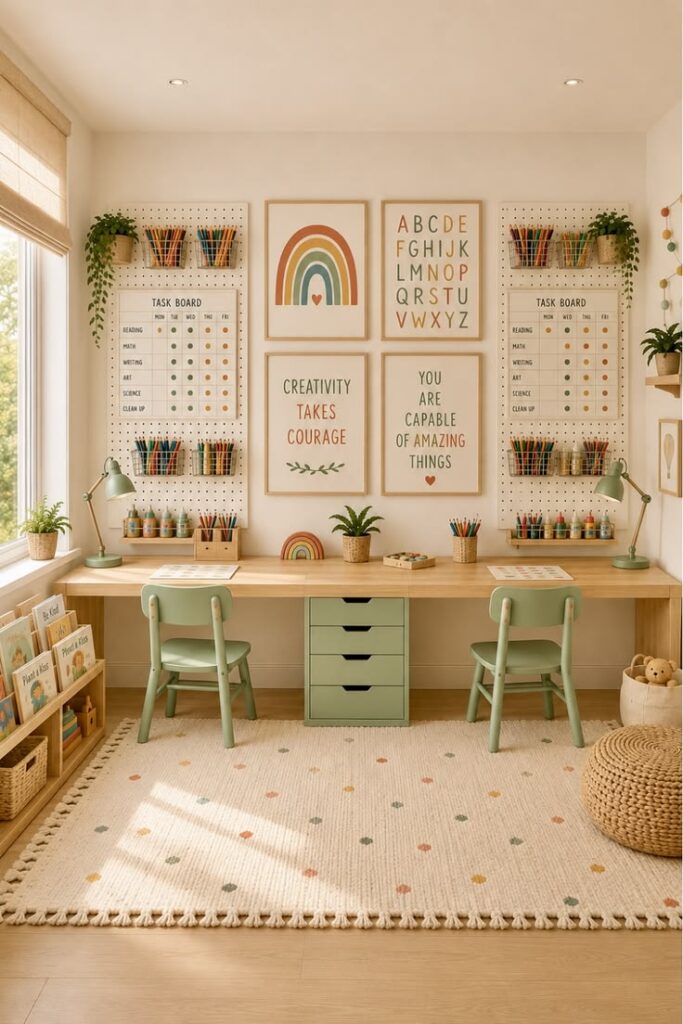
14. The Pegboard Organization Wall
Install a pegboard above a desk to hold supplies like scissors, tape, and small containers. This vertical organization system keeps the actual desk surface clear and clutter-free.
Kids can see exactly where everything belongs, making cleanup faster and more consistent.
Label each hook or shelf clearly, especially for younger kids still learning organizational habits. This idea works particularly well for kids who tend to lose small items frequently during homework time.
Pairing this with a wider household system helps too, and 35 Back-to-School Organization Ideas Every Parent Needs offers ideas that extend this kind of structure beyond just the homework station.

15. The Window Seat Study Spot
If your home has a window seat, this often makes a naturally inviting homework spot with good natural light. Add a small lap desk or portable surface for writing, since window seats rarely include a built-in desk.
Cushions make the space comfortable for longer study sessions.
This idea works particularly well for kids who enjoy a view while working, rather than facing a blank wall.
Keep a small basket nearby for supplies, so nothing needs to be carried back and forth constantly. This setup suits homes with a naturally sunny, quiet spot near a window.
16. The Two-Tier Desk Station
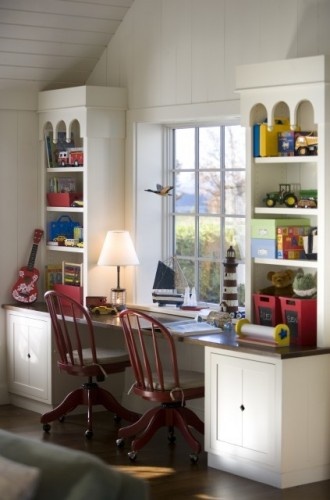
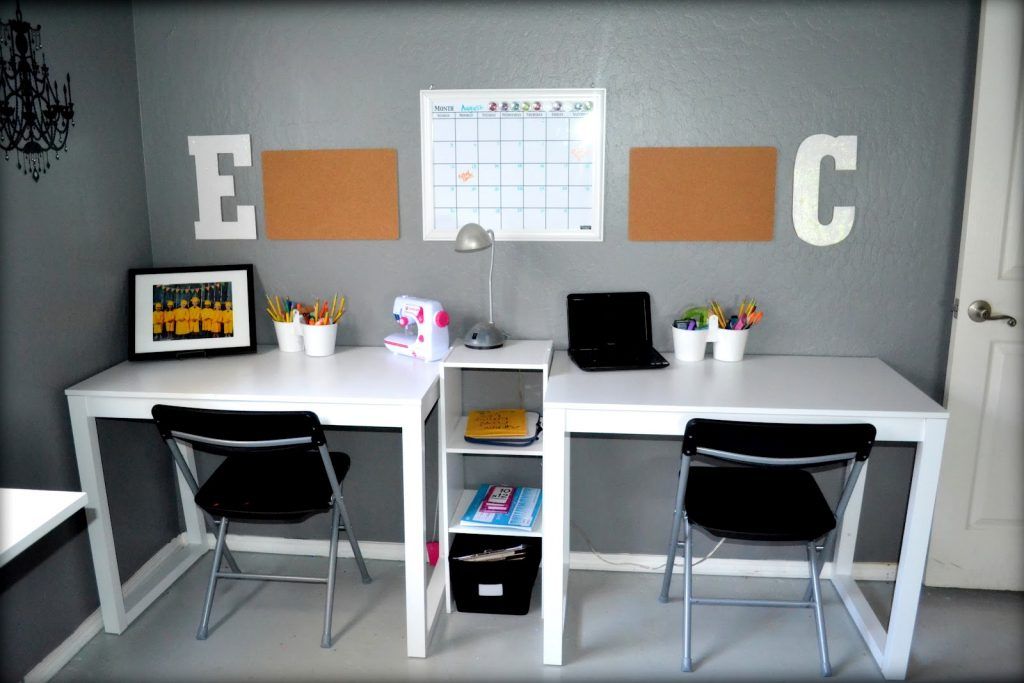
For siblings sharing a room, a desk with two separate tiers or sections allows each child their own defined space.
This avoids the common problem of shared desks leading to arguments over space and supplies. Each child gets a clear, respected boundary within the same piece of furniture.
Add separate supply caddies for each section, preventing mixing or confusion between siblings’ materials. This idea works well for families with limited room but multiple children needing individual study space.
It also teaches kids to respect shared spaces while still maintaining their own defined area.
17. The Hanging Organizer Station
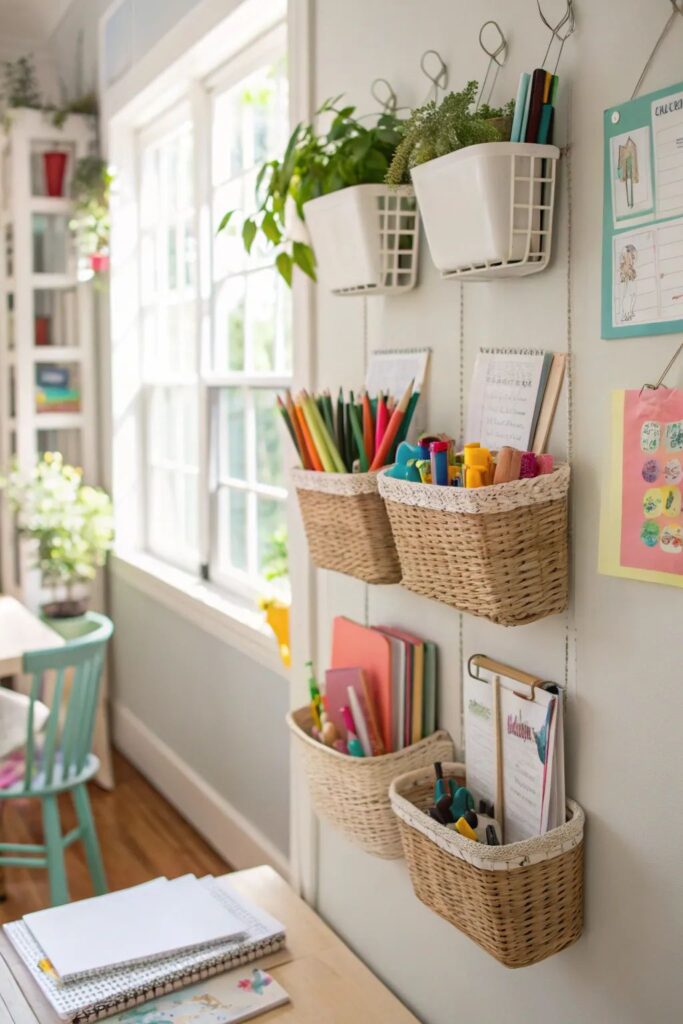
Use a hanging fabric organizer with multiple pockets to store supplies vertically beside a desk or wall. This saves valuable desk space while keeping everything visible and accessible.
Kids can quickly grab what they need without digging through drawers or bins.
Label each pocket clearly, assigning specific items to specific spots consistently. This idea works particularly well in smaller bedrooms where drawer or shelf space is limited.
It also adds a colorful, organized visual element to an otherwise plain wall or corner.
18. The Command Center Station
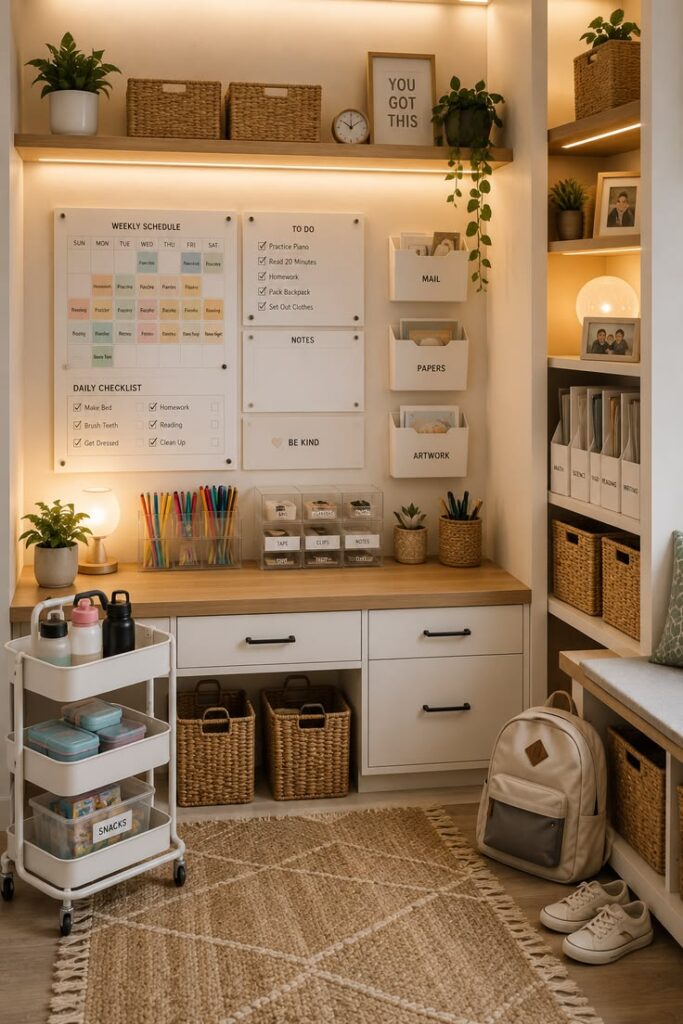
Set up a small family command center near the homework area, including a calendar and important reminders. This helps kids track assignments, due dates, and upcoming tests in one visible spot.
Parents can also glance at this station to stay updated on what’s due and when.
Include a small whiteboard for daily reminders alongside a proper calendar for longer-term planning. This idea works well for households juggling multiple children’s schedules alongside general family activities.
It also teaches kids early habits around tracking their own responsibilities and deadlines.
19. The Bean Bag Lap Desk Station
For younger kids, a bean bag chair paired with a lap desk offers a relaxed, comfortable alternative to a traditional desk setup.
This works particularly well for shorter homework sessions or younger grades with lighter workloads. Kids often find this casual setup less intimidating than a formal desk arrangement.
Keep a small caddy of supplies nearby, since bean bags don’t offer built-in storage like a desk would. This idea suits families looking for a flexible, low-cost station that can be moved or adjusted easily.
It also gives younger kids a sense of comfort during a task they might otherwise resist.
20. The Shared Sibling Table With Dividers
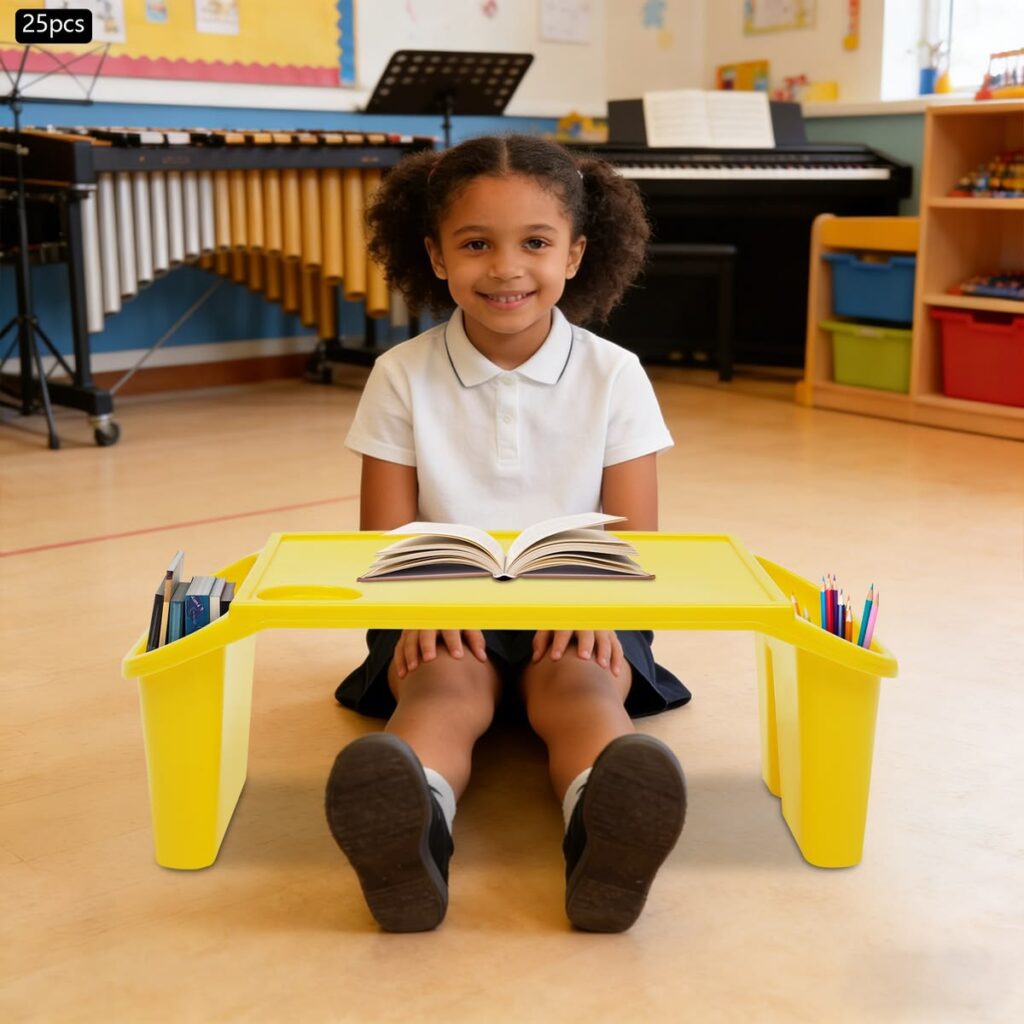
For siblings who work better with some visual separation, adding simple dividers to a shared table can help. This might include tall books, a small folding screen, or simple cardboard partitions.
This reduces distraction between siblings while still keeping them in the same general space.
Each side of the divided table should include its own supply setup, avoiding mixing or borrowing during homework time. This idea works well for siblings who are close in age but easily distracted by each other.
It balances shared space with enough separation to support individual focus.
21. The Chalkboard Desk Surface
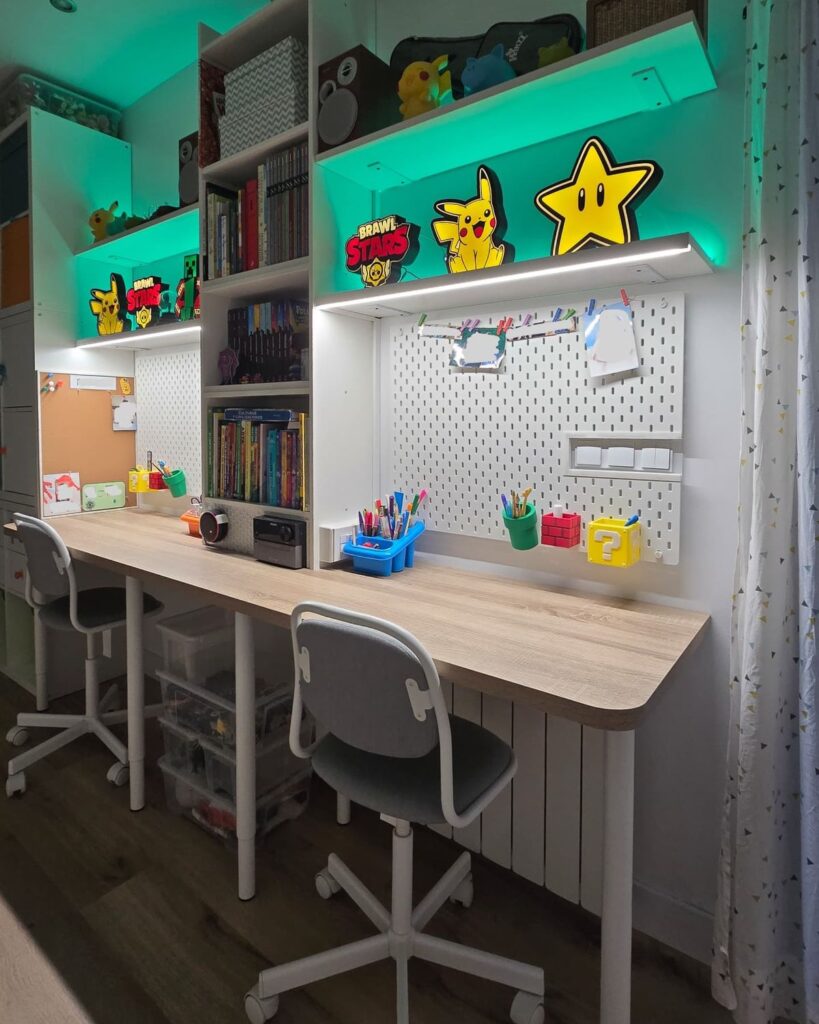
Some families choose a desk with a built-in chalkboard surface, allowing kids to write, erase, and rewrite freely. This works particularly well for younger children still practicing letters, numbers, or basic math concepts.
The erasable surface reduces the pressure of making mistakes on paper.
Keep a small container of chalk and an eraser attached directly to the desk for convenience. This idea suits younger grades more than older students with heavier, more formal written assignments.
It adds a playful, low-pressure element to early homework habits and practice.
22. The Vertical Wall Desk
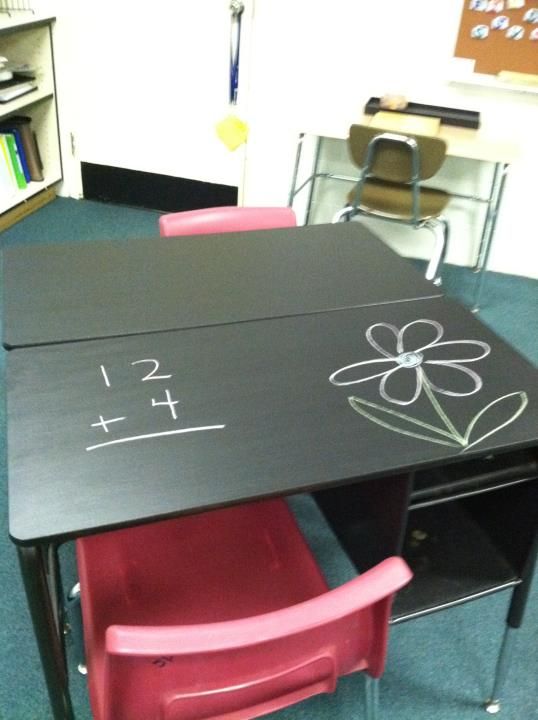
For extremely limited spaces, a slim, vertical wall-mounted desk offers a minimal footprint solution. This works well in small apartments or shared rooms where floor space is scarce.
The desk folds flat or stays narrow enough not to disrupt the rest of the room significantly.
Pair this with wall-mounted shelving above for books and supplies, maximizing vertical space efficiently.
This idea suits older kids who need a functional desk without requiring much physical room. It works especially well in city apartments or smaller homes generally.
23. The Themed Fun Station
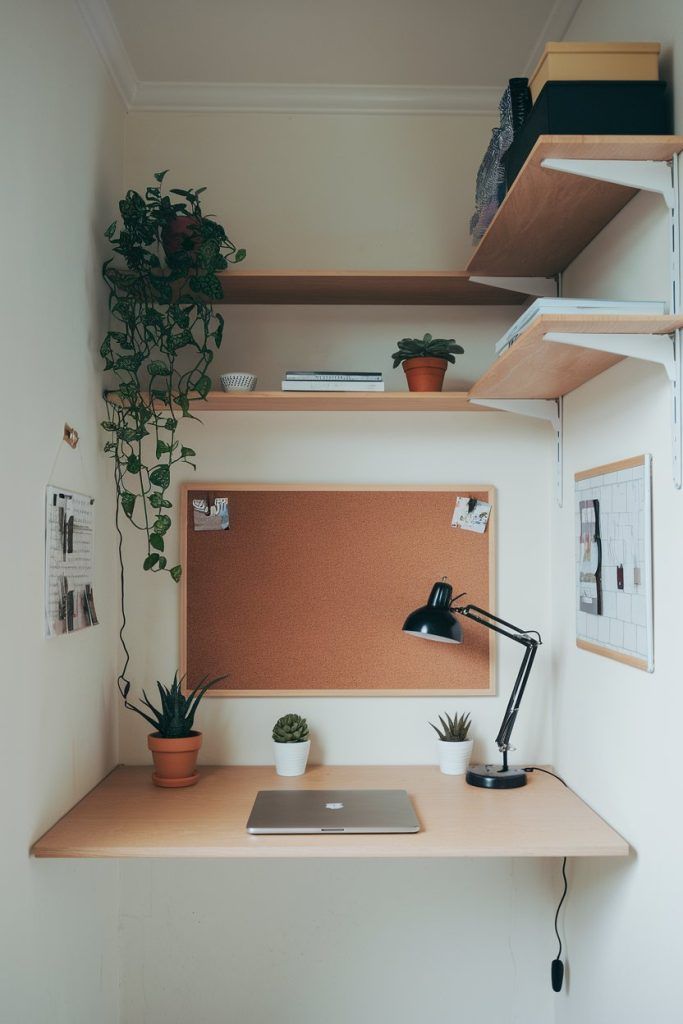
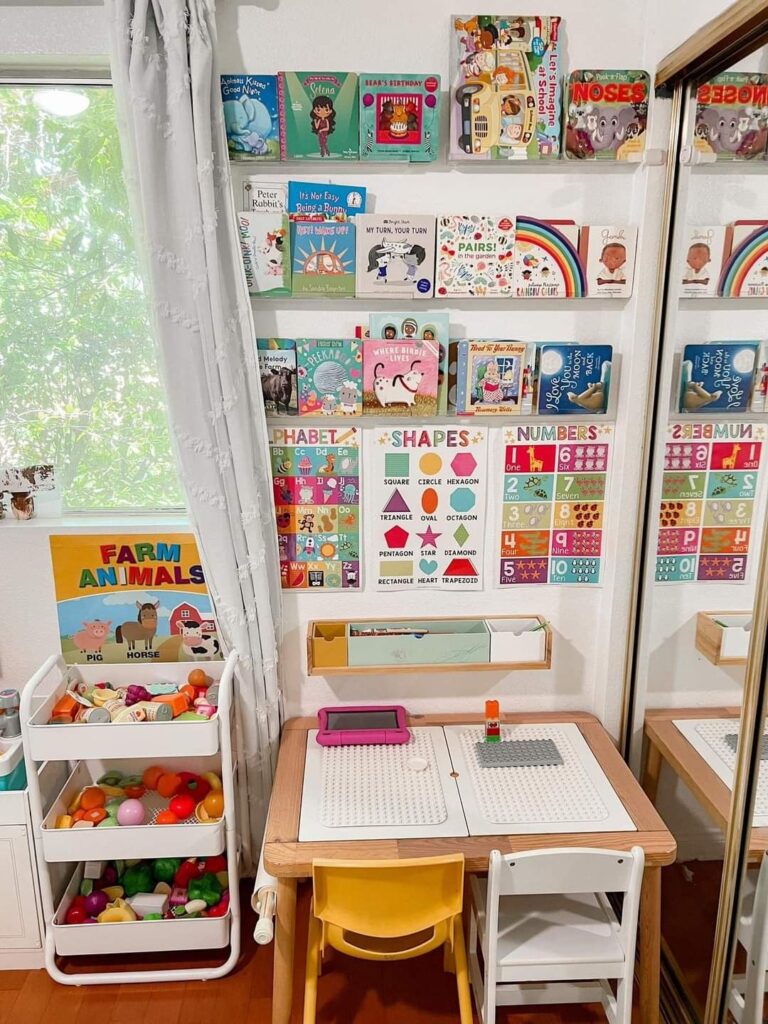
Let your child help design their station around a theme they genuinely love, like space, animals, or a favorite color.
This personal touch increases their enthusiasm about using the space consistently each evening. A themed station feels less like an obligation and more like a space they’re proud of.
Add small themed decorations, like stickers or a poster, without letting them become distracting clutter. This idea works particularly well for younger kids who respond strongly to personalized, playful environments.
It also builds excitement around homework time rather than treating it as purely a chore.
24. The Minimalist Clean Desk Station
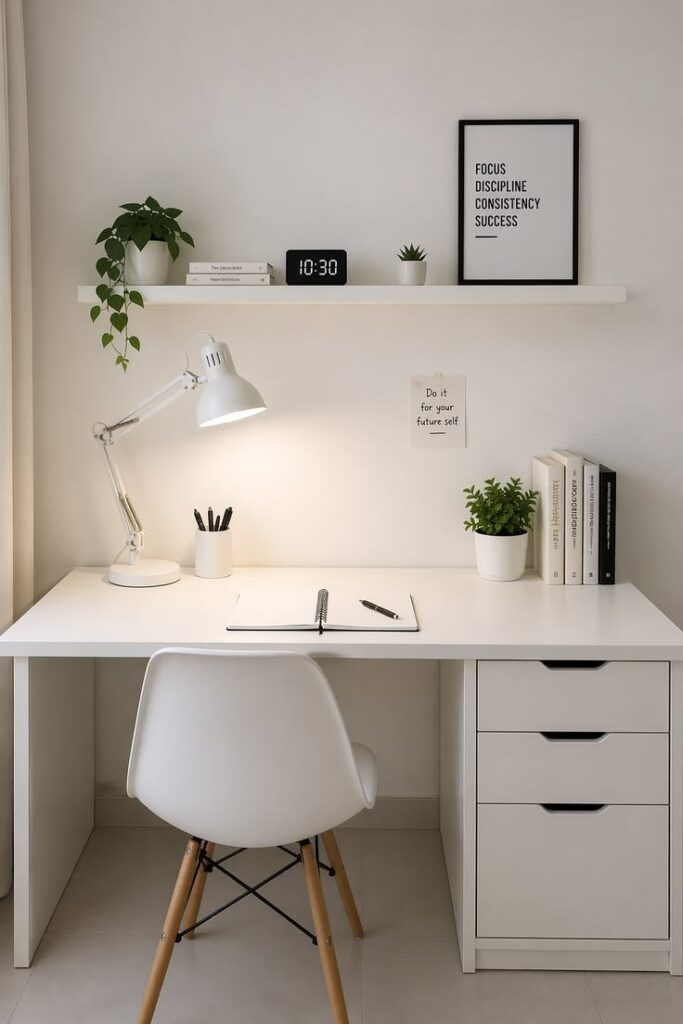
For kids who get easily distracted by visual clutter, a minimalist desk with almost nothing on its surface works best.
Keep only the current assignment and one pen visible, storing everything else out of sight. This reduces visual noise that competes with a child’s attention during focused work time.
Store all other supplies in closed drawers or bins, rather than open shelves within view. This idea suits kids who are particularly sensitive to distraction or who struggle with sustained attention generally.
A clean, simple surface often supports faster, more focused homework completion for these children.
25. The Music Corner Study Station
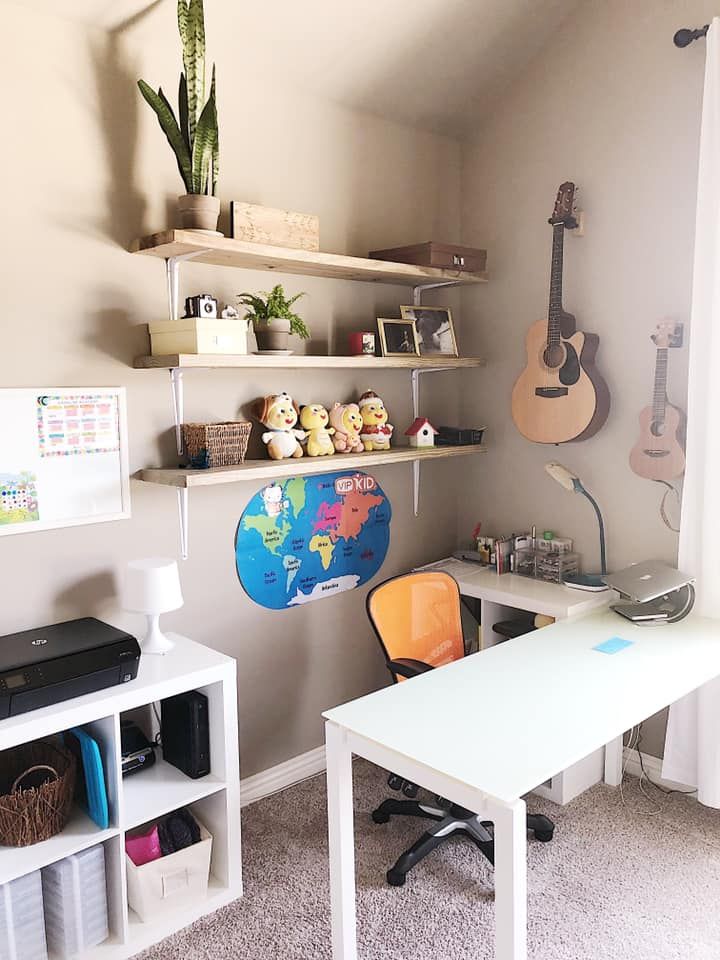
For kids who focus better with background sound, set up a small station that includes a speaker or headphones nearby.
Instrumental or calm background music can help some children concentrate more effectively during homework time. This works well as long as the sound doesn’t become its own source of distraction.
Keep the volume low and the music simple, avoiding anything with distracting lyrics or sudden changes. This idea suits kids who struggle with silence but also get distracted by too much noise or activity around them.
Test different types of music to find what genuinely helps rather than hinders focus.
26. The Timer And Reward Station
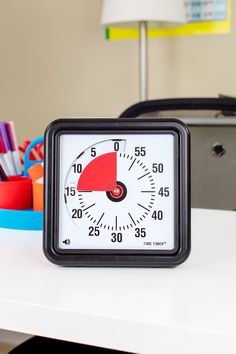
Pair a simple homework station with a visible timer and a small reward system for completed work. This works particularly well for kids who struggle with motivation or sustained focus over longer periods.
Breaking homework into timed chunks, followed by small breaks, often improves overall output and mood.
Keep small, simple rewards nearby, like a sticker chart or a short screen-time break after finishing.
Once homework wraps up, screens can return as part of a calmer, more relaxed part of the evening, and 25 Fun After-School Activities That Beat Screen Time offers ideas for balancing that reward time with other engaging options too.
This idea suits kids who respond well to structure and clear, immediate incentives.
27. The Portable Backpack Station
For kids who prefer working in different spots depending on the day, keep all homework supplies inside a dedicated, portable pouch within their backpack itself.
This way, wherever they choose to sit, their supplies travel with them automatically. This removes the need for a fixed, permanent station entirely.
Make sure the backpack itself has enough compartments to keep these supplies organized and separate from other school items.
How to Choose the Right Backpack for Your Child covers picking a bag with the right structure to support this kind of flexible, portable setup.
This idea suits highly mobile families or kids who simply prefer variety in where they work each day.
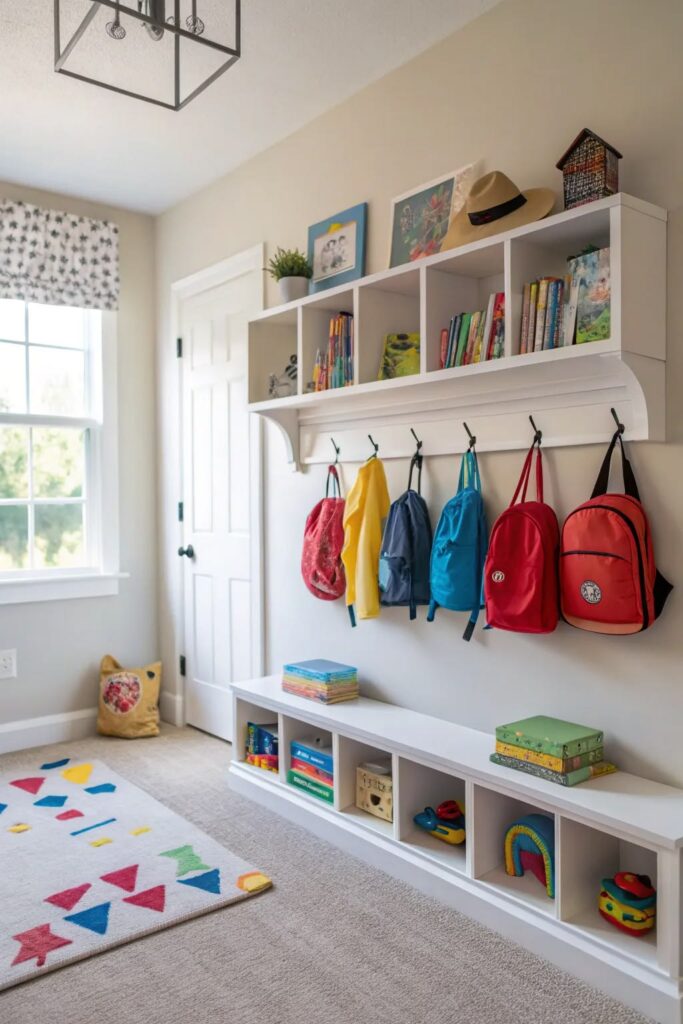
Choosing The Right Station For Your Child
With so many ideas to choose from, it helps to think about your child’s specific personality and habits first. A child who gets distracted easily might benefit from a minimalist, enclosed space away from household noise.
One who enjoys company might do better with a shared table near family activity instead.
Consider your available space honestly, rather than trying to force an elaborate setup into a small home. Many of these ideas work well even in tight quarters, provided they’re organized and consistent.
The goal is a space your child actually wants to use, not necessarily the most elaborate option available.
If you’re setting up a station for the very first time this term, pairing it with the wider back-to-school season helps too.
Everything Parents Need Before Back-to-School Shopping covers what supplies to gather before building any of these station ideas properly.

Adjusting The Station As Needs Change
What works well for a younger child may need adjusting as they grow older and take on heavier workloads. Revisit the station periodically, checking whether the current setup still supports their evolving needs.
A station that felt perfect last term might already feel cramped or outdated this year.
Ask your child directly what feels difficult or uncomfortable about their current setup from time to time. Their honest feedback often reveals small, practical changes that make a real difference in daily use.
This ongoing adjustment keeps the station genuinely useful throughout their entire school journey, not just the first few weeks.
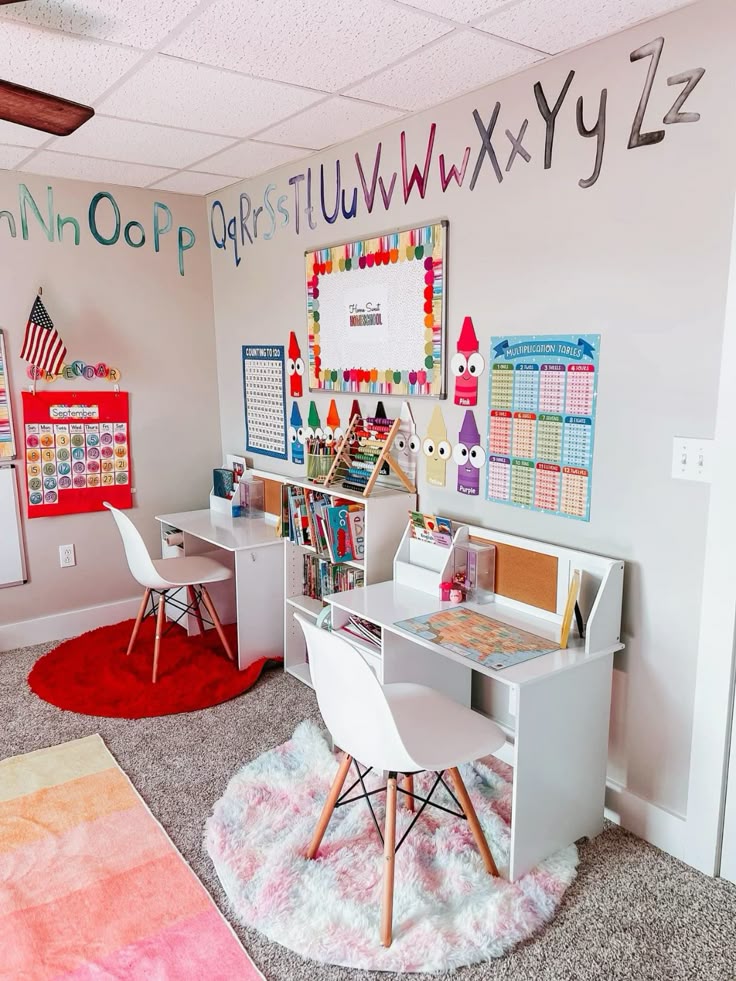
Supporting Focus Beyond Just The Physical Setup
While the physical station matters greatly, focus also depends on factors beyond just furniture and organization.
A child who feels anxious or unsettled about school generally may struggle to focus, regardless of how well-designed their station happens to be.
If this seems to be part of the picture, How to Help Kids Overcome First-Day-of-School Anxiety offers guidance on easing that deeper worry first.
Similarly, a smoother overall daily routine supports better focus during homework time specifically.
How to Build a School Morning Routine That Actually Works may seem unrelated at first, but a calmer, well-rested child generally handles homework with far more patience and focus in the evening.
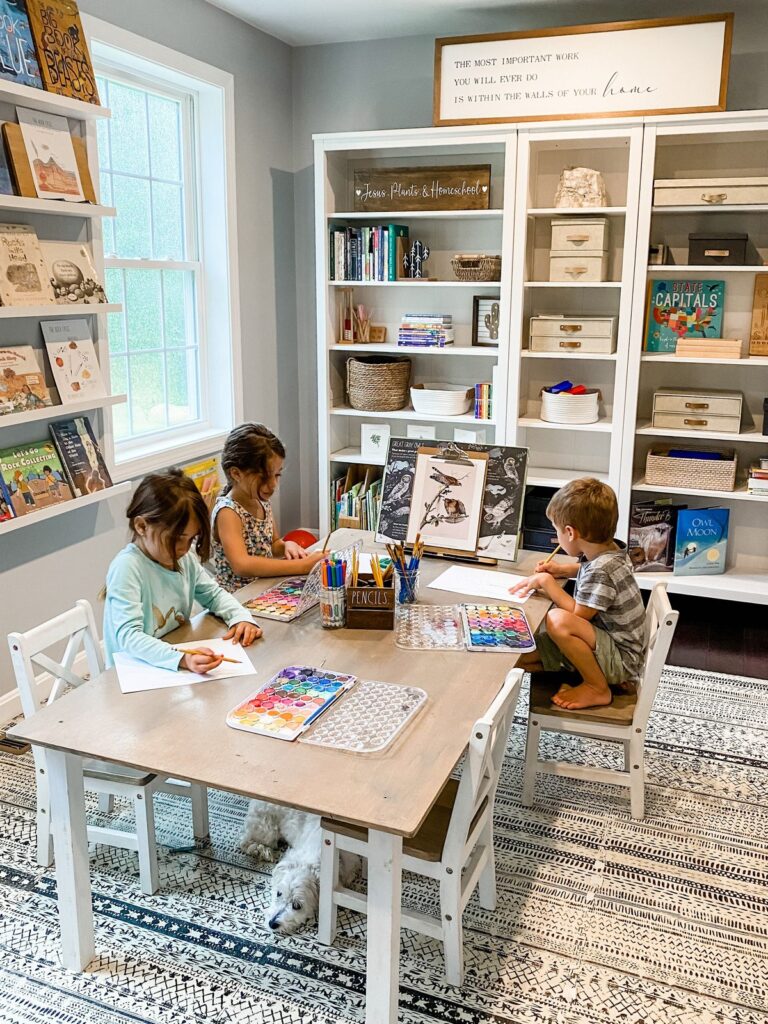
Making The Station Part Of A Wider Routine
A homework station works best when it’s part of a consistent, predictable daily routine rather than an isolated space.
Decide on a regular homework time each day, so your child knows exactly when and where this work happens. This consistency reduces daily negotiation and resistance around starting assignments.
Consider how this fits into the rest of the evening too, including snacks, breaks, and eventual downtime.
A light, appropriate snack before starting supports better focus, and How to Pack School Lunches Kids Will Actually Finish offers food ideas that double well as smart, homework-time snack options too.

Personalizing Without Overdoing It
While personal touches make a station feel inviting, it’s worth balancing this against potential distraction. A few meaningful decorations or colors usually work better than an overly busy, cluttered design.
Let your child have some input, but guide the process toward function alongside personal enjoyment.
If you’re looking for ways to add personal touches elsewhere too, similar principles apply to shared spaces at home or school.
21 Classroom Door Decoration Ideas That Kids Will Love offers ideas that show how personalization and organization can work together effectively, whether at home or in a classroom setting.
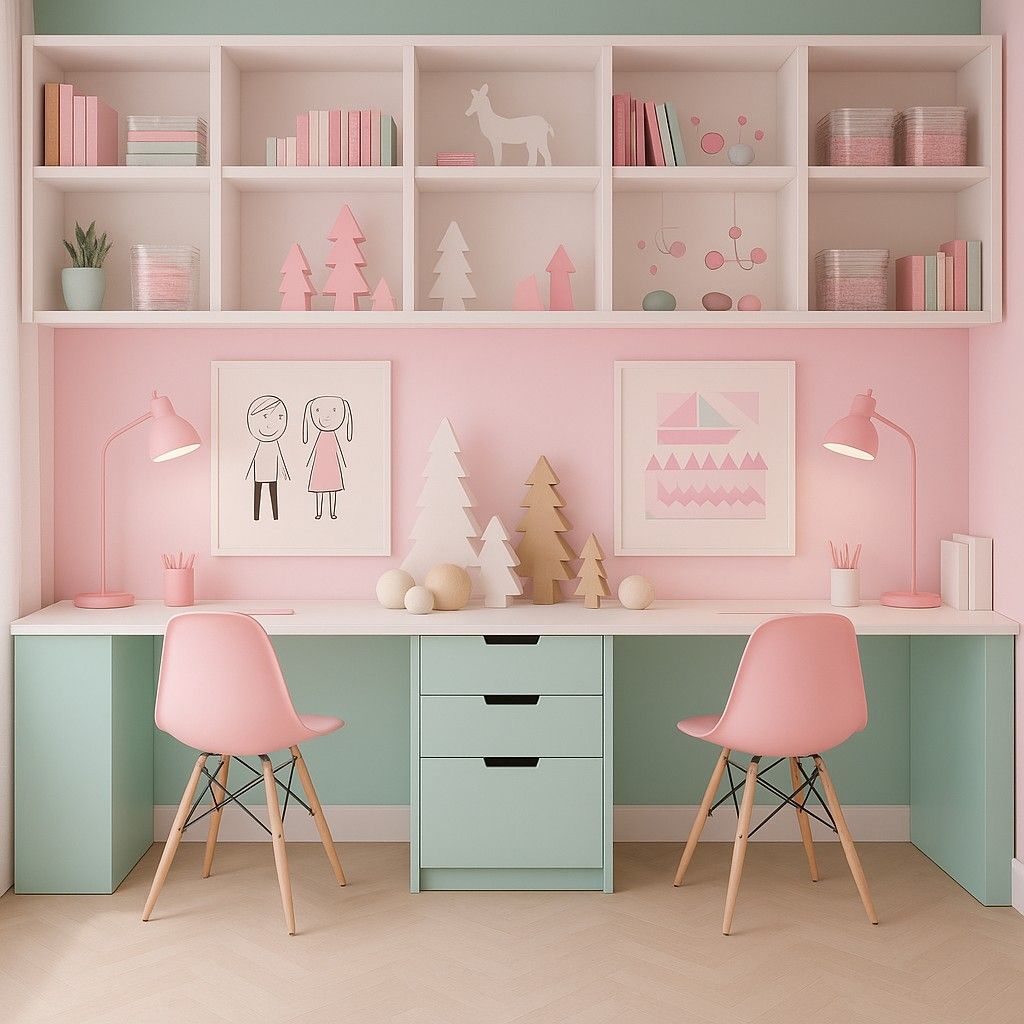
Keeping The Station Fresh Throughout The Term
A homework station doesn’t need to stay exactly the same from the first day of term through the last. Small refreshes, like a new plant, a rearranged shelf, or updated supplies, can renew a child’s interest in the space.
This prevents the station from feeling stale or overly routine as the months progress.
Consider updating the space slightly around the first week of a new term, tying it into broader efforts to make that period feel welcoming.
27 First Week of School Activities to Make Kids Feel Welcome pairs well here, since a refreshed, inviting homework station supports a smoother settling-in period during those early days.
Bringing It All Together
A great homework station doesn’t require a large room or an expensive setup to work well. What matters most is consistency, organization, and a space that genuinely fits your child’s personality and habits.
Whether it’s a cozy corner, a rolling cart, or a shared family table, the right setup makes homework feel manageable rather than overwhelming.
Take time to observe what actually helps your child focus, rather than assuming one perfect setup fits everyone equally.
Adjust as needed throughout the term, and don’t be afraid to try a few different ideas before settling on what truly works.
With the right station in place, homework time can shift from a nightly struggle into a calm, steady part of your family’s daily routine.
Leave a Reply