What makes kids excited is not just the Halloween season coming, but the beautiful memories they have about the past Halloweens.
They remember the costumes they wore, the candy they collected, the games they played, and the people they enjoyed those moments with.
For children, Halloween can quickly become one of those special times they look forward to every year. The excitement often starts weeks before October 31.
They may already know what costume they want, where they want to go, and what candy they hope to bring home.
As parents, these moments give us a chance to create something our children can remember for years. It does not have to be expensive or complicated.
Sometimes, the smallest family activities become the traditions children ask for every year. It could be picking pumpkins together, decorating the front door, or taking pictures in costumes.
You could also make a special dinner before trick-or-treating or end the night with a movie everyone enjoys. The important part is doing something together.
Of course, Halloween should still be planned with safety in mind. A simple plan can help you enjoy the night without spending the whole evening worrying.
If your family plans to go trick-or-treating, you can also read how to keep kids safe while trick-or-treat before the big night.
The goal is to create a Halloween your children genuinely enjoy. When the same little activities happen every year, they can slowly become part of your family’s story. Your children may even continue those traditions with their own families someday.
That is what makes a family tradition special. It starts with one simple idea, becomes something everyone expects, and eventually turns into a memory your children carry with them.
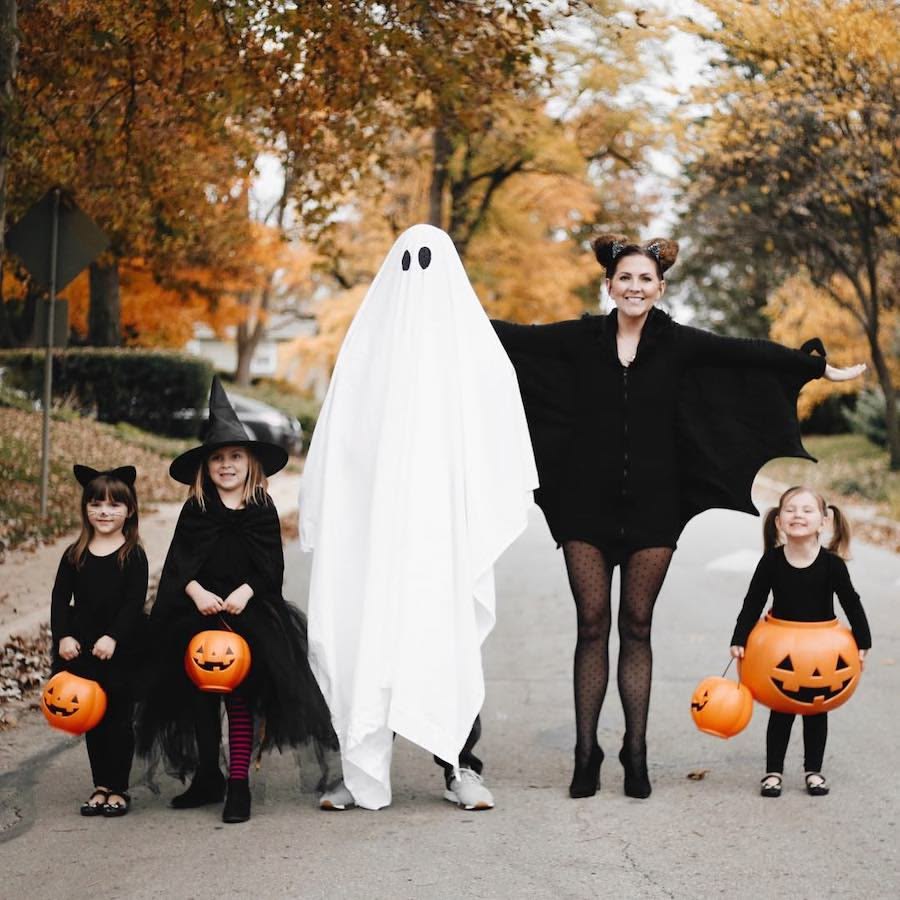
How to create a memorable family tradition.
Start With One Simple Tradition
The best family traditions usually begin with something simple that everyone can enjoy. You do not need to create a huge Halloween event.
Think about what your children already enjoy during the season. Maybe they love costumes, candy, pumpkins, movies, crafts, or decorating the house.
Pick one activity and make it something your family repeats every Halloween. That repeated activity can slowly become something your children expect each year.
For example, your family could take a Halloween picture every October. Everyone could wear costumes, stand outside, and take the same picture each year.
Another family might make pancakes on Halloween morning. Someone else might prefer decorating cookies together after school.
The activity does not have to happen on Halloween night itself. You can choose a weekend when everyone has enough time to enjoy it.
Your tradition should also fit your children’s ages and personalities. Younger children may enjoy crafts, while older kids might prefer movies or outdoor activities.
If costumes are a big part of your children’s excitement, you can make choosing them part of your tradition. You can start with how to choose a halloween costume your child will love and build the activity around it.
The main idea is consistency. Doing one meaningful thing every year can matter more than trying something completely different.
Let Your Children Help Create the Tradition
Children are more likely to care about traditions when they have some control over them. Give them opportunities to help decide what happens.
You could ask each child to suggest one activity for the Halloween season. Then, choose something the whole family can enjoy together.
One child might want to decorate the house, while another wants to visit a pumpkin patch. You can combine their ideas when time allows.
Parents sometimes plan everything because they want the day to run smoothly. However, children may enjoy the tradition more when their ideas become part of it.
Give younger children small responsibilities that match their abilities. They could choose decorations, arrange candy, or help prepare simple snacks.
Older children can handle bigger tasks. They might create a Halloween playlist, plan a game, or help younger siblings with crafts.
This also gives children a sense of ownership. They can look back and remember that they helped create something special for the family.
You do not have to accept every idea they suggest. Instead, explain what can work and choose practical options together.
That simple conversation can become part of the tradition too. Every year, your children can help decide what the family will do.
Make Decorating Part of the Family Routine
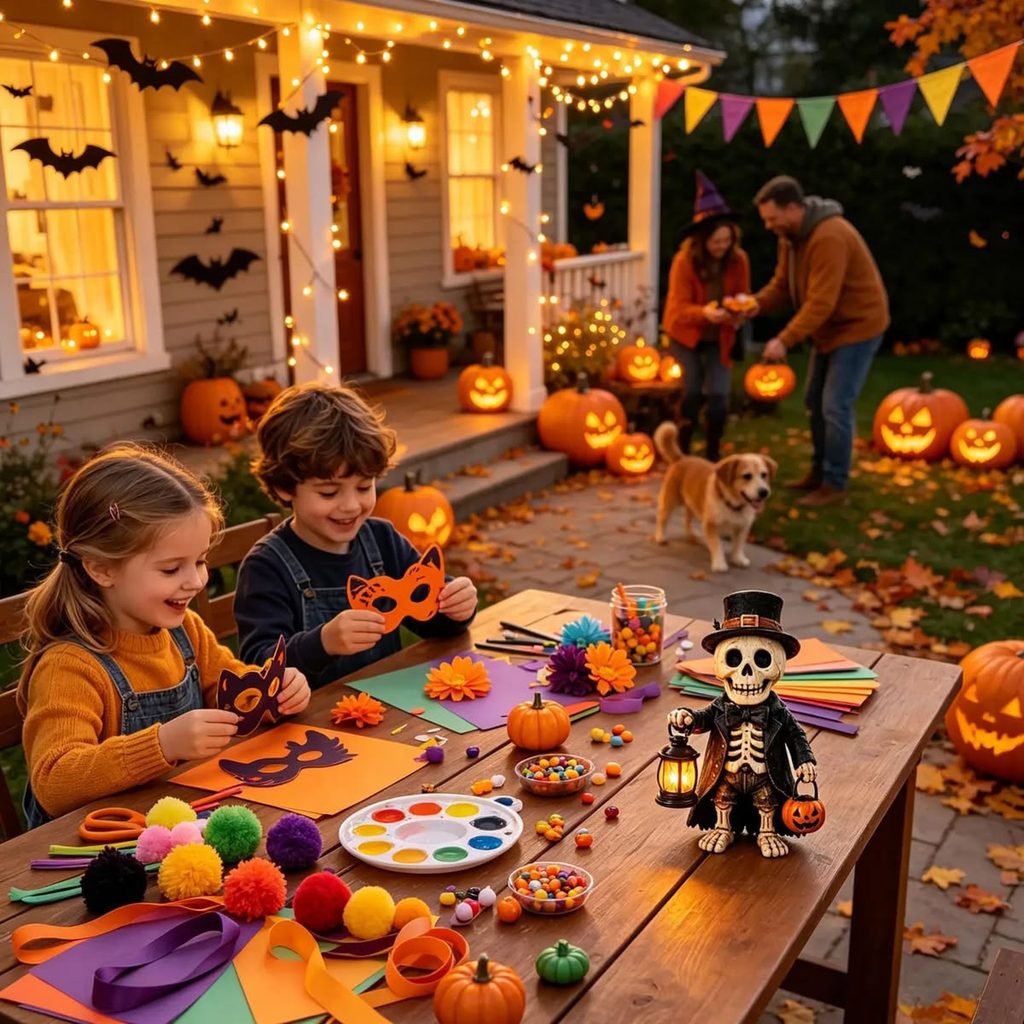
Decorating the house can become one of the easiest Halloween traditions to repeat. You can keep it simple and still make it exciting.
Choose one day when everyone works together. Put the decorations in one place and let each person choose a few things to handle.
Children can place small decorations around their rooms. They can also help arrange pumpkins, paper bats, fake spiders, or other simple decorations.
Do not worry about making your home look like a Halloween attraction. Kids usually care more about participating than getting every detail right.
You can even keep some decorations that only come out during Halloween. Those familiar items can make the season feel special when children see them again.
One year, your child may put a decoration in a strange place. Years later, that same decoration may remind everyone of that funny moment.
You could also create one homemade decoration every year. Write the year on it and store it with your Halloween items afterward.
That gives your family a collection of decorations filled with memories. It also gives children something they can look forward to making each year.
If you plan to decorate outdoors, keep safety in mind. Check cords, walkways, lighting, and decorations before children move around the area.
Read this next: The Ultimate Parent’s Guide to Halloween With Kids
Create a Special Halloween Food Tradition
Food can become a powerful part of family traditions because everyone gathers around the same table. The recipe does not need to be complicated.
Pick one meal, snack, or dessert that your family only makes during Halloween. Keep the recipe simple enough for children to help.
You could make homemade pizza before trick-or-treating. Another option is making Halloween-shaped sandwiches, cookies, pancakes, or fruit plates.
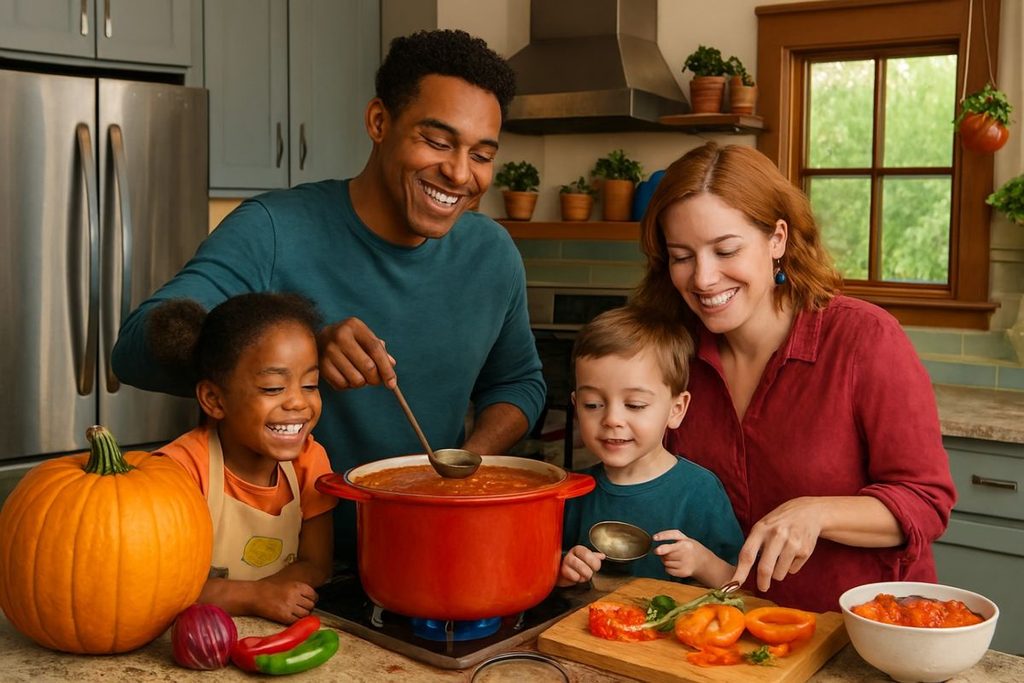
Let children help with safe tasks in the kitchen. They can arrange toppings, mix ingredients, decorate cookies, or set the table.
You could also give the tradition a funny family name. Children often enjoy names that come from something silly that happened during the first attempt.
The recipe itself does not have to remain exactly the same. You can change small things as your children grow.
Maybe one child eventually becomes responsible for making the dessert. Another child might create the drinks when they become older.
Food traditions also work well when Halloween becomes busy. Even if you cannot plan a large activity, you can still sit together for one special meal.
That consistency can make the evening feel different from an ordinary day. The meal becomes a small signal that Halloween has officially arrived.
Turn Pumpkin Picking Into an Annual Memory
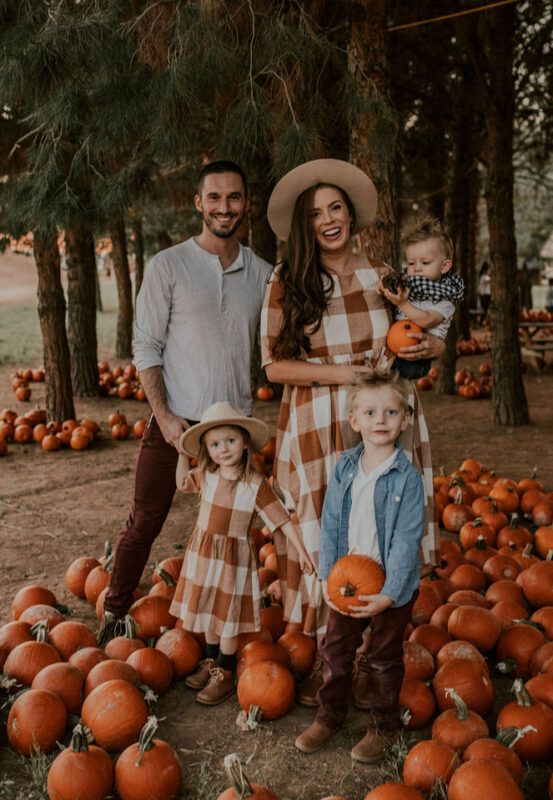
A pumpkin outing can easily become a family tradition because it gives everyone something to look forward to. You can visit the same place every year.
The children can choose their own pumpkins and compare them with previous years. Parents can also take pictures during the outing.
Try taking one picture in the same spot each year. Your children’s changing heights and personalities will become visible over time.
You do not need to spend the entire day at the pumpkin patch. A short visit can still become meaningful when your family repeats it.
Some families may enjoy choosing pumpkins before Halloween decorations begin. Others might prefer going closer to Halloween when the excitement feels stronger.
If you want to make the outing bigger, pack simple snacks and drinks. You could also plan another nearby activity after choosing the pumpkins.
For families with young children, keep the schedule flexible. Long outings can become tiring when children get hungry or overwhelmed.
The important part is the shared experience. The pumpkin itself is not what makes the tradition valuable.
If your family enjoys these outings, planning ahead can make the day easier. You can use everything you need for the perfect pumpkin patch day when preparing your next visit.
Give Trick-or-Treating Its Own Family Tradition
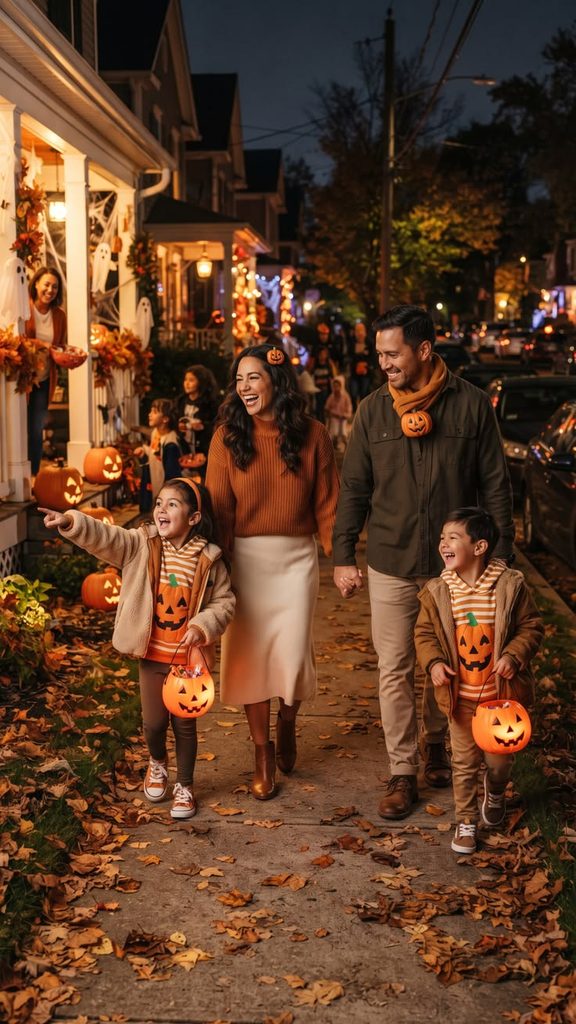
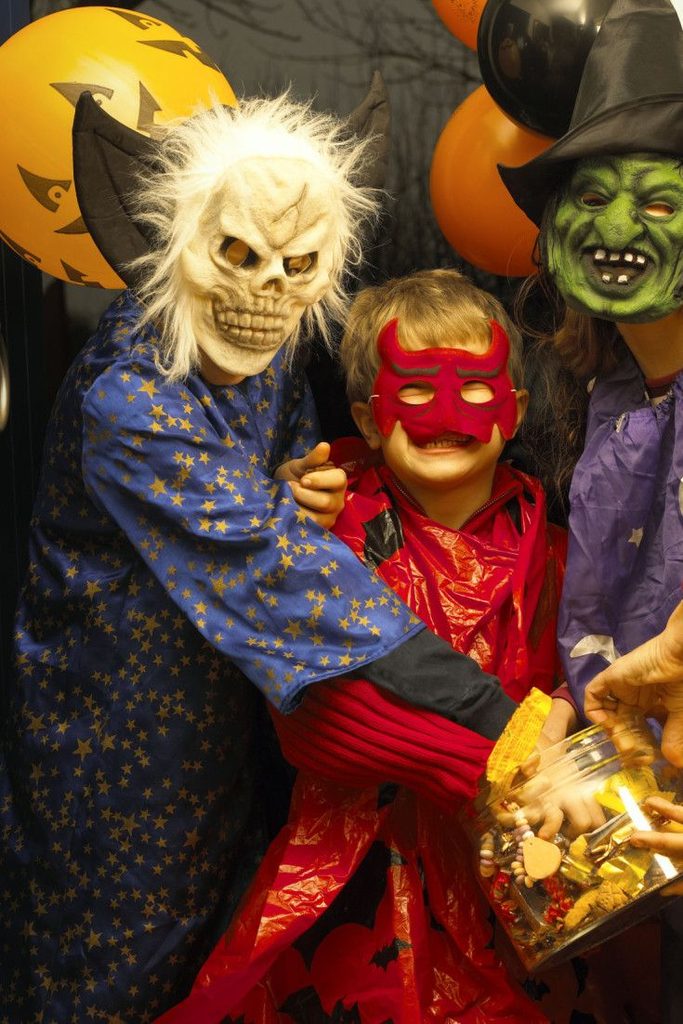
Trick-or-treating can become a tradition beyond simply collecting candy. You can create small routines that happen every year.
Maybe your children take the same family picture before leaving home. You could also have everyone check their costumes together before heading outside.
Another option is choosing one nearby route that your family enjoys. Familiar streets can make the experience easier, especially with younger children.
You could also let children carry a small treat bag that belongs to them. Keep it somewhere safe and bring it out every Halloween.
Parents should still set clear rules before everyone leaves. Children need to know where they can walk and who they must stay close to.
You can also establish a simple meeting plan. Everyone should know what to do if someone becomes separated from the group.
If your children are excited about visiting many houses, explain the limits beforehand. That can prevent arguments once everyone is outside.
Safety should always come before collecting more candy. For families planning their route, how to plan a fun and safe trick-or-treat night can help organize the evening.
The goal is to make trick-or-treating enjoyable without turning it into a stressful race. A relaxed evening usually creates better memories.
Have a Family Halloween Movie Tradition
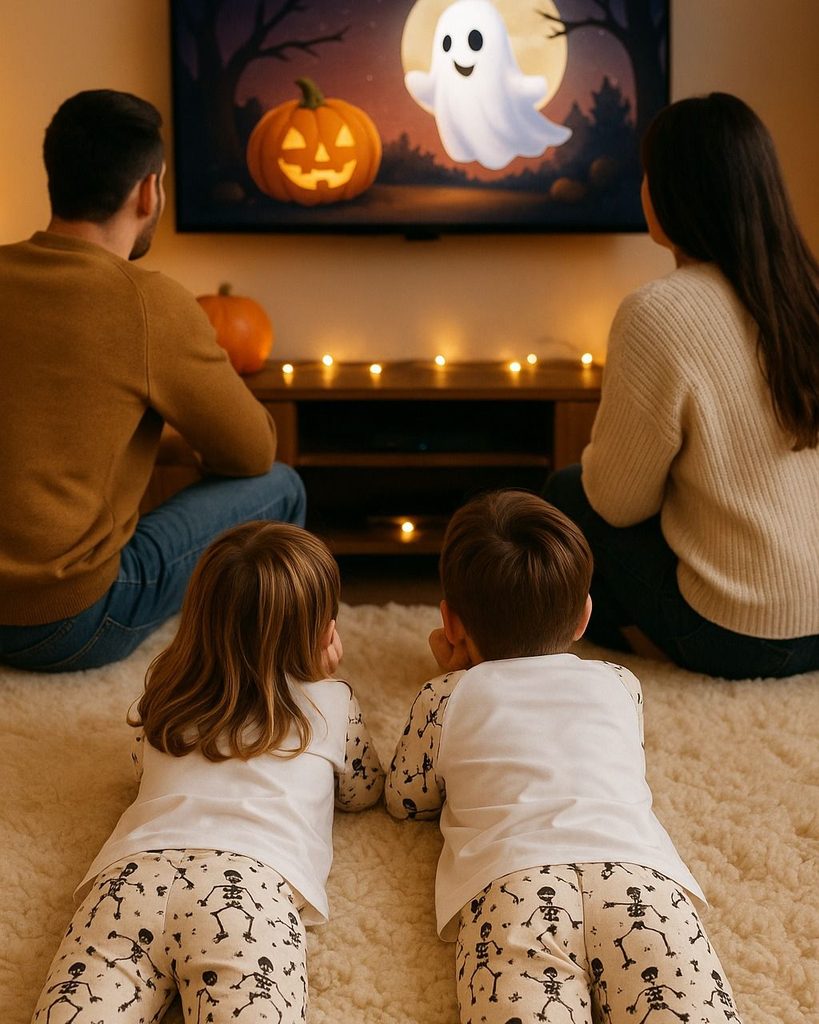
A Halloween movie night can become one of the easiest traditions to maintain. It works especially well when outdoor plans become difficult.
Choose a movie that matches your children’s ages and comfort levels. Some children enjoy spooky stories, while others prefer funny Halloween adventures.
You can also make the movie night feel different from regular family television time. Prepare snacks, turn off unnecessary lights, and let everyone settle comfortably.
Older children can take turns choosing the movie each year. Younger children can choose between two parent-approved options.
The family could also create one special snack for movie night. Popcorn, cookies, fruit, and simple drinks are enough.
Try not to make the evening too long. Younger children may become tired quickly after a busy Halloween day.
A movie night can also become useful when your children are too young for trick-or-treating. It gives them a fun way to enjoy Halloween at home.
If your children already love movies, make the tradition predictable. You could watch the same favorite film every year or choose a new one together.
For families looking for more ideas, how to host the ultimate halloween movie night for kids can help you plan the evening.
Keep Young Children’s Comfort in Mind
Halloween traditions should grow with your children instead of forcing them into activities they dislike. A tradition should feel enjoyable, not like an obligation.
Some young children love Halloween immediately. Others may dislike masks, loud decorations, dark streets, or unfamiliar costumes.
Pay attention to how your child responds during the season. Their reaction can tell you what needs to change.
A child who dislikes scary decorations may enjoy pumpkins and colorful crafts instead. Another child might prefer staying home instead of visiting many houses.
There is nothing wrong with changing the family tradition. Your goal is to create positive memories, not prove that your child can handle everything.
Parents can also introduce Halloween activities gradually. Start with simple decorations before moving toward darker or more dramatic themes.
If your child becomes frightened, listen instead of laughing at their reaction. Fear can feel very real to a young child.
You can also explain what they are seeing. A costume is still clothing, and a decoration is still an object.
For more ideas, how to make halloween less scary for young children can help you adjust Halloween activities for younger kids.
A comfortable child is more likely to remember Halloween positively. That matters more than completing every activity on your list.

Build a Tradition Around Family Photos
Family photos are another simple tradition that can become valuable over time. You only need a phone and a few minutes.
Choose one place where everyone takes a picture each year. It could be your front door, living room, backyard, or another familiar spot.
Try keeping one part of the picture consistent. Everyone could stand in the same position or hold the same decoration.
The costumes can change every year. That difference will make the collection more interesting as your children grow.
Do not force children into uncomfortable poses. Let them laugh, move around, and show their personalities.
Some of the best family pictures may happen between the planned shots. A child laughing at a sibling can become a favorite picture.
You could also take a second picture after trick-or-treating. Everyone can show their tired faces and candy bags.
Keep the photos organized so you can find them later. Create one digital album for each Halloween season.
Older children may eventually enjoy looking through the old pictures. They might even start asking about traditions they remember from earlier years.
That is when a simple photograph becomes more than a photograph. It becomes a record of how your family changed over time.

Make Safety Part of the Tradition
Family traditions should be enjoyable, but safety cannot be treated as an afterthought. Halloween often involves costumes, candy, decorations, and nighttime activities.
Parents should check costumes before children wear them outside. Make sure shoes fit properly and clothing does not create unnecessary tripping risks.
Masks can also make it harder for children to see. Face paint or makeup may be easier for some children.
Flashlights can help children see where they are walking. Reflective details can also make children easier for drivers to notice.
Parents should supervise younger children closely. Older children may need clear boundaries before going out without direct supervision.
Candy should also be checked before children eat it. Look for damaged packaging or anything that seems unusual.
Home decorations need attention too. Keep walkways clear and make sure electrical decorations are used safely.
You can find more detailed guidance in halloween safety tips every parents should know. It can also help you identify risks you might overlook.
Another useful reminder is that safety rules should stay simple. Children are more likely to remember short instructions they understand.
A family tradition should never depend on taking unnecessary risks. The best memories are the ones everyone gets to enjoy safely.

Create a Tradition Around Halloween Crafts
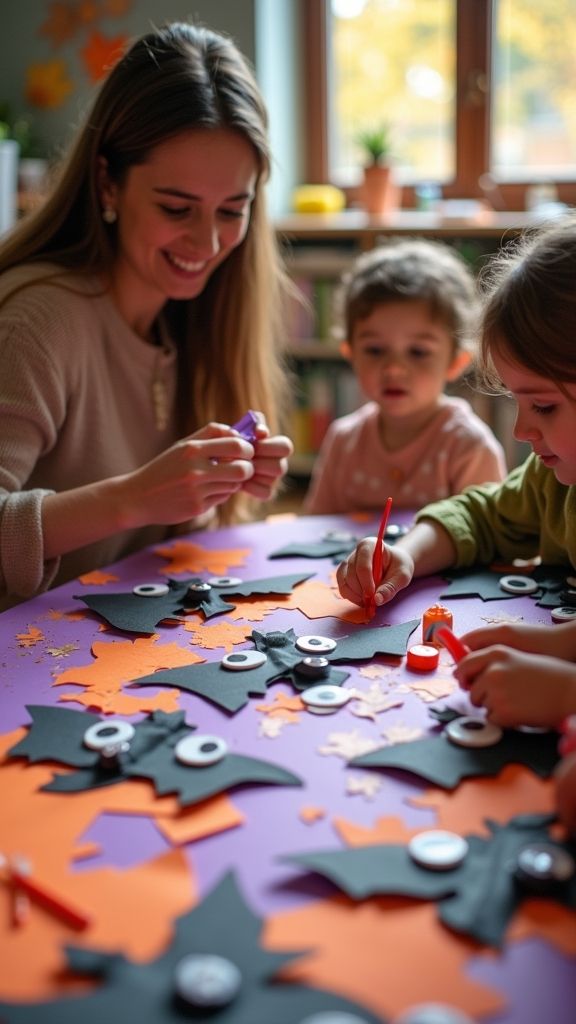
Crafts are useful for families that want a quieter Halloween activity. They can also work well for children who are not ready for trick-or-treating.
Choose crafts that children can complete with limited help. Paper decorations, painted pumpkins, simple masks, and homemade cards are good options.
You could make one new craft every Halloween. Store the finished pieces in a special box after the season ends.
Write the child’s name and year on each item. This makes it easier to remember who created each piece.
You do not need expensive craft supplies. Paper, cardboard, markers, glue, scissors, and recyclable materials can create plenty of options.
Let children make mistakes without constantly correcting them. Their finished crafts do not need to look perfect.
A strange-looking pumpkin can become a funny family memory. A messy painting can remind you how small your child once was.
Older children can also help younger siblings. That can turn crafting into another opportunity for family time.
If the weather keeps everyone indoors, crafts can save the day. You can still maintain the Halloween tradition without leaving the house.
Most importantly, keep the activity enjoyable. Once children start feeling pressured to make perfect crafts, the tradition loses some of its fun.
Add a Small Halloween Game
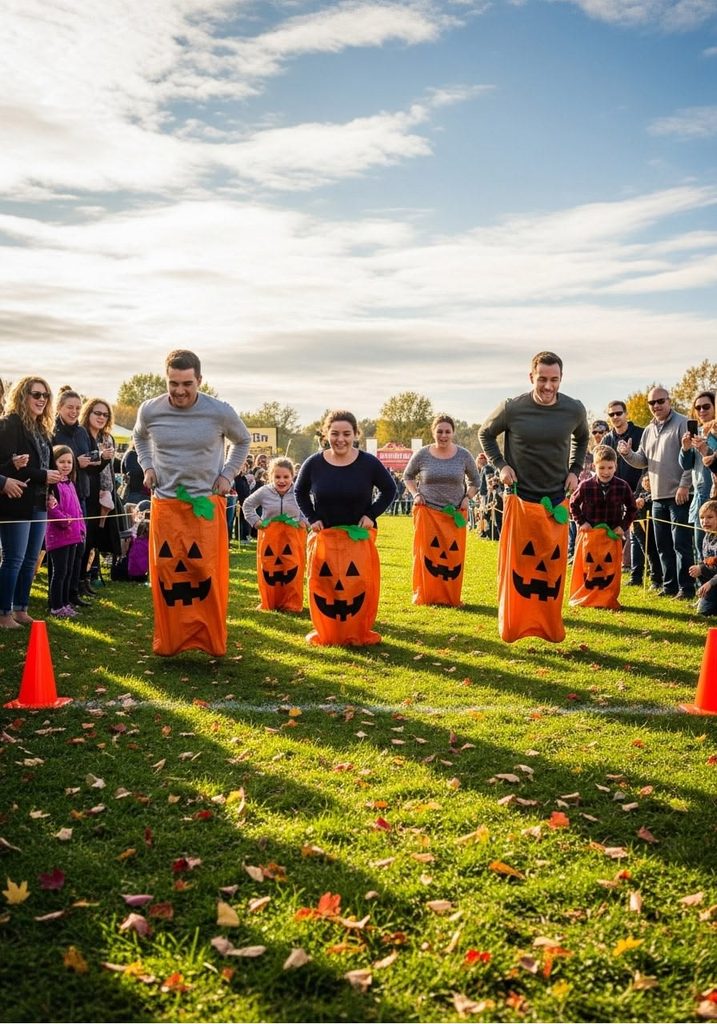
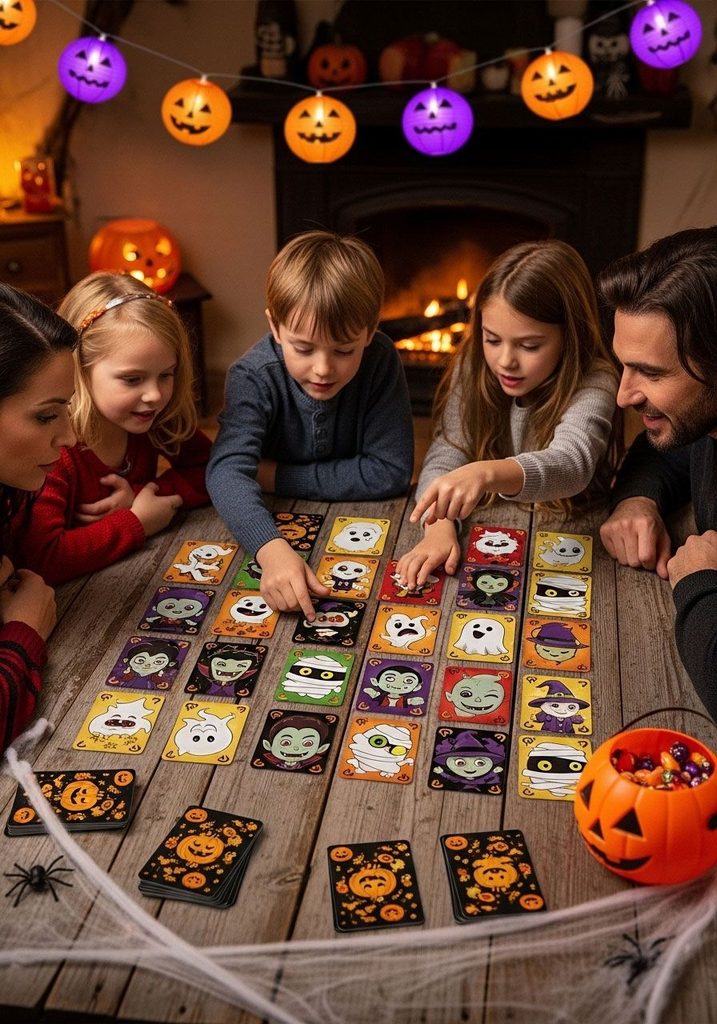
A family Halloween game can give everyone something to enjoy before or after other activities. The game should be easy to understand and quick to play.
You could organize a costume guessing game at home. Each person can walk into the room while everyone guesses the character.
Another option is a simple Halloween treasure hunt. Hide small treats or objects around safe areas of the house.
Children can also play Halloween bingo. You can create cards with pumpkins, bats, ghosts, costumes, and other familiar images.
For younger children, keep the rules simple. Too many instructions can make the game frustrating.
Older children can help create new games each year. They might invent challenges that become part of the family’s regular Halloween routine.
Avoid making every game about winning. Some children may become upset when they lose, especially when they are young.
Instead, focus on getting everyone involved. You can even create silly prizes that everyone receives at the end.
A game can take only twenty minutes. Still, that short activity can become something your children ask for every year.
Give Your Family a Halloween Countdown
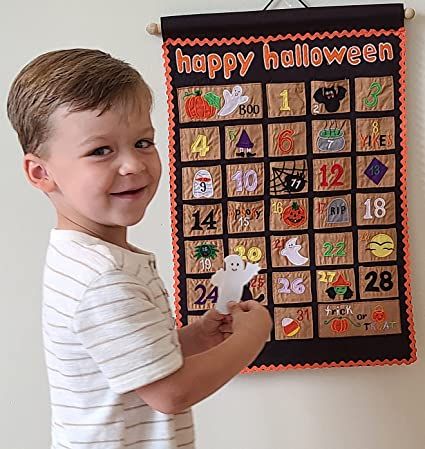
A countdown can make the weeks before Halloween more exciting. It also gives families a reason to spend time together before October 31.
You can create a paper countdown with one simple activity for each weekend. Keep the activities realistic so the plan does not become stressful.
One weekend could involve decorating the house. Another could include pumpkin picking, baking, crafting, or watching a Halloween movie.
You do not need an activity every single day. Too many plans can make the season exhausting for parents and children.
The countdown can also include small family tasks. Children might choose decorations, organize costumes, or help prepare Halloween treats.
Keep some activities completely free. A walk around the neighborhood to look at decorations can be enough.
You could also let children add their own ideas. That makes the countdown feel like something the whole family created.
If you already have several Halloween activities planned, the countdown can connect them. It can give the entire season a clear structure.
Just remember that plans sometimes change. A missed activity does not mean the tradition has failed.
The purpose is to build excitement and spend time together. It should never become another source of pressure for parents.
Create a Special Halloween Morning Routine
Most families focus heavily on Halloween night, but the morning can become special too. A small morning tradition can set the mood for the whole day.
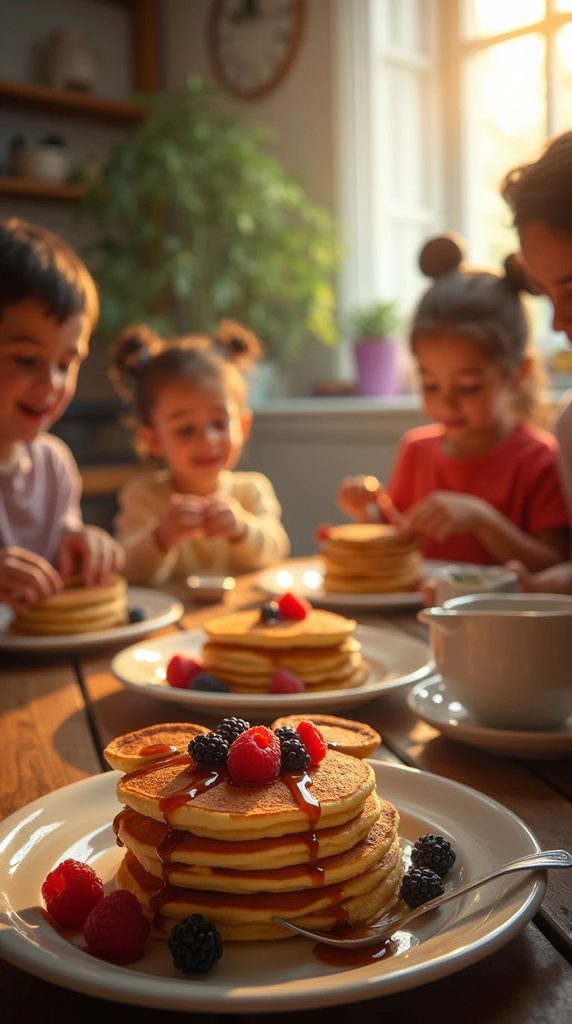
You could make a favorite breakfast that only appears on Halloween. Pancakes, waffles, eggs, or fruit can work without creating much extra work.
Children could also open a small Halloween book during breakfast. Younger kids may enjoy reading the same book every year.
Another option is playing a family Halloween playlist while everyone gets ready. Choose songs that your children already enjoy.
Parents can also use the morning to check costumes. This gives everyone enough time to fix problems before the evening.
Older children might enjoy helping younger siblings get ready. That can become another familiar part of the family routine.
Do not make the morning too complicated. Parents already have plenty to handle before Halloween activities begin.
The tradition should save time or add enjoyment rather than create more work. Simple routines are easier to repeat every year.
Even a special breakfast can become something children remember. They may eventually wake up asking when the Halloween breakfast is happening.
Check this out: How to Throw a Kid-Friendly Halloween Party at Home
Let the Tradition Change as Your Family Grows
A family tradition does not have to stay exactly the same forever. Your children will grow, and their interests will change.
A tradition that works for a five-year-old may not excite a twelve-year-old. Parents should allow the family tradition to develop naturally.
Maybe your children once loved simple crafts. As they grow, they might prefer cooking, movies, games, or outdoor activities.
You can keep the main idea while changing the activity. For example, the annual family picture can remain even when the costumes change.
The same approach works with food, decorations, and outings. Keep the part everyone loves and adjust the rest.
Older children can also take more responsibility. They might plan activities, choose movies, prepare snacks, or help younger siblings.
That can make the tradition feel less like something parents created. It becomes something the whole family owns.
Some traditions may disappear completely, and that is fine. Holding onto an activity nobody enjoys can turn a happy tradition into a yearly chore.
The strongest traditions usually survive because people still want them. They remain flexible enough to fit the family at different stages.
Your children may eventually suggest changes themselves. Listen to those suggestions because they can show you what the tradition means to them.
Focus on Time Together Instead of Perfection
Parents can easily feel pressure to make Halloween look perfect. Social media can make ordinary family celebrations seem inadequate.
You might see elaborate decorations, expensive costumes, huge parties, and professionally styled photos. None of those things are required for a meaningful tradition.
Children usually need your time more than expensive extras. Sitting together, laughing, cooking, or walking around the neighborhood can be enough.
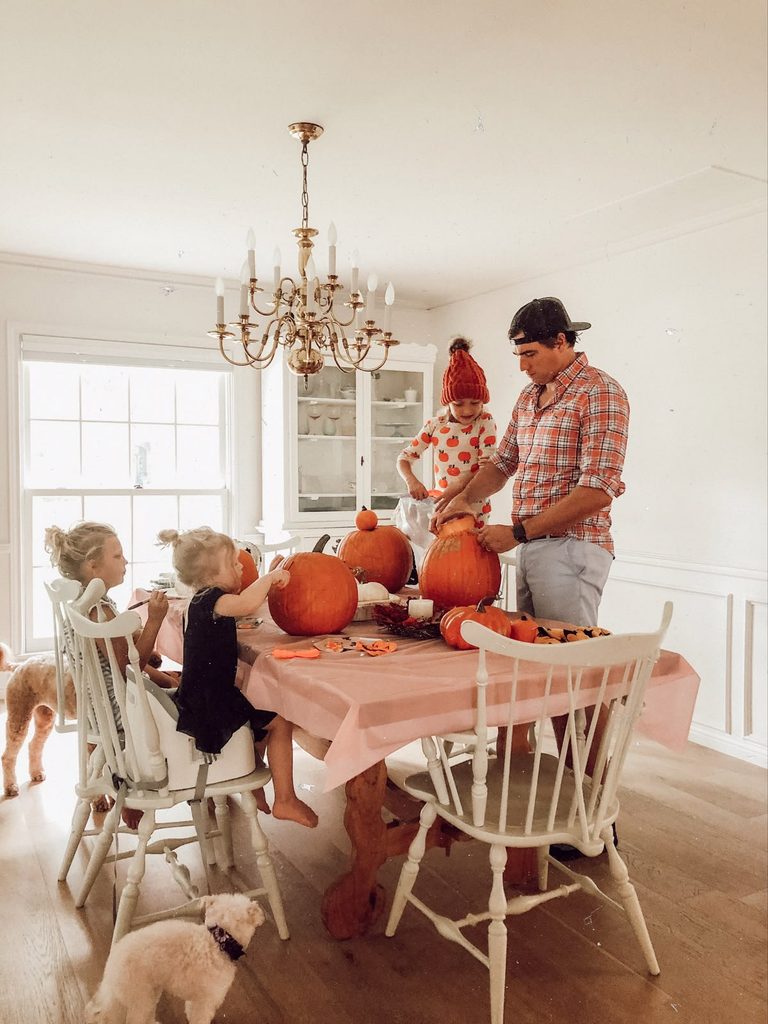
A homemade costume can become a favorite memory. So can a simple pumpkin painted at the kitchen table.
Even plans that go wrong can become family stories later. Maybe the cookies burned or someone wore the wrong costume.
Those moments do not ruin the holiday. They can become part of what makes your family’s Halloween different from everyone else’s.
Try choosing traditions that fit your budget and schedule. A tradition that constantly causes stress will be difficult to repeat.
You should also leave room for unexpected moments. Children may discover something they enjoy more than the activity you planned.
The point is not to create a perfect Halloween every year. The point is to give your family something meaningful to share.
When children remember Halloween years later, they may remember your presence first. That is why simple family traditions can have lasting value.
Leave a Reply