While preparing for a memorable Halloween that kids will enjoy, also plan for safety. Keeping them safe matters just as much throughout the whole season. It applies from the first costume fitting to the final piece of candy.
The fun and the safety side of Halloween are not separate tasks. They work best when planned together, right from the very start.
This post pulls together the safety basics that apply across the whole Halloween season. Have not started your bigger Halloween plan yet? Our Ultimate Parent’s Guide to Halloween with Kids is a good place to begin.
Here, we focus fully on the precautions that keep the season fun and worry-free from start to finish.By the end, you will have a clear picture of the small habits that matter most.
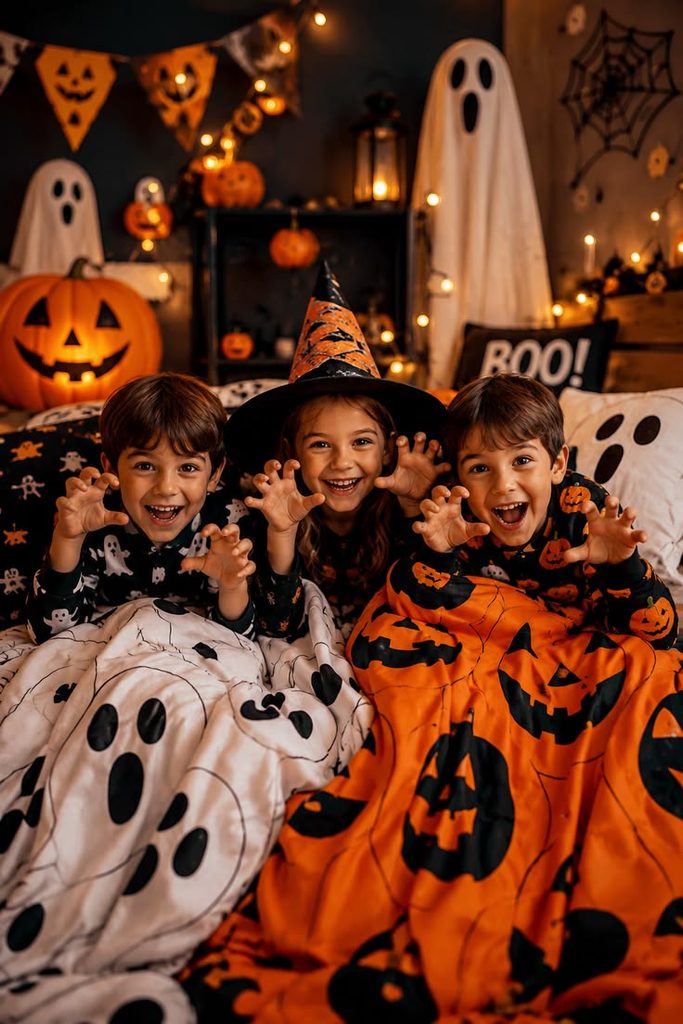
Halloween Safety Tips Every Parent Should Know
Why Safety Deserves Its Own Checklist
Halloween brings together a mix of things families rarely deal with all at once. Costumes, candy, dark streets, and excited kids all combine into one busy, exciting season for every family involved.
None of this makes Halloween dangerous, just a season worth a little extra thought. A short checklist covers most of what actually matters.
Most safety habits take only a few minutes to put in place. The payoff, a calmer and safer season, is well worth that small effort. Think of these tips as background support, not a long list of restrictions.
Reading through this once at the start of the season saves you from scrambling later on. Many of these habits become automatic after the first year or two of practice. The goal is a season that feels relaxed, not one filled with constant worry.
Share these habits with anyone else joining your Halloween activities this year. Everyone being on the same page makes the whole season easier to manage together.
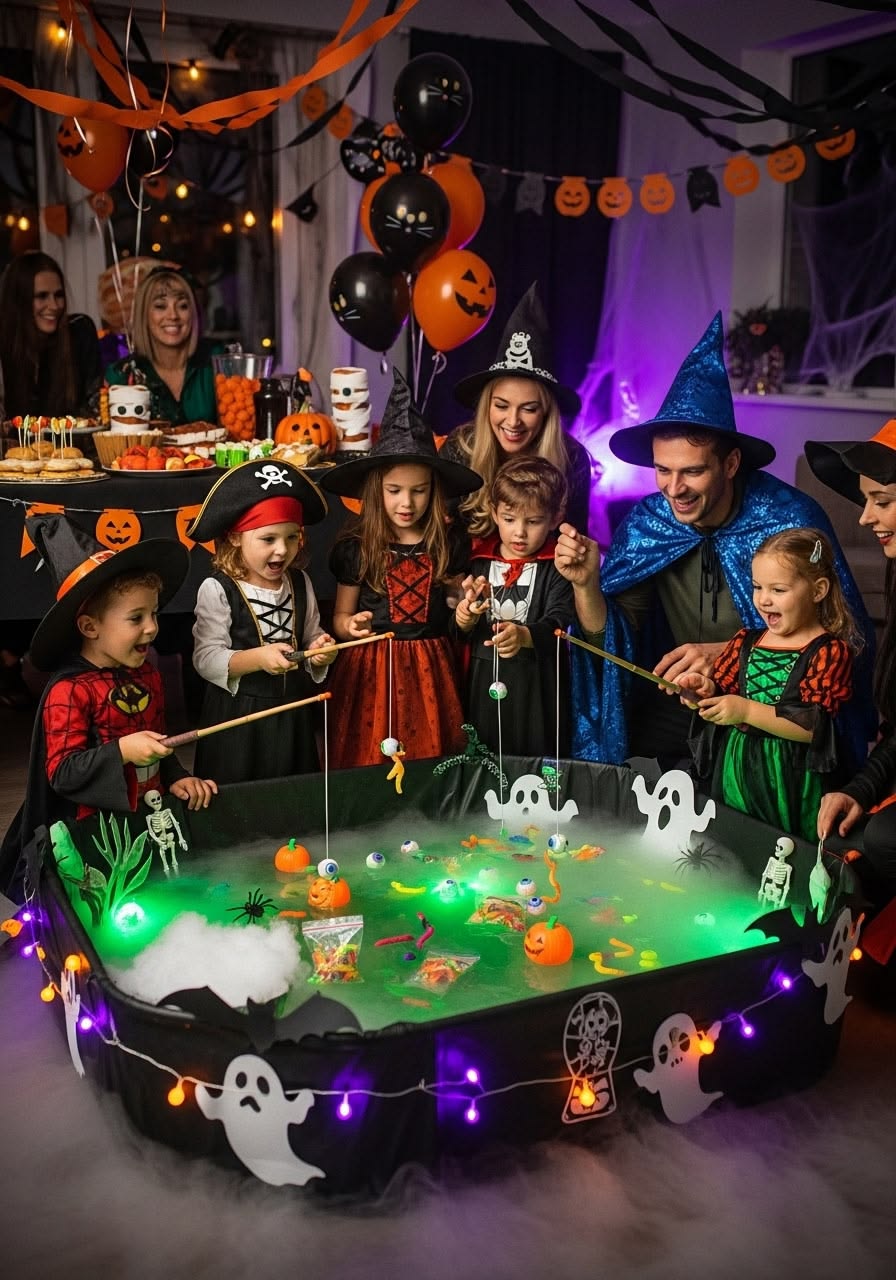
Costume Safety Basics
A costume should never limit how well a child can see, breathe, or move. Avoid masks that block vision, and swap them for face paint when possible.
Check that costumes are not too long, since loose fabric creates a trip hazard. Want a full guide on choosing something safe and comfortable? See how to choose a Halloween costume your child will love.
It covers everything from fit to fabric choice in detail.
Add reflective tape or a small light to dark costumes before heading outside. This one detail makes a real difference once the sun goes down. Test the full costume at home first, so nothing feels unfamiliar on the actual night.
Check that shoes fit well and are broken in before the big night arrives. Blisters or slipping shoes can turn a fun evening into an uncomfortable one fast. A quick test walk around the house catches most of these small issues early.
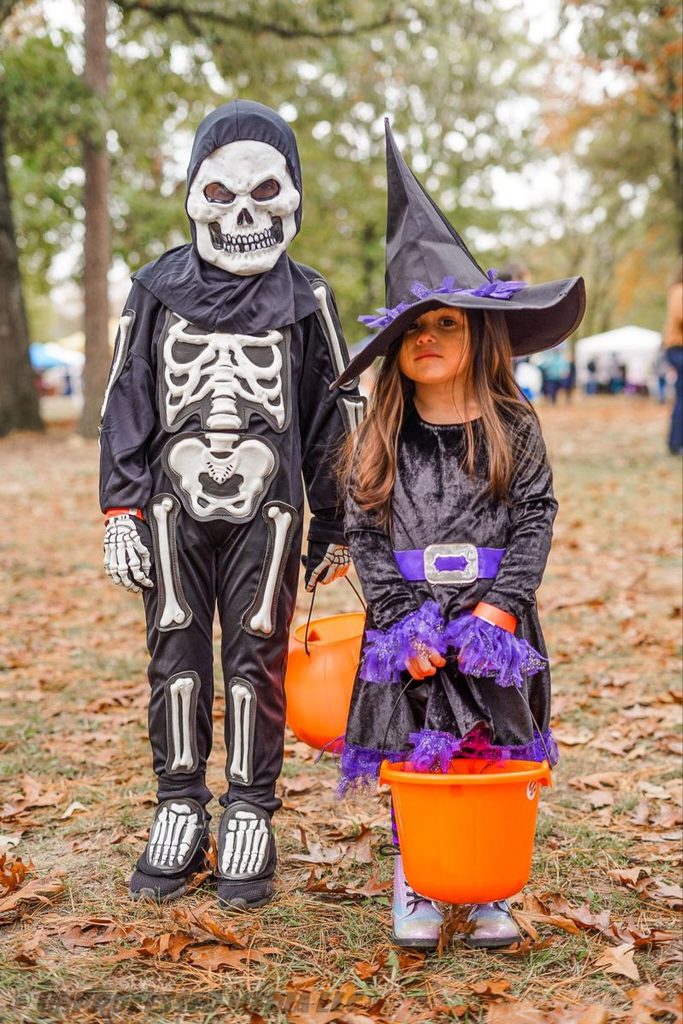
Decorating Your Home Safely
Halloween decorations add fun to the season, but a few precautions matter. Keep walkways clear of cords, props, and anything that could cause a trip.
Battery-powered lights are safer than open flames, especially near costumes or curtains. Planning to host guests? Our post on how to throw a kid-friendly Halloween party at home covers setup in more detail.
Check outdoor lighting along paths and steps, especially once it gets dark earlier in the evening. A well-lit path prevents most falls before they ever happen.
Secure any tall or freestanding decorations so wind or a curious pet cannot knock them over. A quick check before guests arrive avoids a broken decoration or a small injury.
This is especially worth doing if young kids will be moving around the space.
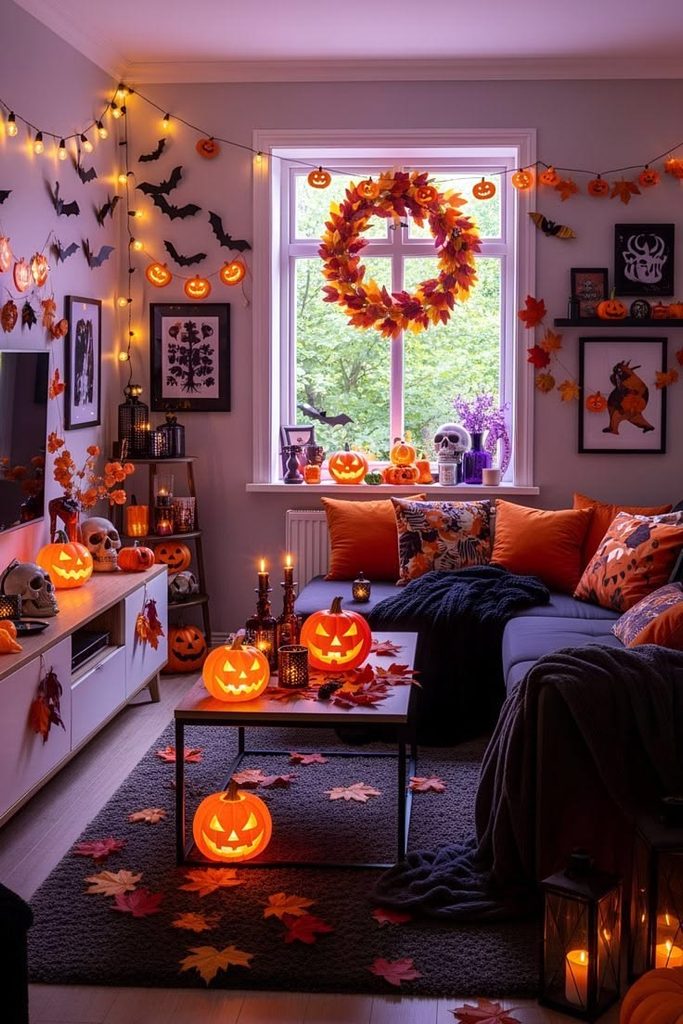
Candy and Food Safety
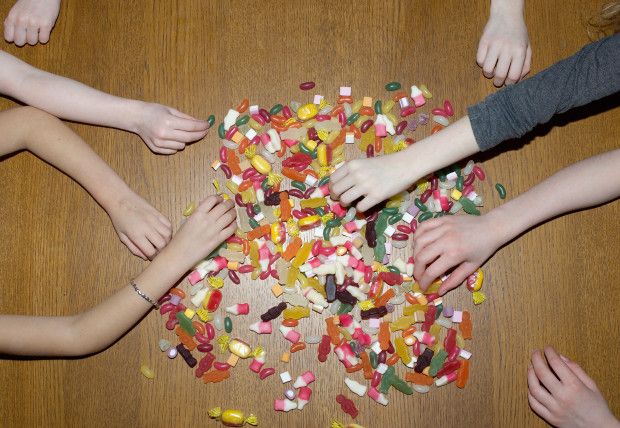
Wait until you get home before letting kids eat any collected candy. Check every piece carefully for torn wrappers or anything that looks tampered with.
Throw away anything unwrapped or homemade from someone you do not personally know. This quick check adds real peace of mind without taking much time out of the evening.
Watch for choking hazards too, especially with younger kids and hard or small candies. A careful sort keeps the treat bag both safe and still fully enjoyable.
Do this check under good lighting, not the dim glow of a porch light. Details are easy to miss in low light, even with careful attention. A well-lit kitchen table works far better for a proper, thorough check.
Food Allergy Awareness
Many families now watch for the teal pumpkin symbol, which signals non-candy treats. If your child has allergies, check every label carefully before they eat anything collected.
Carry any needed medication with you, just in case something is missed. A small pouch with essentials fits easily into any trick-or-treat bag.
Talk to your child about which treats are safe for them specifically and why. This builds a habit that carries them well into future Halloween seasons.
Consider carrying a few safe treats of your own to swap out unsafe ones. This means your child never has to feel left out during the candy sort at home. A small swap keeps the excitement intact while keeping them fully safe.
Check with a few trusted neighbors ahead of time about what they plan to hand out. Knowing in advance which houses are safe stops can make the night smoother for allergy-conscious families.
A short message a day or two before Halloween is usually all it takes.
Street and Traffic Safety
Cars are one of the biggest risks during Halloween, more than most people expect. Cross only at marked corners, and look both ways every single time.
Walk on sidewalks, and face traffic directly if none are available. For a full walk-through on building a safe route, check how to plan a fun and safe trick-or-treat night.
Remind kids that dark costumes can be hard for drivers to spot at night. A costume that blends into the dark adds real risk on a busy street.
Watch for cars pulling in and out of driveways, since drivers may not expect kids nearby. Slow down near every driveway, and hold a younger child’s hand if needed. This small habit prevents one of the most common Halloween night accidents.
Golf carts and other small vehicles also show up more often on Halloween night in some neighborhoods. Treat these the same as any other vehicle, with full attention and caution.
A calm, consistent approach to every crossing keeps the whole group safer throughout the night.
Stranger Safety Basics
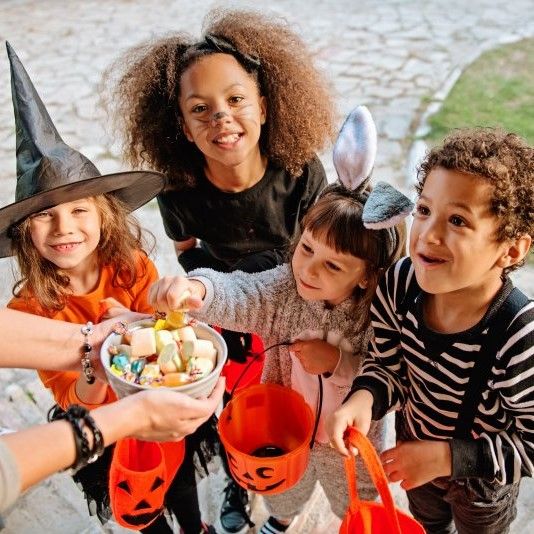
Most people handing out candy are simply kind neighbors enjoying the holiday. Still, basic stranger safety habits are worth a quick reminder before heading out.
Teach kids to stay on the porch, not to enter anyone’s home. Remind them never to accept a ride from someone, even if they seem friendly.
Practice a simple phrase kids can use if something ever feels wrong. Confidence in knowing what to do matters more than fear of strangers in general.
Keep the tone calm and matter-of-fact when discussing this with your child. Overly dramatic warnings can create fear that outweighs the actual risk involved. A short, clear conversation works better than a long, worried one.
Most Halloween nights go smoothly without any real safety concerns arising at all. These habits exist as a sensible precaution, not because the season is genuinely risky.
Trick-or-Treat Specific Precautions
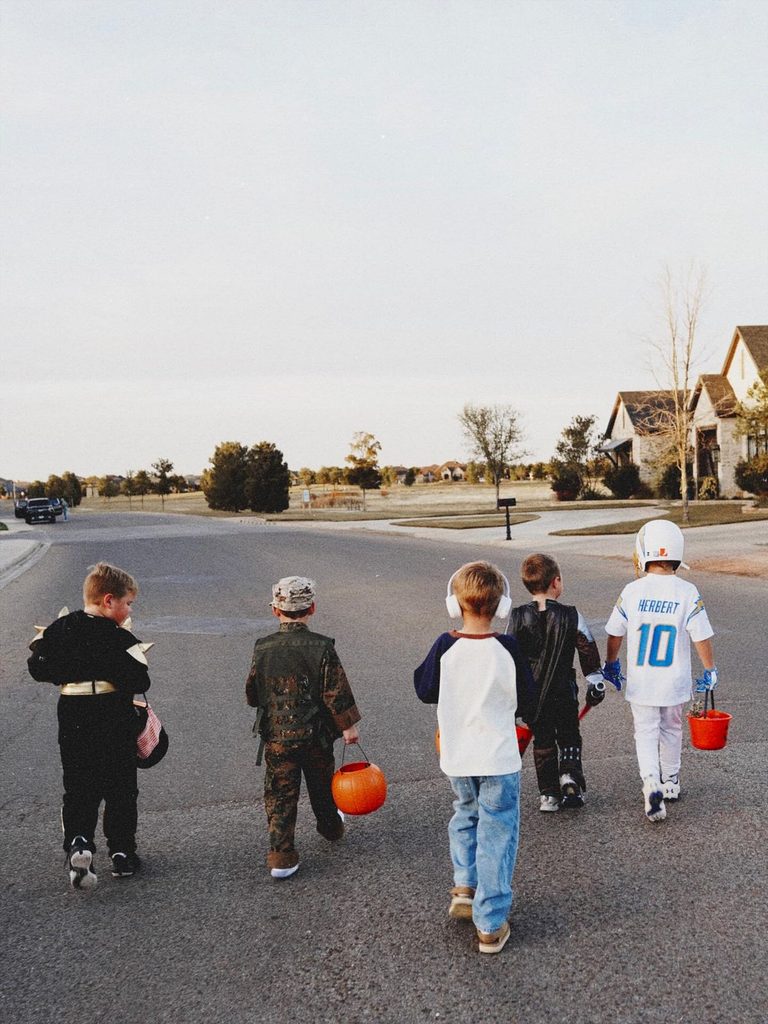
The walk itself carries its own set of risks worth planning around. Use the buddy system, and keep younger kids within arm’s reach the whole time.
For the full breakdown covering this exact walk, read how to keep kids safe while trick-or-treating. It goes deeper into group habits, meeting points, and general night awareness.
Only approach houses with a porch light on, and skip any that look empty. This simple habit keeps kids away from homes not participating in the holiday.
Stick to a planned route you already know well, with good lighting and sidewalks. Avoid unfamiliar shortcuts, even if they seem to save a bit of time. A slightly longer, well-lit route is always the safer choice for the whole group.
Count heads regularly throughout the night, especially at busier intersections or popular houses. This quick habit catches a wandering child early, before it becomes a real worry.
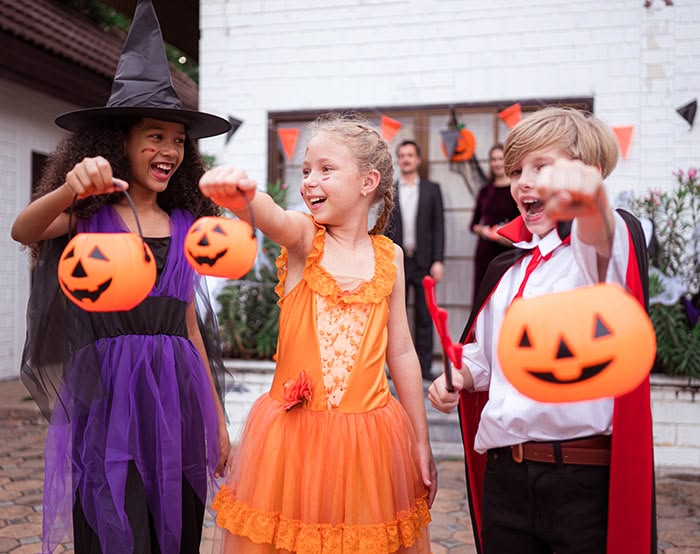
Fire and Decoration Hazards
Jack-o’-lanterns with real candles pose a fire risk, especially near costumes. Battery-powered candles give the same warm glow without any flame involved.
Keep any decorations with cords away from walking paths and doorways. A quick walk-through of your home before guests arrive catches most hazards early, before anyone has a chance to trip.
Check smoke detectors at the start of the season, since this is an easy step to forget. A working detector adds real peace of mind during a busier-than-usual month.
Keep a small fire extinguisher accessible in the kitchen during any hosted event. Most families never need it, but having one ready close by is a simple, worthwhile step. This applies for a big party and for a quiet night in alike.
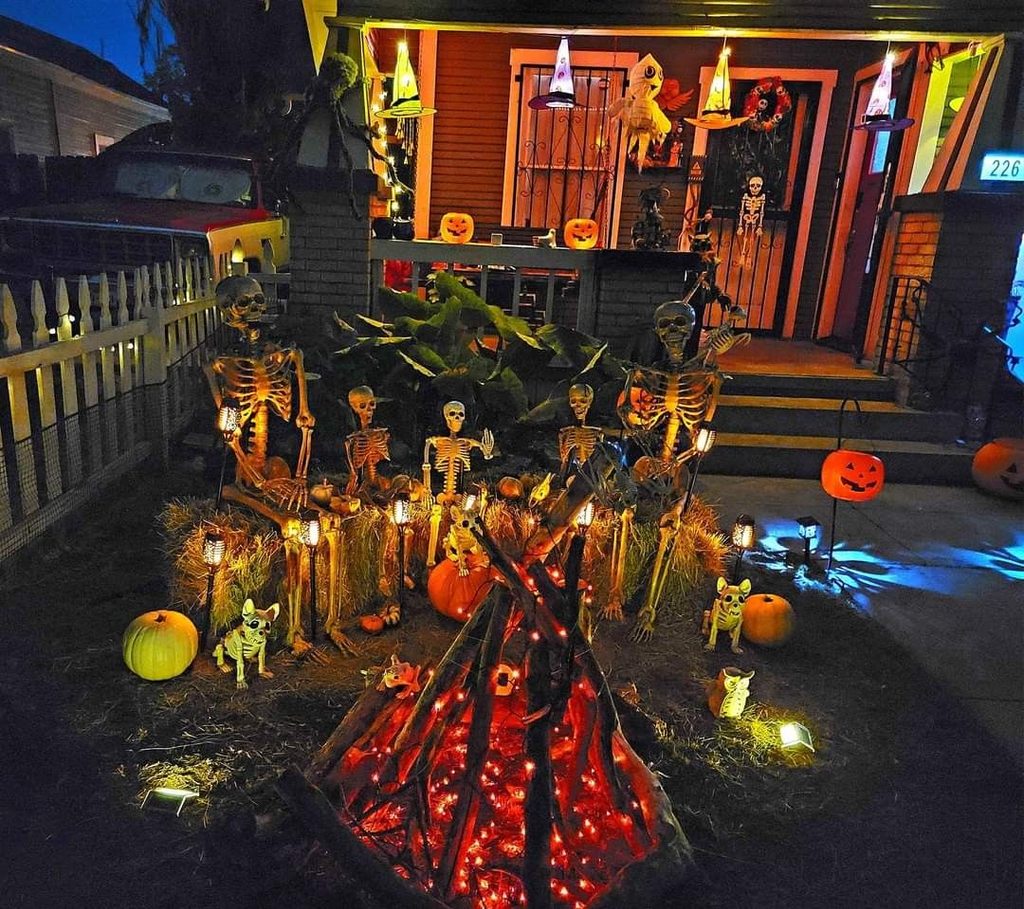
Weather Preparedness
Fall weather can shift quickly, even within the same evening. Check the forecast the day before any outdoor Halloween activity. Pack a light jacket that still fits comfortably under a costume.
Wet or cold conditions reduce both comfort and visibility, so plan for both ahead of time.
Have a backup plan ready in case the weather turns unexpectedly bad. Moving activities indoors keeps the fun going without cutting the night short entirely.
Keep a spare set of dry clothes in the car, just in case. A sudden shift from mild to wet weather can leave kids uncomfortable fast. Being ready for it keeps the night upbeat instead of miserable.
Check the ground conditions too, since morning dew or evening damp can soak through light shoes. Waterproof or sturdy shoes make a real difference on a chilly, damp evening.
A little foresight here keeps small discomforts from turning into a rushed, early end to the night.
Emergency Planning
Agree on a clear meeting point before heading out, in case anyone gets separated. Make sure every child in the group knows the plan, not just your own.
Write your phone number on a wristband for younger kids, as a simple backup. A charged phone and a quick check-in plan cover most other situations.
Keep a small first-aid kit within reach during outdoor activities. Minor scrapes are common during an active night, and quick care helps a lot.
Review the emergency plan with kids in simple, clear language before heading out. Short phrases like “wait here” or “find an adult in costume like ours” work well.
Kids remember simple instructions far better than long, detailed explanations in the moment.
Choose a recognizable meeting spot, like a specific corner store or a well-known tree. Make sure every child in the group knows the plan, not just your own. This turns a stressful moment of separation into a quick, calm fix for everyone involved.
Technology and Check-Ins
A charged phone remains one of the simplest safety tools for the whole season. Share your location with another parent if your phone allows for that feature.
For older kids out with friends, set a specific check-in time during the night. Do not rely on technology alone, since phones can lose battery or signal partway through the evening.
Pair any tech habits with the basic safety rules covered throughout this post. Together, they cover most situations a family might run into.
Some families also keep a simple walkie-talkie as a backup to phones. These do not rely on cell signal and can work well in a neighborhood-sized area.
It is a small extra layer that some parents find genuinely reassuring, especially in areas with patchy cell coverage.

Safety for Nervous or Sensitive Kids
Not every child feels confident jumping straight into Halloween activities. Some need a slower pace, extra reassurance, or a quieter version of the season.
Our guide on how to make Halloween less scary for young children covers this in depth. A nervous child benefits more from patience than from being pushed to keep up.
Let a hesitant child set their own pace, even if it means a shorter night. Confidence usually builds naturally with repeated, low-pressure exposure over time.
Safety habits can actually help a nervous child feel more in control, not less. Knowing the plan, the meeting point, and the route ahead of time reduces uncertainty. Structure often calms nerves better than reassurance alone.
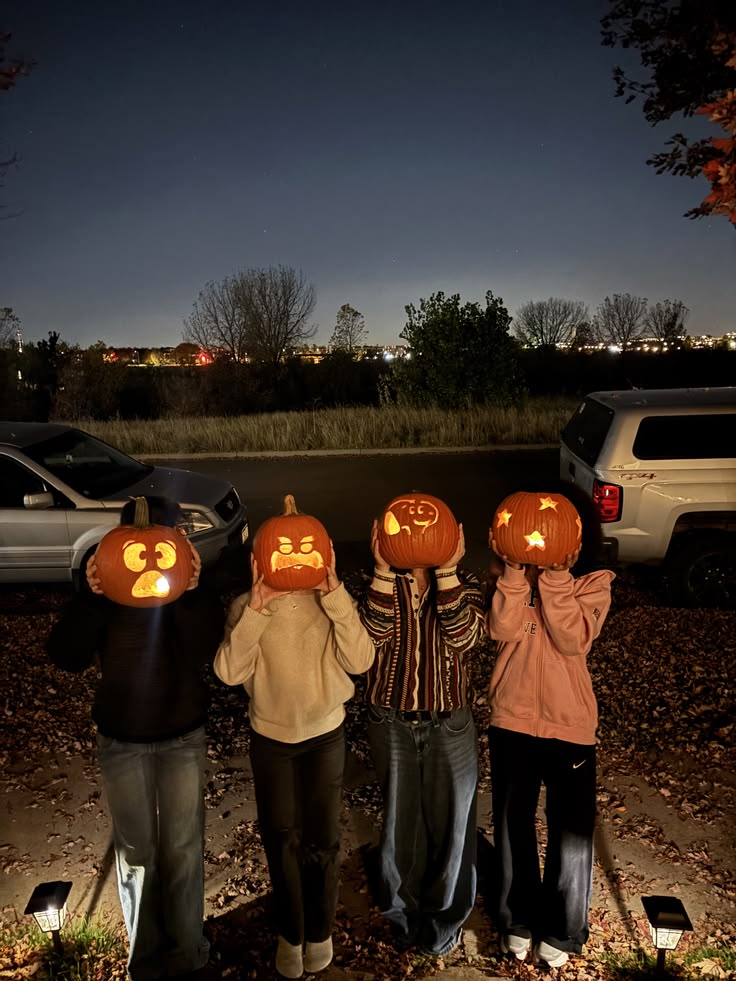
Pumpkin Carving Safety
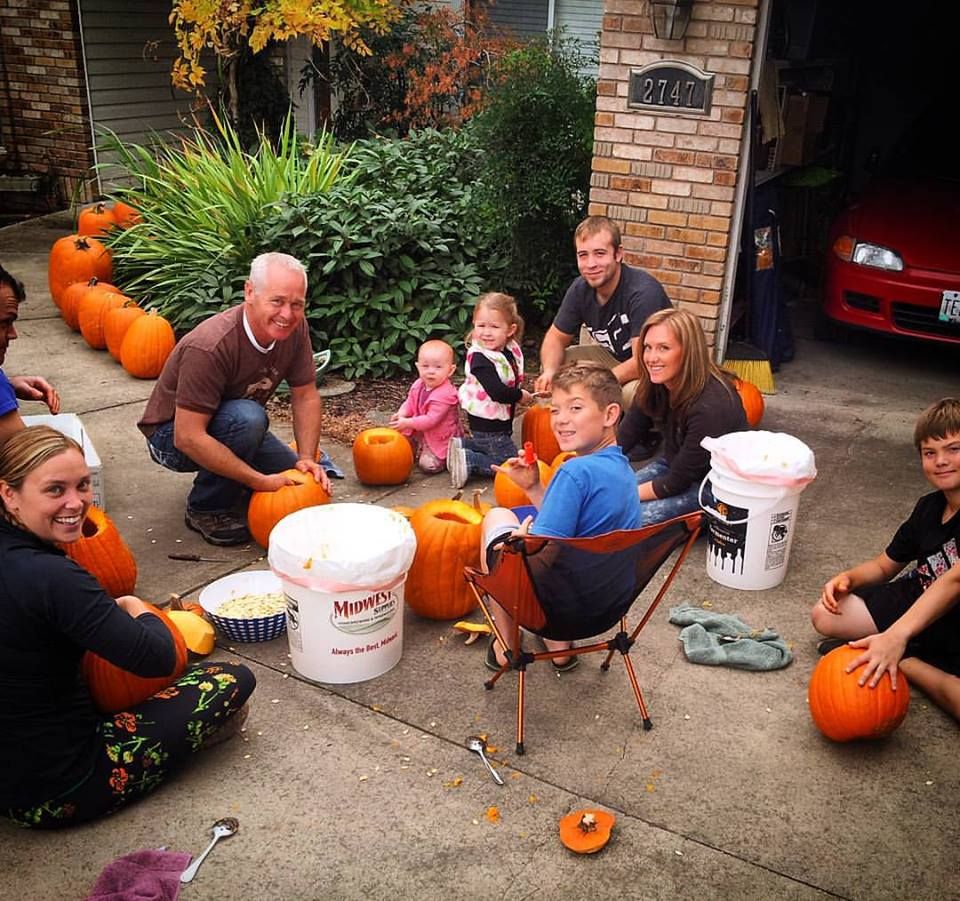
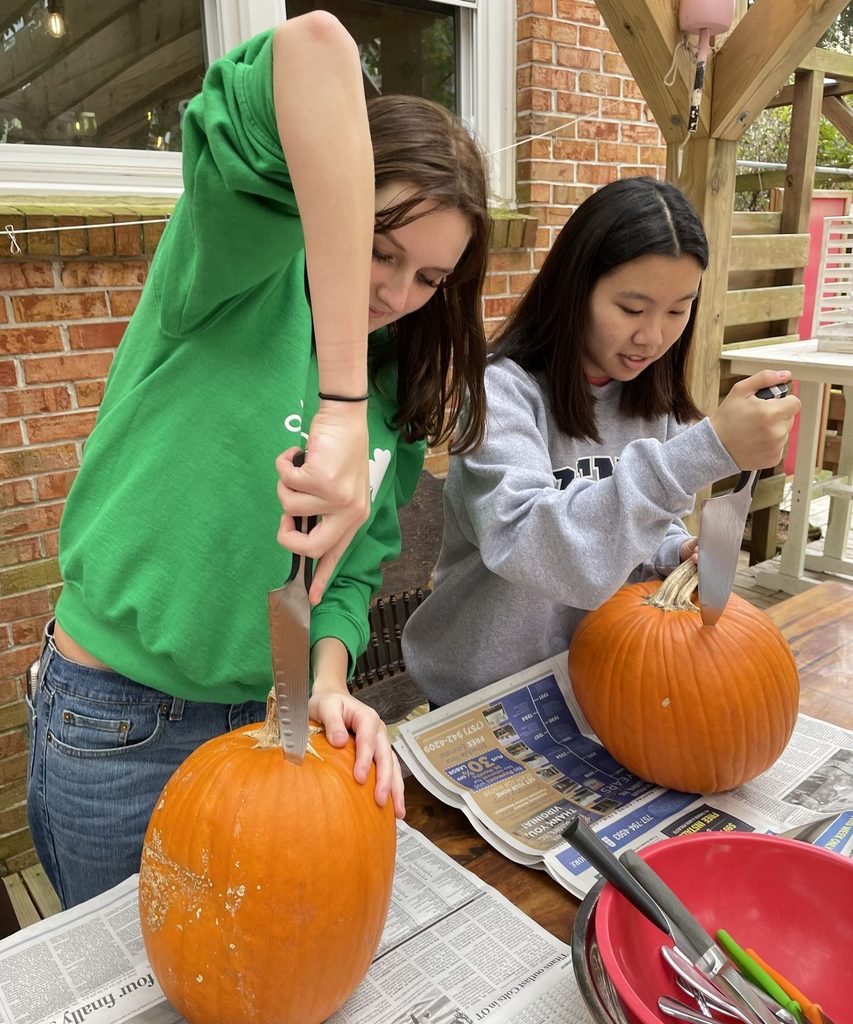
Carving pumpkins is a fun tradition, but sharp tools need careful handling. Let younger kids scoop seeds, while adults or older kids handle the actual cutting. Keep knives out of reach when not in active use.
Planning a pumpkin patch trip first? See everything you need for the perfect pumpkin patch day for full planning tips.
Work on a stable, flat surface to avoid the pumpkin slipping during carving. A steady base makes the whole process safer and far less frustrating.
Supervise the whole carving process closely, even with older kids handling the tools. Sharp edges and slippery pumpkin flesh make accidents more likely than people expect.
A few extra minutes of attention prevents most small injuries during this activity.
Have a small first-aid kit nearby during carving, just in case of a minor cut. Most carving sessions go smoothly, but it helps to be prepared regardless.
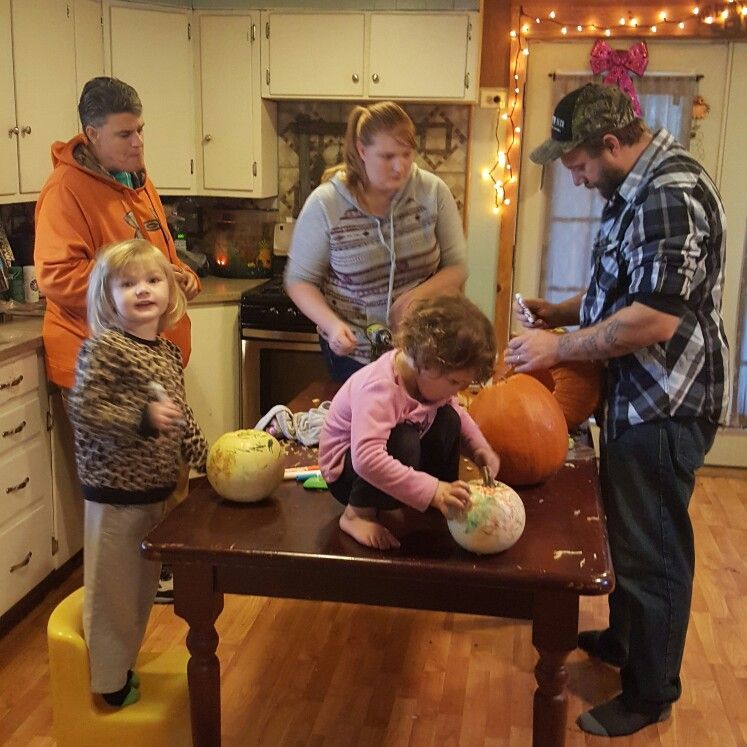
Indoor Activities and Movie Night Safety
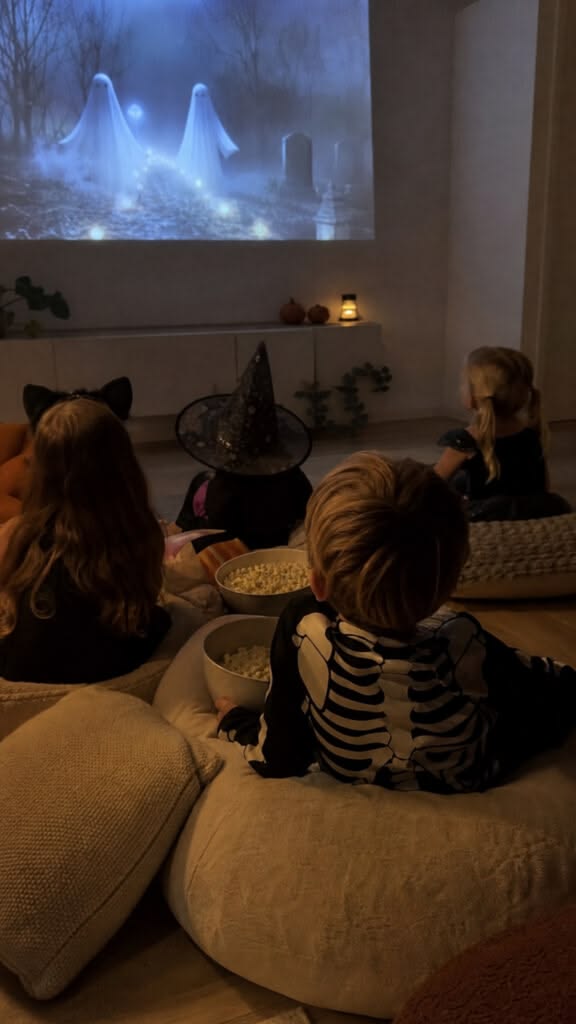
Not every Halloween activity happens outside, and indoor nights need a little thought too. Keep cords, candles, and decorations away from walking paths in a dim room.
Our post on how to host the ultimate Halloween movie night for kids covers cozy, safe setup ideas. A relaxed evening still benefits from a few basic precautions.
Leave a small light on near hallways, so nighttime bathroom trips stay easy and safe.
Check that any blankets or fabric near candles or warm lamps stay a safe distance away. Cozy setups can create fire risks if placed too close to a heat source. A quick check before settling in keeps the whole space genuinely safe.
Keep floor clutter to a minimum, especially with several kids moving around a dim room. A tidy space prevents most of the small trips that happen during an exciting evening.
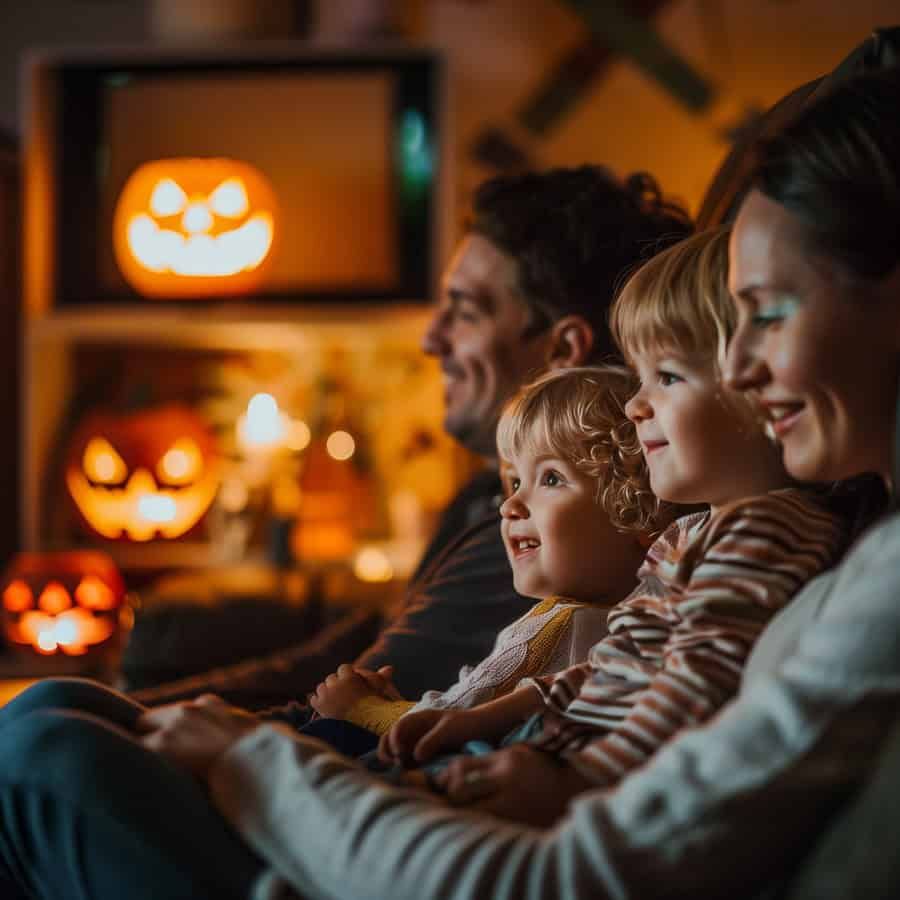
Pet Safety During Halloween
Halloween can be stressful for pets too, with strangers at the door all evening. Keep pets in a separate room if they get anxious around noise or visitors.
Avoid dressing pets in costumes that restrict movement or breathing. Certain Halloween candies, especially chocolate, are dangerous for dogs and cats.
Keep candy bowls out of reach of curious pets throughout the night. A little planning here keeps the whole household calm, not just the kids.
Make sure pets have proper identification in case the front door gets left open by mistake. A busy night with constant knocking increases the chance of a pet slipping outside.
A collar tag or microchip adds a helpful layer of security for this exact situation.
Give anxious pets a familiar, quiet spot away from the front door for the evening. A favorite blanket or toy nearby can help keep them calm during a noisy night.
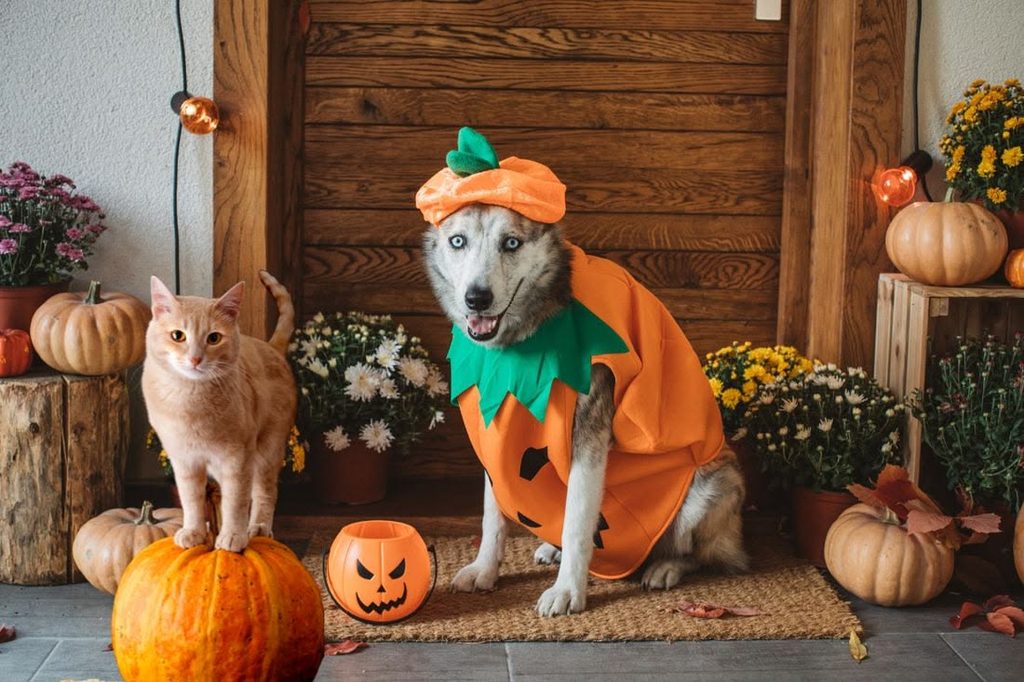
Safety Considerations for Teens and Older Kids
Older kids often trick-or-treat in groups without direct adult supervision. Agree on a curfew, a check-in plan, and boundaries around where they can go.
Remind them that basic safety habits still apply, even without an adult right beside them. A little trust paired with clear expectations usually works well at this age.
Encourage teens to travel in groups rather than splitting off alone during the night. This simple habit reduces most of the risk without limiting the fun.
Talk through basic expectations early, rather than setting rules right as they head out. A calm conversation earlier in the day lands better than a rushed one at the door. Older kids respond well to being trusted with clear, simple guidelines.
Agree on a rough curfew and a check-in plan that fits their age and experience. Older teens might just need a single text at a set time. Younger teens heading out for the first time may need a bit more structure around the plan.
Building Safety Into Your Family Tradition
Repeating the same safety habits every year turns them into second nature over time. Kids who practice these basics yearly rarely need much reminding as they grow older.
Our post on how to create a memorable family tradition has ideas for building habits like this. What starts as a rule can become a natural, expected part of the season.
Consistency here benefits kids well beyond just one single Halloween. Skills like street awareness and clear communication carry into everyday life too. That value lasts long after the season ends and the decorations come down.
Talk about safety in a positive tone each year, not as a repeated warning. Frame it as simply how your family always celebrates, not a separate lecture. This keeps the habit feeling natural rather than like an annual scolding.
Final Thoughts on a Safe Halloween Season
Safety does not need to take the fun out of Halloween for your family. A few consistent habits cover most of what actually matters throughout the season.
Stay prepared, stay flexible, and let the excitement lead the way. The goal is a season your family remembers fondly, not one you are simply relieved to finish. That holds true from the first costume try-on to the very last piece of candy.
With the right habits in place, a fun Halloween and a safe one go hand in hand. A prepared parent tends to relax more, and that calm passes on to the kids too.
Start with the basics, build on them each year, and the whole season gets easier and calmer over time.
Leave a Reply