With Halloween excitement building, my niece always insists on going to the market with her mom. She wants to pick out her own costume every single year. She walks past every aisle, touching capes, wands, and masks along the way. Some years she picks fast, other years it takes three whole trips.
That is Halloween costume shopping in a nutshell for most families. Kids know what they want, and then they change their minds twice. Already have a full plan for the season? Our Ultimate Parent’s Guide to Halloween with Kids covers everything else. This post focuses on one thing only, getting the costume right.
By the end, you will know how to shop smart and avoid meltdowns. You will also know how to pick something your child truly loves wearing.
This is not about finding the perfect costume on the first try. It is about knowing what to look for, and what to skip. A few simple checks make the whole process faster and far less stressful.
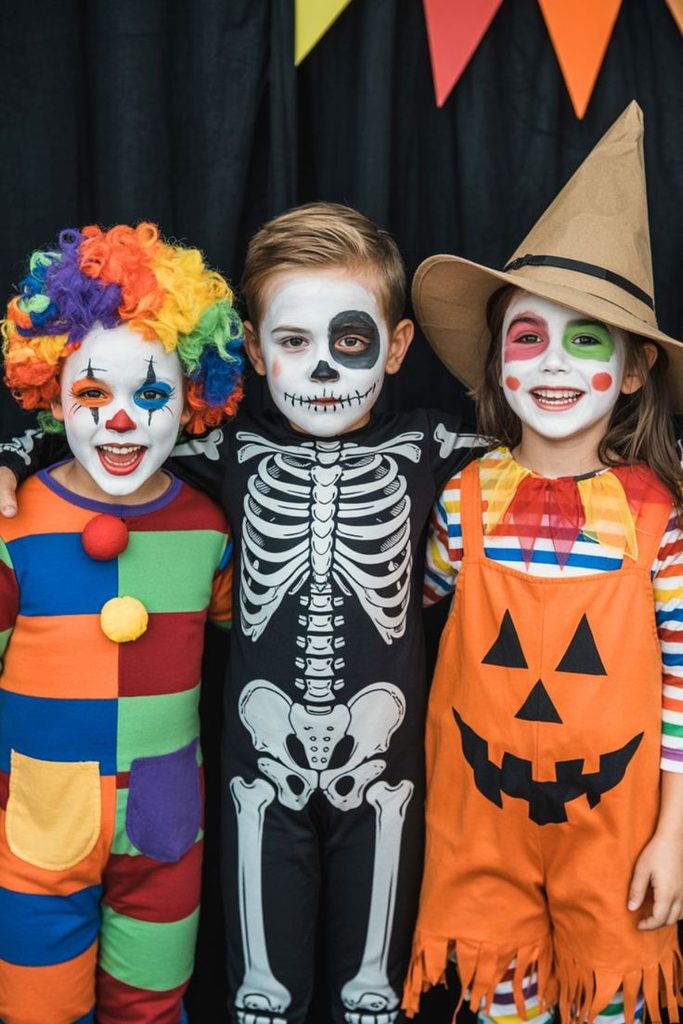
How to Choose a Halloween Costume Your Child Will Love
Why the Right Costume Matters More Than You Think
A costume is not just fabric and glitter for one single night. It is what your child wears for hours, in the cold, while walking a lot.
The wrong choice leads to complaints, tears, and a costume ripped off early. The right choice means your child forgets they are even wearing one.
Comfort and fun should always come before how the costume looks in photos. A happy kid in a simple costume beats a miserable kid in a fancy one. Keep that in mind through every step of the shopping process.
Think about the last time you wore something uncomfortable for hours straight. You probably remember the discomfort more than anything else about that day.
Kids feel the same way, only they have less patience for pushing through it. A costume that fights against your child all night ruins the fun fast.

Start the Search Early, Not the Week Before
Popular costumes sell out fast, especially character ones tied to new movies. Waiting until late October often means settling for whatever is left.
Start browsing two or three weeks ahead, even if you do not buy yet. This gives you time to compare, order online, or plan a DIY version.
Early shopping also means fewer arguments at the store. A rushed trip with a tired kid rarely ends well. Give yourself room to browse without pressure, and the whole process feels calmer.
Set a rough deadline for yourself, maybe two weeks before Halloween. This gives you enough buffer for shipping delays or sold-out sizes.
It also leaves room for a backup plan if the first choice falls through. A little structure early on saves a lot of stress later.

Let Your Child Have a Say in the Final Pick
Kids enjoy Halloween more when they feel some ownership over the costume. Give them two or three options you already approve of.
Let them choose from that shorter list instead of anything in the store. This keeps the process quick while still letting them feel in control.
Some kids want to be the same character three years running, and that is fine. Others want something new every single year, and that works too. There is no wrong way to approach this, as long as your child feels excited.
Avoid dismissing an idea just because it seems odd or hard to pull off. A child who wants to be a vacuum cleaner still deserves a real attempt.
You can shape the idea into something workable without crushing their excitement. Small compromises usually keep both sides happy in the end.

Comfort Beats Style Every Single Time
A costume can look amazing and still be a nightmare to wear for hours. Scratchy fabric, tight waistbands, and stiff masks all cause real discomfort fast.
Before buying, check the material with your own hands if you can. Soft, breathable fabric almost always wins over stiff, shiny material.
Masks deserve extra attention, since they can block a child’s full view. A mask that limits sight makes walking outside genuinely unsafe at night.
Face paint is often a safer and more comfortable option instead. It also lets your child see, breathe, and smile without any trouble.
Test any fabric against your child’s skin before buying, not just at home later. Some kids have sensitive skin that reacts to certain synthetic materials.
A quick scratch test at the store can save you a return trip. If your child seems itchy right away, that is a clear warning sign.

Watch Out for Choking and Trip Hazards
Small parts like buttons, beads, or plastic accessories pose a real choking risk. Keep an eye out for anything that could snap off and land in a mouth.
Long capes and oversized shoes also raise the risk of trips and falls. Ask yourself if your child can climb stairs safely while wearing the full outfit.
For a full breakdown of Halloween night hazards, check our post on Halloween Safety Tips Every Parent Should Know.
It covers the wider picture, beyond just the costume itself. It looks at candy checks, road safety, and general night-time risks too.
Swords, wands, and toy weapons need a second look before they leave the house. Choose soft, bendable versions over hard plastic ones whenever you can. A soft prop still looks great in photos, without the risk of an accidental poke.
Long fabric near the feet is another hazard many parents miss at first. Hemlines that drag on the ground catch on stairs and curbs easily.
If a costume comes with a long skirt or robe, consider hemming it shorter. This one small fix prevents a lot of trips during the night.
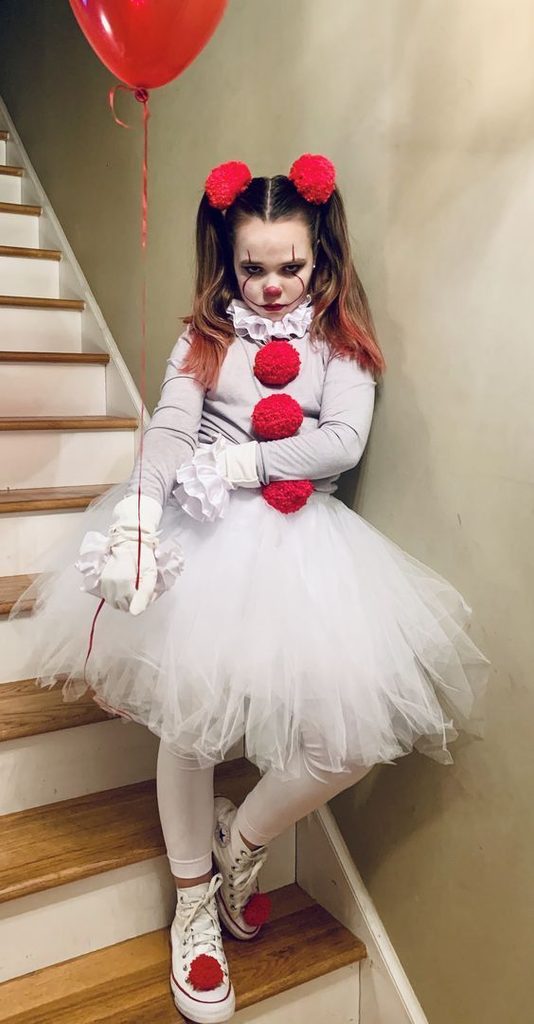
Costumes for Different Ages Need Different Rules
A toddler and a seven-year-old do not need the same kind of costume. Toddlers do best in simple, one-piece outfits that are easy to move in.
Avoid anything with too many parts, since young kids tend to pull things off. Older kids can usually handle costumes with more layers and small accessories.
Think about your child’s own patience level too, not just their age. Some kids happily wear elaborate costumes for hours without a single complaint. Others rip off anything itchy within the first ten minutes outside.
Preschoolers often do best with costumes that double as regular clothes underneath. A costume shirt over leggings works better than a full stiff bodysuit.
School-age kids can usually manage capes, hats, and small props without much trouble. Teenagers and older kids tend to handle more detailed costumes just fine.
Bathroom breaks are worth thinking about too, especially for younger kids. A costume with too many layers or buttons can slow things down fast.
Simple zippers or elastic waistbands make a big difference during a long night out. This small detail is easy to forget until it actually matters.

DIY Costumes Versus Store-Bought Options
Store-bought costumes save time but can cost more, especially for popular characters. DIY costumes take more effort but often turn out more comfortable in the end.
A plain black outfit with homemade ears can become a cat in minutes. Cardboard, felt, and old clothes go a long way with a bit of creativity.
Mixing both approaches often works best for busy families short on time. Buy the base outfit, then add a few homemade touches for personality. This saves time while still giving your child something unique to wear.
DIY costumes also teach kids a bit about problem-solving along the way. Let them help cut felt shapes or glue on small details themselves.
This turns costume-making into its own fun activity before Halloween even starts. It also means they will feel proud wearing something they helped build.
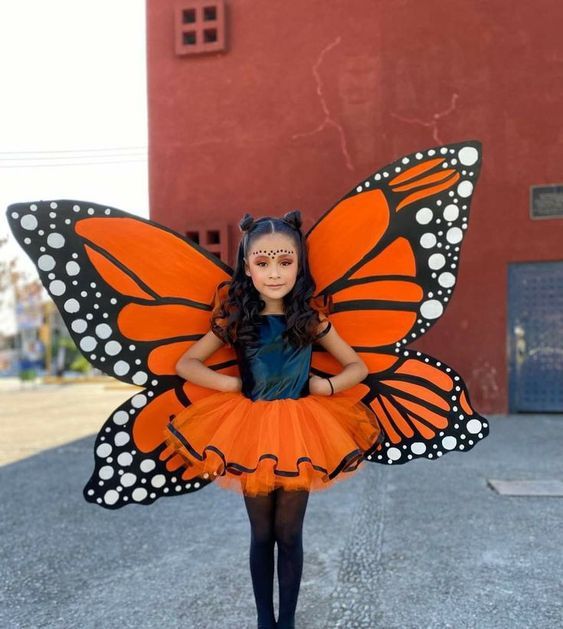
Matching Costumes for Siblings or Close Friends
Group costumes bring extra fun into the whole season, especially for siblings. A superhero and their sidekick, or two halves of one big idea, both work well.
If you are hosting friends for a get-together, matching or themed costumes add energy. Our post on how to throw a kid-friendly Halloween party at home has more ideas along these lines.
Keep matching costumes simple, so no single child feels stuck in a hard outfit. The goal is fun for everyone, not a complicated group project.
Talk to other parents early if you are planning a group costume together. Coordinating colors or a shared theme takes a bit of advance planning.
A quick message a few weeks ahead avoids a last-minute scramble for everyone involved. It also means no two kids show up wearing the exact same thing by accident.

Weather-Proofing the Costume Before the Big Night
Halloween weather can shift fast, and costumes rarely account for the cold. A thin fairy dress will not hold up on a windy October night.
Plan a jacket or thermal layer that still fits underneath the costume. Dark colors also help costumes blend less with layers added on top. A black jacket under a black cat costume barely shows at all.
Gloves and hats are easy to add without ruining most costume looks. A plain pair of black gloves fits almost any character with little effort.
Keep a spare layer in the car too, in case the temperature drops fast. Fall evenings can feel much colder than the afternoon weather suggested.
Already have your route planned for the big night? Check our guide on how to plan a fun and safe trick-or-treat night. It covers timing and conditions that affect comfort too, beyond just the costume.

Trying It On Before the Actual Day
Never save the first costume trial for Halloween night itself. Have your child wear the full outfit at home a few days early. Let them walk, sit, and move around freely in it. This step catches problems while you still have time to fix them.
Watch how they react while wearing it, not just how it looks. A costume your child avoids touching is not the right one, no matter how cute.
Take a short walk around the house or yard during the trial run. This shows you exactly how the costume moves in real conditions.
Sit down, bend over, and reach upward while wearing it too. These simple movements reveal problems a store mirror never shows you.
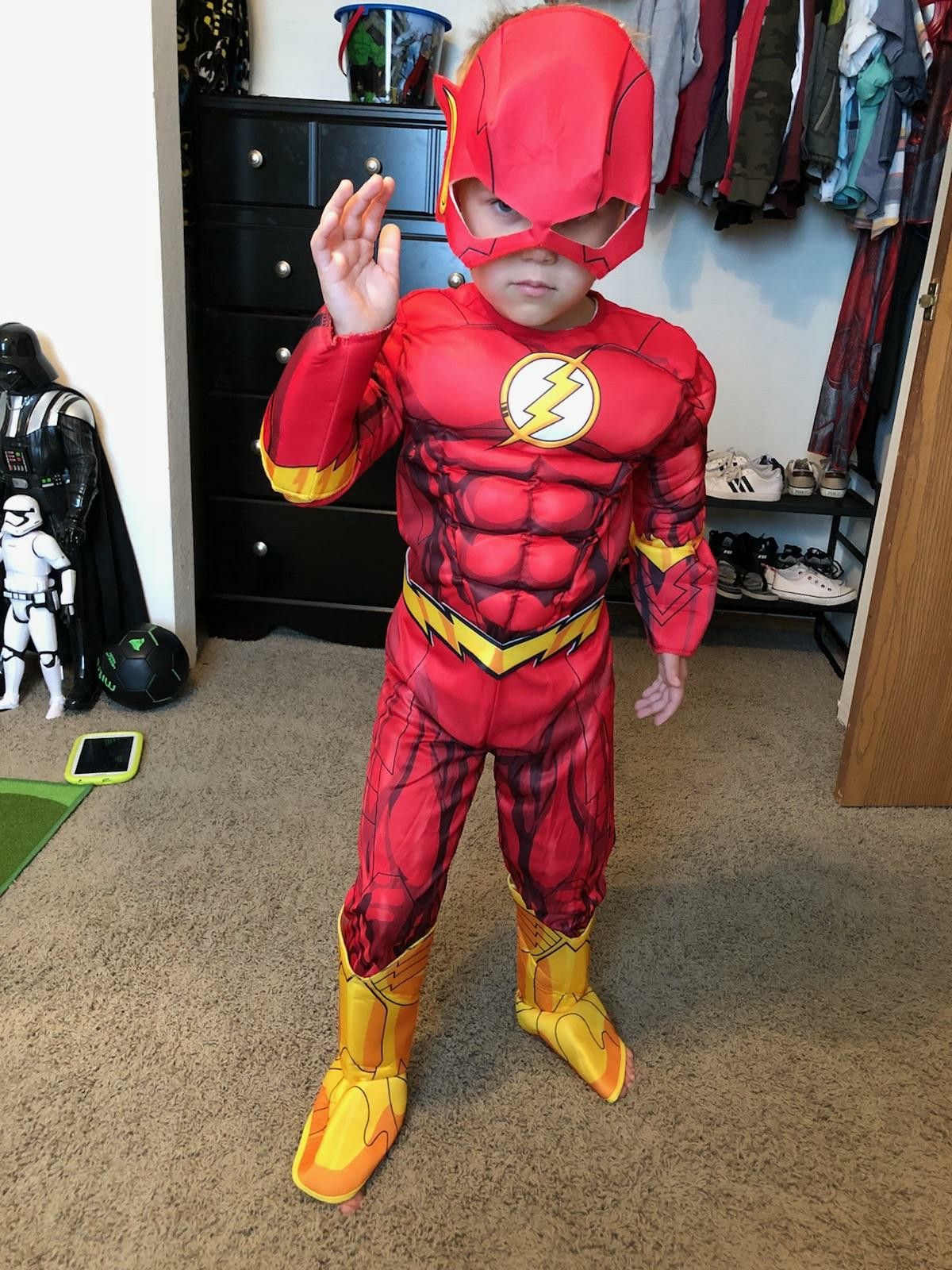
What If Your Child Changes Their Mind Last Minute
This happens more often than most parents expect, and it is completely normal. Kids see a friend’s costume idea and suddenly want to switch too.
Keep a simple backup option at home, just in case this happens. A basic accessory or mask can turn regular clothes into something fun fast.
Stay calm if this happens close to the big night itself. A flexible parent handles this far better than a stressed one. Your child will remember the fun, not which costume they wore in the end.
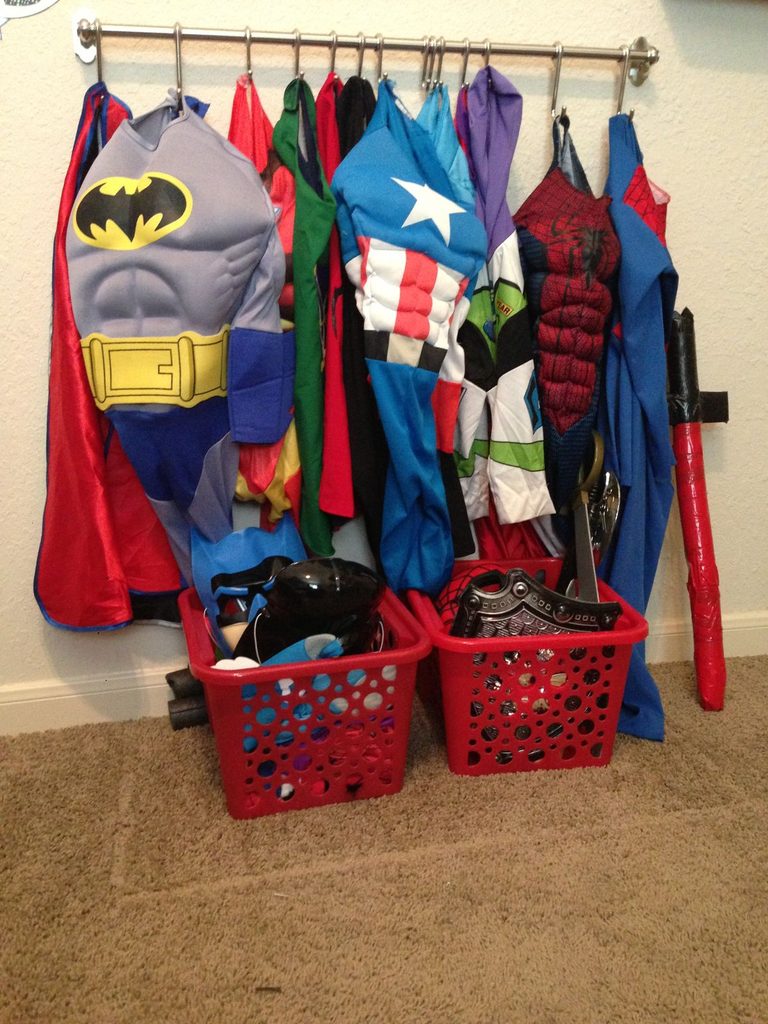
Keep a small drawer of extra accessories at home for exactly this reason. A hat, a mask, or a cape can rescue almost any last-minute switch. It does not need to be perfect, just enough to keep the excitement alive.
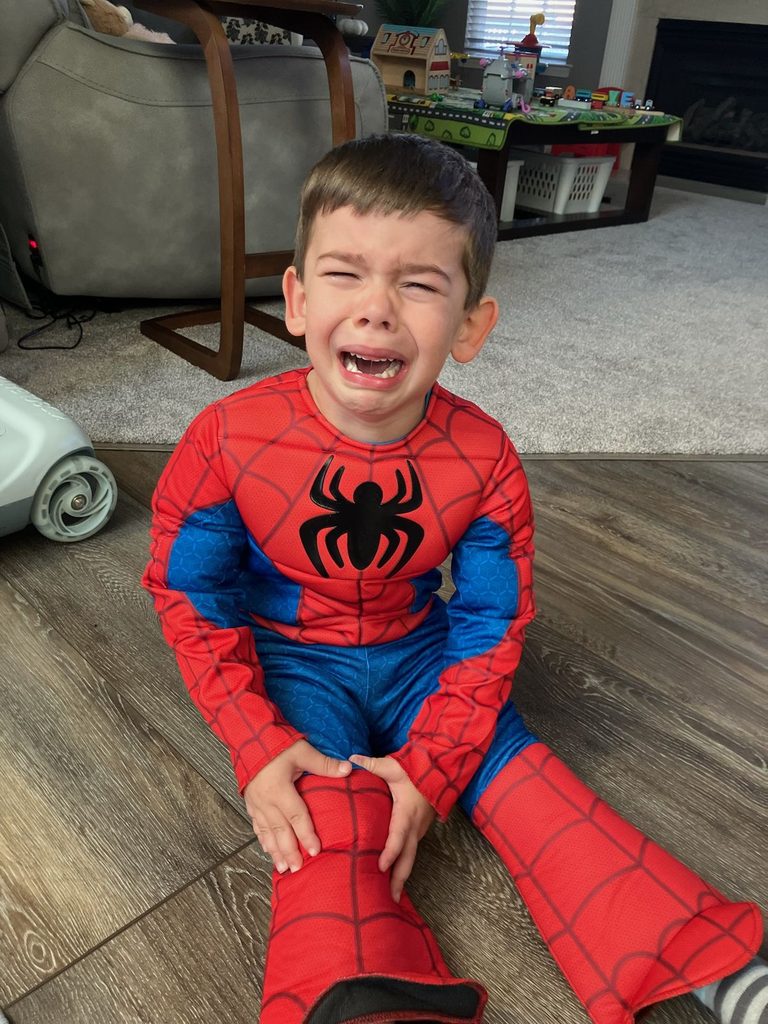
Budget-Friendly Costume Tips That Actually Work
Halloween costumes do not need to cost a lot of money at all. Thrift stores often have great pieces for pirate, ghost, or witch costumes.
Swapping costumes with other parents saves money for everyone involved. Ask around before buying anything brand new this year.
Reusing costume pieces across multiple years also stretches your budget further. A basic cape or hat can become a new character with small tweaks.
Check your own closet before buying anything at all this year. Old clothes, scarves, and hats often hide a costume you have not thought of yet.
A little creativity goes a long way toward keeping costs down. Some of the best costumes cost almost nothing to put together.
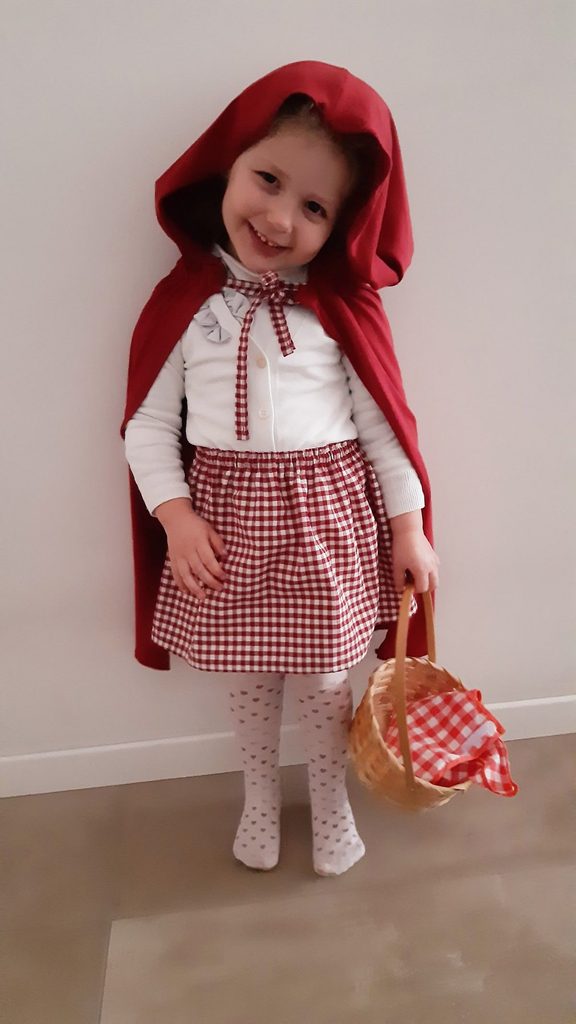
Costume Ideas Based on Your Child’s Own Interests
The best costumes often come from what your child already loves doing. A kid obsessed with dinosaurs will love a dinosaur costume more than any trend.
Someone who loves animals might enjoy dressing as their favorite one from the zoo. Watch your child’s daily play for hints about what excites them most.
If your family is planning a fall outing, a nature-themed costume can double the fun. Wearing a pumpkin or scarecrow costume to the farm adds to the day.
Check out everything you need for the perfect pumpkin patch day for more on that outing.
Watch what shows or books your child talks about the most this year. Costume ideas often come from the same place their imagination already lives.
A character they love in a book can become a costume with a bit of effort. This approach usually leads to more excitement than picking from a store shelf alone.

Avoiding Scary Costumes for Sensitive Kids
Not every child enjoys scary masks, fake blood, or dark, spooky themes. Some kids feel unsettled by costumes that look too real or frightening.
Watch your child’s reaction closely when trying on anything with a scary edge. If they seem uneasy, switch to something brighter and friendlier instead.
This does not mean skipping Halloween fun altogether for sensitive kids. Our post on how to make Halloween less scary for young children goes deeper into this. It shares ways to keep the whole season fun without the fright.
Bright, cheerful costumes still bring plenty of excitement without any scary elements. A sunny superhero or a cheerful animal works just as well as anything spooky. Halloween does not require fear to feel fun for every single child.

Where to Shop Without the Stress
Big stores get crowded fast as Halloween gets closer, especially on weekends. Try shopping on a weekday morning if your schedule allows it.
Online shopping is another good option, especially for specific character costumes. Just make sure to check sizing charts closely before you order anything.
Local costume shops sometimes carry better quality pieces than big chain stores. Prices can run higher, but the material often holds up much better.
Ask other parents in your area for recommendations before you commit anywhere. Word of mouth often points you toward the best hidden options nearby.

Storing Costumes for Next Year
If a costume still fits well, do not toss it after just one wear. Store it in a labeled bag with the size and year written on it.
This makes it easy to pass down to a younger sibling later. It also saves money if your child wants to repeat the character again.
Wash costumes gently before storing them away for the season. Sweat and outdoor dirt can damage fabric if left untreated over many months. A quick wash keeps the costume in good shape for whoever wears it next.
Everyday jobs make surprisingly fun costumes that kids often enjoy. A chef, a mail carrier, or a firefighter all work with simple props.
These costumes are usually cheap, comfortable, and easy to put together fast. They also tend to hold up well through a full night of activity.
Nature-based costumes are another option many parents skip over. A tree, a raindrop, or a butterfly can look great with basic materials. These costumes often stay comfortable since they rarely involve tight masks or stiff parts.
None of these ideas need a trip to a costume shop at all. A quick look through your own closet or a craft store often does the job. Original costume ideas also tend to stand out more at any Halloween event.
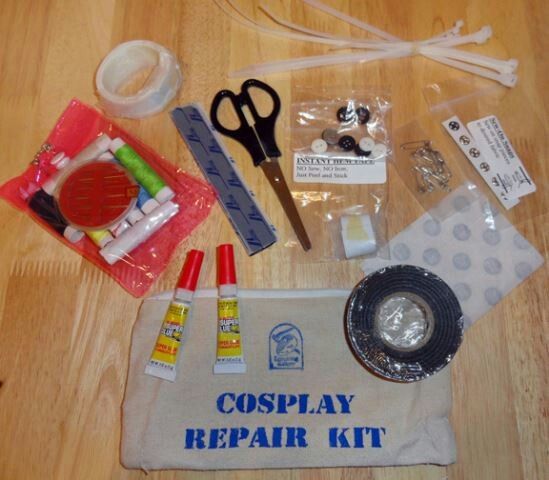
Packing a Small Costume Repair Kit
Costumes rip, buttons pop, and seams come loose during a long night out. Pack a tiny kit with safety pins, tape, and a small pair of scissors.
This small bag can save the whole night if something goes wrong. Keep it in your bag or pocket for quick access outside.
A cozy night in with the costume still on can also be part of the fun. Pair it with a themed movie for a relaxed finish to the day. Our post on how to host the ultimate Halloween movie night for kids has ideas for that too.
Keep the repair kit small enough to fit in a coat pocket or bag. A few safety pins and a small roll of tape cover most emergencies. You will not need it every year, but it helps when you do.
Costume Safety on the Actual Trick-or-Treat Night
Add reflective tape to dark costumes so drivers can spot your child easily. Bright colors or small glow sticks work well for the same reason.
For the full safety walk-through beyond costumes, read how to keep kids safe while trick-or-treating. It covers street crossing, lighting, and general night safety in more detail.
Check the costume again before heading out, once it is fully dark outside. Loose parts are easier to spot and fix indoors than on a dark street.
Take a quick photo of your child in the costume before leaving the house. This helps if you ever need to describe what they are wearing. It sounds like a small step, but many parents find it genuinely useful.

Final Thoughts on Picking the Right Costume
The perfect costume is not the most expensive or most detailed one out there. It is the one your child feels comfortable and excited wearing all night.
Some families build small costume traditions over the years, repeating favorite characters or themes. Our post on how to create a memorable family tradition has more on building habits like that.
Let your child lead the choice where you can, and guide the rest gently. That balance usually leads to the costume they end up loving most. Years from now, they will remember how it felt, not what it cost.
Leave a Reply