Once school resumes, homework becomes a daily part of family life almost immediately. Where your child sits to do this work matters more than most parents ever stop to consider. A messy, noisy corner of the house can turn a simple assignment into a long, frustrating battle that repeats every single evening.
Many parents don’t think much about this until the complaints start piling up. A child who won’t sit still, keeps getting distracted, or takes hours to finish a short assignment might not have a focus problem at all. Sometimes the real issue is simply where they’re expected to work in the first place.
The good news is, fixing this doesn’t require a big renovation or an expensive study room. Small, thoughtful changes to a single corner of your home can shift homework from a nightly struggle into something far calmer.
This post walks through exactly how to build a space that actually helps your child concentrate, without needing an expensive setup.
Getting this right early saves you from nightly arguments about sitting still and finishing work. It also protects your evenings from becoming a repeated cycle of frustration for both you and your child.
If you’re still working through other parts of the season, The Ultimate Back-to-School Guide for Parents covers everything else worth handling alongside this specific topic.
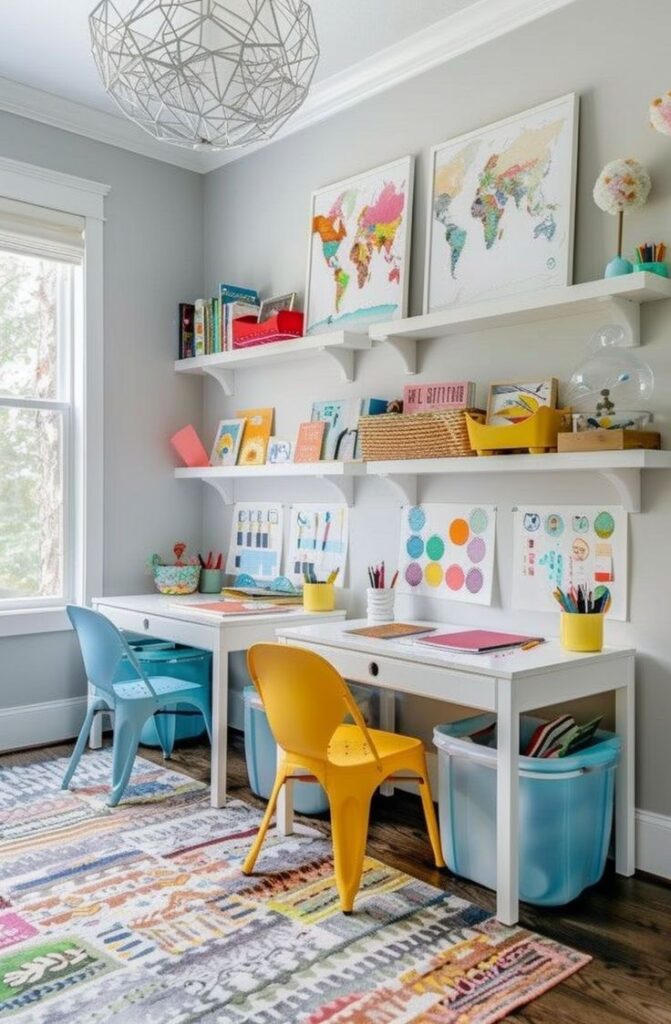
How to Create a Homework Space That Helps Kids Focus
Why The Right Space Matters So Much
Kids, especially younger ones, struggle to filter out distractions the way adults naturally do. A television playing in the background, siblings running past, or clutter on the desk all pull attention away from the task at hand.
The environment a child works in directly affects how quickly and calmly they get through their homework.
A poorly chosen space doesn’t just slow down homework, it also affects a child’s attitude toward learning generally.
If homework always feels chaotic and stressful, kids start associating that feeling with schoolwork as a whole.
A calm, dedicated space helps separate homework time from the general noise of daily home life.
Parents often underestimate how much a physical environment shapes behavior, especially in young children still learning to focus.
Setting this up properly from the start of the term prevents months of nightly friction later.
You need to see this: 25 Creative Back-to-School Bulletin Board ideas
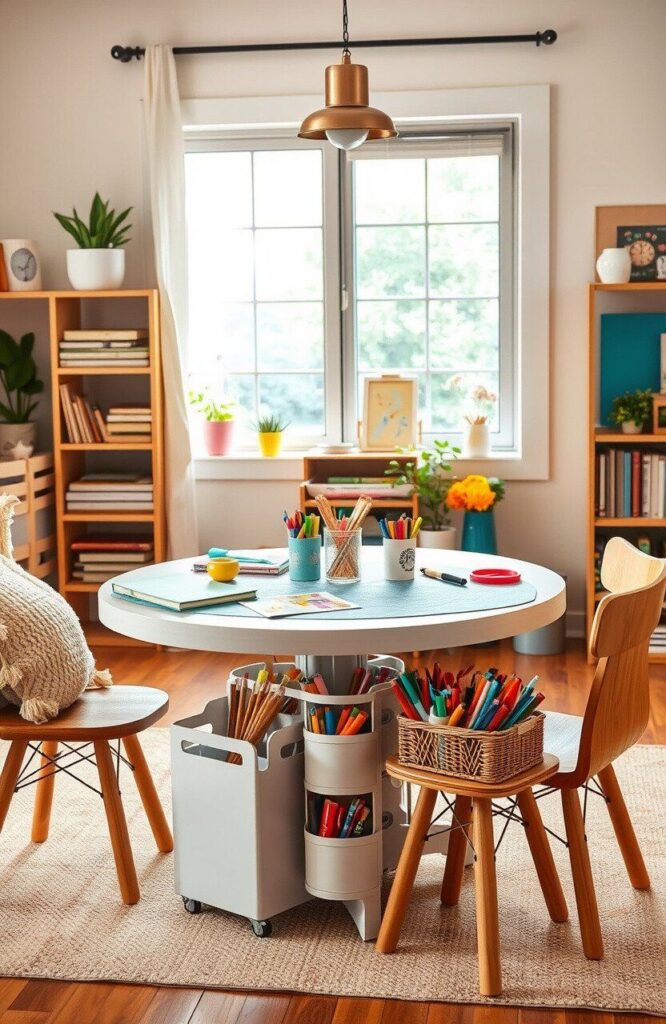
Choose A Quiet, Consistent Location
Pick one specific spot in your home that will consistently serve as the homework area every single day. This doesn’t need to be an entire room, even a quiet corner of a shared space works perfectly well.
What matters most is consistency, so your child’s mind associates that specific spot with focused work.
Avoid areas with heavy foot traffic, like near the main entrance or right beside the kitchen during meal prep.
Background noise and movement, even if it seems minor to adults, can be surprisingly distracting for a young child trying to concentrate. A quieter room, or at least a quieter corner, supports far better focus overall.
If your home doesn’t have an obviously quiet spot, get creative with what’s available. A section of a bedroom, a corner of a dining area used at off-peak times, or even a converted closet space can work.
The goal is consistency and reduced distraction, not a dedicated room reserved exclusively for this purpose.
Read this: Classroom Door Decoration Ideas That Kids Will Love
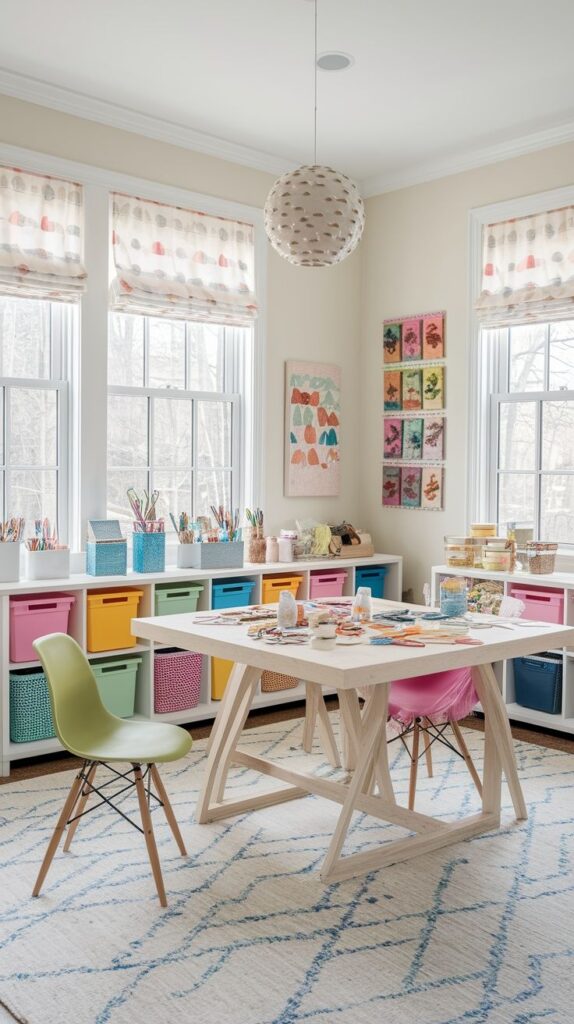
Get The Lighting Right
Poor lighting causes eye strain and fatigue far faster than most parents realize, especially during longer homework sessions.
Natural light is ideal where possible, so try to position the homework space near a window if you can. Good natural light also tends to improve mood and alertness compared to dim, artificial lighting alone.
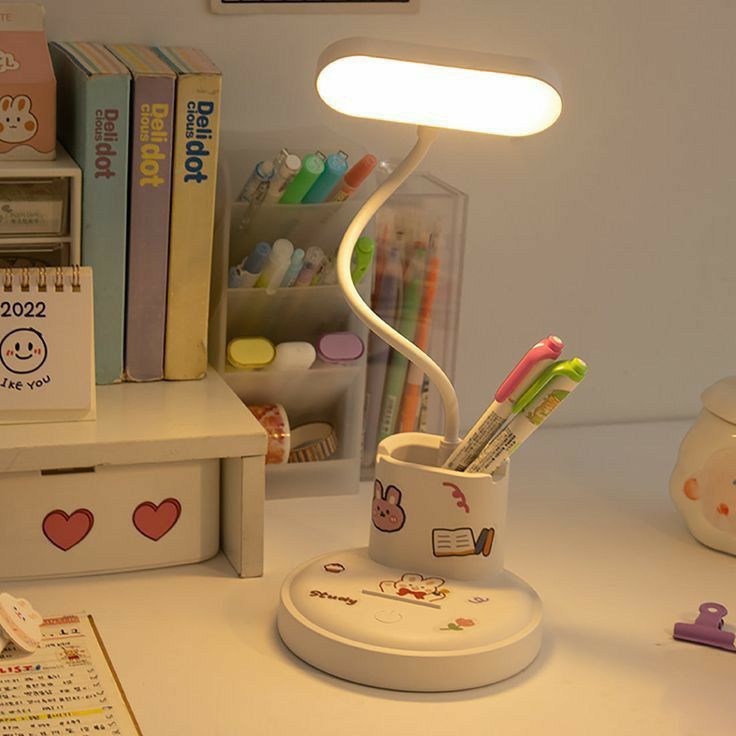
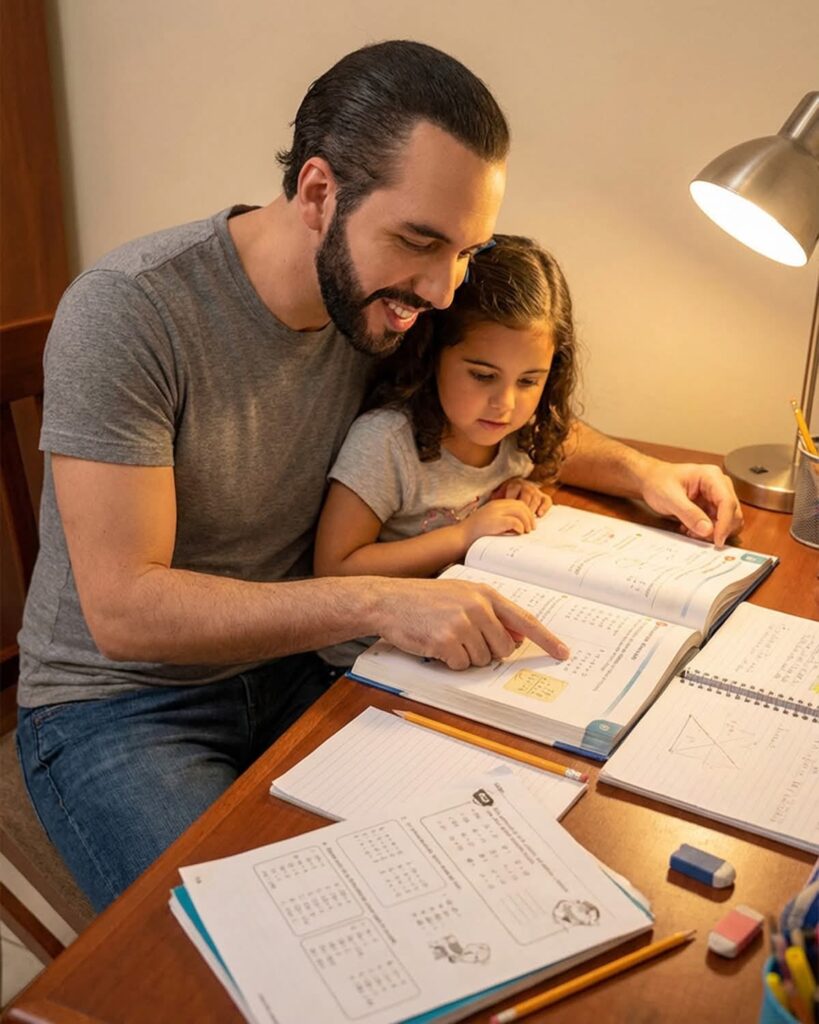
If natural light isn’t available or sufficient, invest in a proper desk lamp rather than relying on general room lighting.
A focused light source directly over the workspace reduces strain and helps a child stay alert through their assignments.
Avoid harsh, overly bright lighting too, since this can feel uncomfortable over an extended period of focus.
Consider the time of day your child usually does homework when planning lighting as well. If most homework happens in the evening, natural light won’t be available, making a good lamp even more essential.
Keep The Space Clutter-Free
A cluttered desk or table sends a subtle signal that work here will be chaotic and disorganized too.
Keep the immediate homework surface clear, holding only what’s needed for the current assignment or task. Everything else, including toys, unrelated books, and old papers, should live somewhere else entirely.
Clutter doesn’t just look messy, it also actively competes for a child’s attention during work time. A visible toy on the desk becomes a tempting distraction, pulling focus away from the actual assignment repeatedly.
Removing these visual distractions entirely makes it much easier for a child to stay on task.
Set up a simple system for clearing the space quickly after each homework session ends. A designated bin or shelf nearby makes it easy to tidy up without turning cleanup into its own lengthy chore.
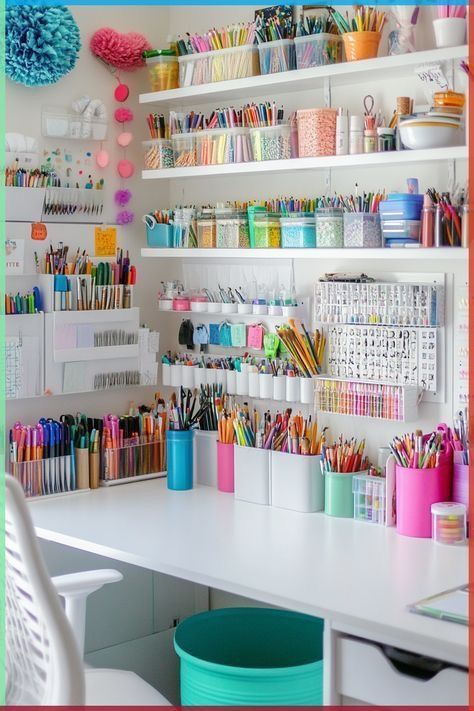
Stock The Space With Essential Supplies
Nothing disrupts homework focus faster than constantly getting up to search for a missing pencil or ruler. Keep all essential supplies within easy reach of the homework space, so your child never needs to leave mid-task.
Pens, pencils, erasers, rulers, and any commonly used materials should have a designated, easily accessible spot.
A small caddy or organizer works well for keeping these supplies tidy without taking up too much desk space.
Refill and check this supply station regularly, since small items like pencils and erasers tend to disappear or run out quickly.
Running out mid-assignment creates unnecessary interruptions that break a child’s concentration at exactly the wrong moment.
If you’re still finalizing your stationery shopping for the term, Everything Parents Need Before Back-to-School Shopping covers exactly what basics to have ready for a space like this.
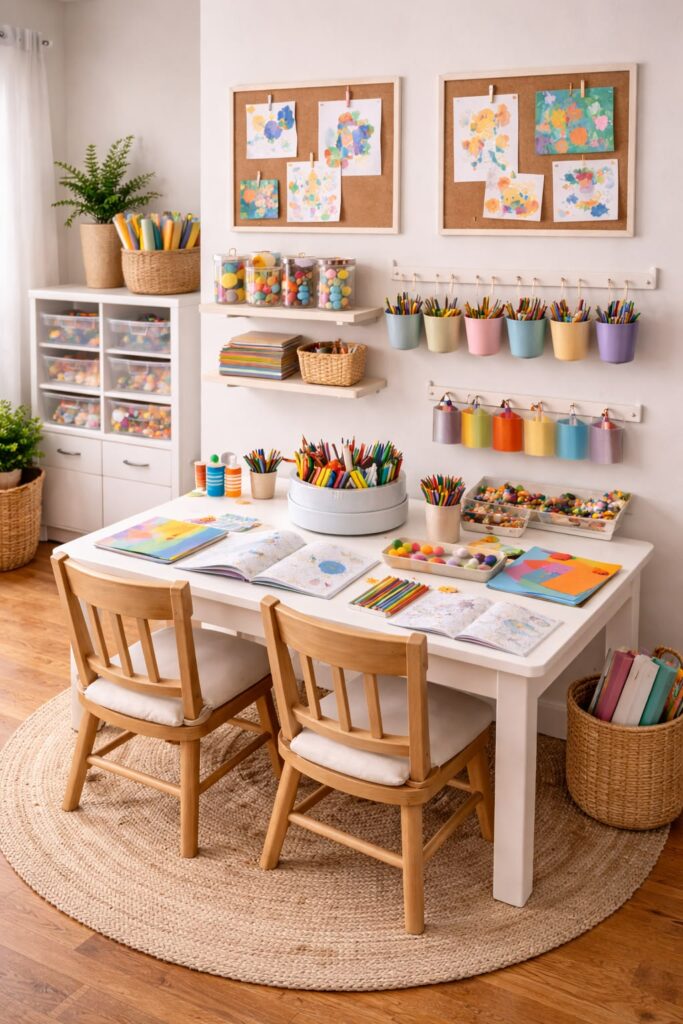
Choose Comfortable, Proper Seating
An uncomfortable chair can undo all your other efforts to create a focused homework environment.
Kids shift, fidget, and lose concentration far more easily when sitting somewhere physically uncomfortable for extended periods.
Invest in a chair that supports proper posture, at a height that matches the desk or table being used.
Feet should ideally rest flat on the floor or on a footrest, rather than dangling uncomfortably from too-high a seat.
Poor posture during homework can contribute to restlessness, making a child seem unfocused when the real issue is physical discomfort.
A properly fitted chair and desk combination often solves concentration issues that seemed unrelated to furniture at all.
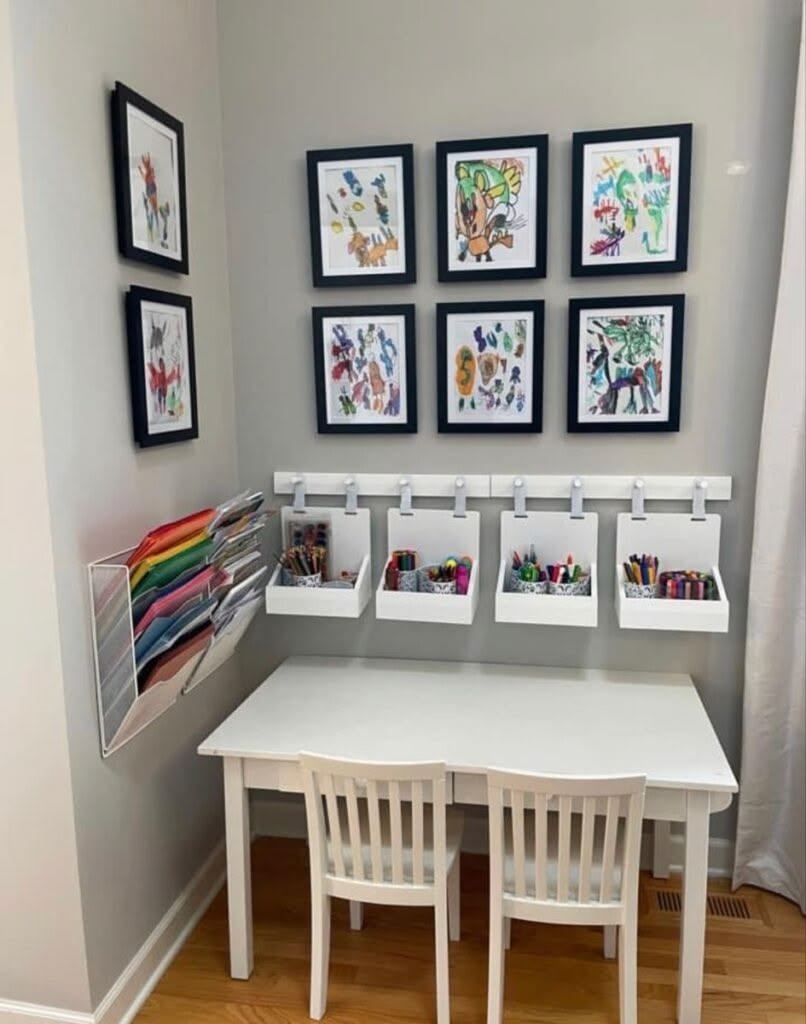
Minimize Digital Distractions
Phones, tablets, and televisions are some of the biggest homework disruptors in most modern households today.
Keep these devices out of the homework space entirely, unless they’re specifically required for the assignment itself.
Even a phone sitting silently nearby can pull attention through the simple temptation of checking it occasionally.
If a device is genuinely needed for research or a specific task, consider using apps or settings that limit notifications during homework time.
Removing the temptation entirely works far better than relying on willpower alone, especially for younger children.
A distraction-free digital environment supports significantly better focus throughout the homework session.
Once homework wraps up for the day, screens can return as part of a calmer, more relaxed part of the evening.
Don’t miss this: 25 Fun After-School Activities That Beat Screen Time offers ideas for balancing screen use with other engaging options after schoolwork is done.

Make The Space Personal, Within Reason
While minimizing clutter matters, a completely sterile, impersonal space can feel cold and uninviting to a child.
Adding a small personal touch, like a favorite poster or a splash of their preferred color, can make the space feel more welcoming.
This small sense of ownership often increases a child’s willingness to sit down and start working without resistance.
Balance personalization carefully though, since too many personal items can quickly slide back into distracting clutter.
A single meaningful item or two usually strikes the right balance between inviting and functional. Let your child have some input here, since their buy-in matters for how willingly they use the space daily.
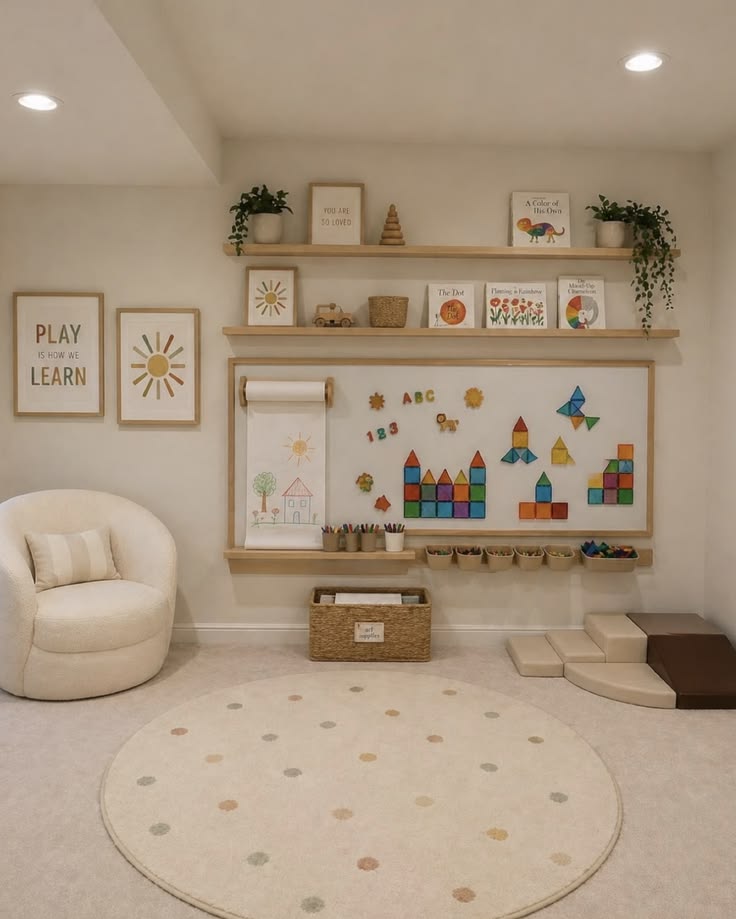
Set Clear Expectations For The Space
Beyond the physical setup, it helps to establish clear rules about how the homework space gets used each day.
Decide together when homework time begins, and communicate that this space is specifically for focused work during that window.
Clear expectations reduce daily negotiation about starting homework, since the routine becomes simply understood.
This works especially well when tied into a broader daily structure that your child already follows consistently.
How to Build a School Morning Routine That Actually Works offers a similar approach to routine-building that can be applied to homework time in the evenings too.

Consider A Timer For Focused Work Sessions
Younger kids especially benefit from working in short, focused bursts rather than one long, unbroken stretch of homework.
Using a simple timer, working for fifteen or twenty minutes before a short break, can improve overall focus and output.
This method prevents the mental fatigue that builds up during long, uninterrupted homework sessions.
Breaks should be brief and calm, rather than turning into a full distraction that’s hard to return from afterward. A quick stretch, a sip of water, or a moment looking out the window works well as a reset.
This rhythm of focused work followed by short breaks often produces better results than forcing long, unbroken concentration.

Address Hunger And Thirst Before Starting
A hungry or thirsty child struggles to concentrate, no matter how well-designed their homework space happens to be.
Offer a light snack and something to drink before homework begins, rather than mid-session once frustration has already built up.
This small step removes a common, easily preventable source of distraction and irritability.
Keep snacks light though, since a heavy meal right before homework can leave a child sluggish rather than alert and focused.
A small piece of fruit or a few crackers usually works better than something large or overly sweet.
Save this idea: How to Pack School Lunches Kids Will Actually Finish offers food ideas that can double as smart, light snack options too.

Build In Encouragement And Positive Reinforcement
A homework space isn’t only about physical setup, it’s also about the emotional experience a child associates with that spot.
Offer genuine praise for effort and focus, rather than only commenting on whether the work was correct. This builds a more positive relationship with the space and with homework generally over time.
Avoid turning the homework space into a place associated only with criticism or frustration. If a session goes badly, address it calmly rather than reacting with anger in that specific spot repeatedly.
Keeping the emotional tone steady helps the space remain a place of focus, rather than dread, over the whole term.
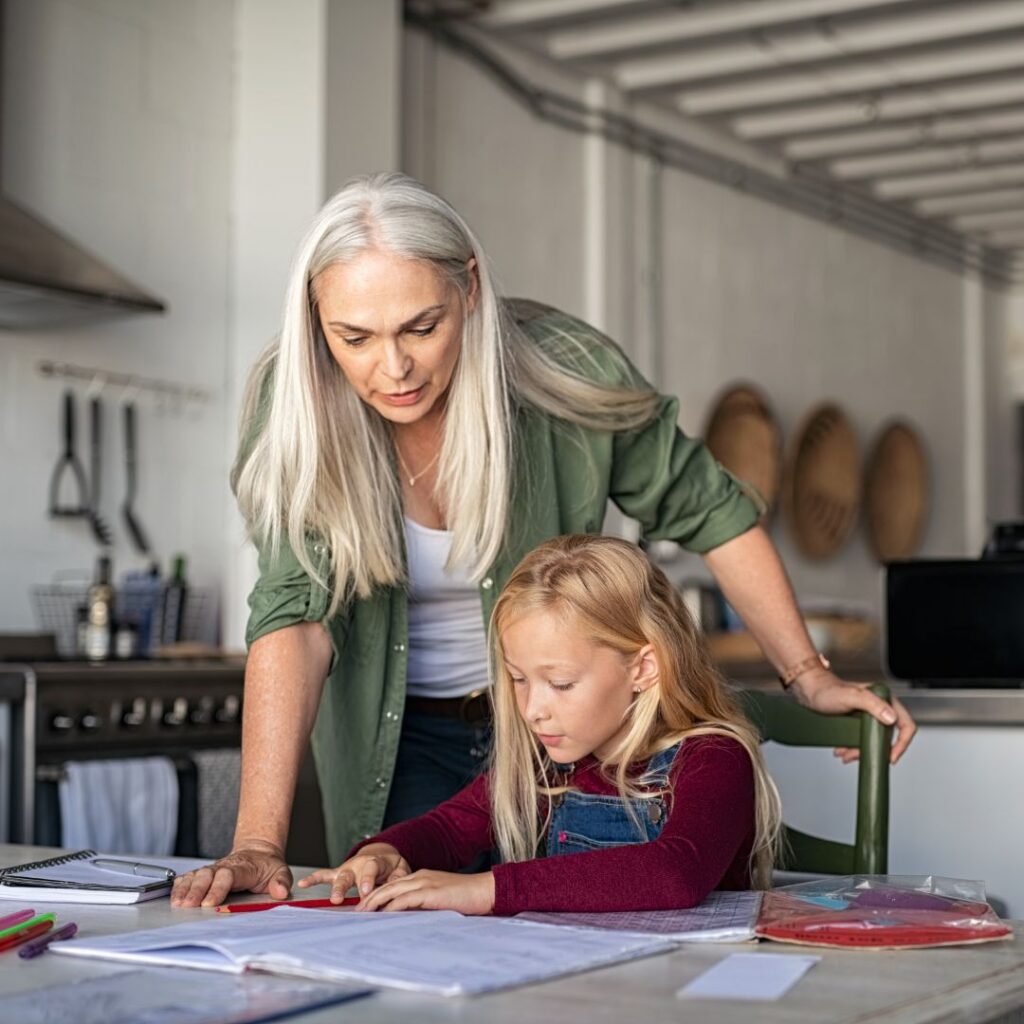
Adjust The Space As Your Child Grows
What works for a younger child won’t necessarily suit an older one as their needs and workload change over time.
Revisit the setup periodically, checking whether the current space still supports the type and amount of homework being assigned.
A simple table that worked in earlier grades might need more storage or surface space as coursework grows heavier.
Ask your child directly what feels difficult or uncomfortable about their current setup occasionally.
Their feedback often reveals small, practical adjustments that make a noticeable difference in how well the space actually functions for them.
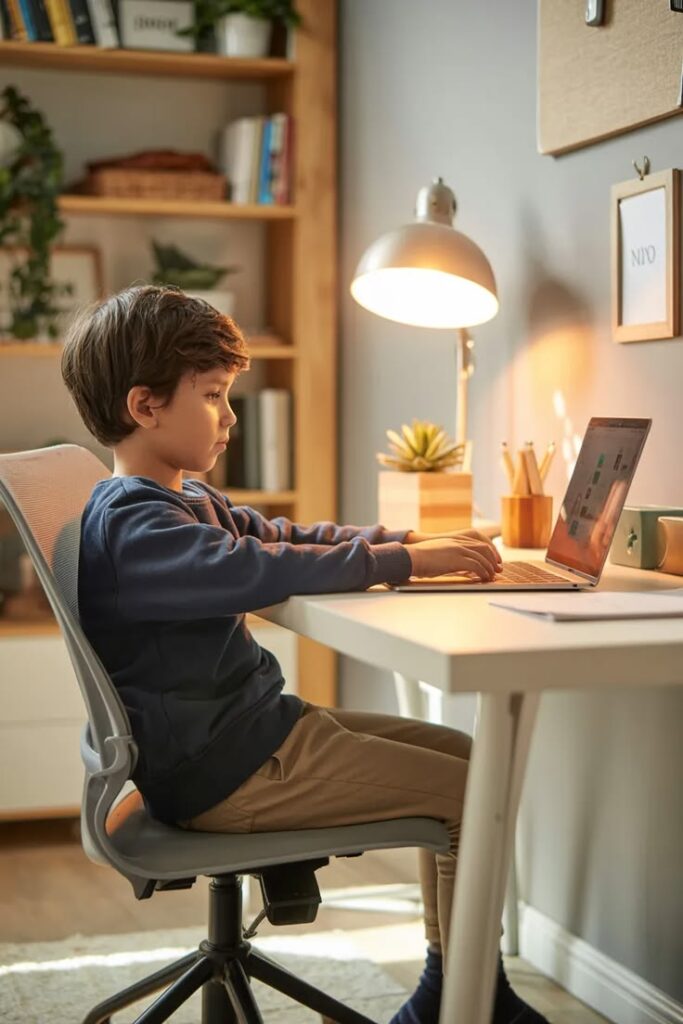
Keep The Wider Home Organized Too
A great homework space works best when it’s part of a wider, organized household system, not an isolated effort.
If school papers, books, and supplies are scattered throughout the house, it becomes harder to maintain one focused space consistently.
Save this for later: 35 Back-to-School Organization Ideas Every Parent Needs covers building that wider system that supports this specific space too.
Having a consistent place for school bags near the door also reduces morning chaos that can spill over into evening stress.
A backpack that’s easy to grab and unpack each day makes transferring homework materials to the designated space far smoother.
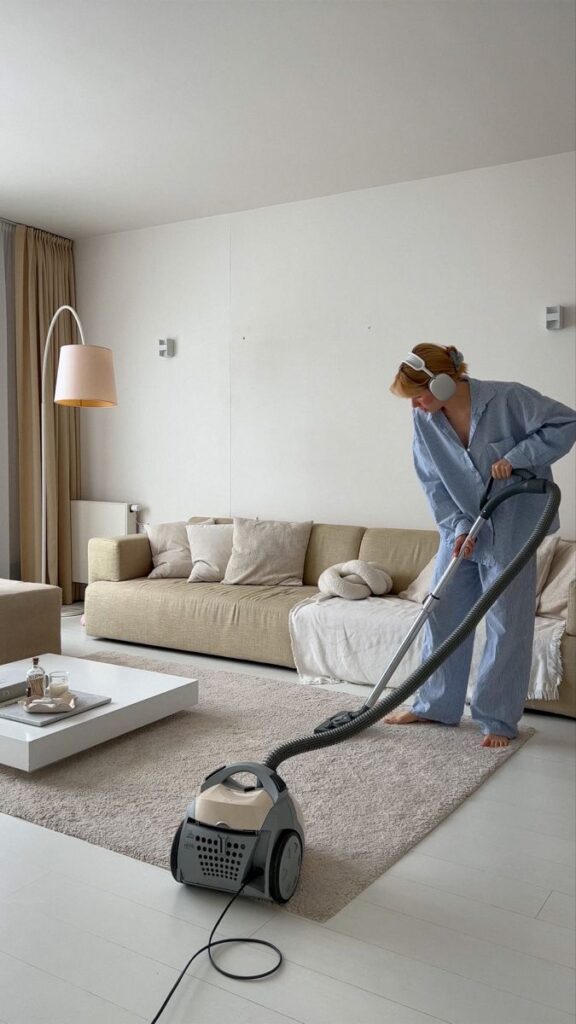
Consider The Backpack’s Role In This Routine
The backpack itself plays a small but important role in how smoothly homework gets started each day.
If books and folders are disorganized inside the bag, finding what’s needed for homework becomes its own frustrating task.
Trust me, you’ll want to read this: How to Choose the Right Backpack for Your Child covers choosing a bag with compartments that support this kind of daily organization.
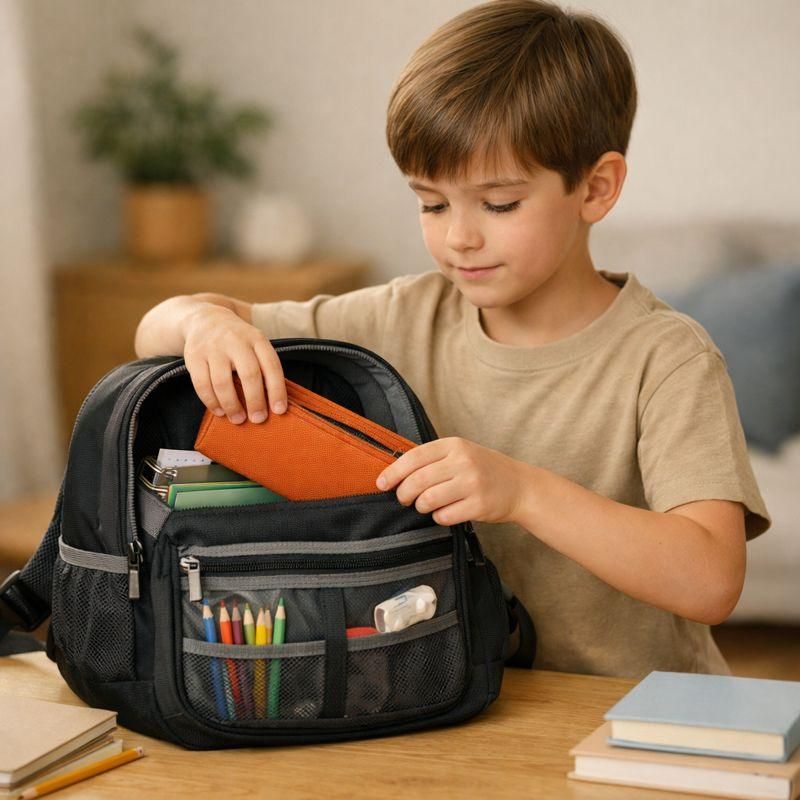
Make Homework Station Ideas Work For Small Spaces
Not every home has room for a dedicated desk or study corner, and that’s completely fine to work around. Creative, flexible setups can still provide the focus and structure a child needs, even in smaller living spaces.
Pin this for later: 27 Genius Homework Station Ideas That Help Kids Stay Focused has practical setups designed specifically for homes with limited extra space.

Watch For Signs The Space Isn’t Working
Sometimes a homework space that seemed perfect initially turns out to be ineffective once daily use actually begins.
Watch for signs like constant fidgeting, frequent breaks, or ongoing resistance to sitting down at that specific spot. These signals suggest something about the setup needs adjusting, even if it seemed ideal on paper.
Don’t hesitate to rearrange or completely rethink the space if it clearly isn’t supporting focus as intended. A willingness to adapt matters more than sticking rigidly to an initial setup that isn’t producing results.

Connect Homework Struggles To Broader Emotional Patterns
Sometimes difficulty focusing on homework ties back to something bigger than the physical space itself.
If your child seems unusually resistant or distressed during homework time, it’s worth considering whether broader anxiety is playing a role.
Bookmark this post: How to Help Kids Overcome First-Day-of-School Anxiety explores how underlying nervousness about school can show up in unexpected ways, including during homework time at home.
Similarly, if the whole transition back into the school routine feels rocky generally, that can affect homework focus too.
How to Make the Transition Back to School Easier for Kids offers guidance on easing that wider adjustment, which often improves homework cooperation as a side effect.
Support A Smooth First Week At This New Space
The first week of using a new or refreshed homework space often comes with some resistance, simply due to unfamiliarity.
Be patient during this initial adjustment period, rather than expecting instant smooth cooperation from day one.
Don’t miss this: 27 First Week of School Activities to Make Kids Feel Welcome pairs well here, since a settled, welcomed child generally adapts to new routines, including homework, more easily.
Bringing It All Together
Creating a homework space that actually helps your child focus doesn’t require an expensive or elaborate setup.
A quiet location, good lighting, minimal clutter, and the right supplies within reach make the biggest difference overall.
Involving your child in small decisions about the space builds their sense of ownership and willingness to use it consistently.
Stay flexible, adjust as your child grows, and keep the emotional tone calm even when homework sessions get difficult.
With a bit of patience and the right setup, homework time can shift from a nightly battle into a manageable, even peaceful, part of the daily routine.
Leave a Reply