Anytime the holidays come to an end, kids have to switch from relaxed, no plan days back into early mornings and full timetables. This shift can feel bigger than parents often expect, even for kids who generally enjoy school.
Sleep schedules loosen over the break, screen time increases, and the whole rhythm of the day changes completely. Snapping back into a structured routine overnight rarely goes smoothly for anyone in the house.
Some kids adjust within a day or two without much fuss at all. Others take much longer, showing crankiness, resistance, or a general low mood as the term approaches. Non of the response is wrong, and both are worth taking seriously as a parent trying to ease the shift.
This post will walk through practical ways to soften this transition, so the first week doesn’t feel like a shock to the system. If you’re also dealing with nerves specifically about the first day itself, How to Prepare Your Child for the First Day of School Without Stress covers that side in more depth.
And for the wider picture of everything this season involves, The Ultimate Back-to-School Guide for Parents is worth keeping close too.

How to Make the Transition Back to School Easier For Kids
Start The Shift Gradually, Not Suddenly
One of the biggest mistakes parents make is waiting until the very last day of the holiday to start adjusting. A sudden switch from late nights to early mornings shocks a child’s body and mood immediately.
Instead, begin shifting bedtime and wake-up time gradually, about one or two weeks before term starts.
Move bedtime earlier by small increments, maybe fifteen minutes every few days, rather than all at once. This gentle approach gives the body time to adjust naturally, without the harsh jolt of an abrupt change.
By the time school actually resumes, your child’s body clock is already mostly aligned with the new schedule.
The same gradual approach works well for screen time and activity levels too. If screen use increased heavily over the break, start reducing it slowly in the final week before school resumes.
This prevents the sudden withdrawal feeling that can make kids irritable right when they need to focus on adjusting.

Reintroduce Structure Slowly
Holidays often mean looser structure around meals, chores, and general daily activities. Reintroducing structure too abruptly can feel like a sudden loss of freedom, which kids naturally resist.
Instead, bring back small pieces of structure gradually, starting with the basics like mealtimes and wake-up times.
Once those basics feel normal again, add back other elements like reading time or light educational activities.
This step-by-step reintroduction feels far less jarring than expecting a child to snap back into full school mode overnight. It also gives you a chance to notice which parts of the routine need the most adjustment.
Getting mornings specifically back on track deserves extra attention during this period.
How to Build a School Morning Routine That Actually Works offers a detailed approach to rebuilding that morning structure before the actual term begins.
Talk About The Upcoming Change Openly
Kids handle transitions better when they know what’s coming, rather than being surprised by it suddenly. Start talking about the return to school a week or two in advance, in a casual, low-pressure way.
Mention specific things like the new wake-up time, or what the first week might look like generally.
Ask your child how they feel about the transition, without turning it into a heavy, serious conversation. Some kids will share concerns readily, while others need a few gentle attempts before opening up properly.
Either way, keeping the conversation ongoing helps normalize the shift instead of making it feel sudden and unexpected.
If your child seems to be carrying specific fears about the first day itself, rather than just general reluctance, How to Help Kids Overcome First-Day-of-School Anxiety goes deeper into recognizing and easing that particular kind of worry.

Ease Kids Back Into Learning Mode
After weeks away from structured learning, jumping straight back into full lessons can feel overwhelming for many kids.
Consider introducing light, low-pressure learning activities in the days before school resumes. This might mean reading together, simple puzzles, or revisiting a subject they enjoyed last term.
The goal isn’t formal studying, but rather waking up the part of the brain used to focused, structured thinking. This small step bridges the gap between holiday freedom and full classroom expectations.
Kids often find the actual return to lessons less jarring after this kind of gentle warm-up.
Setting up a proper space for this kind of activity also helps ease them back into a study mindset.
How to Create a Homework Space That Helps Kids Focus covers building an environment that supports this shift, both before and after school resumes.

Rebuild Sleep Habits Carefully
Sleep is often the single biggest factor affecting how smoothly a child transitions back into school life. Late nights during the holidays can leave a child running on insufficient rest once early mornings return suddenly.
Poor sleep directly affects mood, focus, and general resilience during an already challenging adjustment period.
Start adjusting bedtime gradually, as mentioned earlier, while also paying attention to the quality of sleep, not just the timing.
Reduce screen time before bed, since blue light can interfere with a child’s ability to fall asleep properly. A calm, consistent bedtime routine supports better rest, which in turn supports an easier daily transition overall.
If mornings still feel like a struggle despite gradual bedtime shifts, revisiting the whole morning sequence might help further.
Keep this handy: How to Build a School Morning Routine That Actually Works breaks down building consistency into every part of the morning, not just wake-up time alone.

Prepare Practical Items Ahead Of Time
Part of what makes the transition feel overwhelming is the sudden rush of practical tasks piling up all at once.
Shopping, uniform checks, and supply gathering can all feel like a mountain if left until the very last minute.
Spreading these tasks out over the final weeks of the break reduces the sense of sudden overwhelm.
If your shopping list still needs attention, Everything Parents Need Before Back-to-School Shopping covers exactly what to prioritize during this preparation window.
Getting this sorted early means one less thing competing for attention as the actual transition approaches.
Similarly, avoiding common shopping pitfalls saves time and stress during this already busy stretch.
Steal these ideas: Back-to-School Shopping Mistakes Every Parent Should Avoid helps you sidestep the traps that waste both money and precious preparation time.
Choose The Right Gear To Ease The Shift
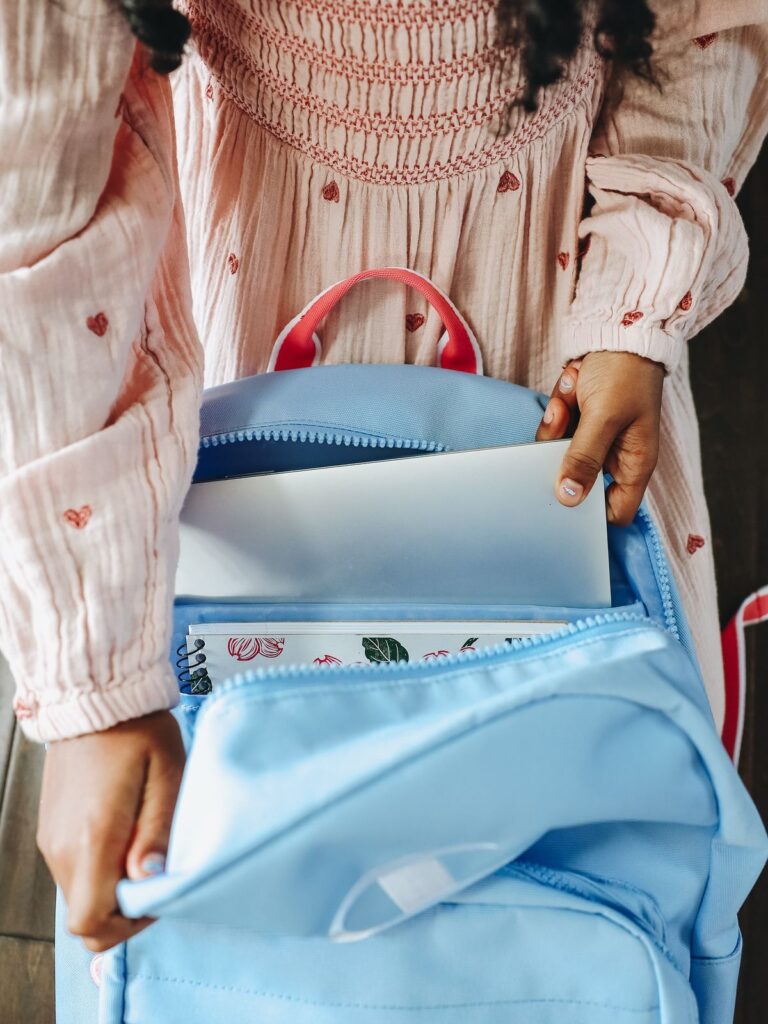
Small, practical choices, like the backpack your child will carry daily, can quietly support a smoother transition too.
A bag that’s comfortable and genuinely liked by your child removes one small source of daily friction.
How to Choose the Right Backpack for Your Child walks through picking something practical that your child will also feel good about carrying.
If your child enjoys having a say in these choices, letting them pick from a few appealing options can help build excitement.
See what everyone’s talking about: 31 Cute Backpack Ideas Every Kid Will Be Excited to Carry has options that make this small decision feel fun rather than stressful.
Rebuild Eating Routines Gradually Too
Meal timing often loosens significantly during holiday breaks, with snacking replacing more structured mealtimes.
Bringing back regular meal and snack times gradually helps a child’s body adjust to the school day’s eating schedule. This becomes especially relevant once packed lunches return as a daily requirement.
Practicing with a sample school lunch a few days before term starts can ease this specific adjustment. How to Pack School Lunches Kids Will Actually Finish offers ideas that make this practice run smoother and more successful.

Support Emotional Adjustment, Not Just Practical Adjustment
While much of this post focuses on practical routines, the emotional side of transitioning back deserves equal attention.
Kids often feel a mix of excitement and reluctance about leaving behind the freedom of the holidays. Acknowledge both feelings openly, rather than dismissing the reluctance or overhyping the excitement artificially.
Simple, calm conversations about what they’re looking forward to, alongside what feels hard, help normalize this mixed emotional experience.
Avoid pushing your child to feel only positive about the return, since forced positivity can feel dismissive of genuine reluctance.
Balanced acknowledgment builds more trust than one-sided cheerfulness ever does.

Reconnect With The School Environment Early
If possible, visiting the school or looking at photos together before the term starts can ease the sense of unfamiliarity. This works particularly well if your child moved to a new grade or classroom over the break.
Familiarizing them with the physical space again reduces one layer of uncertainty heading into the first day.
This step pairs well with broader first-day preparation too, since familiarity reduces anxiety on multiple fronts at once.
Revisiting routines, spaces, and expectations together builds a stronger sense of readiness before the actual transition happens.
Plan A Smooth First Week, Not Just A Smooth First Day
Many parents focus heavily on the first day itself, forgetting that the whole first week matters just as much for adjustment. Some kids feel fine initially, then experience a dip in mood or energy a few days in.
Staying attentive throughout the entire first week helps catch and address this dip before it grows.
Making that first week feel welcoming and engaging can significantly ease the broader transition process.
Don’t miss this: 27 First Week of School Activities to Make Kids Feel Welcome offers ideas that support a smoother emotional landing across those early days.

Balance Screen Time Without Making It A Battle
Reducing screen time from holiday levels is often necessary, but doing it too abruptly can create unnecessary conflict at home.
Instead, gradually shift toward more balanced screen use, replacing some screen time with engaging alternatives. This approach feels less like punishment and more like a natural part of returning to routine.
Having appealing alternatives ready makes this shift far smoother for most kids.
Explore more ideas: 25 Fun After-School Activities That Beat Screen Time has suggestions that make reduced screen time feel like less of a loss.
Keep The Household Organized During This Period
A disorganized home adds unnecessary stress on top of an already significant transition for the whole family.
Papers, supplies, and schedules all need a proper place, especially as the term ramps back up in intensity.
A well-organized home reduces the daily friction that can make the transition feel harder than it needs to be.
Beyond just reducing friction, an organized home also gives kids a sense of stability during a period full of change.
When school papers, uniforms, and supplies all have a clear, consistent place, mornings and evenings both run more smoothly.
This predictability quietly reassures a child even if they can’t name exactly why things feel calmer.
Take a little time during this transition window to reset shared spaces like the kitchen counter, the entryway, and any homework areas.
A cluttered home tends to build quiet tension that spills into everyone’s mood, even when no one directly blames the mess. Clearing this out gives the whole household a cleaner slate to work from as the term ramps up.
Save this for later: 35 Back-to-School Organization Ideas Every Parent Needs offers practical systems that support a calmer household throughout this adjustment period and beyond.
Setting even a few of these systems up now pays off for the rest of the term, not just the first difficult week.

Address Homework Expectations Early
As lessons resume, homework often returns quickly, sometimes within the very first week of the new term.
Having a proper space and routine ready in advance prevents this from becoming an additional source of transition stress.
A calm, organized homework space supports easier reentry into structured academic expectations.
If you want to make that space more engaging as your child settles back into a study rhythm, pin this for later: 27 Genius Homework Station Ideas That Help Kids Stay Focused has setups worth considering as the term gets underway.

Mark The Return With Something Positive
Even though the transition itself can feel challenging, it also marks a fresh start worth acknowledging in a positive way.
A small tradition, like a special breakfast on the first morning or a fun activity the weekend before, can add a bright note.
This doesn’t erase the challenge of adjusting, but it does balance it with something to look forward to.
Capturing this fresh start with a simple photo can also become a small, meaningful tradition each term.
You’ll thank yourself later: 31 First Day of School Photo Ideas You’ll Treasure Forever has simple ways to mark the occasion without adding pressure to an already big adjustment period.
If your child is also settling into a relationship with a new teacher this term, a small thoughtful gesture can help that bond form early.
19 Thoughtful Teacher Gift Ideas for Back to School offers ideas that build warmth right from the very start of the transition.

Involve The Whole Family In The Reset
Transitioning back to school affects the whole household rhythm, not just the child attending school. Involve everyone in resetting routines together, rather than placing the full adjustment burden on just one child.
This shared effort makes the shift feel like a collective reset rather than an isolated struggle for one person.
Small shared activities, like organizing a bulletin board or refreshing a shared space at home, can make this reset feel collaborative and even fun.
This one, readers are loving: 25 Creative Back-to-School Bulletin Board Ideas and 21 Classroom Door Decoration Ideas That Kids Will Love both offer simple ways to mark this fresh start visually, whether at home or in the classroom.

Watch For Signs The Transition Is Taking Longer Than Expected
Most transitions ease within the first one to two weeks, given patience and gradual adjustment.
However, if resistance, mood changes, or reluctance persist well beyond this window, it’s worth paying closer attention. Persistent struggles might point to something deeper than just general transition difficulty.
In these cases, involving the teacher or school counselor for additional insight can help identify what’s really going on.
There’s no shame in seeking extra support if the adjustment feels harder than expected for your specific child.

Be Patient With Yourself Too
This transition doesn’t only affect kids, since parents also have to shift back into earlier mornings and busier schedules. Give yourself the same grace you’re offering your child during this adjustment period.
A calmer, more patient parent generally supports a smoother transition for the whole household.
It’s easy to hold yourself to an unfair standard, expecting perfect mornings and cheerful cooperation from day one.
Real transitions are messier than that, filled with a few short tempers, a few forgotten items, and a few rushed goodbyes. None of that means you’re failing, it simply means you’re human and adjusting alongside your child.
Give yourself permission to have an off day here and there without spiraling into guilt over it. A missed step in the routine, or a moment of frustration, doesn’t undo all the calm preparation that came before it.
Tomorrow morning offers another chance to reset, and that’s usually all a family really needs.
Don’t expect everything to click perfectly within the first few days, since realistic expectations reduce unnecessary frustration for everyone involved.
Recovery from a rough morning matters more than avoiding rough mornings altogether, since some friction is simply part of any big change.

Bringing It All Together
Making the transition back to school easier comes down to gradual, thoughtful preparation rather than a sudden, forced switch.
Adjusting sleep, reintroducing structure, and having open conversations all soften what could otherwise feel like a jarring shift.
Small, practical steps taken in the final weeks of the break make the actual return feel far more manageable.
None of this requires perfection, and it’s worth repeating that some bumps along the way are simply part of the process.
What matters most is the overall direction, moving gradually toward routine rather than forcing an abrupt, stressful switch all at once.
Small wins, like one smoother morning or one calmer goodbye, add up more than parents often realize in the moment.
Keep checking in with your child throughout this period, adjusting your approach based on what you notice rather than sticking rigidly to a plan that isn’t working.
Flexibility, paired with consistency, tends to serve families better than either extreme on its own during a transition like this.
Stay patient through the adjustment period, and don’t panic if it takes a little longer than expected for things to settle.
With steady, gradual preparation, most families find their footing again within the first week or two of the new term, ready to move steadily through the rest of the year ahead.
Leave a Reply