Every school season, parents rush into shops with good intentions but end up making the same mistakes as before. Money gets wasted on things that never get used, while something truly needed gets forgotten completely.
These mistakes repeat year after year, not because parents don’t care, but because shopping happens in a rush most times. This post walks through the most common mistakes parents make, so you can skip them this term.
Avoiding these traps saves both money and stress, which matters a lot during an already busy season. If you’re still building your full shopping list, Everything Parents Need Before Back-to-School Shopping covers what to prioritize before you even step into a store.
And for the bigger picture of everything this season demands, The Ultimate Back-to-School Guide for Parents ties everything together in one place.
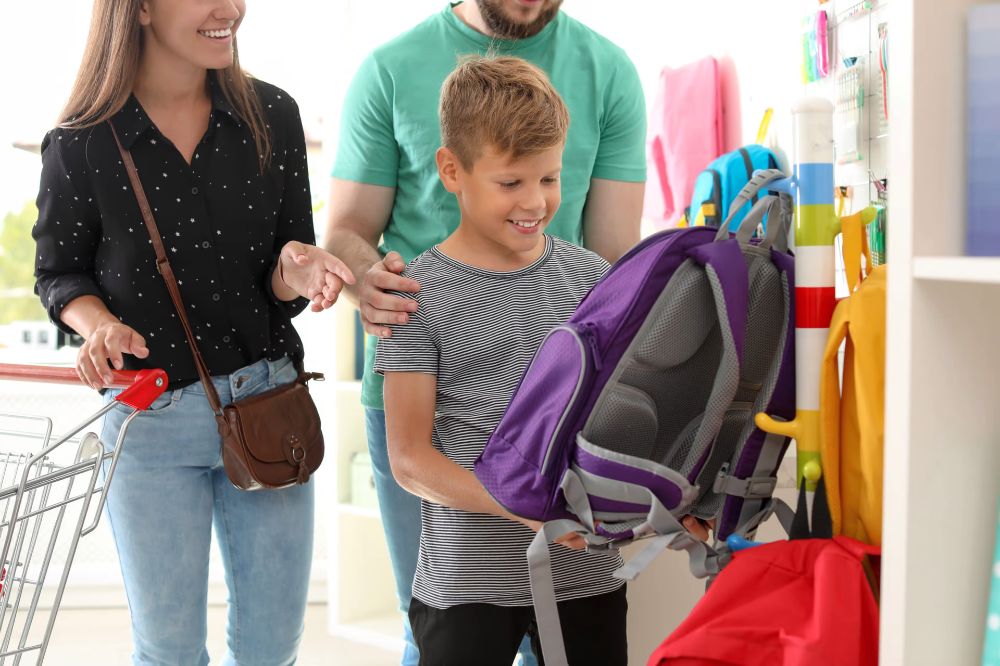
Back-to-School Shopping Mistakes Every Parent Should Avoid
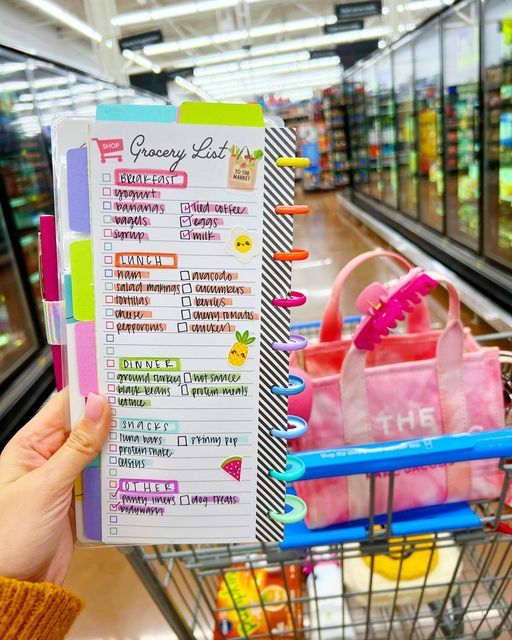
Shopping Without A List
This is probably the most common mistake parents make every single year without fail. Walking into a store without a clear list leads to random buying based on what catches your eye.
You end up with things you didn’t need, while forgetting things you actually came for.
A list keeps you focused, even when the store is busy and prices are flashing everywhere. Write it down before you leave the house, broken into simple categories like uniforms, stationery, and bags.
Stick to that list as closely as possible, even when tempting extras appear along the way.
Parents who shop without a list often end up buying the same item twice, simply because they forgot they already had it.
A quick check at home before leaving, matched against your list, prevents this exact problem. This single habit alone can save a surprising amount of money across the whole season.
Buying The Wrong Sizes
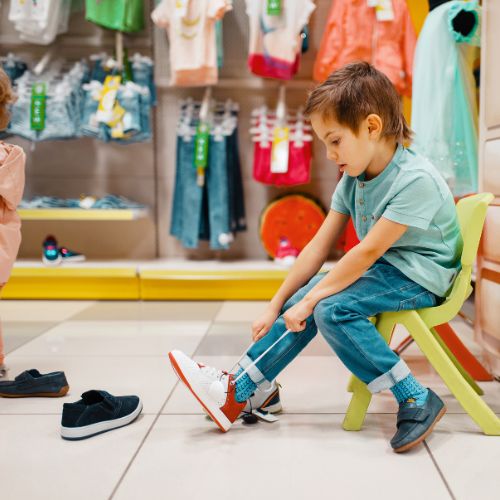
Kids grow fast, and what fit perfectly last term might already be too small or too tight this time. Many parents assume last year’s size still works, only to find uniforms or shoes don’t fit properly anymore.
This mistake often gets discovered too late, right before the first day of school.
Always measure your child fresh before shopping, rather than relying on memory or old sizes from months ago.
Bring your child along for fittings where possible, especially for shoes and uniforms that need a proper, comfortable fit.
If shopping without them, write down current measurements so you’re buying based on facts, not guesses.
Buying slightly bigger for room to grow makes sense in small amounts, but don’t overdo this either. Clothes that are too big cause their own problems, like uniforms that look sloppy or shoes that slip off while walking.
A proper, current fit matters more than trying to stretch value across two terms at once.
Ignoring The School’s Supply List
Many schools send out a specific list of required items before the term begins, yet parents sometimes skip reading it closely.
Buying based on general assumptions, rather than the actual list, often leads to buying the wrong type of notebook or the wrong color folder.
This creates unnecessary extra trips back to the store once term has already started.
Read the school’s list carefully, checking exact quantities, colors, and specifications required for each item.
Some schools are strict about these details, and showing up with the wrong version can cause avoidable stress for your child.
Cross-check your shopping list against this official list before finalizing any purchases.
If no specific list was provided, a general checklist can still help guide your shopping in the right direction.
29 Back-to-School Essentials Every Parent Should Buy offers a solid starting point for what most kids typically need this season.

Waiting Until The Last Minute
Leaving all your shopping until the final week before school starts almost guarantees a stressful, rushed experience.
Stores get crowded, popular sizes sell out, and prices sometimes rise due to high demand during this busy window. This last-minute rush also leaves no room to fix mistakes, like a wrong size or a missing item.
Start shopping a few weeks ahead of time instead, spreading purchases across smaller, calmer trips. This gives you time to compare prices, check for better deals, and return anything that doesn’t work out properly.
It also means your child’s uniform gets a proper fitting with enough time for any needed adjustments.
Early shopping also protects you from stock shortages, which become more common the closer you get to the actual first day.
Popular backpacks, specific shoe sizes, and common stationery items often run out fast during the final rush.
Overspending On Trendy Extras
It’s easy to get swept up buying flashy extras that look exciting in the store but rarely get used afterward. Character-themed items, glittery accessories, or gadget-loaded school supplies often cost more without adding real value.
These items can quietly drain your budget away from things that actually matter for the term.
Stick mostly to practical, durable items, saving a small portion of your budget for one or two fun extras your child genuinely wants.
This balance keeps spending under control while still letting your child feel excited about a few personal choices.
Letting them pick one special item, within a set budget, works better than buying everything flashy that catches their eye.
If your child wants something fun without breaking the budget, some categories genuinely combine both style and lasting use well.
31 Cute Backpack Ideas Every Kid Will Be Excited to Carry shows how a bag can be both practical and something they’re proud to carry.
Not Involving Your Child At All
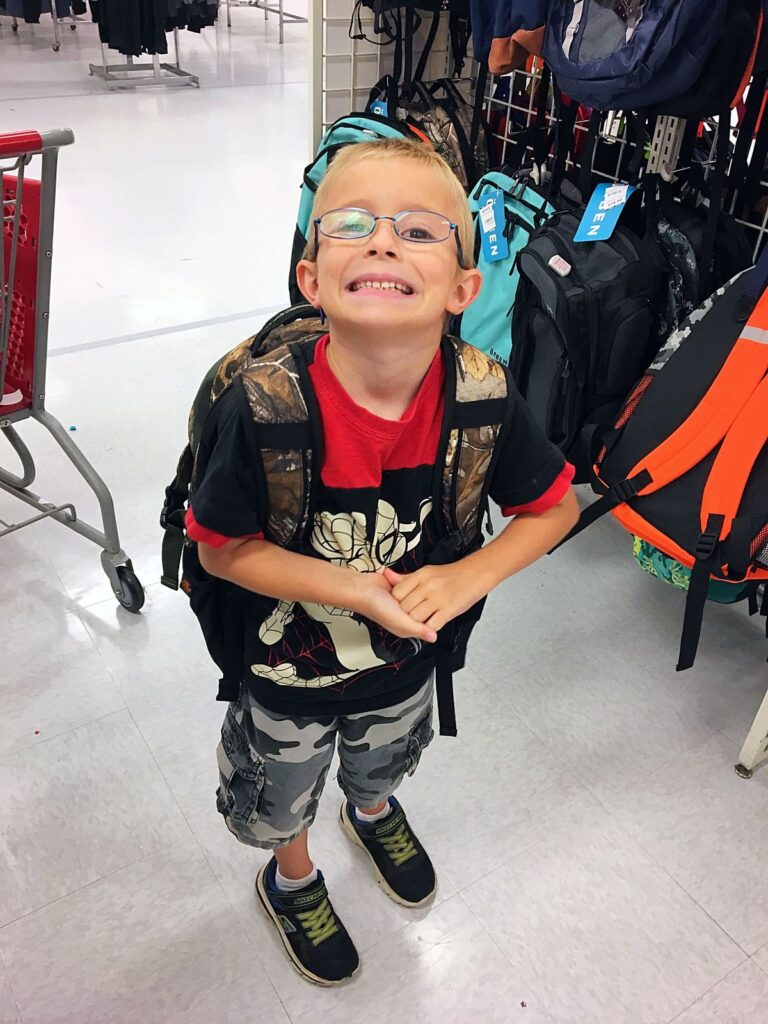
Some parents do all the shopping alone, without any input from the child who will actually use these items daily.
This can lead to a child who complains constantly about their bag, shoes, or supplies once term begins. A small amount of involvement usually prevents this ongoing daily friction.
Let your child choose between two or three options you’ve already approved, rather than giving them free choice over everything.
This keeps your budget and practicality intact, while still giving them a sense of ownership over their own items. Kids tend to use and care for things more when they had some part in choosing them.
How to Choose the Right Backpack for Your Child covers how to strike this balance well, letting your child have a voice without losing sight of what actually works for daily use.
Forgetting To Check What You Already Own
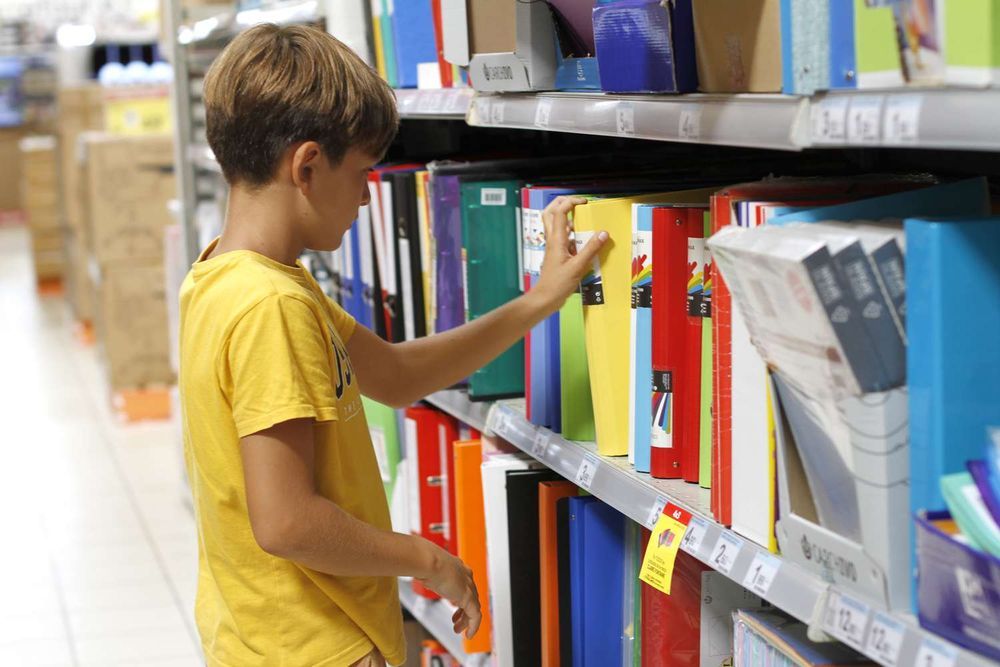
Many parents shop as if starting completely from zero, forgetting that plenty of usable items already sit at home.
Old stationery, barely-used notebooks, and uniforms still in decent shape often get overlooked simply because they weren’t top of mind. This leads to unnecessary spending on items you didn’t actually need to buy again.
Before shopping, go through last term’s supplies and sort them into what’s still good, what needs replacing, and what can be tossed.
This simple step often shortens your shopping list significantly, saving money that can go toward things you truly need. It also reduces clutter at home from duplicate items piling up unnecessarily.
Skipping Labels On Belongings
It’s easy to overlook labeling, especially when rushing through a busy shopping trip and long list of tasks. But unlabeled items get lost, mixed up, or claimed by other kids far more often than parents expect.
This mistake becomes especially costly with items like water bottles, lunch boxes, and stationery that look similar across many kids.
Take the time to label everything clearly before the term starts, using a marker, sticker, or proper name tag. This small effort saves money in the long run, since lost items often need replacing mid-term otherwise.
It also helps teachers return misplaced items to the right child quickly, without unnecessary confusion.

Not Setting A Budget Beforehand
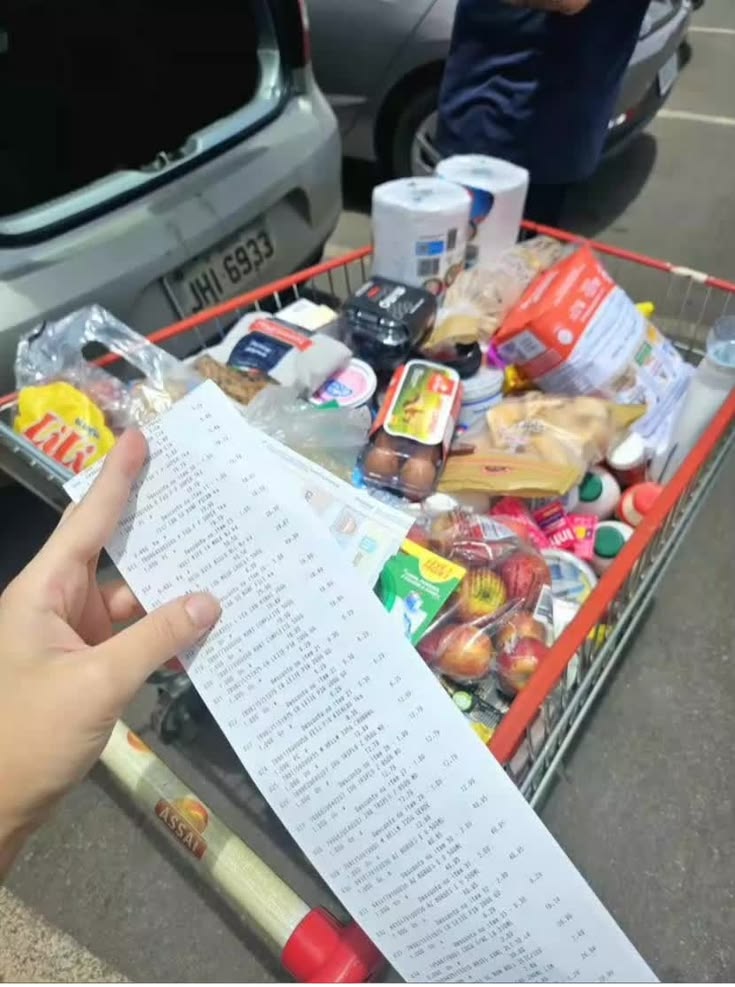
Walking into shopping without a clear budget often leads to overspending without even realizing it until the receipt comes.
Costs across uniforms, shoes, stationery, and bags add up faster than most parents expect going in. Without a number in mind, it becomes easy to justify every small extra purchase along the way.
Set a realistic budget before you start, and break it down across categories so you know roughly what to spend where.
This keeps spending under control and helps you prioritize what matters most if money feels tight this term. There’s no shame in stretching purchases across a few weeks if that eases the pressure on your budget.
Buying Cheap Items That Break Quickly
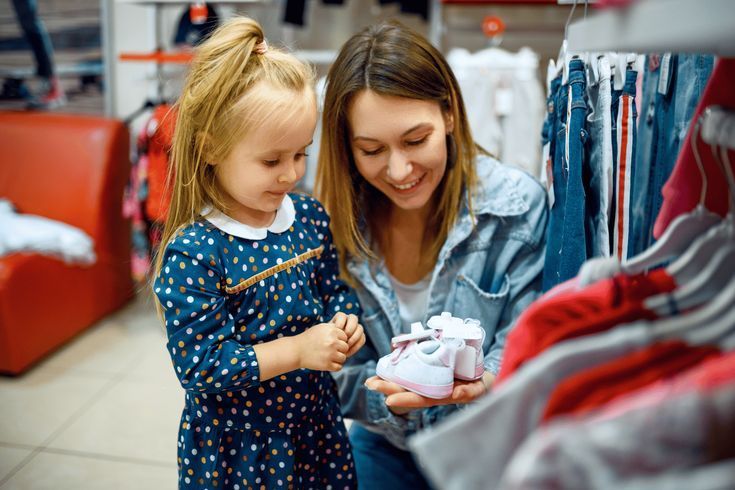
Choosing the lowest price option every time might feel like smart saving, but it often costs more in the long run. Cheap zippers break, thin bags tear, and low-quality shoes wear out fast under daily school use.
This means buying replacements mid-term, which usually costs more overall than a slightly pricier, sturdier option upfront.
Think about cost per use across the whole term, rather than just the price tag in front of you. A well-made item that lasts the full year often saves money compared to buying two cheap versions instead.
Check reviews where possible, since other parents’ experiences often reveal durability issues before you make a purchase.
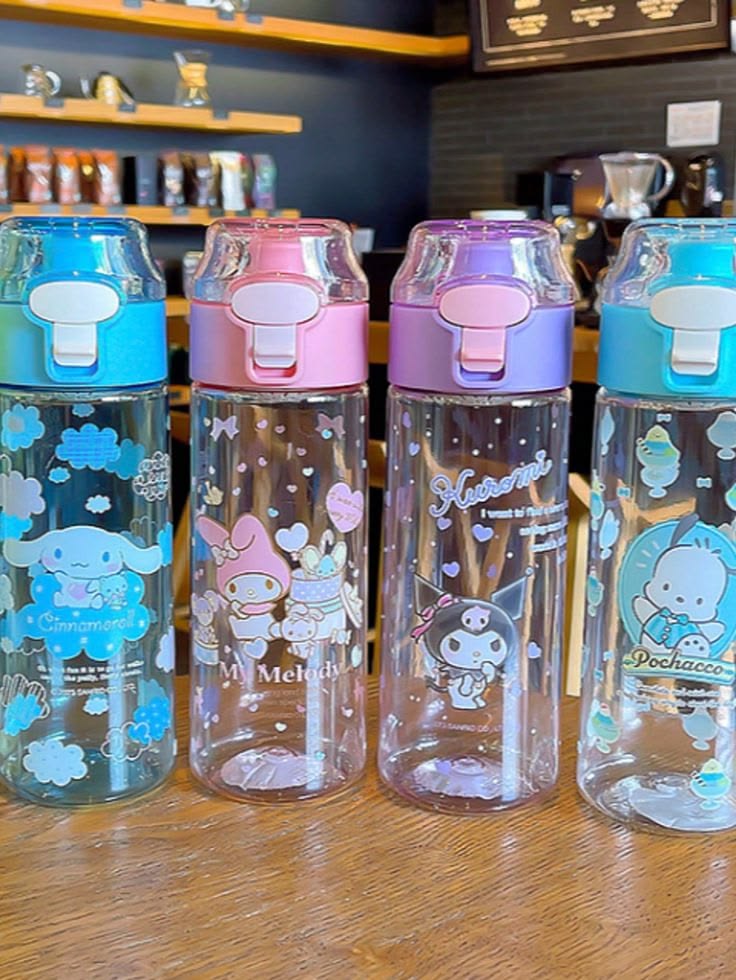
Ignoring Comfort For The Sake Of Looks
Some parents choose shoes or bags based purely on how they look, without considering how they’ll actually feel during daily wear.
A stylish shoe that pinches, or a bag with thin, uncomfortable straps, causes real discomfort once school starts properly.
This mistake often only becomes obvious once your child starts complaining daily about pain or discomfort.
Always prioritize comfort and fit alongside appearance, especially for items worn or carried for many hours each day.
Have your child try things on and walk around a bit before buying, rather than trusting size charts alone. Comfort affects mood and focus throughout the school day far more than most parents initially consider.
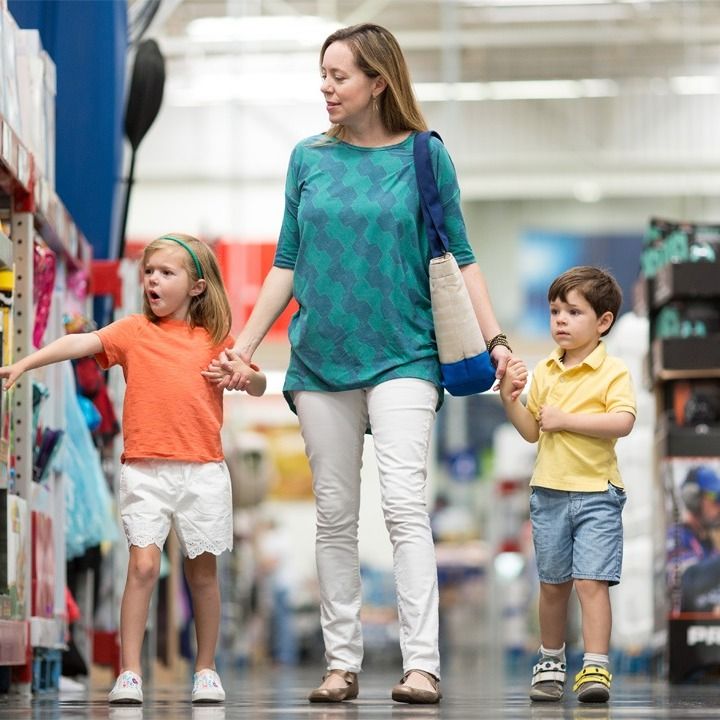
Not Planning For Lunch Supplies Properly
Shopping trips sometimes focus heavily on uniforms and stationery, while lunch supplies get added almost as an afterthought.
This can mean ending up with a leaking container, a lunch bag that doesn’t keep food fresh, or missing pieces entirely. These small gaps create daily frustration once the term is already underway.
Give lunch supplies their own proper attention during your shopping trip, not just a rushed, last-minute grab.
Check that containers seal properly, bags keep food at the right temperature, and your child can open everything independently.
Getting this right avoids daily complaints about squished sandwiches or spilled snacks inside the bag.
Once containers are sorted, the actual food matters just as much for a lunch that gets properly eaten.
How to Pack School Lunches Kids Will Actually Finish offers practical ideas that pair well with whatever supplies you choose this season.
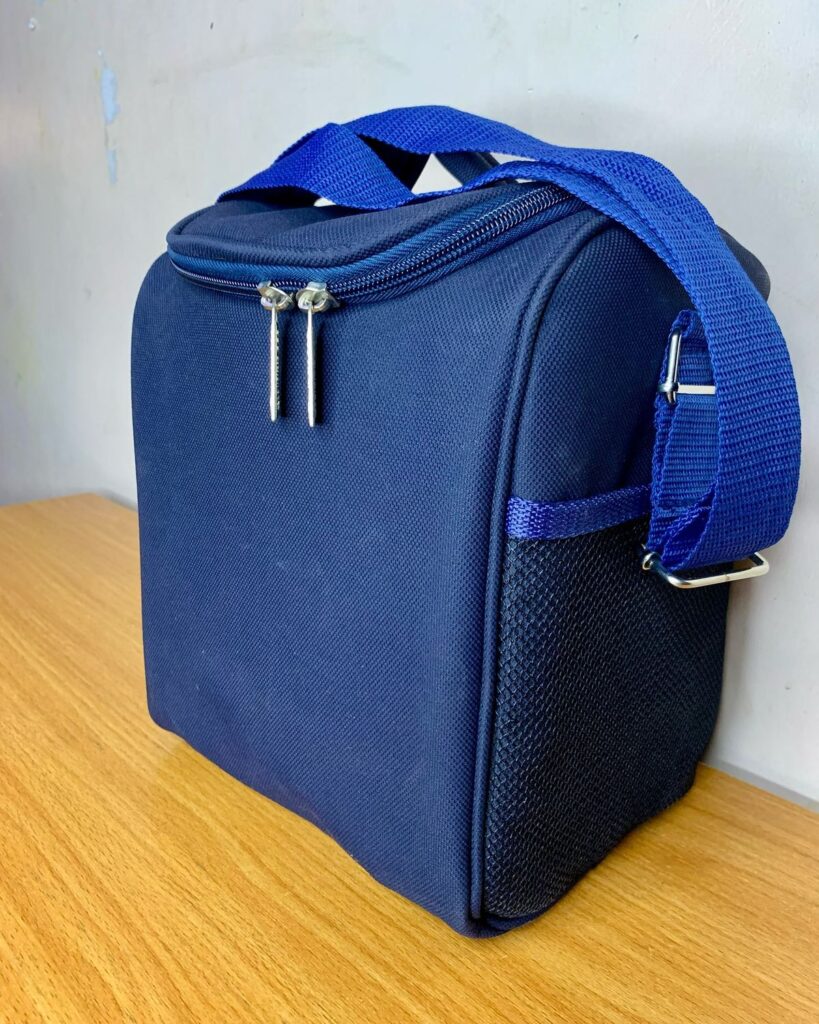
Forgetting About Homework Supplies
Shopping often centers around what’s needed for the classroom, while supplies needed at home for homework get overlooked.
A working pen, proper folders, and basic tools like a ruler or calculator matter just as much for evenings at home. Realizing these are missing partway through the term creates unnecessary extra shopping trips later.
Add a small homework supply section to your shopping list, covering what your child will need for evening study sessions.
This might include extra notebooks, folders for organizing schoolwork, or a small desk lamp if needed.
How to Create a Homework Space That Helps Kids Focus goes further into building a full setup that supports this daily need.
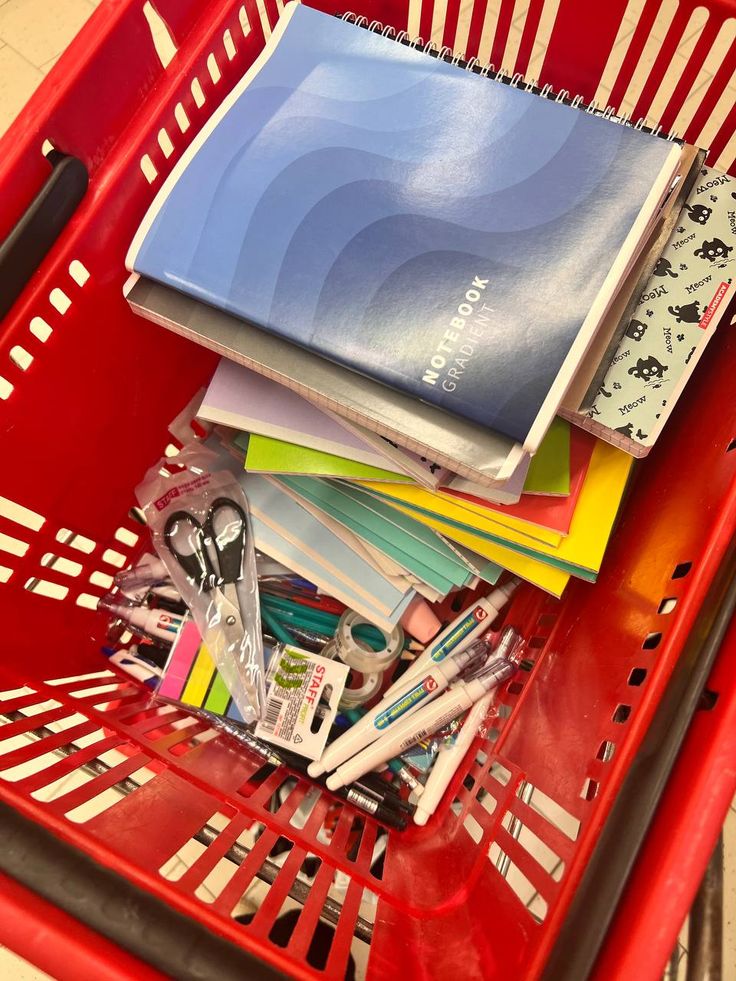
Not Considering After-School Needs
Shopping sometimes stops at what’s needed purely for the classroom, forgetting about what happens once school ends each day.
If your child does sports or other activities after school, specific gear or supplies for these often get overlooked. This oversight means scrambling last minute once these activities actually begin.
Think beyond just the classroom when building your shopping list, including anything needed for the hours right after school too.
Explore more ideas: 25 Fun After-School Activities That Beat Screen Time can help you think through what extra items or supplies these activities might require.

Overlooking Organization At Home
Shopping focuses heavily on what goes into the school bag, but organizing everything once it arrives home matters just as much.
Without proper storage, new supplies quickly get lost, mixed up, or scattered across the house within days. This leads to buying replacements for things that technically still exist somewhere in the house.
Set up simple storage solutions at home before or right after your shopping trip, giving every item a clear place to belong.
Save this for later: 35 Back-to-School Organization Ideas Every Parent Needs offers practical systems that keep everything sorted and easy to find all term long.
Not Thinking About The Teacher Relationship
Shopping trips rarely include anything related to building a good relationship with your child’s teacher, yet this connection matters a lot.
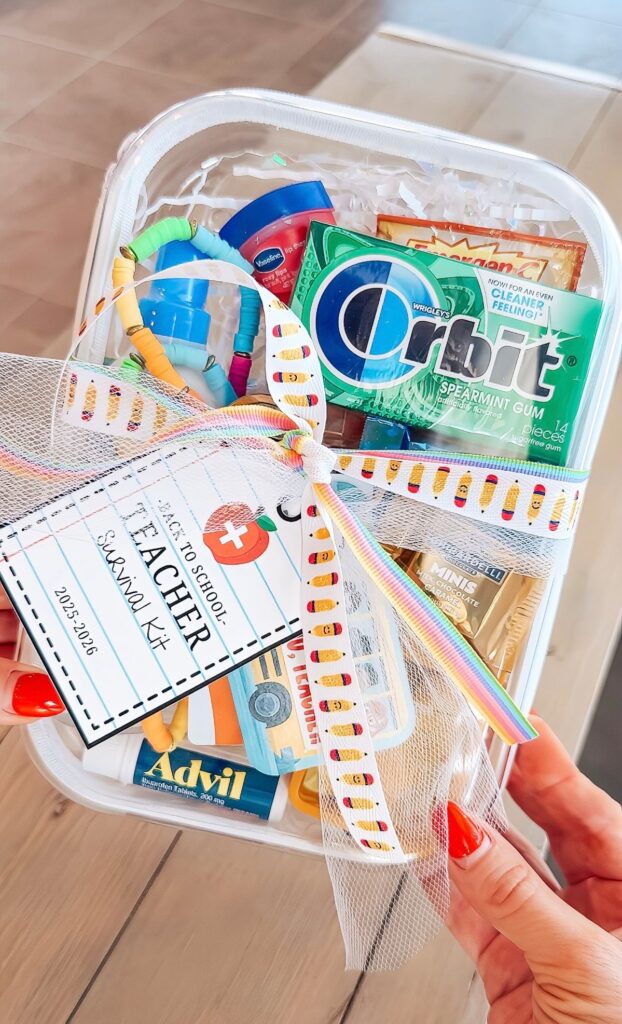
A small, thoughtful gift early in the term can help set a warm tone between your child’s world and yours. Skipping this entirely means missing a simple, low-cost opportunity to build goodwill from day one.
Consider adding a small teacher gift to your shopping list, especially if your child is starting with someone new this term.
19 Thoughtful Teacher Gift Ideas for Back to School offers ideas that feel genuine without requiring a big budget or effort.
Skipping The First Day Altogether In Your Planning
Some parents focus so heavily on practical shopping that they forget to plan for marking the first day itself in some way.
A quick photo, a small note in the lunch bag, or a special breakfast can turn shopping-focused preparation into something more meaningful.
Skipping this small step means missing an easy opportunity to make the day feel special for your child.
Consider adding a few small items to your list purely for marking this occasion, like a small chalkboard sign or a fun outfit choice.
You’ll thank yourself later: 31 First Day of School Photo Ideas You’ll Treasure Forever has simple ways to capture the day without needing anything elaborate or expensive.

Not Factoring In Classroom Decoration
Some families and teachers like to mark the new term with small decorations at home or in the classroom, yet this often gets forgotten during shopping.
A few simple supplies for this purpose can be added to your list without much extra cost or effort. Skipping this small detail means missing a fun, low-pressure way to build excitement for the term ahead.
If this appeals to your family, 25 Creative Back-to-School Bulletin Board Ideas and 21 Classroom Door Decoration Ideas That Kids Will Love both offer simple ideas worth adding to your shopping list this season.

Forgetting To Prepare For A Welcoming First Week
Shopping mistakes aren’t only about items, they also include forgetting to plan for how the first week will feel emotionally for your child.
Parents sometimes focus so much on physical supplies that the welcoming, settling-in part of the term gets overlooked. This can leave a gap that no amount of shopping actually fills.
Don’t miss this: 27 First Week of School Activities to Make Kids Feel Welcome offers ideas that complement your shopping efforts, making sure the emotional side of starting fresh gets attention too.

Not Connecting Shopping To The Bigger Transition
Shopping is only one piece of a much bigger seasonal shift for your child, and treating it as separate from everything else can cause problems.
If your child feels unprepared emotionally, even the best-chosen supplies won’t fully ease their nerves about the term ahead.
Pairing your shopping efforts with attention to the emotional transition creates a more complete kind of preparation.
If your child seems nervous about the shift regardless of what gets bought, How to Make the Transition Back to School Easier for Kids offers guidance on easing that broader adjustment alongside your shopping list.

Bringing It All Together
Avoiding these common shopping mistakes takes a little extra planning, but it saves real money and stress across the whole term.
Shop with a clear list, check current sizes, and involve your child in small decisions without losing control of your budget.
Take your time where you can, and give proper attention to smaller categories like lunch supplies and homework items too.
None of these fixes require a complicated system, just a bit of intention before you start buying anything at all.
A well-planned shopping trip sets a calmer tone for the whole season ahead, not just the day you’re actually in the store. Get this part right, and everything else about the term tends to feel a little more manageable too.
Leave a Reply