The back door opens, and a small person vanishes into the grass, studying a single ant like a scientist. Nobody asked them to, and nobody handed them a toy, because the backyard already holds everything an explorer needs.
Mud, leaves, puddles, sticks, and sky are the oldest toys in the world, and they never run out of batteries. These thirty-three backyard activities turn that wild curiosity into games, projects, and discoveries your child will remember for years.
Most need only things you already own, like buckets, chalk, old sheets, and a little courage to get dirty. You do not need a large garden, because a balcony, a patio, or a small patch of grass will do. When the garden is unusable, 17 Screen-Free Activities for Kids Who Are Bored at Home offers indoor alternatives.
Each activity explains what you need, how to play, and how to keep your explorer safe and happy. Check the yard for sharp objects, poisonous plants, and unsafe gaps before the first game begins.
Apply sunscreen, offer water often, and stay close, because small explorers rarely notice danger or thirst. Pick any activity below, step outside with your explorer, and let the grand exploring begin.

33 Backyard Activities for Kids Who Love Exploring
1. Go on a Bug Safari
A bug safari turns a patch of grass into a jungle, and children become brave explorers searching for creatures. Give each child a small magnifying glass, a notebook, and a clear container with air holes.
Look under stones, along fences, inside leaves, and on flowers, and draw every creature you find.
For a longer list of clues, see How to Plan a Nature Scavenger Hunt for Preschoolers.
Watch gently and release every bug where you found it, and never touch stinging insects or spiders. Bring snacks and water, because bug hunting is thirsty work and children rarely want to stop.
Wash hands afterward, and remind children that every small creature has a home and a job to do.

2. Dig for Fossils in the Sandpit
A sandpit is a ready-made excavation site, and a few buried toys turn digging into discovery. Bury plastic dinosaurs, shells, and smooth stones, and hand children soft brushes and sturdy spoons.
Cover the sandpit when finished, so cats and neighborhood animals cannot spoil the next dig.
A full dinosaur version appears in How to Create a Dinosaur Dig Activity Using Sand and Toy Fossils.
Ask children to label each find in a notebook, because real scientists always record their discoveries. Add a few bigger finds near the top, so younger children feel early success and keep going.
Rake the sand for hidden hazards before play, and wash hands thoroughly when digging ends.

3. Build a Mud Kitchen
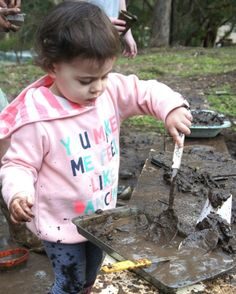
Mud is wonderful for play, and a simple mud kitchen gives children a messy and creative workshop. Set an old table or crate outside, and add pots, pans, spoons, and a bucket of water.
Children mix soil, water, and leaves into pies, soups, and potions, and they serve them proudly.
Extra splashing ideas for little ones appear in 27 Easy Water Play Activities for Toddlers as well.
Dress children in old clothes, and keep a towel and a bucket of clean water nearby. Remind everyone that mud food is for pretend only, and wash hands before touching real food.
4. Draw a Giant Chalk Map
A chalk map turns a plain patio into a whole town, and children love drawing roads, rivers, and houses. Use thick sidewalk chalk, and draw a big loop that cars, scooters, and walkers can follow.
Plan the route first with How to Make a Home Treasure Map for a Children’s Adventure.
Add a bridge, a shop, a school, and a parking spot, and label each place in big letters. Wash the chalk away with a hose afterward, which becomes a second game for splashing children.
Keep chalk games away from busy driveways and roads, where cars may not see small artists.

5. Pitch a Backyard Tent
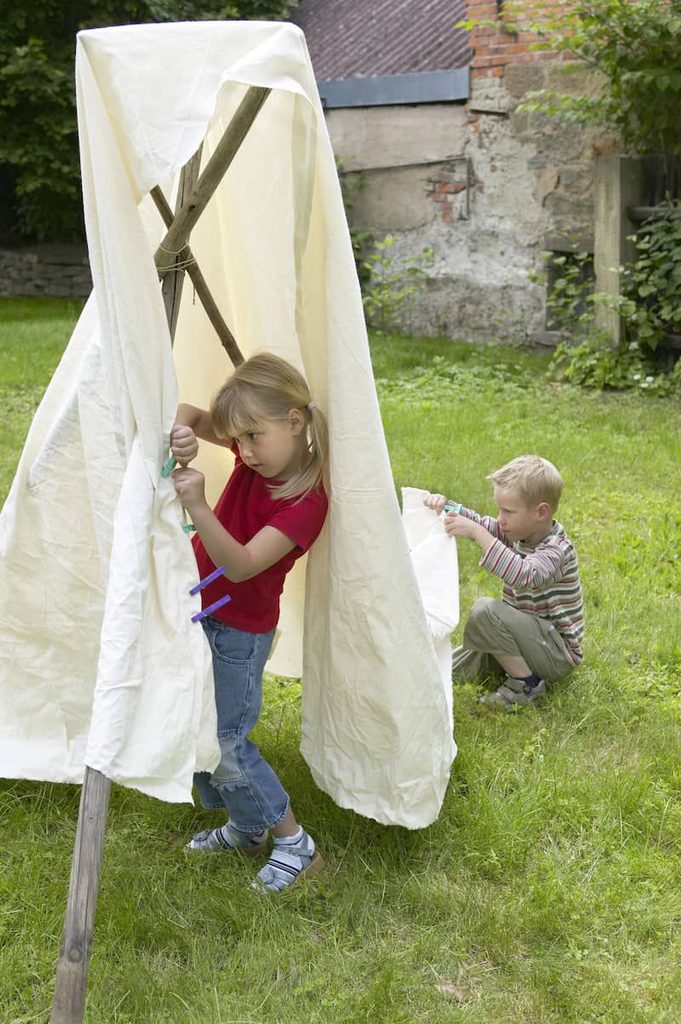
A tent in the garden feels like a real campsite, even when the house is only twenty steps away. Use a pop-up tent or drape a sheet over a rope tied between two sturdy trees.
Fill the tent with blankets, pillows, a flashlight, and a few favorite books for quiet reading.
Overnight versions appear in How to Create an Indoor Camping Adventure for Children for rainy nights.
Hang a few paper lanterns or a string of battery lights, and the tent glows at dusk. Stake the tent firmly if the wind is strong, and never light candles or fires near the fabric.
Serve a simple snack inside, and the tent quickly becomes the favorite spot in the entire garden.
6. Pack an Outdoor Explorer Basket
An explorer basket makes every trip outside feel like a mission, and it keeps tools in one place. Fill it with a bucket, a trowel, a magnifying glass, string, chalk, and a small notebook.
Keep the basket by the back door, so children can grab it whenever the urge to explore strikes.
Pack it using ideas from How to Make a Kids’ Boredom Basket That Encourages Independent Play.
Choose items that can get wet, muddy, and scratched, because outdoor tools rarely stay perfectly clean. Check the basket every week, removing broken items and adding something new to spark curiosity.

7. Take a Garden Story Walk
A story walk joins reading and movement, and children enjoy acting out each scene in the real garden. Choose a short picture book, and tape pages to trees, fences, or stakes along a simple path.
Children walk from page to page, reading or listening, and then act out each moment together.
Gentle stories await in How to Plan a Winnie-the-Pooh-Inspired Story and Honey Hunt for walks.
Pause at each page to ask what might happen next, and children will happily guess. Use a copy you do not mind damaging, or photocopy the pages so the original book stays safe.
Bring the pages inside if the weather turns, because rain and sunshine both ruin paper quickly.

8. Open a Garden Market Stall
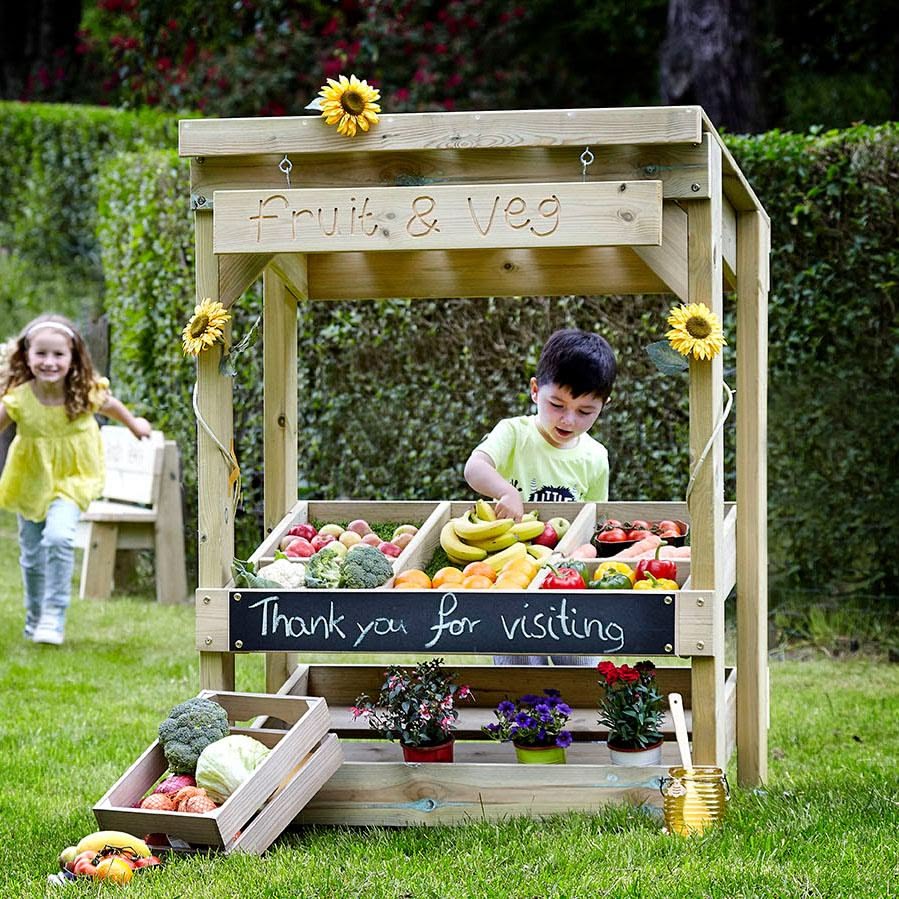
A market stall in the garden lets children sell treasures, practice counting, and greet customers politely. Set a small table under shade, and display flowers, pebbles, leaves, and paper bags of treasures.
Make a hand-lettered sign with prices, and give children paper coins for pretend payments from customers.
Setup advice appears in How to Set Up a Pretend Grocery Store for Kids at Home for stall owners.
Invite family and neighbors to shop, and each visitor becomes part of the joyful game. Rotate the stall owner every ten minutes, so every child enjoys both selling and shopping.
Keep food off the stall unless it is covered, because heat and insects spoil snacks quickly.
9. Train as a Backyard Superhero
Superhero training turns the whole garden into a gym, and every child gets a mighty mission. Tie a towel cape, and design stations for running, jumping, crawling, and balancing along a rope.
Hand out paper medals at the end, and every hero stands a little taller afterward.
More hero training appears in How to Create a Superhero Training Course for Kids for extra missions.
Keep the rope low to the ground, and remove hazards like rakes, tools, and sharp garden decorations. Let children invent their own superpowers, because naming a power makes the mission feel real.

10. Build a Fort Obstacle Course
An outdoor obstacle course has more room than any living room, and children can run without limits. Use cones, buckets, hula hoops, planks, and cushions to make jumps, tunnels, and balance paths.
Time each run with a stopwatch, and let children try to beat their own best score.
Themed courses appear in How to Build a Minecraft-Inspired Obstacle Course in Your Living Room for ideas.
Place planks flat on grass, and check that every obstacle is stable before the first child runs. Invite siblings to cheer from the sidelines, because an audience makes every run feel important.
Change the course every week, and the same garden offers a brand new challenge each time.

11. Hunt for Garden Monsters
A monster hunt gives children a purpose, and every bush and corner becomes a possible hiding place. Draw funny monsters on paper plates or card, and hide them around the garden in safe spots.
Give children a bag, and let them gather every monster while giving each one a silly name.
Collectors can follow How to Plan a Pokémon Treasure Hunt for Kids for a longer adventure.
Count the monsters before the game, so you know when every hidden creature has been found. Call out hints like warm or cold, and children will search with focus and growing excitement.
Hide a few monsters low for toddlers, and a few higher for taller children to find.
12. Run a Backyard Scavenger Hunt
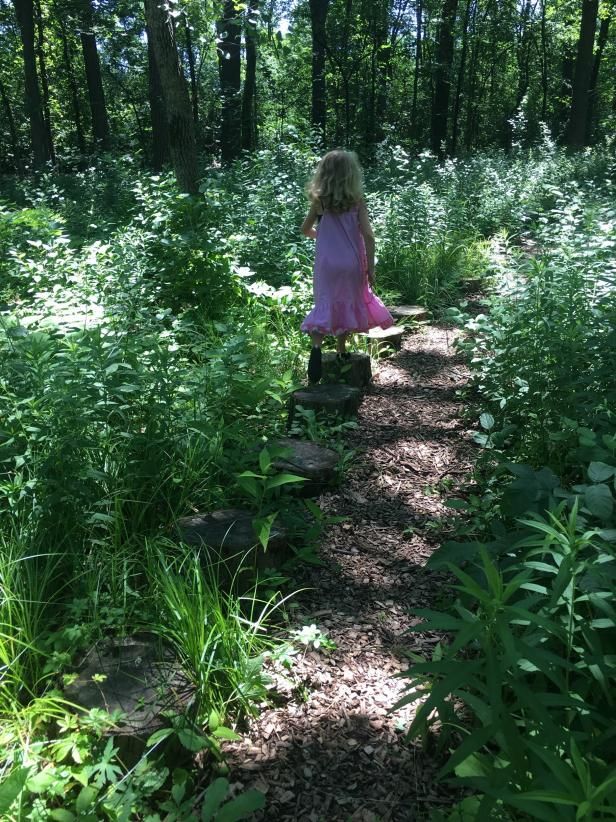
A scavenger hunt turns a familiar garden into an adventure, and children love ticking items off a list. Write a list of ten things to find, such as a feather, a red leaf, and a round stone.
Use pictures for toddlers, and give older children riddles that need a little careful thinking.
A themed version appears in How to Create a Bluey-Inspired Scavenger Hunt at Home for party planners.
Ask children to collect items only from the ground, and never to pick living flowers or plants. Give a small prize at the end, such as a sticker, to celebrate everyone’s careful searching.
Gather at the end to show every treasure, and let each child tell the story of one find.
13. Make a Puddle Laboratory
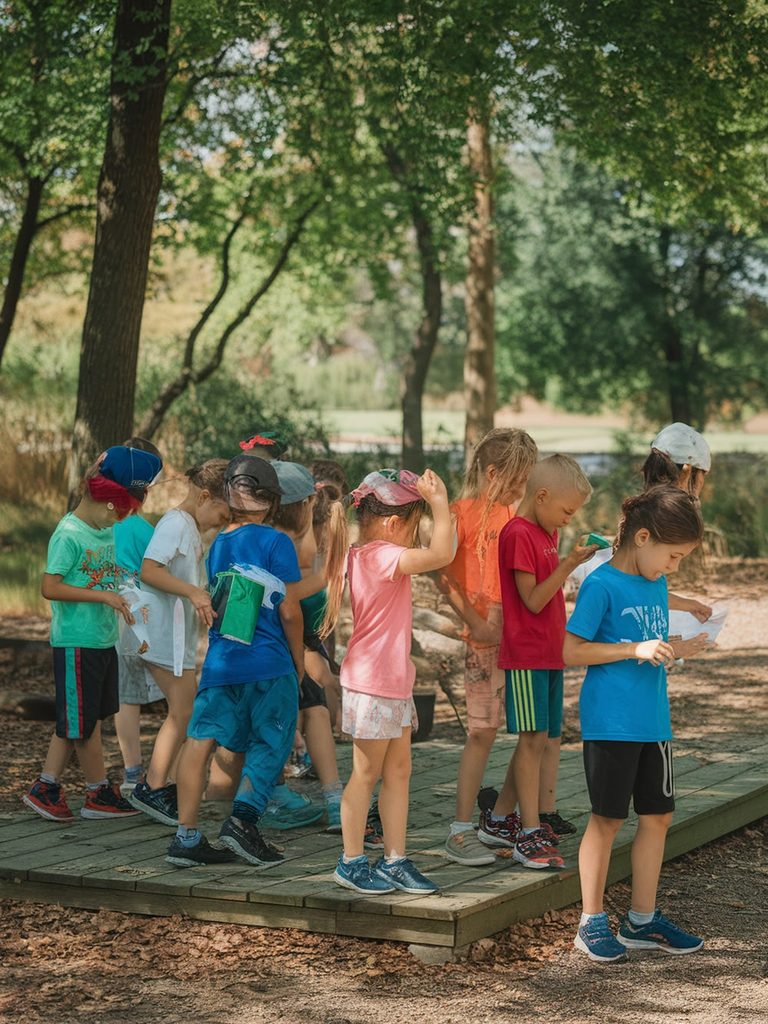
After rain, puddles become tiny laboratories, and children love splashing, measuring, and floating things in them. Put on rain boots and raincoats, and gather sticks, leaves, and small boats for testing.
Measure the depth of puddles with a stick, and compare which one is deepest and widest.
Wet weather plans appear in 31 Rainy Day Activities for Kids That Need Almost No Preparation for backup.
Avoid puddles near roads or drains, because they may hide dirt, chemicals, or sharp objects. Change into dry clothes immediately afterward, and offer a warm drink to bring everyone back to comfort.
14. Create a Reading Nook Under a Tree
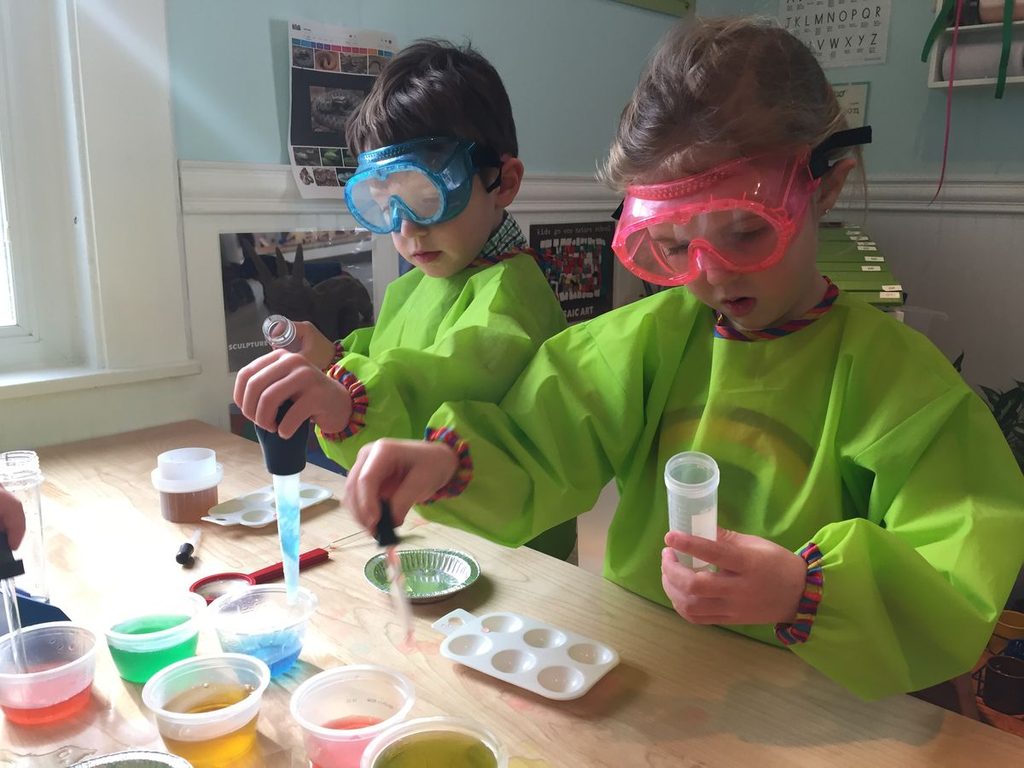
A shady spot beneath a tree makes a lovely reading nook, and books feel different outdoors. Spread a blanket, add a few cushions, and bring a basket of favorite picture books.
Listen to the wind in the leaves, and let children read, draw, or simply lie still.
More calm ideas appear in 35 Quiet Activities for Kids When You Need a Calm Afternoon for tired explorers.
Check the tree for dead branches, insect nests, and sap before choosing a shady spot to rest. Quiet outdoor time restores energy, and children often return to play refreshed and wonderfully calm.

15. Grow Fast Seeds in Pots
Watching a seed sprout teaches patience, and fast-growing seeds like cress and beans reward children within days. Fill old yogurt pots with soil, press in the seeds, and water them gently every morning.
Place the pots in a sunny spot, and ask children to measure the shoots with a ruler. Decorate the pots with paint or stickers, because a pretty pot makes children care more.
Compare plants after a week, and children learn how light and water change their growth. Wash hands after touching soil, and keep seeds away from toddlers who might swallow them.
Each tiny green shoot gives children a proud feeling and a small lesson in responsibility.
16. Paint With Water on the Fence
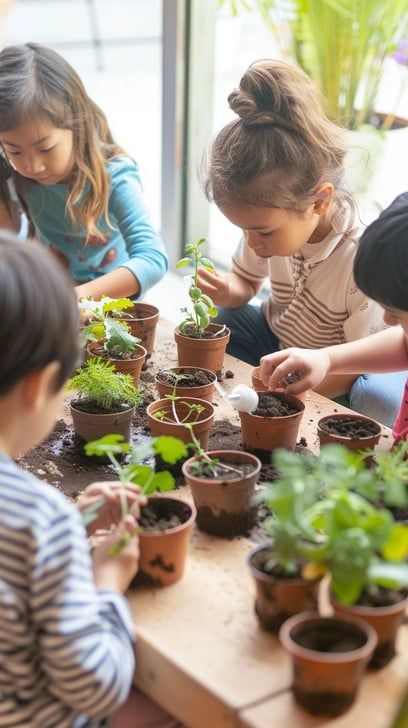
Water painting is mess-free magic, because bold wet strokes appear on dry surfaces and then vanish. Give each child a bucket of water and a large brush, and let them paint the fence.
Children can paint letters, numbers, shapes, and pictures, and watch their art disappear in the sun. Try painting the patio, a wall, or a garden shed on a warm and sunny afternoon.
Use plain water only, and make sure the surfaces are safe and not slippery when wet. Young children enjoy the ritual of painting and watching, which quietly builds focus and creativity.

17. Make a Simple Bird Feeder
A bird feeder brings wild visitors to the garden, and children love watching them come and go. Thread large cereal rings onto a string, or spread seed on a pinecone with a little vegetable fat.
Hang the feeder from a branch near a window, so children can watch from a distance. Choose a quiet corner for the feeder, because nervous birds prefer calm and sheltered places.
Keep a notebook beside the window, and ask children to tally how many birds visit each day. Check for nut allergies in your household before using seeds or butters, and wash hands afterward.
Watching birds teaches quiet observation, and children often learn bird names faster than parents expect.

18. Set Up a Bug Hotel
A bug hotel gives small creatures a safe home, and children enjoy building a tiny hotel for guests. Stack old bricks, pieces of wood, dry leaves, pinecones, and hollow sticks in a quiet corner.
Leave gaps and holes of different sizes, because different insects prefer different kinds of cozy spaces. Visit at different times of day, and children will notice which guests prefer morning or evening.
Make a small sign that says Bug Hotel, and check for new guests every few days. Do not poke the guests, and keep the hotel away from play areas where children might trample it.
Helping wildlife teaches kindness, and children feel proud of being useful to the creatures around them.
19. Play Sponge Toss
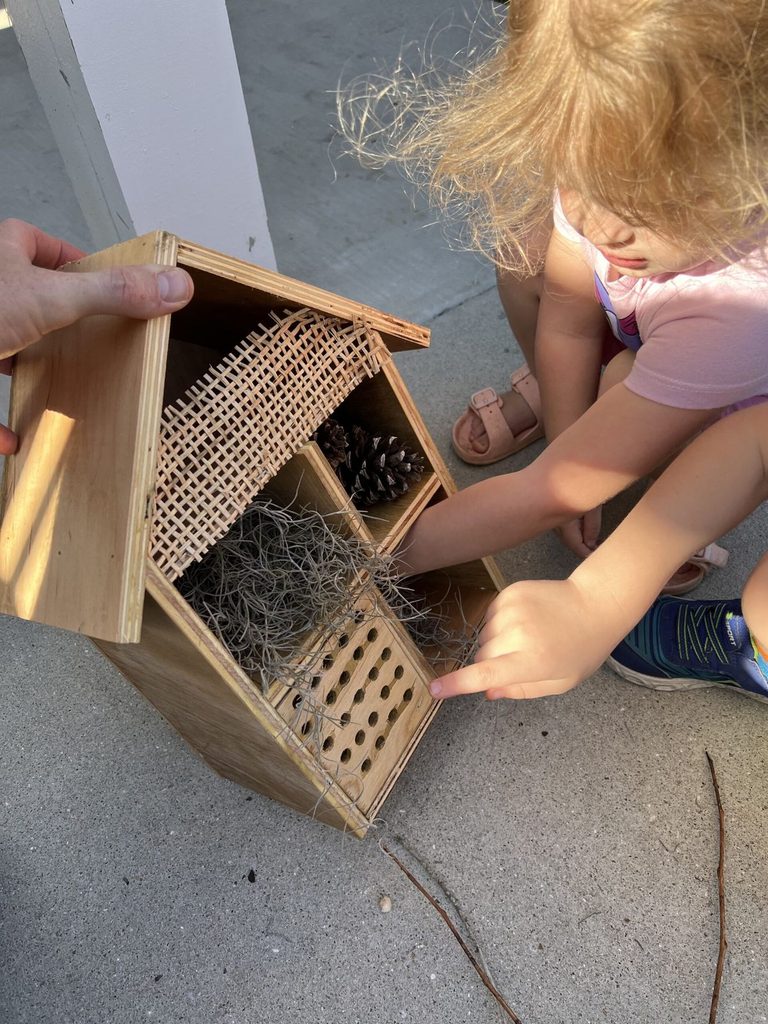
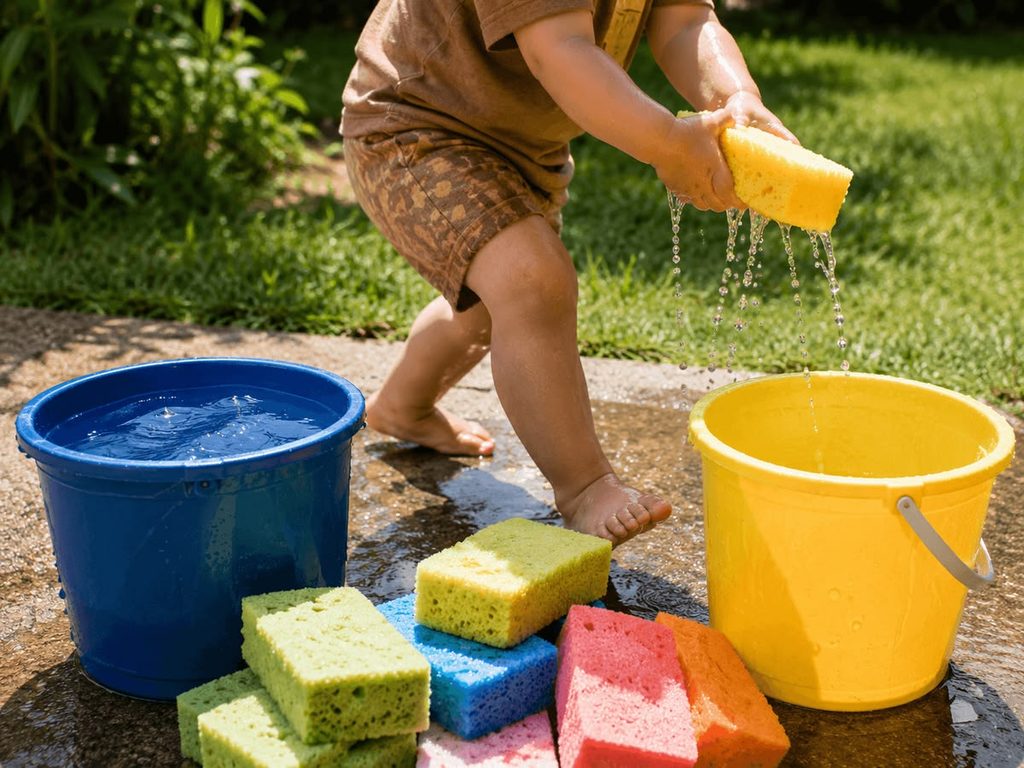
Wet sponges make a refreshing target game, and they are much gentler than balloons or hard balls. Fill a bucket with water, soak a few sponges, and set up a target on a fence.
Children throw the sponges at the target, or toss them into a bucket from a distance. Play in swimsuits or old clothes, because everyone is likely to end up soaked and giggling.
Never aim at faces, and keep a close eye on small children near buckets of standing water. Sponge toss is a cheap, cooling game for hot days, and it leaves everyone cheerful.
20. Run a Toy Car Wash
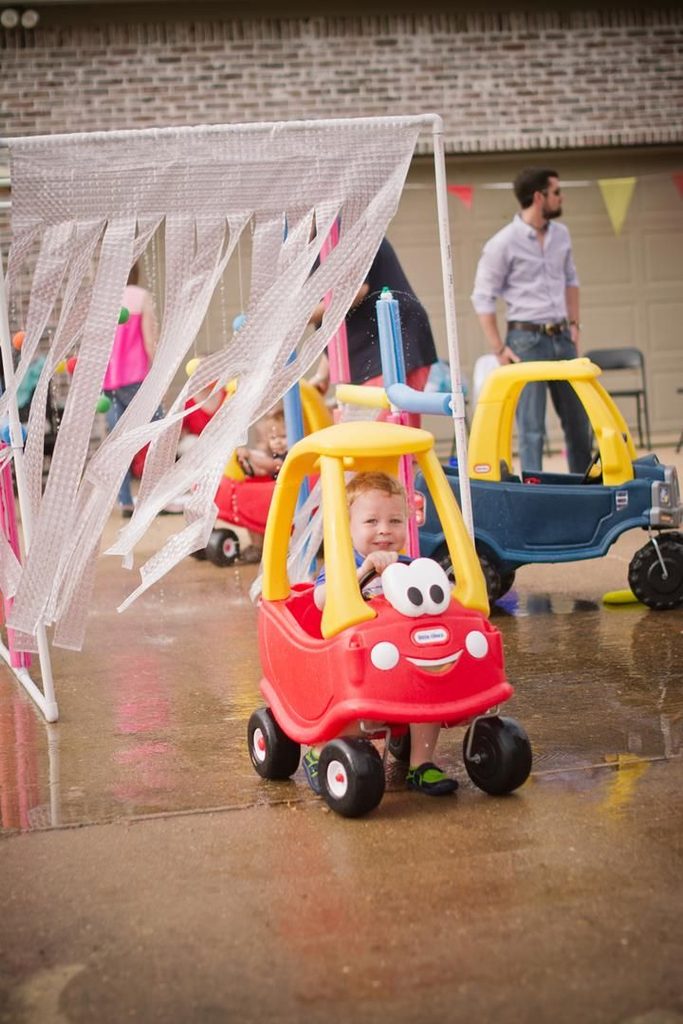
A toy car wash lets children scrub, rinse, and polish, and they feel like real mechanics at work. Fill a tub with soapy water, set out sponges and brushes, and line up the dirty vehicles.
Add a drying station with towels, and a sign that says how much each wash costs. Children can wash bikes and scooters too, which turns the game into a helpful job.
Use mild soap only, and rinse the toys well so no slippery foam remains on the ground. Washing toys teaches care for belongings, and children usually scrub with great pride and enthusiasm.
21. Race Leaf Boats in a Tub
Leaf boats are nature’s own toys, and children love racing them across a tub or a puddle. Gather large leaves, bark, and small sticks, and build boats with simple folds and twigs.
Fill a shallow tub with water, and blow gently on the boats to move them across. Add light cargo, like leaves or tiny twigs, and see which boat carries the most.
Hold a boat parade at the end, with every captain announcing the name of their ship. Never leave young children alone near water, even if the tub holds only a few inches.
Testing designs teaches simple science, and children quickly learn which shapes float best in water.

22. Make Leaf Rubbings
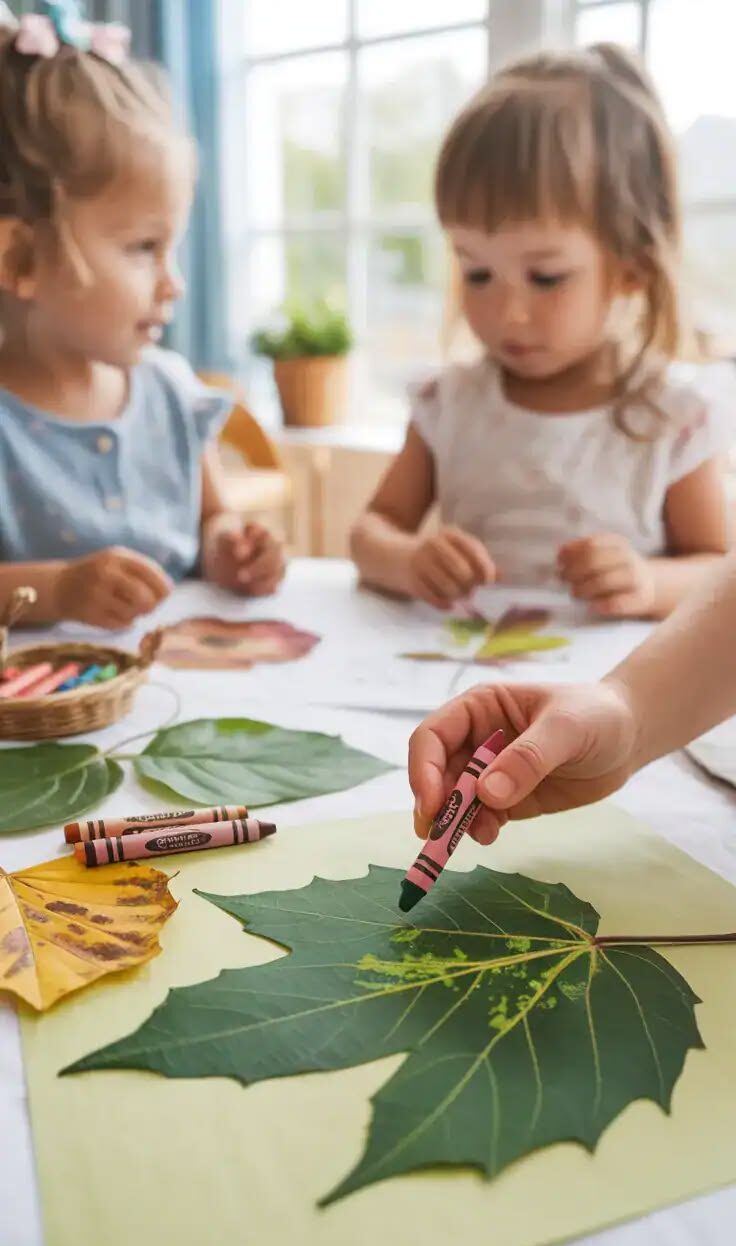
Leaf rubbings reveal hidden patterns, and children are amazed when veins and edges appear on paper. Collect fallen leaves of different shapes, and place each one under a thin sheet of paper.
Rub the side of a crayon over the paper, and the leaf pattern slowly appears. Try bark, coins, and flat stones too, and compare the textures of all the different surfaces.
Use fallen leaves only, and avoid any plants that may irritate skin or cause allergic reactions. Display the finished rubbings on a wall, and the autumn colors brighten the whole room.
23. Create a Fairy Garden
A fairy garden is a tiny world, and children spend hours arranging homes, paths, and gardens. Use a flowerpot or a small patch of soil, and add moss, pebbles, twigs, and small flowers.
Build a house from bark and sticks, and make a path with tiny stones leading to the door. Add a bowl of water for fairy baths, and a tiny bridge made from a lolly stick.
Add a tiny mailbox, and children can leave little notes for the fairies to answer. Keep small stones away from toddlers, and use only natural or safe materials in the garden.
Visit the fairy garden every day, and children enjoy imagining who might have stopped by.

24. Hold a Backyard Olympics
A backyard Olympics gives every child an event to win, and the whole family can compete together. Plan simple events, such as sack races, long jump, sock throw, and spoon-and-ball relays outdoors.
Make paper medals and a podium from boxes, and award a medal for every event. Invent silly events, like the longest hop or the quietest tiptoe, so every child can shine.
Record the scores on a chalkboard, and children will love seeing their names on the leaderboard. Keep the events short and the breaks long, and offer water between every single activity.
Cheer for every single competitor, because sportsmanship matters far more than any shiny paper medal.

25. Chase and Draw Shadows
Shadows change shape through the day, and children are fascinated by the dark twin that follows them. Draw around a friend’s shadow with chalk, and return an hour later to see how it moved.
Play shadow tag, where children try to step on each other’s shadows without being caught. Make shapes with your hands and bodies, and see who can create the strangest shadow.
Play on a sunny day with a clear sky, and avoid staring at the sun at any time. Shadow play connects art, science, and movement, and it costs absolutely nothing but a bright afternoon.

26. Blow Giant Bubbles
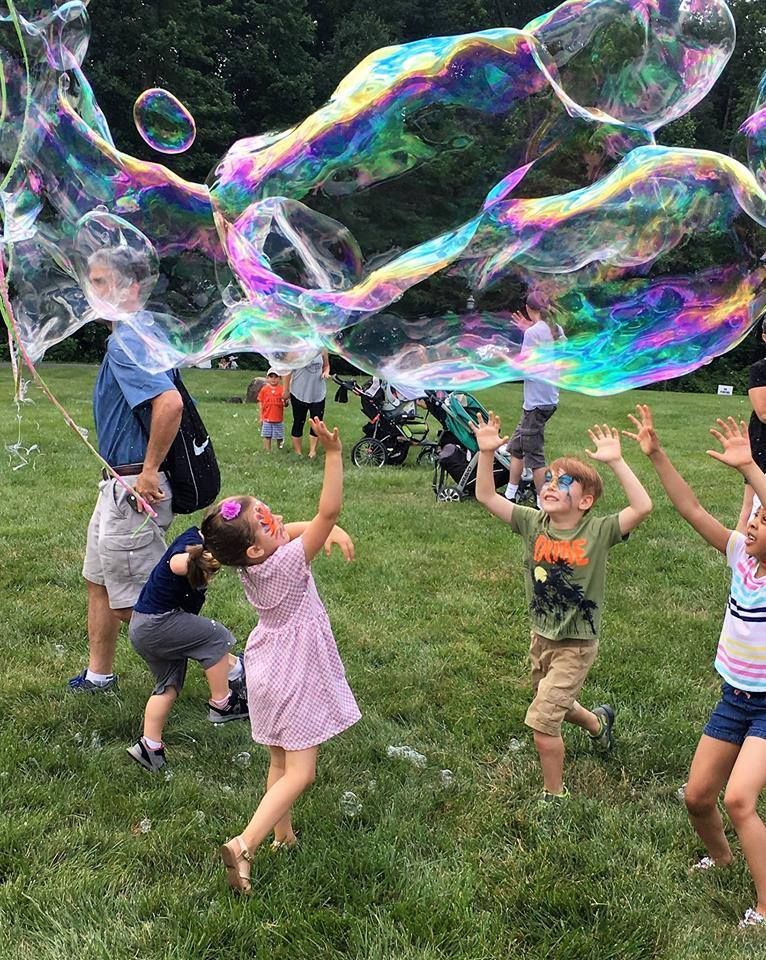
Giant bubbles float like little dreams, and children chase them with shrieks of pure delight. Mix water, dish soap, and a spoonful of cornstarch in a shallow tub for strong bubbles.
Make wands from string and two sticks, or from a wire hanger bent into a ring. Wave the wand slowly through the air, and watch enormous bubbles stretch and wobble away.
Keep soap away from eyes, and play on grass rather than hard ground that becomes slippery. Bubbles teach gentle movement and patience, and they make even the grumpiest child smile widely.
27. Start a Backyard Orchestra
A backyard orchestra needs no talent, only enthusiasm, and children love making music from ordinary things. Collect pots, pans, plastic tubs, spoons, and a few jars filled with dry rice for shakers.
Hang a few metal items from a branch, and tap them gently to hear different notes. Choose a conductor, who leads the group with a wooden spoon and a very serious face.
Perform a short concert for family members, and finish with a deep and dramatic orchestral bow. Seal shaker lids with strong tape, and keep the volume reasonable so neighbors can enjoy the concert.
Music builds rhythm and teamwork, and children feel proud when their noisy orchestra finally plays together.

28. Go Cloud Watching
Cloud watching is the calmest game in the world, and it needs nothing but a blanket and sky. Lie on your backs, and ask each child to describe the shapes they see drifting above.
Clouds become dragons, rabbits, ships, and castles, and children enjoy inventing stories about each shape. Talk about why clouds move, and how some bring rain while others simply drift by.
Wear a hat, apply sunscreen, and never look directly at the sun while lying outdoors. This slow game calms busy minds and teaches children to notice the beauty of an ordinary sky.

29. Build Pebble Towers
Pebble balancing requires patience and gentle hands, and children are proud of every wobbling tower. Collect smooth stones of different sizes, and try stacking them from largest to smallest on flat ground.
Challenge children to build the tallest tower, or a tower that survives a gentle breeze. Paint faces on larger stones to create a family of pebble people with their own names.
Use stones large enough that toddlers cannot swallow them, and supervise every child closely during play. Stacking stones builds focus and fine motor control, and the quiet concentration is wonderful to watch.

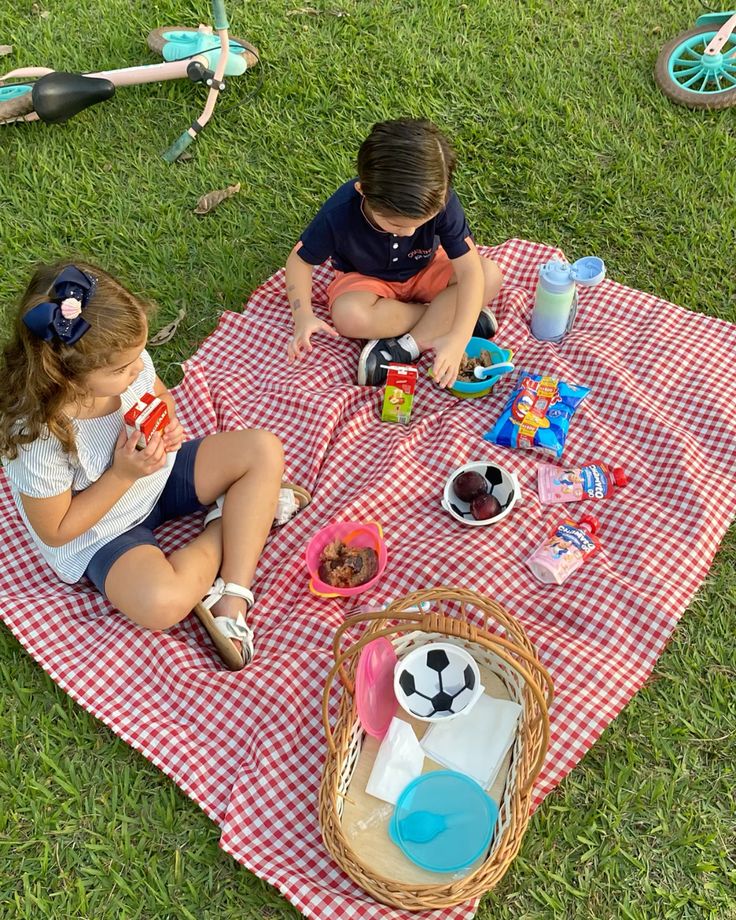
30. Have a Backyard Picnic
A picnic turns lunch into an adventure, and food always tastes better when eaten on the grass. Spread a blanket, pack sandwiches, fruit, and water, and let children carry their own small baskets.
Invite stuffed animals to join, and children will set the blanket with tiny cups and plates. Play a quiet game afterward, such as I Spy or storytelling, while everyone rests in the shade.
Bring a small ball or a kite for after the meal, and the picnic becomes a full afternoon. Keep food covered, wash hands first, and cut grapes lengthwise for toddlers to prevent choking.
Leave no litter behind, and teach children to respect the beautiful places where they play.
31. Stargaze at Dusk
Stargazing makes children feel small and curious, and the first star of the evening is magic. Spread a blanket after sunset, bring warm clothes, and wait quietly for the sky to darken.
Look for the moon, bright planets, and shapes made by stars, and invent your own constellations. Bring a flashlight covered with red cellophane, which helps eyes keep their night vision longer.
Stay close to children in the dark, and clear the yard of tripping hazards beforehand. Stargazing ends the day with calm wonder, and children often fall asleep more easily afterward.

32. Plant a Sunflower House
A sunflower house is a living den, and children love sitting inside walls of towering flowers. Plant sunflower seeds in a square, leaving a gap for a doorway, and water them regularly.
Sow fast climbing beans between the flowers, and they will weave a soft green roof. Measure the sunflowers every week, and chart their growth on a paper taped to the fence.
Keep seeds away from toddlers, and wash hands after handling soil, seeds, and any fertilizer. Waiting for the flowers teaches patience, and the sunflower house rewards children with a magical summer hideout.

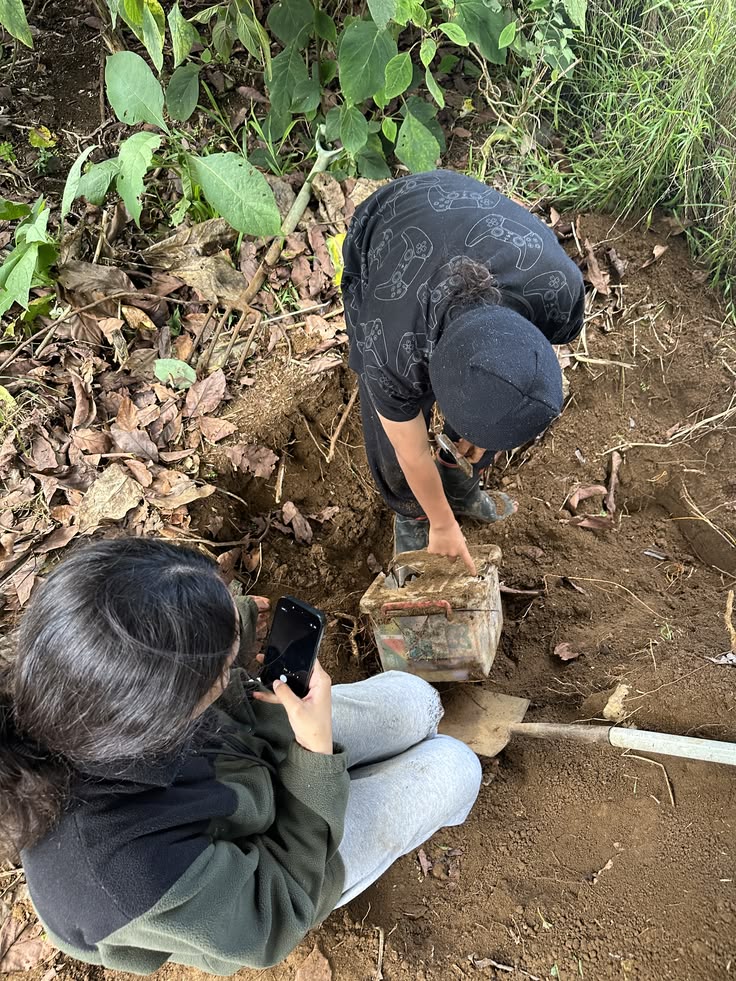
33. Bury a Time Capsule
A time capsule sends a message to the future, and children enjoy imagining who will open it. Fill a waterproof box with drawings, small toys, photos, and a letter from each child.
Write predictions about the future, such as what you will look like in five years. Add a handprint on paper to the capsule, because small hands change quickly with every year.
Seal the box with tape, bury it in a safe corner, and mark the spot clearly. Choose a spot away from pipes and cables, and ask an adult to dig the hole.
Write the opening date on your calendar, and the whole family will wait with excitement.
Final Thoughts: Let the Garden Be the Classroom
The back door opens, and a small explorer steps into a world that has been waiting patiently. These thirty-three activities prove that a simple yard can hold more wonder than a toy shop.
Pick the ones that suit your space, your weather, and the curiosity of your child. Fresh air, dirt, and sunshine do quiet work, building stronger bodies, calmer moods, and curious minds.
Join your child outside whenever you can, because explorers love sharing discoveries with someone who notices. Years from now, children will remember the mud, the bugs, and the puddles more than any gadget.
So open the door, grab a bucket, and let the smallest explorer in your home lead the way. The garden is waiting, and the first discovery is probably only a few steps away.
Leave a Reply