Little siblings often fight over toys or other little things, but they reconcile immediately after crying about it. This back-and-forth is actually a normal part of growing up alongside another close, familiar person.
This connects well with How to Spend More Quality Time with Your Kids, since one-on-one attention often reduces sibling competition. Kids are not born knowing how to share space, attention, or belongings with a sibling gracefully. With patience and a few consistent habits, siblings can learn to get along far more often than not.
This guide walks you through simple, realistic ways to help siblings build a stronger, kinder relationship. None of these ideas promise a fight-free household, just fewer conflicts and quicker, calmer recoveries.

How to Encourage Siblings to Get Along Better
Understand Why Siblings Fight
Sibling conflict is not a sign of failure, but a normal part of learning to share life together. Kids fight over toys, attention, and fairness because these things genuinely matter to their young, developing minds.
Understanding this helps parents respond with patience, rather than treating every argument as a serious problem.
Most sibling conflicts are actually smaller and shorter than they feel in the heated moment itself. Recognizing normal conflict helps you decide when to step in and when to simply let it pass.
Not every disagreement needs a parent’s intervention, since siblings often resolve small issues on their own quickly.
Over time, learning to navigate these small conflicts becomes a valuable life skill for every child involved. Watch for patterns in what triggers fights, since this can help you plan ahead more effectively.
Even frequent fighting does not necessarily mean siblings dislike each other or lack a real, genuine bond.
Many close adult sibling relationships actually started with plenty of ordinary childhood squabbles along the way. Try reminding yourself of this during a particularly loud or frustrating sibling argument at home.

Avoid Comparing Siblings to Each Other
Comparing siblings, even casually, tends to quietly damage the relationship between them over the years. Avoid statements like “why can’t you be more like your sister” during everyday, ordinary conversations.
This kind of comparison creates resentment, even when it comes from a place of good intention.
Each child has different strengths, and celebrating those differences works far better than direct comparison. Notice when you are tempted to compare, and try rephrasing the comment around that specific child instead.
Over time, avoiding comparison helps each child feel valued for who they genuinely are individually.
Even well-meaning comparisons, like praising one child’s grades in front of another, can quietly cause harm. Try to notice each child’s individual effort, rather than measuring one child against the other’s results.
This habit takes practice, especially when frustration makes comparison feel like the quickest, easiest response available.
Kids who feel compared often direct their resulting frustration toward the sibling rather than the parent. This misdirected frustration can quietly build resentment that lasts far longer than the original comment.

Set Clear, Fair Household Rules
Clear, consistently applied rules reduce arguments over fairness, which is one of the most common sibling triggers. Apply the same rules to each child, adjusting only for genuine differences in age or ability.
Kids notice quickly when household rules seem to favor one sibling over another, even unintentionally.
Explain the reasoning behind any age-based exceptions, so it does not feel arbitrary or unfair to a child. Write down household rules together as a family, so everyone feels some ownership over the shared agreement.
Over time, consistent rules reduce the number of arguments about who gets to do what.
Even young kids can understand simple explanations for why an older sibling has slightly different privileges. Revisit the household rules occasionally as children grow, since fairness looks different at different ages.
This consistency builds trust between siblings, since neither child feels like the rules are secretly rigged.
Kids are far more likely to accept a rule they understand than one that feels random. Take a few extra minutes to explain the reasoning, even when a child seems uninterested.

Teach Simple Conflict Resolution Skills
Teaching kids simple conflict resolution skills gives them tools to handle disagreements without needing constant parental intervention. Show them how to take turns speaking, rather than talking over each other during an argument.
Teach a simple phrase, like “I feel upset when,” to help express frustration more calmly.
This structure gives kids a starting point, rather than leaving them to figure it out alone. Practice these skills during calm moments, not just in the middle of an actual heated argument.
Over time, kids start applying these skills more naturally, even without a parent actively guiding the conversation.
Even young kids can learn simple phrases for asking to trade turns or share a toy. This habit reduces the frequency of full-blown arguments that require significant parental intervention to resolve.
Praise kids when they use these skills successfully, so the habit feels genuinely worth repeating in the future.
Kids who learn these skills early often carry them into other relationships well beyond just their siblings. Friendships and future workplace relationships often benefit from these same simple conflict resolution habits too.

Create Opportunities for Teamwork
Teamwork activities give siblings a chance to practice cooperating toward a shared goal, rather than competing directly. Check out How to Plan Memorable Family Game Nights for team-based game ideas that naturally encourage cooperation.
Assign siblings a shared task, like building something together or completing a simple household project together.
This shared success naturally builds goodwill that carries over into other everyday interactions between siblings. Rotate team pairings occasionally when more than two siblings are involved, so partnerships stay fresh over time.
Over time, these small successes build a habit of cooperation that gradually becomes more natural and automatic.
Even a small, simple project completed together can shift the overall tone between two often-competing siblings. Celebrate the team’s success together, rather than singling out one sibling’s individual contribution over the other.
This approach works especially well for siblings who otherwise default quickly to competition rather than cooperation.
Kids often surprise parents with how well they cooperate once teamwork becomes a genuinely regular, expected habit. Keep the projects small and achievable, so success feels realistic rather than frustratingly out of reach.
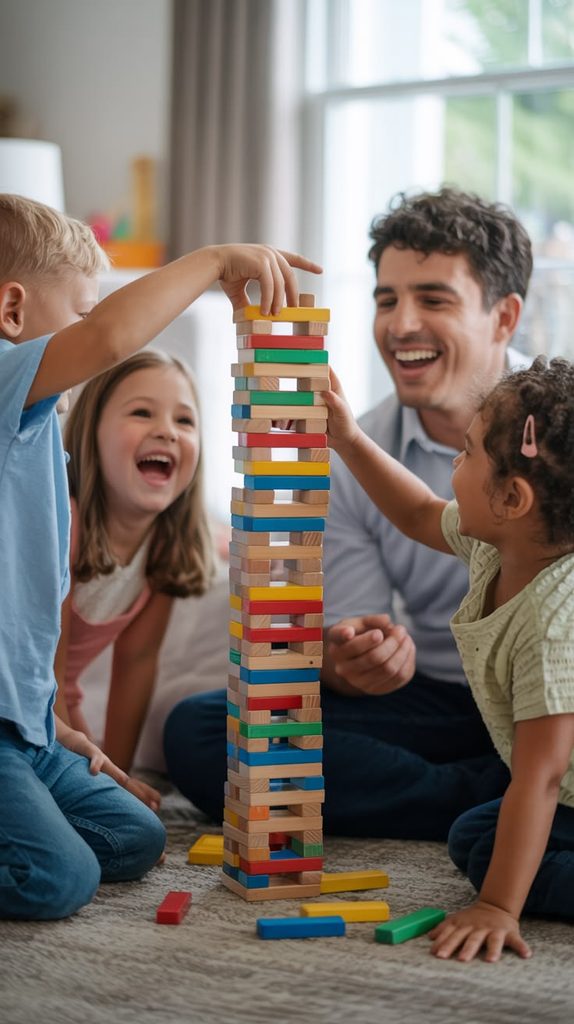
Celebrate Each Sibling’s Individual Strengths
Every child has unique strengths, and celebrating those differences reduces the pressure of constant sibling comparison. This connects well with How to Raise Grateful Kids in a Busy World, since noticing effort builds real gratitude.
Notice and mention specific strengths, like patience, creativity, or kindness, rather than focusing only on achievements.
This habit helps each child feel individually valued, rather than measured against a sibling’s own particular strengths. Encourage siblings to notice and celebrate each other’s strengths too, not just hear it from a parent.
Over time, this habit builds genuine appreciation between siblings, rather than quiet, ongoing resentment or rivalry.
Even small, specific praise, like noticing a sibling’s kindness, can shift how siblings see each other. Try highlighting a different sibling’s strength each week, so recognition feels balanced and genuinely fair.
This approach reduces the feeling that one child is always outshining the other in the household.
Kids raised this way often grow into adults who genuinely celebrate each other’s individual successes later. This pattern often continues well into adulthood, shaping how siblings support one another as parents themselves.

Give Siblings Their Own Space Too
While shared time matters, siblings also need some individual space to avoid constant, exhausting closeness.
This connects closely with How to Create a Home Environment Where Kids Thrive in several genuinely practical ways. Give each child a small area, even a shelf or a corner, that belongs only to them.
This small boundary reduces the friction that often comes from constantly sharing every single space and item. Respect these individual spaces, and teach siblings to respect each other’s boundaries just as well.
Over time, having some individual space actually makes shared time together feel more enjoyable and less forced.
Even young kids benefit from having one small area where they control what happens completely. This habit teaches respect for boundaries, a skill that extends well beyond the relationship between siblings.
This balance of shared and individual space often reduces the overall frequency of daily sibling arguments.
Kids who have some individual space often approach shared time with far less built-up frustration. Even a locked drawer or a labeled shelf can meaningfully reduce daily arguments over belongings.
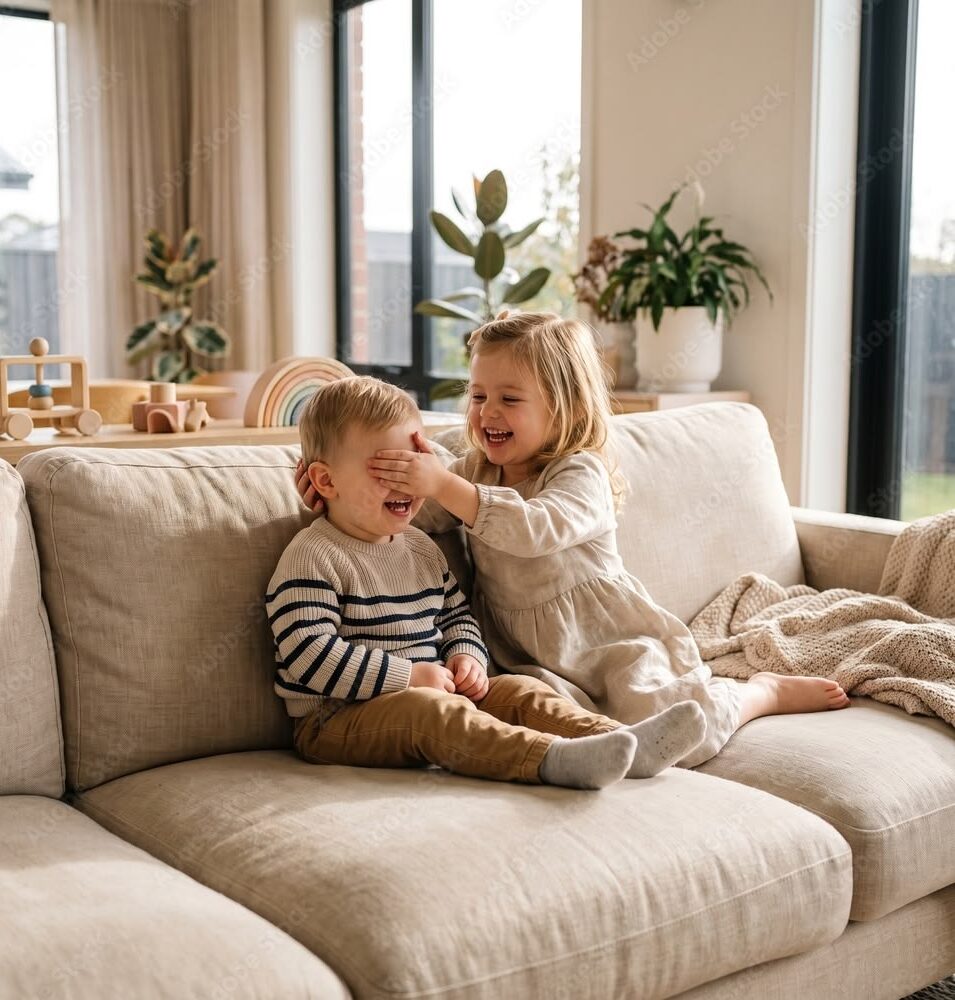
Build Shared Sibling Traditions
A tradition just for siblings gives them something private and special that belongs only to the two of them. This ties into How to Create Family Traditions Your Kids Will Remember Forever, since sibling traditions often become deeply cherished.
Maybe it is a secret handshake, a shared bedtime joke, or a specific weekend activity together.
These small traditions build a sense of shared identity that exists outside of parental involvement entirely. Let siblings develop these traditions somewhat naturally, rather than forcing something that feels artificial or contrived.
Over time, these shared rituals often become some of the strongest threads connecting siblings as they grow.
Even a simple, silly tradition can carry real emotional weight between two siblings over the years. Protect these traditions from being overshadowed by more structured, parent-led family activities and busy events.
This approach gives siblings ownership over part of their relationship, separate from the rest of the family.
Kids often carry these private sibling traditions into adulthood, long after they have left the family home. Some adult siblings still repeat these small rituals decades later, long after childhood has technically ended.

Reduce Screen Time Competition
Screens often become a major source of sibling conflict, especially when siblings compete for limited shared devices. This ties into How to Reduce Screen Time Without Daily Arguments, since clear rules reduce this exact type of conflict.
Set clear turns or time limits for shared devices, so competition does not constantly boil over into arguments.
Consider separate, individual screen time slots when possible, rather than forcing siblings to negotiate constantly. Encourage screen-free activities that siblings can enjoy together, rather than always competing for the same limited device.
Over time, reducing this specific competition can meaningfully lower the overall frequency of daily sibling arguments.
Even a simple rotation schedule posted visibly can prevent daily arguments over whose turn it actually is. This small structural change often removes one of the most common daily sources of sibling conflict.
This approach does not require banning screens entirely, just structuring access more fairly between siblings.
Kids often stop fighting over screens once the schedule feels genuinely predictable and fair to everyone. Post the schedule somewhere visible, so nobody can claim confusion about whose turn is next.

Encourage Older Siblings to Mentor Younger Ones
Giving older siblings a mentoring role can shift the relationship from rivalry toward genuine, mutual respect. Ask an older sibling to teach a younger one something simple, like tying shoes or a small skill.
This gives the older child a sense of purpose, rather than only feeling burdened by a younger sibling.
Frame this as a special responsibility, rather than an unwanted chore forced onto an older child. Praise the older sibling specifically for their patience and teaching efforts during these small, informal mentoring moments.
Over time, this mentoring role can build genuine pride and closeness between siblings of different ages.
Even a small, simple lesson can shift how an older sibling views their younger counterpart. This approach also gives the younger sibling a positive model to learn from within the household itself.
This dynamic works best when it feels optional and rewarding, rather than mandatory and resented by the older child.
Kids often surprise parents with how naturally they step into this kind of mentoring role. Some older siblings even ask for more mentoring opportunities once the first one goes well.
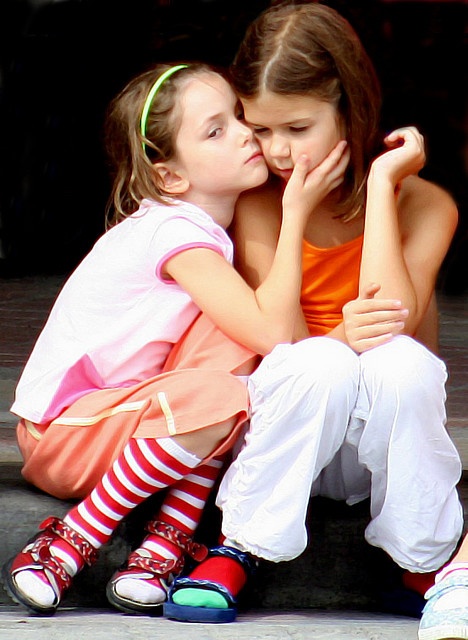
Model Healthy Conflict Resolution Yourself
Kids learn conflict resolution primarily by watching how adults around them handle disagreements in daily life. If parents raise their voices during conflict, kids often mirror that same behavior during sibling arguments.
Try narrating your own calm resolution process sometimes, like saying how you worked through a disagreement.
This models the exact behavior you hope to see between siblings during their own conflicts. Avoid resolving every sibling conflict for them, since kids need practice applying these skills themselves eventually.
Over time, modeled behavior becomes one of the most powerful tools for teaching healthy conflict resolution.
Even small, everyday disagreements between adults offer a chance to model calm, respectful problem-solving in action. This approach works far better than lecturing kids about conflict resolution without ever demonstrating it yourself.
This modeling takes consistency, since kids notice quickly when words and actual behavior do not genuinely match.
Kids raised around calm conflict resolution often carry those same skills into their own adult relationships. This modeling matters even more during stressful weeks, when patience naturally feels harder to maintain.

Plan Screen-Free Sibling Activities
Screen-free activities naturally encourage siblings to interact directly, rather than sitting quietly side by side.
This connects well with How to Plan Screen-Free Family Fun Every Weekend, since shared activities there naturally include siblings together. Try activities like building forts, playing outside, or working on a simple art project together.
These activities require actual interaction, which naturally builds connection in a way passive screen time cannot. Rotate through different activities, so siblings do not lose interest in the same repeated screen-free option.
Over time, these shared screen-free moments often become favorite memories that siblings bring up years later.
Even a short, twenty-minute activity can meaningfully shift the tone between two siblings who were bickering earlier. This approach works especially well right after a sibling conflict, to help reset the overall mood.
This kind of shared activity gives siblings a positive alternative to constantly competing over limited screen time.
Kids often forget entirely why they were arguing once a genuinely fun activity begins together. Keep a short list of go-to activities ready, so this reset can happen quickly when needed.

Make Mealtime a Time for Sibling Bonding
Mealtime offers a natural, repeated opportunity for siblings to connect without needing anything specially planned.
This pairs well with How to Make Family Mealtime More Enjoyable, since shared meals naturally encourage relaxed, ongoing conversation. Ask siblings questions that encourage them to interact directly with each other, not just with a parent.
This small shift turns mealtime into a shared experience, rather than several parallel, separate conversations. Encourage siblings to share something they appreciate about each other occasionally during a relaxed family meal.
Over time, this habit builds a small, regular ritual of genuine, positive sibling interaction daily.
Even a simple question, like asking about each other’s day, can spark real connection between siblings. This approach works well because it happens naturally, without requiring any extra, separately scheduled time.
This small addition to an already existing routine costs nothing beyond a little extra intention at the table.
Kids often develop a habit of checking in with each other, simply from repeating this small ritual. Over months, this small mealtime habit often becomes one of the more reliable sibling connection points.

Build Small Daily Habits That Reduce Friction
Small daily habits can quietly reduce the overall frequency of sibling friction throughout an ordinary week. This ties into How to Build Strong Family Connections Through Simple Habits, since small, repeated habits shape daily family dynamics.
Try a simple morning greeting between siblings, or a nightly goodnight that includes both children together.
These tiny rituals build familiarity and warmth that can soften the edges of ordinary daily friction. Keep these habits simple enough that they survive even busy, chaotic mornings or exhausted evenings.
Over time, these small habits become part of the household’s daily rhythm, requiring little conscious effort.
Even a simple high five between siblings before school can set a slightly warmer tone for the day. This approach works alongside other strategies, rather than replacing the need for occasional direct conflict resolution.
This small investment of daily attention often pays off in fewer larger, more dramatic sibling conflicts later.
Kids often absorb these small habits without realizing how much they shape their overall daily relationship. Parents often notice the cumulative effect only after several weeks of consistent, small daily repetition.

Avoid Taking Sides During Arguments
Taking sides during sibling arguments often escalates conflict rather than helping to genuinely resolve it. Try to stay neutral, focusing on the behavior itself rather than deciding who started the argument first.
This approach reduces the resentment that builds when one sibling consistently feels blamed more than the other.
Ask each child to share their own perspective, rather than immediately assuming you already know what happened. Avoid labeling one child as “the difficult one,” since this label can quickly become a self-fulfilling pattern.
Over time, staying neutral helps both siblings feel heard, rather than one feeling constantly unfairly blamed.
Even when one child seems clearly at fault, focus on the specific behavior rather than character judgments. This approach requires patience, especially during a particularly loud or frustrating argument between two upset children.
This neutrality builds trust with both children, since neither feels like the household consistently favors the other.
Kids are far more willing to reconcile when they do not feel like a parent picked a side. This willingness to reconcile tends to grow stronger the more often neutrality is genuinely practiced.

Give Siblings Space to Solve Small Conflicts Themselves
Not every disagreement needs immediate parental intervention, and stepping back sometimes teaches valuable conflict resolution skills. Watch from a small distance, stepping in only if the conflict escalates toward genuine harm.
This gives siblings a real chance to practice negotiating and resolving small disagreements on their own.
Kids often surprise parents with how quickly they resolve minor issues without any adult help. Resist the urge to immediately intervene at the very first sign of any small disagreement.
Over time, this practice builds genuine confidence in each child’s own conflict resolution skills and abilities.
Even a brief pause before stepping in can reveal that siblings are already working things out together. This approach also reduces the number of arguments that escalate purely because a parent stepped in too quickly.
This balance takes practice, since knowing exactly when to step in requires careful, situation-by-situation judgment.
Kids who practice resolving small conflicts themselves often carry this confidence into other relationships later. This confidence often extends into friendships and school situations well beyond the household itself entirely.

Celebrate Sibling Bonds as They Grow
Sibling relationships evolve significantly over time, and celebrating this growth reinforces the value of the bond itself. Notice and mention out loud when siblings show kindness or support toward each other naturally.
This small acknowledgment reinforces the exact behavior you hope to see repeated more often going forward.
Even a simple comment, like noticing a sibling’s thoughtfulness, can meaningfully strengthen the relationship over time. Celebrate milestones in the sibling relationship, like a first time truly working well together on something meaningful.
Over time, this habit of noticing and celebrating growth helps siblings see their own progress clearly.
Even a small, quiet acknowledgment can mean more to siblings than an elaborate, planned celebration ever could. This approach reinforces that the relationship itself, not just individual behavior, genuinely matters to the family.
This ongoing celebration helps siblings value their bond, rather than only noticing it during moments of conflict.
Years from now, these small moments of noticed connection will likely shape how siblings remember growing up together.
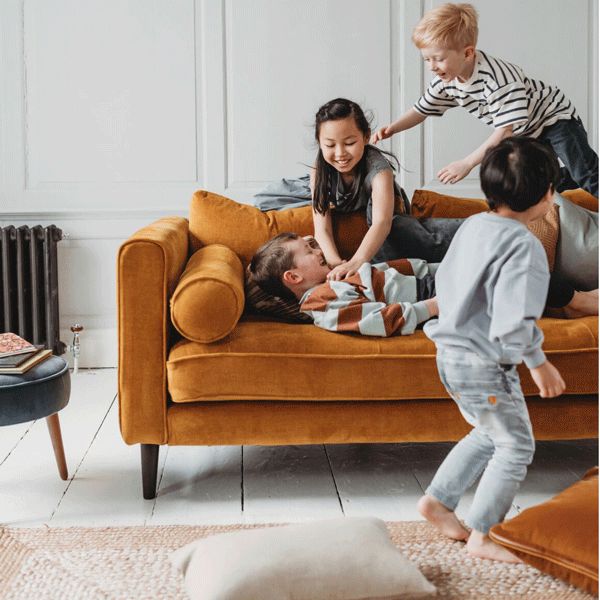
Handle Sibling Fights Calmly in the Moment
How a parent responds during an actual sibling fight shapes how quickly the conflict actually resolves. Lower your own voice rather than raising it, since a calm tone tends to de-escalate tension.
Separate siblings briefly if emotions are running high, giving everyone a moment to genuinely cool down.
This short pause often prevents small disagreements from escalating into something far bigger and more upsetting. Avoid demanding an immediate apology, since forced apologies rarely feel sincere to either child involved.
Give both children space to calm down before asking them to talk through what actually happened.
Over time, kids learn that fights do not need to spiral, since calm responses become the household norm. Even a short, quiet break can completely change the tone of an argument within a few minutes.
This calm approach models emotional regulation, a skill that helps kids well beyond their relationship with siblings.
Kids who see fights handled calmly tend to recover from conflict far more quickly themselves. Over time, this quick recovery becomes the expected pattern, rather than a rare, hopeful exception.
Leave a Reply