Game night is one of the activities that keeps a family united and makes it more lively at home. A single hour spent playing together can shift the entire mood of an otherwise ordinary week.
This ties into How to Create Family Traditions Your Kids Will Remember Forever, since it often becomes a lasting one. It does not need to be fancy, expensive, or perfectly organized to genuinely bring everyone closer together.
This guide walks you through simple, practical ways to plan a family game night that actually works. None of these ideas require a big budget, special equipment, or a completely free evening to pull off.

How to Plan Memorable Family Game Nights
Why Game Night Matters for Family Bonding
Game night pulls everyone into the same room, focused on the same shared activity together. Unlike a movie, games naturally require talking, eye contact, and real back-and-forth interaction between players.
This kind of shared focus is genuinely rare during an average, busy weekday evening at home.
Kids often remember these evenings more vividly than they remember most other, more passive family activities. Even a simple game can spark real laughter, gentle competition, and unexpected moments of genuine connection.
Game night also gives parents a natural, low-pressure way to observe how their kids think and react.
Over time, this weekly ritual becomes something the whole family quietly looks forward to each week. Start with just one evening this month and notice how differently the household feels afterward.
Even a short thirty-minute game session can leave a lasting impression on the entire family.
This small investment of time often pays off far more than a longer, more expensive outing. Try scheduling the very first one this week, rather than waiting for a perfectly free evening.

Pick a Consistent Weekly Time
Choosing a consistent day and time makes game night far easier to actually stick with over time. This ties into How to Build Strong Family Connections Through Simple Habits, since a repeated slot builds real consistency.
Friday evenings or Sunday afternoons often work well, since energy tends to be higher on those days.
Write the chosen time somewhere visible, so it becomes an expected part of the weekly household routine. Avoid constantly shifting the time, since consistency matters more than finding the theoretically perfect slot.
Even a rough, imperfect schedule still beats no schedule at all when building this kind of habit.
Kids start looking forward to the set time once it becomes a reliable, expected part of the week. Over time, this small scheduling decision quietly turns into one of the family’s favorite weekly rituals.
Protect this time from other plans whenever reasonably possible, treating it like any other important commitment.
Even a shortened version of game night still counts on weeks that turn out unexpectedly busy. Kids tend to remember the effort of showing up more than the exact length of the session.

Let Everyone Take Turns Choosing the Game
Letting each family member take turns choosing the game keeps everyone genuinely invested in the evening. This small habit prevents one person’s preferences from constantly dominating the entire family’s shared game night.
Rotate the choice each week, so every family member gets a fair and predictable turn eventually.
Even young kids can point to a favorite game during their turn to choose something. This habit also introduces the family to games they might never have otherwise chosen or discovered together.
Kids tend to show up with more enthusiasm when they helped pick the evening’s chosen activity.
Over time, this rotation builds a shared sense of fairness that reduces arguments over game choices. Even a simple chart on the fridge can help track whose turn it is each week.
This small system teaches patience, since not every week features a person’s personal favorite game.
Kids often surprise parents with genuinely creative or unexpected choices once they are actually given the option. This small freedom also builds decision-making confidence that carries over into other areas of life.
Keep a Variety of Games for Different Moods
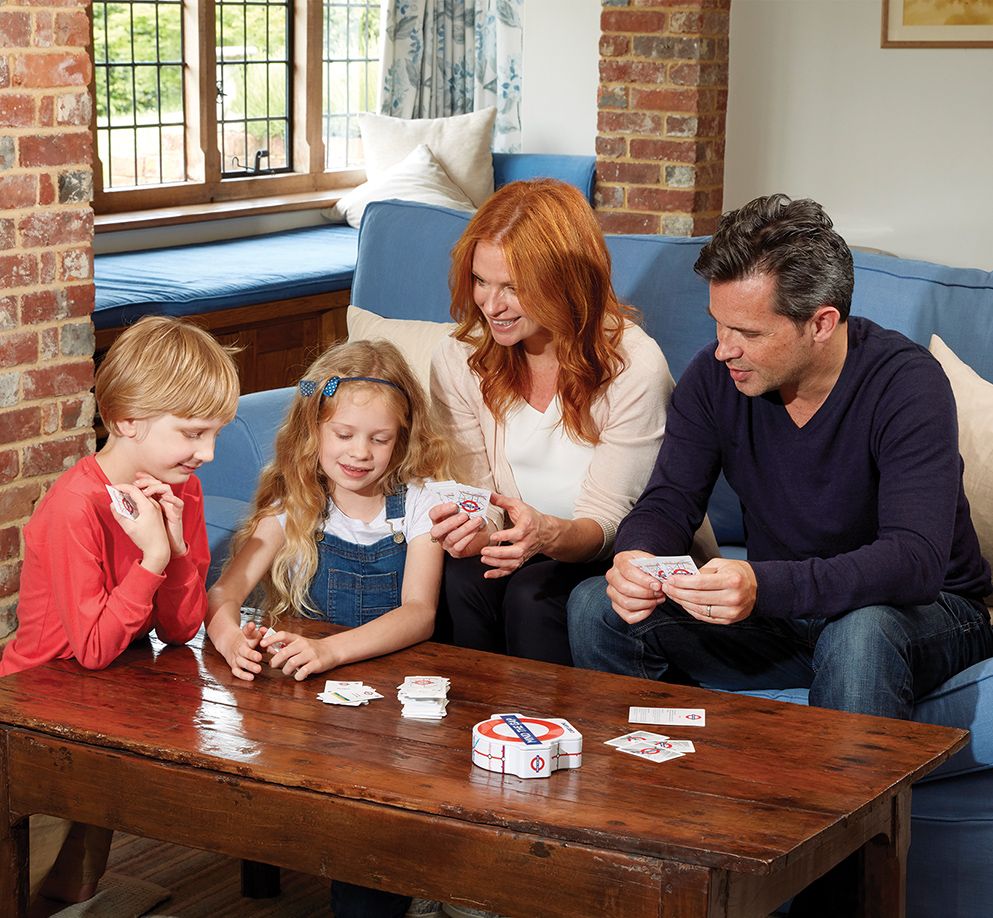
Having a mix of games ready means game night can adapt to whatever mood the family is in. Keep a few quick card games, a couple of longer board games, and something active and physical.
This variety prevents game night from feeling repetitive, even when it happens on a consistent weekly basis.
Even a tired, low-energy evening can still work with a shorter, simpler game option available.
Rotate through the collection regularly, rather than always reaching for the same familiar, well-worn favorite. Kids often enjoy the surprise of pulling out a game that has not been played in a while.
Over time, a well-stocked game shelf becomes a small but valuable investment in family connection. Even secondhand or budget games work perfectly well, since the fun matters more than the price tag.
Ask your kids what kind of game they feel like playing before choosing one for the evening.
This small check-in helps match the game to the actual mood of the entire family. Keep a short list of games sorted loosely by energy level, from calm to lively.
Make Snacks Part of the Fun
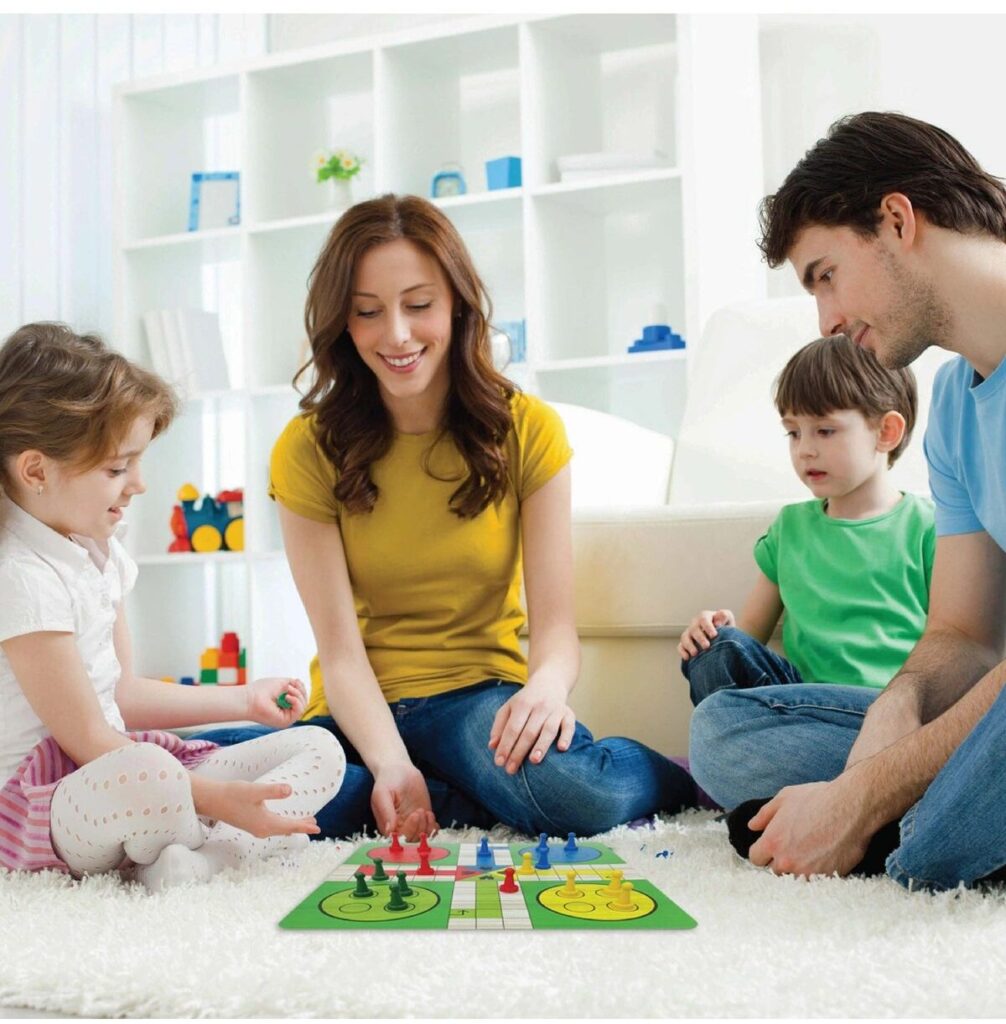
Simple snacks can turn an ordinary game night into something everyone genuinely looks forward to each week.
This pairs well with How to Make Family Mealtime More Enjoyable, since food naturally encourages people to linger and talk. Popcorn, small treats, or a simple homemade pizza can all work well for this occasion.
Let kids help prepare the snacks, so the fun starts even before the actual game begins. Keep the snacks simple, since elaborate preparation can quietly eat into the actual time set aside for playing.
Even a bowl of chips and a pitcher of juice can feel special during a dedicated game night.
Over time, a specific snack can become part of the tradition itself, expected every single week. Kids often remember the specific snack almost as fondly as they remember the games that were played.
This small addition costs very little but adds a genuine sense of occasion to the entire evening.
Even a rotating snack menu can keep the excitement fresh from one game night to the next. Let kids vote on the snack occasionally, so they feel involved in more than just the game.
Set Simple, Fair Rules Everyone Understands
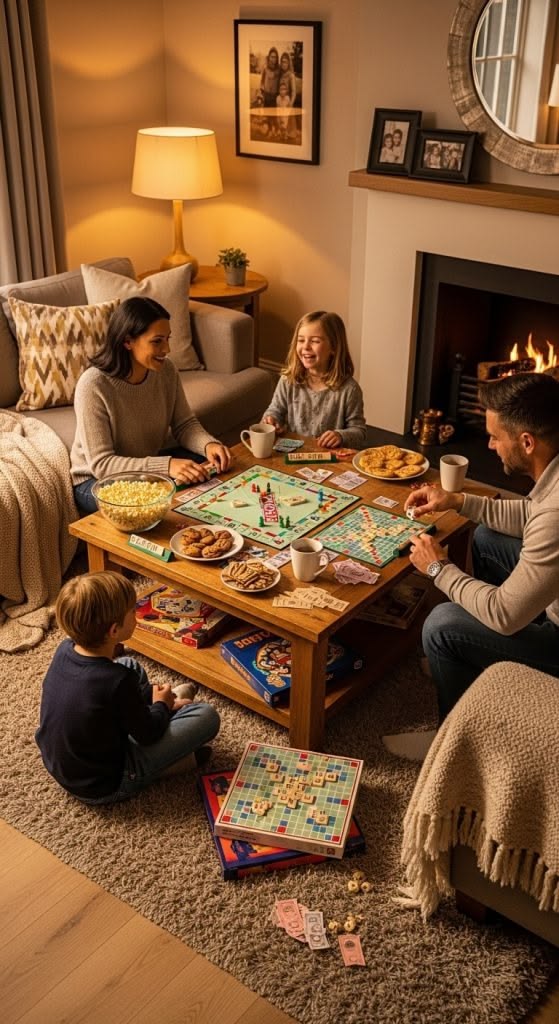
Clear, simple rules prevent confusion and reduce the number of arguments that can derail an entire evening. Explain the rules briefly before starting, especially when introducing a brand new game to younger kids.
Keep the rules consistent across sessions, rather than changing them based on who happens to be winning.
This fairness matters a great deal to kids, who notice quickly when rules feel inconsistent or unfair. Let older kids help explain rules to younger siblings, which also builds patience and leadership skills.
Over time, familiar rules make game night feel more relaxed, since nobody needs constant clarification anymore.
Even a simple house rule, like no changing rules mid-game, can prevent a lot of frustration. Kids tend to relax and enjoy themselves more once they trust that the rules will stay consistent.
Write down house rules for tricky or commonly disputed games, so memory does not cause repeated arguments.
This small habit keeps game night feeling fun rather than turning into a frustrating rules debate. Keep the written rules short and simple, so nobody feels like they are reading a manual.

Include Younger Kids with Easier Games
Younger kids can still meaningfully participate, even if the main game feels a little too advanced for them. Keep a few simple, age-appropriate games on hand specifically for younger children in the household.
Let younger kids take on a helper role sometimes, like rolling dice or keeping score for others.
This keeps everyone genuinely involved, rather than leaving a younger sibling feeling left out entirely. Adjust complex rules slightly when needed, so younger kids can still meaningfully participate in the shared activity.
Even a modified, simplified version of a game still counts as real, valuable family connection time.
Over time, younger kids grow into the more complex games as their skills naturally continue to develop. Kids often feel proud when older siblings patiently include them in a shared family activity.
This inclusive approach teaches patience and kindness to older siblings, alongside genuine fun for the entire family.
Even a short, simplified round can still deliver the same sense of connection as a longer game. Celebrate a younger child’s small contribution just as warmly as a bigger sibling’s actual win.
Keep Phones and Screens Out of the Room
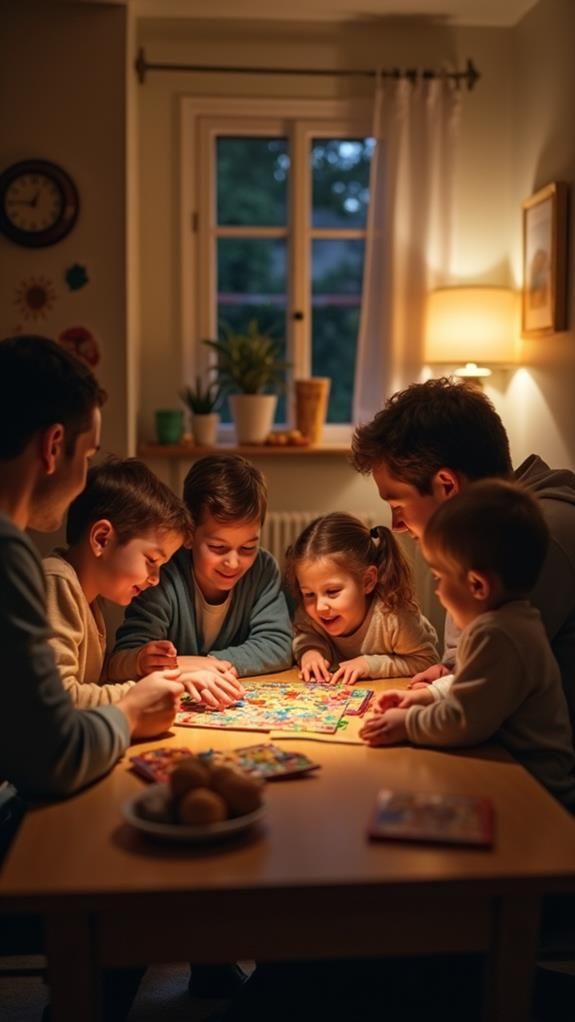
Phones and screens quietly compete with the focus and connection that game night is actually meant to build. This ties into How to Reduce Screen Time Without Daily Arguments, since one clear rule removes most daily negotiation.
Set a simple house rule that phones stay in another room during the entire game night.
This small boundary helps everyone stay genuinely present, rather than half-distracted by an incoming notification. Apply this rule to adults as well, since kids notice quickly when rules apply only to them.
Even a single screen-free hour of dedicated game time can feel refreshingly different from a typical evening.
Over time, this rule becomes an accepted, expected part of the game night ritual itself. Kids often relax more once they know a screen will not interrupt the shared, focused activity.
This small habit also models healthy screen boundaries in a way that feels natural rather than restrictive.
Even one consistent screen-free evening a week can meaningfully shift the household’s overall relationship with screens. Kids often stop asking about their phones entirely once the evening’s activity feels genuinely engaging.

Add a Little Friendly Competition
A touch of friendly competition can add genuine excitement without turning the evening into something overly intense. Keep a simple, ongoing scoreboard for repeated games, so progress feels visible from week to week.
This adds a light sense of stakes without making any single loss feel overly significant or upsetting.
Even a small, silly prize, like choosing the next game, can add extra motivation and fun. Keep the tone playful rather than intensely serious, since the goal is genuine connection, not just winning outright.
Model good sportsmanship yourself, since kids often copy how parents react to both winning and losing.
Over time, healthy competition teaches resilience, patience, and grace in both victory and disappointment alike. Even a close, competitive game can end in laughter rather than frustration if the tone stays light.
This balance takes some practice, but it genuinely pays off in a more enjoyable family game night.
Kids often remember close, competitive games fondly, as long as the mood stayed warm throughout. Try debriefing briefly after an intense game, so any leftover frustration does not linger unnecessarily.

Rotate Between Board Games, Cards, and Active Games
Mixing up the type of game keeps game night feeling fresh, even on a consistent weekly schedule. Some weeks might call for a strategic board game, while others suit a quick, simple card game.
Active games, like charades or a physical scavenger hunt, add variety for evenings full of extra energy.
This rotation prevents any single type of game from starting to feel repetitive or overly predictable. Let the family’s overall mood guide the chosen type of game on any given week.
Even a quiet, tired week can still work well with a calmer, low-energy card game option.
Over time, this rotation builds a well-rounded appreciation for different kinds of shared, connected play. Kids often develop genuine favorites across each category, adding variety to future weekly choices as well.
This mix also keeps skills varied, since different games build different kinds of thinking and cooperation.
Even a single new game introduced occasionally can add fresh excitement to an otherwise familiar weekly routine. Ask relatives or friends for game recommendations, since fresh ideas often come from outside the household.

Get Outside for Active Games Sometimes
Not every game night needs to happen indoors around a table with cards or a board. This connects well with How to Plan Screen-Free Family Fun Every Weekend, since outdoor games fit naturally into that idea. Try backyard games like tag, flashlight hide and seek, or a simple relay race sometimes.
Fresh air adds extra energy and often leads to even more laughter than an indoor game. Even a small backyard or a nearby park can work well for this kind of active game night.
Kids often burn off extra energy this way, which can also help with an easier bedtime afterward.
Over time, outdoor game nights become a favorite seasonal variation on the usual weekly routine. Even bad weather rarely needs to cancel this idea, with a few simple indoor adjustments available.
This variation adds movement and fresh air to a routine that otherwise mostly happens sitting down.
Even one outdoor game night a month can add a memorable, different flavor to the tradition. Bring a simple flashlight or two, since even a basic prop can add extra excitement outdoors.

Use Game Night to Talk and Connect
Game night naturally creates space for conversation between rounds, without any pressure to talk directly. This pairs well with How to Spend More Quality Time with Your Kids, since games create relaxed openings for connection.
Use the breaks between rounds to ask casual questions about school, friends, or the day overall.
Kids often open up more easily during these relaxed, low-pressure moments than during a direct conversation. Avoid turning every break into a formal check-in, since that can quickly feel forced or unnatural.
Let the conversation happen naturally, rather than forcing a specific topic onto the whole evening.
Over time, these small conversational openings add up into a meaningful, ongoing sense of connection. Even a few sentences shared between rounds can strengthen the bond more than the actual game itself.
This approach works especially well for kids who resist more direct, sit-down conversations about their day.
Even quiet kids often relax enough during a game to share far more than usual. Resist the urge to immediately react strongly to whatever a child happens to casually share.

photo credit https://pin.it/5YZygd4Td
Let Siblings Team Up Together
Pairing siblings as teammates instead of opponents can shift the entire tone of a game night. This pairs well with How to Encourage Siblings to Get Along Better, since teamwork naturally reduces sibling rivalry.
Choose games that support two-person teams, so siblings can practice cooperating toward a shared goal.
This cooperative setup often reduces the tension that comes from siblings competing directly against each other.
Rotate team pairings occasionally, so siblings get practice working with different family members over time. Even a simple team win can create a small, shared moment of pride between siblings.
Over time, this approach builds a habit of teamwork that can extend well beyond game night itself. Kids often celebrate a shared team win more enthusiastically than they celebrate an individual victory alone.
This small shift can meaningfully reduce sibling arguments that often arise from direct, head-to-head competition.
Even siblings who usually bicker can find common ground while working together toward the same team goal. Notice and mention out loud when siblings cooperate well, so the behavior feels genuinely worth repeating.

Celebrate Wins and Good Sportsmanship
Celebrating effort and good sportsmanship, not just winning, shapes how kids experience competition throughout their lives.
This connects well with How to Raise Grateful Kids in a Busy World, since noticing effort builds real gratitude. Praise a good move, a kind gesture, or graceful losing just as much as an outright win.
This balance teaches kids that character matters just as much as the final outcome of any game. Avoid only celebrating the winner, since this can quietly discourage kids who lose more often than others.
Notice specific moments of kindness, like helping a younger sibling during a genuinely tricky turn.
Over time, this habit shapes a healthier overall attitude toward both winning and losing gracefully. Even a small acknowledgment, like “great sportsmanship tonight,” can meaningfully shift the mood of the entire evening.
This approach keeps game night feeling inclusive, rather than becoming something only the most competitive person enjoys.
Kids often remember being celebrated for kindness far longer than they remember any single game’s final score. Try ending each game night by naming one kind moment that stood out during the evening.

Invite Extended Family or Friends Sometimes
Game night does not always have to stay limited to just your own immediate household members. Invite grandparents, cousins, or close family friends to join in on the fun every so often.
Extra players often bring fresh energy, new games, and different perspectives to an otherwise familiar routine.
Even a single guest can turn an ordinary evening into something that feels genuinely special and memorable. This also gives kids a chance to bond with extended family in a relaxed, low-pressure setting.
Rotate who gets invited, so the responsibility and fun get spread out across different relationships over time.
Over time, these occasional larger gatherings can become a cherished seasonal variation on the regular routine. Kids often remember these bigger, livelier game nights long after the specific games have been forgotten.
Keep these larger gatherings simple, since elaborate planning can quietly get in the way of genuine fun.
Even a short, informal visit from a nearby relative can turn an evening into a memorable one. Keep an open invitation policy for close family, so game night can grow naturally when needed.

Keep the Mood Light, Not Too Competitive
Keeping the overall mood light and playful matters more than winning any single individual game together. Watch for signs that competition is becoming too intense, and gently redirect the mood if needed.
This does not mean avoiding all competition, just keeping it in genuine proportion to the fun.
Kids take emotional cues from parents, so a relaxed adult attitude often keeps the whole evening calmer. If tempers start rising during a game, consider switching to a lighter, less intense activity instead.
Over time, a consistently light mood becomes part of what makes game night feel safe and enjoyable.
Even a tense moment can be defused quickly with a little humor or a short break. Kids often relax once they realize that losing will not lead to genuine disappointment or upset parents.
This light approach keeps game night feeling like a treat, rather than something anyone dreads or avoids.
Even the most competitive family member usually softens once the overall mood stays warm and playful. A shared laugh after a tense moment often resets the mood faster than any spoken reminder.
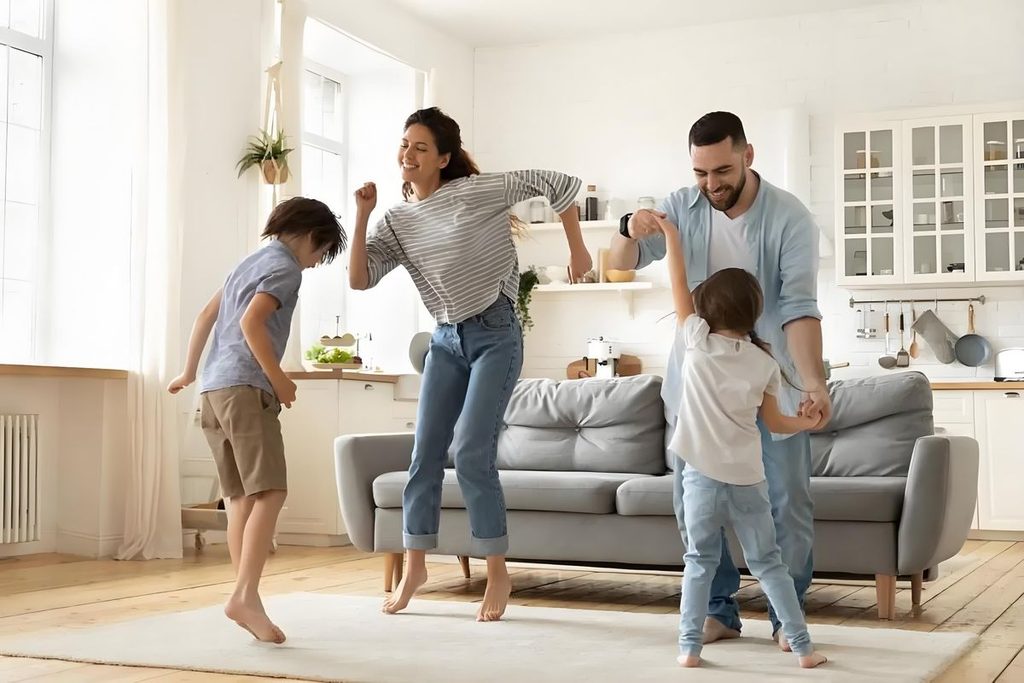
Make the Space Feel Fun and Inviting
A slightly special setup can make game night feel like more of an occasion than an ordinary evening.
This connects closely with How to Create a Home Environment Where Kids Thrive in several genuinely practical ways. Dim the lights a little, clear the table, or add a simple, cozy blanket for comfort.
These small touches signal that this particular evening is genuinely different from any other ordinary night. Let kids help set up the space, so they feel invested in the evening before it even begins.
Even a simple tablecloth or a favorite playlist can add a small sense of occasion to the room.
Over time, this small setup ritual becomes part of the anticipation that builds throughout the day. Kids often start looking forward to the setup itself, almost as much as the games that follow.
This approach costs very little but meaningfully shifts how special the entire evening ends up feeling.
Even a slightly tidier, cozier room can noticeably change the mood of the whole family gathering. Try adding one small, consistent touch each week, like the same playlist or the same snack.

Keep Showing Up, Even on Busy Weeks
Some weeks will feel too busy for a full, proper game night, and that is genuinely fine. A shortened, fifteen-minute version still counts and helps maintain the overall rhythm of the tradition.
Do not let a busy week completely cancel the habit, since consistency matters more than duration here.
Even a single quick round of cards can keep the tradition alive during an otherwise hectic week. Protect at least a small version of the ritual, rather than skipping it entirely during busy stretches.
Over time, this flexible approach keeps game night alive through busy seasons that would otherwise derail it.
Kids notice and appreciate the effort, even when the evening ends up shorter than usual. Even an imperfect, rushed version still beats skipping the tradition altogether during a genuinely hectic week.
Start small again next week if this particular week did not go entirely as planned.
Years from now, your kids will likely remember the consistency far more than any single game night’s details. Small, steady effort over many ordinary weeks tends to matter more than any single perfect evening.
Leave a Reply