Reducing screen time won’t be that easy with kids, but planning it with intention makes it far less hard. The trick is not fighting screens head-on, but slowly replacing them with something more appealing instead.
This connects well with How to Plan Screen-Free Family Fun Every Weekend, since a fun alternative removes most resistance. Kids rarely cling to screens out of pure love for the device, but out of boredom or simple habit.
Once that boredom gets filled with something better, screens naturally start to matter less to a busy child. This guide walks you through calm, practical ways to reduce screen time without turning it into a daily battle. None of these steps require taking anything away suddenly or starting an argument you did not plan for.

How to Reduce Screen Time Without Daily Arguments
Understand Why Kids Resist Losing Screen Time
Kids resist losing screen time because it usually feels like something is being taken away suddenly. Screens are designed to be engaging, so stopping mid-activity can genuinely feel frustrating to a child.
Understanding this reaction helps you respond with patience instead of frustration or a sudden strict rule.
This is not defiance for its own sake, but a fairly normal reaction to an abrupt interruption. Once you understand this, you can plan transitions that feel less like a sudden, unwelcome interruption.
Give kids a heads-up before screen time ends, instead of stopping the activity without any warning at all.
This small shift alone can prevent a large number of daily screen-related arguments before they even start. Over time, kids learn to expect the transition, which makes the whole process noticeably smoother for everyone.
Try noticing what specific activity your child resists losing the most, since not all screen time is equal.
Some resistance fades quickly once a genuinely fun alternative activity is ready and waiting nearby. Patience during this early stage tends to pay off far faster than most parents initially expect.
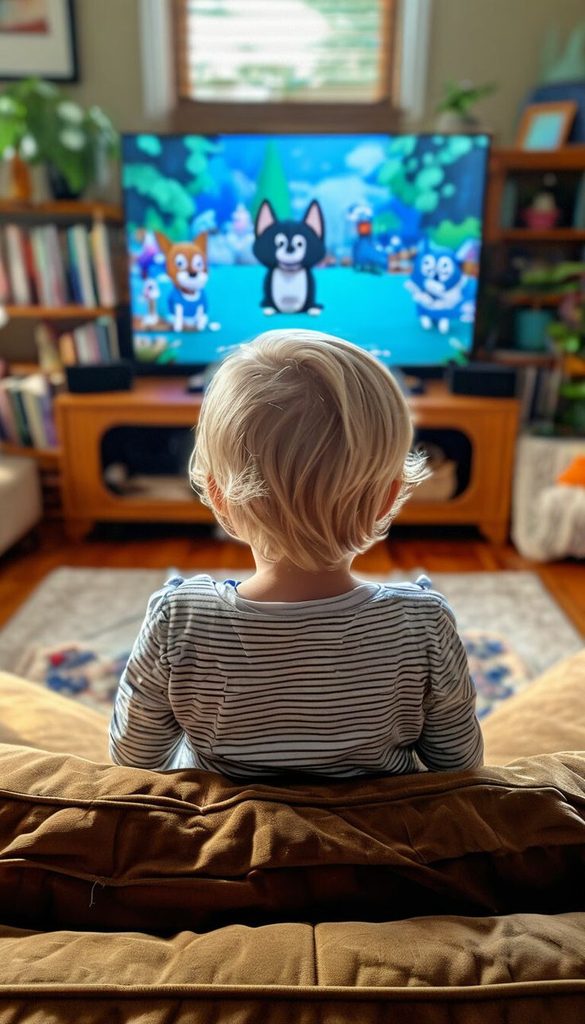
Set Clear, Consistent Screen Time Rules
Clear rules remove a lot of the daily negotiation that often turns into a frustrating, repeated argument. Decide on specific screen time limits and stick to them consistently, rather than changing them daily.
Kids feel more secure with rules that stay the same, even when they initially push back against them.
Write the rule down somewhere visible, so it feels like a shared agreement rather than a random decision. Avoid changing the rule based on mood or how tired you happen to feel that particular day.
Consistency, more than strictness, is what actually makes a screen time rule work over the long run.
Explain the reason behind the rule in simple terms your child can genuinely understand and accept. Kids are more likely to follow a rule they at least partly understand, rather than one that feels random.
Revisit the rule occasionally as your child grows, since a toddler’s limit will not fit a teenager.
Small, planned updates feel very different from constantly shifting rules that change without any clear explanation. Kids tend to accept these planned changes more easily when they understand the reasoning behind them.

Give Advance Warning Before Screen Time Ends
A simple warning before screen time ends can prevent a huge amount of unnecessary daily conflict. Try saying “ten more minutes” clearly, then follow up with a shorter warning as the time gets closer.
This connects well with real, undivided quality time from a parent, since a warm transition invites connection.
Kids need a moment to mentally prepare for the shift, just like adults often do themselves. Avoid ending screen time abruptly in the middle of a show, game, or a specific level.
Whenever possible, let the current activity finish naturally instead of cutting it off midway through.
This small courtesy often reduces the intensity of any pushback that follows the transition itself. Over time, kids start trusting that the warning genuinely means the end is close but fair.
Pair the warning with a clear plan for what happens right after screens turn off.
A predictable next step makes the transition feel less like a loss and more like a simple shift. Over the following weeks, this predictable pattern often becomes the part kids expect without complaint.

Offer a Fun Alternative Activity Right Away
The moment right after screens turn off is the most important moment in this entire process. Have a fun, ready-to-go activity waiting, so boredom does not immediately pull attention back toward a device.
This pairs well with How to Spend More Quality Time with Your Kids, since your attention is the strongest alternative.
Even a simple game, a quick snack, or a short outdoor break can work well here. Kids are far less likely to beg for more screen time when something else feels genuinely appealing.
Keep a small list of quick, low-effort activities ready for exactly this kind of moment.
Even five minutes of your full attention can smooth over an otherwise difficult daily transition. Over time, kids start associating the end of screen time with something enjoyable, not just a loss.
This does not need to be elaborate, since simple activities often work just as well as complicated ones.
A quick puzzle, a short walk, or a silly game can all fill this small gap nicely. Rotate through a few options, so the alternative activity never starts to feel repetitive or stale.

Create Screen-Free Zones in the Home
Designating certain areas of the home as screen-free naturally reduces how often screens even come up. Bedrooms, the dinner table, and one shared living space can all work well as screen-free zones.
This connects closely with How to Create a Home Environment Where Kids Thrive in several genuinely practical ways.
A screen-free zone quietly removes the constant temptation, rather than relying on willpower in the moment. Keep books, puzzles, or simple toys available in these zones, so boredom has somewhere else to go.
Make the rule apply to adults too, since kids notice quickly when rules only apply to them.
Over time, these zones become a natural, expected part of the home’s daily rhythm and routine. Even a single screen-free room can meaningfully shift how much screen time fills an average day.
This approach works better than a blanket, whole-house rule, which often feels harder to consistently enforce.
Small, specific zones are usually easier for both parents and kids to remember and respect. Add a small sign or label to the zone as a simple, friendly daily reminder.
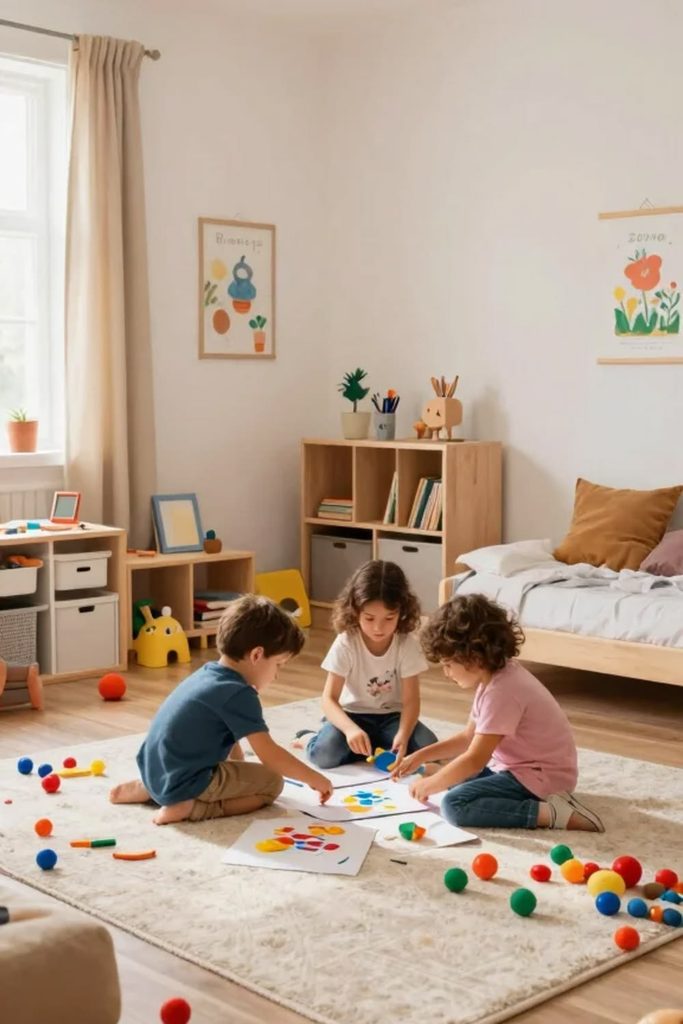
Use a Visual Timer Kids Can See
A visual timer gives kids a clear, concrete sense of how much screen time actually remains. Unlike a spoken warning, a visible timer removes the feeling that the rule is suddenly appearing out of nowhere.
Kids can watch the time count down themselves, which often reduces arguments about how much time is left.
This small tool shifts the conversation from a parent’s decision to something the child can see clearly. Place the timer somewhere visible, like near the screen itself, so it stays part of the routine.
Let older kids set the timer themselves sometimes, to build a small sense of shared responsibility.
Over time, kids start checking the timer on their own, without needing a repeated verbal reminder. Even young kids quickly learn to associate the timer’s sound with the natural end of screen time.
This tool works especially well for kids who struggle with abstract concepts like minutes and time.
Younger kids especially benefit from watching the numbers shrink instead of just hearing a countdown.
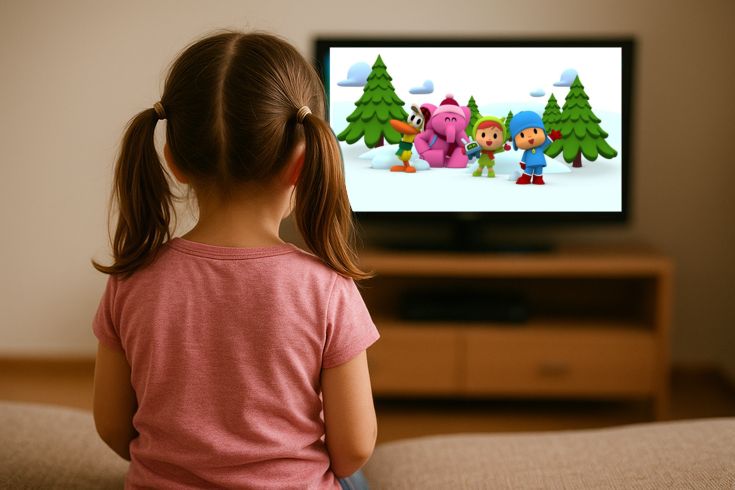
Build a Predictable Daily Routine
A predictable daily routine naturally limits screen time without needing constant reminders or repeated daily negotiation.
This ties into How to Build Strong Family Connections Through Simple Habits, since routines quietly shape a family’s daily rhythm. When screen time has a fixed, expected slot, kids stop asking for it at random moments.
Build the routine around natural anchors, like after school or right before an early dinner. Keep the routine consistent across most days, even on weekends, to avoid constant renegotiation of the rules.
Kids thrive on predictability, since it removes the uncertainty that often triggers unnecessary daily arguments.
Over time, the routine itself becomes the rule, rather than something a parent has to repeatedly enforce. Even a simple visual schedule on the wall can reinforce this routine without much extra daily effort.
This structure also makes it easier to plan fun, screen-free activities around the fixed screen time slot.
A predictable day, overall, tends to produce far fewer screen-related conflicts than an unpredictable one. Even a loosely followed routine still beats no routine at all when it comes to daily consistency.

Make Mealtime a No-Screen Rule
Mealtime offers a natural, easy opportunity to build in a simple, consistent, everyday no-screen rule. This pairs well with How to Make Family Mealtime More Enjoyable, since a screen-free table naturally encourages real conversation.
Keep phones, tablets, and televisions off during every meal, including quick snacks eaten together as a family.
This rule is easier to enforce when it applies to every single family member, adults included. Explain the reason simply, focusing on connection rather than framing it as a strict, unexplained punishment.
Kids tend to accept the rule more easily once they understand it applies fairly to everyone.
Over time, mealtime becomes a reliable, screen-free anchor point within an otherwise busy and unpredictable day. Even one consistent screen-free meal each day can meaningfully reduce a household’s overall daily screen time.
This small rule also naturally supports better conversation, better manners, and a genuinely calmer mealtime atmosphere.
Over time, families often report that meals simply feel more relaxed once the rule becomes routine. Kids often stop asking for screens at the table once the rule feels normal and unquestioned.

Replace Screen Time with Game Time
Games offer one of the easiest, most enjoyable replacements for time that would otherwise go to a screen. Check out How to Plan Memorable Family Game Nights for fresh, easy ideas that fill this exact gap.
A quick card game or a simple board game can fill fifteen minutes just as well as a screen.
Kids often forget about screens entirely once a genuinely fun, interactive alternative is already in progress. Keep a small selection of easy games within reach, so setup never becomes its own separate obstacle.
Let kids choose the game sometimes, so the activity feels like a choice rather than a substitution.
Over time, game time can become genuinely preferred over screen time, rather than a reluctant compromise. Even a short, five-minute game can successfully bridge the gap right after screens turn off.
This approach works especially well during the exact moments that usually trigger the most screen-related pushback.
Kids rarely miss a screen once real laughter and competition take over the room instead. Keep score loosely, since the fun matters far more than who actually wins the game.

Let Kids Help Set the Rules
Involving kids in setting the rules often reduces resistance, since they helped shape the plan themselves. Ask your child what feels fair for daily screen time, within limits you are comfortable setting.
This does not mean handing over full control, but genuinely listening before finalizing the actual rule.
Kids are more likely to follow rules they had some real say in creating together. Write the agreed rule down together, so it feels like a shared decision rather than a strict decree.
Revisit the rule occasionally and ask if it still feels fair to everyone currently involved.
Over time, this collaborative approach builds trust and reduces the number of daily rule-related arguments significantly. Even young kids can offer simple input, like choosing which days feel like screen time days.
This habit also quietly teaches negotiation and compromise, skills that will help kids well beyond childhood.
Kids often surprise parents with how reasonable their suggestions turn out to be once actually asked. This small act of trust often makes kids more willing to follow the rule afterward.

Stay Consistent Even When Kids Push Back
Consistency is the single most important factor in successfully reducing screen time without constant daily conflict. Kids will test limits at first, especially if rules have shifted unpredictably in the past.
Stay calm and hold the line, even when the pushback feels loud or genuinely uncomfortable in the moment.
Giving in occasionally teaches kids that pushing back hard enough eventually works, which only increases future resistance. Expect some resistance in the first few weeks, since new habits always take real time to settle in.
Over time, consistent limits become the accepted normal, rather than something worth fighting over each single day.
Even small, occasional inconsistencies can undo weeks of otherwise steady, hard-won progress on this front. Stay firm but kind, since a calm tone matters just as much as the actual rule itself.
This consistency does not need to feel harsh, as long as it stays predictable and fair over time.
Kids eventually stop testing limits that reliably stay the same, no matter how loudly they initially protest. Stay patient during this testing phase, since it usually fades faster than most parents expect.
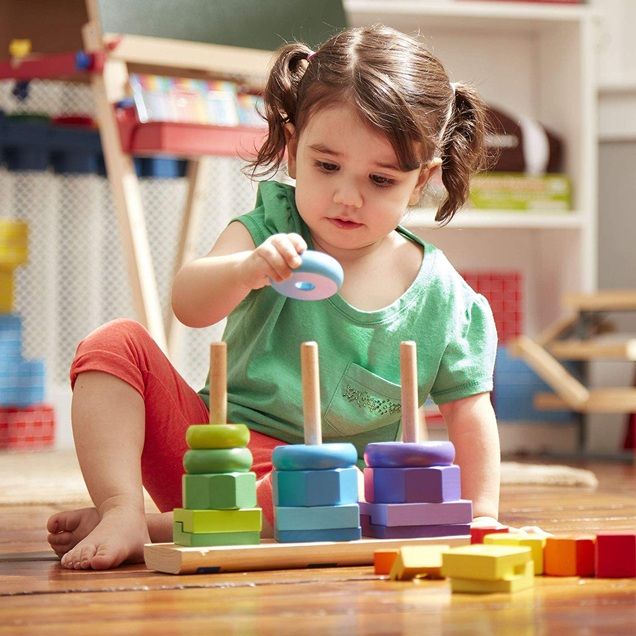
Praise Kids When They Cooperate
Positive reinforcement often works better than punishment when it comes to gradually reducing daily screen time.
This connects well with How to Raise Grateful Kids in a Busy World, since noticing effort builds real gratitude. Notice and mention it out loud when your child turns off a screen without a big struggle.
A simple “thank you for stopping so easily” can reinforce the exact behavior you want repeated. Avoid only mentioning screen time when there is a problem or a fight breaking out.
Over time, kids start associating cooperation with genuine positive attention, rather than only negative consequences.
Even small praise, given consistently, can shift a child’s overall attitude toward the daily screen time rule. Try keeping a simple mental note of these small, cooperative moments throughout an average week.
This approach builds a more positive relationship with screen time rules overall, rather than a purely adversarial one.
Kids often respond better to encouragement than they do to repeated warnings or direct consequences. Try pairing praise with a specific detail, so the compliment feels genuine rather than automatic.

Avoid Using Screens as a Constant Babysitter
Screens work well occasionally, but relying on them constantly makes reducing screen time significantly harder later. If screens become the default response to every quiet moment, kids naturally expect them far more often.
Try having a small backup list of quick, screen-free activities ready for genuinely busy or stressful moments.
This does not mean never using a screen, just being more intentional about when and why. Notice the moments when reaching for a screen feels automatic, rather than a genuinely thoughtful decision.
Over time, replacing even a few of these automatic moments can meaningfully reduce total daily screen time.
Even a short activity, like coloring or building blocks, can fill the same short gap effectively. Kids adjust surprisingly quickly once alternatives become just as familiar and available as the screen itself.
This shift takes more effort at first, but it pays off significantly over the following weeks and months.
Small, intentional changes here often matter more than one single, dramatic screen time rule change. Track these small changes loosely, so real progress feels visible even when it happens slowly.
Get Siblings to Support Each Other
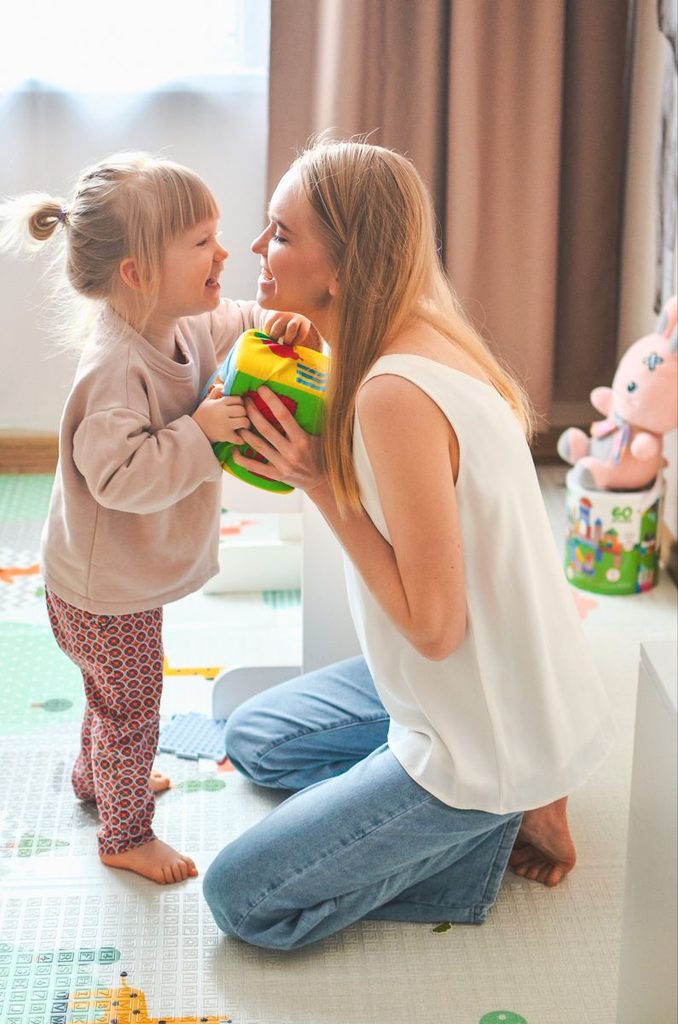
Siblings can either support or undermine screen time rules, depending on how the household handles it. This pairs well with How to Encourage Siblings to Get Along Better, since cooperation reduces daily household friction.
Encourage siblings to play together during former screen time slots, rather than competing over remaining screen access.
A shared alternative activity often works better than trying to enforce the same rule separately for each child. Avoid comparing siblings directly, since this often creates resentment rather than genuine cooperation between them.
Let older siblings help younger ones adjust to new rules, within reasonable and clearly defined limits.
Over time, siblings can become each other’s biggest support system during this entire screen time adjustment. Even friendly sibling rivalry, channeled into a game instead of a screen, can work in your favor.
This approach reduces the burden on parents alone, since kids start reinforcing the rule among themselves.
Kids often listen to a sibling’s suggestion just as readily as they listen to a parent’s own. Encourage older siblings to model patience, since younger kids often copy that exact behavior directly.
Model Healthy Screen Habits Yourself
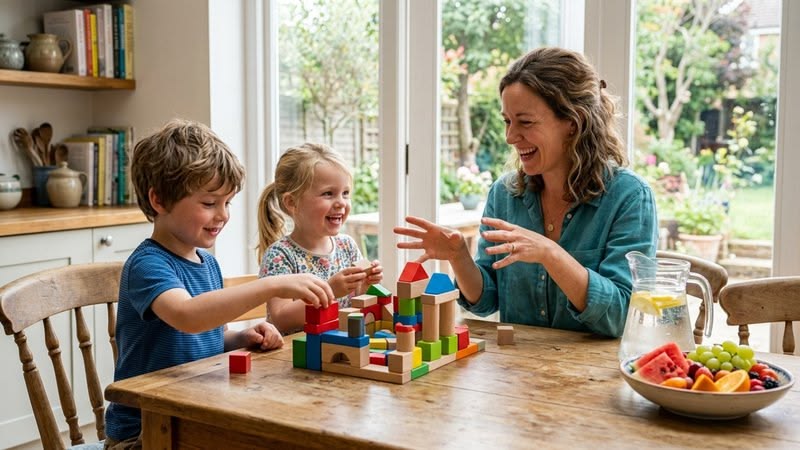
Kids notice a parent’s own screen habits far more closely than most parents actually realize day to day. If screen time rules only apply to kids, the message quickly becomes confusing and clearly unfair to them.
Try putting your own phone away during the same hours you expect screens to stay off.
This does not mean giving up your phone entirely, just being more mindful about visible habits. Narrate your own choices out loud sometimes, like saying you are putting your phone away for dinner too.
Kids learn far more from watching real behavior than they ever do from hearing a spoken rule alone.
Over time, modeled behavior becomes one of the most powerful tools in this entire process. Even small, visible changes in your own habits can meaningfully shift how kids view the household rule.
This approach also strengthens trust, since kids see the rule as fair rather than one-sided or hypocritical.
A shared family effort tends to succeed far more often than a rule that targets only children. Kids notice fairness quickly, and that noticed fairness often reduces resistance more than any lecture.

Turn Off Background TV and Devices
Background screens, like a television left on for noise, quietly add up more than most parents realize. Try turning off devices that are not being actively watched or used for something specific.
This small habit reduces overall screen exposure without needing a single direct conversation about screen time rules.
Kids naturally reach for an already-on screen far more often than one that requires turning on. Notice how often screens run simply out of habit, rather than genuine, intentional entertainment or actual need.
Over time, turning off unused devices becomes an easy, automatic habit that lowers total daily screen exposure.
Even this small, quiet change can meaningfully shift the overall amount of screen time in a household. Try a simple house rule of turning off any screen nobody is actively watching or using.
This rule requires almost no enforcement, since it quickly becomes automatic once the household adjusts.
This change requires no negotiation with kids at all, since it happens quietly in the background. Small, invisible changes like this often matter just as much as the more visible, direct rules do.

Build Screen-Free Traditions Kids Look Forward To
A screen-free tradition gives kids something to genuinely look forward to instead of something being taken away.
This ties into How to Create Family Traditions Your Kids Will Remember Forever, since traditions naturally outlast simple daily rules. Maybe it is a weekly game night, a Saturday walk, or a simple no-screen dinner tradition.
Traditions reframe screen-free time as something special, rather than something purely restrictive or purely negative. Let kids help choose the tradition, so they feel genuine ownership over the shared screen-free time.
Even a small, simple tradition can anchor an otherwise screen-heavy week with something worth waiting for.
Over time, kids often start requesting the tradition themselves, rather than resisting the screen-free time. Even one consistent weekly tradition can noticeably shift how kids feel about screen-free time overall.
This approach turns the entire conversation from restriction toward something genuinely worth looking forward to instead.
Kids remember these small traditions long after they have forgotten most of the actual screen time rules. A single well-loved tradition can quietly do more than a dozen strictly enforced daily rules.

Stay Calm During Pushback and Tantrums
Some pushback is completely normal, especially in the early weeks of any new screen time routine. Staying calm, even during a loud tantrum, prevents the situation from escalating into a much bigger conflict.
Avoid matching a child’s raised voice with your own, since this rarely helps resolve the actual issue.
Take a breath, hold the boundary calmly, and avoid over-explaining the rule in the middle of a tantrum. Offer comfort for the disappointment itself, while still holding firm on the actual screen time limit.
Kids can feel upset and still learn that the rule does not change based on their reaction.
Over time, tantrums around screen time typically decrease as the new routine becomes familiar and expected. Even one calm, consistent response can prevent weeks of repeated, escalating daily arguments over the same rule.
This calm approach models emotional regulation, which is a skill kids genuinely need well beyond screen time itself.
Your steady response, repeated often enough, teaches kids far more than any single lecture ever could. Over time, this steady calm becomes one of the most valuable habits a parent can offer.
Leave a Reply