When it comes to kids, random teachings and corrections matter more than most parents initially realize. You don’t have to wait until you are less busy, then sit your kid down, before teaching her something important. A random correction or story can pass real knowledge to a child just as effectively.
This ties into How to Build Strong Family Connections Through Simple Habits, since small moments teach more than one lesson. Gratitude works the same way, growing through small daily moments rather than a single formal conversation.
This guide walks you through simple, everyday ways to raise grateful kids, even during a genuinely busy week. None of these ideas require a special curriculum, extra time, or a perfectly calm household schedule.

How to Raise Grateful Kids in a Busy World
Understand Why Gratitude Matters for Kids
Grateful kids tend to handle disappointment better and notice good things more easily throughout their daily lives. Gratitude is not about pretending everything is perfect, but about noticing what is already genuinely good.
Kids who practice gratitude often show more patience, kindness, and resilience during genuinely difficult moments.
This is not a personality trait some kids simply have, but a skill that can be taught. Understanding this helps parents see gratitude as an ongoing daily practice, rather than a single lesson taught once.
Small, repeated moments of noticing good things build this skill far more effectively than occasional lectures.
Over time, gratitude becomes a genuine lens through which a child sees their entire daily life. Start noticing which moments already spark genuine appreciation in your child, since these are useful starting points.
Even a naturally impatient or demanding child can develop real gratitude through consistent daily practice.
This skill genuinely benefits kids well beyond childhood, shaping how they handle challenges as adults later. Try starting with just one small gratitude habit this week, rather than attempting everything at once.
Model Gratitude Yourself Daily
Kids learn gratitude primarily by watching how the adults around them respond to everyday life. Say thank you out loud often, even for small, ordinary things that could easily go unnoticed.
Narrate your own appreciation sometimes, like mentioning out loud how lucky you feel about something simple.
This models the exact behavior you hope to see reflected back in your child eventually. Avoid constant complaining in front of kids, since they absorb this tone just as easily as gratitude itself.
Over time, modeled gratitude becomes one of the most powerful tools for teaching this skill naturally.
Even small, everyday moments, like appreciating good weather, offer a chance to model this habit. This approach works far better than lecturing kids about gratitude without ever demonstrating it yourself.
This modeling takes consistency, since kids notice quickly when words and actual daily behavior do not match.
Kids raised around visible gratitude often develop the habit almost without any direct, formal teaching at all. This kind of quiet, everyday modeling often teaches more than any deliberate, planned lesson could.
Say Thank You Often and Specifically
Specific thank-yous teach kids to notice details, rather than offering only a vague, generic response. Instead of a quick “thanks,” try naming exactly what you appreciated about what someone did.
This small shift teaches kids to notice specific actions, rather than responding automatically without any real thought.
Even young kids can learn to notice small details once they hear this modeled consistently. Encourage kids to practice specific thank-yous themselves, rather than accepting only a quick, automatic response.
Over time, this habit builds a genuine noticing skill that extends beyond simply saying polite words.
Even a specific thank-you to a sibling can strengthen that particular relationship meaningfully over time. This habit costs nothing but a moment of genuine attention and a few thoughtful, specific words.
Praise kids when they offer a specific thank-you unprompted, so the habit feels genuinely worth repeating.
Kids who practice this regularly often become more observant and appreciative in other areas too. This small habit tends to spread naturally into how kids treat teachers, friends, and neighbors.
Share One Grateful Moment at Dinner
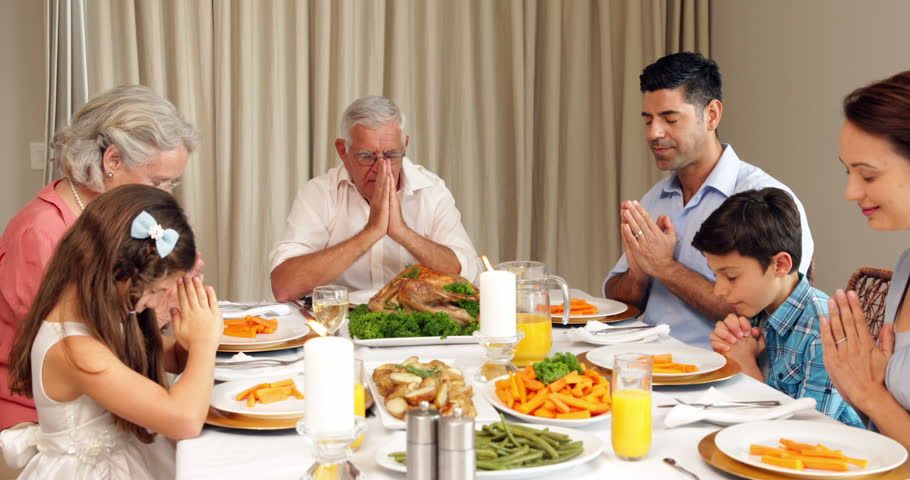
Dinner offers a natural, repeated opportunity to build a small daily gratitude habit together each night. This pairs well with How to Make Family Mealtime More Enjoyable, since this simple question naturally sparks real conversation.
Ask each person to share one small thing they appreciated from earlier in the day.
This simple habit gives everyone a chance to reflect, even during a busy, rushed week. Keep the question consistent, so it becomes an expected and comfortable part of the evening meal.
Model the habit yourself by sharing your own grateful moment first, before asking your kids to share theirs.
Over time, kids start noticing good things throughout their day, simply to have something to share later. Even a quiet or shy child often opens up once the habit feels safe and familiar.
This small ritual also shifts the tone of dinner toward appreciation, rather than only complaints or logistics.
Even five minutes of this nightly habit can meaningfully shape how kids process their entire day. Over months, this small nightly habit often becomes one of the more reliable family rituals.
Involve Kids in Giving to Others
Giving to others helps kids see gratitude from the other side, as something they can offer too. Involve kids in small acts of giving, like choosing a toy to donate or baking for a neighbor.
This hands-on involvement teaches gratitude far more effectively than simply telling kids to feel thankful.
Even young kids can participate meaningfully in small, age-appropriate acts of generosity toward other people. Let kids see the impact of their giving whenever possible, rather than giving anonymously every single time.
Over time, this habit builds a genuine understanding that gratitude and generosity are naturally connected to each other.
Even a small act, like sharing a toy with a friend, reinforces this same important lesson. This approach works especially well when kids get to choose the act of giving themselves.
This habit teaches perspective, helping kids understand that not everyone has the same things they do.
Kids who give regularly often develop a deeper, more lasting sense of gratitude for their own lives. This lesson often stays with kids well into adulthood, shaping how they treat others later.

Limit Constant Buying and Instant Gratification
Constant buying quietly teaches kids to expect things instantly, rather than appreciating what they already have. Try limiting spontaneous purchases, and instead let kids wait and save for something they genuinely want.
This small delay teaches patience, which naturally supports the development of genuine gratitude over time.
Even a short waiting period before a purchase can shift how much a child appreciates the item. Avoid replacing every lost or broken item immediately, when reasonably safe and appropriate to do so.
Over time, this habit helps kids value what they have, rather than always anticipating the next new thing.
Even older kids benefit from learning to wait, rather than receiving instant gratification for every single want. This approach also teaches practical money skills that will genuinely help kids later in life.
This shift takes patience from parents too, especially when saying no feels harder than simply saying yes.
Kids raised with reasonable limits often show more genuine appreciation for what they eventually do receive. This appreciation often extends beyond material things, shaping how kids value time and attention too.

Encourage Kids to Notice Small Things Outdoors
Time outdoors naturally slows kids down enough to notice small, easily overlooked details around them. This connects well with How to Plan Screen-Free Family Fun Every Weekend, since outdoor time supports this kind of noticing.
Point out small things together, like an interesting cloud shape or a busy line of ants.
This habit teaches kids to find genuine wonder in ordinary, everyday moments outside the home. Ask your child what they noticed during a walk, rather than only asking about the actual destination.
Over time, this habit builds an ongoing appreciation for small, simple things that cost absolutely nothing.
Even a short walk around the block can become an exercise in genuine noticing and appreciation. Kids often surprise parents with the small, specific details they choose to notice and mention.
This approach works well because nature offers endless small details worth genuinely noticing and appreciating together.
Even five minutes outside can meaningfully shift a child’s overall mood and attention that day. Try making this a small daily habit, rather than saving it only for special occasions.

Reduce Screen Time to Make Room for Noticing
Screens often fill the quiet moments where genuine noticing and gratitude would otherwise naturally have room to grow.
This ties into How to Reduce Screen Time Without Daily Arguments, since less screen time creates more space for reflection. Set aside a little unstructured time each day, free from screens and constant scheduled activities.
This quiet space gives kids room to notice things they might otherwise scroll straight past. Avoid immediately filling every quiet moment with a screen, even when boredom initially feels uncomfortable.
Over time, kids raised with more unstructured time often develop a sharper sense of everyday noticing.
Even a single screen-free hour a day can meaningfully support this ongoing gratitude practice overall. This approach does not require eliminating screens entirely, just making consistent room for quiet reflection.
This shift benefits parents too, who often notice their own gratitude improving alongside their children’s growing awareness.
Kids raised this way often carry this quiet noticing habit well into their teenage years. This habit often becomes especially valuable during the more distracted, screen-heavy teenage years that follow.

Write Thank-You Notes Together
Writing thank-you notes teaches kids to reflect on specific gifts or gestures, rather than responding automatically.
This can become a small tradition worth protecting, tying into How to Create Family Traditions Your Kids Will Remember Forever. Sit down together after a birthday or holiday to write a few simple, short notes.
Even young kids can dictate a sentence for a parent to write down for them. Keep the notes short and genuine, rather than turning the process into a lengthy, tedious chore.
Over time, this habit builds a reflex of noticing and naming specific things worth appreciating.
Even a simple, one-sentence note can mean a great deal to the person who receives it. This approach also teaches kids basic social skills that will genuinely serve them well later.
This small tradition costs little but teaches a habit that lasts well beyond the specific occasion itself.
Kids who write these notes regularly often become more thoughtful and observant in other areas too. This habit also builds writing confidence, alongside the gratitude skill being practiced at the same time.

Celebrate Effort, Not Just Results
Celebrating effort teaches kids to appreciate the process, rather than only valuing the final outcome achieved. Notice and mention specific effort, like persistence on a hard task, rather than only praising success.
This habit helps kids develop gratitude for their own capabilities, rather than only external results or rewards.
Even a failed attempt can become something to genuinely appreciate, given the effort behind it. Avoid only celebrating wins, since this can quietly teach kids that only success is genuinely worth appreciating.
Over time, this habit builds a healthier relationship with both effort and eventual outcomes for every child.
Even small, specific praise, like noticing persistence, can shift how a child sees their own daily effort. Try highlighting effort during a task that did not go perfectly, rather than skipping mention entirely.
This approach reduces the pressure that comes from feeling like only results genuinely matter to a parent.
Kids raised this way often develop a healthier relationship with both failure and eventual success later. This balance often reduces anxiety around performance, since genuine effort itself becomes worth celebrating too.

Teach Kids to Notice Others’ Feelings
Noticing how others feel is a form of gratitude, since it requires genuinely valuing another person’s experience.
This pairs well with How to Encourage Siblings to Get Along Better, since noticing feelings naturally reduces sibling conflict. Ask your child how they think a sibling or friend might be feeling right now.
This habit builds empathy, which naturally supports a deeper, more genuine sense of gratitude toward others. Point out moments when someone showed kindness, so kids learn to notice and appreciate this behavior.
Over time, this habit helps kids see the people around them as worth genuinely appreciating too.
Even young kids can learn to notice a friend’s excitement or a sibling’s disappointment sometimes. This approach also builds stronger relationships, since noticed kindness tends to naturally get repeated more often.
This skill takes practice, especially for kids who are still developing their own emotional awareness generally.
Kids who notice others’ feelings often grow into more genuinely grateful and considerate adults later. This empathy often strengthens friendships too, well beyond the immediate family relationships at home already.

Keep a Family Gratitude Jar
A simple family gratitude jar turns noticing good moments into something playful rather than just a chore. Check out How to Plan Memorable Family Game Nights for ideas on making this activity feel more like a game.
Keep a jar somewhere visible, and add small notes about good moments throughout the week.
Read through the notes together occasionally, like at the end of each month or season. Let kids decorate the jar themselves, so they feel genuine ownership over this small, shared family ritual.
Over time, this visible collection becomes a tangible reminder of accumulated gratitude across many ordinary weeks.
Even a slow week can produce at least one small, genuine note worth adding to the jar. Kids often enjoy reading back through old notes, rediscovering small moments they had genuinely forgotten about.
This activity costs almost nothing and requires very little ongoing effort once the habit becomes established.
Even a single sentence per note is genuinely enough to make this simple tradition worthwhile. Keep the jar somewhere central, like the kitchen, so adding a note feels effortless and natural.

Use One-on-One Time to Talk About Gratitude
One-on-one time offers a natural, relaxed setting for deeper conversations about gratitude and real appreciation. This pairs well with How to Spend More Quality Time with Your Kids, since undivided attention invites more open conversation.
During a quiet walk or a shared snack, ask your child what they feel grateful for lately.
This relaxed setting often produces more thoughtful answers than a quick question asked in passing. Share your own gratitude too, so the conversation feels mutual rather than like a one-sided interview.
Over time, these small conversations build a habit of genuine reflection that extends beyond just this moment.
Even a single meaningful conversation can shift how a child thinks about their own daily life. This approach works especially well for older kids who may resist more public or group discussions.
This one-on-one setting also strengthens your bond, alongside the specific gratitude conversation happening at the same time.
Kids often share more honest, thoughtful answers during these quieter, more private moments together overall. Try scheduling this one-on-one time regularly, rather than waiting for a rare, spontaneous free moment.
Avoid Over-Praising or Overindulging
Constant praise or overindulgence can quietly work against the development of genuine, lasting gratitude in kids. Try to keep praise specific and occasional, rather than offering constant, inflated compliments for everything.
Avoid giving kids everything they ask for immediately, since this reduces the value of what they eventually receive.
This balance teaches kids that not everything comes easily or instantly, which naturally supports appreciation. Notice when overindulgence has become a habit, and consider gradually introducing more reasonable, healthy limits instead.
Over time, kids raised with reasonable limits often show more genuine gratitude for what they actually have.
Even small adjustments, like reducing constant treats, can meaningfully shift a child’s overall sense of appreciation. This approach requires consistency, since occasional exceptions can quickly undo weeks of otherwise steady progress.
This shift benefits the whole family, not just the child’s own individual sense of gratitude and appreciation.
Kids raised this way often develop healthier expectations that serve them well into adulthood later. This shift often reduces entitlement, replacing it with a more grounded, realistic sense of expectation.
Teach Kids to Handle Disappointment Gracefully
Handling disappointment gracefully is closely connected to gratitude, since both require perspective during difficult moments.
Acknowledge a child’s disappointment honestly, rather than immediately rushing to fix or minimize the actual feeling. Help them notice something positive alongside the disappointment, without dismissing how genuinely upset they feel.
This balance teaches kids that gratitude and disappointment can genuinely coexist within the same difficult moment. Avoid forcing immediate gratitude during a hard moment, since this can feel dismissive of a real, valid feeling.
Over time, kids learn to process disappointment while still maintaining some perspective on their overall situation.
Even a simple phrase, like “that’s hard, and I’m glad you tried,” can model this balance well. This approach builds emotional resilience alongside gratitude, rather than treating them as separate or competing skills.
This skill takes time to develop, especially for kids who are naturally more sensitive to disappointment.
Kids who learn this balance often handle setbacks more gracefully well into their adult lives later. This resilience often extends into how they handle failure at school, work, and future relationships.

Make Home a Place of Contentment
A calm, contented home environment naturally supports the development of genuine gratitude in growing kids. This connects closely with How to Create a Home Environment Where Kids Thrive in several genuinely practical ways.
Avoid constantly comparing your home, belongings, or lifestyle to others in front of your kids.
Model contentment yourself, since kids absorb this attitude from the adults they spend the most time around. Notice and mention things you appreciate about your own home, rather than focusing only on what is missing.
Over time, a contented household atmosphere becomes the quiet backdrop that supports every other gratitude habit.
Even small comments, like appreciating a cozy evening at home, can meaningfully model this important attitude. Kids raised in a contented home often develop a similarly grounded sense of appreciation themselves.
This habit works alongside every other strategy in this guide, rather than competing with any of them.
Even a modest home filled with genuine contentment can raise deeply grateful, appreciative kids over time. Wealth and gratitude are not directly connected, since contentment matters far more than actual belongings.
Keep Practicing, Even on Hard Days
Some days will feel far harder than others, and gratitude can feel especially difficult during genuinely tough moments. This does not mean forcing forced positivity, but simply making room for gratitude alongside difficulty.
Even acknowledging one small good thing during a hard day still counts as real practice.
Do not abandon these habits entirely just because a particular day or week felt especially difficult. Model this yourself, by naming one small good thing even during your own genuinely stressful days.
Over time, this resilience shows kids that gratitude is not dependent on everything going perfectly well.
Even a tiny moment of gratitude during a hard day can shift the overall mood slightly. This consistency, especially during difficult stretches, teaches kids more than gratitude during genuinely easy times ever could.
Start again tomorrow if today did not include much noticeable gratitude worth mentioning at all.
Years from now, your kids will likely remember this steady practice far more than any single perfect day.

Ask a Simple Gratitude Question Before Bed
A short bedtime question can quietly close the day on a note of genuine appreciation. Ask something simple, like the best part of the day or a moment that made them smile.
This does not need to be elaborate, since even a short one-word answer genuinely counts.
Kids often reflect more honestly right before sleep, when the day has naturally started to slow down. Keep the question consistent, so it becomes an expected, comforting part of the nightly bedtime routine.
Over time, this habit trains kids to scan their day for something worth appreciating before sleep.
Even a tired, short answer still builds the same habit of nightly reflection over time. This small addition costs only a minute but adds real value to the existing bedtime routine. Share your own answer too, so the habit feels mutual rather than like a nightly quiz for the child.
Even on a rough day, finding one small good moment together can shift the mood before sleep. This small nightly habit often becomes one of the more comforting parts of a hard day.
Leave a Reply