The environment plays a major role in kids’ lives, shaping how they think, feel, and behave every day. It’s important to start shaping kids’ behavior when they are still much younger, since early habits tend to last.
This ties into How to Build Strong Family Connections Through Simple Habits, since small, steady habits quietly guide children. A thriving home does not need expensive furniture, a perfect layout, or a large amount of space. It simply needs warmth, consistency, and a steady sense that every child genuinely belongs there.
This guide walks you through simple, practical ways to build a home where kids can genuinely thrive. None of these ideas require a renovation, a big budget, or a perfectly organized household.

How to Create a Home Environment Where Kids Thrive
Understand How Environment Shapes Behavior
Kids constantly absorb the atmosphere around them, including the tone, the routines, and the overall mood of the home. A calm, predictable home tends to produce calmer, more confident kids over the long run.
A chaotic or tense home can quietly increase a child’s stress, even when nobody says anything directly.
Understanding this helps parents see the home itself as a quiet, ongoing teacher in a child’s life. Small details matter here, like how conflict gets handled, how mornings begin, and how evenings wind down.
Kids read these patterns constantly, even when parents assume they are not paying any attention at all.
Over time, these patterns shape how kids respond to stress, disagreement, and everyday challenges in the wider world. Start noticing what your home currently teaches, since awareness is always the first useful step forward.
Even small changes to daily patterns can noticeably shift how a home feels within a few short weeks.
This awareness also helps parents see which habits are worth keeping and which deserve gentle adjustment. Try walking through your home tomorrow morning and noticing how each room actually feels to you.
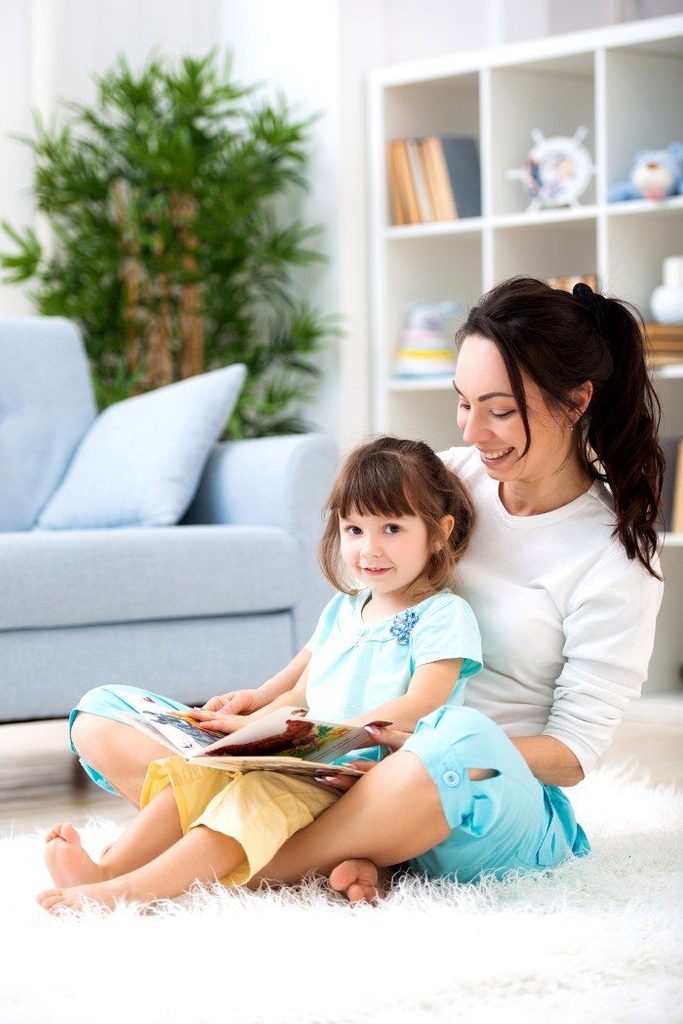
Keep the Home Calm and Predictable
Predictability gives kids a sense of safety, which naturally supports better behavior and stronger emotional health. Keep key daily routines, like mealtimes and bedtimes, roughly consistent even when other parts of the day shift.
Kids relax more easily once they know what to expect, rather than constantly guessing what happens next.
This predictability does not need to be rigid, just steady enough to give kids something reliable. Try keeping your own tone calm, since kids take emotional cues directly from the adults around them.
Over time, a calm household atmosphere becomes the quiet foundation that supports every other habit built on top.
Even small calming touches, like soft lighting in the evening, can meaningfully shift the mood of a home. Kids feel safer bringing up worries and feelings within a home that already feels steady and calm.
This calm does not mean silence, just an absence of constant, unpredictable tension or sudden surprises.
A steady home gives kids room to grow, make mistakes, and recover without fear of harsh reactions. This sense of safety often shows up as more openness, curiosity, and willingness to try new things.
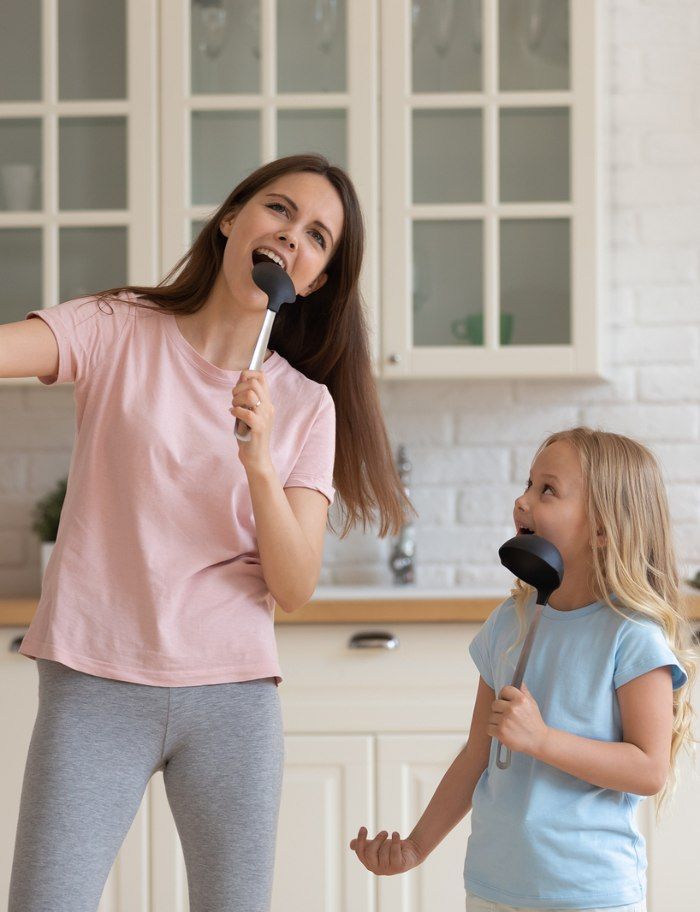
Set Clear, Consistent Household Rules
Clear rules help kids understand what is expected, which reduces confusion and many daily, avoidable arguments. Keep the rules simple and few, so kids can genuinely remember them without constant reminders from a parent.
Apply the rules consistently across all children, adjusting only for genuine differences in age or ability.
Explain the reasoning behind each rule in simple terms, so it feels fair rather than random. Write the rules down together as a family, so everyone feels some ownership over the shared agreement.
Over time, consistent rules build trust, since kids learn that the rules will not shift based on mood.
Even young kids can understand and follow simple rules once they are explained clearly and repeated often. Revisit the rules occasionally as children grow, since fairness looks different at different ages and stages.
This consistency reduces power struggles, since kids stop testing rules that reliably stay the same.
Kids are far more likely to follow a rule they understand than one that feels arbitrary. Take a few extra minutes to explain the reasoning, even when a child seems distracted or uninterested.

Create a Safe Space for Kids to Express Feelings
A thriving home makes room for all feelings, including the difficult ones like anger, sadness, and disappointment. Let kids know that feelings themselves are never wrong, even when certain behaviors need gentle correction.
Listen without immediately rushing to fix or dismiss whatever a child is genuinely feeling in that moment.
This approach teaches kids that their inner world is welcome and safe within the home.
Name feelings out loud sometimes, like saying “it sounds like you felt really frustrated today.” Over time, kids learn the words for their own emotions, which makes them easier to manage.
Even young kids benefit from this simple emotional vocabulary, since it gives them tools beyond tantrums or silence. This habit also strengthens trust, since kids learn that a parent will listen without judgment.
This safe space works best when it stays consistent, rather than appearing only during occasional, intense conversations.
Kids who feel emotionally safe at home often handle challenges outside the home with far more confidence. This emotional safety often becomes the base that supports friendships, school success, and future relationships.

Give Kids Their Own Small Space
Every child benefits from having one small area that feels like it belongs entirely to them. This can be a corner of a room, a shelf, or a small desk, not necessarily a whole bedroom.
Let kids help decorate or organize their own space, so they feel genuine ownership over it.
This small sense of control builds confidence and responsibility, even in very young growing children. Respect this space by knocking or asking before touching belongings, modeling the same respect you hope to see.
Over time, having a personal space reduces conflict, especially between siblings who share a room or belongings.
Even a small, labeled box can serve as a personal space when room is genuinely limited. This habit teaches respect for boundaries, a skill that extends well beyond the home itself.
This personal space also gives kids a calm retreat when emotions run high or the household feels overwhelming.
Kids who have a space of their own often approach shared family time with less built-up frustration. Even a small, tidy corner can meaningfully change how a child feels about their own place at home.
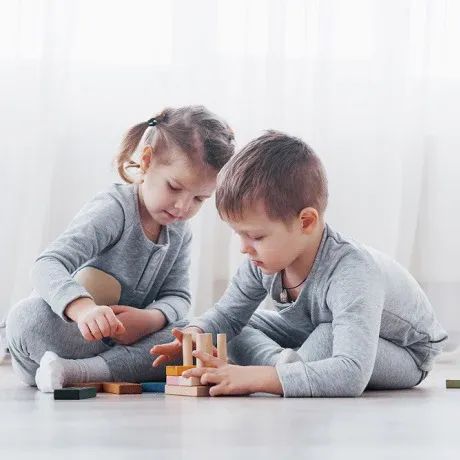
Make Screen Boundaries Part of Home Life
Clear screen boundaries help protect the time and attention that a thriving home naturally needs to grow.
This ties into How to Reduce Screen Time Without Daily Arguments, since consistent household screen rules reduce most daily negotiation. Set simple, predictable limits that apply to the whole household, rather than only to the children.
Keep bedrooms and dinner tables screen-free, so key spaces stay reserved for rest and connection. Explain the reasons behind these boundaries in simple terms, so kids understand the purpose rather than feeling punished.
Over time, these boundaries become an accepted, ordinary part of the home’s daily rhythm and routine.
Even a small, consistent rule, like no screens during meals, can shift the overall atmosphere of a home. Model these boundaries yourself, since kids notice quickly when rules only seem to apply to them.
This approach works better than constant, case-by-case negotiation, which often wears everyone down over time.
Kids adapt surprisingly quickly once screen boundaries feel predictable, fair, and applied evenly across the whole household. Review the boundaries every few months, adjusting only when a child’s age or needs clearly change.
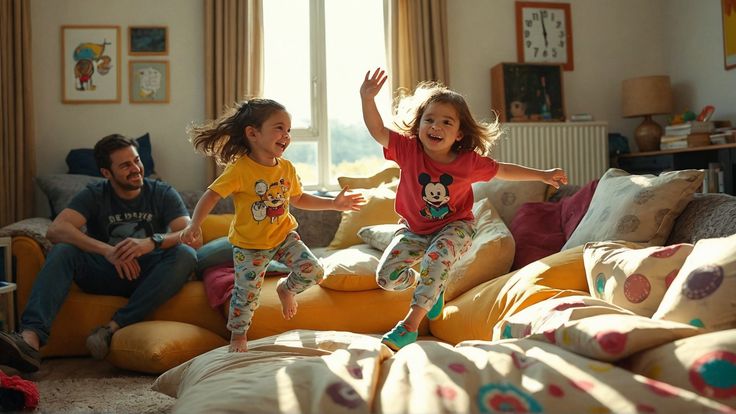
Make Mealtime a Warm Anchor
Shared meals offer one of the easiest, most reliable ways to anchor a home in daily connection. This pairs well with How to Make Family Mealtime More Enjoyable, since a warm mealtime quietly shapes the whole home.
Try to eat together regularly, even if only a few times each week to begin.
Keep the mood relaxed and the conversation light, so the table feels like a welcoming place. Let kids help set the table or prepare simple parts of the meal, so they feel involved.
Over time, this shared ritual becomes a steady point of connection within an otherwise busy, fast-moving household.
Even a quick, simple meal can carry real warmth when everyone sits down together and pays attention. This habit gives kids a dependable daily moment where they know they will be seen and heard
. Protect this time from screens and distractions whenever reasonably possible, since these quietly compete with the connection.
Kids often remember the feeling of shared meals far longer than they remember any specific menu. Even one consistent shared meal each day can quietly shift the emotional tone of the entire household.

Build Traditions That Make Home Feel Special
Small family traditions give a home its own unique identity and a strong sense of belonging. This ties into How to Create Family Traditions Your Kids Will Remember Forever, since traditions turn houses into homes.
Maybe it is Saturday pancakes, a Sunday walk, or a special way of celebrating birthdays.
These small rituals give kids something steady and familiar to look forward to throughout the year. Let kids help create or choose traditions, so they feel real ownership over the shared family identity.
Over time, these traditions become some of the most vivid memories kids carry into their adult lives.
Even a simple, silly tradition can carry real emotional weight when repeated consistently over many years. Keep traditions flexible enough to evolve as kids grow older and their interests naturally start to shift.
Protect these traditions from being crowded out by busy schedules or last-minute distractions whenever reasonably possible.
Kids often describe home most warmly through these small, repeated moments, rather than through any single, dramatic memory. Write down your favorite family traditions occasionally, so they never quietly fade away as years pass.
Keep Games and Books Easily Accessible
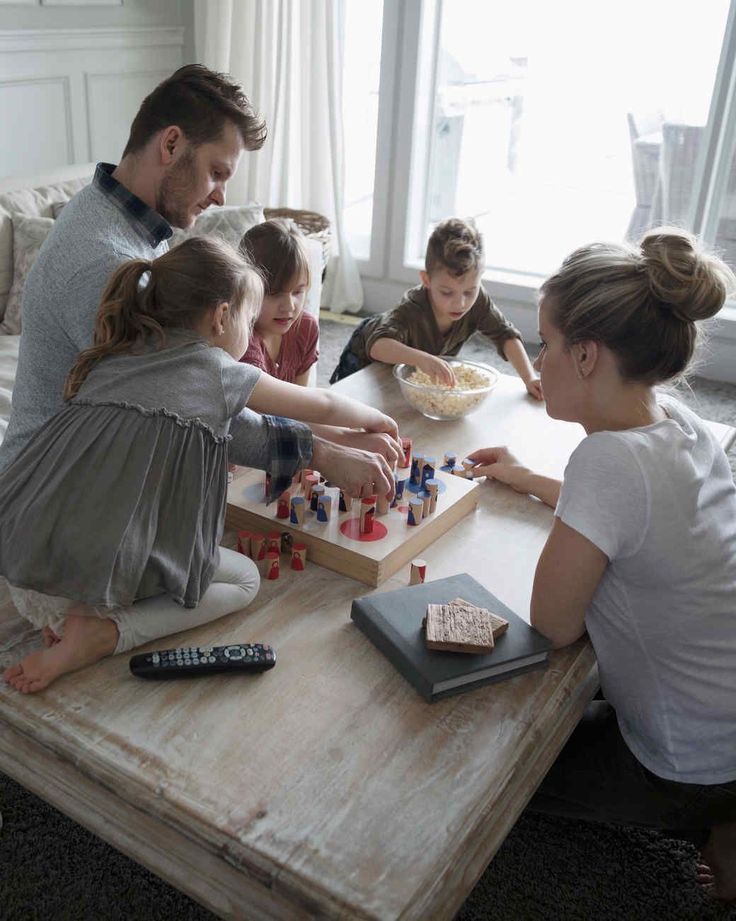
Making games, books, and creative supplies easy to reach quietly encourages kids to choose these over screens.
This connects well with How to Plan Memorable Family Game Nights, since an accessible game shelf makes spontaneous play easier. Keep a small shelf or basket in a shared space, filled with a few favorite options.
Rotate the items occasionally, so the collection stays fresh and continues to attract genuine interest. Store items at a child’s height, so kids can reach them without needing a parent to help.
Over time, easy access builds independence, since kids learn to entertain themselves without always needing screens.
Even a small basket of art supplies can spark hours of creative play on a slow afternoon. This small environmental change often shifts behavior more effectively than any spoken rule or reminder.
This approach costs very little but meaningfully changes how kids choose to spend their free time.
Kids often gravitate toward whatever is easiest to reach, so make good choices the easy ones. Move screens out of easy reach and place books at eye level, letting small changes guide behavior.
Encourage Gratitude in Daily Home Life
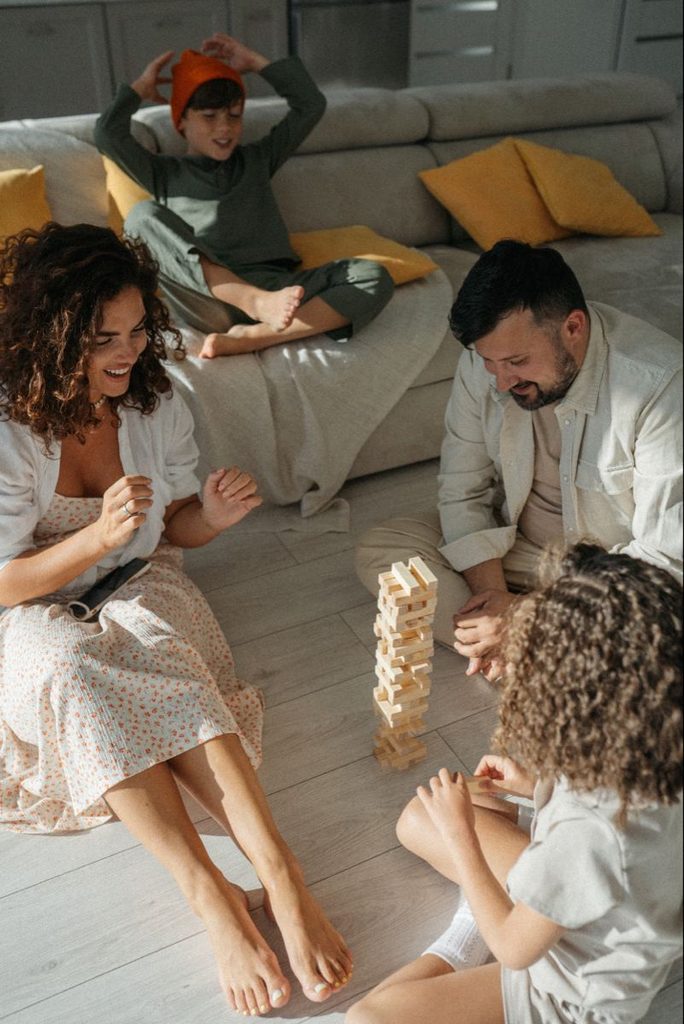
A home that regularly notices good things quietly teaches kids to appreciate what they already have. This connects well with How to Raise Grateful Kids in a Busy World, since daily gratitude shapes the home’s tone.
Say thank you often, and mention small things you appreciate about home, family, and daily life.
Try a simple habit, like sharing one good moment at dinner or before bedtime each day. Model gratitude yourself, since kids learn far more from watching adults than from being told what to feel.
Over time, a grateful home atmosphere becomes part of how kids see their entire daily world.
Even small, everyday comments, like appreciating a warm meal, can meaningfully shape a child’s attitude toward home. This habit also reduces complaining, since noticing good things naturally competes with focusing only on what is missing.
This approach works best when it feels natural, rather than forced or turned into a strict daily requirement.
Kids raised in grateful homes often carry that same appreciative lens into their friendships and adult lives. This lens often protects kids against constant comparison, envy, and the pressure to always want more.
Make Room for Sibling Harmony at Home
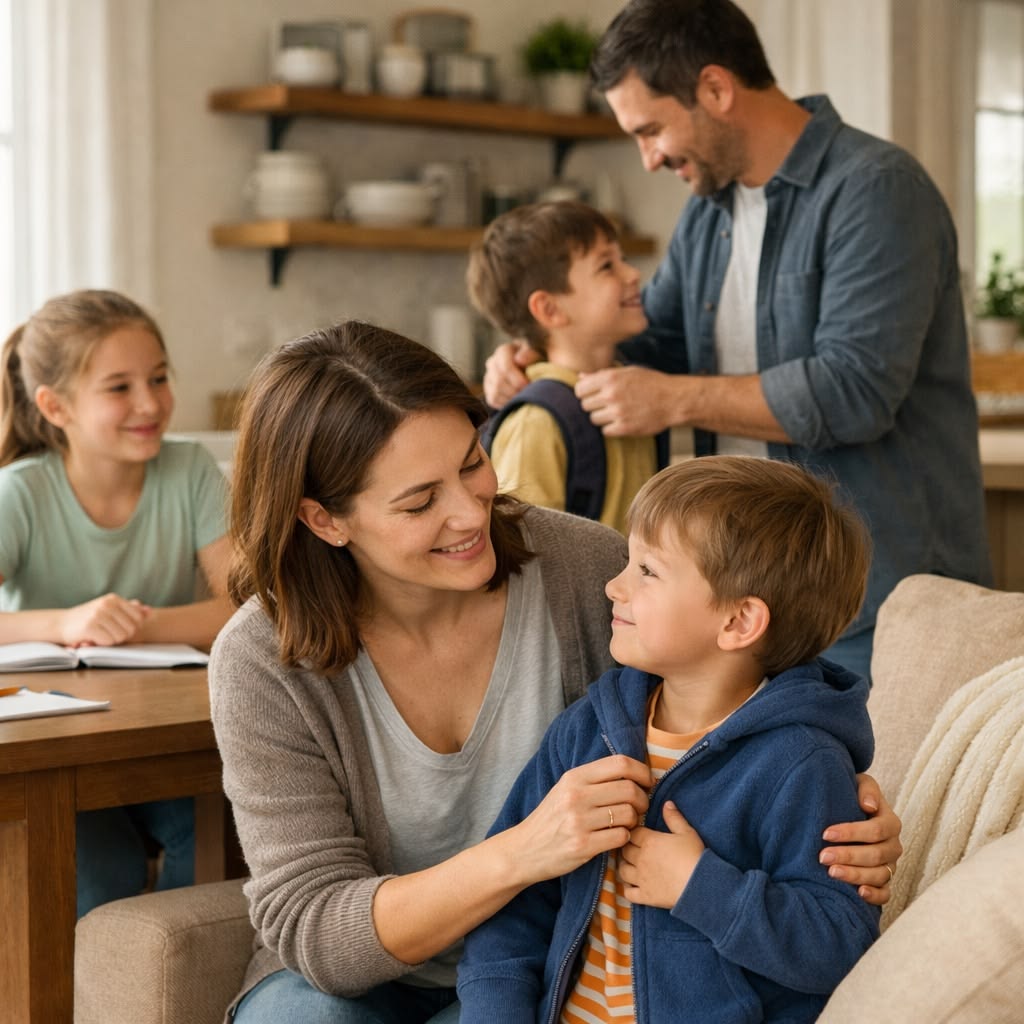
The home environment strongly influences how well siblings get along with each other day to day. This connects to How to Spend More Quality Time with Your Kids, since attention shapes a child’s sense of safety.
Give each child individual space and attention, so nobody feels constantly squeezed or overlooked within the household.
Apply rules fairly, so neither sibling feels the household consistently favors the other child over them. Create shared spaces where siblings can play together comfortably, without constantly competing over the same limited items.
Over time, a fair, balanced home environment reduces the number of daily arguments between brothers and sisters.
Even simple touches, like duplicate favorite items or clear turn-taking systems, can prevent many common conflicts. Model calm conflict resolution yourself, since siblings often copy how adults handle disagreements at home.
This balance helps siblings see each other as teammates rather than constant competitors within the household.
Kids often get along better once the home feels fair, calm, and predictable for every single child. Notice and mention out loud when siblings play well together, so the behavior feels worth repeating.
Spend Time Together Daily
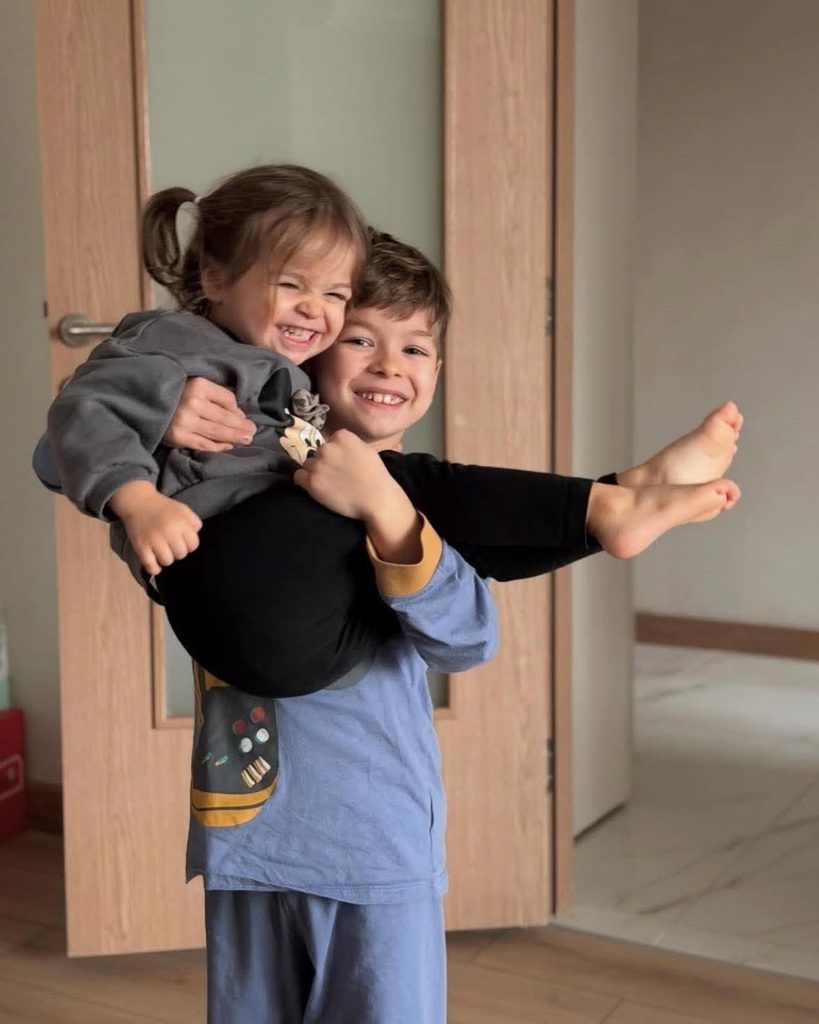
A thriving home makes room for daily moments of genuine, focused attention between parents and kids. This pairs well with How to Encourage Siblings to Get Along Better, since a fair, calm home reduces sibling friction.
Even fifteen minutes of undivided attention each day can meaningfully strengthen your bond with each child.
Put phones away during this time, so the attention you give feels complete and genuinely present. Let kids choose the activity sometimes, so the time feels like something they genuinely look forward to.
Over time, these small daily moments build a lasting sense that home is a place of connection.
Even a short chat during a routine task, like folding laundry, can count as real quality time. This habit teaches kids that they matter, which quietly supports their confidence and overall emotional health.
This time does not need to be planned or elaborate to make a real, lasting difference.
Kids who receive consistent daily attention often show fewer attention-seeking behaviors throughout the rest of the day. This small daily habit often reduces bigger behavior problems that quietly grow from feeling unnoticed.

Encourage Outdoor Play Around the Home
Time outdoors supports physical health, emotional balance, and healthy energy levels for growing kids each day. This connects well with How to Plan Screen-Free Family Fun Every Weekend, since outdoor play fits a thriving home.
Make it easy for kids to get outside, with simple items like balls, chalk, or a small garden patch.
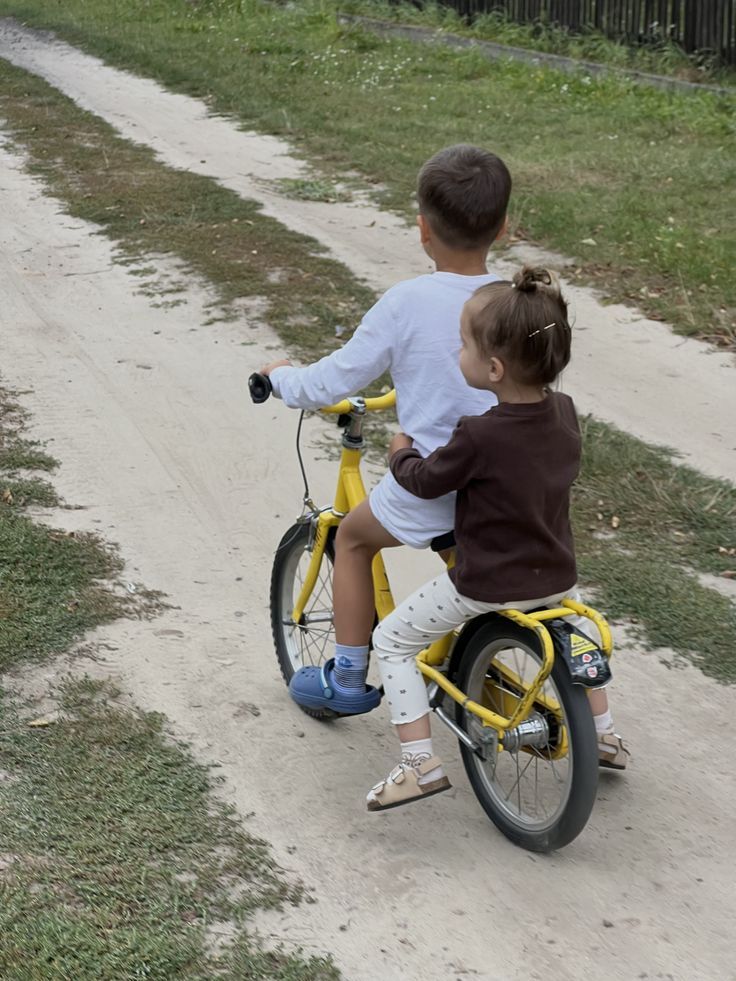
Even a small yard, balcony, or nearby park can provide valuable space for daily movement and play. Build outdoor time into the routine, like a short walk after dinner or a weekend park visit.
Over time, regular outdoor play helps kids burn energy, improve their mood, and sleep better each night.
Join in sometimes, since kids often remember parent-involved outdoor play more vividly than any solo activity. This habit also naturally reduces screen time, since outdoor play offers an appealing, active alternative.
This approach works even in small living spaces, since creativity matters far more than square footage.
Kids often become calmer and more focused after spending regular, unstructured time playing outside each day. Even a short, muddy afternoon outside can leave kids happier and more settled by evening.
Keep Clutter Under Control
A cluttered home can quietly increase stress, making it harder for kids and adults to feel settled. Try keeping shared spaces reasonably tidy, so the home feels calm rather than chaotic and overwhelming.
Involve kids in simple tidying routines, like putting their toys away before bedtime each evening.
This habit builds responsibility while also keeping the household environment noticeably calmer and more welcoming. Give belongings a clear home, like a labeled basket or shelf, so kids know where things belong.
Over time, these simple systems reduce daily frustration, since nobody wastes energy searching for missing items.
Even a ten-minute nightly tidy can meaningfully shift how calm the home feels each morning. This habit does not require perfection, just enough order to keep the household running smoothly.
Rotate toys occasionally, keeping only a few out at a time, so kids stay engaged without overwhelm.
Kids often play more creatively when surrounded by fewer, well-chosen items rather than overflowing, constantly cluttered spaces. Try boxing up half the toys for a month, then rotating them back for a fresh feeling.
Model the Behavior You Want to See
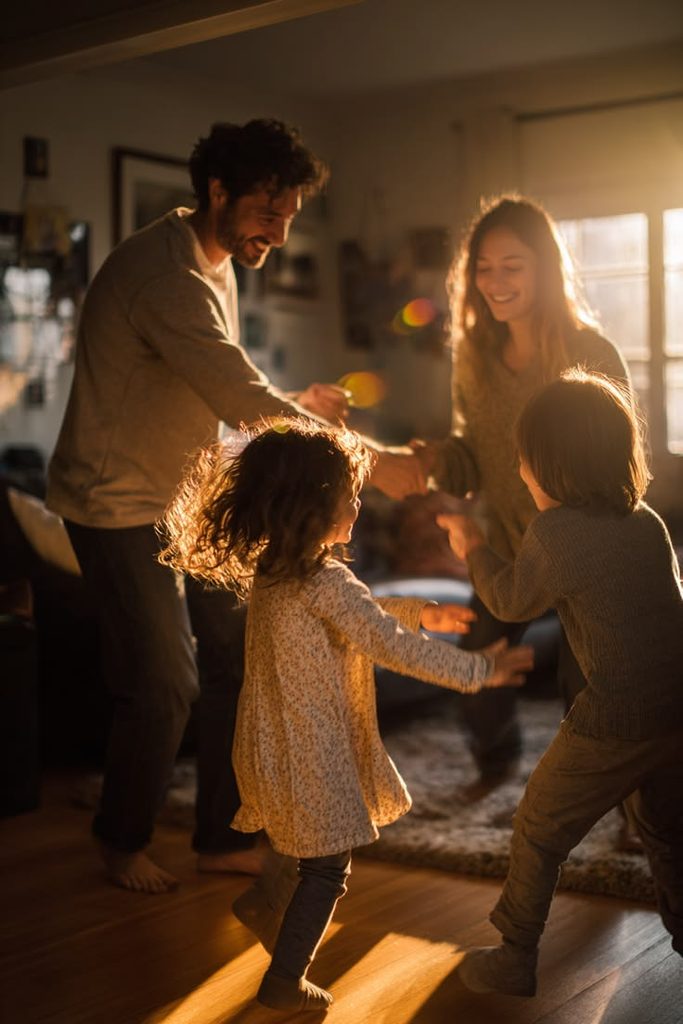
Kids learn far more from what parents do than from what parents say during lectures or reminders. If you want a calm, kind, respectful child, model those exact behaviors in your own daily actions.
Notice how you handle frustration, disagreement, and stress, since kids watch these moments very closely.
Apologize when you make a mistake, since this teaches humility and accountability more effectively than any lecture. Narrate your own choices sometimes, like saying you are taking a breath before responding to something upsetting.
Over time, modeled behavior becomes one of the most powerful tools for shaping a child’s habits and character.
Even small, everyday choices, like speaking politely to a cashier, quietly teach kids how to treat others. This approach requires honest self-awareness, since kids notice quickly when words and actions do not match.
This modeling takes consistency, especially during stressful or exhausting weeks when patience naturally feels harder to maintain.
Kids raised around consistent, respectful behavior often develop those same habits with surprisingly little direct instruction. This quiet, steady example often shapes a child’s character more deeply than any single planned lesson.

Give Kids Age-Appropriate Responsibilities
Giving kids small responsibilities builds confidence, independence, and a genuine sense of contributing to the household. Start with simple tasks, like setting the table, feeding a pet, or putting away toys.
Increase responsibilities gradually as kids grow, matching each task to what a child can realistically handle.
This approach teaches kids that they are valued members of the household, not just passive guests. Praise effort and follow-through, rather than expecting perfection, so kids feel encouraged to keep contributing.
Over time, small responsibilities build habits of reliability and care that carry into school and later life.
Even young kids can help with simple tasks, and they often take real pride in doing so. This habit also reduces the workload on parents, while building genuine teamwork within the home.
Keep expectations clear and consistent, so kids know exactly what is expected of them each day.
Kids often rise to meet expectations, especially when they feel trusted with something genuinely meaningful. Trust often grows both ways, since kids who feel trusted usually become more trustworthy over time.

Create a Consistent Bedtime and Wake-Up Routine
A steady sleep routine supports mood, behavior, and learning, making everyday life noticeably smoother for the whole family.
Try keeping bedtime and wake-up times roughly consistent, including on weekends whenever it is reasonably possible. Build a short, calming routine before bed, like a bath, a story, and a quiet chat.
This predictable wind-down helps kids relax, which naturally supports easier, faster falling asleep each night. Keep the bedroom calm and dark, and avoid screens in the hour before bedtime whenever possible.
Over time, a steady routine reduces bedtime battles, since kids learn to expect and accept the sequence.
Even a slightly imperfect routine still provides more stability than no routine at all for most children. This habit also gives parents a small window of connection at the end of every day.
Well-rested kids tend to handle emotions, challenges, and daily frustrations far more calmly than tired ones.
Consistent sleep quietly supports almost every other habit discussed throughout this guide for building a thriving home. Even small improvements to sleep routines can noticeably lift mood, focus, and cooperation within a few weeks.

Stay Patient as Kids Grow and Needs Change
A home that helps kids thrive keeps adapting, since a toddler’s needs look very different from a teenager’s. Check in occasionally about what is working, and adjust routines, rules, and spaces as kids grow.
open to feedback from your kids, since older children often have useful ideas about what helps.
This flexibility keeps the home responsive rather than stuck in habits that no longer fit. Remember that no home is perfect, and small, steady effort matters far more than flawless execution.
Over time, consistent patience builds a home where kids feel safe, supported, and genuinely free to grow.
Even hard seasons, like a difficult school year, can pass more gently within a steady, loving home. This patience also models resilience, teaching kids that setbacks are a normal part of life.
Start with one small change this week, and let the rest build naturally over the coming months.
Years from now, your kids will likely remember how the home felt far more than how it looked. Small, steady effort across many ordinary days tends to matter more than any single perfect improvement.
Leave a Reply