Mealtime is not just for eating food, it’s also a time where the family gets to chat and bond. A shared meal offers a natural, repeated chance to slow down and genuinely connect daily.
This ties into How to Create Family Traditions Your Kids Will Remember Forever, since a repeated ritual often becomes tradition. It does not need to be fancy or elaborate to genuinely bring everyone closer together each day.
This guide walks you through simple, practical ways to make family mealtime something everyone actually looks forward to. None of these ideas require gourmet cooking, a big budget, or a perfectly organized kitchen.
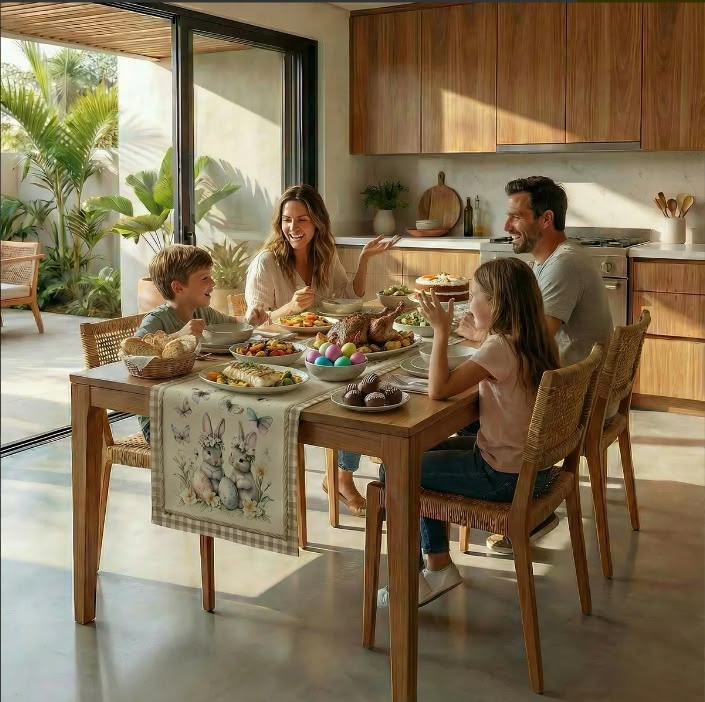
How to Make Family Mealtime More Enjoyable
Why Mealtime Matters for Family Bonding
Mealtime brings everyone into the same room, focused on the same shared, ordinary activity together. Unlike many other daily tasks, eating naturally slows people down long enough to actually talk.
This built-in pause is genuinely rare during an otherwise busy, fast-moving family schedule most days.
Kids often remember these small daily moments more vividly than they remember most bigger, planned family events.
Even a simple, quick meal can spark real conversation, laughter, and small, meaningful moments of connection. Mealtime also gives parents a natural, low-pressure window into how their kids are actually feeling.
Over time, this daily ritual becomes something the whole family quietly relies on for connection. Start noticing how mealtime already feels in your home, since some good habits may already exist.
Even one improved meal each day can noticeably shift the overall tone of family life.
This small daily investment often matters more than one single, elaborate special occasion each year. Try improving just one meal this week, rather than attempting to overhaul the entire routine.
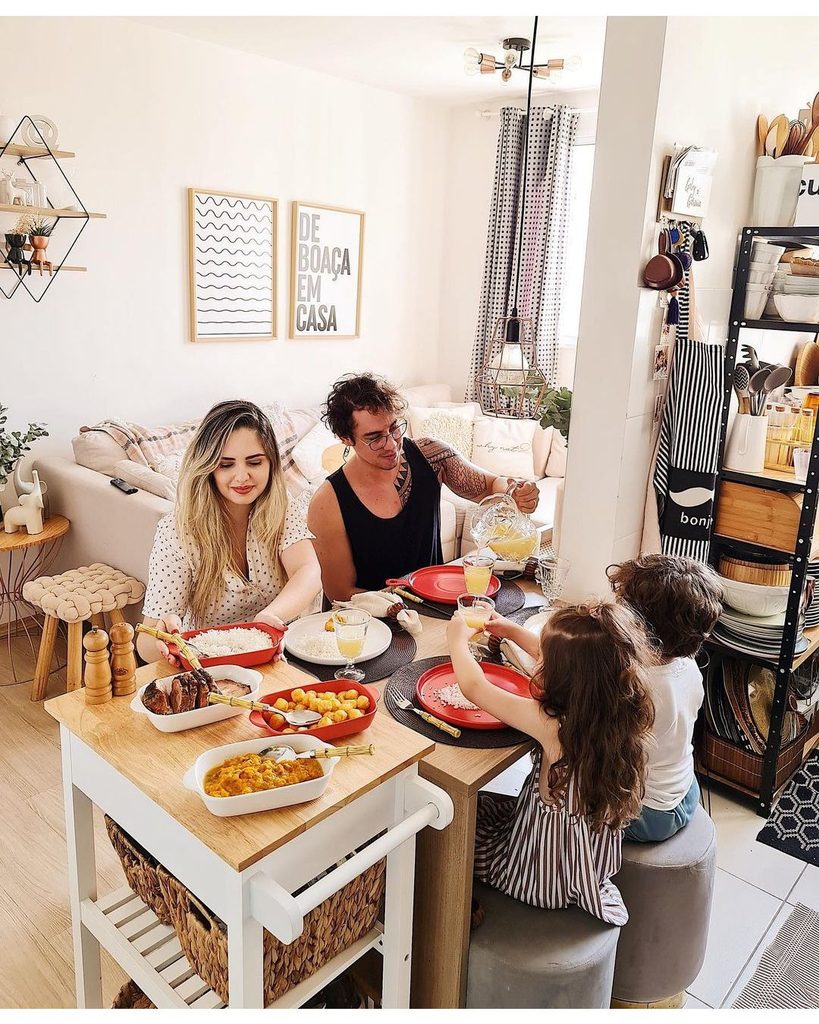
Set a Consistent Mealtime Schedule
A consistent mealtime schedule makes shared meals far easier to actually protect from a busy day.
This ties into How to Build Strong Family Connections Through Simple Habits, since a repeated slot builds real daily consistency. Try to eat at roughly the same time each day, even if the exact menu changes.
Write the schedule somewhere visible, so it becomes an expected part of the household’s daily rhythm.
Avoid constantly shifting mealtime around other activities whenever reasonably possible, since consistency matters more than perfect timing. Even a rough, approximate schedule still beats no schedule at all when building this kind of habit.
Kids start expecting mealtime once it becomes a reliable, predictable part of the daily routine. Over time, this small scheduling decision quietly turns into one of the family’s most valued daily rituals.
Protect this time from other plans whenever reasonably possible, treating it like any other important commitment.
Even a shortened version of the meal still counts on evenings that turn out unexpectedly busy. Kids tend to remember the effort of gathering more than the exact length of the meal.

Make Phones and Screens Off-Limits at the Table
Phones and screens quietly compete with the connection that mealtime is genuinely meant to build.
This ties into How to Reduce Screen Time Without Daily Arguments, since one clear mealtime rule removes most daily negotiation. Set a simple house rule that phones and tablets stay away from the table entirely.
This small boundary helps everyone stay genuinely present, rather than half-distracted by an incoming notification. Apply this rule to adults as well, since kids notice quickly when rules apply only to them.
Even a single screen-free meal can feel refreshingly different from a typical, distracted evening at home.
Over time, this rule becomes an accepted, expected part of the mealtime ritual itself entirely. Kids often relax more once they know a screen will not interrupt the shared, focused conversation.
This small habit also models healthy screen boundaries in a way that feels natural rather than restrictive.
Even one consistent screen-free meal a day can meaningfully shift how connected the household feels overall. Kids often stop asking about their phones entirely once the table conversation feels genuinely engaging.

Ask Engaging Questions Instead of Yes-No Ones
The questions asked at the table shape how much real conversation actually happens during the meal. Avoid simple yes-or-no questions like “did you have a good day,” which often end the conversation quickly.
Ask something more specific instead, like what made someone laugh or what felt hard that day.
Specific questions like these invite a real, detailed answer instead of a quick, one-word response. Give your full attention while someone answers, without rushing them along or checking your phone at the same time.
Follow up on something mentioned yesterday to show that you actually remembered and genuinely cared.
Over time, this habit builds real trust and shows kids their daily experiences truly matter to you. Even a two-minute exchange like this can strengthen your bond more than a longer, distracted conversation.
Try preparing a few open-ended questions ahead of time for evenings when conversation feels slow to start.
This small preparation can make a noticeable difference on nights when everyone seems especially tired or quiet. Keep a small running list of questions on your phone, ready for exactly these quieter evenings.
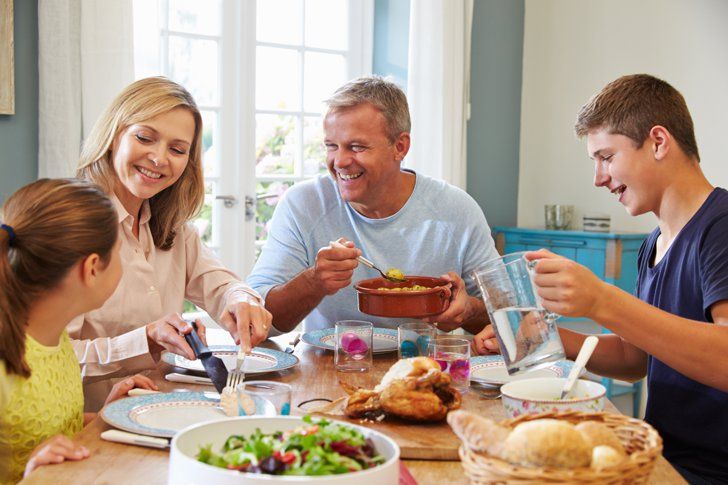
Let Kids Help Prepare the Meal
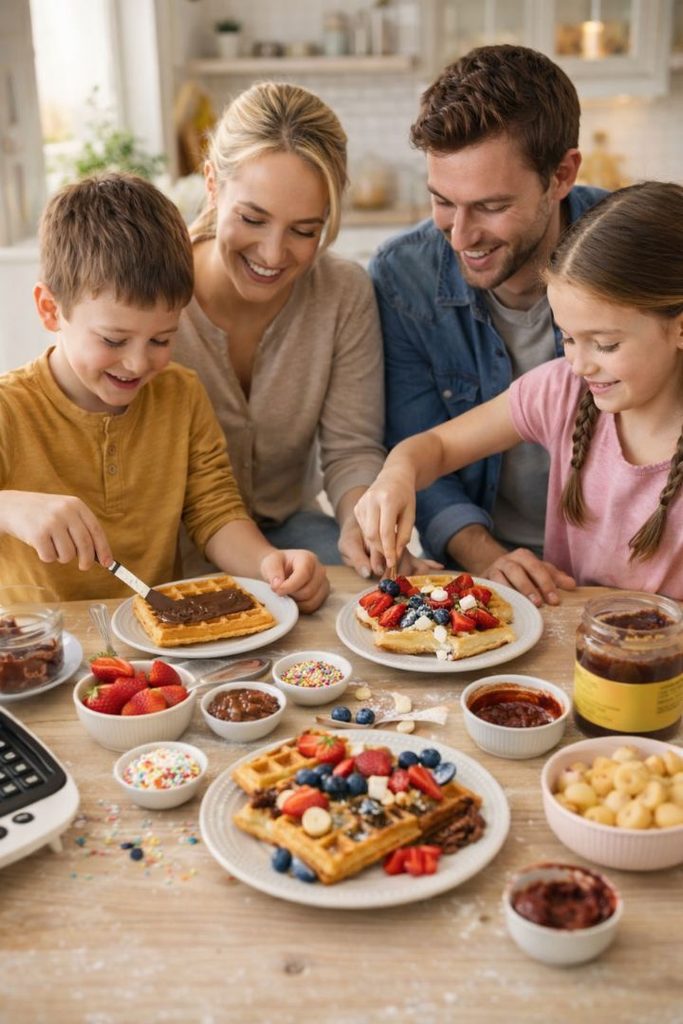
Involving kids in meal preparation turns cooking into a shared, connected activity rather than a solo chore. Let your child stir, pour, or decorate, even if the process takes a little longer this way.
This shared task naturally requires patience, teamwork, and plenty of back-and-forth conversation along the way.
Kids feel proud when they helped make the meal everyone is now enjoying together at the table. Even simple tasks, like setting the table or washing vegetables, count as meaningful, real participation.
This shared time also quietly teaches kids practical skills they will use for the rest of their lives.
Over time, kids often remember these kitchen moments far more than the actual meals themselves. Try picking one simple recipe each week that your child can help prepare from start to finish.
Let your child make small decisions during the process, even if their choices are not always perfect.
Even a slightly messier kitchen is a fair trade for the connection built during this shared time. Keep a towel handy and treat the mess as part of the process rather than a problem.

Keep the Mood Light and Relaxed
A relaxed, unhurried mood at the table naturally invites more conversation than a rushed, tense atmosphere. Avoid using mealtime as the moment for serious lectures or difficult, heavy conversations whenever possible.
Save bigger discussions for a calmer, separate moment, so meals stay associated with connection rather than stress.
This does not mean avoiding real topics entirely, just choosing the timing more thoughtfully and carefully. Keep your own tone calm and warm, since kids take emotional cues directly from the adults around them.
Over time, a consistently relaxed mealtime mood becomes part of what makes the ritual feel genuinely enjoyable.
Even a slightly playful tone, like a silly joke, can shift the mood of an entire meal. Kids often relax and open up more once they trust that mealtime will not turn tense.
This light approach keeps mealtime feeling like a welcome pause, rather than something anyone dreads or avoids.
Even a stressful day outside the home can be softened by a genuinely calm, relaxed dinner table. Try taking a deep breath yourself before sitting down, so your own mood sets a calmer tone.

Include Everyone in the Conversation
Make sure every family member gets a genuine chance to speak during the shared meal together. This pairs well with How to Encourage Siblings to Get Along Better, since fair conversation time reduces sibling competition.
Quieter kids especially benefit from a parent gently making space for them to share something.
Ask a direct question to a quieter child sometimes, rather than only responding to the loudest voice. Avoid letting one family member consistently dominate the entire conversation, even unintentionally, night after night.
Rotate whose turn it is to share first, so everyone gets equal time across the week.
Over time, this habit builds a sense of fairness that makes every family member feel genuinely heard. Even a shy or quiet child often opens up once they trust their turn will actually come.
This inclusive approach strengthens the sense that mealtime belongs equally to every single person at the table.
Kids notice and appreciate when a parent makes deliberate space for quieter voices to be heard. Over time, quieter kids often become more willing to speak up once they trust their turn comes.

Try a Rotating Family Trivia or Game
A quick trivia question or small game can add playful energy to an otherwise ordinary meal. Check out How to Plan Memorable Family Game Nights for more game ideas that work well around a table. Try a simple “would you rather” question or a quick round of twenty questions sometimes.
This does not need to take long, since even a few minutes can shift the entire mood. Let kids take turns coming up with the question or game for the evening’s meal.
Even a short, silly game can turn a quiet, tired meal into something genuinely fun and memorable.
Over time, this small addition becomes something kids actually look forward to during the meal. Kids often remember these small trivia moments long after they forget the actual meal itself.
This habit costs nothing and requires no advance planning, which makes it easy to repeat often.
Even a losing round in a silly guessing game usually still ends in shared laughter. Keep a small notebook of favorite trivia questions, so new ones are always ready to use.

Share Gratitude Before Eating
Taking a moment to share something you are grateful for can shift the entire tone of a meal. This connects well with How to Raise Grateful Kids in a Busy World, since this habit builds real, lasting gratitude.
Ask each person to share one small thing they appreciated from earlier in the day.
This does not need to be religious or formal, just a genuine moment of reflection together. Keep it brief, so the habit stays sustainable even on busy, exhausted weeknights at home.
Over time, kids start noticing good things throughout their day, simply to have something to share later.
Even young kids can participate with something as simple as naming a favorite part of their day. This habit shifts the tone of the meal toward appreciation, rather than only complaints or logistics.
Model the habit yourself by sharing your own gratitude first, before asking your kids to share theirs.
Even a single sentence of shared gratitude can meaningfully shift the mood of the entire table. Over weeks, this small habit often spreads naturally into conversations outside of mealtime as well.

Make Weekend Meals a Little Special
Weekend meals offer a natural opportunity to slow down even more than a typical rushed weeknight dinner.
This connects well with How to Plan Screen-Free Family Fun Every Weekend, since a relaxed meal fits that idea. Try a slightly longer breakfast, a special weekend recipe, or eating somewhere different, like outside.
Even small changes, like using real plates instead of the usual convenient paper ones, can add occasion. Let kids help plan the special weekend meal, so they feel invested in making it feel different.
Over time, this small weekly variation becomes something the whole family quietly looks forward to.
Even a slightly longer, slower weekend breakfast can become a small, cherished part of the week. This approach does not require extra cooking skill, just a little extra time and intention.
This small addition to the weekly routine costs little but adds real texture to the family’s week.
Kids often remember these slightly special weekend meals long after they forget most weeknight dinners entirely. Even a small addition, like fresh flowers or cloth napkins, can mark the meal as special.

Keep the Table Setting Simple but Inviting
A slightly thoughtful table setting can make mealtime feel more special than a rushed, chaotic meal. This connects closely with How to Create a Home Environment Where Kids Thrive in several genuinely practical ways
. Dim the lights a little, add a simple centerpiece, or play soft background music sometimes.
These small touches signal that this particular meal is worth slowing down and paying attention to. Let kids help set the table, so they feel invested in the meal before it even begins.
Even a simple tablecloth or a favorite playlist can add a small sense of occasion to dinner.
Over time, this small setup ritual becomes part of the anticipation that builds throughout a busy day. Kids often start looking forward to the setup itself, almost as much as the meal that follows.
This approach costs very little but meaningfully shifts how special an ordinary weeknight meal ends up feeling.
Even a slightly tidier table can noticeably change the mood of the entire family gathering. Try adding one small, consistent touch each week, like the same candle or the same music.
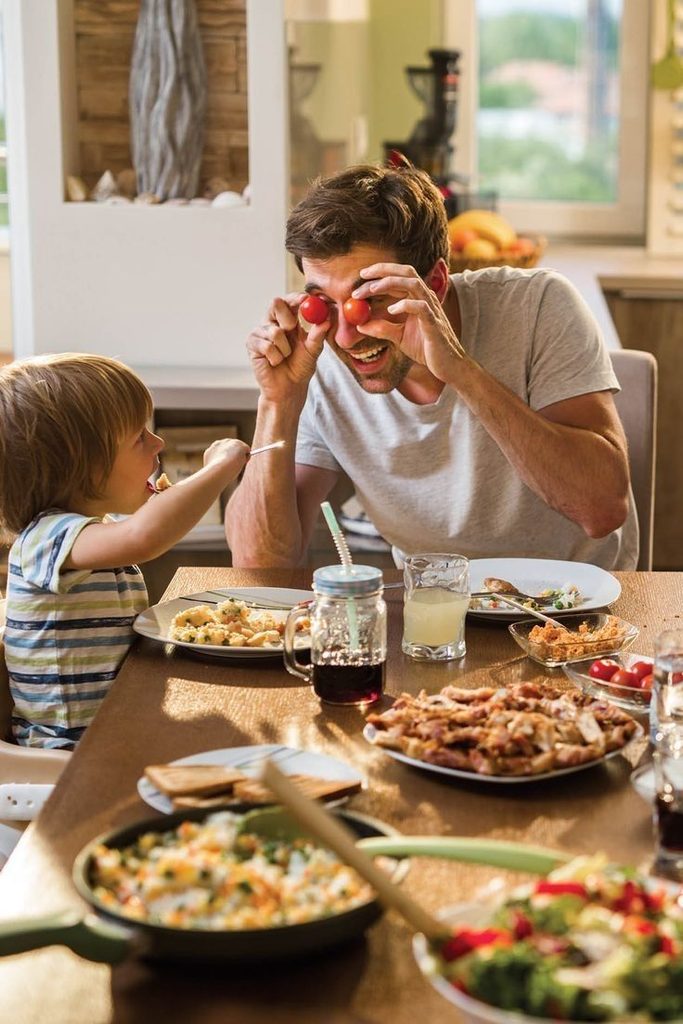
Rotate Who Picks the Menu
Letting each family member take turns choosing the meal keeps everyone genuinely invested in mealtime itself. This small habit prevents one person’s preferences from constantly dominating what the whole family eats together.
Rotate the choice each week, so every family member gets a fair and predictable turn eventually.
Even young kids can point to a favorite simple meal during their turn to choose something. This habit also introduces the family to meals they might never have otherwise tried or discovered together.
Kids tend to show up with more enthusiasm when they helped pick the evening’s chosen meal.
Over time, this rotation builds a shared sense of fairness that reduces complaints about what is being served. Even a simple chart on the fridge can help track whose turn it is each week.
This small system teaches kids to think about others, since not every week features their own personal favorite.
Kids often surprise parents with genuinely thoughtful or adventurous choices once they are actually given the option. This small freedom also builds decision-making confidence that carries over into other areas of life.
Use Mealtime for One-on-One Moments Too
Mealtime does not always need to include the entire family to genuinely count as quality time. This pairs well with How to Spend More Quality Time with Your Kids, since even a quick breakfast alone counts.
Try grabbing a quick snack or an early breakfast with just one child sometimes each week.
This gives that child a moment of undivided attention, away from sibling competition for airtime. Rotate which child gets this small one-on-one moment, so every child eventually gets their own turn.
Even fifteen minutes alone over a simple snack can meaningfully strengthen your bond with that child.
Over time, these small one-on-one meals become something each child quietly looks forward to having. Kids often open up more honestly when a sibling is not around to overhear or interrupt.
This approach does not need to be elaborate, since even a shared bowl of cereal genuinely counts.
Even a rushed weekday breakfast alone together can become a small, treasured moment over time. Keep expectations simple, since even a shared piece of toast still counts as real connection.

Keep Meals Short Enough for Younger Kids
Younger kids often struggle to sit still through a long, drawn-out family meal without becoming restless. Keep meals reasonably short, especially on nights when younger children are particularly tired or restless already.
This does not mean rushing through connection, just being realistic about a young child’s actual attention span.
A shorter, engaged meal often works better than a longer one that ends in frustration for everyone. Let younger kids leave the table once they have genuinely finished eating, rather than forcing them to sit longer.
Over time, keeping meals appropriately short helps younger kids build positive associations with family mealtime overall.
Even a fifteen-minute meal can include real conversation, as long as everyone stays reasonably present and engaged. This approach reduces the daily power struggles that often come from forcing an unrealistic length of time.
This flexibility does not mean abandoning structure entirely, just adjusting expectations to fit a younger child’s needs.
Kids often develop a more positive relationship with mealtime once the length feels appropriately realistic for their age. Adjust the expected length as kids grow older and can naturally sit through longer conversations.

Handle Picky Eating Without a Power Struggle
Picky eating is common, and turning it into a nightly power struggle rarely helps improve the situation. Offer a variety of foods without pressuring a child to finish everything on their plate.
Keep one familiar, reliably accepted food on the table alongside anything new being introduced that night.
This reduces mealtime anxiety for a picky eater, while still gently encouraging exposure to new foods. Avoid making mealtime primarily about what a child did or did not eat that particular evening.
Over time, a relaxed approach to picky eating often reduces mealtime stress for the entire family.
Even repeated small exposures to a new food, without pressure, can gradually shift a child’s willingness to try it. This approach keeps mealtime focused on connection, rather than becoming a nightly negotiation over vegetables.
This patience pays off over months, even when progress with a picky eater feels frustratingly slow.
Kids often become more adventurous eaters once mealtime feels calm rather than like a nightly battle. Progress with a picky eater often looks like small, gradual steps rather than sudden, dramatic change.

Create a Simple Weekly Mealtime Tradition
A small, repeated mealtime tradition gives kids something steady to look forward to every single week. Maybe it is Friday pizza night, Sunday pancakes, or a specific meal made only on birthdays.
Traditions do not need to be elaborate to feel meaningful and worth genuinely looking forward to.
Let kids help choose the tradition, so they feel genuine ownership over the shared weekly ritual. Even a simple, five-minute tradition can anchor an otherwise unpredictable and genuinely busy weekly schedule.
Kids often bring up these small traditions years later, long after they have technically outgrown certain foods.
Over time, a single small tradition can become the meal your family is quietly known for. Protect this small ritual from being crowded out by other plans or last-minute daily distractions.
Even one consistent weekly meal tradition can carry real connection and genuine warmth across the entire year.
Write the tradition down somewhere safe, so it survives even as schedules and seasons continue to change.

Involve Extended Family at the Table Sometimes
Mealtime does not always have to stay limited to just your own immediate household members. Invite grandparents, cousins, or close family friends to join a meal every once in a while.
Extended family often brings fresh stories, different perspectives, and extra warmth to an otherwise ordinary weeknight meal.
Even a simple weeknight dinner can feel like a small event once more people gather around the table. This also gives kids a chance to bond with extended family in a relaxed, low-pressure setting.
Rotate who gets invited, so the responsibility and fun get shared evenly across different relationships over time.
Over time, these occasional larger meals can become a cherished seasonal variation on the usual routine. Kids often remember these bigger, livelier meals long after the specific menu has been forgotten.
Keep these gatherings simple, since elaborate cooking can quietly get in the way of genuine, relaxed connection.
Even a simple potluck-style meal can feel special once more familiar faces are gathered together. Keep the guest list flexible, so these gatherings can happen without much heavy advance planning.

Keep Showing Up, Even on Rushed Nights
Some nights will always be too rushed for a full, relaxed sit-down family meal together. A shortened, ten-minute version still counts and helps maintain the overall rhythm of the daily ritual.
Do not let a busy night completely cancel the habit, since consistency matters more than duration here.
Even a quick, standing snack shared together can count as a small, meaningful version of the ritual. Protect at least a small version of mealtime, rather than skipping it entirely during genuinely busy stretches.
Over time, this flexible approach keeps family mealtime alive through busy seasons that would otherwise derail it.
Kids notice and appreciate the effort, even when the meal ends up shorter than usual that night. Even an imperfect, rushed meal still beats skipping the ritual altogether during a genuinely hectic week.
Start small again tomorrow if tonight did not go entirely as planned or hoped for.
Years from now, your kids will likely remember the consistency far more than any single rushed evening. Small, steady effort across many ordinary meals tends to matter more than any single perfect dinner.
Leave a Reply