Turn off the big light, switch on one small flashlight, and suddenly the living room is a mountain wilderness. Somewhere beyond the blanket walls, owls hoot, wolves howl, and the kitchen is a distant, dangerous river.
Children do not need a mountain, a lake, or a long drive to feel the thrill of camping. They need only a cozy tent, a campfire story, and a parent willing to say yes to adventure.
An indoor camping adventure brings all the magic of the outdoors inside, with none of the mud, bugs, or cold. This guide shows you how to build the tent, plan the games, cook the snacks, and enjoy the night.
Everything uses ordinary household items, so you can plan the whole trip in one relaxed afternoon. More ways to stay off screens appear in 17 Screen-Free Activities for Kids Who Are Bored at Home.
Camping at home works for a single afternoon, a full evening, or a night under the blankets. It also works for any season, because the weather outside never gets to cancel the trip.
Many children remember their first indoor campout for years, and parents often enjoy it just as much. Pack your imaginary backpack, and let us set up camp together before the sun goes down.

How to Create an Indoor Camping Adventure for Children
Why Indoor Camping Is Such a Great Idea
Indoor camping gives children the excitement of an expedition, without the cost, the travel, or the weather. Nervous first-time campers can try it at home, where the bathroom is close and the bed is soft.
The adventure builds imagination, because children invent roles, stories, and challenges as they set up the camp. It also builds teamwork, since everyone must help to build the tent, gather supplies, and tidy the site.
On wet days, pair this plan with 31 Rainy Day Activities for Kids That Need Almost No Preparation.
Camping encourages family time, because the whole group shares one small space and one cheerful goal. Children also learn practical skills, like packing a bag, following a map, and caring for a camp.
A campout is a screen-free evening that feels like a special occasion rather than a punishment. Even reluctant children are often won over by the promise of a flashlight and a late snack.
Camping at home also lets parents stay calm, since a comfortable kitchen and a warm bed are close. The experience costs almost nothing, and the memories it creates are worth far more than any trip.
Planning ahead helps everything run smoothly, so let us begin with the choice of the campsite.
Choose the Perfect Camp Spot
The best campsite is a space where children can spread out, settle down, and feel a little bit hidden. A living room, a playroom, or a large bedroom usually offers plenty of space and a soft floor.
Choose a room with a rug or carpet, because hard floors feel cold and noisy during sleepovers.
Garden campers will love 33 Backyard Activities for Kids Who Love Exploring for daytime fun.
Move furniture to the walls, and clear a flat area large enough for the tent and a campfire circle. Keep the camp away from stairs, fireplaces, radiators, and any heater that could become too hot.
Choose a room near the bathroom, so night trips are short and safe for small campers. Make sure the room has good ventilation, and open a window slightly when the space feels stuffy.
Dim the lights, and draw the curtains, so the room feels like a real camp at dusk. Decorate the walls with paper trees, paper stars, and a few drawings of mountains and rivers.
Let children help choose the spot, because shared decisions make the whole adventure feel more exciting. A well-chosen spot sets the stage, and children settle into the camping mood almost immediately.

Build a Cozy Tent or Fort
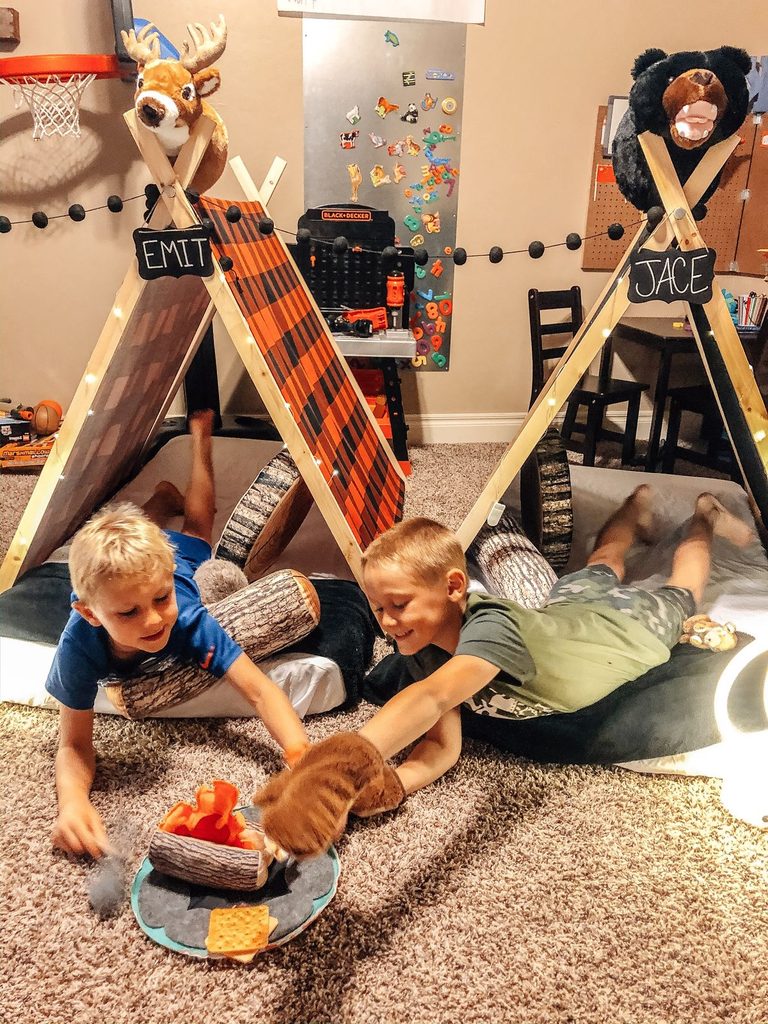
The tent is the heart of the camp, and building it together is half the adventure. Drape a large blanket over two chairs, or tie a sheet between a sofa and a bookcase.
Hold the edges down with heavy books, clothespins, or cushions, and leave a small doorway to crawl through.
Builders may enjoy How to Build a Minecraft-Inspired Obstacle Course in Your Living Room before the tent.
Line the floor with soft blankets, sleeping bags, and pillows, so the tent feels warm and inviting. Add a string of battery lights or a small lantern, and the inside glows like a real campsite.
Test the tent before anyone enters, and make sure the structure is stable and nothing can fall. Keep fabric away from lamps, heaters, and hot bulbs, because cloth can catch fire when it touches heat.
Allow plenty of airflow by leaving one side open, because small tents can feel stuffy quickly. Practice setting up the tent once earlier, so the evening runs smoothly when the children arrive.
A pop-up play tent is a good alternative, and it saves time for busy parents. Let children decorate the tent with paper flags, stickers, or a hand-painted sign with its name.
A sturdy, cozy tent gives children a space that is truly their own, which they treasure deeply.

Make a Camp Map and Trail
Every camp needs a map, and children love exploring a trail that leads from the tent to adventure. Draw a large map on paper, with a river, a mountain, a forest, a cave, and a campfire.
Name each spot, such as Bear Cave, Moonlight Lake, or Whispering Woods, and children will adore the names.
Draw the trail with ideas from How to Make a Home Treasure Map for a Children’s Adventure.
Mark the trail on the floor with paper footprints, so children can follow the path around the room. Set up trail stops, such as a bridge made from a blanket and a river made from blue fabric.
Give each child a small notebook, and ask them to record what they find along the trail. Place a few treasures along the route, like pinecones, shiny stones, or small toys wrapped in paper.
Keep the trail clear of toys, cords, and anything that could trip a child in dim light. Younger children can follow a simple trail with colored stickers, while older ones can read written clues.
Let children lead the group along the trail, and take turns as the map reader and scout. A good trail gives the camp a story, and a story gives the camp a heart.
Gather Camping Gear From Around the House
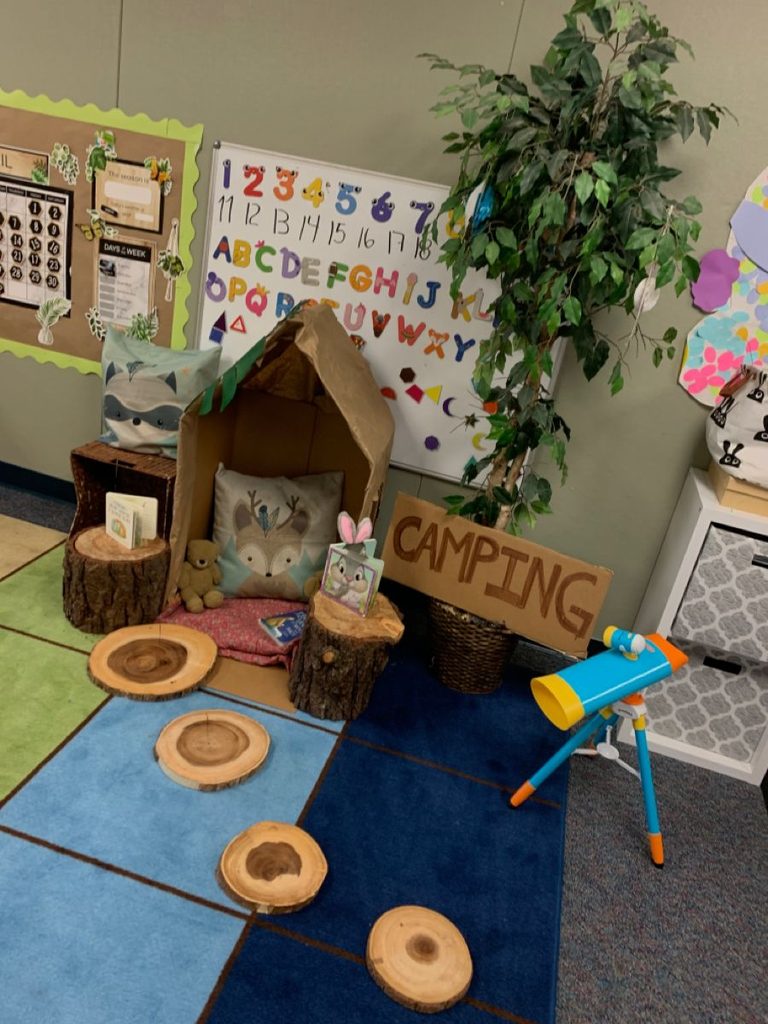
You already own most of the gear, and a quick tour of the house will reveal everything you need. Collect flashlights, blankets, pillows, sleeping bags, and a few backpacks for the little explorers to carry.
Use a plastic bowl as a washing basin, and a small towel hanging from a hook.
Store all gear in a box, as in How to Make a Kids’ Boredom Basket That Encourages Independent Play.
Pack a small first-aid kit, a water bottle, and a few wipes for sticky hands. Prepare a pretend backpack for each child, with a toy compass, a notebook, and a pencil.
Add binoculars made from cardboard tubes, and children will search the whole room for wildlife. Use battery lanterns and flashlights rather than candles, because open flames are never safe indoors.
Check that every flashlight works before the evening, and keep spare batteries in a small bag. Wash and dry every item beforehand, so the camp starts clean and fresh for everyone.
Store small items like batteries out of reach of toddlers, because batteries are dangerous when swallowed. Let children pack their own backpacks, because choosing gear makes them feel prepared and proud.
A little preparation turns a simple evening into a proper expedition, and children feel the difference.

Create a Pretend Campfire
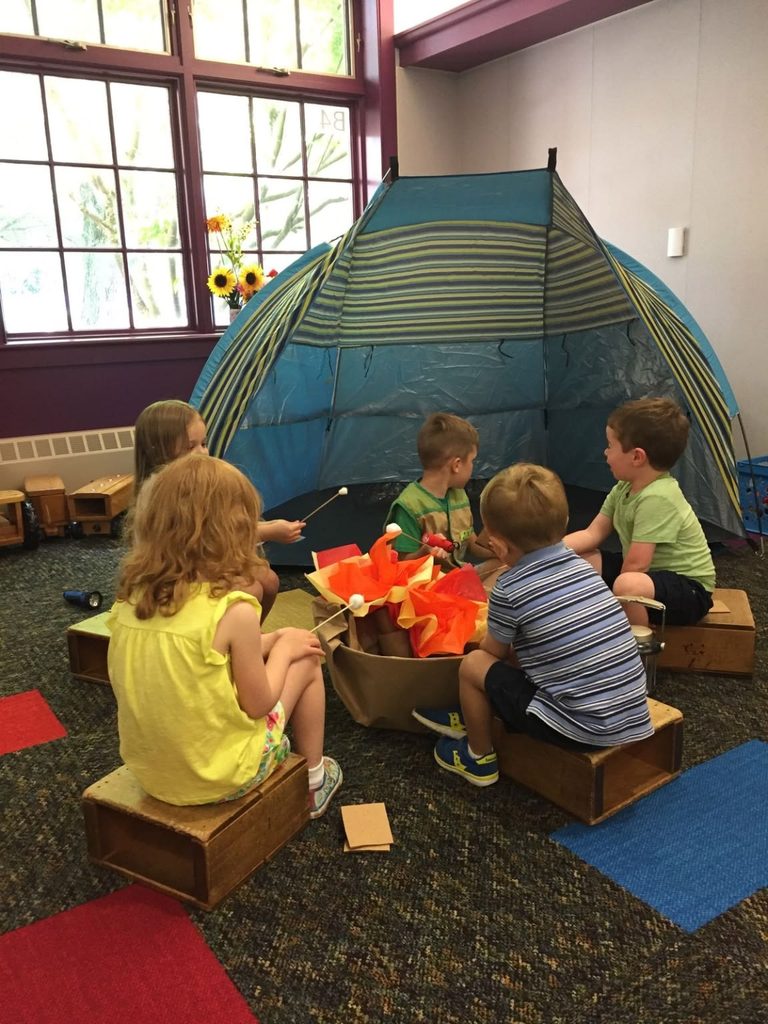
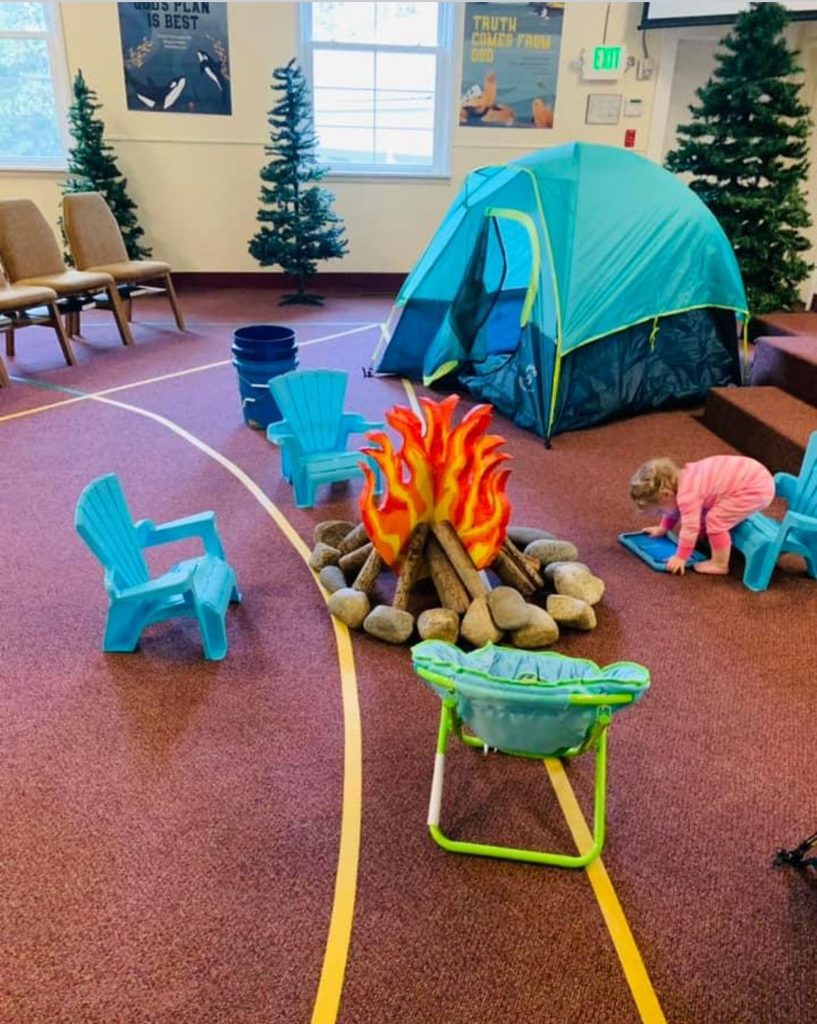
No camp is complete without a campfire, and a pretend one is safer, cleaner, and just as magical. Arrange a ring of pillows or cushions in the middle of the camp, and place a few cardboard tubes inside.
Crumple orange, red, and yellow tissue paper to look like flames, and tuck it between the logs.
Quiet fireside moments fit beside 35 Quiet Activities for Kids When You Need a Calm Afternoon.
Place a flashlight under the tissue paper, and the flames flicker beautifully in the dim room. Never use real fire, candles, matches, or lighters, because indoor flames are unsafe around children and fabric.
Sit in a circle around the fire, and children instantly feel the cozy mood of camping. Warm the scene with soft blankets, and let everyone wrap up as the evening grows darker.
The fire becomes the center of the camp, where stories, songs, and snacks happily gather. Keep the pretend fire a few feet from curtains, and make sure paper does not touch hot bulbs.
Use a battery tea light for extra glow, but check it is firmly sealed and out of mouths. A simple pretend fire brings warmth to the room, and children cannot resist gathering around it.
Cook Easy Camp Snacks
Camp food tastes better than anything else, and a few simple snacks make the evening feel special. Make trail mix from cereal, raisins, and small crackers, and serve it in paper cups.
Build small sandwich stacks with bread, cheese, and cucumber, and call them mighty camp towers.
Little helpers can join in using How to Turn Household Chores Into Fun Games for Children as inspiration.
Make pretend roasted marshmallows from soft banana slices on a plate beside the pretend fire. Serve warm milk or hot chocolate in cups that are only warm, never hot, for small hands.
Eat on a picnic blanket, and place a tray under each child to catch crumbs. Keep food simple and mess-free, because crumbs in a sleeping bag are no fun at midnight.
Cut grapes lengthwise, avoid whole nuts, and check for allergies, because small campers need extra care with food. Brush teeth after the snacks, and make that habit a proud part of the camp routine.
Let children help prepare the food, because making camp snacks is a lovely small adventure itself. Shared snacks around the fire create some of the warmest memories of the entire campout.

Go on an Indoor Nature Hike
A hike gives children a chance to stretch their legs, and the living room makes a surprisingly good trail. Lead the group around the room with backpacks and flashlights, and pretend to climb hills and cross streams.
Stop at each trail marker, and ask the hikers to spot an animal, a tree, or a hidden treasure.
Real nature clues appear in How to Plan a Nature Scavenger Hunt for Preschoolers for outdoor versions.
Hide paper animals around the room, such as a fox, an owl, a rabbit, and a bear. Give each hiker a checklist, and tick off every animal they find on the hike.
Make animal sounds as you walk, and the room fills with hooting, growling, and happy giggling. Walk slowly on rugs and carpets, because fast running near furniture in dim light can cause falls.
Teach children to whisper like real hikers, which makes the whole adventure feel quiet and mysterious. Stop for a water break halfway through, and let everyone rest on the camp blanket.
If the weather allows, take the hike outside to the garden for a real taste of nature. Indoor hikes teach observation and patience, and children enjoy the sense of purpose they bring.

Tell Campfire Stories and Sing Songs
Stories around the fire are the soul of camping, and children listen with wide eyes and open hearts. Choose gentle tales about forests, animals, and friendship, and speak in a low, slow, cozy voice.
Ask children to add a sentence to the story in turn, and watch the tale grow.
Gentle forest tales appear in How to Plan a Winnie-the-Pooh-Inspired Story and Honey Hunt for the circle.
Keep scary stories mild, because small campers can easily feel frightened when the lights are low. Sing quiet songs together, such as lullabies, rounds, and simple tunes that children already know.
Teach a short camp song with hand movements, and children will sing it all week. Play a memory game by asking each child to share a favorite moment from the day.
Tell a story about the camp itself, using the names of the children as the heroes. Pause at exciting moments, and let the children guess what might happen next in the story.
Whisper the final line of the story, and the whole circle will lean in closer. Comfort any child who feels nervous, and offer a cuddle, a soft toy, or a gentle change of tale.
Stories shared in the glow of the fire often become the favorite part of the whole adventure.

Put On a Shadow and Puppet Show
Shadows dance beautifully on a tent wall, and a flashlight is all you need to start a show. Hang a white sheet across the tent opening, and place a flashlight behind the performers.
Use hands and paper shapes to make rabbits, birds, bears, and trees that move across the sheet.
Full puppet instructions appear in How to Set Up a Simple Puppet Show Activity for Kids for evening shows.
Children enjoy guessing each shadow, and the guessing game keeps the whole audience happily involved. Make simple puppets from paper bags, socks, or spoons, and let them star in the camp story.
Create a bear puppet, an owl puppet, and a fox puppet to act out a forest adventure. Let shy children speak through the puppets, because a puppet voice often feels much safer.
Keep the flashlight steady and the sheet well secured, so nothing falls on small performers. Take turns as performers and the audience, and every child enjoys both roles equally well.
End the show with a bow and a round of applause, and the performers will glow. Shadow theater is cheap, simple, and magical, and it often becomes a favorite camp tradition.

Play Camp Games Before Bed
A few active games before bedtime help children burn off energy, and they make settling down easier. Play Flashlight Tag, where one child shines a light and others freeze when the beam finds them.
Try a camp scavenger hunt in the dark, with glowing items hidden around the room.
Active campers can try 17 Indoor Games for Kids That Help Them Burn Off Energy before bedtime.
Play Animal Charades, where children act out forest creatures and the others guess each one. Set up a ring toss using paper plates and a cardboard tube, and see who scores best.
Finish with calmer games, such as quiet storytelling, shadow guessing, or counting stars on the ceiling. Keep the games gentle on carpet, and avoid running when the room is dim and cluttered.
Always keep flashlight beams away from eyes, because bright light can hurt and dazzle small campers. Move from lively games to quiet ones gradually, so tired bodies slow down with the evening.
Offer a small prize for the best flashlight dance, and watch the room light up. Let children vote for the final game, because choosing the finale makes everyone feel important.
Good games create happy tiredness, and happy tiredness is the secret of a calm camp night.
Add Camp Roles, Badges, and Rules
Roles give every child a purpose, and rules keep the camp friendly, safe, and calm. Assign jobs such as camp leader, fire keeper, map reader, snack chief, and nature scout.
Rotate the jobs each hour, so every child has a turn at every important role.
Camp heroes can train with How to Create a Superhero Training Course for Kids before the trip.
Make paper badges for each role, and stick them to shirts with tape or soft stickers. Agree on a few camp rules together, such as walk slowly, speak softly, and share the flashlight.
Write the rules on a big paper sign, and hang it near the entrance of the tent. Award a camp badge to each child at the end, such as Bravest Explorer or Kindest Camper.
Let children decorate their own badges with markers, and the awards feel even more personal. Praise kindness and teamwork more than speed, so every child feels valued in the group.
A camp leader can help with small tasks, which gives older children a proud sense of responsibility. Keep rules few and simple, because children remember three clear rules far better than ten complicated ones.
Roles and rules give the camp a sense of order, and children feel safe inside that structure.

Wind Down With Stargazing and Sleep
As the evening ends, a calm routine helps children move gently from excitement to sleep. Stick glow-in-the-dark stars on the ceiling of the tent, or poke holes in a dark paper roof.
Lie on your backs, and ask each child to find a favorite star and name it.
End the night with How to Organize a Kids’ Movie Night With Games and Activities for a cozy finish.
Switch off bright lights, and let one soft lantern glow while everyone settles into sleeping bags. Read a short bedtime story in a quiet voice, and children soon grow drowsy and warm.
Remind everyone where the bathroom is, and keep a small night light shining in the hallway. Say goodnight to the stars together, and let the quiet settle over the whole camp.
Keep one adult awake nearby until the children are asleep, because some campers may feel nervous. If a child wants to return to their own bed, welcome the decision without any disappointment.
Never allow children to sleep with cords, loose strings, or heavy objects near their faces. Check on sleeping children quietly during the night, and keep the camp area clear and tidy.
A calm ending gives the whole adventure a peaceful finish that children carry into their dreams.

Adapt the Adventure for Different Ages and Needs
A toddler and a ten-year-old camp very differently, so adapt the plan to suit every child. Toddlers enjoy a short afternoon camp with a low tent, simple snacks, and one easy story.
Keep toddler camps very short, and stay beside them, because small children tire and fret quickly.
Little diggers may enjoy How to Create a Dinosaur Dig Activity Using Sand and Toy Fossils on camp mornings.
Preschoolers love props, costumes, and pretend play, so give them plenty of simple imaginative tools. School-age children enjoy challenges, such as reading maps, solving riddles, and building their own tents.
Older children can plan the whole evening, from the schedule to the snacks and the stories. Mixed groups work well when older children guide younger ones and share the exciting jobs.
Children who dislike the dark can have extra lights, a night light, and a parent close by. Children with sensory needs may prefer quiet music, soft blankets, and a predictable and gentle routine.
Ask parents about allergies, fears, and sleep habits before inviting friends to join the campout. A flexible plan lets every child enjoy the adventure at their own pace and in their own way.
Pack Up and Avoid Common Mistakes
When the adventure ends, pack up the camp together, and make cleanup part of the fun. Fold blankets, return pillows, switch off lanterns, and carry the gear back to its proper place.
Take down the tent carefully, and check every corner for lost toys and leftover crumbs. Save the map, the badges, and the pretend fire props in a box for the next expedition.
Now consider the common mistakes, so your next campout is even smoother than the first. The first mistake is using real candles or fire, which is never safe in a house.
The second is planning too much, which leaves children tired and parents frustrated by bedtime. The third is ignoring a nervous child, when a gentle reassurance would solve the whole problem.
The fourth is forgetting to join in, because children love camping most when a parent shares it. Avoid all four, and your indoor adventure will feel safe, cozy, and wonderfully memorable for everyone.
Write down what worked best, and your next campout will be even easier to plan and enjoy.

Final Thoughts: The Best Campsite Is Home
Turn off the big light, switch on one small flashlight, and the whole world becomes an adventure. You now know how to pick the spot, build the tent, create the fire, and tell the stories.
You also know how to keep children safe, comfortable, and cheerful from the first flashlight to the last yawn. None of this needs a mountain or a budget, only a few blankets, a little imagination, and your company.
The real treasure of any campout is the quiet time spent together under a blanket roof. Long after the tent is gone, your children will remember the stories, the snacks, and the stars.
So gather the blankets, find the flashlights, and let the first indoor adventure begin tonight. The mountains can wait, because the best campsite for your family is already waiting at home.
Leave a Reply