Attention, new recruit: a sealed envelope has arrived, and inside is a mission that only the bravest child can finish. Capes are tied, masks are on, and the living room has quietly turned into the world’s most dangerous training ground.
Every child secretly believes they could be a hero, and a good training course gives that belief somewhere to run. With cushions, tape, and a little imagination, you can build a course that tests strength, speed, courage, and kindness.
This guide shows you how to plan the stations, make the costumes, and run the whole mission with confidence. Everything uses household items, and children can help to build, name, and decorate every part of the course. True heroes also learn that kindness matters, so the course includes helping tasks as well as jumping ones.
More screen-free missions await in 17 Screen-Free Activities for Kids Who Are Bored at Home. The course suits toddlers with gentle versions and older children with real challenges, so everyone can join. Many parents find that a single training session leaves children proud, tired, and surprisingly cooperative.
Even a tired parent can pull off this course, because heroes need only simple tools and big hearts. Grab your cape, brave recruit, because the first mission of your hero training begins in five minutes.
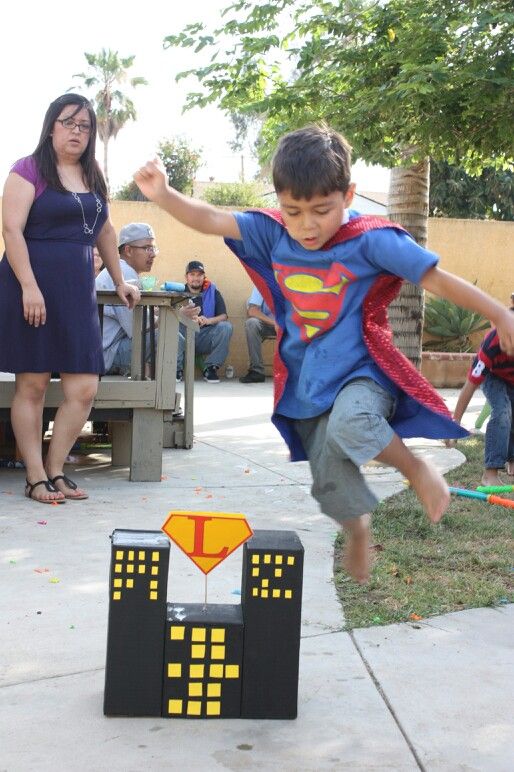
How to Create a Superhero Training Course for Kids
Why Hero Training Appeals to Children
Children love heroes because heroes are brave, strong, and kind, and every child hopes to be like them. A training course lets children practice those qualities with their bodies instead of only dreaming about them.
Climbing, jumping, balancing, and crawling build strength and coordination, and they feel like heroic acts. Pretending to be a hero also builds confidence, because children feel brave when they wear a cape.
Even rainy days cannot stop heroes, especially with 31 Rainy Day Activities for Kids That Need Almost No Preparation nearby.
Shy children often grow bolder as heroes, because the costume becomes a kind of courage. Hero training teaches rules and fairness too, because real heroes follow the rules and help others.
It also gives children a safe place to release energy, which often prevents bedtime battles later. Siblings can train together, and rivalry softens when everyone belongs to the same hero team.
The activity costs almost nothing, because cushions, scarves, and old sheets make perfect training equipment. Parents enjoy it too, since cheering for a small hero is one of life’s great pleasures.
A simple training day can leave children feeling mighty, and that feeling lasts long after the cape comes off.

Create a Hero Name and Secret Powers
Every hero needs a name, and choosing one is the first thrilling step of the whole training. Ask your child to invent a hero name, such as Captain Thunder, Silver Star, or Super Spoon.
Then choose a secret power, such as super speed, super hearing, invisible footsteps, or a laser smile.
Collector heroes may enjoy How to Plan a Pokémon Treasure Hunt for Kids for monster-catching missions.
Write the hero name and power on a card, and add a drawing of the hero in action. Invent a hero motto, such as courage and kindness, and teach it to every member of the team.
Create a hero handshake or salute, and children will use it proudly throughout the training. Choose powers that match the child’s real strengths, such as being fast, helpful, funny, or very observant.
This approach helps children see their own abilities, which builds a quiet and lasting confidence. Practice announcing the hero name together, and children will stand taller with every dramatic repeat.
Avoid copying characters that frighten, and keep the powers gentle, silly, and inspiring for younger children. Let every child choose a different power, so every hero feels special and needed on the team.
A hero name turns an ordinary child into a legend, and children love hearing it announced aloud.
Make Capes, Masks, and Badges
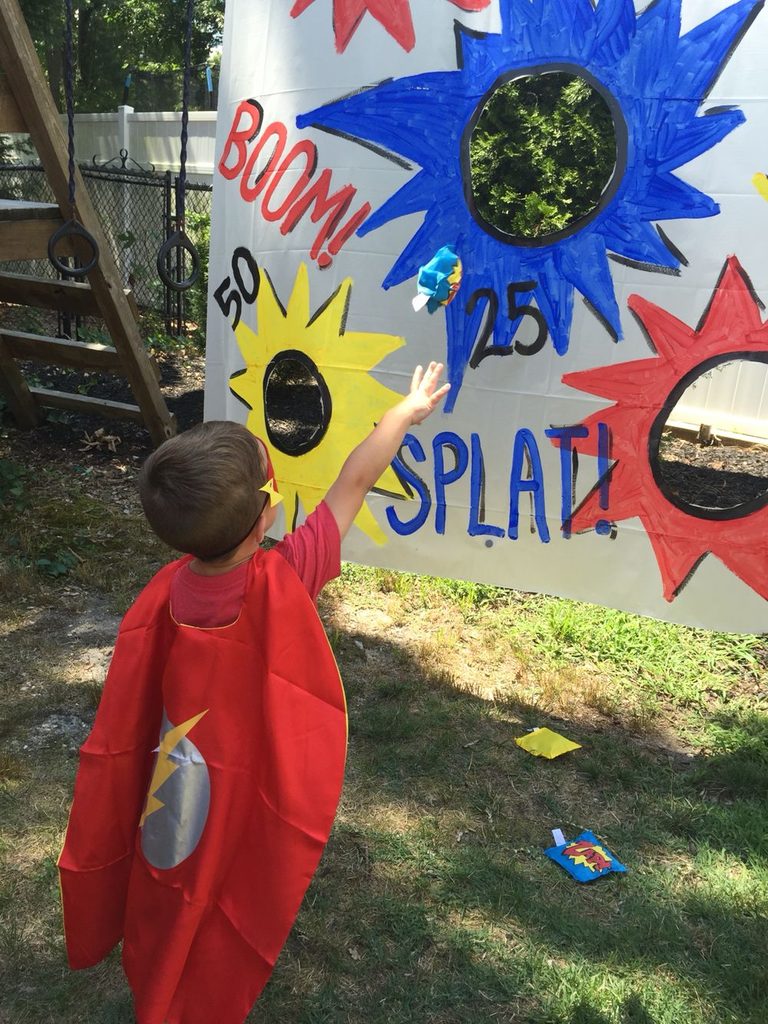
Costumes make heroes feel real, and they are easy to make from items you already own. Tie a towel around the neck for a cape, using a soft knot that is easy to undo.
Make a mask from cardboard, felt, or paper, and use soft elastic or ribbon to hold it in place.
Store the costumes in a box, like How to Make a Kids’ Boredom Basket That Encourages Independent Play.
Cut a badge from card, draw a symbol, and attach it to a shirt with a safe piece of tape. Add wristbands made from cardboard tubes cut in half and decorated with stickers and paint.
Let children decorate the costumes with markers, shapes, and glitter glue, and each hero looks wonderfully unique. Use soft materials and avoid tight neck ties, because capes can catch on furniture and hurt a child.
Choose masks that do not cover the eyes completely, because children need clear sight while they run. Remove capes during climbing and rough games, because loose fabric can strangle a child if it snags.
Keep glue and scissors under adult supervision, and use only child-safe materials for younger crafters. A handmade costume feels more powerful than a shop-bought one, because the hero helped to create it.
Plan the Training Course Stations
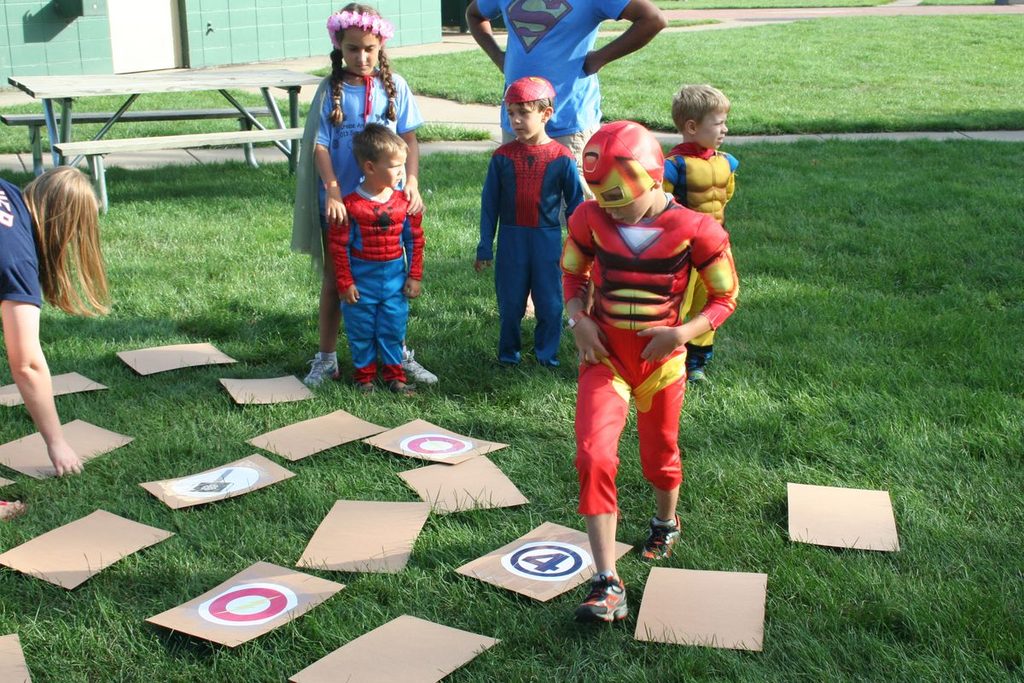
A good course has five or six stations, each testing a different and exciting hero skill. Plan stations for strength, speed, balance, brains, courage, and kindness, so every child can shine somewhere.
Sketch a simple plan on paper, and number the stations in the order that heroes will visit them.
Course builders will enjoy How to Build a Minecraft-Inspired Obstacle Course in Your Living Room as inspiration.
Clear a large space, and push furniture against the walls to create a safe running area. Mark each station with a paper sign, such as Strength Gym, Balance Bridge, or Brain Lab.
Use tape on the floor to mark the path, and arrows to show the direction. Keep each station short, around thirty seconds, so heroes keep moving and the line never grows long.
Test every station yourself first, because you will find wobbly cushions and awkward corners quickly. Draw the course map with your child, and the planning becomes part of the adventure.
Walk through the course once with your child, explaining each station in a clear and exciting voice. Keep jumps low and landings soft, and place a mat or rug under every station.
A well-planned course keeps children safe and busy, and it gives them a clear sense of progress.
Build the Strength Station
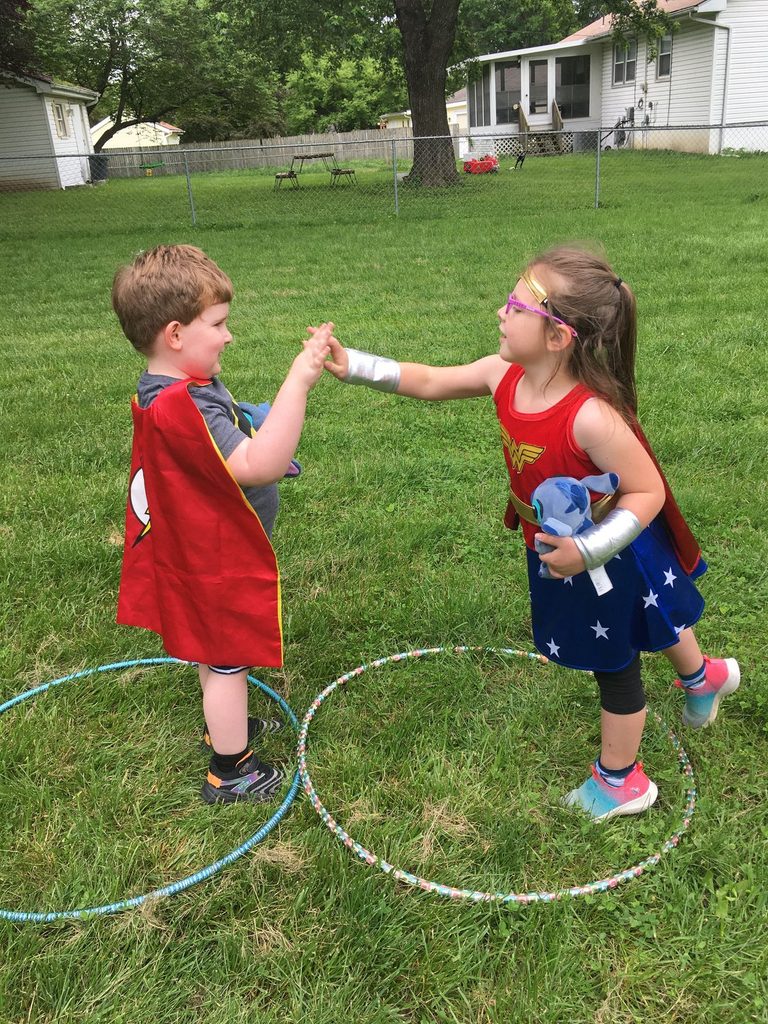
Strength training for small heroes is playful, and it uses their own bodies instead of heavy weights. Ask heroes to carry a pillow across the room, or push a laundry basket filled with soft toys.
Try bear crawls, crab walks, and frog jumps, which build arm and leg strength in a silly way.
More strength games appear in 17 Indoor Games for Kids That Help Them Burn Off Energy for extra training.
Let heroes hold a wall sit for ten seconds, and count aloud with the whole team. Invent a boulder lift, where a hero lifts a light cardboard box and carries it to safety.
Use light objects only, because heavy items can injure a child who tries to lift too much. Demonstrate each movement slowly, and watch that children keep their backs straight and their feet steady.
Stop a movement if a child looks tired or uncomfortable, and offer a drink and a rest. Praise effort rather than strength, and every child will feel mighty regardless of their size.
Strength games build muscles, balance, and confidence, and children love showing off their growing power. A strong hero is a careful hero, so teach children to move slowly and protect each other.
Build the Speed and Agility Station
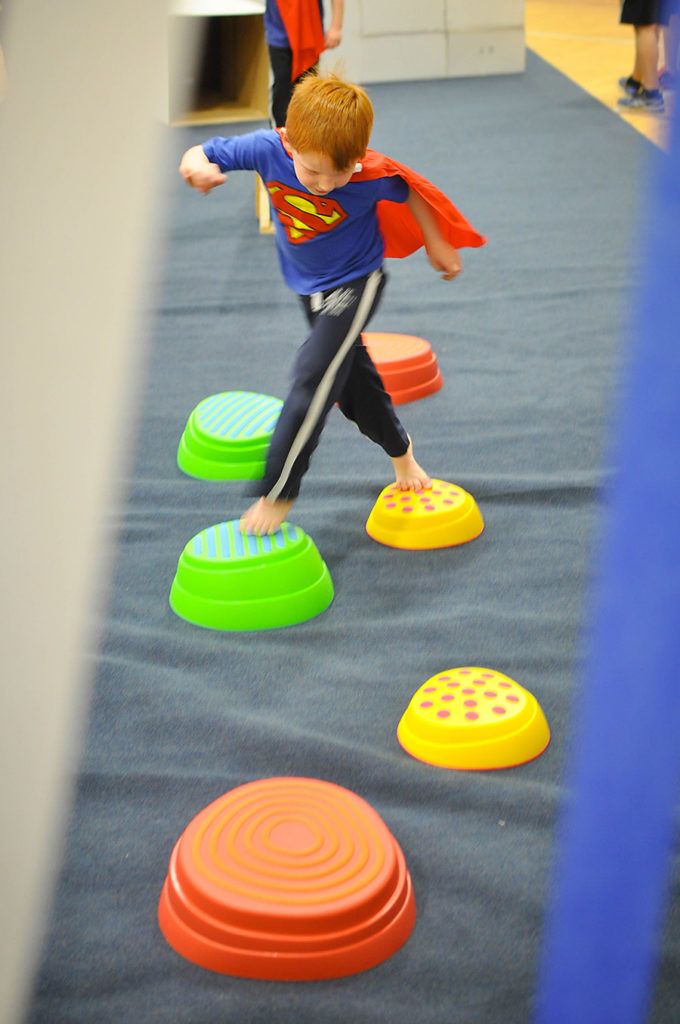
Speed and agility keep heroes safe, and quick feet are the secret of every great escape. Mark a straight path with tape, and ask heroes to run from one end to the other.
Set up cones or cups in a zigzag, and challenge heroes to weave through without touching any.
Outdoor missions appear in 33 Backyard Activities for Kids Who Love Exploring for sunny training days.
Add a laser maze made from yarn stretched between chairs, and ask heroes to crawl through carefully. Use yarn at knee height only, and keep it loose, so nobody can trip or tangle.
Time each run with a kitchen timer, and children try to beat their own best time. Avoid races between siblings, and race against the clock instead, so nobody feels like a loser.
Run on carpet or grass, and avoid slippery floors, because socks and polished wood are dangerous together. Warm up with a short jog on the spot and some arm swings before the first run.
Keep a water bottle at the finish line, because quick heroes soon become thirsty heroes. Speed games burn energy, and they give restless children a joyful way to move fast and safely.
Quick feet and careful hands make a perfect hero, and agility practice develops both together.

Build the Brain and Puzzle Station
Heroes need clever minds as well as strong bodies, so every course needs a brain station. Offer a simple puzzle, such as matching shapes, sorting colors, or finding the hidden key.
Write a secret code on a card, and give heroes a key to decode the message.
Secret maps appear in How to Make a Home Treasure Map for a Children’s Adventure for mission planning.
Hide a clue under a cup, and ask heroes to follow it to the next puzzle. Use picture puzzles for toddlers, and riddles or codes for older children who enjoy a challenge.
Add a memory test, where heroes look at five objects and then name them when covered. Give a hint card for each puzzle, so children never feel stuck for too long.
Praise clever thinking out loud, because children repeat the habits that earn attention from adults. Keep the puzzle area quiet and tidy, because thinking needs calm after the noise of the running.
Brain challenges build logic, memory, and patience, and many children are proud when they crack a code. A mind that loves puzzles is a hero’s best weapon, and children happily practice it for hours.

Add a Kindness and Rescue Station
The greatest heroes are kind, so every course needs a station where heroes help someone in need. Place a stuffed animal in danger, and ask heroes to rescue it gently and carry it to safety.
Add a helping task, such as setting the table or sorting the laundry, which heroes complete with pride.
Helping tasks become games with How to Turn Household Chores Into Fun Games for Children in hero style.
Create a first-aid station, where heroes give a teddy bear a bandage and a gentle hug. Ask heroes to say one kind thing to every member of the team before finishing the course.
Award bonus points for kindness, such as sharing a cape, helping a friend, or cheering for others. Explain that a hero is not the strongest person, but the person who helps when others need help.
This simple lesson sinks in deeply when children act it out with their own hands and hearts. Invite children to nominate each other for kindness medals, and watch generosity spread through the team.
Use only real toys and safe props, and keep the rescue gentle so nobody gets hurt in the excitement. Talk about real heroes, such as doctors, firefighters, and teachers, and the many ways they help others.
Kindness practiced in play becomes kindness practiced in life, and children carry the lesson well beyond the course.

Add a Water Defense Station
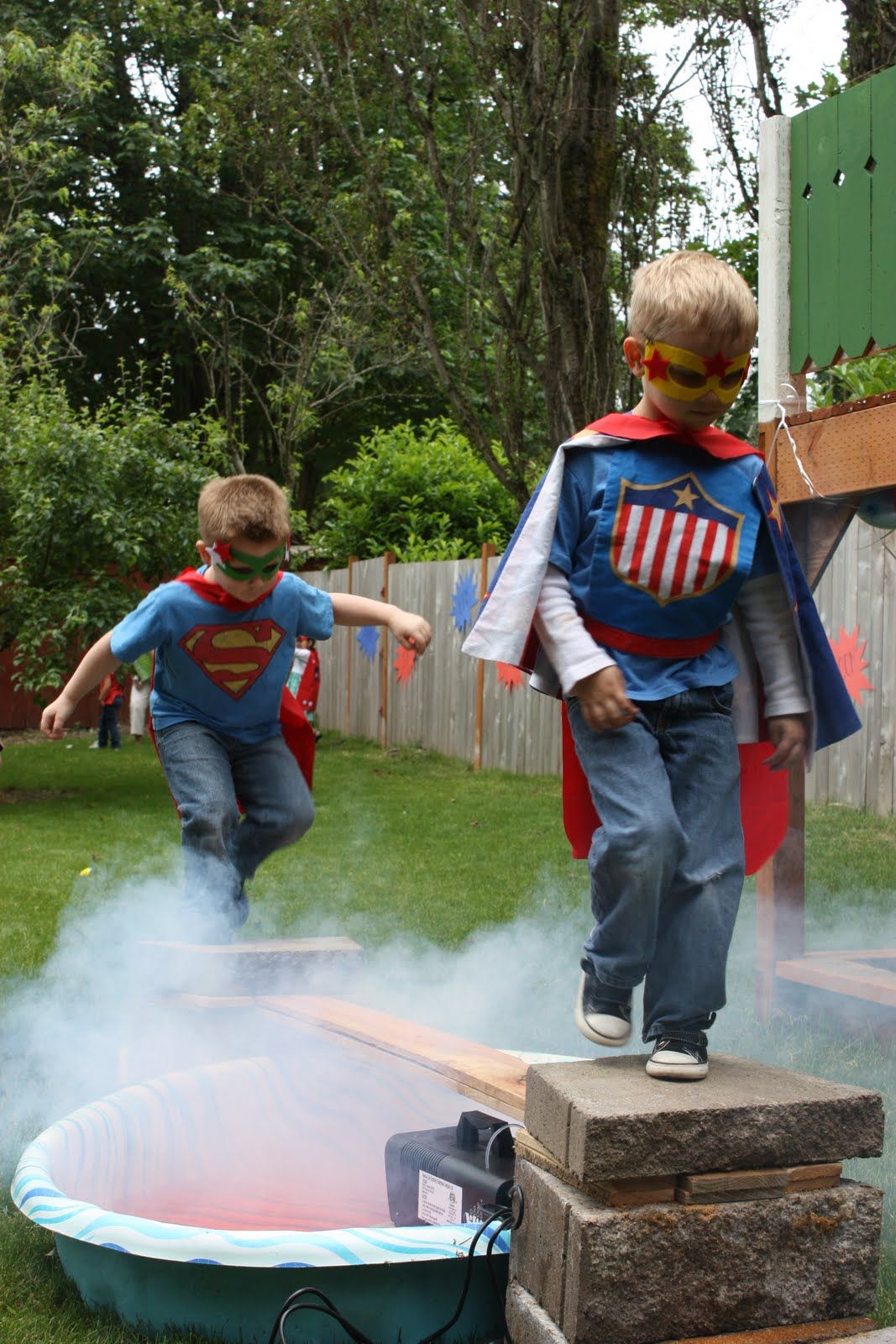
On a warm day, a water station gives heroes a chance to cool down and defend the city. Set up a shallow tub of wet sponges and a target, and ask heroes to put out an imaginary fire.
Heroes toss the wet sponges at paper flames taped to a fence, and the flames get soaked.
Splash missions appear in 27 Easy Water Play Activities for Toddlers for younger heroes on warm days.
Add a sprinkler run, where heroes dash through light spray to reach the safe zone. Keep the water shallow and the spray gentle, because strong jets can sting small faces.
Supervise every child near water at all times, because toddlers and young children can drown quickly. Place towels and dry clothes nearby, and wipe slippery spots so nobody slips on wet ground.
Apply sunscreen, and offer drinks, because heroes need strong bodies and cool heads on hot days. Skip this station on cold days, and replace it with a sock toss or a laser maze indoors.
Water missions add variety and fun, and children love the surprise of cool splashes during training. A hero who can handle water, wind, and sun is ready for any adventure the world might offer.

Give Missions and Secret Briefings
A mission gives the training a purpose, and a secret briefing makes the whole day feel important. Write a mission on a card, such as rescue the lost teddy, defeat the villain, and save the city.
Deliver the mission in an envelope marked top secret, and read it aloud in a serious voice.
Clue ideas appear in How to Create a Bluey-Inspired Scavenger Hunt at Home for secret missions.
Tell the heroes that only a team that works together can complete the mission successfully. Give each hero a role, such as leader, scout, rescuer, or codebreaker, and rotate the roles often.
Hide small clues around the room, and heroes collect them as proof of their progress. Include a villain who is silly rather than scary, such as Professor Sleepy or Captain Messy.
Let the villain’s plan be harmless, like stealing all the socks or hiding the cookies. Record each completed mission on a chart, and children will love watching the stars add up.
Complete the mission with a victory ceremony, where every hero receives a medal and a loud cheer. Keep missions positive, and avoid fighting games, because heroes solve problems with brains and kindness.
A good mission gives children a story to live inside, and that story powers the whole adventure.
Create Sidekicks and Villains
Every hero needs a sidekick, and stuffed animals make loyal helpers who never complain or tire. Let each child choose a sidekick, and give it a name, a cape, and a special job.
Sidekicks can sit at stations, wait at the finish line, or ride along in a hero’s backpack.
Sidekick puppets appear in How to Set Up a Simple Puppet Show Activity for Kids for extra characters.
A parent can play the villain with a funny voice, a paper mustache, and a ridiculous evil plan. Let the villain lose gracefully, and shout curses like drat and double drat when defeated.
Avoid frightening villains for young children, and keep every evil plan silly, small, and easy to stop. Create a villain lair with a cardboard box, where the stolen treasure is hidden for heroes to find.
Ask heroes to defeat the villain with kindness, such as a hug, a joke, or a surprise gift. Defeating a villain with kindness teaches children that gentle strength is the greatest power of all.
Older children may enjoy playing the villain themselves, which gives them a chance to be mischievous. Sidekicks and villains add humor and drama, and they turn simple training into a full story.
Adapt the Course for Different Ages
A course for a toddler and a course for a nine-year-old need very different challenges. Toddlers need low cushions, short tunnels, and bright signs, and an adult who stays close beside them.
Keep toddler courses very short, with three easy stations and lots of cheering from the sidelines.
Gentle hero play fits beside 35 Quiet Activities for Kids When You Need a Calm Afternoon for toddlers.
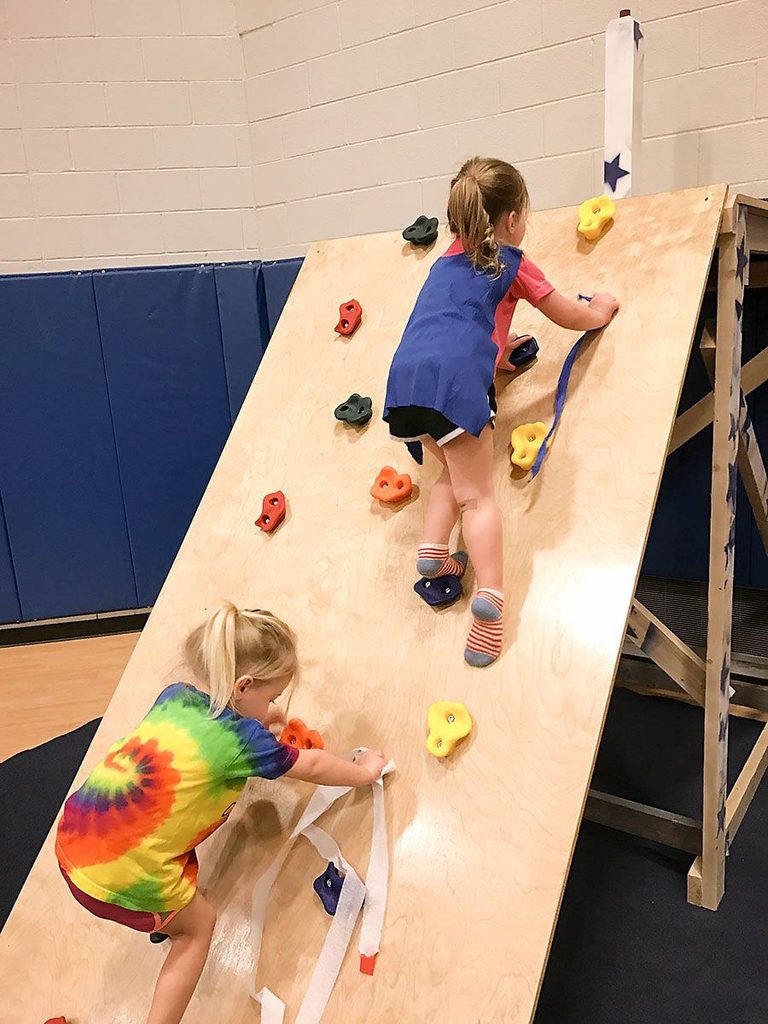
Preschoolers enjoy simple jumps, crawling tunnels, and picture puzzles, and they love wearing their capes proudly. School-age children enjoy timed runs, tricky puzzles, harder balance challenges, and more detailed secret missions.
Older children can design a course for younger siblings, which teaches planning, kindness, and responsibility. Mixed groups work well when older children act as trainers and younger ones act as heroes.
Children with different abilities can take part by choosing stations that match their strengths and comfort. Every hero has different powers, and a good course celebrates all of them without making comparisons.
Watch faces carefully, and adjust any station that causes frustration, fear, or discomfort right away. A course that fits every child makes every single child feel like a real hero.

Host a Superhero Birthday Party
A superhero party is easy to plan, because every guest already knows exactly how to play. Send invitations asking guests to come dressed as heroes, and provide spare capes for those without.
Greet each guest with a hero badge, and ask them to announce their hero name to the group.
End the party with How to Organize a Kids’ Movie Night With Games and Activities for a calm finish.
Run the training course in small groups, and give every group a leader and a sidekick. Hand out medals at the end, and let each hero choose a small prize from the treasure box.
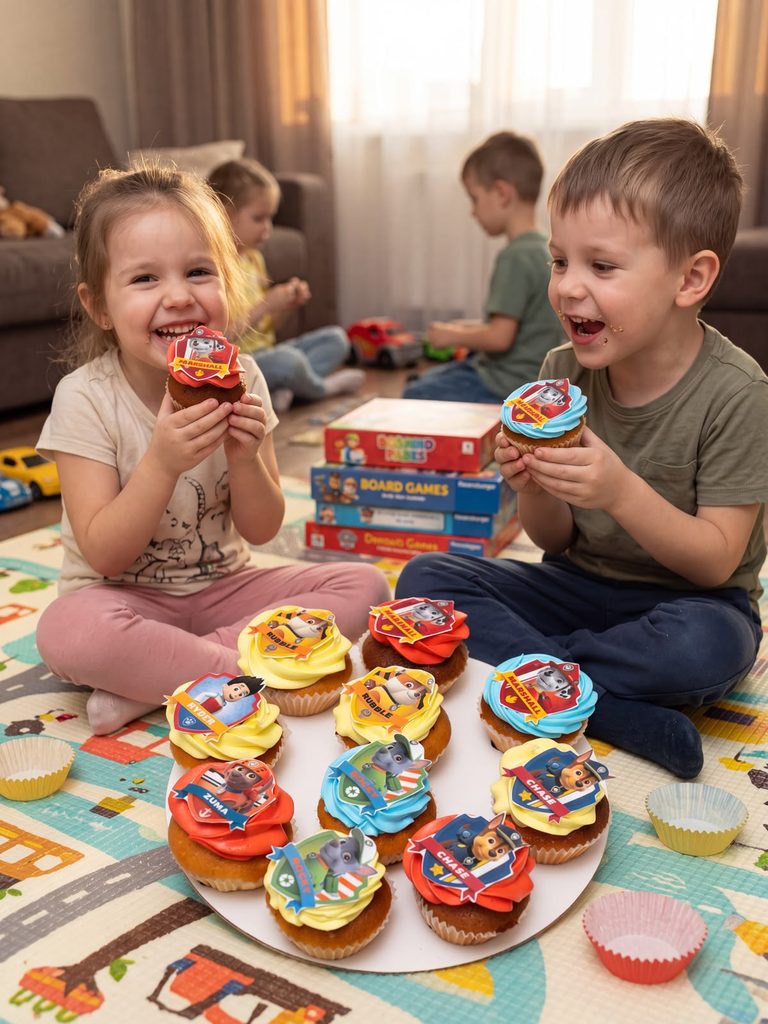
Serve hero snacks, such as strength sandwiches, laser cheese cubes, and power juice in small cups. Check with parents about allergies before serving any food, and offer water to every thirsty hero.
Keep the guest list small, ideally six to eight children, so every child gets many turns. Have two adult helpers nearby to guard the stations, hand out snacks, and cheer for every hero.
Take a group photo of the hero team in a dramatic pose, and parents will treasure it. Limit the party to about ninety minutes, because excited heroes tire quickly after hard training.
A hero party gives every child a chance to be brave, kind, and the star of the day.

Turn Training Into a Hero Sleepover
A hero sleepover turns a training day into a full adventure, with night missions and a secret base. Build a secret base from blankets and chairs, and decorate it with hero signs and stars.
Give each hero a flashlight, and send them on a night mission to find a hidden message.
Overnight missions fit How to Create an Indoor Camping Adventure for Children very naturally for brave sleepers.
Use dim lights rather than darkness, because heroes need to see obstacles and avoid collisions. Share a quiet snack in the base, and tell a short story about a brave hero.
Let every hero tell one brave thing they did during the day, and cheer for each story. Switch off bright lights, and let heroes settle into sleeping bags with their sidekicks nearby.
Remove capes before sleep, because loose fabric around a sleeping child is a safety risk. Keep one adult awake nearby, and check on the sleeping heroes quietly through the night.
Wake the heroes in the morning with a gentle message from headquarters, praising their brave work. A hero sleepover creates a memory that families retell for years, with laughter at every telling.
Clean Up and Avoid Common Mistakes
When the mission ends, announce that headquarters needs tidying, and heroes return every item to its place. Fold the capes, collect the cushions, and store the masks in a box for the next training day.
Wipe away any wet patches, and tuck away yarn, tape, and cones where small hands cannot reach. Keep the mission cards, and children can replay the same adventure on another rainy afternoon.
Now consider the common mistakes, so your first training day runs smoothly and everyone feels like a hero. The first mistake is building a course that is too hard, which leaves children discouraged and tearful.
The second is allowing capes during climbing or rough games, because loose fabric can cause serious injuries. The third is turning the game into fighting, when heroes should solve problems with kindness and cleverness.
The fourth is forgetting to join in, because children love training most when a parent plays too. Avoid these four, and your course will feel safe, joyful, and truly heroic for every child.
Write down which stations were favorites, and your next course will be even more exciting to run.

Final Thoughts: Every Child Is a Hero
Remember the sealed envelope, the tied capes, and the living room that became the world’s most dangerous training ground? You now know how to plan the stations, make the costumes, and run missions full of courage and kindness.
You also know how to keep every child safe, adapt for each age, and celebrate each hero. None of it needs expensive gear, only cushions, scarves, a few signs, and a parent willing to play.
The most important lesson of all is that real heroes are brave enough to be kind. So tie on a cape, pick a hero name, and open the first sealed mission today.
Somewhere in your home, a hero is waiting, and the world is about to be saved.
Leave a Reply