Splash may be the happiest word a toddler knows, and it waits in every puddle, bowl, and bath. Watch a one-year-old discover that water moves, drips, pours, and sparkles, and you will see pure scientific wonder.
Water play costs almost nothing, calms fussy moods, and teaches as much as many expensive toys on the shelf. One rule matters above all, which is that a grown-up must always stay within arm’s reach.
These twenty-seven activities are simple, cheap, and designed for children between one and three years old. Most use only a bowl, a cup, a sponge, and a towel, so you can start in five minutes.
For quiet days away from screens, see 17 Screen-Free Activities for Kids Who Are Bored at Home.
Every activity includes a safety note, because small children can drown in only a few inches of water. Never leave a toddler alone near water, not even for a moment, not even in a shallow bowl.
Empty every container after play, and keep bathrooms, buckets, and paddling pools locked away from curious explorers. Grab a towel and a bowl of warm water, and let the splashing begin safely.

27 Easy Water Play Activities for Toddlers
1. Pour and Scoop in a Plastic Tub
Pouring is the first water game most toddlers invent, and a plastic tub gives it a proper home. Fill a shallow tub with two inches of warm water, and add cups, spoons, and a small jug.
Place the tub on a towel or a mat, because splashes are certain and puddles make floors slippery.
Keep supplies together with How to Make a Kids’ Boredom Basket That Encourages Independent Play.
Show your toddler how to pour from one cup to another, and then let them experiment freely. Name actions as they happen, such as pour, scoop, splash, and drip, to build early language.
Stay within arm’s reach at all times, and empty the tub the moment the game ends. Pouring teaches cause and effect, hand control, and the idea of full and empty, all in one simple game.
2. Wash the Toy Animals
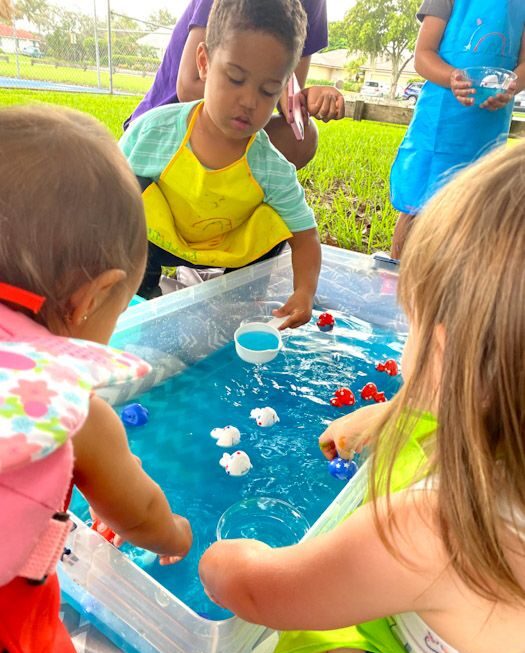
Washing toys turns a chore into a game, and toddlers love scrubbing their animal friends clean. Fill a shallow bowl with warm water and a drop of gentle soap, and add a soft cloth.
Line up plastic animals on a towel, and let your toddler wash each one carefully.
Older siblings can help using How to Turn Household Chores Into Fun Games for Children as a guide.
Dry each animal with a small towel, and sort the clean animals into a row. Choose toys without batteries, small parts, or fabric, because those items cannot get wet safely.
Rinse away all soap, because bubbles in eyes and mouths cause tears and tummy aches. This game builds fine motor skills, early sorting, and a first sense of caring for belongings.
3. Float Leaf and Stick Boats
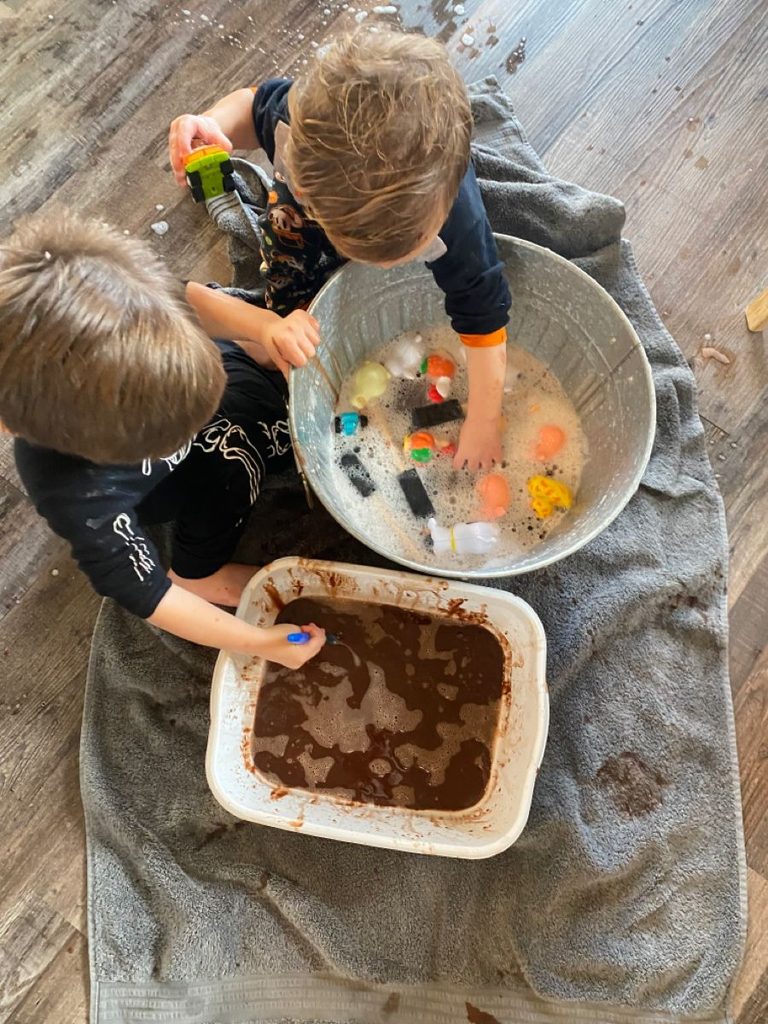
Floating things fascinate toddlers, and leaves and sticks make beautiful little boats that cost absolutely nothing. Collect large leaves and short smooth sticks from the garden, and rinse them clean first.
Set them afloat in a shallow tub, and let your toddler push them gently across the water.
Floating sticks appear in How to Plan a Winnie-the-Pooh-Inspired Story and Honey Hunt as a game.
Ask which boats float fastest, and which ones spin, and children begin to notice differences. Use only short sticks with smooth ends, because long or sharp sticks can poke small faces.
Stay close, and empty the tub afterward, because even shallow water is a danger for toddlers. Boat play teaches early science, patience, and gentle movement, and it encourages children to look carefully.

4. Paint the Fence With Water
Painting with water is mess-free magic, because bold wet strokes appear and then slowly vanish in the sun. Give your toddler a fat paintbrush and a shallow tray of water, and point to the fence.
Toddlers paint the fence, the patio, and the wall, and they watch their marks fade away.
More garden ideas appear in 33 Backyard Activities for Kids Who Love Exploring for sunny days.
Use a shallow tray of water instead of a deep bucket, because toddlers can fall headfirst into buckets. Stay beside your toddler, and choose surfaces that are not slippery when they get wet.
Watching marks appear and fade teaches cause and effect, and it builds control of the hand and arm. Try painting letters or shapes, and toddlers happily copy simple lines and circles without any pressure.

5. Squeeze and Soak Sponges
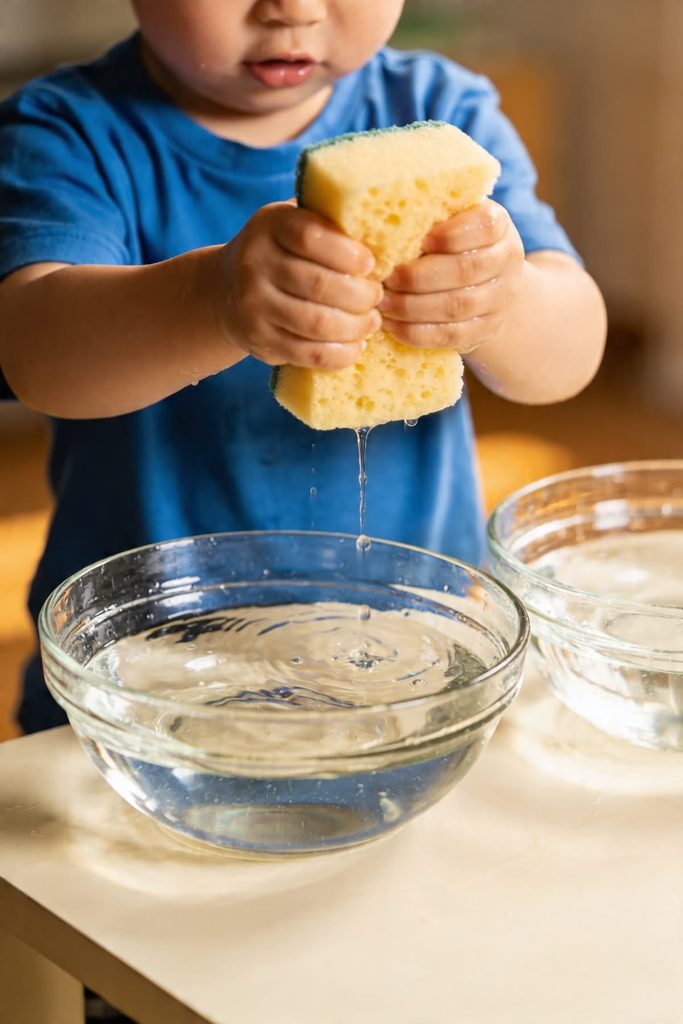
Squeezing sponges strengthens tiny hands, and toddlers find the dripping water endlessly and wonderfully entertaining. Offer large sponges in a shallow tray of water, and show how to squeeze them over a bowl.
Cut sponges into fun shapes, such as stars and circles, for variety and easy gripping.
Indoor splashing suits 31 Rainy Day Activities for Kids That Need Almost No Preparation very well.
Play on a tiled floor or a mat, and keep a mop or towel ready for puddles. Choose large sponges only, because small pieces can break off and become a choking hazard.
Supervise closely, and take away any sponge that your toddler starts to chew or tear. Sponge play builds grip strength, which later helps with writing, drawing, and using safety scissors.
6. Rescue Toy Dinosaurs From a Bath
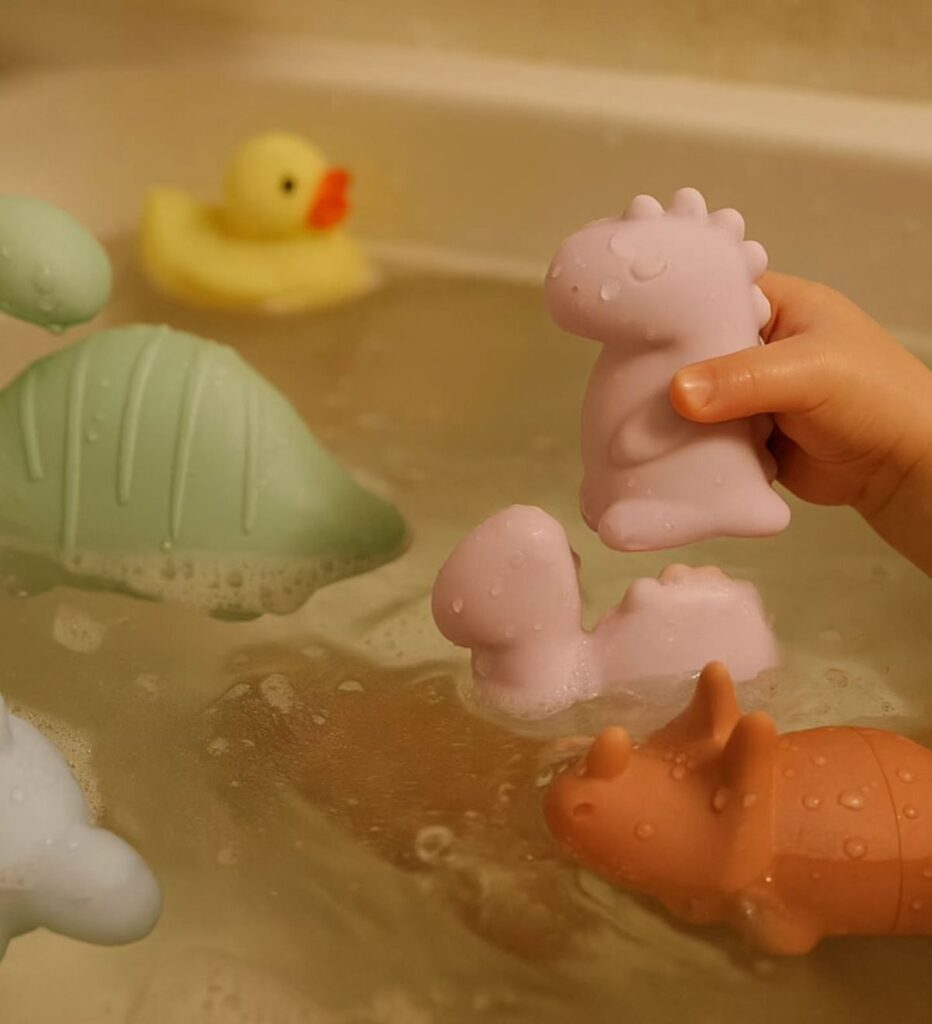
Rescuing toys gives water play a story, and toddlers adore saving a stranded little dinosaur from danger. Place plastic dinosaurs in a shallow tub, and add a small net or a large spoon.
Say that the dinosaurs are stuck in the lake, and ask your toddler to save them all.
Older children may enjoy How to Create a Dinosaur Dig Activity Using Sand and Toy Fossils too.
Count the rescued dinosaurs aloud, and sort them by color or size at the end. Choose large toys that cannot fit in a mouth, because small animals are a choking risk.
Stay within arm’s reach, and drain the tub immediately when your toddler finishes the rescue. Story play like this builds language, counting, and imagination, all inside one splashy little adventure.
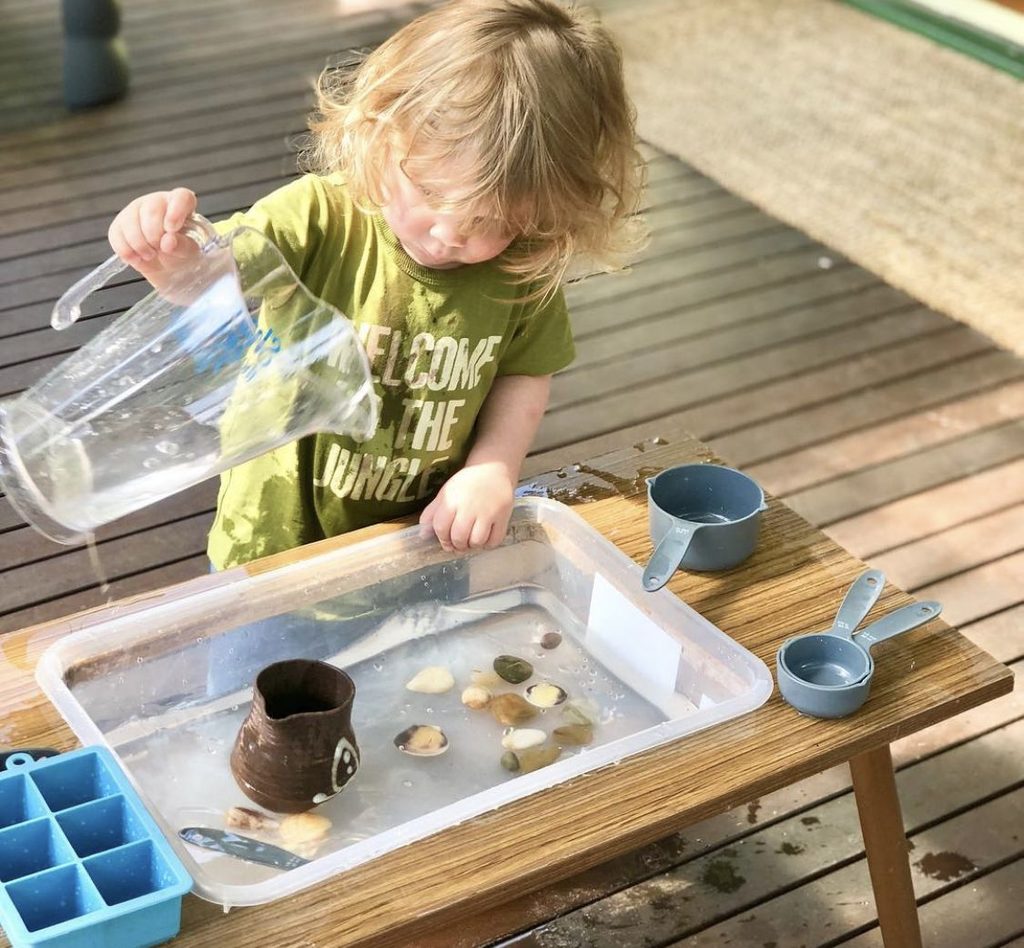
7. Build a Nature Water Table
A water table is a low container that holds water at toddler height, and it invites long play. Use a shallow plastic storage box on a low table, and add a few inches of water.
Add leaves, flowers, stones, and sticks collected on a walk, and let your toddler explore.
Nature treasures appear in How to Plan a Nature Scavenger Hunt for Preschoolers for later.
Include cups, scoops, and a small net, and the table becomes a pond full of treasures. Choose stones that are too large to swallow, and avoid berries, seeds, or any plants that are poisonous.
Empty the box after play, and wash hands thoroughly before snacks, because natural items carry dirt. Nature play teaches children to notice textures, shapes, and colors, and it builds love of the outdoors.
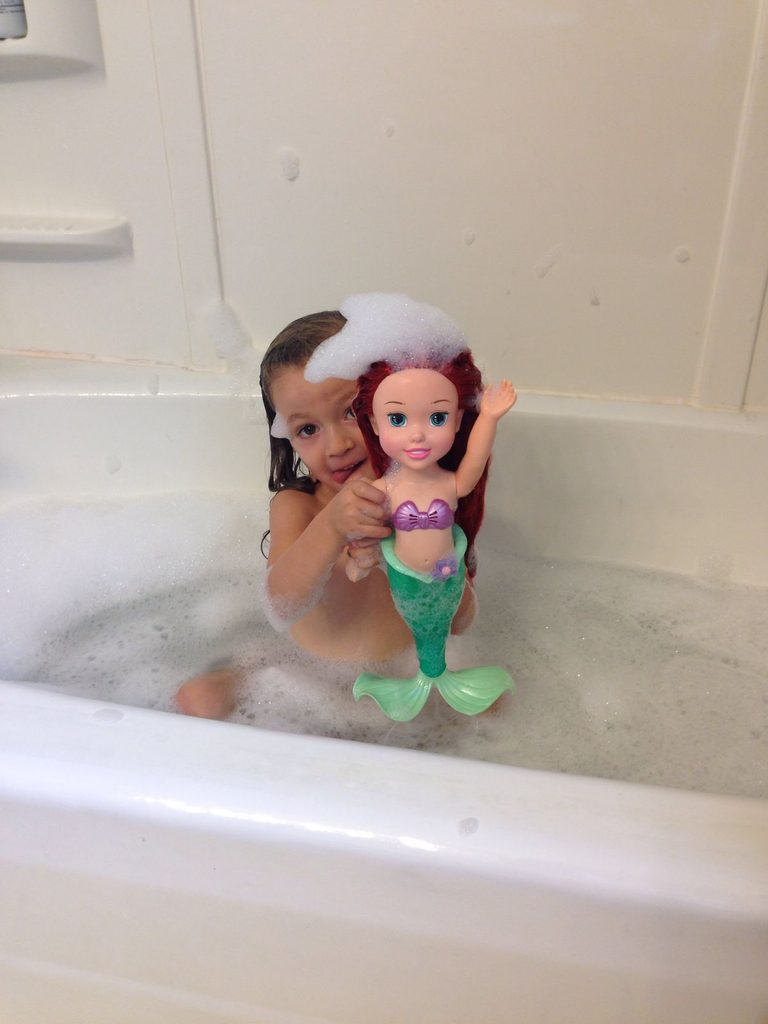
8. Make Bubble Beards and Bath Puppets
Bubbles turn bath time into a party, and a bubble beard makes toddlers giggle without stopping. Add a small amount of gentle baby bubble bath to warm water, and stir until foam appears.
Scoop foam onto your own chin and your toddler’s, and look in the mirror together.
Bath puppets can follow How to Set Up a Simple Puppet Show Activity for Kids in simple ways.
Draw faces on plastic cups or washcloths, and let them speak in funny bath-time voices. Keep foam away from eyes and mouths, and use only products made for babies and young children.
Never leave a toddler alone in the bath, even to answer a phone or a doorbell. Silly voices and foamy faces build language, laughter, and trust, and they make bath time something to enjoy.
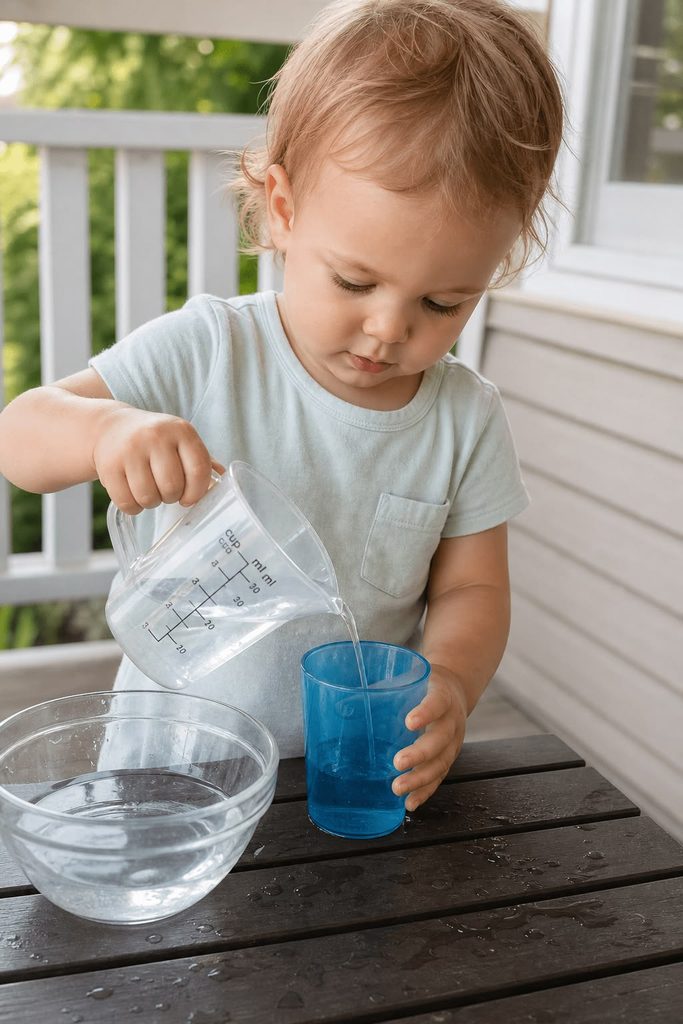
9. Host a Teddy Bear Tea Party With Water
A tea party gives toddlers a chance to pour, serve, and share, and teddy bears are patient guests. Set up a small table with plastic cups, a teapot, and a bowl of cool water.
Seat the teddy bears around the table, and let your toddler pour a little water for each guest.
Pretend serving fits How to Set Up a Pretend Grocery Store for Kids at Home very naturally.
Teach simple words like please, thank you, and more, and children copy them with great pride. Use plastic cups only, and use a towel or tray to catch the inevitable spills.
Never use hot water or real hot tea, because toddlers can grab and spill cups very quickly. Tea parties build manners, sharing, and pretend play, and they turn pouring into a social game.

10. Fill and Empty Bottles
Filling bottles is a calm and focused game, and toddlers can repeat it for a surprising time. Collect plastic bottles of different sizes, and rinse them well before offering them to your toddler.
Place a bowl of water and a small funnel on a tray, and show how to pour.
Calm pouring fits beside 35 Quiet Activities for Kids When You Need a Calm Afternoon nicely.
Remove the lids, because small lids are choking hazards, and use wide-necked bottles for easy pouring. Show how the water level rises as the bottle fills, and name the words full and empty.
Keep the water shallow, and stay within reach so the quiet game never becomes dangerous. This simple game builds hand-eye coordination, early math, and the patience to repeat a task until it works.
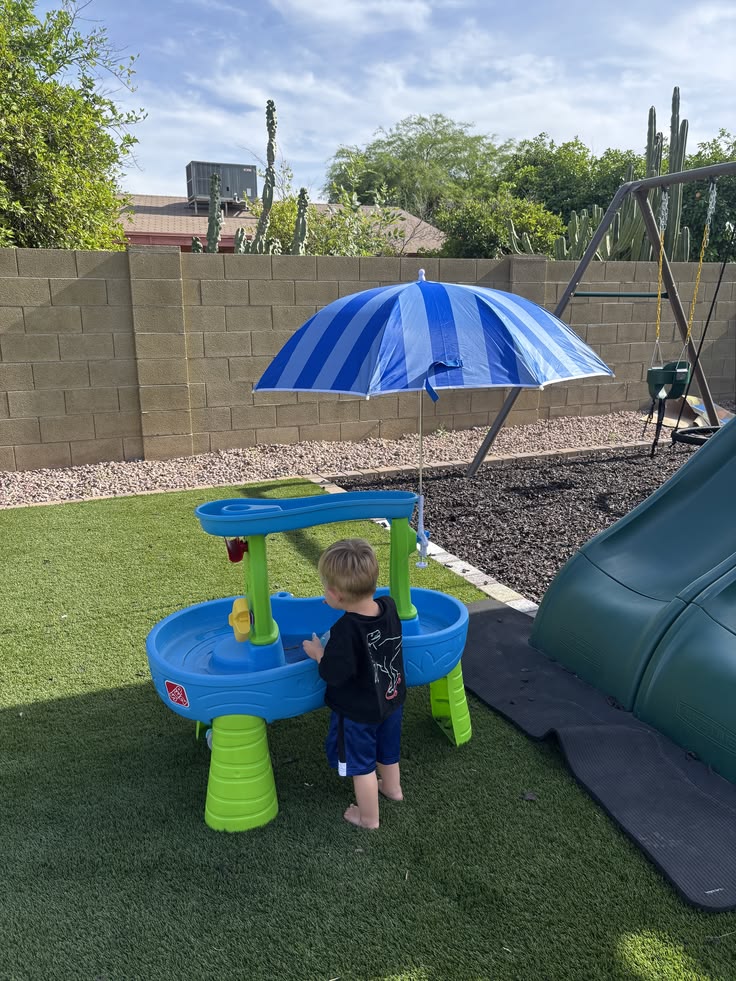
11. Dance in the Bubbles
Bubbles floating in the air make toddlers dance, jump, and clap, and they never tire of them. Use a bottle of bubble solution and a wand, and blow slowly so large bubbles drift past.
Let your toddler chase the bubbles, pop them with a finger, and clap with delight.
Dancing energy can continue with 17 Indoor Games for Kids That Help Them Burn Off Energy afterward.
Play outdoors or on a washable floor, because bubble solution makes smooth surfaces very slippery. Keep the bubble bottle out of reach, because swallowing the solution can make toddlers ill.
Hold the bottle yourself, and let your toddler pop the bubbles rather than blow them. Chasing bubbles builds balance, tracking skills, and joy, and it often ends in happy exhaustion.

12. Set Up a Shady Splash Camp
A shady splash camp makes a hot afternoon bearable, and toddlers love a cozy tent beside the water. Pitch a small tent or a sheet over a rope, and place a shallow tub of water nearby.
Add towels, a few toys, and water bottles, and your toddler has a splashy base camp.
Shady tents appear in How to Create an Indoor Camping Adventure for Children for more cozy ideas.
Alternate between splashing and resting in the tent, and give your toddler a cool drink between turns. Apply sunscreen, put on a sun hat, and keep your toddler out of direct sun at midday.
Stay in the tent area, and never allow the toddler near water without an adult close by. A camp-style splash gives toddlers variety, rest, and shade, which keeps water play safe on hot days.
13. Jump in Puddles in Rain Boots
Puddle jumping is a joyful rite of toddlerhood, and rain boots turn every wet street into a playground. Dress your toddler in rain boots and a raincoat, and find a small puddle in a safe place.
Show how to jump with two feet, and then let your toddler stomp, splash, and giggle.
Playful ideas appear in How to Create a Bluey-Inspired Scavenger Hunt at Home for older siblings.
Choose puddles away from roads and drains, because street water can hide dirt, chemicals, and sharp objects. Hold your toddler’s hand near deep puddles, because a puddle can hide holes or drops.
Pack dry clothes and a towel, and change your toddler right after the splashing ends. Puddle play builds balance, leg strength, and courage, and children remember it long after the rain stops.

14. Run Through a Gentle Sprinkler
A gentle sprinkler turns a hot lawn into a playground, and toddlers shriek with joy when it sprays. Set a low sprinkler on soft grass, and turn the water on to a very light spray.
Hold your toddler’s hand for the first run, and then let them dash through alone.
Little heroes can train with How to Create a Superhero Training Course for Kids after cooling off.
Choose a sprinkler with soft spray and no hard parts, because toddlers can fall onto equipment. Keep the water pressure low, because strong jets can sting a small child’s skin and eyes.
Apply sunscreen, and wait for the grass to dry before wearing slippery shoes or socks. Running through spray builds coordination, courage, and a love of the outdoors in a joyful way.

15. Wash the Toy Cars
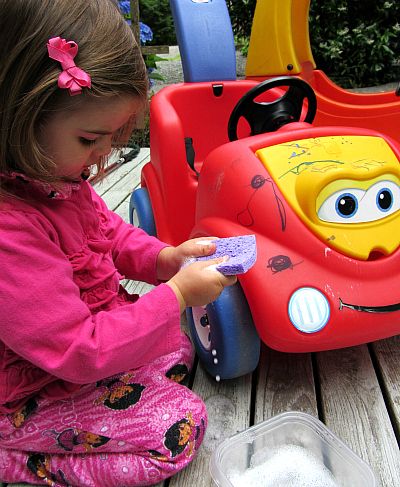
Toy cars need washing too, and toddlers love scrubbing wheels, windows, and doors with a soft brush. Fill a shallow tub with soapy water, and line up plastic cars and trucks beside it.
Give your toddler a sponge and a brush, and announce that the car wash is open. Set up a drying rack with a towel, and let the clean cars rest in the sun.
Choose toys without batteries or small removable parts, because water damages electronics and loose pieces are dangerous. Rinse off all soap, and dry the toys well, because soapy toys end up in mouths.
Stay within reach, and empty the tub when the washing is finished and the cars are dry. Washing cars builds scrubbing strength, careful hands, and an early sense of helping with real chores.
16. Make Colored Ice Cubes
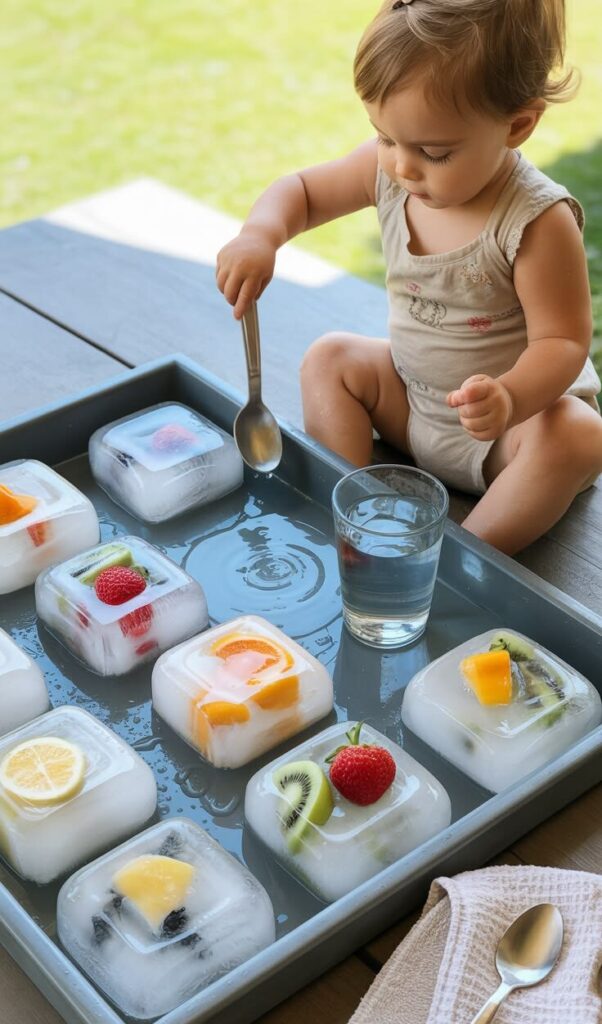
Colored ice cubes feel like jewels, and toddlers enjoy watching them melt into rainbow puddles. Add a drop of food coloring to water in an ice tray, and freeze it overnight.
Place the cubes in a shallow tray, and let your toddler touch and push them around. Watch the colors swirl together as the cubes melt, and name each color aloud together.
Use large ice cubes only, because small cubes are choking hazards that must never reach toddler mouths. Use washable food coloring, and dress your toddler in old clothes, because colors can stain skin and fabric.
Supervise closely, and take away any cube that your toddler tries to put in their mouth. Ice play teaches cold, melting, and color mixing, and it fascinates children on a hot afternoon.
17. Rescue Frozen Toys From Ice
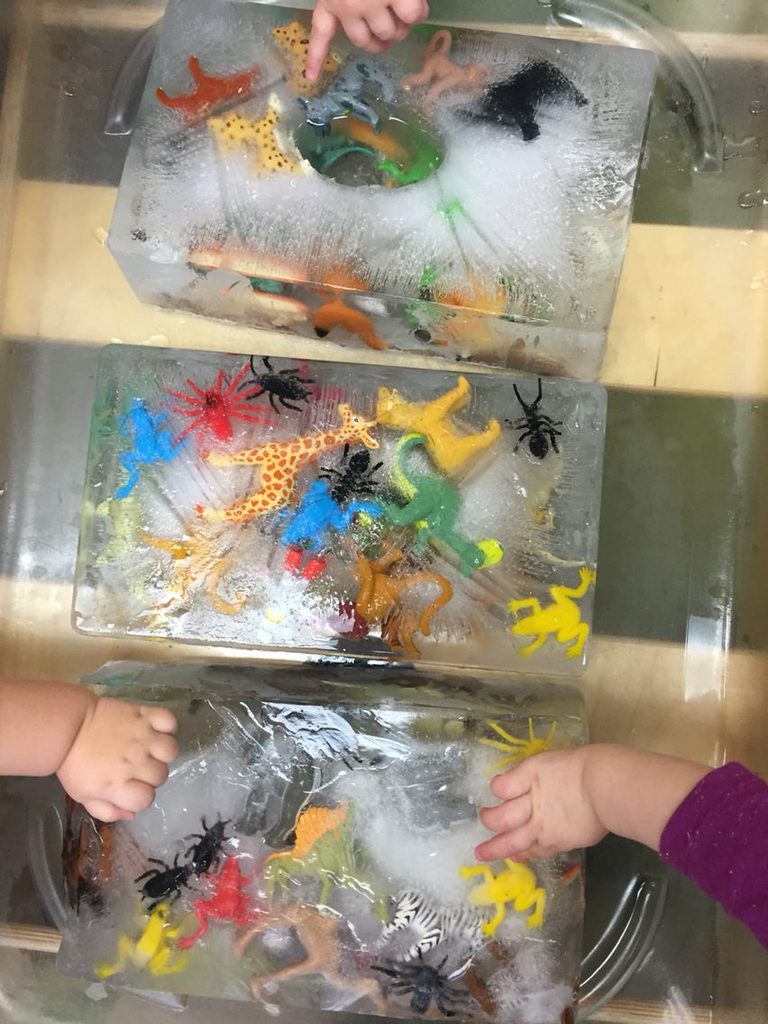
Frozen toys create a thrilling rescue mission, and toddlers love helping trapped animals escape the ice. Freeze a few large plastic toys in a block of water inside a plastic tub overnight.
Offer warm water in a cup and a spoon, and let your toddler melt the ice slowly. Add a little salt on top to speed the melting, and watch tiny channels appear.
Keep salt away from mouths and eyes, because salt can sting and make children feel unwell. Use large toys only, and avoid anything small that could come loose as the ice melts.
Supervise closely, because frozen blocks are cold and heavy, and slippery water spreads quickly on floors. Ice rescue teaches patience and problem solving, and every freed animal feels like a small victory.
18. Splash in a Paddling Pool
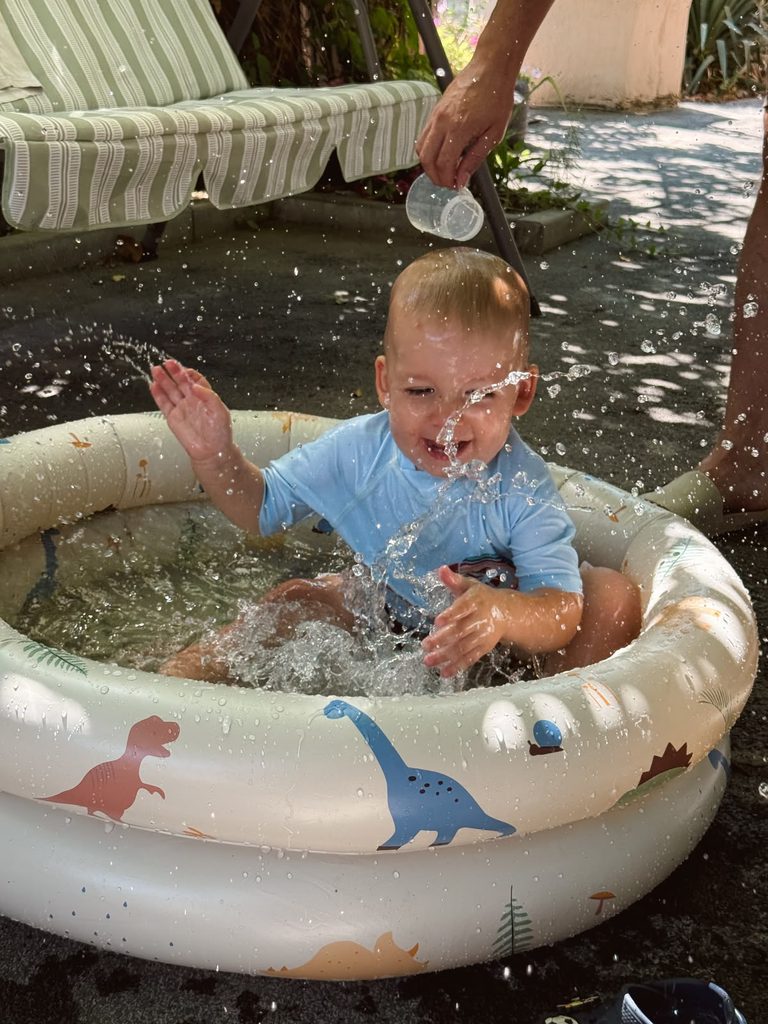
A paddling pool is the classic summer toy, and toddlers can happily splash in it all afternoon. Choose a small, shallow pool with about two inches of water, and place it on level grass.
Add cups, small boats, and floating toys, and let your toddler sit and splash freely. Place the pool in partial shade, because direct sun makes the water hot and the plastic burning.
Stay within arm’s reach at all times, because a toddler can drown in a few inches of water. Empty the pool completely after every session, and turn it over so it cannot collect rainwater.
Apply sunscreen and a sun hat, and offer cool water to drink so your toddler stays comfortable. Pool play builds balance, strength, and confidence in water, as long as an adult watches closely.
19. Build a Cup Waterfall
A cup waterfall shows toddlers how water travels, and the sound of pouring water is deeply satisfying. Stack three plastic cups of different sizes on a tray, with the largest cup at the bottom.
Pour a little water into the top cup, and watch it spill from cup to cup. Let your toddler pour the water, and cheer loudly when the waterfall begins to flow.
Poke small holes in the bottom of a cup with an adult tool, and the water trickles beautifully. Keep the tray on a towel, because the waterfall will splash far beyond the cups.
Use unbreakable cups only, and supervise your toddler so cups do not end up in mouths. Waterfall play teaches gravity, flow, and cause and effect, and children love testing it again and again.
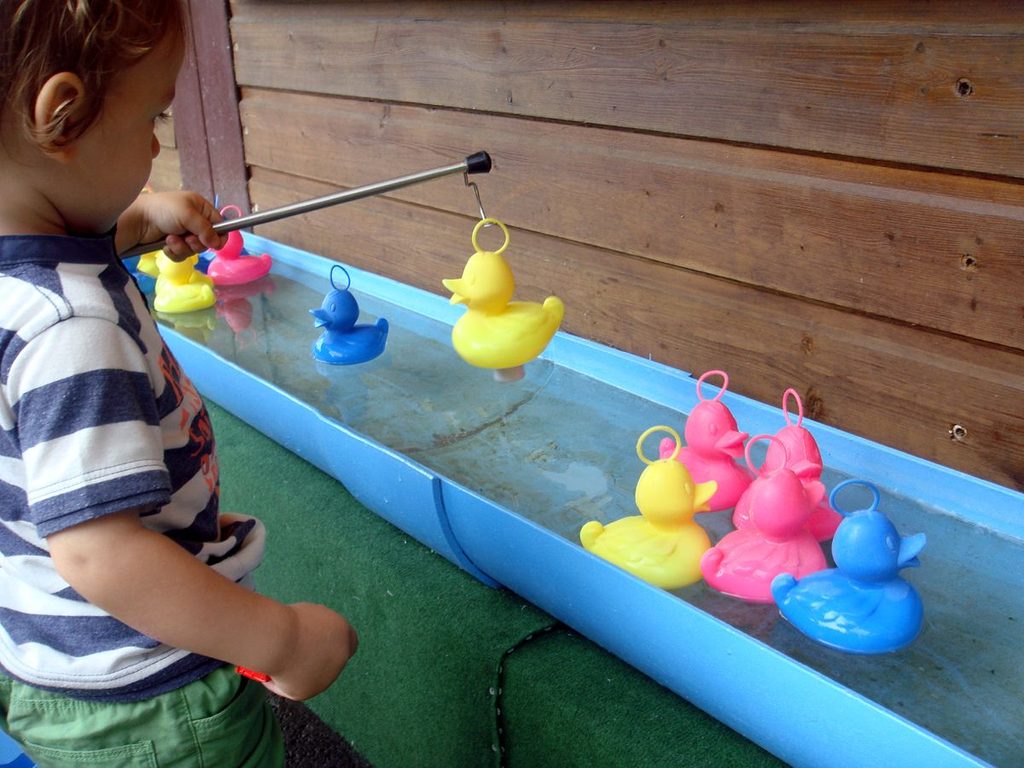
20. Float a Rubber Duck Parade
Rubber ducks are a bath-time classic, and a duck parade makes a dull wash feel like a festival. Collect a few rubber ducks or floating toys, and line them up on the edge of the bath.
Drop them in one by one, and sing a duck song as they bob across the water. Count the ducks aloud, and ask your toddler to push the red duck first today.
Check each duck for holes, because trapped water can grow mold, and clean the toys regularly. Choose ducks that are too large to swallow, and avoid tiny ducks that could block a throat.
Stay in the bathroom the entire time, and never leave your toddler alone for even a moment. Duck play brings routine and delight to bath time, and it makes washing hair far easier.
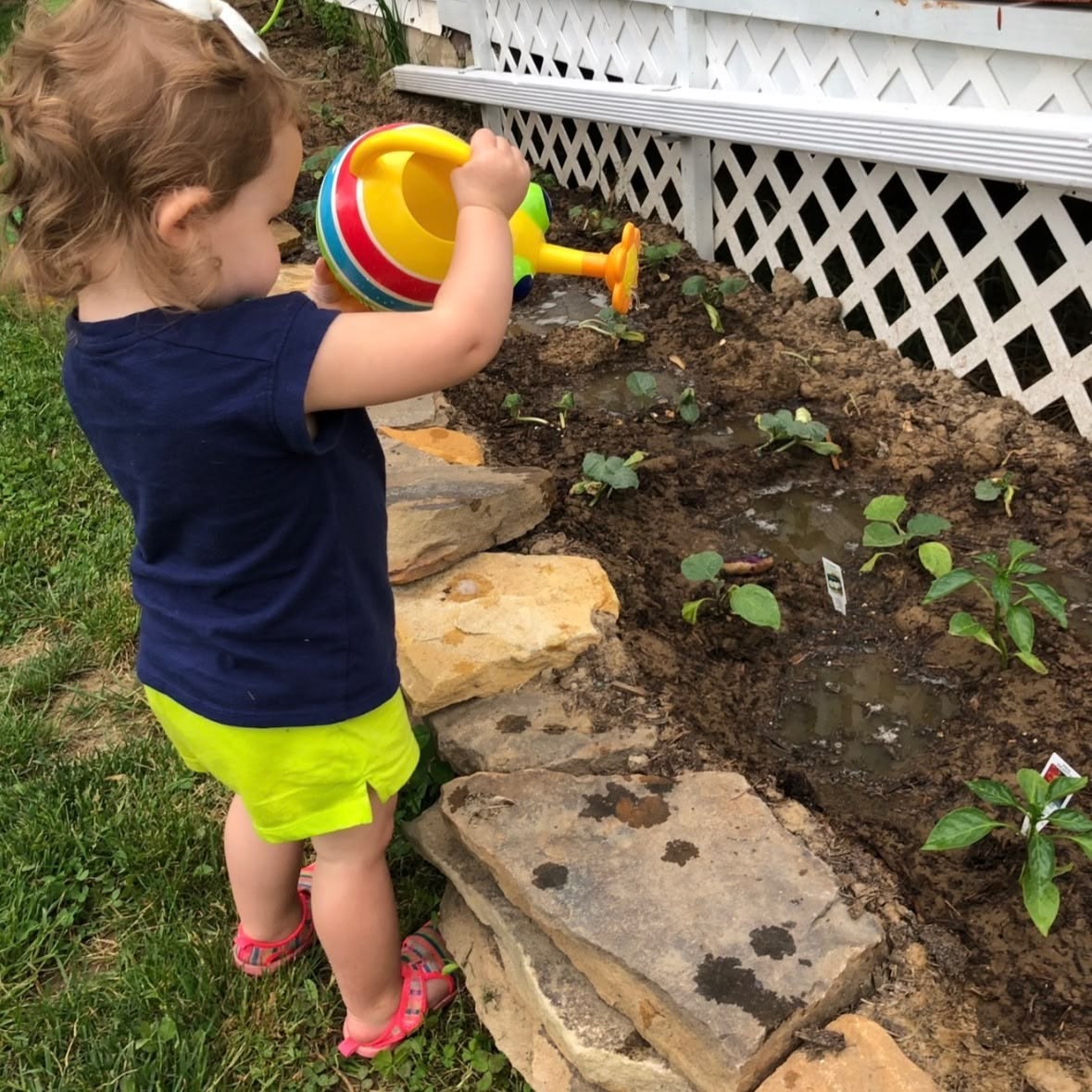
21. Water the Garden Plants
Watering plants gives toddlers a real job, and they love caring for living things in the garden. Give your toddler a small watering can or a plastic cup, and fill it halfway with water.
Show how to pour gently onto the soil at the base of each plant today. Let your toddler water pots, flower beds, and vegetables, and talk about how plants drink.
Plant a few fast seeds, such as cress or sunflowers, and watering becomes a daily ritual. Keep fertilizer, garden chemicals, and sharp tools locked away, because garden hazards are dangerous for toddlers.
Use a small can only, because a large can can pull a toddler off balance. Watering builds responsibility, hand control, and the first gentle understanding of how living things grow.
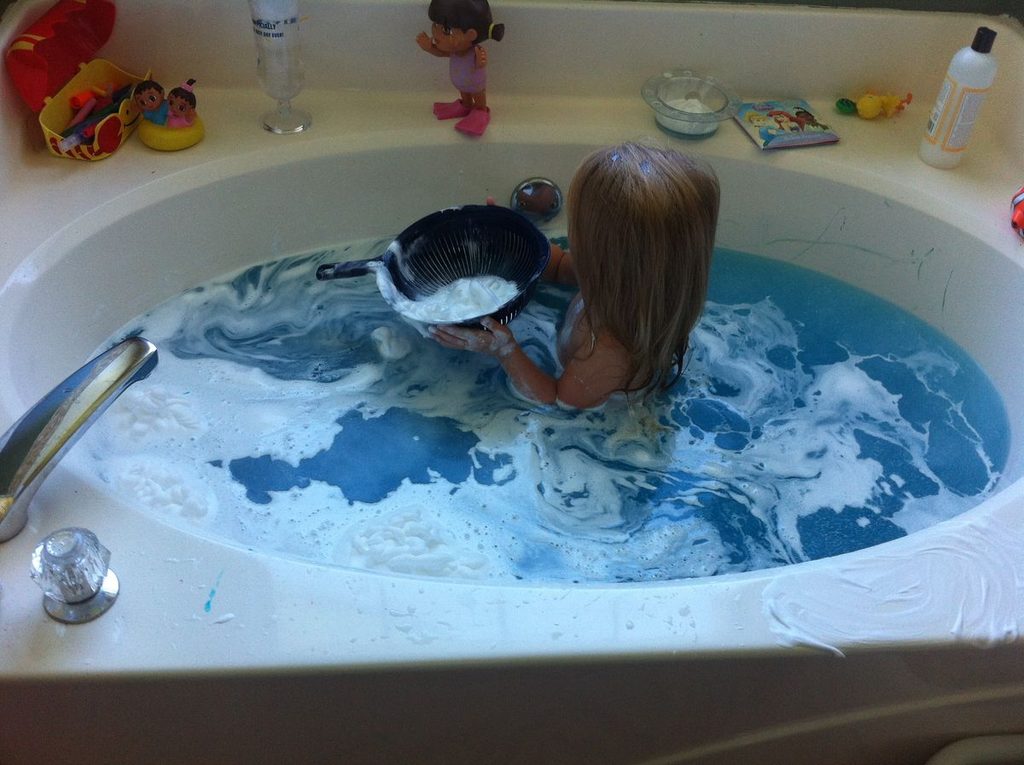
22. Play With Soapy Foam
Soapy foam feels like clouds, and toddlers love squishing, patting, and piling it up high. Mix a little baby soap with warm water in a tub, and whisk until it makes thick foam.
Add a few plastic toys and cups, and let your toddler dig in with both hands. Encourage your toddler to build mountains, make footprints, and hide toys inside the soft foam.
Use gentle products made for children, because strong soaps can irritate sensitive skin and eyes. Keep foam away from mouths, and rinse your toddler’s hands well when the game ends.
Stand on a mat, and dry spilled foam quickly, because soapy floors are extremely slippery. Foam play offers soft sensory input, and many toddlers find it calming and endlessly interesting.

23. Make Rain Clouds in a Tub
A rain cloud in a tub is a simple science wonder, and even toddlers enjoy watching it. Fill a clear plastic tub with water, and top it with fluffy foam from baby bath wash.
Drip colored water onto the foam with a spoon, and watch the colors rain down slowly. Let your toddler drip the rain too, and talk about clouds, drops, and puddles together.
Use a shallow tub rather than a tall jar, because toddlers can tip heavy glass or deep containers. Never use glass, and keep the foam and colored water away from eyes and mouths.
Supervise closely, and wipe up drips, because colored water can stain clothes and slippery floors are dangerous. Watching colors fall through foam teaches cause and effect, and toddlers often stare quietly for several minutes.
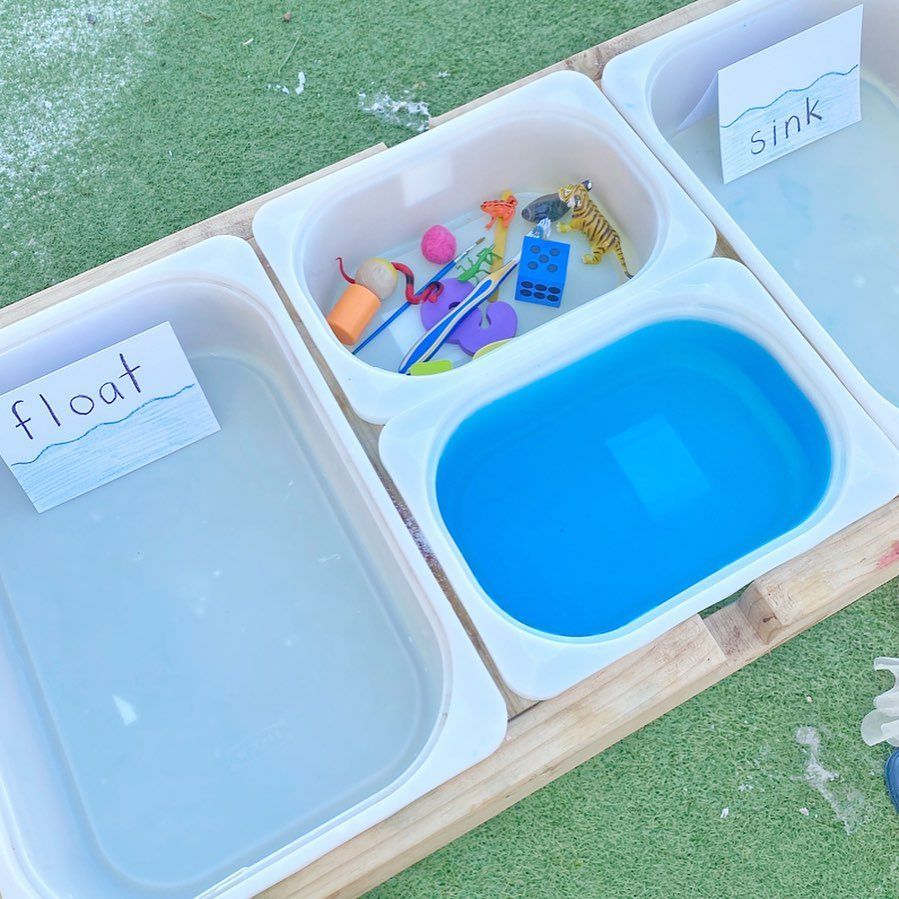
24. Sink and Float Sorting
Sink and float sorting is the first science experiment, and toddlers perform it with joyful curiosity. Gather a few safe items, such as a plastic spoon, a wooden block, a sponge, and a large leaf.
Place two bowls beside a tub of water, one labeled float and one labeled sink. Drop each item into the water, and let your toddler help sort it into the right bowl.
Ask what will happen before each drop, and cheer for every guess, right or wrong. Choose only large items that cannot be swallowed, and avoid coins, buttons, and small stones.
Keep the tub shallow, stay close, and empty it as soon as the experiment ends. Sorting by sink and float builds early science thinking, language, and the habit of testing ideas.
25. Catch Water With Funnels
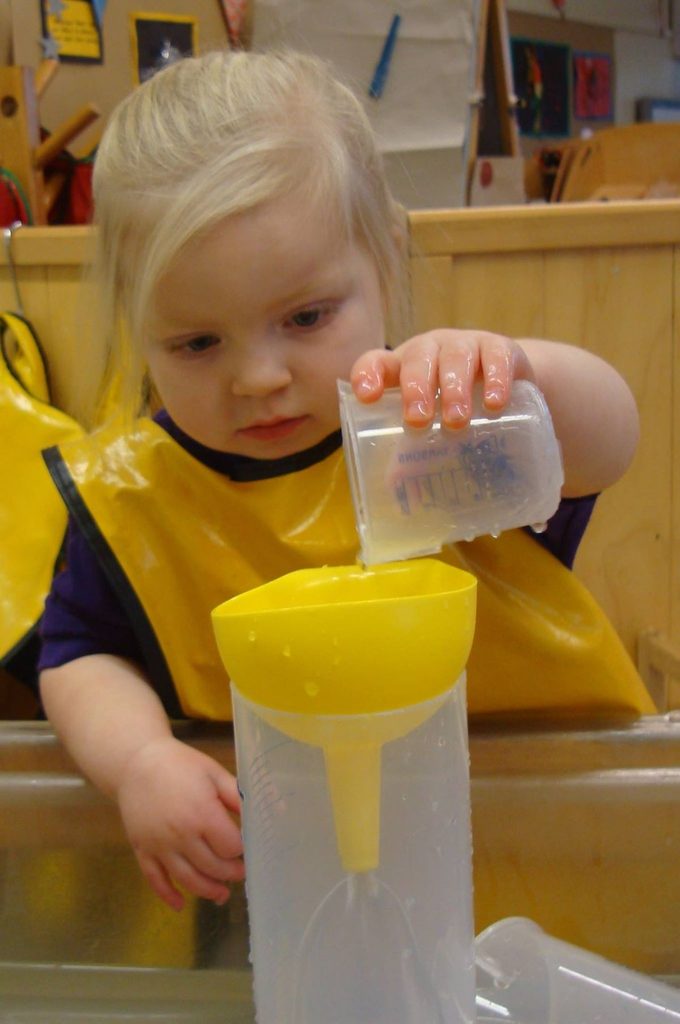
Funnels turn pouring into a puzzle, and toddlers delight in watching water vanish into a small hole. Offer a plastic funnel, a few cups, and a bottle, and set them on a tray.
Show your toddler how to pour water through the funnel into the bottle waiting below. Try different funnels and colored water, and ask which one pours faster and which one drips slowly.
Choose large funnels that cannot fit into mouths, and avoid small tubes that toddlers could swallow. Keep the tray on a towel, because pouring toddlers rarely aim well and spills happen often.
Stay within reach, and empty every container as soon as your toddler is finished playing. Funnel play builds aim, patience, and an early understanding of how liquids move through narrow spaces.
26. Have a Bath Time Concert
Bath time becomes a concert when toddlers discover that water splashes make music and rhythm. Offer plastic cups and bowls, and tap them with spoons to create a bathroom band.
Sing favorite songs together, and let your toddler splash the beat with both happy hands. Fill cups with different amounts of water, and tap them to hear high and low notes.
Use plastic spoons and cups only, because metal or glass can hurt a child in the bath. Stay beside the bath, and never leave a toddler alone, even for the length of one song.
Keep the volume gentle, because loud bathroom echoes can feel overwhelming to very small ears. Making music in the water teaches rhythm and listening, and it turns every bath into a happy ritual.

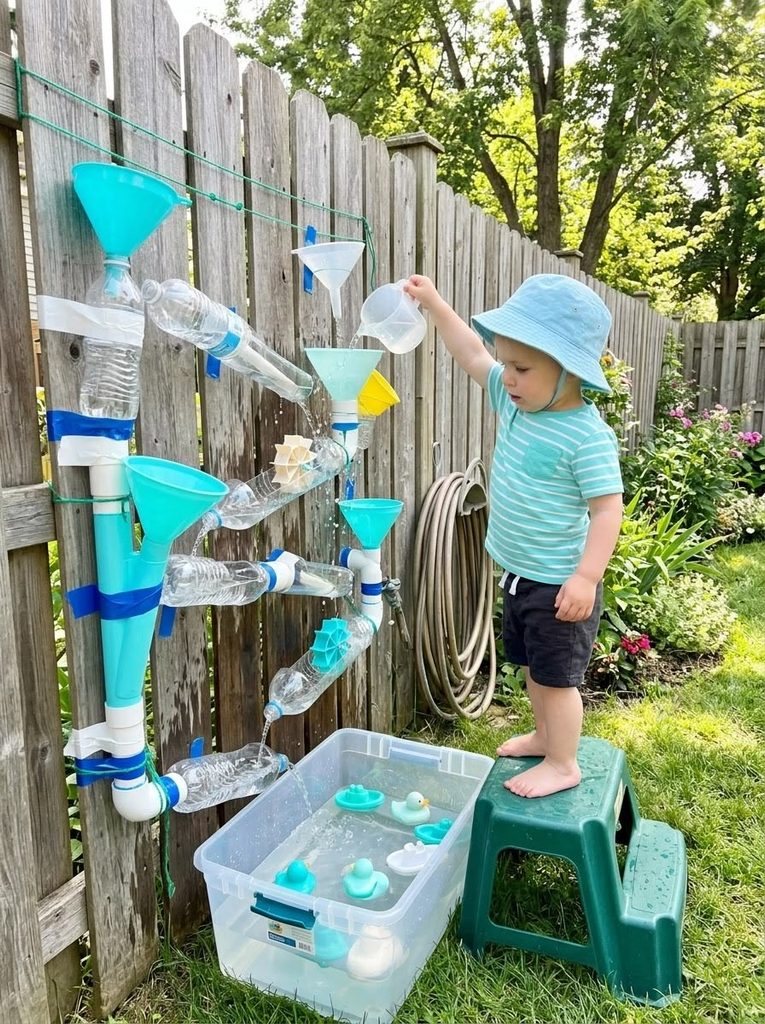
27. Set Up a Water Wall
A water wall is a vertical playground, and toddlers love pouring water and watching it travel down. Attach plastic cups, tubes, and funnels to a fence or board at toddler height with strong ties.
Place a tub at the bottom to catch the water, and keep a jug of water beside it. Pour water from the top, and watch it splash down the cups into the tub.
Check that every cup and tube is secure, because a heavy piece could fall and hurt a child. Keep the wall low, so toddlers do not climb, and make sure the ground below is not slippery.
Supervise at all times, and empty the tub when the water wall is no longer in use. A water wall can stay up all summer, and toddlers will return to it daily with fresh ideas.

Final Thoughts: Splash Safely, Play Happily
Splash is still the happiest word a toddler knows, and now you have twenty-seven ways to share it. Each game uses simple items, such as bowls, cups, sponges, and towels that most homes already have.
Remember the one rule above all, which is that an adult stays within arm’s reach every moment. Empty every container when the game ends, and keep buckets, pools, and bathtubs safely out of reach.
Water play builds language, coordination, curiosity, and calm, and it gives toddlers hours of happy discovery. Choose two or three activities for this week, and let your toddler decide which one to repeat.
Laughter, splashes, and wet sleeves are the happy signs of a perfectly successful toddler afternoon. So fill a shallow bowl, kneel beside your toddler, and wait for the first happy splash.
Leave a Reply