Washing kids’ hair can be stressful. It’s the same way with my niece. Anytime I want to wash her hair, I take hours convincing her and promising things I’ll buy afterward. Sometimes I get tired and just shift the wash to the following week.
I know I’m not alone in this, because so many parents tell me the same story. Wash day turns into a small war, and nobody really wins by the end of it. The tears, the bargaining, and the tired arms afterward all add up over time. It leaves a lot of parents asking one honest question: how often does this actually need to happen?
The truth is, most parents wash their child’s hair far more than they actually need to. Some wash too little, worried that skipping a week will lead to a dirty, smelly scalp. Both extremes can cause real problems if you get the schedule wrong for too long. Getting this one question right saves you time, saves your child’s hair, and saves your own patience.
Before we go further, it helps to have a solid simple hair care routine for kids already in place. Once that routine exists, the washing question becomes much easier to answer with confidence. This post breaks down exactly how often your child’s hair should be washed.
We will look at hair type, activity level, and the signs your child’s scalp gives you. By the end, wash day should feel far less like a fight and more like a habit.

How Often Should You Wash Your Child’s Hair?
Why This Question Confuses So Many Parents
There is no single washing schedule that fits every single child out there. Some blogs say twice a week, others say once, and a few say daily.
This mix of advice leaves parents guessing instead of following something that actually works. Every child’s scalp, hair type, and lifestyle are genuinely different from one another.
A child who plays outside daily needs a different schedule than one who mostly stays indoors. A child with curly hair needs a different schedule than one with fine, straight hair.
Trying to force one universal rule onto every child rarely ends well in practice. Once you understand your own child’s hair, the right schedule becomes far clearer.
Even siblings in the same house can need completely different schedules from each other. One might have thick, curly hair, while the other has thin, straight strands.
Treating them exactly the same often leaves one of them frustrated or uncomfortable. Pay attention to each child individually, rather than copying a routine from another family entirely.

What Determines How Often You Should Wash
A few key factors decide how often your child’s hair actually needs washing. Hair type is the biggest one, since oil travels differently through different strand shapes.
Activity level matters too, since sweat and dirt build up faster during active weeks. Scalp condition also plays a role, especially if your child deals with dryness or flaking.
Our ultimate guide to caring for your child’s hair covers all of these factors in more depth. It’s worth a read if you want the full picture before settling on a schedule. For now, let’s break each factor down so you can apply it right away.
Genetics also plays a quiet role that many parents overlook completely. Some children naturally produce more scalp oil than others, even within the same family.
This is not something you can change, so work with it instead of fighting it. Once you accept your child’s natural pattern, planning a schedule becomes far easier.

Straight Hair And Washing Frequency
Straight hair tends to get oily faster than curly or coily hair types. Oil from the scalp travels down a straight strand with very little resistance.
This usually means straight haired kids need washing two to three times a week. Watch the scalp itself, since it usually shows oil before the rest of the hair does.
If your child’s hair looks flat or slightly greasy by day two, wash sooner. If it still looks fresh by day three, you can safely stretch the schedule out. There is no shame in adjusting slightly week to week based on how the hair actually looks.
Fine straight hair especially tends to show oil faster than thicker straight hair does. If your child has fine strands, keep a closer eye on the scalp between washes. A light dry shampoo can also help stretch a day or two between full washes.

Curly And Coily Hair And Washing Frequency
Curly and coily hair behaves very differently from straight hair when it comes to oil. The natural curl pattern slows down how quickly oil reaches the ends of the hair.
This means curly haired kids can often go a full week between washes. Washing too often on this hair type strips away oils the hair actually needs.
Some parents worry that once a week is not clean enough for their child. In most cases, it is more than enough, especially with a good routine between washes. Focus on scalp health rather than trying to match a straight hair washing schedule.
Co-washing, which means washing with conditioner instead of shampoo, works well for this hair type too.
It cleans the hair gently while still leaving most of the natural oils in place. Try alternating between a full shampoo wash and a lighter co-wash session.
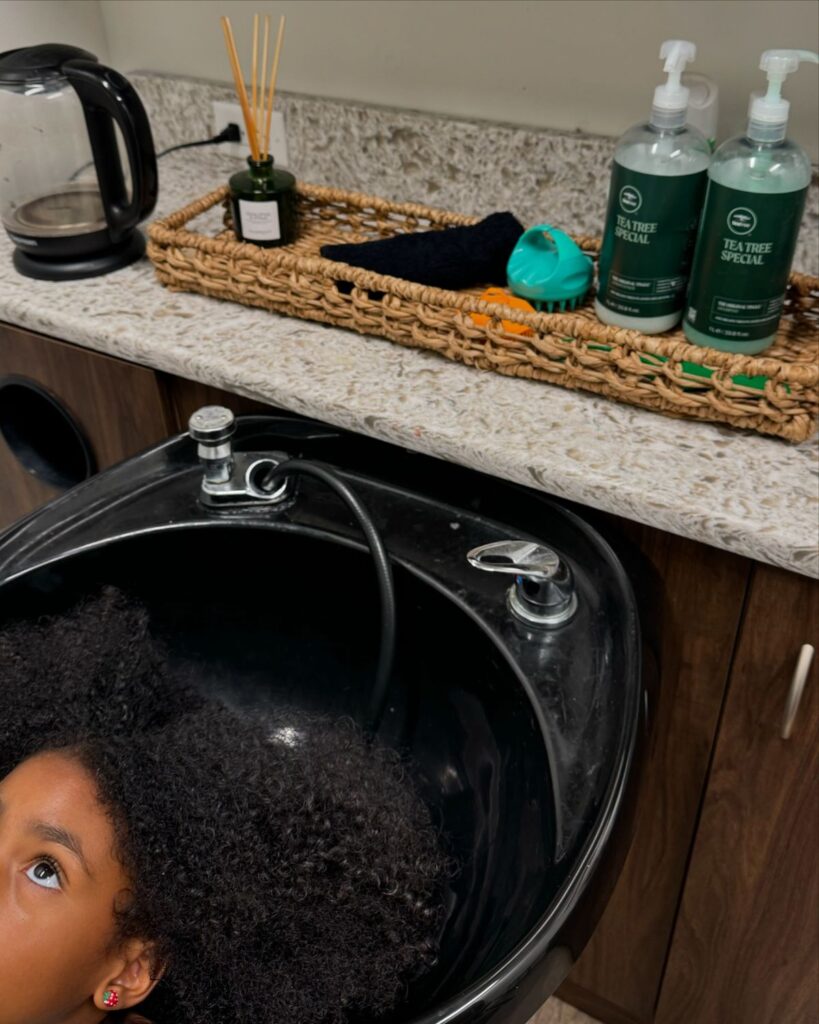
Signs Your Child Is Overwashed
Overwashing shows up in a few clear and fairly easy to spot ways. The hair may feel unusually dry, rough, or frizzy no matter what products you use.
The scalp might feel tight, itchy, or flaky shortly after each wash session. Hair may also break more easily, since dryness weakens the strands over time.
If you notice several of these signs together, it’s worth stretching out the schedule. Give the scalp a full extra week to recover its natural oil balance. Most of these symptoms improve within just a few weeks of adjusting the routine.
Watch how the hair responds after you make this change, not just how it looks right away.
Some improvement shows up within days, while deeper changes can take a few full weeks. Patience here matters more than expecting an overnight fix to appear.

Signs Your Child Needs A Wash Sooner
On the other end, some signs point toward washing sooner rather than later. A noticeably oily scalp, especially near the roots, is the clearest sign of all.
A slightly sour or unpleasant smell can also mean it’s time for a wash. Flat, stringy looking hair by the middle of the week is another common clue.
If your child has been swimming, sweating heavily, or playing in dusty conditions, wash sooner too.
These situations bring extra buildup that a normal schedule was not designed to handle. Trust what you see and smell over any fixed calendar or generic online advice.
A scalp that feels waxy or coated under your fingers is another clear signal. This usually means product buildup has combined with natural oil over several days.
Washing at this point clears everything out and gives the hair a fresh, clean start.

How Activity Level Changes The Schedule
An active child sweats more, and sweat changes how quickly hair needs washing. Sports, outdoor play, and hot weather all speed up the need for a wash.
A quieter, more indoor focused week might let you stretch the schedule a bit longer. Pay attention to your child’s actual week rather than sticking to a fixed, rigid plan.
My client mentioned her son’s football practice completely changed how often she needed to wash his hair.
During football season, she moved from once a week to twice a week without any issue. Once the season ended, she moved right back to the lighter, once a week schedule.
Swimming, whether in a pool or the ocean, adds its own layer to this question. Chlorine and salt water both dry hair out and often call for an extra rinse.
A simple rinse after swimming is not the same as a full wash with shampoo. Rinsing removes chlorine or salt without stripping away all the hair’s natural oils.
If your child swims several times a week, plan for one full wash and a few rinses. This protects the hair while still keeping up with a demanding summer schedule.
Building Washing Into A Full Routine
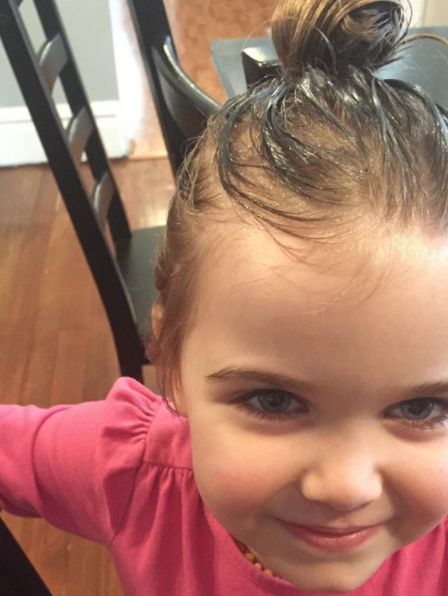
Washing should never happen completely on its own, separate from the rest of the routine.
It fits inside a bigger process that includes detangling, conditioning, and sealing in moisture. Each step supports the next, and washing is really just one piece of that chain.
Following that full structure means the washing question almost answers itself over time. Once detangling, conditioning, and moisture are all part of the plan, washing frequency feels far less overwhelming.
The schedule stops being a separate worry and just becomes one part of a bigger habit.

What Happens If You Wash Too Often
Washing too often strips the scalp of the natural oils it genuinely needs. This leads to dryness, which then leads to breakage if the pattern continues for weeks.
For more on this connection, read how to prevent hair breakage in children’s hair for the full picture. That post explains how overwashing quietly becomes one of the most common causes of damage.
Cutting back on washing frequency is often the fastest fix for stubborn dryness and breakage. Give it a few weeks before judging whether the new schedule is actually working.
Look closely at the ends of the hair, since damage usually shows up there first. Split or rough ends are often the earliest warning sign of overwashing. Catching it early makes recovery faster and prevents the need for a bigger trim later.

What Happens If You Wash Too Rarely
Washing too rarely lets sweat, dirt, and product slowly build up on the scalp. This buildup can cause itching, unpleasant smell, and even mild irritation over time.
It can also make future detangling sessions noticeably harder and more painful for your child. A scalp that never gets a proper wash struggles to stay genuinely healthy.
If you have been stretching the schedule too far, ease back in slowly. Add one extra wash a month first, rather than jumping straight to twice a week.
A scalp that has gone too long without a wash can also become more sensitive. It may react more strongly to products it normally tolerates just fine. Easing back into a regular schedule usually settles this down within a short stretch.

Detangling And Wash Day Timing
Detangling should always happen before the actual wash, not during or after it. Wet hair tangles more easily, so starting dry keeps the whole process much smoother.
For the full method, read how to detangle your child’s hair without tears before your next wash day. Getting this step right often determines how stressful or calm the entire wash turns out to be.
Plan a few extra minutes before wash day specifically for this detangling step. Rushing straight into the wash without it usually leads to more knots later on.
Set this expectation with your child ahead of time, so it does not feel sudden. Explaining what comes next, step by step, tends to lower resistance considerably. A calm, informed child usually cooperates far more than one caught off guard.

Moisturizing Between Washes
Even on days without a full wash, the hair still needs some attention. A light spray of water and a small amount of leave-in cream works well.
For the full method, read how to moisturize your child’s hair the right way for more detail. This keeps the hair soft and manageable between wash days, no matter the schedule you follow.
Skipping moisture entirely on non-wash days can make the hair feel dry by the middle of the week. A quick two minute touch up prevents most of that dryness from building up.
Keep the spray bottle and cream somewhere easy to grab each morning. The easier the tools are to reach, the more likely the habit actually sticks. Small daily effort adds up to a noticeably softer, healthier head of hair.

Protecting Hair On Non-Wash Days
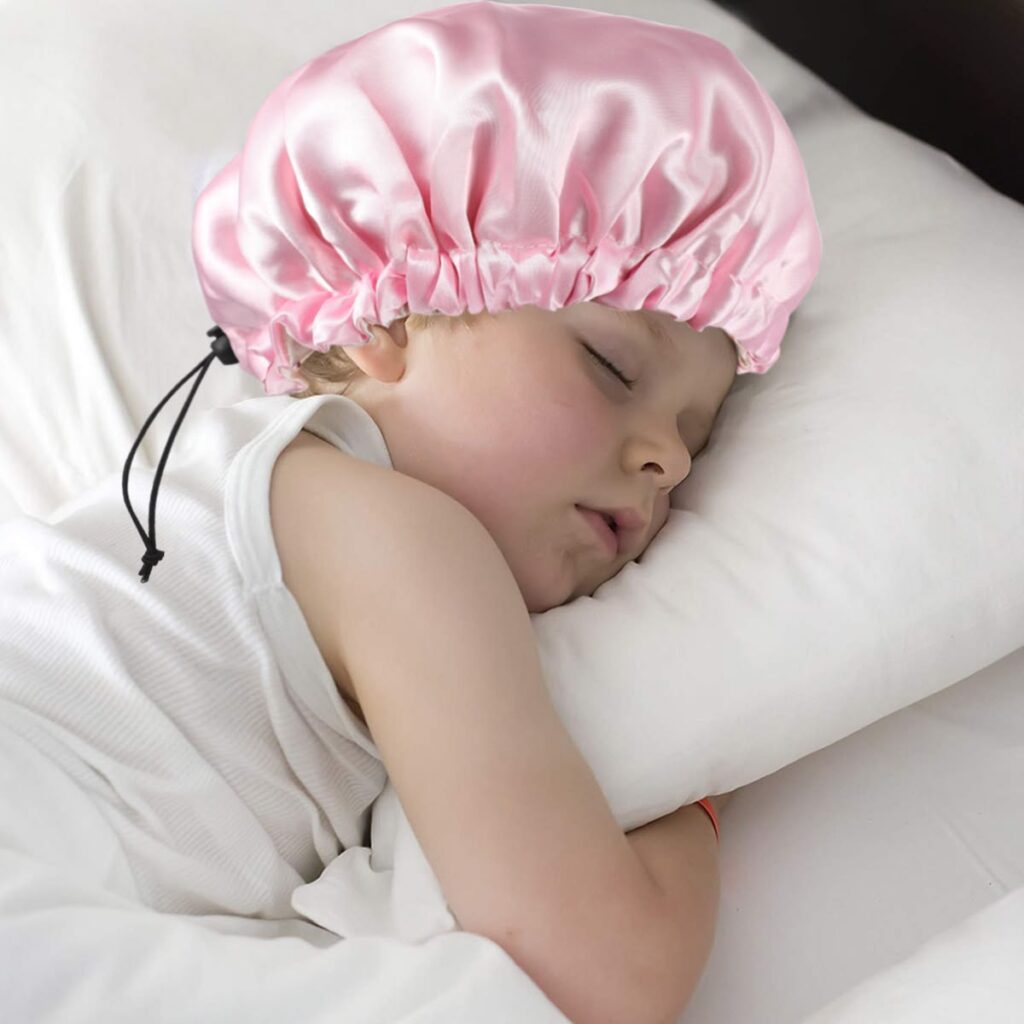
Protection matters just as much on non-wash days as it does right after a wash. A satin bonnet or pillowcase keeps hair smooth through several nights in a row.
For the full guide, check how to protect kid’s hair while they sleep for more tips. This one habit can genuinely stretch out how long your child’s hair stays soft.
My friend started covering her kid’s hair with a satin bonnet every night, not just after wash day. Her daughter’s hair stayed noticeably smoother across the entire week as a result.
Even a soft scarf tied loosely works if a bonnet feels uncomfortable to your child. What matters most is reducing friction against rough fabric while they sleep. Any barrier between hair and cotton makes a real difference over several nights.
Keeping Hair Soft Between Wash Days
Soft, tangle free hair does not depend only on how often you wash it. Gentle daily handling matters just as much as the washing schedule itself.
For more ideas, see how to keep your child’s hair soft and tangle-free for extra tips. These small daily habits fill the gap between one wash day and the next.
Combining a solid wash schedule with daily care gives you the best possible result. Neither one works particularly well without the other supporting it.
Think of washing as the reset button and daily care as the maintenance in between. One without the other leaves gaps that eventually show up as dryness or tangles. Together, they keep the hair in good shape through the entire week.
Seasonal Changes To Washing Schedule
Washing frequency should shift slightly as the seasons change throughout the year. Hot, sweaty months often call for washing a little more often than usual.
Cold, dry months usually call for stretching the schedule out a bit longer. For the full seasonal breakdown, read how to keep kids hair healthy and strong all year round.
Reviewing the schedule every few months keeps it matched to your child’s current needs. What worked in July may not be the right schedule for December.
Mark a reminder at the start of each new season to check in on the schedule. This small habit prevents you from sticking to an outdated plan without realizing it. A quick review takes only a few minutes but saves weeks of frustration.

Making Wash Day Less Stressful For Your Child
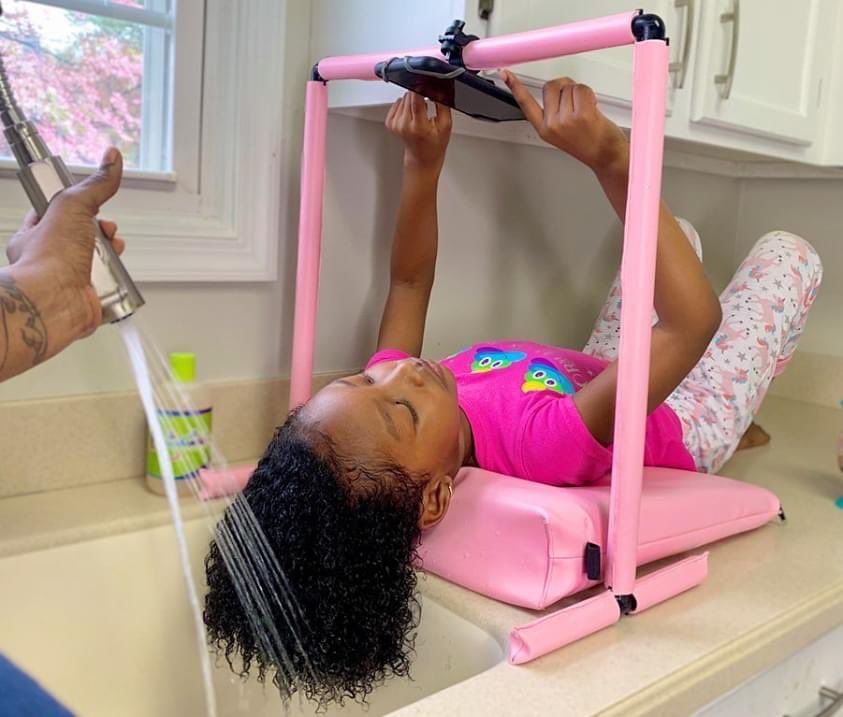
A predictable schedule actually makes wash day easier on your child, not harder. When kids know a wash is coming, they tend to resist it a little less.
Building in a small reward, like extra story time, can help too. Keeping the whole process short and gentle also reduces the overall stress involved.
Try turning wash day into something calm rather than something to dread. Over time, the bargaining and the tears tend to fade as the routine settles in.
Let your child pick the towel, the song, or the order of the steps. Small choices like these give them a sense of control over the process. A child who feels involved tends to resist far less than one who feels forced.

A Simple Weekly Or Biweekly Schedule
For most families, a weekly or biweekly schedule works well as a starting point. Straight haired kids often do better with the weekly version of this plan.
Curly or coily haired kids often do better with the biweekly version instead. Adjust slightly based on activity level, swimming, and the season you are currently in.
Write the schedule down somewhere visible for the first month or two. This helps everyone in the house stay on the same page about wash day.
If more than one person helps with hair care, share the schedule with them too. This avoids confusion and keeps the routine consistent no matter who is helping that week. A shared plan means one less thing for you to manage alone.

When To Break From The Schedule
No schedule should be followed so strictly that it ignores what the hair is showing you. If the scalp looks oily early, wash a little sooner than planned.
If the hair still looks fresh on schedule day, it is fine to wait one more day. Flexibility matters more than sticking rigidly to any fixed calendar.
Treat the schedule as a helpful guide, not a strict, unbreakable rule. Your child’s actual hair and scalp should always have the final say.
Life also gets in the way sometimes, and that is perfectly fine too. A missed wash day due to travel or illness will not undo weeks of good care. Simply return to the normal schedule once things settle back down again.
Everything Else To Keep In Mind
Washing frequency is just one piece of the larger hair care picture. For a full, parent focused overview of everything else involved, read everything parents need to know about kid’s hair care.
It ties this washing schedule into the bigger picture of daily hair care.
Together, all of these pieces work as one connected system, not separate, isolated tasks. Understanding how they fit together makes the whole process feel far less overwhelming.
Take it one piece at a time rather than trying to master everything at once. Start with the washing schedule, then layer in the other habits as you go. This slower approach tends to stick far better than trying to change everything overnight.
Final Thoughts
There is no single perfect washing schedule that fits every child in every home. What matters most is paying attention to your own child’s hair and scalp.
Adjust based on hair type, activity level, and the season you are currently in. Over time, you will find a rhythm that works well for both of you.
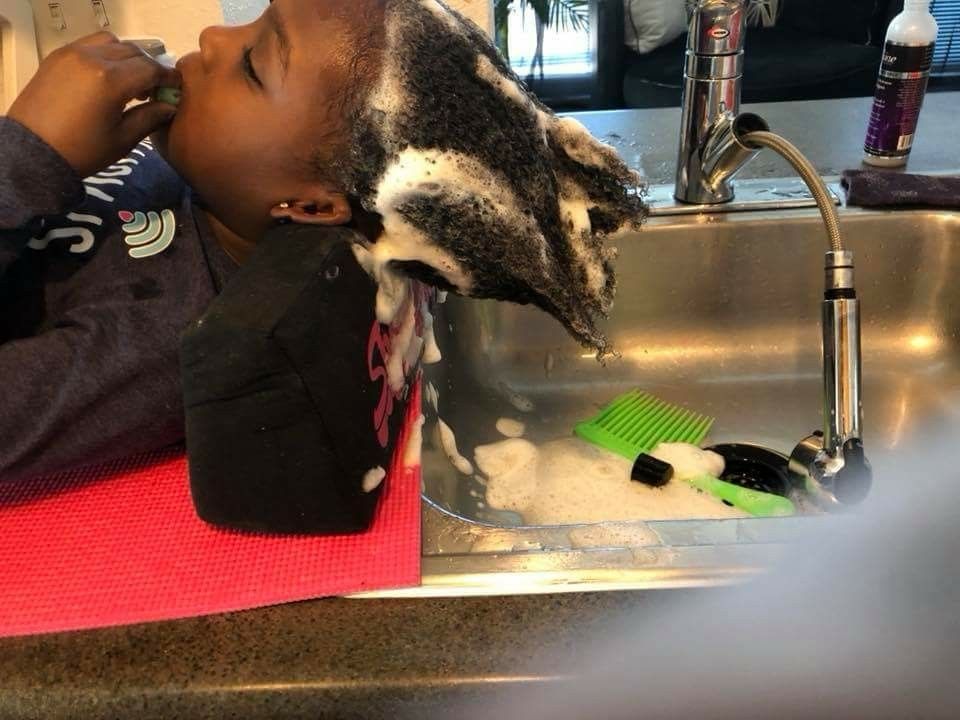
Wash day does not have to be a fight, even with a strong willed child. With patience and a steady schedule, it slowly becomes just another normal part of the week.
Leave a Reply