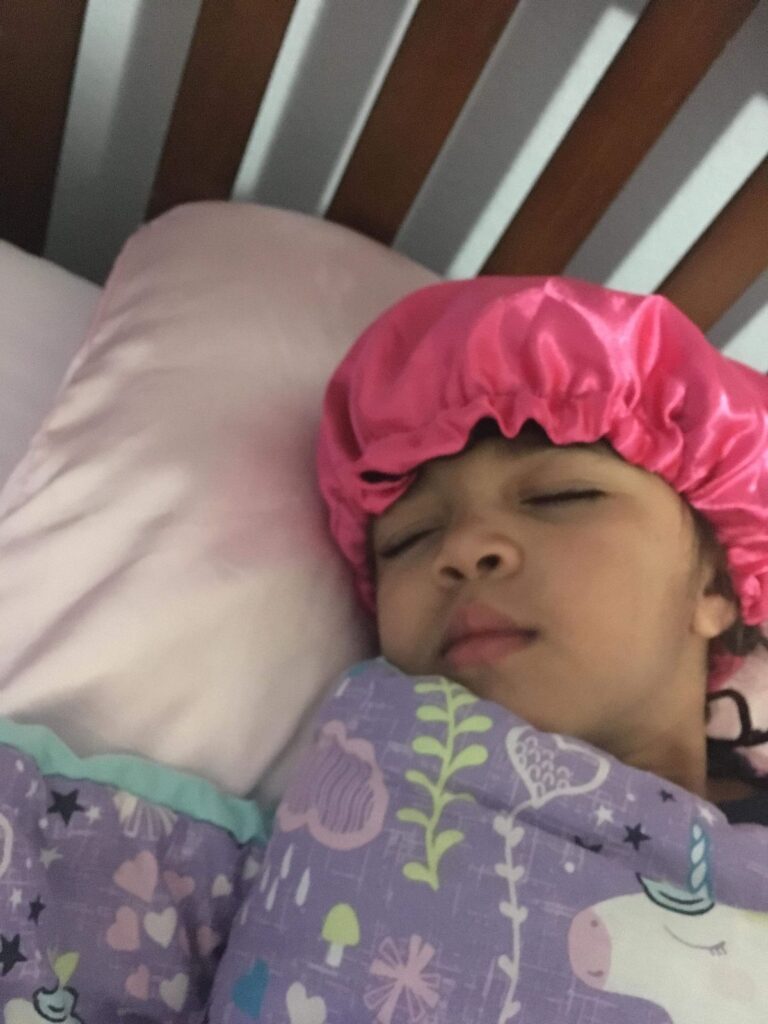
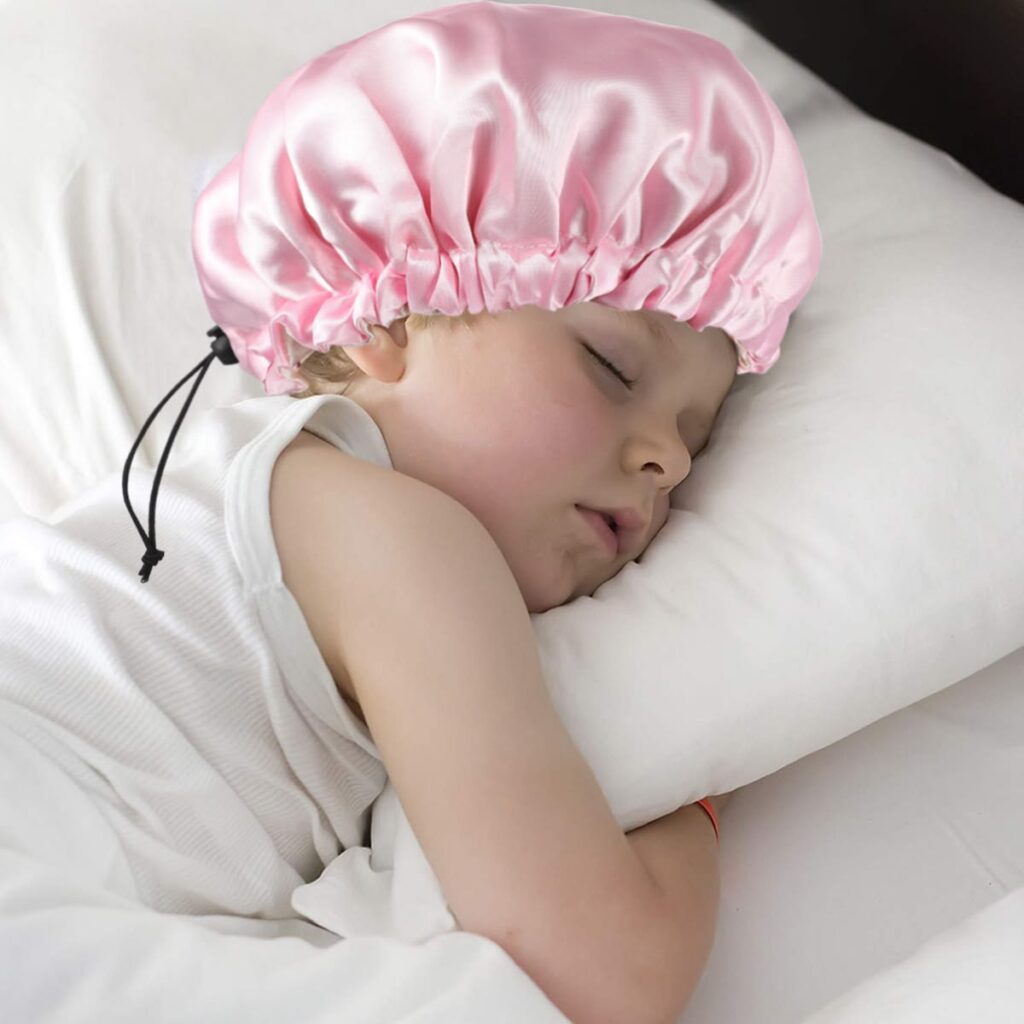
My little niece doesn’t like anything on her head while she’s sleeping. So I have to wait till she falls asleep. Then I gently walk into her room and put her silk bonnet on her. I know some of you can relate to this story of mine. Some kids can be a handful, each one comes with a different character and personality.
Some children happily wear a bonnet without any fuss at all. Others fight it the moment it touches their head, no matter how gently you try. Both situations are completely normal, and neither one means you are doing something wrong. What matters is finding a method that actually works for your specific child and sticking with it consistently over time.
Our ultimate guide to caring for your child’s hair touches on nighttime care briefly as part of the bigger picture. This post goes much deeper, covering exactly why nighttime protection matters and how to make it happen. We will look at products, techniques, and creative solutions for even the most resistant sleepers in the house.
By the end, you should have several practical options to try, no matter your child’s personality. Protecting hair overnight does not have to be a nightly battle, even with a stubborn sleeper. A little creativity and patience go a long way here.

How To Protect Kid’s Hair While They Sleep
Why Nighttime Protection Matters So Much
Hair spends roughly a third of every day resting against a pillow during sleep each night. That much contact time adds up to real wear if left unprotected night after night.
Friction, moisture loss, and tangling all happen quietly while your child sleeps soundly each night. Addressing this one part of the day can noticeably improve overall hair health across the whole week.
Many parents focus heavily on daytime care while overlooking what happens overnight. Balancing both halves of the day gives hair the complete protection it actually needs.
Think of nighttime protection as the missing piece that quietly supports everything else you do. Without it, even a great daytime routine can only do so much.

What Happens To Hair While Your Child Sleeps
As your child moves during sleep, hair rubs constantly against the pillow surface. This constant rubbing creates friction, which roughens the outer layer of each strand.
Over time, this roughness leads to tangling, dryness, and eventually breakage near the ends. Even a calm sleeper experiences some of this friction throughout a normal night without anyone noticing.
Hair can also lose moisture overnight, especially in a room with dry indoor heating or air conditioning. This combination of friction and moisture loss makes nighttime one of the most overlooked risk periods for hair.
Active sleepers, especially younger children, tend to experience even more friction than calm ones. Watching how your child sleeps can help you judge how much protection they truly need.

The Problem With Cotton Pillowcases
Regular cotton pillowcases are one of the biggest hidden culprits behind overnight hair damage. Cotton fibers are rough and absorbent, which pulls moisture directly out of the hair.
The rough texture also increases friction, leading to more tangling by the following morning. Most parents never consider the pillowcase itself as part of the hair care routine at all.
Switching this one item can make a surprisingly large difference without changing anything else. It is a small, one time change that keeps working every single night afterward.
Most families already own a pillow, so this swap costs very little to try. It is often the easiest first step for parents just starting a nighttime routine.
Look for one hundred percent silk or satin, since blended fabrics may not offer the same benefits. Checking the label before buying helps you avoid a product that only partially works.

Satin And Silk As The Better Option
Satin and silk both offer a much smoother surface than regular cotton fabric. This smoothness reduces friction significantly, allowing hair to glide instead of catch and tangle.
These materials also absorb far less moisture, helping hair stay hydrated through the night. A satin or silk pillowcase is one of the simplest, most effective upgrades a parent can make.
Satin is generally more affordable and just as effective as silk for most families. Either option works well, so choose based on budget and what feels comfortable for your child.
Wash the pillowcase regularly, just like any other bedding, to keep it working effectively. A clean surface protects hair just as well as the material itself does.
Keep a spare pillowcase on hand so laundry day never leaves your child without protection. This small backup prevents any gap in the nightly routine.

Bonnets Vs Scarves Vs Pillowcases
A bonnet fully covers the hair, offering the most complete protection of the three options. A scarf can be tied snugly and often feels more familiar to some children.
A satin pillowcase requires no cooperation at all, since it simply replaces the existing pillowcase. Each option has its own strengths, depending on your child’s comfort level and personality type overall.
Some families combine a satin pillowcase with a loose bonnet for extra protection. Choose the combination that fits your child’s tolerance and your own nightly routine best.
There is no single correct choice here, only what actually gets used consistently. The best option is always the one your family will stick with long term.
Test each option over a few nights before settling on your family’s preferred method. This trial period helps you avoid buying multiple products before finding the right fit.
Getting A Reluctant Child To Wear A Bonnet
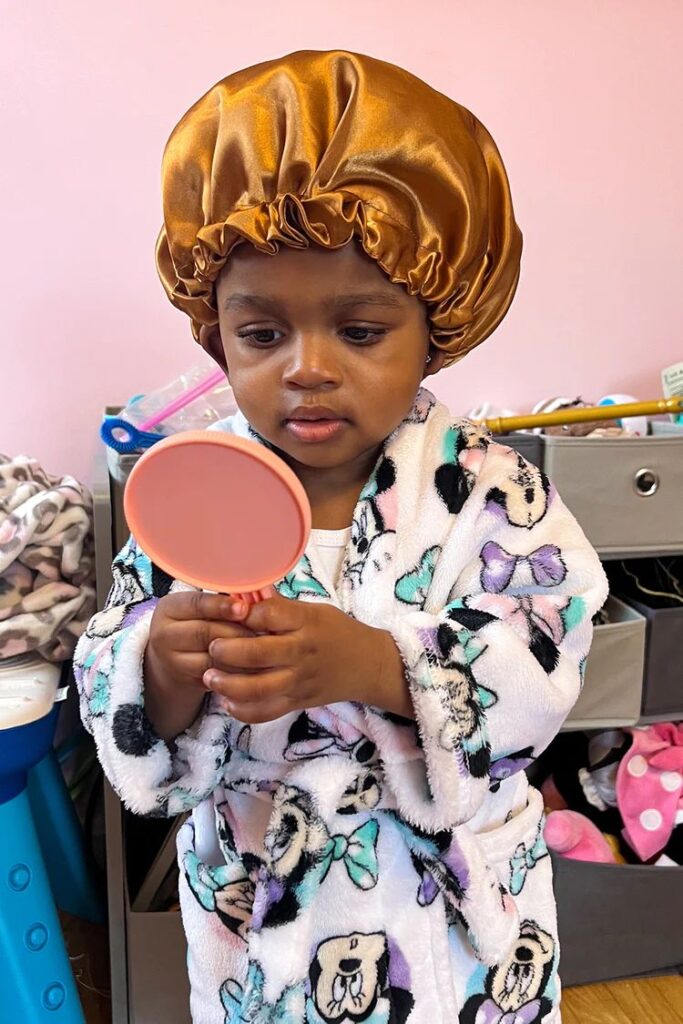
Many children resist wearing anything on their head, especially at first attempt. Start by letting them wear it during the day, like a game or costume.
This removes the pressure of bedtime and lets them get used to the feeling naturally. Praise their effort each time, even if it only lasts a few minutes at first try.
If your child still resists at bedtime, waiting until they fall asleep is a reasonable backup plan. This exact method is what worked well for my niece over time. It is not the ideal method, but it still offers real protection through most of the night.
Let your child pick out their own bonnet design or color if it helps with buy in. A sense of ownership often reduces resistance more than any explanation ever could.
Loose Braids And Twists Before Bed
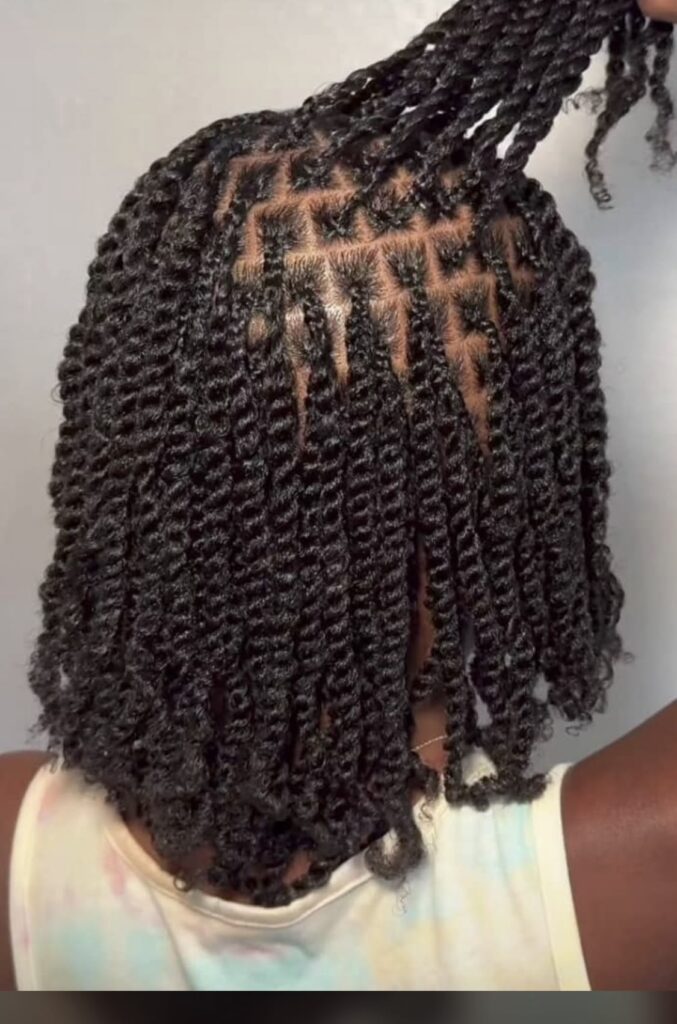
A loose braid or twist reduces the surface area exposed to friction during sleep. Unlike tight styles, a loose braid should never pull uncomfortably at the scalp or hairline.
This simple styling choice works well alongside a bonnet or satin pillowcase for extra protection. Many parents find this combination gives the most reliable overnight results for their child’s hair.
Practice the braid or twist during a calm moment, not right before bed when patience is thin. A quick, familiar routine becomes easier to manage once you have done it several times.
A simple two strand twist works well for most hair types and takes very little time. It does not need to look perfect, since it only needs to hold overnight.
Pineappling For Curly Hair
Pineappling is a technique where curly hair is gathered loosely on top of the head. This keeps curls from being crushed or flattened against the pillow overnight.
A soft scrunchie, not a tight elastic, works best for this loose, high gathering. The result is less frizz and better curl definition by the following morning after a full night of rest.
This technique takes only a minute but can noticeably improve how curls look each day. It pairs especially well with a satin bonnet for even better overnight protection.
Position the gathered hair loosely at the very top of the head, not off to one side. This placement keeps curls lifted away from the pillow surface throughout the night.

Moisturizing Before Bed
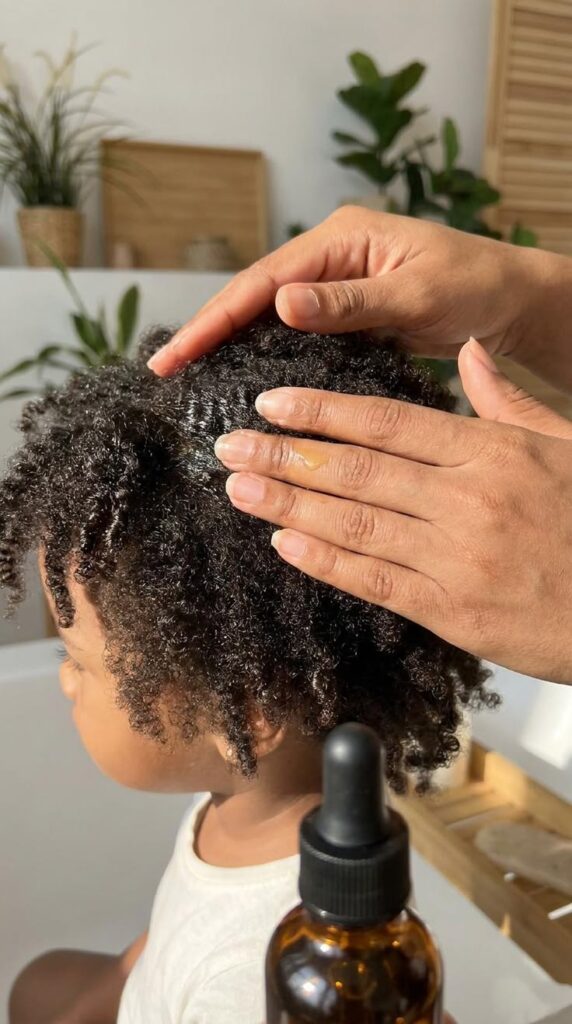
A quick moisture refresh before bed sets the hair up for a better night’s rest. For the full method, read how to moisturize your child’s hair the right way for complete guidance.
A light spray of water followed by a small amount of leave-in cream works well. This step should always come before the bonnet, scarf, or pillowcase goes on for the night.
Skipping this step often means the hair starts the night already a little too dry. This small addition takes less than a minute but noticeably improves how the hair feels by morning.
Keep the spray bottle and cream on the nightstand so the step never gets forgotten. A visible, ready to use setup makes consistency far easier to maintain.
Detangling Before Sleep Matters Too
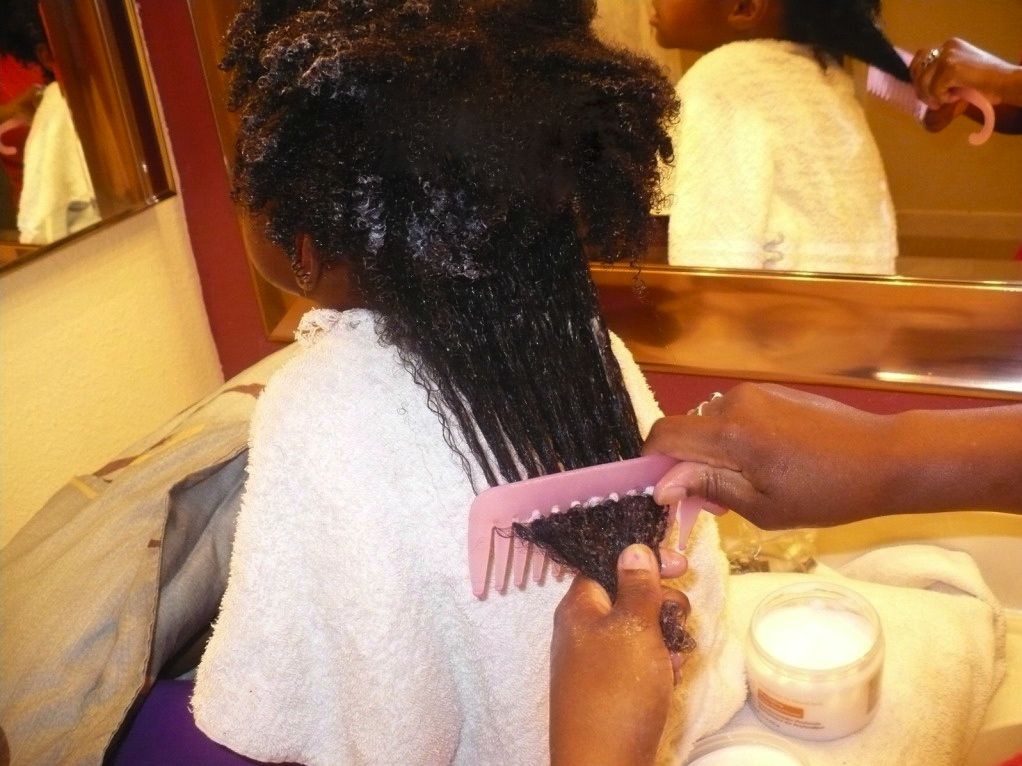
Going to bed with already tangled hair usually makes the tangles worse by morning. For the full method, read how to detangle your child’s hair without tears for detailed guidance.
A gentle detangle before bed, even a quick one, prevents this build up overnight. This step pairs naturally with moisturizing, since detangling works best on slightly damp hair.
Keeping this step light and quick avoids turning bedtime into a longer, more stressful process. Even a two minute pass with a wide tooth comb makes a real difference by morning.
This does not need to be a full detangling session like the one after wash day. A light pass through the ends is usually enough to prevent overnight tangling.
Use this quick moment to check the scalp and ends for anything unusual too. A daily glance like this helps you catch dryness or breakage early, before it spreads.

Building Nighttime Care Into The Full Routine
Nighttime protection should never feel like a separate task disconnected from the rest of the day. For the full five step structure, read how to create a simple hair care routine for kids again.
Treating nighttime care as the final step of the daily routine keeps everything connected. This mindset shift makes the habit far easier to remember and maintain consistently.
Once nighttime protection becomes automatic, it barely adds any extra time to the evening routine. It simply becomes the last small step before lights out.
Attach it to an already existing habit, like brushing teeth or reading a bedtime story. This kind of pairing makes the new step stick far more easily over time.
How This Connects To Wash Day
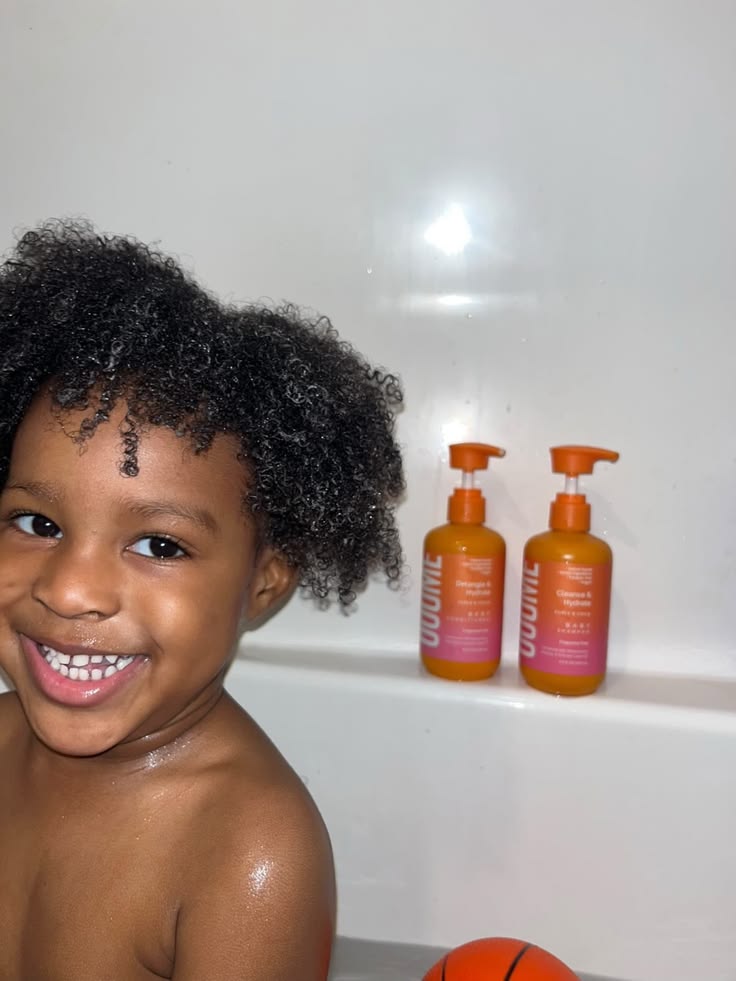
Nighttime protection plays a direct role in how often you actually need to wash. For the full breakdown, read how often should you wash your child’s hair for complete guidance.
Well protected hair stays cleaner and less tangled for longer between washes. This means consistent nighttime care can actually reduce how often washing is needed.
Fewer washes mean less overall stress on the hair, creating a positive cycle of protection. This connection is one of the most underrated benefits of a solid nighttime routine.
Parents who commit to nighttime protection often notice their washing schedule naturally stretching out over time. This is a welcome side effect that saves both time and effort each week.
Less frequent washing also means less exposure to water and product, which can be gentler overall. This is another quiet benefit that builds on top of the direct protection itself.

Protecting Hair Through Every Season
Nighttime protection needs can shift slightly depending on the time of year. For the full seasonal breakdown, read how to keep kids hair healthy and strong all year round.
Dry winter months may call for an extra layer of moisture before bed. Humid summer months may call for a lighter bonnet to avoid overheating during sleep and restlessness.
Adjust your nighttime routine slightly as the seasons change, just like you would during the day. This small seasonal awareness keeps protection effective no matter what time of year it is.
A heavier cream before bed in winter and a lighter one in summer both make sense. Small seasonal tweaks keep the routine working well throughout the entire year.
Check your child’s room temperature too, since a very warm room can make bonnets feel uncomfortable. A breathable fabric option works better during hotter months of the year.
Nighttime Protection As Breakage Prevention
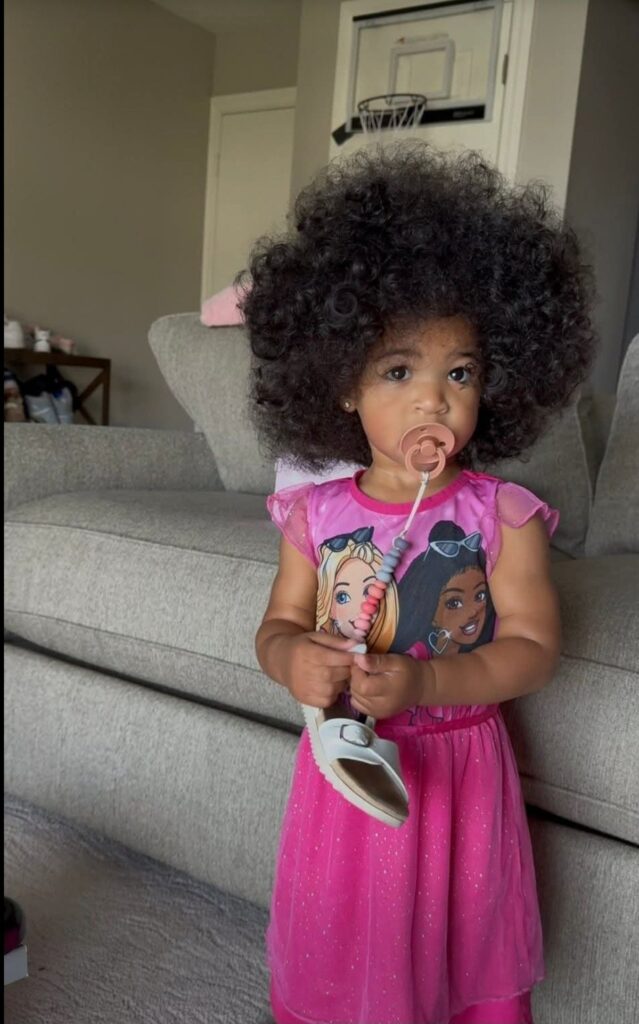
Consistent nighttime protection is one of the simplest ways to prevent ongoing breakage. For the full explanation, read how to prevent hair breakage in children’s hair for the complete picture.
Reducing friction and moisture loss overnight directly reduces the risk of snapped strands. This connection makes nighttime care one of the highest impact habits a parent can build into daily life.
Many parents notice a real difference in breakage within just a few weeks of consistent protection. This visible improvement is often the strongest motivation to keep the habit going.
Fewer stray hairs on the pillow each morning is often the first sign that things are improving. This small, visible change tends to reassure parents that the effort is genuinely working.
Track this informally over a few weeks rather than expecting overnight results from just one night. Real, lasting change usually shows up gradually rather than all at once.
Keeping Hair Soft Overnight
Soft, tangle free mornings almost always start with proper protection the night before. For more ideas, see how to keep your child’s hair soft and tangle-free for extra tips.
A well protected night means less work detangling and styling in the morning rush. This connection makes nighttime care one of the best time saving habits for any busy household with young kids.
Parents who commit to this habit often report noticeably calmer, faster morning routines overall. The extra minute at bedtime saves several minutes of stress the next morning.
Soft, tangle free mornings also mean less time spent fighting over hair before school. This ripple effect often extends well beyond just the hair itself.
Travel And Sleepover Situations
Nighttime protection habits are easy to forget when your child is away from home. Pack a small travel bonnet or scarf in every overnight bag as a habit.
A travel sized bottle of leave-in cream can also make the routine easier to maintain. Preparing ahead of time prevents a missed night from becoming a missed week.
Sleepovers and vacations do not need to interrupt the routine if you plan just a little ahead. A small dedicated pouch with these items makes packing quick and consistent every time.
Teach older children to pack their own bonnet, so the habit travels with them independently. This small responsibility helps the routine stick even when you are not there to remind them.
Label the travel pouch clearly so it is easy to spot among other packed items. A small, dedicated system prevents the routine from getting lost in the chaos of travel.

When Kids Resist Nighttime Routines
Resistance to nighttime routines is common and rarely a sign of a real underlying problem. Tiredness, sensory sensitivity, or simply wanting control can all play a role.
Offering small choices, like picking the bonnet color, can reduce resistance significantly. Patience and consistency usually work better than pressure or repeated reminders in the moment.
If resistance continues for weeks, it may help to revisit the material or fit being used. Sometimes a small adjustment, not more pressure, is what actually solves the problem.
Try a different style of bonnet or a softer scarf if the current one feels uncomfortable. Comfort plays a bigger role in cooperation than most parents initially expect.

Building The Habit Gradually
Introducing nighttime protection gradually tends to work better than expecting instant cooperation right away. Start with just the pillowcase swap, since it requires no effort from your child at all.
Add the bonnet or scarf once that first change feels normal and unremarkable. Layering habits slowly makes the whole system far easier to maintain long term.
Celebrate small wins along the way, like one full week without needing to redo it manually. These small milestones help both you and your child stay motivated through the adjustment period.
Avoid rushing every step at once, since gradual change tends to stick far better long term. A slow, steady build up is more sustainable than a sudden, all at once shift.

Everything Else Parents Should Know
Nighttime protection is just one part of the much bigger picture of daily hair care. For a full, parent focused overview, read everything parents need to know about kid’s hair care.
It ties this nighttime routine into the wider approach covered across every other topic. Understanding how these pieces connect makes the whole process feel far less overwhelming for busy parents.
Keep adjusting your approach as your child grows and their comfort with the routine changes. What feels difficult today often becomes automatic within just a few weeks of consistent effort.
Stay patient with yourself too, since building any new habit takes time for the whole family. Progress here is measured in weeks and months, not single nights.
Revisit this post whenever the routine starts to feel stale or stops working as well. A quick refresher often reveals a small tweak that gets things back on track.

Final Thoughts
Protecting your child’s hair while they sleep does not require a perfect nightly routine. It simply requires consistency, patience, and a method that fits your specific child.
A bonnet worn happily or one gently added after they fall asleep, both count. Small nightly habits add up to noticeably healthier, softer hair over time, no matter which method you settle on.
Trust the process, stay flexible, and adjust the method as your child grows more comfortable with it. Every small step toward consistent nighttime protection is a step toward stronger, healthier hair.
It takes weeks or months for the effort to fully pay off in fewer tangles and less breakage. Keep going, and this small nightly habit will quietly reward you both.
Softer, healthier hair follows naturally once the routine becomes second nature for the whole family. Mornings become noticeably calmer too, as a direct result of the steady work you put in each night.
Leave a Reply