Some kids have soft hair naturally. They only need maintenance to keep the softness going. While some kids have hard and stubborn hair, which requires more effort to get it soft. Both situations are completely normal, and neither one is better or worse than the other.
What matters is understanding which category your child falls into and adjusting from there. Trying to force one universal method onto every hair type usually leads to frustration for both parent and child. Once you know what your child’s hair actually needs, softness becomes far easier to maintain.
Our ultimate guide to caring for your child’s hair touches on softness briefly as part of the bigger picture. This post goes much deeper, covering exactly how to build and maintain soft, tangle free hair. We will look at products, technique, and the small daily habits that make the biggest difference.
By the end, you should have a clear plan for your specific child’s hair, no matter where they started. Soft, tangle free hair is achievable for almost every child with the right consistent approach. It just takes the right knowledge and a bit of patience.
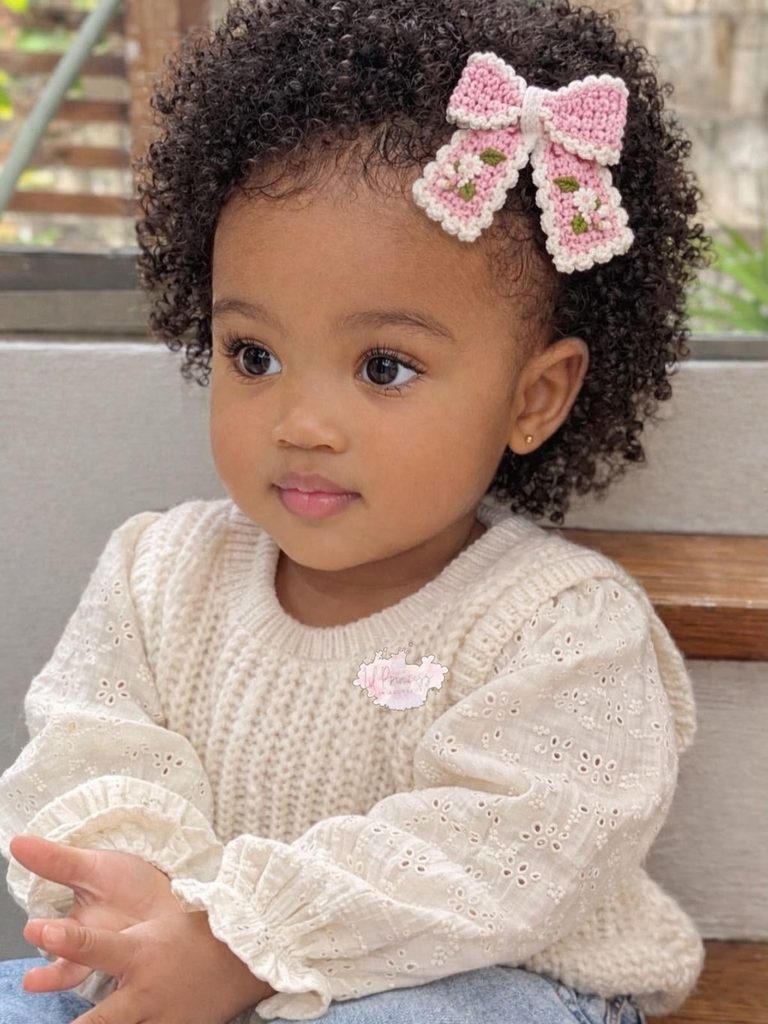
How To Keep Your Child’s Hair Soft And Tangle-Free
Why Some Hair Is Naturally Softer Than Others
Hair softness comes down largely to genetics, strand thickness, and natural oil production. Finer strands tend to feel softer simply because they bend and move more easily.
Thicker, coarser strands can still become soft, but they usually need more consistent care. Understanding this difference helps you set realistic expectations from the very beginning of the process.
Scalp oil production also plays a role, since oil naturally travels down and softens each strand. Children with lower oil production often need more external moisture to achieve the same softness.
Age can also affect softness, since a toddler’s hair often feels different from an older child’s hair. Do not be surprised if softness naturally shifts as your child grows up.

What Softness Actually Depends On
Softness is not just about genetics, it is also about daily habits and consistent care. Moisture, gentle handling, and the right products all work together to create lasting softness.
Neglecting any one of these pieces usually shows up as roughness or increased tangling. Think of softness as something you build and maintain, not something fixed forever.
Even naturally soft hair can become rough and tangled without proper care over time. This means every child benefits from a consistent routine, regardless of their starting hair type.
Think of natural softness as a starting advantage, not a guarantee that lasts without any effort. Every hair type still needs some level of ongoing attention to stay soft.
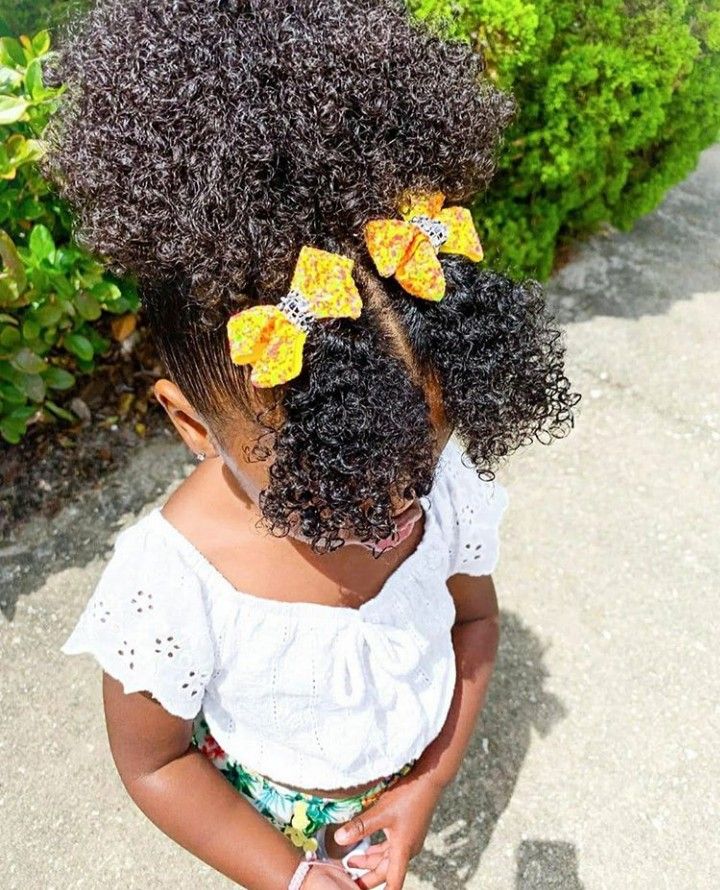
Water Is Still The Starting Point
Just like with moisturizing, water remains the true foundation of soft, healthy hair. Dry hair, no matter the texture, always feels rougher than properly hydrated hair.
A light mist of water before applying any product resets the hair’s moisture level. This simple step matters just as much for soft hair as it does for coarse hair.
Keep a spray bottle within reach as part of your daily routine, not just on wash day. This small habit supports softness consistently throughout the entire week.
A quick spritz before school or bedtime keeps hair from drying out between full moisture sessions. This tiny addition makes a bigger difference than most parents initially expect.

Building A Soft Hair Routine From The Ground Up
A consistent routine is the real foundation behind lasting softness, more than any single product. For the full five step structure, read how to create a simple hair care routine for kids again.
Detangling, washing, conditioning, moisturizing, and sealing all work together to support soft, manageable hair. Skipping any one of these steps usually shows up as roughness within just a few days.
Follow the same order every time, since consistency itself contributes to softness over time. A routine done the same way each week builds cumulative softness that random effort cannot match.
Once the order becomes familiar, the whole process starts to feel automatic for both of you. This familiarity reduces stress and helps the routine stick long term.
Washing Habits That Support Softness
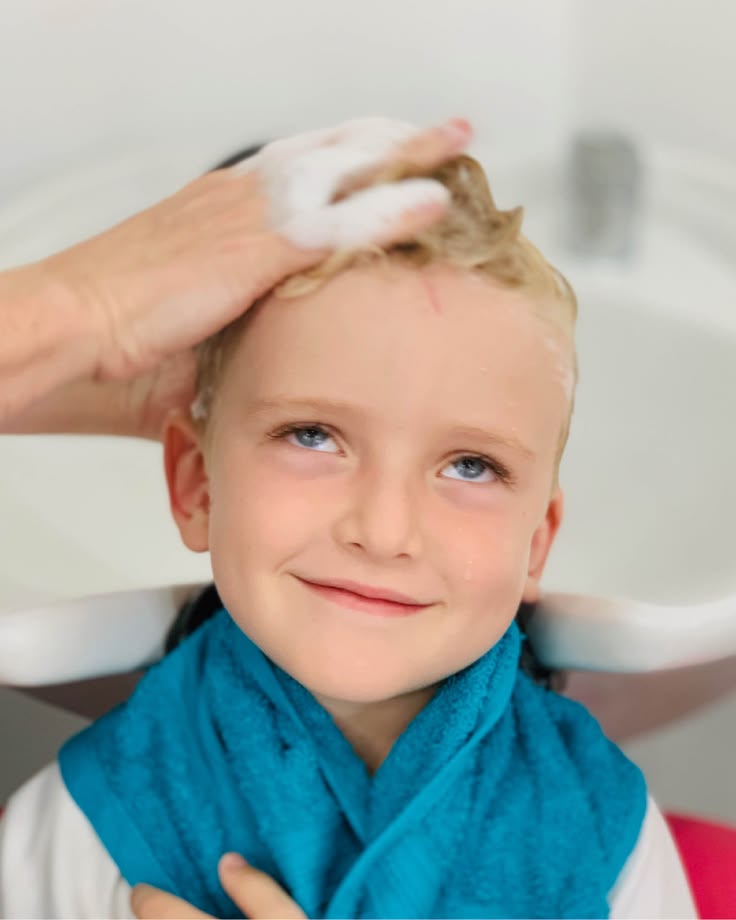
How you wash your child’s hair directly affects how soft it feels afterward. For the full breakdown, read how often should you wash your child’s hair for complete guidance.
Overwashing strips natural oils, leaving hair feeling rough no matter what you apply afterward. Underwashing lets buildup accumulate, which can also leave hair feeling coated and stiff.
Use lukewarm water and gentle, sulfate free products to protect natural softness during every wash. A gentle wash sets the stage for every other softening step that follows.
Massage the scalp gently while washing, since this helps distribute natural oils more evenly. This small technique supports softness right from the very first step of the routine.
Avoid vigorous scrubbing, since this can rough up the outer layer of each strand. A gentle touch throughout the wash sets a softer tone for the rest of the routine.
Detangling Gently To Preserve Softness
Rough detangling can undo days of careful moisture and softness work in just a few minutes. For the full method, read how to detangle your child’s hair without tears for detailed guidance.
Working from the tips upward, with plenty of slip, protects both softness and strength. Rushing this step almost always leads to rougher, more tangled hair by the end.
A calm, patient approach here preserves the softness you have already worked to build. Treat detangling as part of the softness routine, not a separate, disconnected task.
Add extra oil to any dry, stubborn section before you attempt to comb through it. This small addition protects both softness and comfort during the entire process.

Moisturizing For Softness
Moisture is the single biggest factor behind soft, manageable hair on a daily basis. For the full method, read how to moisturize your child’s hair the right way for complete guidance.
A light cream or leave-in product applied to damp hair keeps strands feeling soft. Reapplying small amounts throughout the week prevents dryness from creeping back in.
Consistency matters more here than any single expensive product ever could. Daily light moisture almost always outperforms one heavy treatment applied only occasionally.
Watch how the hair feels by the end of each day to judge if more moisture is needed. This simple daily check keeps you responsive rather than guessing at a fixed schedule.
Some children need moisture daily, while others only need it every couple of days. Let your child’s actual hair guide the frequency, rather than a rule from a blog.

Sealing And Protecting That Softness
Once moisture is in place, a light oil helps lock that softness in for longer. Coconut oil, olive oil, and similar light oils all work well for this final step.
A small amount goes a long way, since too much oil can feel heavy and greasy. This sealing step is what keeps hair feeling soft between one moisture session and the next.
Focus extra oil on the ends, since they tend to feel rougher first as they dry out. This small, consistent habit extends the life of every moisturizing session you do.
Warm the oil between your palms before applying it, since this helps it spread more evenly. A warmed oil also feels lighter and less greasy once applied to the hair.
Choose an oil based on your child’s specific hair type rather than what worked for someone else. Lighter oils suit fine hair, while richer oils suit thicker, coarser strands.
Products That Help Vs Products That Hurt
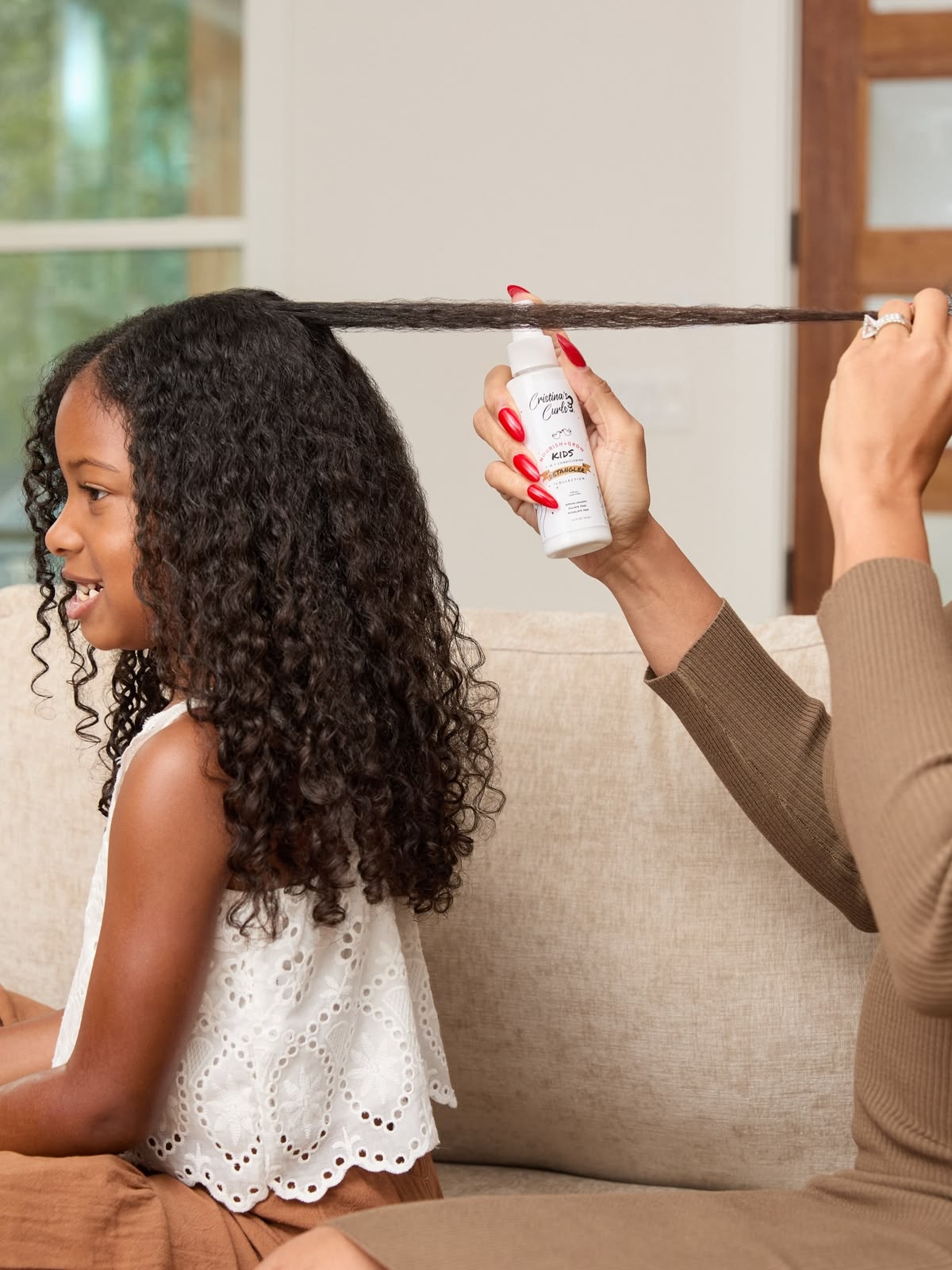
Not every product marketed for softness actually delivers on that promise for every hair type. Look for ingredients like glycerin, shea butter, and natural oils, which genuinely support softness.
Avoid products high in alcohol or heavy silicones, since these can leave hair feeling coated instead of soft. Testing a small amount first helps you judge how a new product truly performs.
Every child’s hair reacts differently, so be ready to adjust based on real results. What works beautifully for one child may not work the same way for another.
Keep a simple record of which products worked and which did not over several weeks. This small habit saves time and money on future product decisions.
Read the full ingredient list rather than trusting marketing claims on the front of the bottle. The actual ingredients tell you far more than words like natural or gentle ever could.

Protective Styles For Keeping Hair Tangle Free
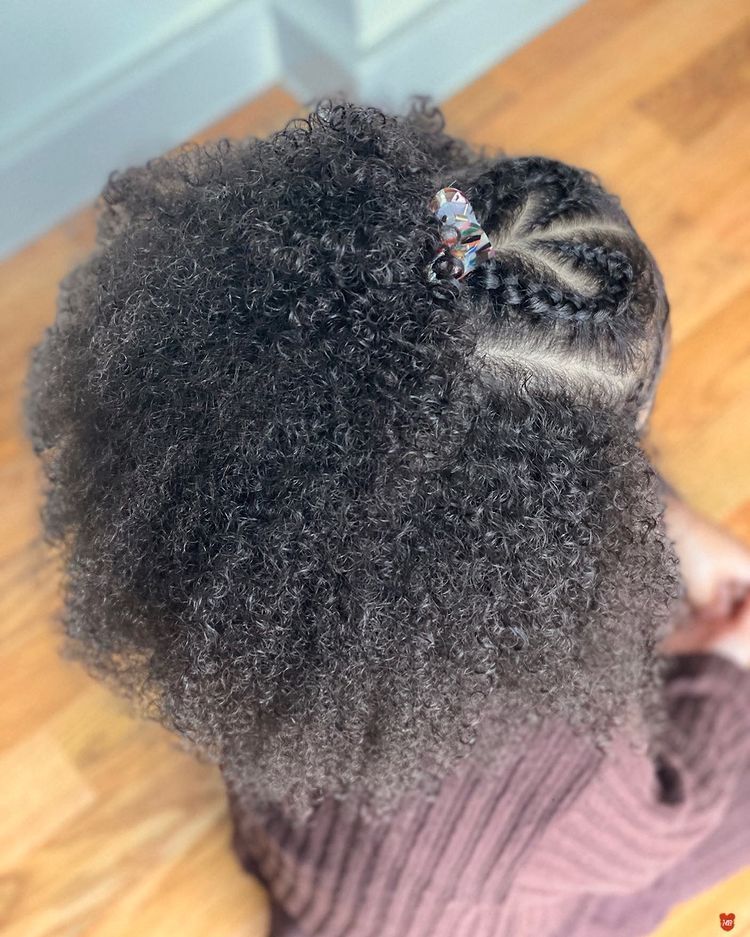
Loose braids, twists, and buns all help reduce daily friction and tangling. Tight styles, on the other hand, can pull at the roots and cause discomfort over time.
Choose styles that protect the hair without adding unnecessary tension at the scalp. Rotate styles regularly to avoid repeated stress on the exact same area.
A well chosen protective style can keep hair tangle free for several days at a time. This reduces the overall amount of daily handling the hair needs to stay soft.
Ask your child which styles feel most comfortable, since comfort affects how long a style lasts. A style they enjoy is far more likely to stay in place without complaints.
Simple, low maintenance styles often work better for daily wear than elaborate ones. Save more intricate styles for special occasions, when there is time to do them properly.

Nighttime Habits That Keep Hair Soft
What happens overnight has a real effect on how soft hair feels the next morning. For the full guide, check how to protect kid’s hair while they sleep for complete tips.
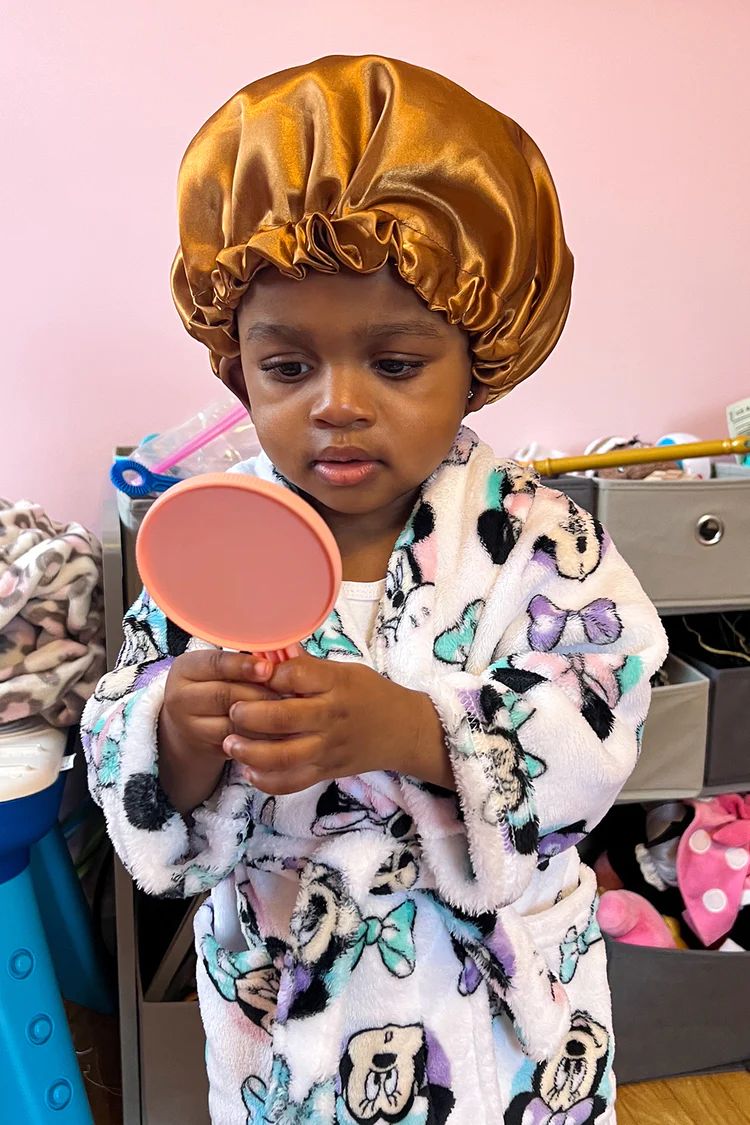
A satin bonnet or pillowcase reduces the friction that roughens hair while your child sleeps. Combined with a light moisture refresh before bed, this habit protects softness through the entire night.
Skipping nighttime protection often means starting each morning with rougher, more tangled hair. This one small habit makes a noticeable difference by the time morning arrives.
Make this the very last step of the evening, right after moisture and before lights out. This order locks in softness right before the hours of potential overnight friction begin.
A satin bonnet paired with a loose braid offers the most complete overnight protection. Together, these two habits work far better than either one used alone.
Softness Through The Seasons
Softness needs shift as the weather changes throughout the year, just like every other part of hair care. For the full seasonal breakdown, read how to keep kids hair healthy and strong all year round.
Cold, dry months often require richer products to maintain the same level of softness. Hot, humid months often require lighter products to avoid feeling weighed down or greasy.
Reviewing your approach each season keeps softness consistent no matter what the weather is doing. A quick seasonal check prevents you from sticking with an outdated routine for too long.
Keep both a lighter and a richer product on hand so switching feels effortless. Having both ready removes the need to shop mid season when the weather shifts unexpectedly.
Softness And Breakage Prevention
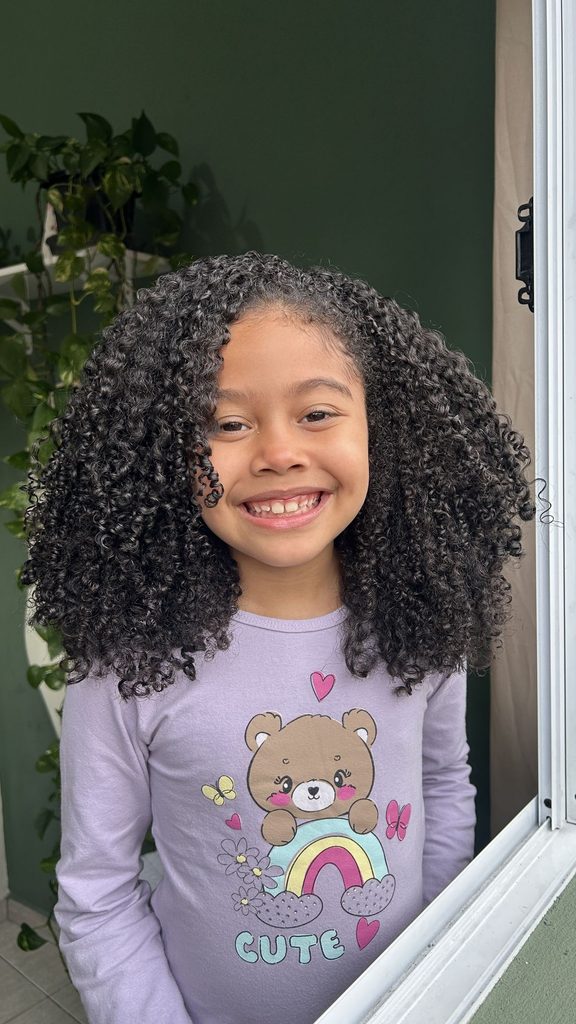
Soft hair is naturally more flexible, which means it resists breakage better than dry, brittle hair. For the full explanation, read how to prevent hair breakage in children’s hair for the complete picture.
Dry, rough hair tends to snap more easily under normal daily handling and styling. This connection makes softness one of the simplest ways to protect against breakage overall.
Treat softness as ongoing prevention, not just a cosmetic goal for how the hair looks. The two benefits work together, supporting each other with every consistent step you take.
Notice how much less breakage happens once softness becomes a stable, everyday state. This visible connection often becomes the strongest motivation to stay consistent with the routine.
Fewer stray hairs and split ends are usually the clearest signs this connection is working well. Small, visible improvements like these keep parents motivated through the slower weeks.
Diet’s Role In Naturally Soft Hair
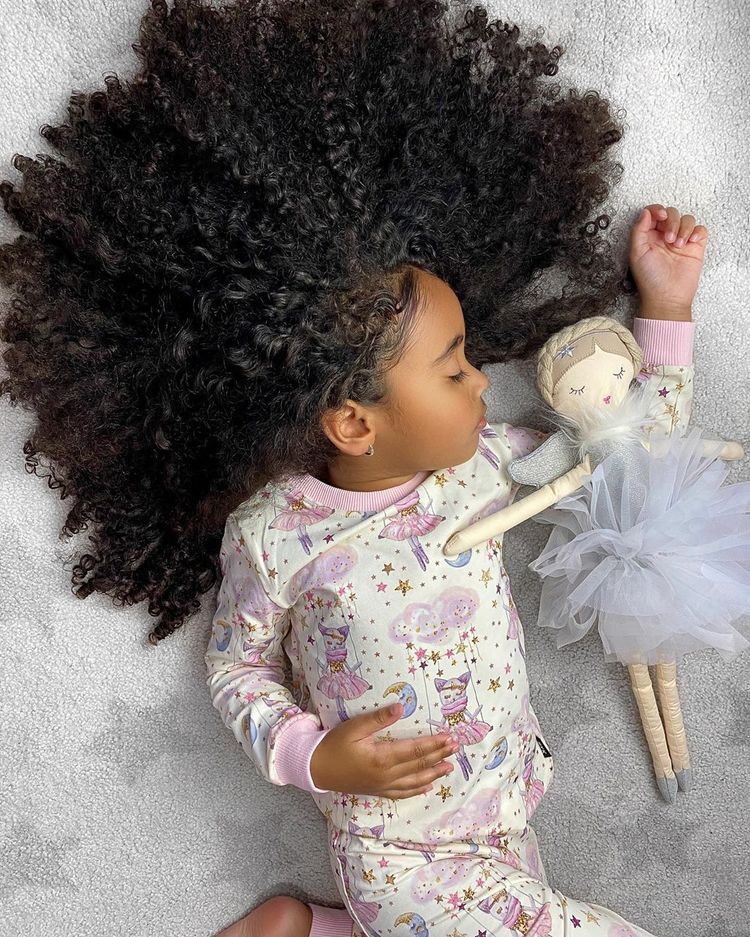
What your child eats also plays a quiet role in how soft their hair feels. Healthy fats, found in foods like avocado and fish, support the hair’s natural oil balance.
Adequate water intake also supports softness from the inside, not just from external products. A balanced diet works alongside good external care rather than replacing it entirely.
Encourage a variety of whole foods rather than relying on any single miracle ingredient. Small, consistent nutritional habits support softness just as much as the products applied externally.
Hydration matters here too, since water supports every part of the body, including the hair. A well hydrated child often has noticeably softer, more manageable hair overall.

Working With Stubborn, Coarse Hair Types
Coarse, stubborn hair can absolutely become soft with the right consistent approach over time. This hair type often needs more frequent, heavier moisture than finer hair types require.
Deep conditioning treatments every couple of weeks can make a noticeable difference for this texture. Patience is especially important here, since results often take longer to become visible.
Do not compare coarse hair’s progress to a finer haired sibling’s results directly. Each hair type follows its own timeline, and that is completely normal.
Stick with a consistent routine for at least a full month before judging the results. Coarse hair often needs more time to show visible change than finer hair types do.
Deep condition on a regular schedule, since this hair type benefits especially from intensive treatments. A weekly or biweekly deep condition can make a noticeable long term difference.
Common Mistakes That Undo Softness
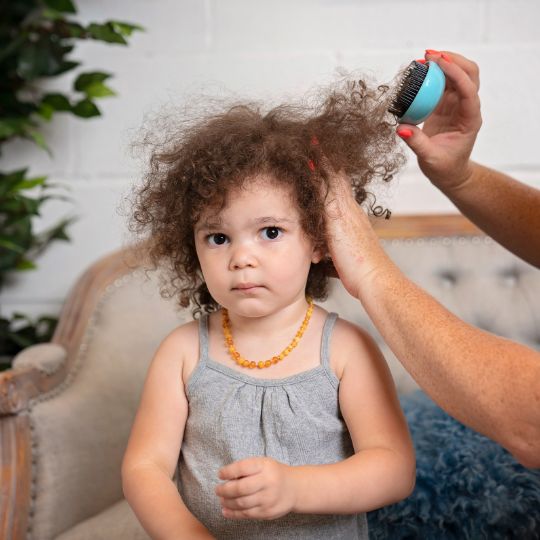
Skipping the water step before applying cream or oil is one of the most common mistakes. Overusing heavy products on fine hair can also leave it looking flat and feeling weighed down.
Rough towel drying undoes a lot of careful moisture work in just a few seconds. Rushing through detangling or styling almost always leaves hair feeling rougher than it needs to be.
Fixing even one of these habits can make a noticeable difference within just a couple of weeks. Small corrections often matter more than adding new products to the routine.
Write down which mistake you notice yourself making most often during a typical week. This helps you focus your energy on the one change that matters most first.
Comparing notes with other parents can also reveal blind spots in your own routine. A fresh perspective often catches habits that feel too normal to notice on your own.
Building Patience Into The Process
Soft, tangle free hair rarely happens overnight, especially with naturally coarse or stubborn hair types. Give any new routine at least a few weeks before judging its overall effectiveness.
Hair responds slowly to changes, so quick judgments often lead to unnecessary product switching. Consistency over time matters far more than perfection during any single session.
Celebrate small improvements along the way, rather than waiting for dramatic, sudden change. Softness builds gradually, through small, repeated habits done consistently over weeks and months.
Remind yourself that setbacks, like a rough patch after a busy week, are completely normal too. Progress rarely moves in a perfectly straight line for any hair type.
Give yourself the same patience you are giving your child’s hair throughout this process. Both of you are learning and adjusting together as the routine develops over time.

Signs Your Routine Is Working
Softer texture between your fingers is usually the first sign that your routine is working. Reduced tangling during detangling sessions is another clear and encouraging sign of real progress.
Less breakage and fewer stray hairs around the house also indicate genuine improvement. Give these signs time to appear, since real change usually builds gradually rather than overnight.
Keep a simple mental note of how the hair felt when you started this process. Comparing that memory to how it feels now often reveals more progress than you expect.
A ponytail that once felt rough and stiff may start to feel noticeably smoother over time. This kind of small, physical change is often the clearest proof the routine is working.
Trust these small signals more than any single dramatic before and after comparison. Real progress usually looks like a series of small, steady improvements over time.
Everything Else Parents Should Know
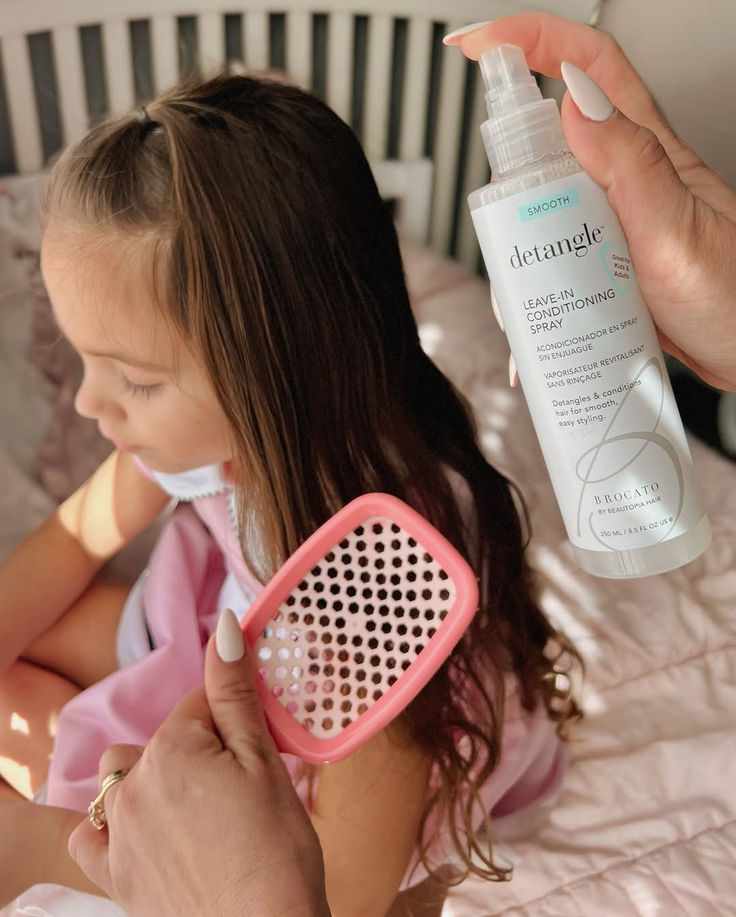
Keeping hair soft and tangle free connects closely to almost every other part of daily care. For a full, parent focused overview, read everything parents need to know about kid’s hair care.
It ties this softness routine into the wider approach covered across every other topic. Understanding how these pieces connect makes the whole process feel far less overwhelming for busy parents.
Keep adjusting your approach as your child’s hair changes with age and the seasons. What works well today may need small tweaks again in just a few months.
Stay open to change rather than assuming one method will work forever without any adjustment. Hair care is an ongoing process that grows alongside your child.

Final Thoughts
Soft, tangle free hair comes down to consistent moisture, gentle handling, and the right daily habits. The same principles apply no matter if your child’s hair started naturally soft or naturally coarse.
Small, steady effort over time matters far more than any single expensive product ever could. Patience and consistency are what ultimately turn effort into lasting, noticeable softness.
Trust the process, stay consistent, and adjust as you learn what your specific child’s hair needs. Soft, tangle free hair is well within reach with steady, gentle care over time.
Give yourself credit for the effort, even during the weeks that feel slower than others. Every consistent step, however small, moves you closer to the softness you are working toward.
Leave a Reply