Getting your kid to sit down is one thing. But having them allow you to moisturize their hair is another thing entirely. And knowing how to moisturize a kid’s hair the right way is the main thing of all. Many parents skip straight past this step without realizing how much it actually matters.
Moisture is often the missing piece between hair that looks dull and hair that looks healthy. It affects softness, strength, and even how easily the hair tangles day to day. Getting this one step right can quietly fix a lot of other hair problems at once. Yet it remains one of the most misunderstood parts of a child’s hair routine, even among attentive parents.
Our ultimate guide to caring for your child’s hair touches on moisture briefly as part of the bigger picture. This post goes much deeper, walking you through exactly what moisture means and how to apply it properly. We will cover products, technique, timing, and how to adjust for different hair types as they grow and change.
By the end, moisturizing should feel like a simple, repeatable habit rather than a confusing guessing game. Soft, healthy hair is well within reach once you understand this one essential step. It just takes the right order, the right products, and a bit of patience.
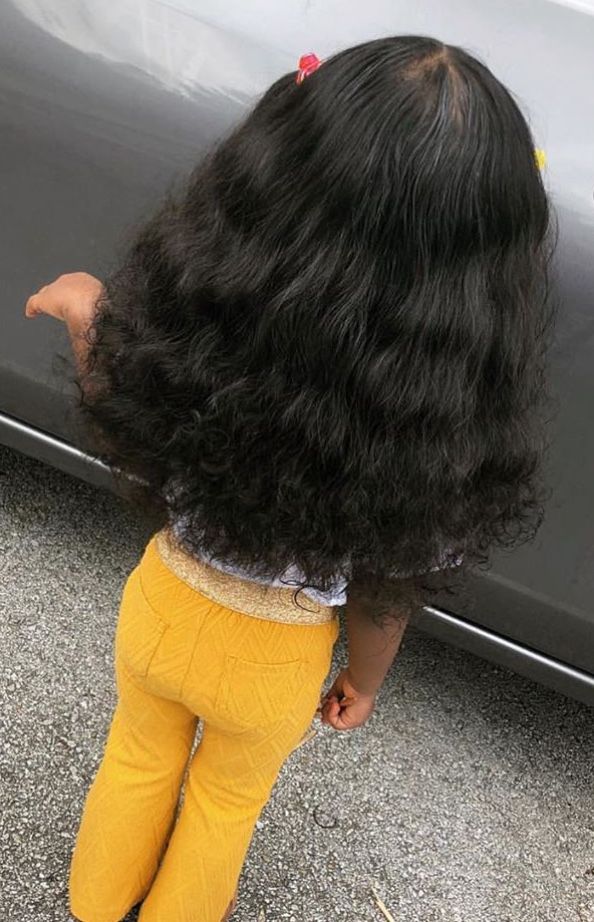
How To Moisturize Your Child’s Hair The Right Way
Why Moisturizing Kids Hair Is Different From Adult Hair
Children’s hair tends to be finer and more porous than adult hair strands. This means it can lose moisture faster but also absorb new moisture more easily.
A child’s scalp also produces less natural oil compared to an adult scalp. This makes external moisture even more important for keeping the hair soft and manageable throughout the day.
Adult hair routines, especially heavier ones, are often too intense for a child’s more delicate strands. Scaling products and techniques down to fit a child’s hair keeps the whole process gentle and effective.
Copying an adult routine directly is one of the most common mistakes new parents make. Recognizing this early saves a lot of trial and error down the road.

What Moisture Actually Means For Hair
Moisture is not the same thing as oil, even though the two are often confused. Water is the true source of moisture, while oil mainly helps to seal that moisture in.
Hair that feels dry usually needs water first, not another layer of oil. Understanding this difference changes how effective your entire moisturizing routine actually becomes.
Think of water as filling a cup and oil as putting a lid on top of it. Skipping the water step is like sealing an already empty cup with a tight lid.
Once you understand this simple idea, a lot of confusing product advice starts to make sense. Every good moisturizing routine builds on this same basic principle, no matter which specific products you choose.

Water Is The First Step, Not Oil
Many parents reach straight for oil when hair starts to feel dry or rough. This often makes the problem worse, since oil alone cannot hydrate dry strands.
A light mist of water should always come before any cream or oil is applied. This simple order makes a noticeable difference in how soft the hair feels afterward.
Keep a spray bottle filled with plain water within easy reach during your routine. A quick spritz before applying any product resets the moisture level and prepares the hair properly.
This one small habit alone often fixes hair that feels dry no matter what product is used. It is usually the missing first step, not a sign that stronger products are needed.
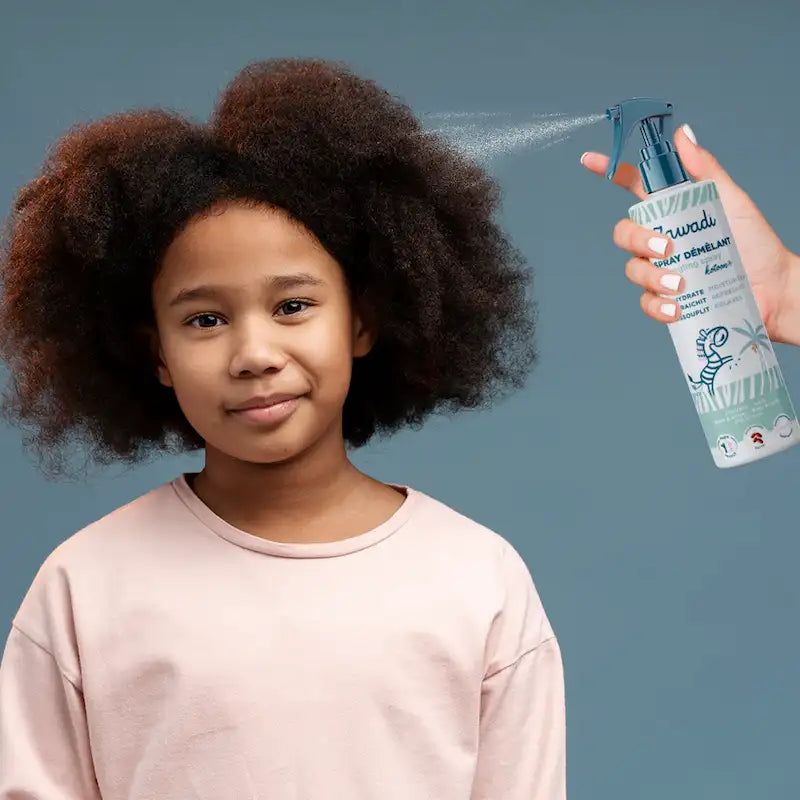
Understanding The LOC And LCO Method
LOC stands for liquid, oil, and cream, applied in that specific order. LCO stands for liquid, cream, and oil, which works better for some hair types.
Liquid always comes first, since it provides the actual hydration the hair needs. The order of cream and oil after that depends on your child’s specific hair texture.
Thicker, curlier hair often responds better to the LOC method with oil applied last. Finer, straighter hair often responds better to the LCO method, since cream alone can feel heavy.
Try both methods over a few weeks and watch how your child’s hair responds to each one. This small experiment tells you far more than any general rule ever could.
Write down which method you used on a given day so you can compare results later. This small record keeping habit removes the guesswork from future decisions.

Choosing The Right Leave-In Product
A good leave-in product should feel light, not thick, waxy, or difficult to spread across the strands. Look for ingredients like glycerin or aloe vera, which help draw moisture into the hair.
Avoid products high in alcohol, since these can dry the hair out instead of helping it. Testing a small amount first helps you judge how the product actually performs on your child’s specific hair.
Every child’s hair reacts a little differently, so be prepared to try more than one product. Finding the right leave-in often takes a bit of trial and error at first.
Keep a small notebook or note on your phone tracking what worked and what did not. This makes future product decisions faster and far less frustrating.
Ask other parents for recommendations, but remember their child’s hair may not match yours exactly. Use suggestions as a starting point rather than a guaranteed solution.
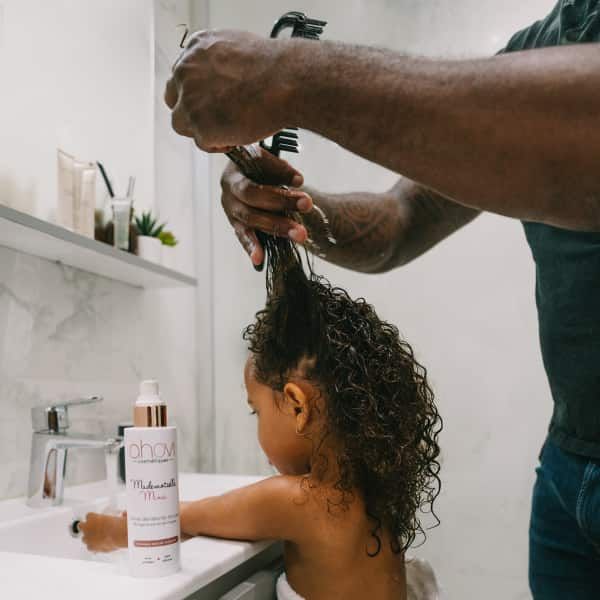
Applying Moisture Section By Section
Applying product to the whole head at once often leads to uneven, missed spots. Break the hair into four or five sections before you begin the moisturizing process.
Work through each section fully before moving on to the next one. This method ensures every part of the hair receives equal attention and care.
Smaller sections also make the whole process faster and easier to manage overall. This is especially helpful with thicker or longer hair that takes more time to cover.
Clip finished sections out of the way so you can clearly track your progress. This small organizational habit prevents you from missing spots or repeating the same area twice.
Work under good lighting so you can clearly see which areas still need attention. This small setup change helps you apply product more evenly across the whole head.
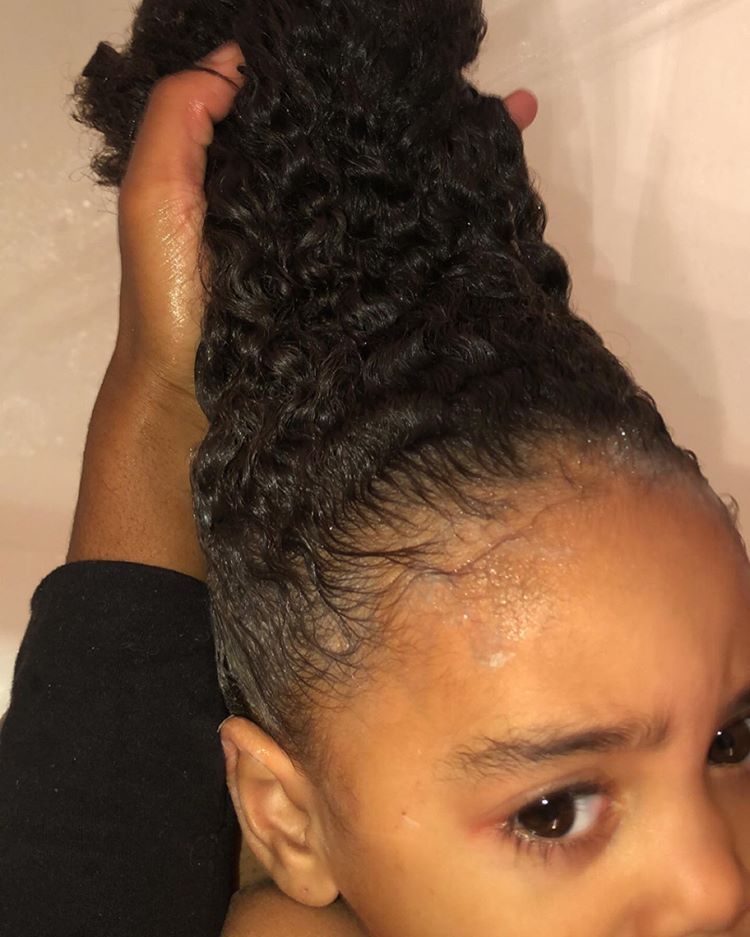
Sealing In Moisture With Oil
Once water and cream have been applied, a light oil helps lock that moisture in. Coconut oil, olive oil, and grapeseed oil are all common, gentle choices for kids.
Warm the oil slightly between your palms before applying it evenly through the hair. A small amount is enough, since too much oil can leave hair feeling greasy.
Focus extra oil on the ends, since they tend to dry out the fastest of all. This final sealing step is what keeps moisture locked in for the following day or two.
Rub the oil between your palms before applying it, since this warms and softens the product. A warmed oil spreads more evenly and feels noticeably lighter on the hair.
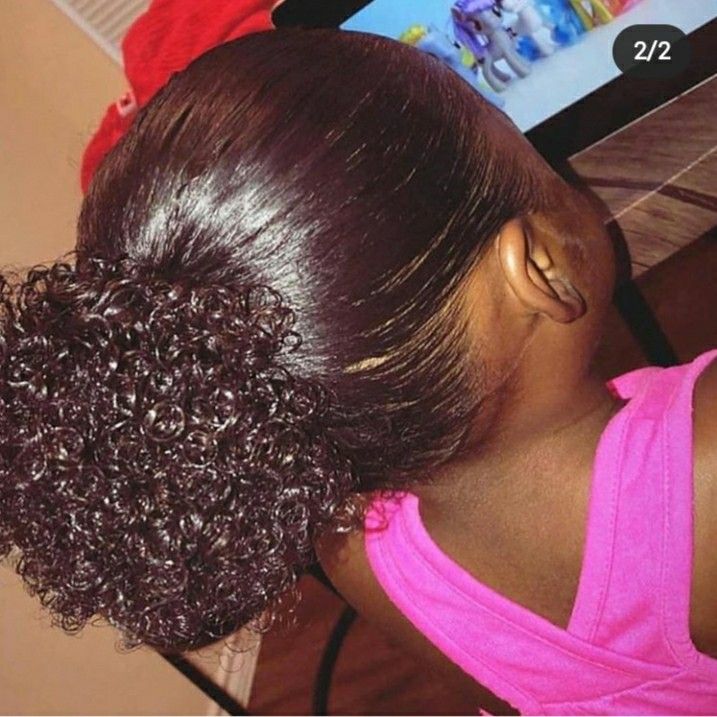
How Often To Moisturize Between Washes
Daily light moisture, even between full wash days, keeps hair consistently soft and manageable. A quick spray of water followed by a small amount of leave-in works well each morning.
This does not need to be a long process, often taking less than five minutes. Consistency here matters far more than doing one heavy treatment occasionally.
Watch how dry the hair feels by the end of each day to judge frequency. Some children need daily touch ups, while others only need moisture every couple of days.
There is no single correct number that fits every child in every home. Let your child’s actual hair guide the frequency, rather than a fixed schedule from a blog or forum.

Moisturizing By Hair Type
Curly and coily hair generally needs more frequent, heavier moisture than straighter hair types. The natural curl pattern slows down how oil travels from the scalp to the ends.
Straighter hair often needs lighter, less frequent moisture, since oil spreads more easily on its own.
Applying too much product to fine, straight hair can leave it looking flat and weighed down. Many parents find this frustrating until they adjust the amount they use.
Pay attention to how your specific child’s hair responds rather than following a generic rule. Adjust the amount and frequency of product based on what actually works for their unique texture.
Wavy hair often sits somewhere in between, needing a bit more than straight hair but less than curly hair. Watching how it behaves week to week helps you fine tune the right balance.
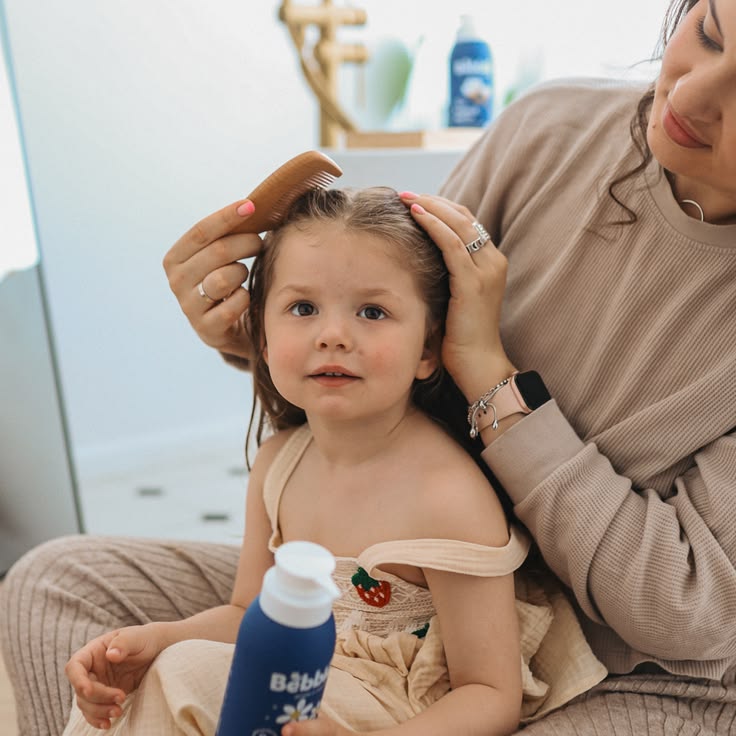
Signs Your Child’s Hair Is Dehydrated
Dry, dehydrated hair often looks dull and feels rough or straw like to the touch. It may also tangle more easily and break more often than properly moisturized hair.
A change in how the hair responds to styling is another common early warning sign. Catching these signs early makes it easier to correct before real damage sets in.
If the hair still feels dry shortly after moisturizing, the current product may not be working well. That particular texture might simply need a different approach entirely.
Trying a slightly heavier product or adjusting your technique can often resolve this quickly and effectively.
Dehydration can also show up as increased static or flyaway strands throughout the day. These small visual clues are often easier to spot than dryness felt only by touch.
Notice if your child mentions their hair feeling itchy or tight more often than usual. This kind of feedback often points directly to a hydration problem worth addressing.

Overmoisturizing And Product Buildup
It is possible to apply too much product, leading to buildup rather than genuine hydration. Signs of buildup include a heavy, greasy feel and hair that looks flat despite fresh product.
Clarifying washes every few weeks can help remove buildup without stripping the hair completely. Balance matters just as much here as it does with underusing moisture in the first place.
Watch for buildup especially if you use several different products in the same routine. Simplifying to fewer, well chosen products often solves this problem more effectively than adding more steps.
If hair looks dull and feels coated no matter how much you wash it, suspect buildup first. A gentle clarifying wash usually resets things within a single wash day.
Introduce a clarifying wash into your routine every four to six weeks as a preventative habit. This regular reset keeps buildup from becoming a recurring, harder to solve problem.
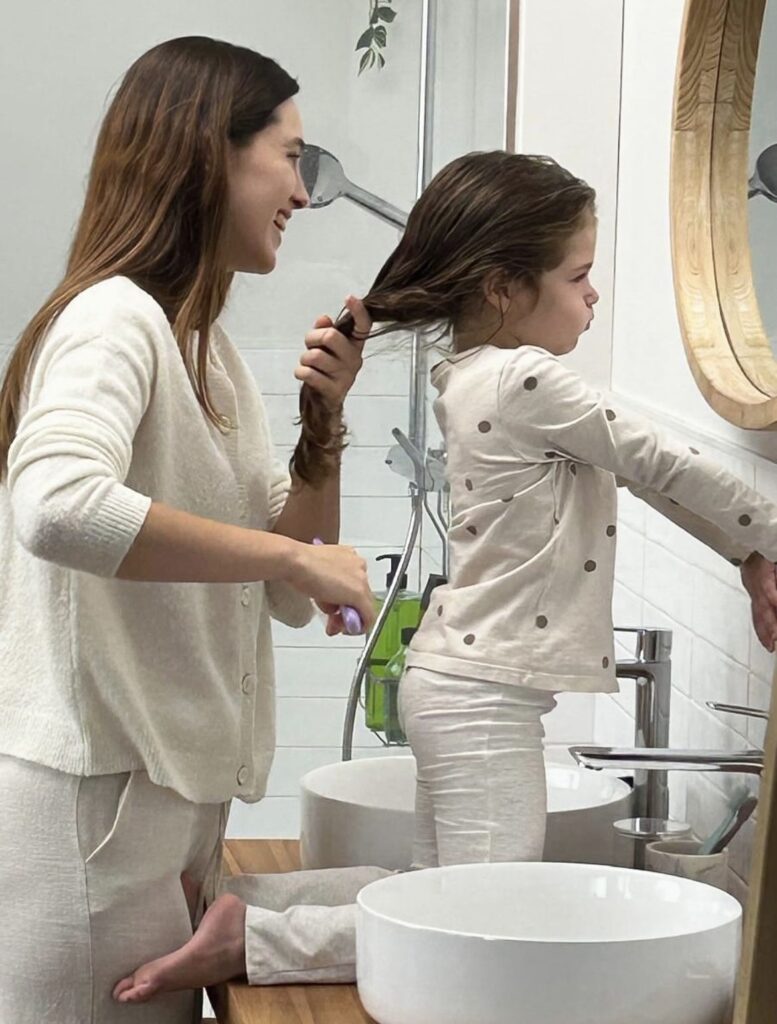
Building Moisture Into A Full Routine
Moisturizing should never be treated as a separate, standalone task done occasionally. For the full five step structure, read how to create a simple hair care routine for kids again.
Moisture fits naturally after washing and detangling, right before the final sealing step. Treating it as one connected process makes the whole routine feel far more manageable.
Once moisture becomes part of your regular rhythm, it stops feeling like an extra chore. It simply becomes one more automatic step in an already familiar routine.
Pair it mentally with a step you already do consistently, like brushing teeth or bedtime stories. This kind of pairing makes new habits stick far more easily over time.
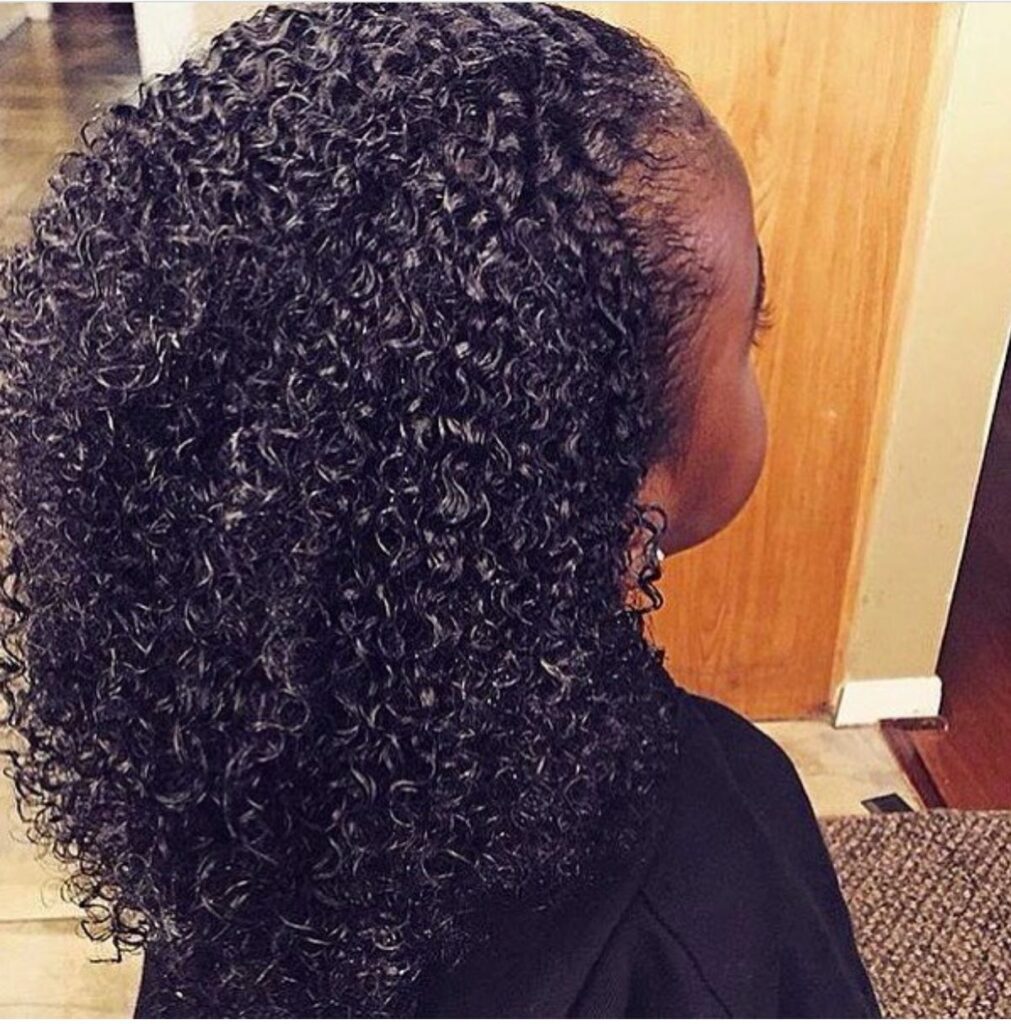
Moisturizing Around Wash Day
Wash day is one of the most important moments to focus on proper moisture. For the full breakdown, read how often should you wash your child’s hair for complete guidance.
Applying moisture immediately after washing, while hair is still slightly damp, works best. Waiting too long after a wash lets the hair dry out before any product goes on.
Plan your moisturizing step right into your wash day timeline, not as an afterthought. This small planning shift makes the whole process feel far more organized and effective.
Keep your products laid out and ready before the wash even begins. This avoids scrambling for supplies while your child waits with damp, cooling hair.
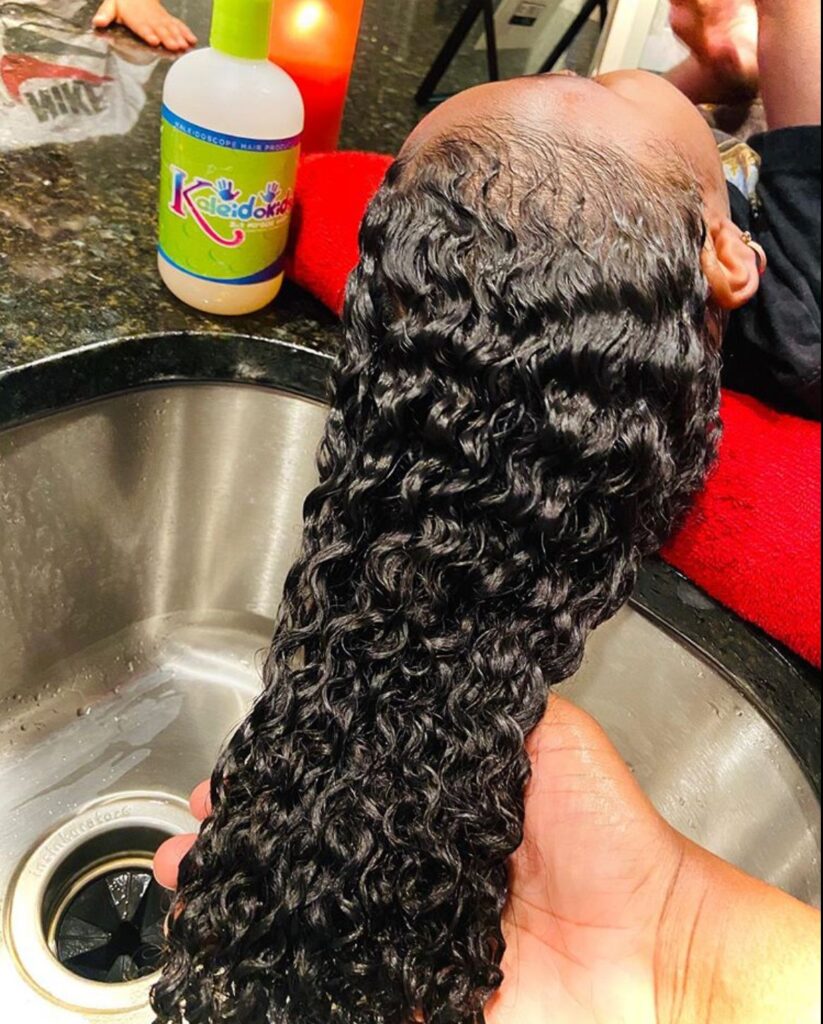
Moisturizing Before And After Detangling
Moisture and detangling work closely together, each one supporting the other’s effectiveness. For the full method, read how to detangle your child’s hair without tears for detailed guidance.
Adding moisture before detangling gives the comb more slip and reduces unnecessary pulling. A final light moisture pass after detangling helps smooth and settle the hair.
This pairing reduces both tangling and dryness at the same time, saving effort overall. Treating these two steps as connected rather than separate makes both of them noticeably easier.
A well moisturized section detangles noticeably faster than one left completely dry. This connection alone is often reason enough to prioritize moisture before you begin combing.

Moisturizing Through The Seasons
Moisture needs shift significantly as the weather changes throughout the year. For the full seasonal breakdown, read how to keep kids hair healthy and strong all year round.
Hot, humid months often need lighter products applied a little more frequently. Cold, dry months often need richer products applied with a slightly heavier hand.
Reviewing your moisturizing routine each season keeps it matched to what the hair currently needs. A quick seasonal check prevents you from sticking with an outdated approach for too long.
Keep both a lighter and a richer product on hand so you can switch easily. Having both ready removes the need to shop mid season when the weather shifts.
Indoor heating and air conditioning can also affect moisture levels independently of outdoor weather. Pay attention to how the hair feels indoors, not just how it feels outside.

Moisture As Breakage Prevention
Dry hair is far more likely to break than hair that stays properly hydrated. For the full explanation, read how to prevent hair breakage in children’s hair for the complete picture.
Consistent moisture keeps hair flexible, allowing it to bend rather than snap under normal daily stress. This connection makes moisturizing one of the simplest, most reliable ways to protect against breakage over time.
Treat moisture as a preventative habit rather than something you only reach for during a crisis. Staying ahead of dryness is far easier than repairing damage after it has already happened.
Think of daily moisture as ongoing maintenance rather than an emergency fix applied occasionally. This mindset shift alone often improves consistency across the entire routine.
Notice how much less breakage occurs once a steady moisture habit is fully in place. This visible improvement often becomes the strongest motivation to stay consistent going forward.
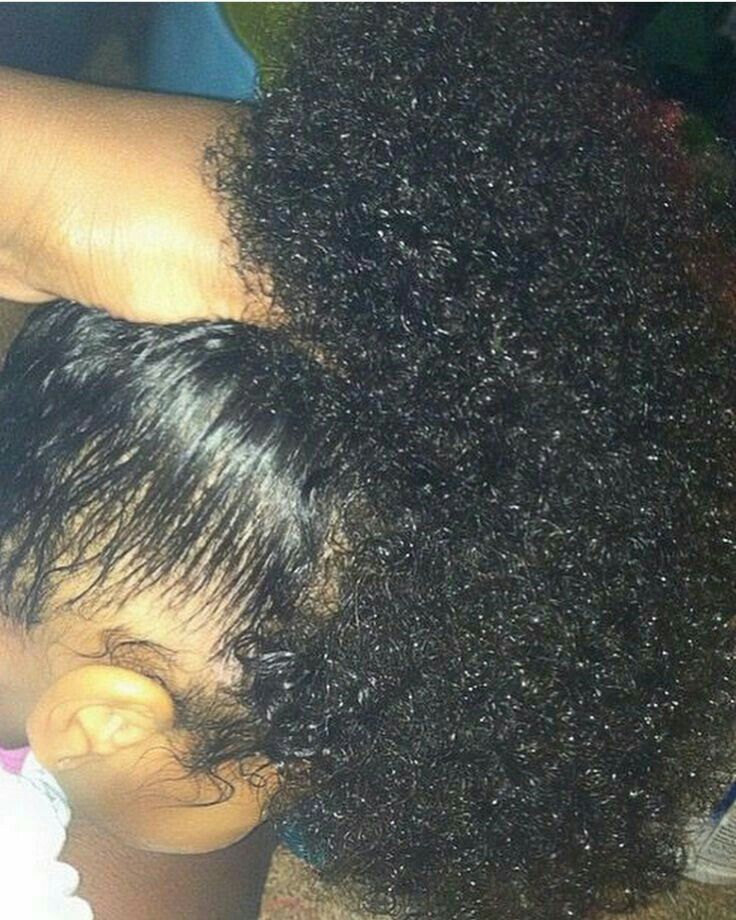
Moisturizing Before Bed
A light moisture refresh before bed helps protect hair through the night. For the full guide, check how to protect kid’s hair while they sleep for complete tips.
Combined with a satin bonnet or pillowcase, this habit locks in moisture until morning. Skipping this step often means waking up to noticeably drier, more tangled hair.
This small nighttime addition takes only a minute but makes a real difference by morning. Pairing moisture with proper nighttime protection gives you the best possible results overall.
Make this the very last step before the bonnet or scarf goes on for the night. This order locks the moisture in right before hours of potential friction begin.
Keep the nighttime spray bottle on the nightstand so the habit never gets skipped by accident. A visible, easy to reach tool makes consistency far simpler to maintain over time.
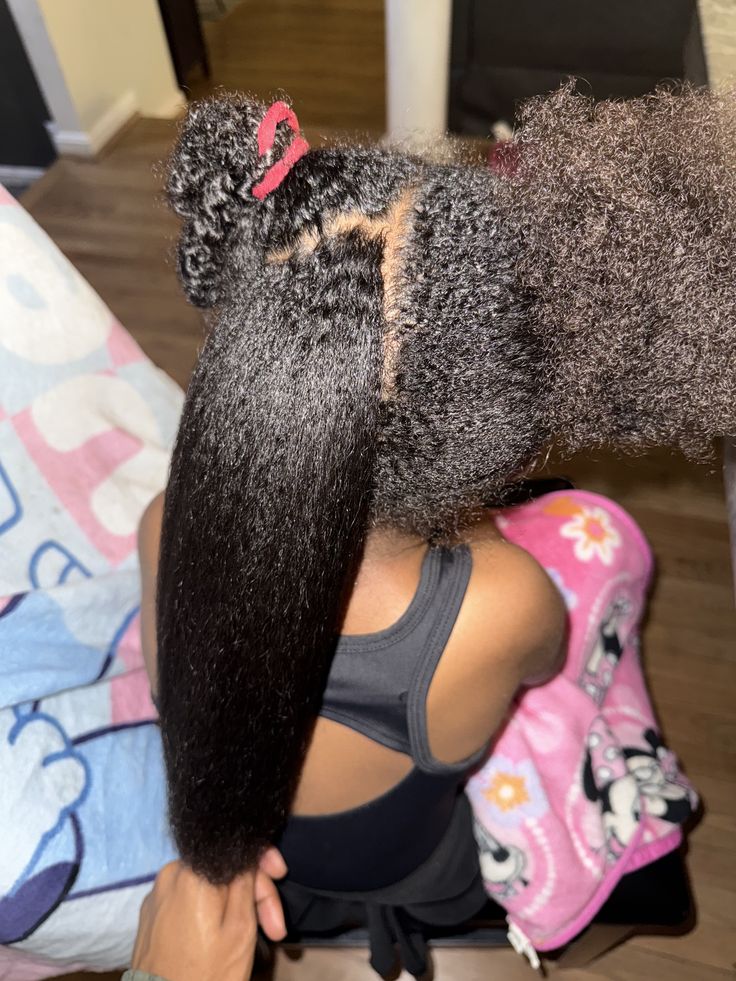
Keeping Hair Soft With Consistent Moisture
Soft, tangle free hair depends heavily on consistent, well balanced moisture over time. For more ideas, see how to keep your child’s hair soft and tangle-free for extra tips.
Moisture and gentle handling work together, each one supporting the softness of the other. Neglecting either piece usually shows up as dryness, roughness, or increased tangling within days.
Make moisture a daily habit rather than something reserved only for wash day itself. This consistency is what ultimately keeps the hair feeling soft between every single wash.
Small, frequent moisture beats one large, occasional treatment almost every single time. Building this rhythm into daily life is what creates lasting, noticeable softness.
Notice how much easier styling becomes once the hair reaches a genuinely well moisturized state. That ease is often the clearest sign the routine has finally found its rhythm.

Everything Else Parents Should Know
Moisturizing is just one part of the much bigger picture of daily hair care. For a full, parent focused overview, read everything parents need to know about kid’s hair care.
It ties this moisturizing routine into the wider approach covered across every other topic. Understanding how these pieces connect makes the whole process feel far less overwhelming for any busy parent.
Keep adjusting your approach as your child’s hair changes with age and the seasons. What works well today may need small tweaks again in just a few months.
Stay open to change rather than assuming one product or method will work forever. Hair care is an ongoing process that adjusts alongside your growing child.
Give yourself credit for showing up consistently, even on days when the routine feels rushed. Imperfect but regular care beats a perfect routine followed only occasionally.

Final Thoughts
Moisturizing your child’s hair the right way comes down to water first, then sealing it in. Choose the right products, apply them section by section, and stay consistent between wash days.
Small daily habits protect against dryness, tangling, and breakage all at the same time. Patience with the process pays off in noticeably softer, healthier hair over time. It rewards steady effort far more than any single expensive product ever could.
With the right technique, moisturizing can become one of the calmest, easiest parts of your routine. Give it consistent attention, and your child’s hair will show the results steadily.
Trust the process, stay patient through the trial and error, and keep showing up daily. Soft, healthy hair is simply the natural result of steady, gentle attention over time.
Let each small session build toward a routine that feels easy rather than stressful, week after week.
Leave a Reply