Parents need to understand their kid’s hair care. Both the products they use on their kid’s hair, and how it works on their hair. Understanding both of these makes every other decision much easier to make. Without this foundation, most hair care choices end up being guesswork.
This post pulls together everything covered across the entire series into one clear place. Think of it as your central reference point whenever a hair care question comes up. Instead of guessing, you can quickly find the specific guidance your child’s hair actually needs. Each section below points you toward a deeper, more detailed guide when you need one.
We start with our ultimate guide to caring for your child’s hair, which lays the full foundation. From there, this post walks through every major topic, from routines to nighttime care. By the end, you should feel confident handling almost any hair care situation that comes up.
Bookmark this post, since it works well as a quick reference during busy weeks. Hair care becomes far less stressful once you know exactly where to look for answers. Every topic in this series connects back to the ideas covered here.

Everything Parents Need To Know About Kid’s Hair Care
Why This Topic Deserves Real Attention
A child’s hair is more delicate than most parents initially realize when they start out. Small mistakes, repeated over weeks, can lead to real damage without anyone noticing right away.
Understanding the basics protects your child’s hair and saves you time and stress. This is not about perfection, it is about building steady, informed habits over time.
Many parents figure this out through trial and error, often the hard way. A little upfront knowledge can help you skip some of that frustration entirely.
Taking the time to learn now saves months of confusion and repeated mistakes later. This whole series exists to shorten that learning curve for busy parents.
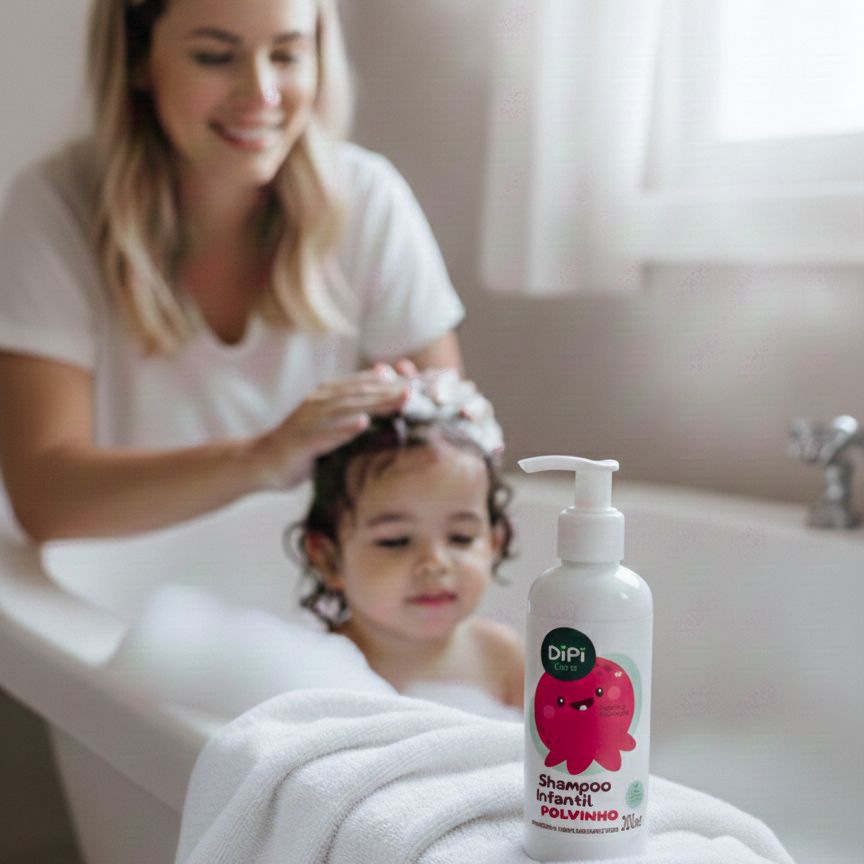
Understanding Your Child’s Hair Type First
Every recommendation in this post depends on knowing your child’s specific hair type. Straight, wavy, curly, and coily hair all behave differently and need different levels of care.
Spend time observing how your child’s hair responds to water, products, and styling. This foundation makes every other decision in this post far easier to apply correctly.
Hair type can also shift slightly as your child grows, so keep checking in periodically. What worked at age four may need small adjustments by age eight or nine.
Do not assume your child’s hair type matches your own or a sibling’s exactly. Each child’s hair deserves its own individual attention, even within the same family.
Wet hair often reveals the true curl pattern more clearly than dry hair does. Checking this way can help you shop for products with more confidence and accuracy.

Building A Simple Routine
A consistent routine is the backbone of good hair care, more than any single product. For the full five step structure, read how to create a simple hair care routine for kids.
Detangling, washing, conditioning, moisturizing, and sealing all work together to protect the hair. Following this same order each time removes a lot of guesswork from wash day.
Once this routine becomes familiar, it stops feeling like a chore for either of you. It simply becomes part of the normal weekly rhythm at home.
Write the steps down somewhere visible during the first few weeks if it helps you stay consistent. Most families only need the reminder for a short stretch before it becomes automatic.
Follow the same order every single time, since the order itself supports better results. Detangle, then wash, then condition, then moisturize, then seal, in that exact sequence.

How Often To Wash
Washing frequency depends heavily on hair type, activity level, and the current season. For the full breakdown, read how often should you wash your child’s hair for complete guidance.
Straight hair often needs washing two to three times a week. Curly and coily hair can often go a full week or longer between washes.
Watch your child’s scalp and hair for clues, rather than following a fixed, rigid schedule. Oiliness, dryness, and smell all offer honest signals about when a wash is actually needed.
Swimming, sweating, and outdoor play can all shift how often your child needs a wash. Stay flexible with the schedule rather than sticking to a fixed calendar all year.
Curly and coily hair often benefits from co-washing between full shampoo sessions. This lighter cleaning method keeps the scalp fresh without stripping away needed natural oils.

Detangling Without Tears
Detangling causes some of the most stress for both parents and kids during hair care. For the full method, read how to detangle your child’s hair without tears for detailed guidance.
Detangle dry hair with oil, working from the tips upward in small sections. Rushing this step is one of the most common causes of both pain and breakage.
A calm, patient approach here makes a bigger difference than any single product ever could. Building trust during this step carries over into every other part of the routine.
A distracted, engaged child often sits through detangling far more easily than a bored one. Music, stories, or a favorite show can all help make the process smoother.
Break longer hair into smaller sections to make the whole task feel more manageable. Smaller, shorter bursts of work are usually easier for a child to tolerate.

Staying Healthy All Year Round
Hair care needs shift with the seasons, not just with hair type or age. For the full seasonal breakdown, read how to keep kids hair healthy and strong all year round.
Hot months call for lighter products and more frequent hydration throughout the day. Cold months call for richer products and extra protection against dry indoor air.
Reviewing your approach every few months keeps it matched to what the hair currently needs. A quick seasonal check prevents you from sticking with an outdated routine for too long.
Keep a light and a heavier version of your core products on hand at all times. Switching between them takes seconds once both are already within easy reach.
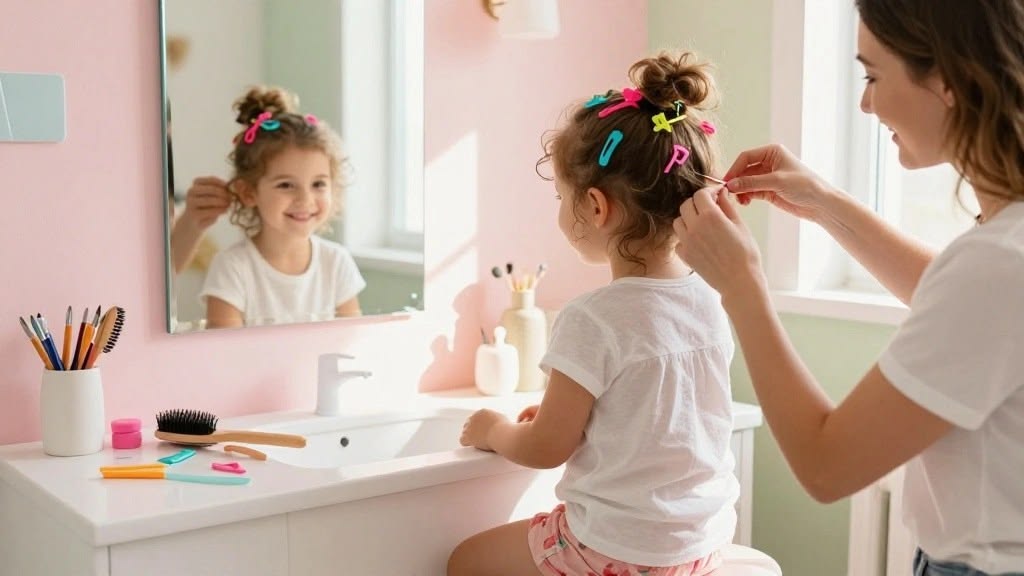
Preventing Breakage
Breakage is one of the most common concerns parents bring up about their child’s hair. For the full explanation, read how to prevent hair breakage in children’s hair for the complete picture.
Tight styles, rough handling, dryness, and harsh products are the most common causes. Gentle, consistent care at every step is the best form of prevention available.
Watch for early warning signs, like redness at the hairline or unusual shortness in one spot. Catching these signs early makes correction far easier than waiting until damage has spread.
Regular trims also help prevent small damage from spreading further up the hair shaft. A small maintenance trim every few months protects the overall health of the hair.
Loosen any hairstyle the moment your child mentions discomfort or soreness at the scalp. A comfortable style is always the safer choice for growing, developing hair.

Moisturizing The Right Way
Moisture is often the missing piece between hair that looks dull and hair that looks healthy. For the full method, read how to moisturize your child’s hair the right way for complete guidance.
Water always comes first, followed by cream, and finally sealed in with a light oil. This order matters more than any single product used along the way.
Daily light moisture, even between wash days, keeps hair consistently soft and manageable. Consistency here matters far more than any single expensive treatment applied occasionally.
A quick spray of water followed by a small amount of cream takes just a few minutes. This small daily habit prevents most of the dryness that builds up over a busy week.
Keep the spray bottle and cream somewhere easy to reach each morning. The easier the tools are to find, the more likely the habit actually sticks.
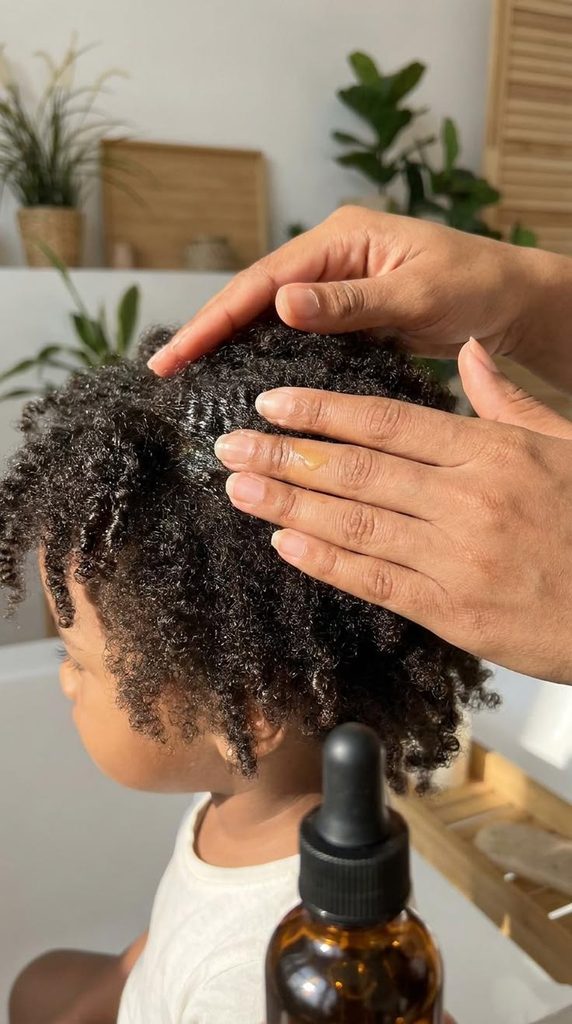
Protecting Hair At Night
What happens overnight matters just as much as anything done during the day. For the full guide, check how to protect kid’s hair while they sleep for complete tips.
A satin bonnet or pillowcase reduces the friction that damages hair while your child sleeps. Loose braids or twists before bed offer additional protection through the night.
This one small nighttime habit can noticeably reduce tangling and breakage over just a few weeks. It is one of the simplest, highest impact changes a parent can make.
If your child resists wearing a bonnet, adding it gently after they fall asleep still helps. It is not the ideal method, but it still offers real protection through the night.
Wash the pillowcase or bonnet regularly, since a clean surface protects hair just as well. This small maintenance habit keeps the entire nighttime routine working as intended.

Keeping Hair Soft And Tangle Free
Soft, tangle free hair depends on consistent moisture, gentle handling, and the right products. For more ideas, see how to keep your child’s hair soft and tangle-free for extra tips.
This applies no matter if your child’s hair is naturally soft or naturally more coarse and stubborn. Small, steady effort matters more here than any single miracle product.
Every tip covered throughout this series connects back to this one core goal in some way. Softness is really the natural result of doing the small things consistently and well.
There is no single shortcut to softness, only steady, gentle habits repeated over time. Trust that small, consistent effort will eventually show up as real, visible change.

Choosing Safe Products
Not every product on the shelf is appropriate for a child’s more delicate hair and scalp. Look for labels that say sulfate free and paraben free whenever possible.
Avoid products with strong fragrances or high alcohol content, since these can irritate sensitive skin. Testing a small amount first helps you catch a bad reaction before it spreads.
Read reviews from other parents, but remember every child’s hair reacts a little differently. What works well for one family may not work the same way for yours.
Keep a simple record of the products that worked and the ones that did not. This small habit saves both time and money on future shopping trips.
Introduce new products one at a time rather than switching everything at once. This makes it far easier to identify exactly what caused a good or bad reaction.

The Role Of Diet And Hydration
Hair health does not stop at the products you apply from the outside. Protein, iron, and healthy fats all support strong, resilient hair growth from within.
Water intake also plays a quiet but genuine role in how soft and healthy hair feels. A balanced diet works alongside good external care rather than replacing it entirely.
Simple, varied meals support hair health just as much as any single specialized product. Small nutritional habits add up over time, the same way small hair care habits do.
Encourage regular water breaks, especially during active or outdoor play sessions. This small habit supports both overall health and healthy, soft hair at the same time.

Common Myths Parents Should Ignore
Many popular hair care myths circulate among parents without much basis in reality. Cutting hair often does not make it grow back faster or thicker than before.
Oiling the scalp daily does not automatically prevent dryness, and can sometimes make it worse. Tight braids do not make hair grow thicker, they often cause thinning at the edges instead.
Question advice that sounds too simple or too good to be true before following it. Good hair care almost always comes down to small, consistent habits rather than quick fixes.
Shaving a baby’s head does not make hair grow back thicker, despite what many people believe. Hair thickness is determined by genetics, not by cutting or shaving practices.

Building Trust Around Hair Care
How your child feels about hair care matters just as much as the techniques you use. A rushed, stressful routine builds resistance that can last for months or even years.
A calm, patient approach builds trust that makes every future session easier. This trust is worth protecting, even if it means sessions take a little longer.
Involve your child where appropriate, letting them make small choices along the way. This sense of control often reduces resistance more than any single explanation ever could.
A relaxed, unhurried approach at every step slowly builds a positive association with hair care overall. This foundation makes every future session, from washing to styling, noticeably easier.

When To Get Professional Help
Most hair and scalp issues can be handled at home with patience and the right routine. Persistent bald patches, ongoing scalp irritation, or unexplained breakage may need a specialist’s opinion.
Do not wait too long if something feels genuinely off with your child’s hair or scalp. A quick professional check can catch a deeper issue early, before it grows worse.
Trust your instincts here, since you know your child’s hair better than anyone else does. A second opinion never hurts when something does not feel quite right.
A specialist can also rule out any underlying issue that home care alone cannot fix. Getting a clear answer early often saves months of guessing and worry.

Adjusting As Your Child Grows
What works for a toddler will not always work the same way for an older child. Hair texture, thickness, and even personal preferences shift as your child continues to grow.
Check in on your entire routine every few months, not just when problems appear. Small, regular adjustments keep the routine matched to what your child actually needs now.
Puberty especially can bring noticeable changes in oil production and overall hair texture. Stay flexible rather than assuming today’s routine will work forever without any changes.
Revisit each guide in this series periodically, since your needs may shift as your child grows. What felt irrelevant last year may become genuinely useful information this year.
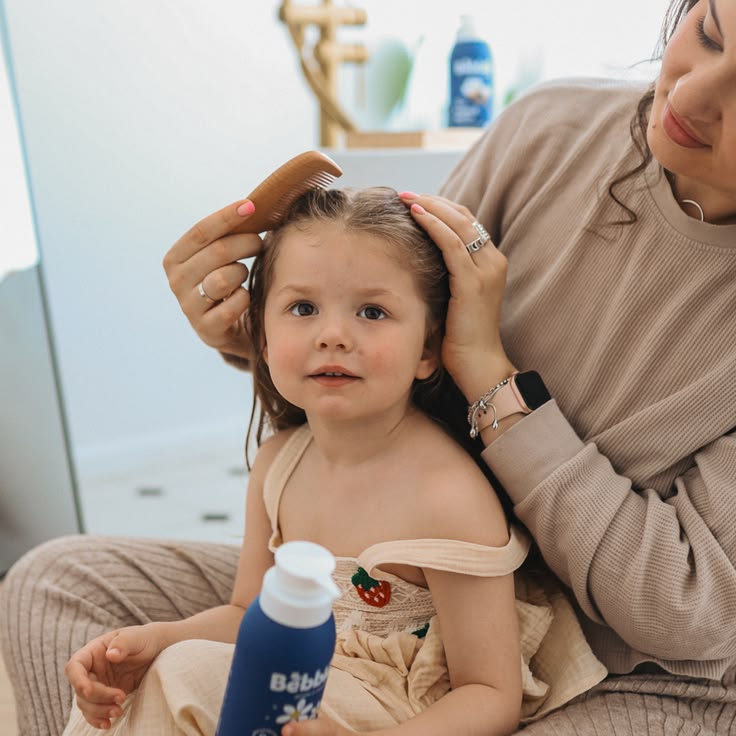
Involving Your Child In Their Own Care
Older children can gradually take on more responsibility for their own hair care routine. Start with small tasks, like holding the spray bottle or picking their own products.
This builds good habits that carry well into their teenage years and beyond. Involvement also turns a routine chore into something your child can feel proud of.
Letting your child have some say in their own hair builds confidence over time. This small shift in ownership often makes the entire process smoother for everyone involved.
By the teenage years, many children can manage most of their own routine independently. The habits built early on make this eventual independence far easier to reach.

Tools Every Parent Should Have
A few basic tools cover almost everything most families need for daily hair care. A wide tooth comb, a spray bottle, soft fabric ties, and a satin bonnet are the essentials.
Add a gentle shampoo, a light conditioner, a leave-in cream, and a light oil to complete the kit. With just these few items, most hair care situations become far easier to manage.
Keep everything together in one small basket so nothing gets lost or misplaced. This small habit saves time and reduces stress on busy wash days.
Check your tools every few months for wear, and replace anything that looks damaged. A cracked comb or worn out clip can quietly cause more harm than good.

Bringing It All Together
Every topic covered across this series connects to form one complete approach to hair care. A good routine, the right washing schedule, gentle detangling, and consistent moisture all support each other.
Protection at night and prevention of breakage round out the full daily and weekly picture. None of these pieces work particularly well when treated as separate, isolated tasks.
Revisit each linked guide whenever you need a deeper dive into a specific topic. Together, they form a complete, practical resource for raising healthy, well cared for hair.
No single post covers everything on its own, but together they create a complete picture. Use this post as the map, and the linked guides as the detailed directions.

Final Thoughts
Caring for your child’s hair does not require perfection, expensive products, or endless research. It requires patience, consistency, and a willingness to keep learning as your child grows.
Small, steady habits, repeated over time, matter far more than any single dramatic change. Trust the process, and healthy, manageable hair will follow naturally.
Come back to this post and its linked guides whenever a new question comes up. With the right knowledge in hand, hair care becomes a calm, manageable part of daily life.
Every parent starts somewhere, and small consistent steps are always enough to build real progress. Trust yourself, stay patient, and let steady care do the rest of the work.
Leave a Reply