Anything that concerns a child’s hair needs to be handled with care. Because they are not adults, they don’t know when something is going wrong with their hair. They don’t know when itching is no longer normal, or when their hair is dirty. That responsibility falls entirely on the parent watching closely every single day.
This is exactly why hair care cannot be a one time task you set and forget. A child’s hair changes with the weather, their diet, their activity, and even their age. What works perfectly in July can leave the same hair dry and brittle by December. Staying alert to these shifts is part of what keeps a child’s hair genuinely healthy throughout the year.
Our ultimate guide to caring for your child’s hair covers the basics of daily care in depth. This post focuses specifically on keeping that hair strong and healthy across every season. We will walk through each season, the risks it brings, and the small adjustments worth making along the way.
By the end, you should feel confident adjusting your child’s hair care as the year moves forward. Strong, healthy hair is not about one perfect product, it is about steady attention over time. Small changes made at the right moment matter far more than any single miracle product ever could.

How To Keep Kids Hair Healthy And Strong All Year Round
Understanding The Four Seasons And Hair
Hair does not stay the same throughout the entire year, even with a solid routine. Heat, cold, humidity, and dryness all affect the scalp and strands differently.
A routine that works beautifully in spring might fail completely by winter. Recognizing this early saves you from blaming the wrong product or the wrong technique.
Think of the seasons as four different environments your child’s hair has to adapt to. Each one asks for a slightly different approach to washing, moisturizing, and protecting the hair.
Once you understand this pattern, seasonal changes stop feeling confusing or unpredictable.
Keep a mental note of how your child’s hair behaves as each new season begins. Over a year or two, you will start recognizing these patterns without much extra effort.
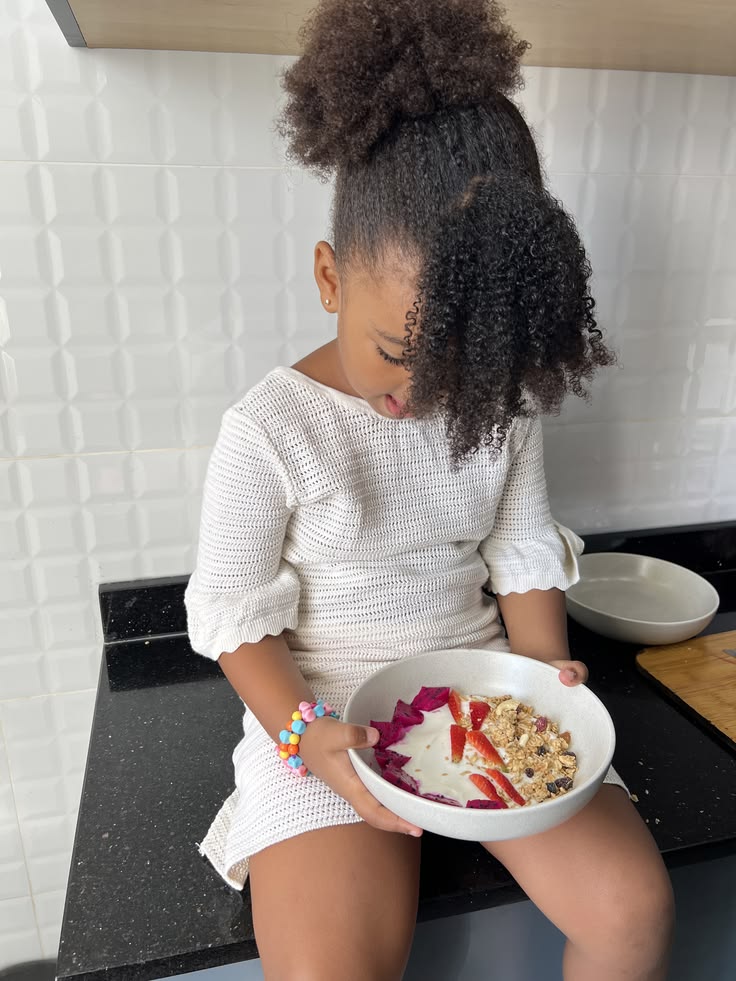
Caring For Hair In Hot, Sunny Months
Hot weather increases sweat, which means the scalp gets dirty and oily much faster than usual. Sun exposure also weakens the hair shaft, making strands more prone to dryness and breakage.
Lighter products work better during this season, since heavy creams can feel greasy in the heat. A wide brimmed hat offers simple, effective protection during long hours outside.
Swimming often increases during hot months, which brings its own set of challenges for hair health. Chlorine and salt water both strip moisture, so a quick rinse after swimming becomes essential.
Keep a light leave-in spray on hand for quick refreshes throughout hot, active days.
Loose, breathable styles also help during hot weather, since tight styles trap heat and sweat. A simple braid or bun keeps hair off the neck while still protecting it from damage.
Sweat left untreated for too long can also irritate a sensitive scalp during hot stretches. A quick rinse with cool water between full washes can offer real relief.

Caring For Hair In Cold, Dry Months
Cold air holds far less moisture, which pulls hydration straight out of the hair and scalp. This often leads to increased dryness, flaking, and static during the coldest stretches of the year.
Richer creams and heavier oils become more useful during this season than they were in summer. Indoor heating adds to the problem, since it also dries out the surrounding air.
A humidifier in your child’s room can help offset some of this seasonal dryness. Reduce washing frequency slightly during winter, since natural oils are more valuable when the air is dry. Protective styles also help shield the hair from constant exposure to cold, biting wind.
Hats and scarves worn outdoors can rub against hair and cause extra friction over time. Choose soft, lined materials where possible to reduce this kind of winter related wear.
Static also becomes more common in cold, dry air, which can make hair harder to manage. A light oil applied to the palms and smoothed over the hair helps calm this down.

Caring For Hair In Rainy, Humid Months
Humidity brings a different kind of challenge, mostly centered around frizz and quick tangling. Moisture in the air causes hair to swell slightly, which disrupts a smooth, defined pattern.
Lightweight, anti frizz products work well without weighing the hair down in sticky weather. Braids and twists help manage frizz while keeping the hair fully protected from constant dampness.
Wet weather also means hair dries more slowly, which can lead to a musty smell if ignored. Make sure hair fully dries before bed to avoid this issue during rainy stretches.
A quick blow dry on a cool setting can help when natural drying takes too long.
Rain itself can also leave residue on the hair, especially in areas with heavy pollution. A light rinse after unexpected rain helps keep the scalp clean between full wash days.
Keep an umbrella or hooded jacket handy during rainy stretches to reduce direct exposure. Less direct contact with rain means less extra moisture and residue to manage afterward.
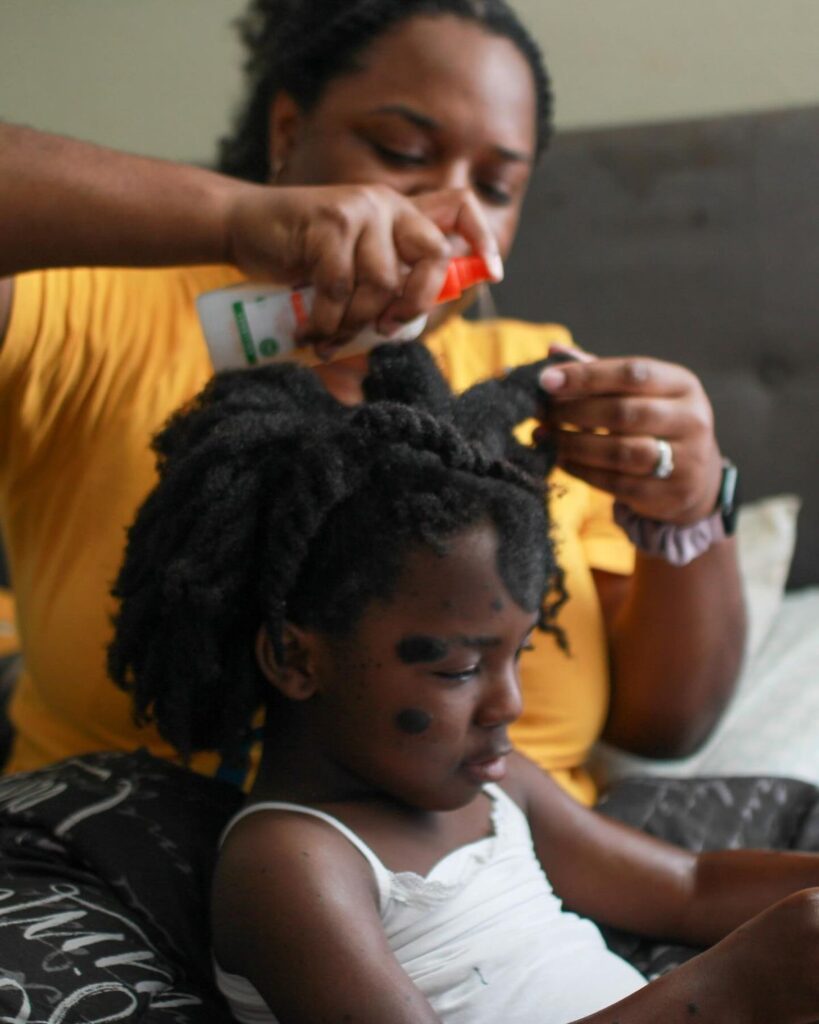
Caring For Hair In Mild, In-Between Months
Spring and early autumn often bring milder weather that feels easier to manage overall. This is actually a good time to reset the hair care routine before the next extreme season arrives.
Use this stretch to trim damaged ends and evaluate which products are still working well. It’s also a good window to test new products before committing during a harsher season.
Mild months are ideal for building better habits, since the hair is under less immediate weather stress. Small adjustments made now often prevent bigger problems once summer heat or winter cold returns.
Use this calmer stretch to teach your child more about their own hair care routine. A relaxed season makes it easier for them to learn without added weather related stress.
This is also a good time to try a new style or product without much risk. If it does not work out, the hair has an easier time recovering during a mild season.
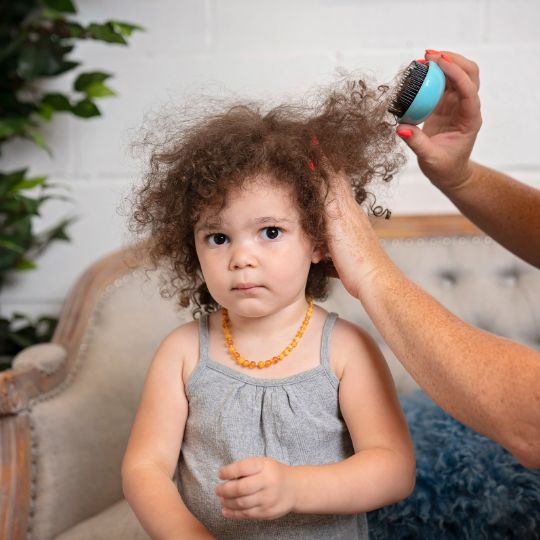
Building A Routine That Adjusts With Seasons
A strong hair care routine should never stay completely fixed throughout the entire year. For the full five step structure, read how to create a simple hair care routine for kids again.
Swap products in and out based on the current season rather than sticking with one set forever. This flexibility is often what separates a routine that works from one that quietly fails.
Keep both a lighter and a heavier version of your core products on hand. Switching between them takes seconds once you already have both within reach.
Review your full routine at the start of each new season, not just when problems appear. A quick check in prevents small issues from turning into bigger ones over time.
Involve your child in this seasonal review once they are old enough to notice changes themselves. They often notice shifts in comfort or feel before you do as the parent.

Washing Frequency Across The Year
How often you wash your child’s hair should shift slightly as the seasons change too. For the full breakdown on this, read how often should you wash your child’s hair for complete guidance.
Hot, sweaty months usually call for washing a little more often than cooler ones. Cold, dry months usually call for stretching the schedule out a bit longer.
Reviewing the schedule every few months keeps it matched to your child’s current needs. What worked in July may not be the right schedule for December, so treat the plan as flexible.
Keep track of how the schedule feels each season, not just how it looked on paper. What felt right in spring might need a small tweak once summer heat arrives.
A flexible mindset here saves you from fighting against what the hair is actually showing you.
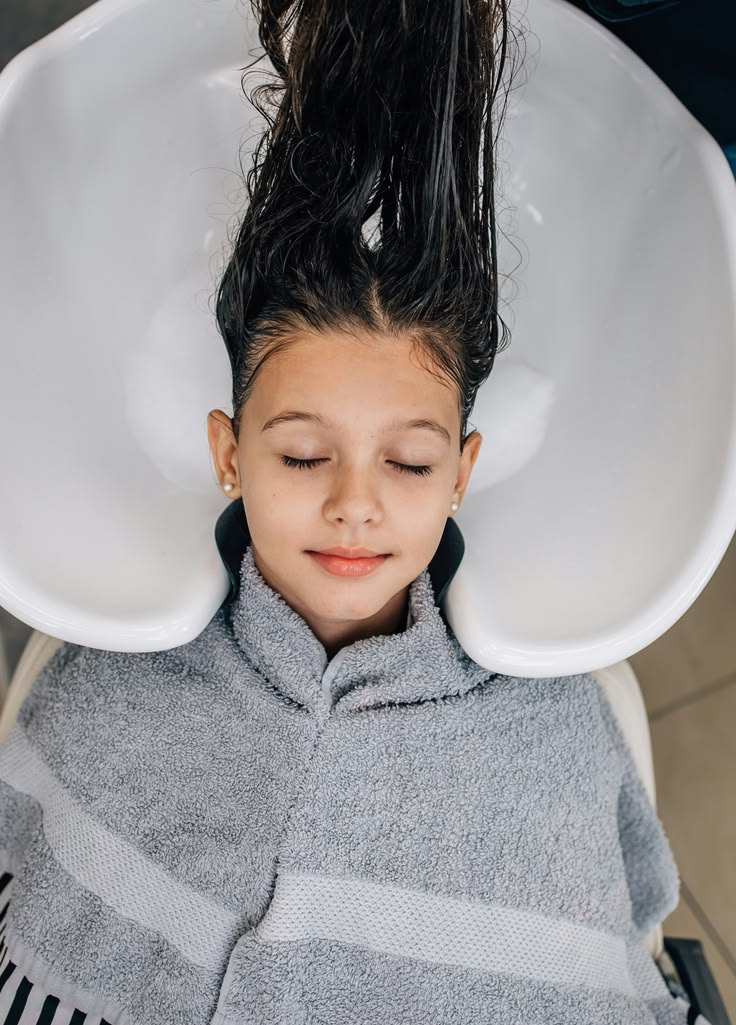
Detangling Habits That Change With Weather
Weather affects how tangled hair becomes just as much as it affects dryness or oil. For the full method, read how to detangle your child’s hair without tears for detailed guidance.
Humid months often bring more tangling, since frizz causes strands to catch on each other. Dry winter months can make tangles feel tighter and harder to work through gently.
Adjust your detangling oil or spray slightly based on the current season’s demands. A bit more slip during winter can make a noticeable difference in comfort for a sensitive child.
Humid days may call for a quick mid day detangle if frizz builds up fast. This keeps small tangles from turning into bigger, more stressful knots by evening time.

Preventing Breakage Through Weather Changes
Weather related dryness is one of the most common hidden causes of breakage in kids. For a full explanation, read how to prevent hair breakage in children’s hair for the complete picture.
Extreme heat and extreme cold both weaken the hair shaft in slightly different ways. Watching for early signs of breakage helps you catch seasonal damage before it spreads further.
Trim damaged ends promptly rather than waiting for a full seasonal changeover. Small, regular trims prevent minor breakage from turning into a bigger problem later.
Keep an eye on the same trouble spots each season, since they often repeat themselves. A spot that broke last winter may need extra care again this year too.
Compare photos from season to season if it helps you track subtle changes over time. This visual record can reveal patterns that are easy to miss day to day.
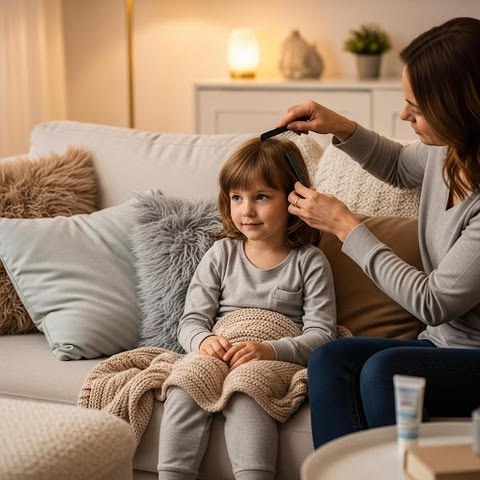
Moisturizing Strategies For Every Season
Moisture needs shift dramatically from one season to the next, more than most parents expect. For the full method behind this, read how to moisturize your child’s hair the right way.
Light creams work well in humid or hot months, while richer ones suit cold, dry air. Adjusting moisture levels seasonally keeps the hair balanced instead of either greasy or overly dry.
Watch how the hair feels by midweek to judge if your current product still fits the season. A change in texture or feel is often the clearest signal that an adjustment is due.
Keep notes on which products worked best during each season from year to year. This small habit saves you from repeating trial and error every single time the weather shifts.
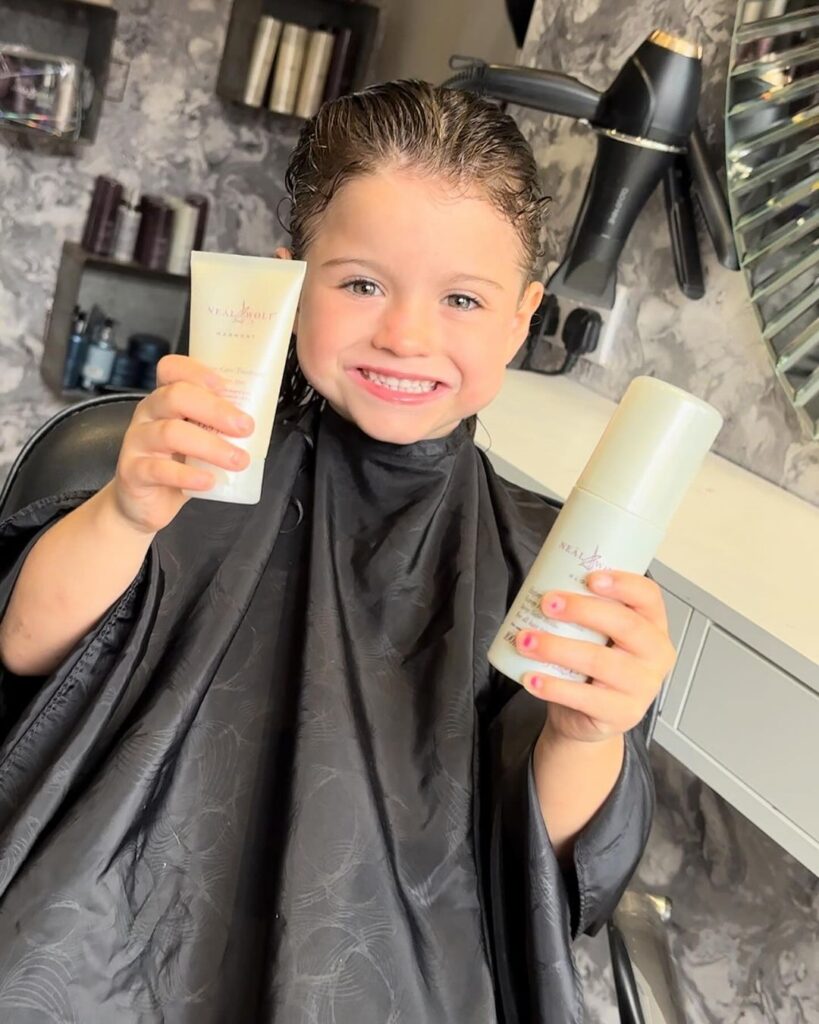
Protecting Hair At Night All Year
Nighttime protection matters in every season, though the details can shift slightly with the weather. For the full guide, check how to protect kid’s hair while they sleep for complete tips.
A satin bonnet works well year round, though a slightly looser fit helps in hot months. Cooler months might call for an extra layer, like a soft scarf underneath the bonnet.
Consistency here matters more than the exact material used during any single season. The goal is simply reducing friction against rough fabric every single night.
Wash the bonnet or pillowcase regularly, especially during hot, sweaty months of the year. A clean surface protects hair just as well as the material itself does.
Keep a spare bonnet on hand for travel or sleepovers, so the habit never gets skipped. Consistency matters more when your child is away from their usual bedtime setup.

Keeping Hair Soft No Matter The Season
Soft, manageable hair should be the goal no matter what the weather is doing outside. For more ideas, see how to keep your child’s hair soft and tangle-free for extra tips.
Consistent gentle handling, paired with the right seasonal products, keeps hair soft throughout the year. Neglecting either piece usually shows up as dryness, frizz, or unwanted breakage within weeks.
Pay attention to small changes in softness as an early signal that something needs adjusting. Catching this early is far easier than fixing months of accumulated seasonal damage.
Gentle handling stays important no matter the season, even when you feel rushed or tired. A soft touch protects the hair just as much as any product ever could.

Watching For Scalp Changes By Season
The scalp reacts to seasonal shifts just as much as the visible strands of hair. Flaking often increases during cold, dry months due to reduced natural moisture.
Excess oil often increases during hot, humid months due to more active sweat glands. Both patterns are usually normal, as long as they stay mild and manageable.
If flaking or oiliness becomes severe or persistent, it may be worth a specialist’s opinion. Otherwise, small seasonal adjustments to washing and moisture usually resolve the issue on their own.
Check the scalp itself during each wash, not just the visible hair strands. This gives you a clearer, more direct read on how the season is affecting your child.
A gentle scalp massage during washing can also help you notice changes earlier. It doubles as a calming step your child will likely start to enjoy.

Diet And Hydration Across The Year
What your child eats and drinks also plays a quiet role in seasonal hair health. Dehydration becomes more common in hot months, which shows up as dry, brittle strands.
Cold months can reduce water intake naturally, since thirst feels less urgent in cooler weather. Encourage steady water intake regardless of season, since hydration supports hair from the inside out.
Seasonal fruits and vegetables also offer different nutrients worth including throughout the year. A varied diet across the seasons naturally supports stronger, healthier hair growth overall.
Encourage water breaks during outdoor play, especially in hot weather when thirst can go unnoticed. Small, consistent hydration habits support hair health just as much as any topical product.

Sun Protection For Hair And Scalp
Sun exposure affects both the hair and the scalp underneath it, especially during summer months. UV rays can weaken hair protein over time, leading to dryness and a rougher texture.
A hat remains the simplest and most effective form of protection during long outdoor days. Leave-in products with light UV protection can also help during extended sun exposure.
Scalp sunburn is possible too, especially along visible partings or thinner areas of hair. Reapplying sunscreen along the hairline offers an extra layer of protection on the sunniest days.
Midday sun tends to be the strongest, so plan outdoor time earlier or later when possible. Small scheduling choices like this reduce overall sun exposure without limiting outdoor fun.
Bright colored hair accessories can also help you spot your child in a crowd. This is a small but useful bonus of dressing up hair for long summer outings.

Indoor Heating And Air Conditioning Effects
Indoor climate control affects hair just as much as the weather happening outside your home. Heating systems dry out indoor air significantly during the coldest months of the year.
Air conditioning can have a similar drying effect during long, hot summer days. Both systems quietly pull moisture from hair over extended periods indoors.
A humidifier can help counter dry heating in winter, especially in a child’s bedroom. During summer, balancing time indoors and outdoors helps limit constant exposure to drying air conditioning.
Placing a small bowl of water near a heater or vent can also add moisture back into the air. This simple, low cost trick helps offset some of the dryness these systems create.
Keep your child’s bedroom slightly cooler at night if possible, since this also helps preserve moisture. A comfortable, not overly warm, room supports both better sleep and better hair health.
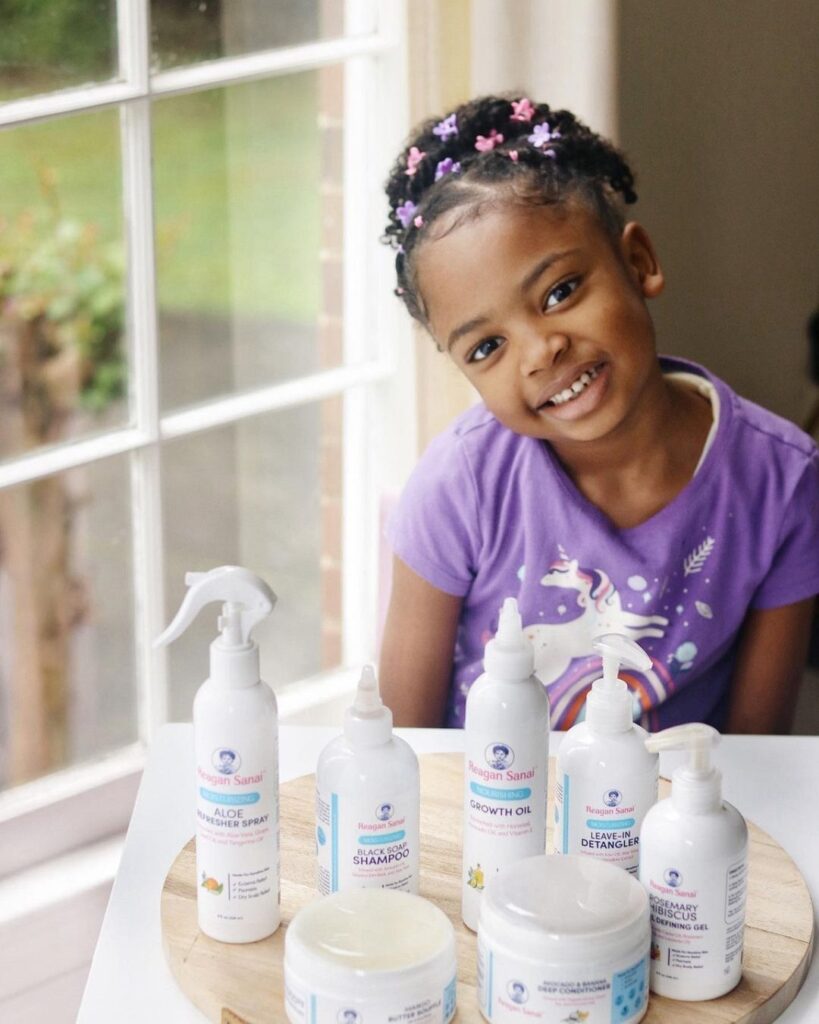
Building A Seasonal Product Kit
Keeping a small, adjustable kit of products makes seasonal transitions far easier to manage. Include a light cream, a heavier cream, a detangling spray, and a protective oil.
Swap the main products in and out as the seasons shift throughout the year. This saves you from scrambling to find the right product mid season.
Label each product by season if it helps you stay organized during busy weeks. A simple system like this removes a lot of the seasonal guesswork for busy parents.
Rotate out any products that go unused for a full season, since they may have expired. Fresh, well kept products always perform better than ones sitting unused for months.
Store the kit somewhere cool and dry, away from direct sunlight or heat sources. Proper storage keeps every product working as well as it did on the day you bought it.
Everything Else Parents Should Track
Seasonal hair care is just one part of the much bigger picture of daily care. For a full, parent focused overview, read everything parents need to know about kid’s hair care.
It ties seasonal adjustments into the wider routine covered across every other topic. Tracking small changes across the year helps you respond before problems become serious.
Keep a simple mental note of what worked well during each season for future reference. This small habit makes next year’s seasonal transition noticeably smoother than this one.
A short written note, even just a few lines, can save you real time later. Future you will thank present you for tracking these small seasonal details.

Final Thoughts
Healthy, strong hair throughout the year comes down to noticing and adjusting, not chasing perfection. Watch how your child’s hair responds to each season and adapt your routine accordingly.
Small, steady changes matter far more than any single expensive product ever could. Over time, this seasonal awareness becomes second nature for both you and your child.
Strong hair is built through attention across every season, not just during the easy months. With steady care, your child’s hair can stay healthy no matter what the year brings.
Trust the small, everyday choices you make, since they add up far more than any single fix. Consistency across every season is what ultimately keeps your child’s hair strong and resilient.
Give yourself credit for the steady effort, even on the weeks that feel harder than others.
Leave a Reply