Some kids cry the moment you touch their hair, even when you’re not doing anything painful to them. This is exactly the reason my neighbor said she would cut her child’s hair. But there are kids who love having their hair plaited. You don’t need convincing or petting to get them to sit down.
That difference can feel confusing if you only have one type of child at home. You start to wonder if you are doing something wrong during the process. In most cases, the issue has nothing to do with your skill as a parent. It often comes down to sensitivity, past experience, or simply how the hair was handled before.
The good news is that detangling does not have to end in tears every single time. With the right approach, even a tender headed child can learn to sit calmly. Our ultimate guide to caring for your child’s hair touches on this briefly as part of the bigger picture. This post goes much deeper, walking you through exactly how to detangle without the drama.
By the end, you should have a clear, gentle method you can use every single week. Even a child who currently cries at the sight of a comb can slowly come around. This shift does not happen through force, but through steady, gentle repetition over time.

How To Detangle Your Child’s Hair Without Tears
Why Some Kids Cry During Hair Care
Crying during hair care is rarely about pain alone, even though it often looks that way. For many children, it is about the unknown feeling of not being in control.
A tug they cannot predict feels scarier than one they can see coming. This is especially true for younger children who cannot yet explain what they feel.
Some children also have naturally sensitive scalps, which makes even gentle handling feel uncomfortable. Others have simply had a rough experience in the past that they still remember.
Once fear builds up, even a soft touch can trigger a strong reaction. Understanding this helps you respond with patience instead of frustration during the process.
Reacting with frustration usually makes the fear worse instead of better over time. A child who senses your stress often becomes more tense in return.
Staying calm yourself, even when the crying feels dramatic, sets the tone for the whole session.
It also helps to remember that this stage rarely lasts forever for most children. As trust builds and technique improves, the crying tends to fade naturally.

Understanding Where The Fear Comes From
A single bad experience can shape how a child feels about hair care for months. A rushed session, a rough comb, or a sharp tug can all leave a lasting impression.
Children remember discomfort far longer than adults often expect them to. This is why gentle, slow sessions matter so much, especially early on.
Rebuilding trust takes time, and it rarely happens after just one calm session. Stay consistent with a gentle approach over several weeks before expecting a big change.
Small wins, like one calm session without tears, are worth celebrating along the way.
Talk to your child gently about what happened during a rough session in the past. Simply acknowledging their fear, without dismissing it, often helps them feel understood. This small step can speed up how quickly trust starts to return.

Detangle Dry, Not Wet
One of the biggest mistakes parents make is detangling hair while it is fully wet. Water causes the hair shaft to swell slightly, which makes existing knots even tighter.
Dry detangling, done with a bit of oil, causes noticeably less pulling and discomfort. This single change alone can dramatically reduce the tears during a typical session.
Apply a light oil across the hair before you begin any detangling work. This adds slip, which helps the comb glide through instead of catching on knots. Give the oil a minute or two to settle before you start working through sections.
If your child insists on a wash first, wet detangling is still possible with extra care. Add a generous amount of conditioner to boost slip during a wet session. Just know that dry detangling with oil remains the gentler option overall.
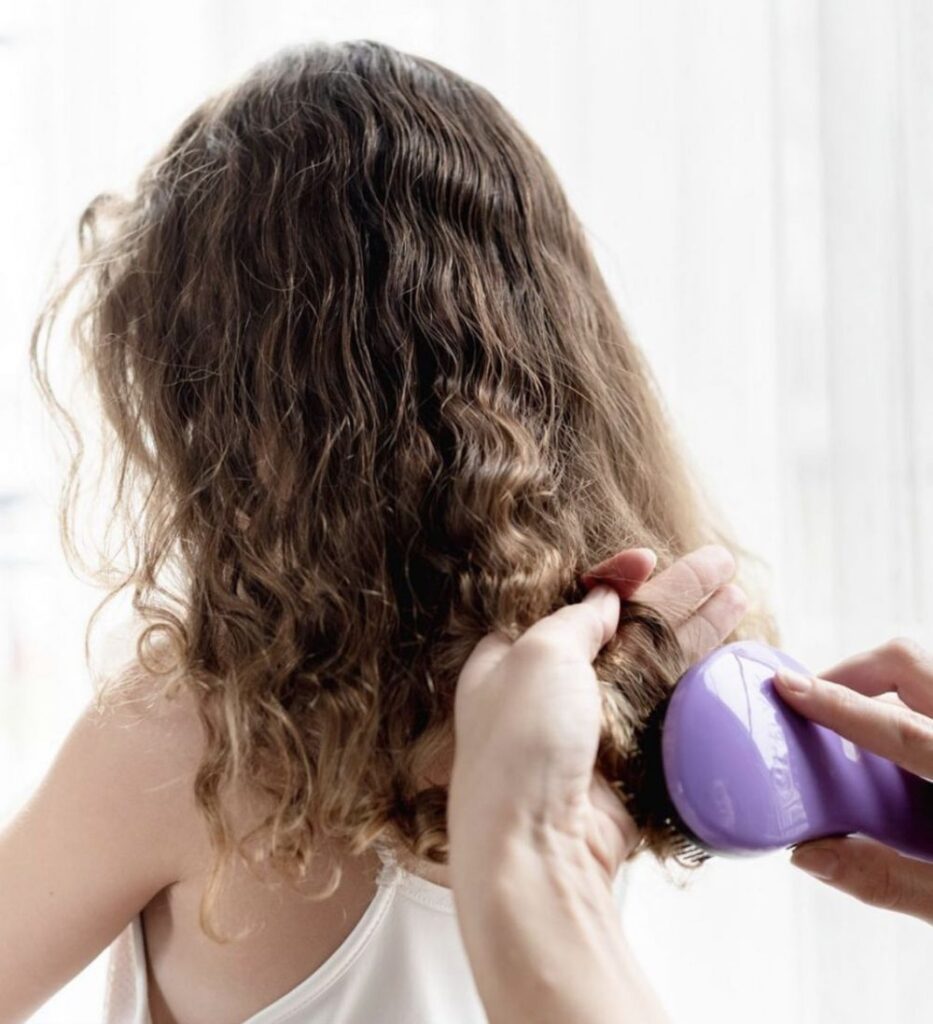
The Right Tools For Gentle Detangling
A wide tooth comb is the single most important tool for this entire process. Its wider gaps glide through hair instead of snagging on every small knot.
Avoid fine tooth combs and stiff bristle brushes during the actual detangling stage. These tools tend to pull and snap fragile strands rather than gently working through them.
Finger detangling is another gentle option worth trying, especially for very tender headed children.
Fingers can feel exactly where a knot sits, unlike a comb moving blindly through hair. Many parents find that a mix of fingers and a wide tooth comb works best.
Keep a small basket of tools within reach so you never have to pause mid session. Searching for a comb halfway through can break your child’s focus and patience. A little preparation beforehand makes the whole session flow far more smoothly.
Avoid switching tools too often, since a familiar comb can feel more comforting to your child. Consistency in your tools mirrors the consistency you are trying to build in the whole routine.
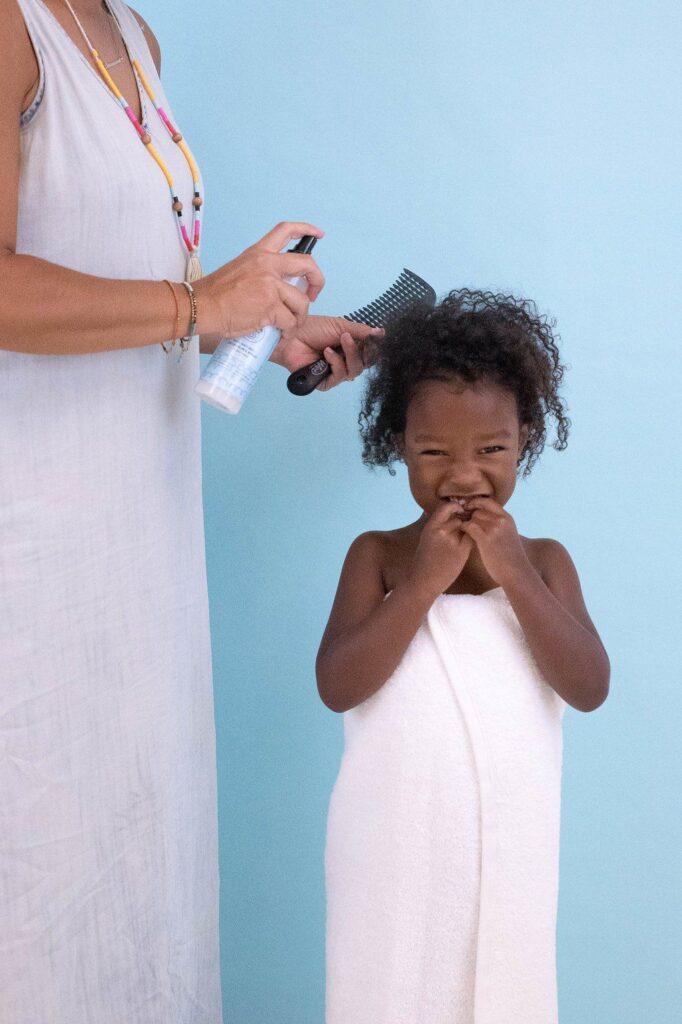
Section The Hair Before You Start
Trying to detangle the entire head at once almost always leads to frustration. Break the hair into four to six smaller sections before you begin working.
Clip each section out of the way while you focus on just one at a time. This keeps the process organized and prevents you from losing track of tangled areas.
Smaller sections also mean shorter bursts of work, which most children can tolerate more easily. You can even take breaks between sections if your child starts to get restless.
This approach turns one long, overwhelming task into several short, manageable ones.
Use soft clips or hair ties that will not snag on the other sections. Cheap plastic clamps can catch loose strands and cause unnecessary discomfort.

The Correct Direction: Tips To Roots
Always start detangling from the very ends of the hair, never from the roots. Working from the roots downward drags every single knot along the entire strand.
Starting from the tips lets you clear small knots before they reach the scalp. Slowly work your way upward as each section becomes smooth and tangle free.
This method takes a bit more patience but causes far less pulling at the scalp. Most of the pain during detangling actually comes from root level tension, not the ends. Respecting this simple order changes the entire experience for your child.
It can feel slower at first, especially if you are used to combing straight through. Trust that the extra time spent here saves you from a much harder fight later. Once the habit forms, it barely adds any real time to the session at all.
Show your child the finished, smooth section as you go, since it gives them something to look forward to. Seeing visible progress often keeps young children more patient through the rest of the session.

Using Oil Or Slip To Ease The Process
Slip is a term stylists use to describe how smoothly a comb moves through hair. The more slip a product provides, the easier detangling becomes for everyone involved.
Light oils, detangling sprays, and leave-in conditioners all add helpful slip to the hair. Reapply a little more if a section starts to feel dry partway through.
Avoid heavy products that leave the hair feeling greasy or weighed down afterward. A light hand with the right product makes a noticeable difference in how smooth the session feels.
Test a new product on a small section first before using it across the whole head. This helps you check how much slip it actually provides for your child’s hair type. Not every product works the same way on every texture, so a little testing pays off.

Building A Calm Environment First
The setting you detangle in matters just as much as the technique you use. A rushed, noisy, or stressful environment tends to make children more tense and reactive.
Choose a quiet moment when neither of you is in a hurry. Soft lighting and a comfortable seat can also help set a calmer mood.
Avoid detangling right before school runs or other high pressure moments in the day. A relaxed setting gives both of you room to move slowly and gently.
Weekend mornings or quiet evenings often work better than a rushed weekday schedule. Pick a time when you are not watching the clock or thinking about the next task.
Your own calm energy tends to transfer directly to your child during the session.

Distraction Techniques That Actually Work
A good distraction can shift a child’s focus away from the discomfort of detangling. A favorite show, a fun podcast, or a simple game all work well here.
Some parents let their child hold a small toy throughout the session. Talking through the process step by step also helps keep young children engaged and calm.
Singing a familiar song together can turn detangling into something closer to playtime. The goal is to shift attention away from the sensation and toward something enjoyable instead.
Rotate between a few different distractions so the routine does not start to feel repetitive. What works one week might lose its effect the next, and that is completely normal. Keep a small list of options ready so you always have a backup plan.
Ask your child what distraction they would enjoy most before the session even begins. Giving them this choice adds another small layer of comfort and control.

Involving Your Child In The Process
Letting your child take part in the process often reduces resistance significantly. For older kids, following how to create a simple hair care routine for kids together builds real ownership.
Let them hold the spray bottle or apply the detangling oil themselves. This small shift in control can change their entire attitude toward the process.
Younger children can practice on a doll or a soft toy before their own turn. This playful rehearsal often makes the real session feel far less intimidating.
Praise their effort during the session, not just the finished result at the end. Sitting through a hard section deserves recognition, even if a few tears show up. This kind of encouragement builds confidence for the next session too.

Handling Stubborn Knots Without Pulling
Stubborn knots need patience, not force, no matter how tempting a quick tug might feel. Hold the hair firmly just above the knot to protect the scalp from tension.
Work the knot loose gently with your fingers before reaching for the comb again. Pulling through a stubborn knot is one of the fastest ways to cause breakage.
For more on this connection, read how to prevent hair breakage in children’s hair for the full explanation. Understanding how knots lead to breakage helps you handle them with the right amount of care.
If a knot truly will not budge after several gentle attempts, stop and add more oil. Sometimes a knot needs a few extra minutes to soften before it releases easily.
Cutting a small, hidden knot out is always better than pulling it through by force.
Explain calmly to your child why you are pausing on a stubborn spot. This reassures them that you are being careful, not simply struggling or losing patience.

Detangling Curly And Coily Hair
Curly and coily hair tends to tangle more easily than straight or wavy hair types. The natural curl pattern causes strands to wrap around each other throughout the day.
For extra tips suited to this hair type, see how to keep your child’s hair soft and tangle-free. Detangle this hair type while it is coated in conditioner for the smoothest result.
Work in smaller sections than you would with straighter hair, since curls tangle more densely. Patience matters even more here, since rushing tends to cause more breakage on curly strands.
Twisting or braiding each section as you finish it helps keep the hair from tangling again. This small habit protects your progress as you move from one section to the next. It also gives you a clear visual of how much work remains.

Detangling Before Wash Day
Detangling should always happen before the wash, never during or after it. For guidance on how often washing itself should happen, read how often should you wash your child’s hair.
Pairing a consistent detangling habit with the right wash schedule prevents most major tangling issues. Skipping this step before a wash usually leads to a much harder session later.
Build detangling into your pre wash routine so it becomes an automatic first step. Over time, neither of you will think of it as a separate task at all.
Set aside a fixed time slot before each wash specifically for this step. This prevents you from rushing through it just to get to the wash faster. Treating it as its own small ritual keeps the quality of the work consistent.

Preventing Tangles Before They Start
Prevention is always easier than fixing a fully tangled head later in the week. Protective styles, satin fabrics, and regular moisture all help reduce daily tangling.
Seasonal changes also affect how much a child’s hair tangles throughout the year. For the full seasonal breakdown, read how to keep kids hair healthy and strong all year round.
Dry winter air tends to increase tangling, while humid months bring their own frizz related challenges. Adjusting your approach with the seasons keeps tangling to a manageable minimum year round.
A loose braid or twist during the day also prevents tangling from building up between sessions. This works especially well for active children who spend a lot of time outdoors.
Small daily habits like this reduce how much work each detangling session actually needs.

Nighttime Habits That Reduce Tangles
What happens at night has a huge effect on how tangled hair becomes by morning. Cotton pillowcases create friction that leads to knots forming while your child sleeps.
For the full guide on this, check how to protect kid’s hair while they sleep. A satin bonnet or loose braid before bed prevents much of this overnight tangling.
This one small nighttime habit can cut your morning detangling time by a noticeable amount. Fewer tangles at the start of the day means a calmer, faster morning for everyone.
Check the bonnet or scarf placement before your child falls asleep, not after. A loose or slipped covering by morning offers very little real protection. A snug, comfortable fit makes the biggest difference in the morning.

Moisturizing To Prevent Future Knots
Dry hair tangles far more easily than hair that is properly moisturized. For the full method behind this, read how to moisturize your child’s hair the right way.
Keeping the hair hydrated between sessions makes each future detangling session noticeably easier. A quick daily spray of water and cream goes a long way here.
Well moisturized strands slide past each other instead of catching and knotting together. This small daily habit prevents a lot of the tangling that builds up over a busy week.
Pay closer attention to moisture during dry seasons, since tangling tends to increase alongside dryness.
A slightly heavier cream during those months can make a real difference. Watching the weather, not just the calendar, helps you stay ahead of tangling problems.

When To Take A Break Mid Session
Not every detangling session needs to be finished in one single sitting. If your child becomes overwhelmed, pause and pick up again a little later.
Forcing a session to the finish line often does more harm than good. A short break can reset the mood and make the rest of the process smoother.
Watch for signs like fidgeting, crying, or pulling away, and respond before frustration builds too far. A calm pause now often saves you a much harder session later.
Offer a short snack or a quick stretch break if the session is dragging on. A few minutes away from the comb can completely reset the mood. Returning with fresh patience almost always works better than pushing through in frustration.
If a full break is not possible, even shifting to a lighter section can help. Moving to an easier part of the head gives both of you a small mental reset.

Everything Else To Remember
Detangling is just one part of a much bigger hair care picture overall. For a full, parent focused overview, read everything parents need to know about kid’s hair care.
It ties this process into the wider routine covered across every other topic. Patience, the right tools, and a calm setting matter more than speed ever will.
Keep practicing, and both you and your child will get more comfortable with the process. What feels stressful today often becomes a quiet, easy habit within just a few weeks.

Final Thoughts
Detangling without tears is possible for almost every child, given the right approach. Go slowly, use the correct tools, and always work from the tips upward.
Build trust over time rather than expecting instant results from just one session. Every calm session adds up, even if progress feels small at first.
With patience, even the child who once cried at the sight of a comb can learn to relax. That change rarely happens overnight, but it is well worth the steady effort.
Trust the process, stay gentle, and give both yourself and your child the grace to improve slowly. Every small, calm session brings you both one step closer to a routine that feels easy instead of stressful.
Leave a Reply